From
$7,221

🔒 Your details are kept private and never shared with third parties.
Three generations, 35,000 acres, and East Africa's largest continuous rhino habitat — Laikipia's most authentic family-owned safari.
The Dyer family has owned and worked this land for three generations. It is not a detail that the lodge mentions as decoration — it is the thing that explains almost everything about Borana Lodge: why the cottages are built from local stone and timber and not imported materials, why the food comes from the farm’s own cattle and kitchen garden, why the guides have grown up in this landscape and carry knowledge of it that no training programme can replicate, and why the conservancy’s 130 rangers take their work with a seriousness that only long-term, family-rooted commitment produces.
Borana Conservancy covers 35,000 acres of the Laikipia Plateau at 6,000 feet above sea level, 27 kilometres north of the equator. In 2013, the Dyers dropped the fence between Borana and the adjacent Lewa Wildlife Conservancy — creating 92,000 acres of continuous, unfenced rhino habitat and one of the largest protected wildlife corridors in East Africa. Over 250 black and white rhino now range freely across this combined landscape. The decision was a statement of conservation purpose that cost something, and has produced results accordingly.
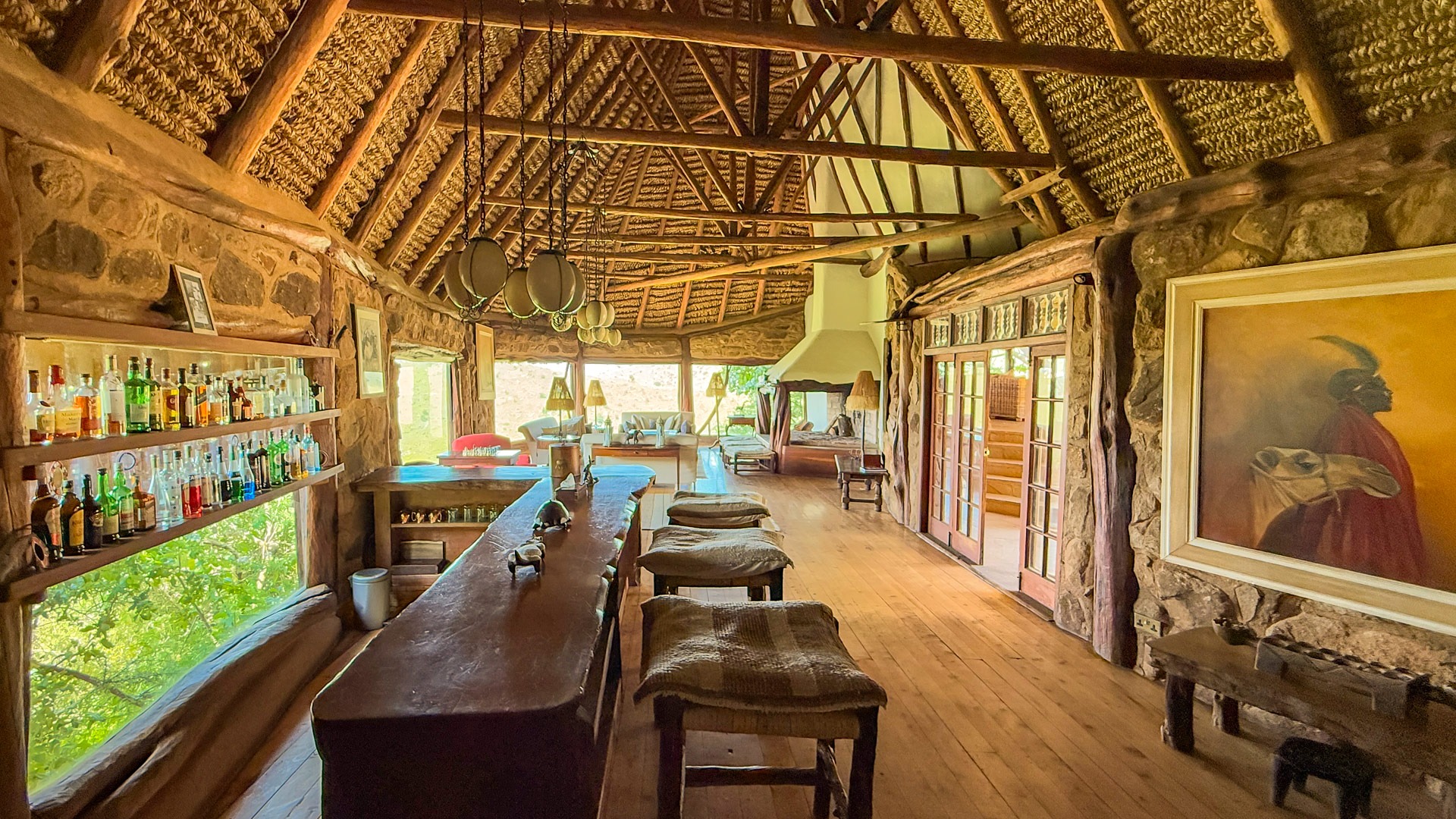
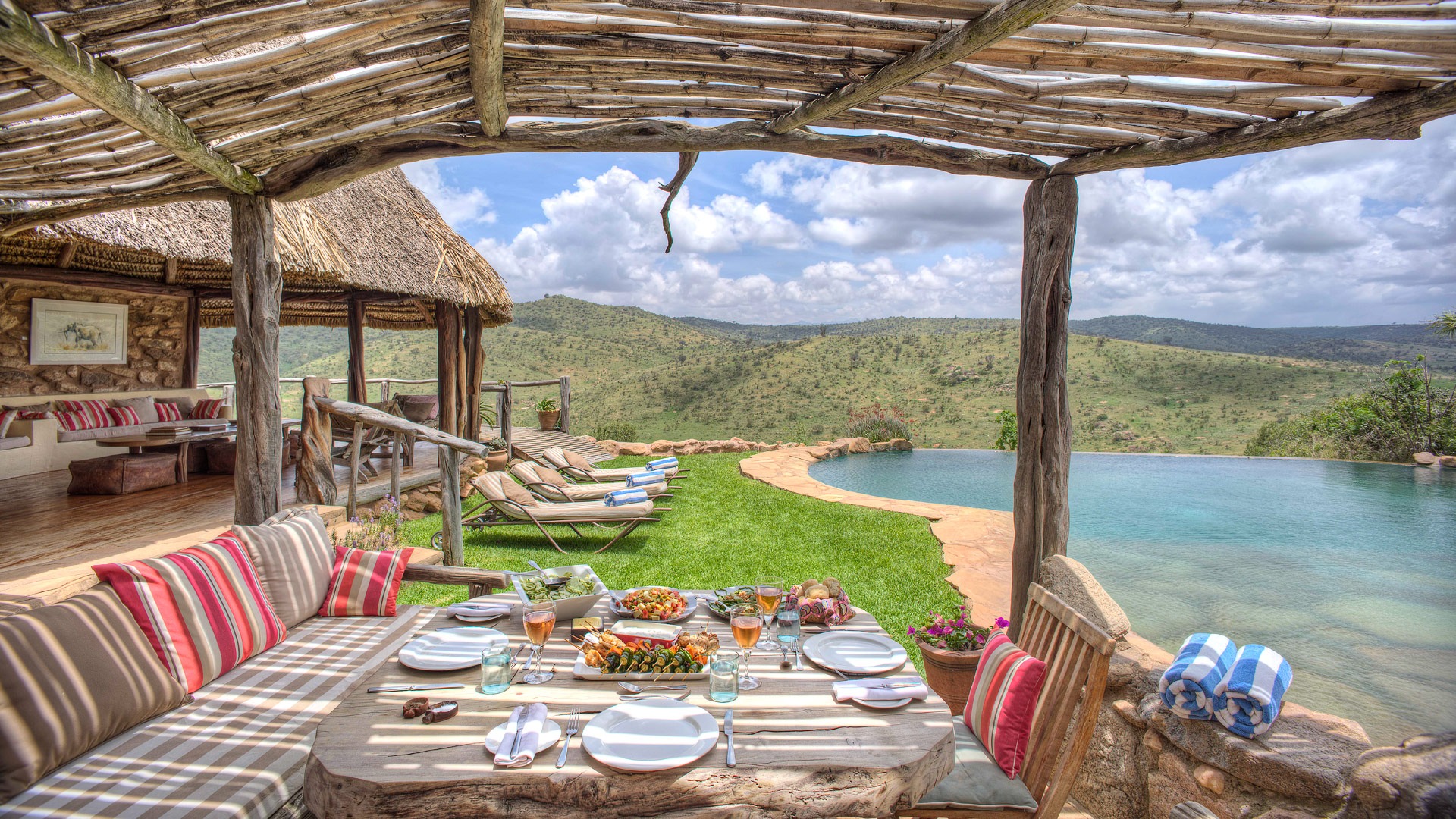
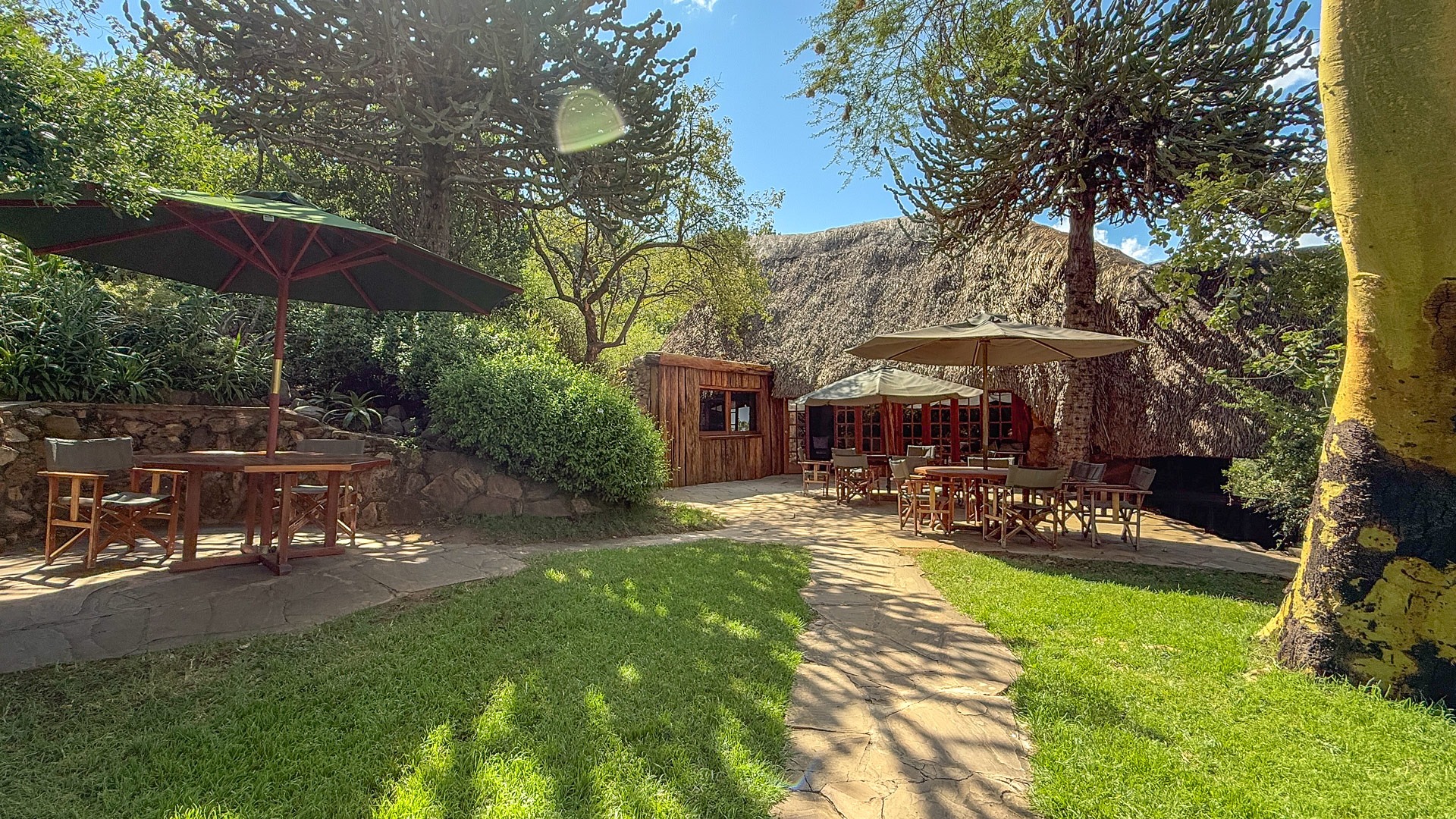
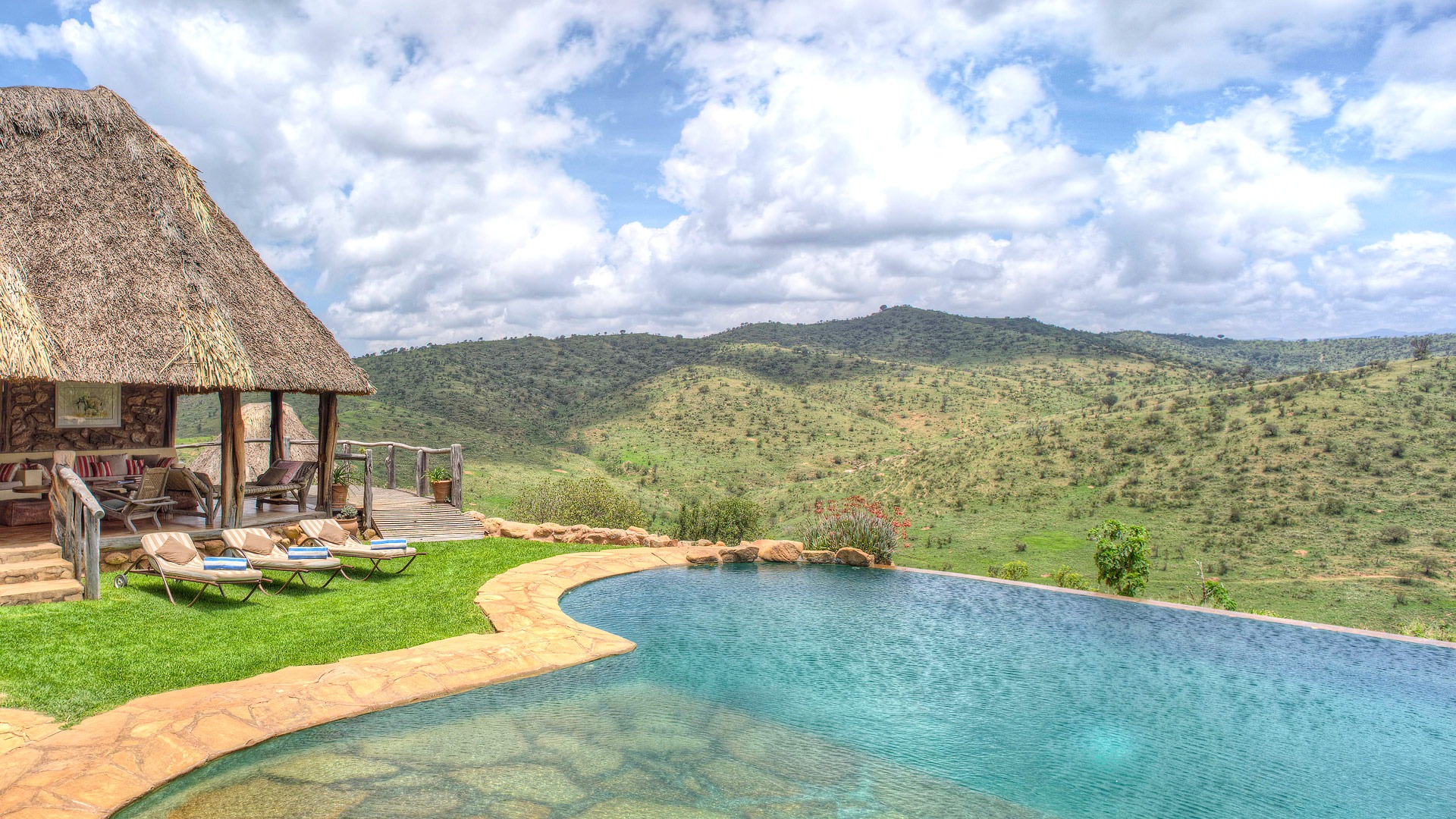
The lodge perches on a rocky hillside at the heart of the conservancy, its eight thatched cottages stepping down toward the valley and the waterhole-fed dam that draws wildlife throughout the day. The main house — built around a vaulted thatched roof, a large rosewood bar, and two open fireplaces — is the gathering point for the day’s bookend moments: coffee and the morning’s game plan before departing, sundowners and the day’s stories after returning. The architecture is locally sourced and rustically confident: stone walls and thatched roofs that belong to the Laikipia landscape rather than being imposed on it. Mount Kenya is visible in the south; the Samangua Valley opens to the north; the dam and its waterhole provide a constant and animated foreground.
Twenty-four percent of every guest’s nightly rate is directed as a mandatory donation to Borana Conservancy’s conservation operations — not an optional contribution but an embedded part of what the stay costs, reflecting the conviction that conservation must be funded directly and honestly rather than as an afterthought. Guests who want to understand where this money goes are invited to: visits to the operations room, rhino tracking deployments with anti-poaching rangers, farm and headquarters tours, and solar energy demonstrations are among the behind-the-scenes experiences that make Borana Lodge one of the most educationally rewarding safari destinations in Kenya.
Owned by the Dyer family for three generations, Borana Lodge sits on the Laikipia Plateau — eight hillside cottages overlooking a wildlife waterhole, Mount Kenya on the horizon, and all retained earnings directed into protecting ten critically endangered species across the conservancy.
Borana holds GER® Status from The Long Run — one of eleven organisations globally — with all retained earnings returned to the conservancy and a mandatory 24% conservation donation in every nightly rate funding 130-plus rangers, a mobile clinic, and community programmes. The 2013 fence drop with Lewa created one of East Africa's largest continuous rhino habitats.
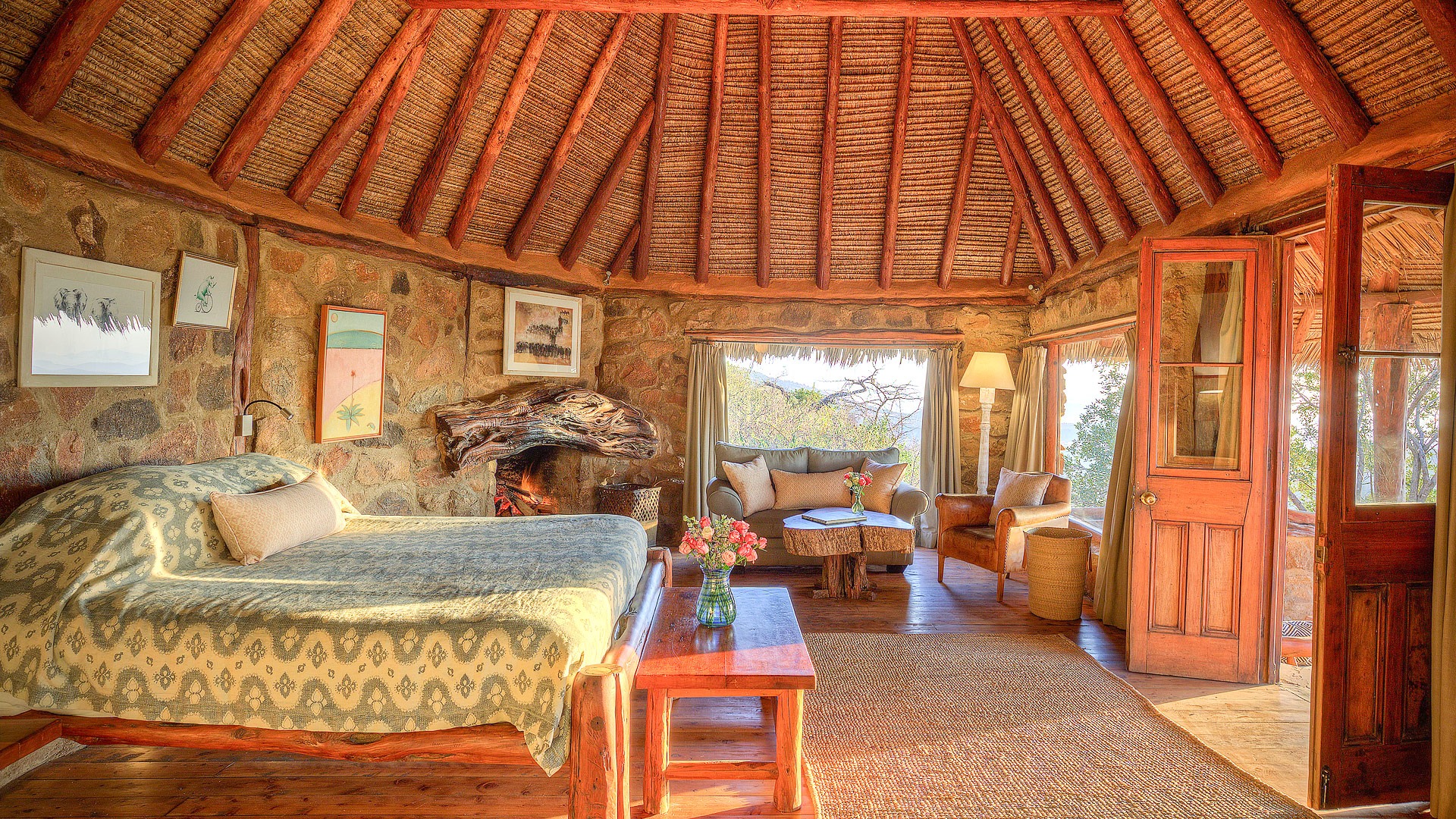
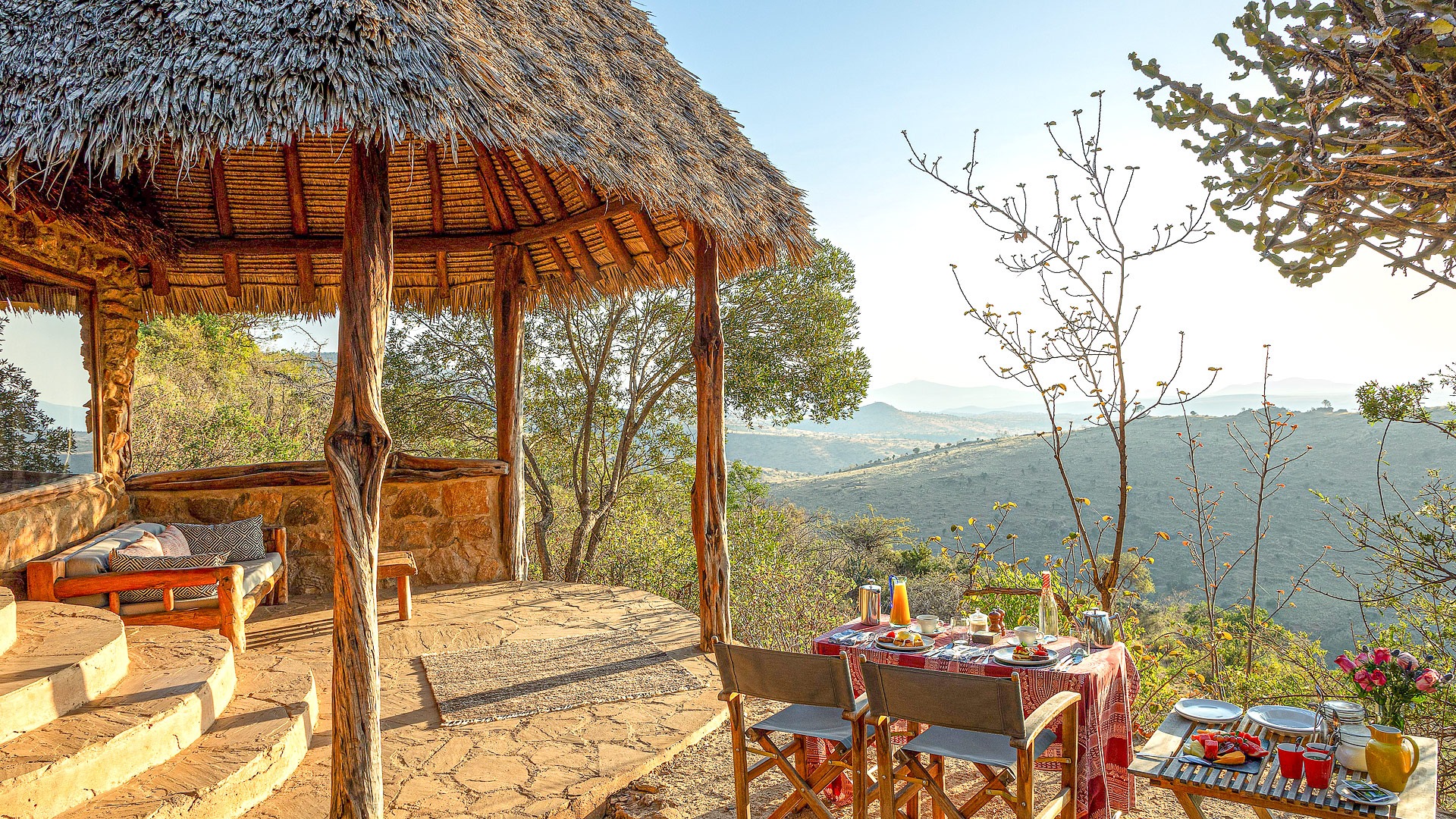
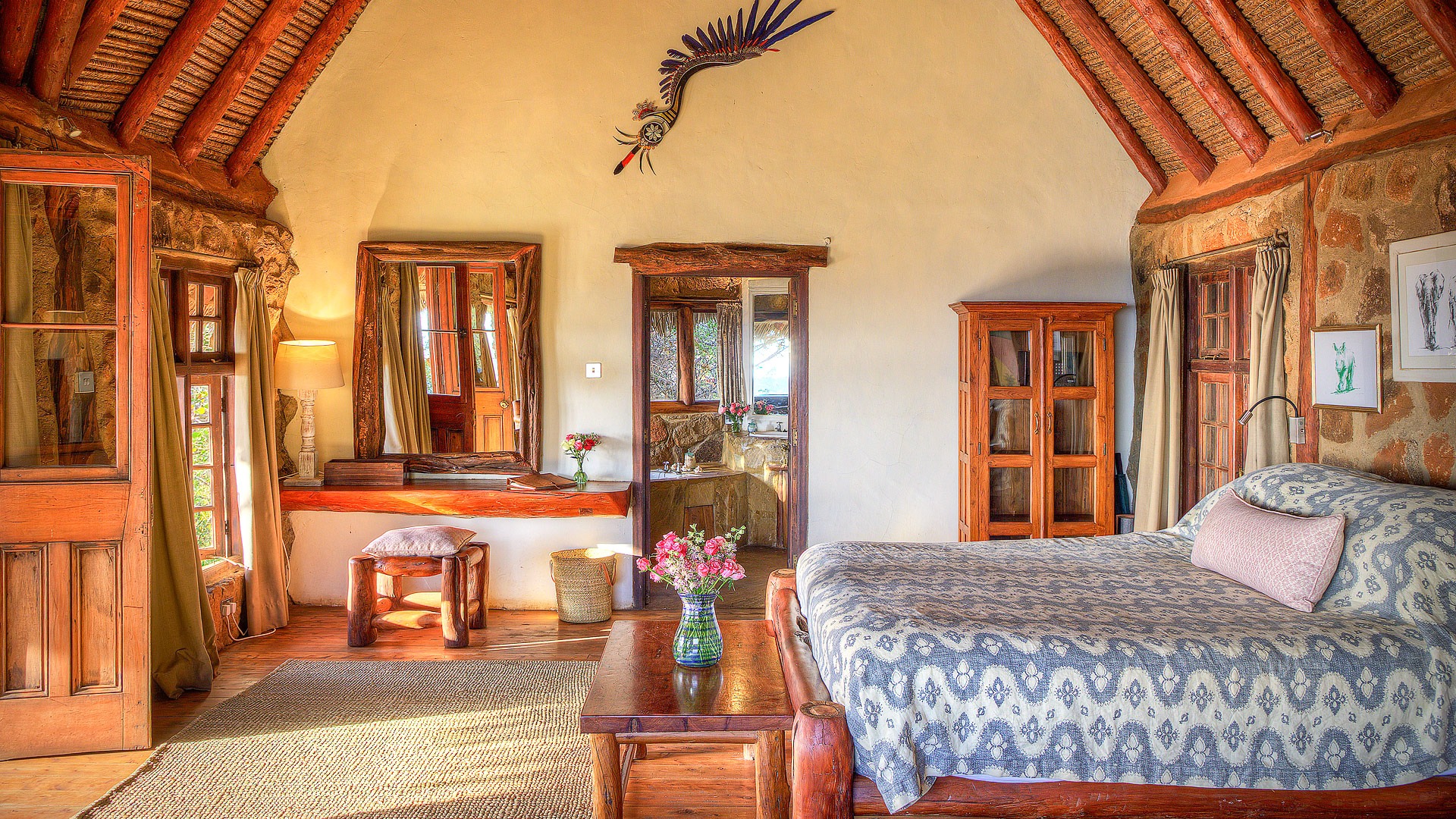
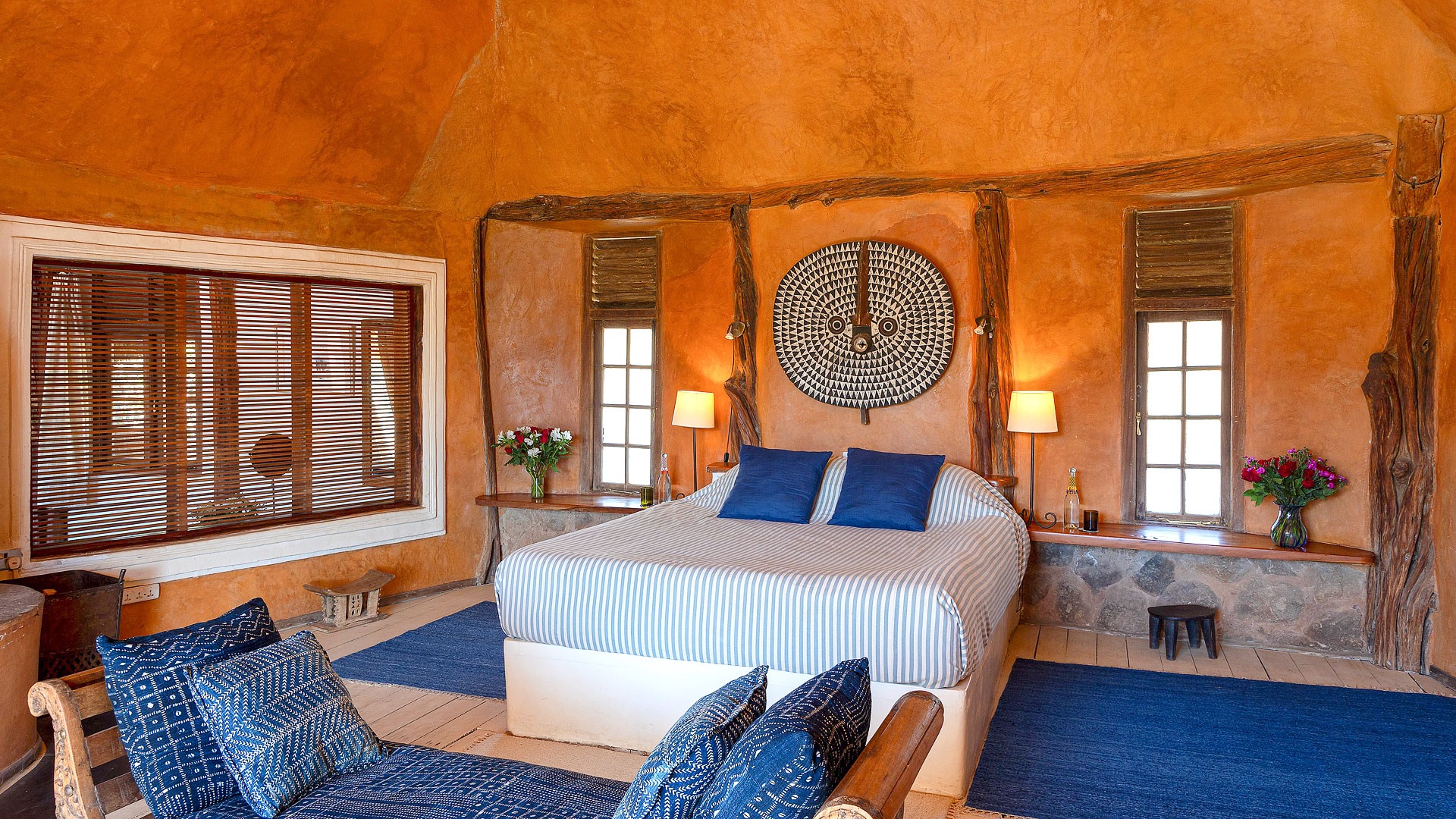
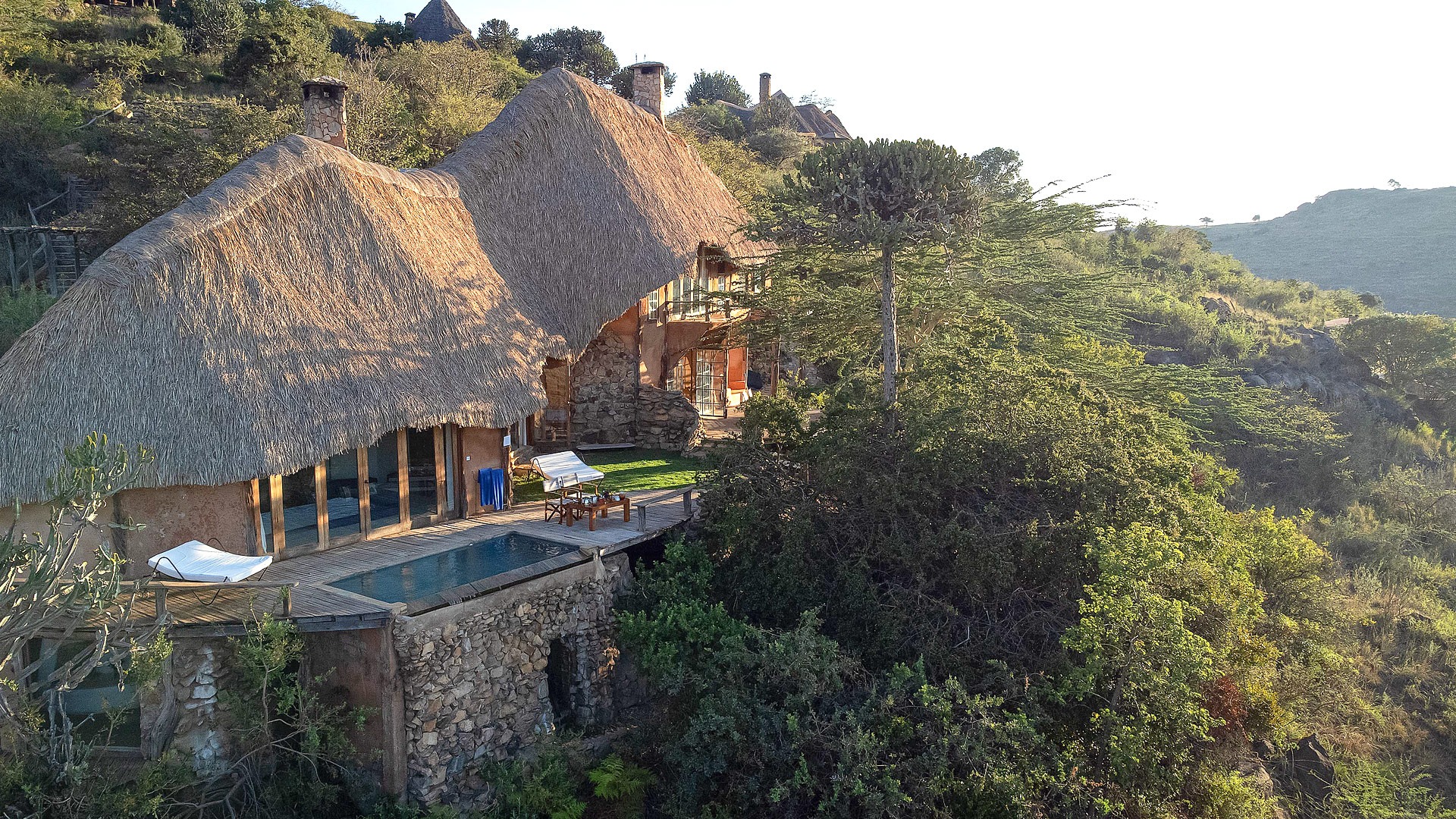
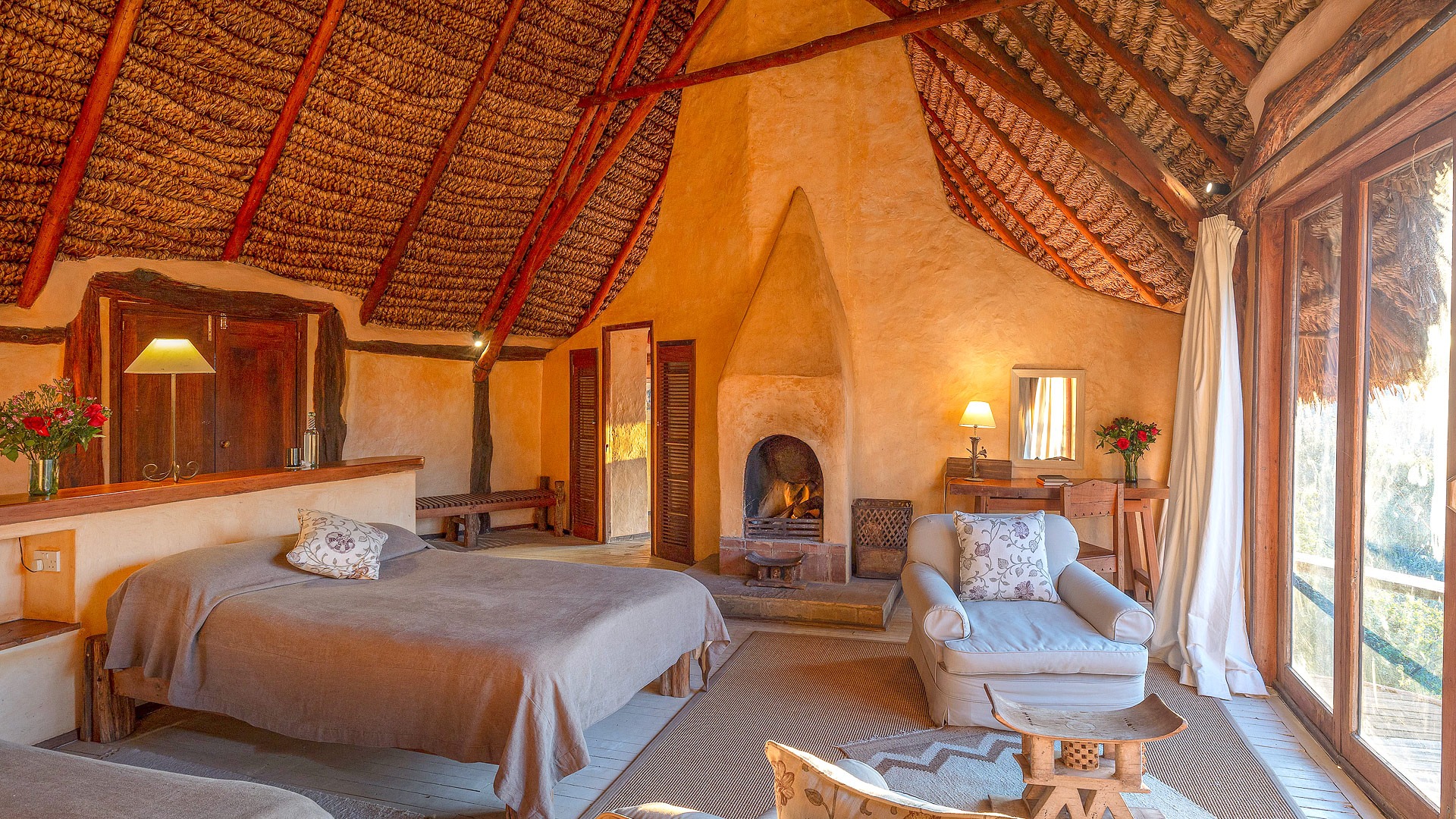
Eight cottages are built from locally quarried stone and timber, each thatched and positioned on the hillside to maximise privacy and the view across the valley and waterhole below. Four cottages are configured as doubles and four as twins; the layout means most guests occupy a building alone or with their partner, with no neighbouring cottage overlooking theirs. Rooms 7 and 8 — the Villa Rooms, set slightly further from the main lodge — are available for families with older children and include their own plunge pool and private facilities for occasions when the group wants time entirely to themselves. All cottages have open fireplaces for cool highland evenings, en-suite bathrooms, private verandas, and the particular intimacy of a family home rather than a managed hotel. Guide rooms (twin) are available for older children travelling with families, helping to make family rates more accessible.
Four stone-and-timber thatched cottages on the hillside, each with an open fireplace, private veranda overlooking the conservancy, and en-suite bathroom — built with enough permanence to feel grown from the landscape rather than placed on it, with the waterhole and dam below drawing wildlife throughout the day.
Four twin cottages matching the double cottages in stone-and-thatch construction, hillside position, fireplace, and private veranda — two single beds, en-suite bathroom, and the same locally made, landscape-rooted character that sets Borana apart from the more polished properties elsewhere on the conservancy.
Rooms 7 and 8 sit apart from the main lodge cluster, each with a plunge pool and private outdoor facilities — the same stone-and-thatch construction, fireplace, and veranda as the standard cottages, but with greater independence, making them ideal for families with teenagers or couples wanting additional privacy.
Every moment at Borana Lodge is crafted to immerse you deeper in the wild.
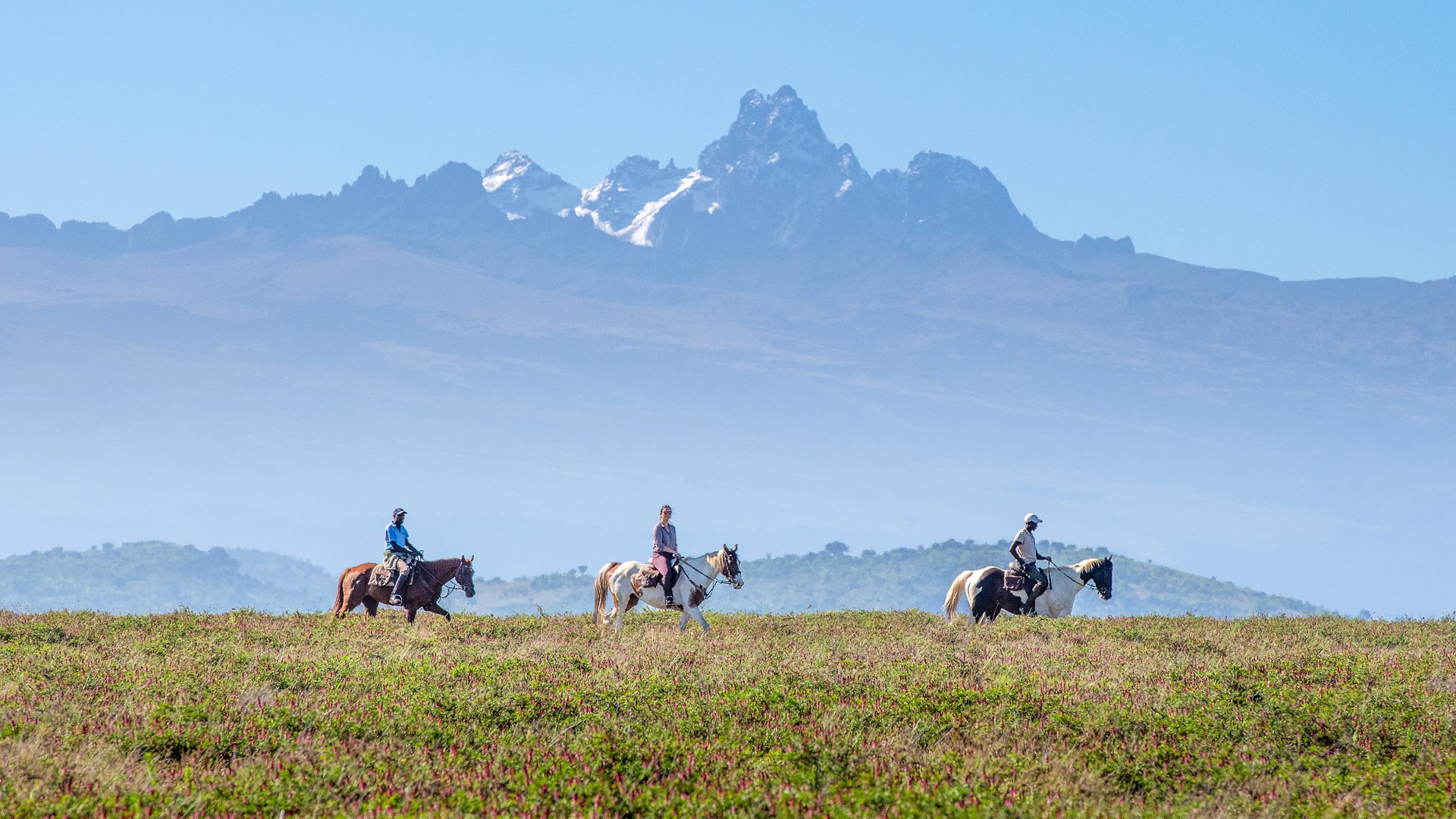
Borana's horses are conditioned to elephant, rhino, buffalo, and lion — their calm presence allowing riders to approach wildlife at distances no vehicle can match, producing encounters that experienced safari travellers consistently describe as something altogether different.
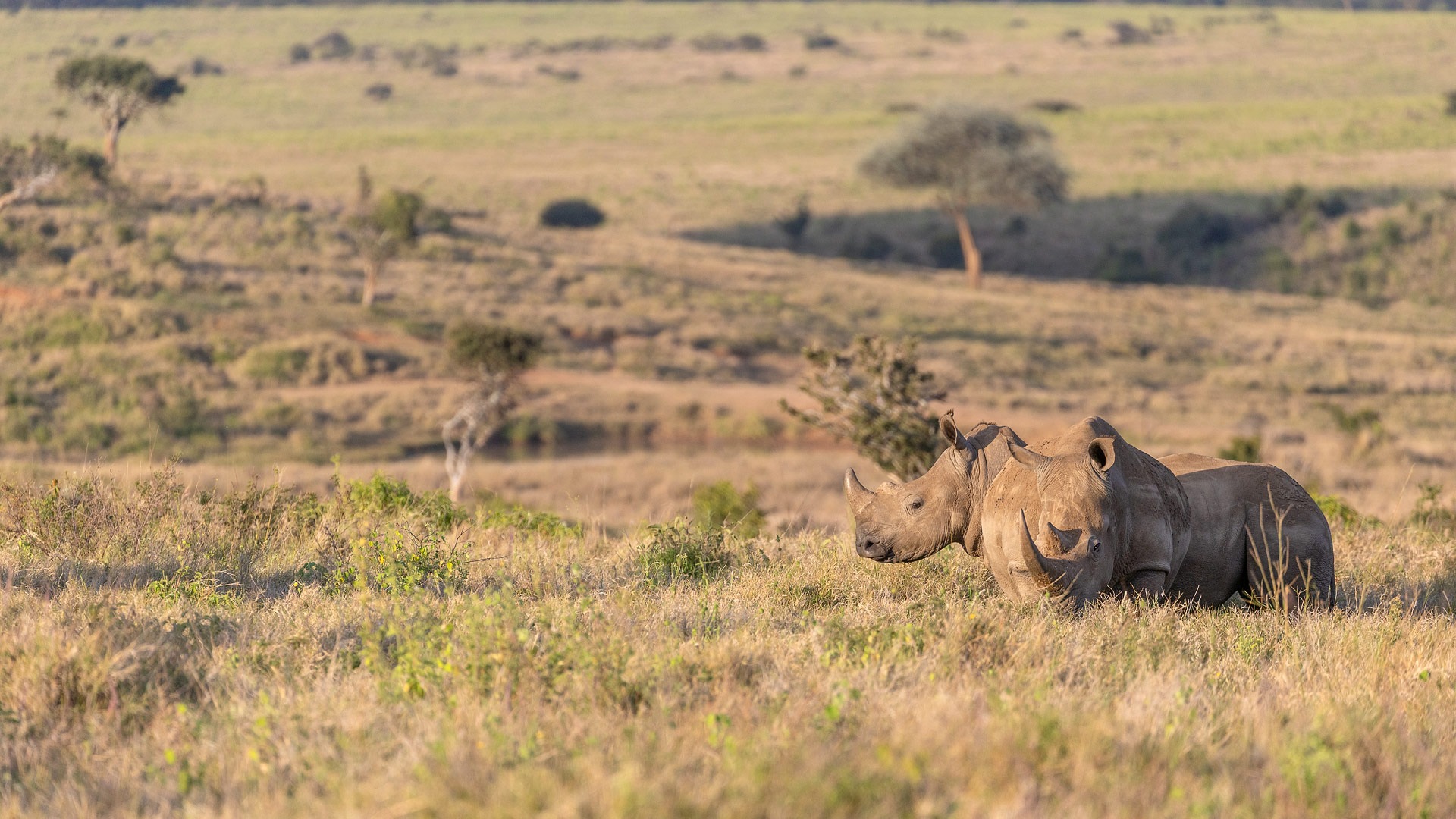
Guests can join Borana's ranger teams to track and monitor individual rhino across the 92,000-acre Borana-Lewa corridor — genuine participation in the conservation work that protects one of Kenya's most significant black and white rhino populations.
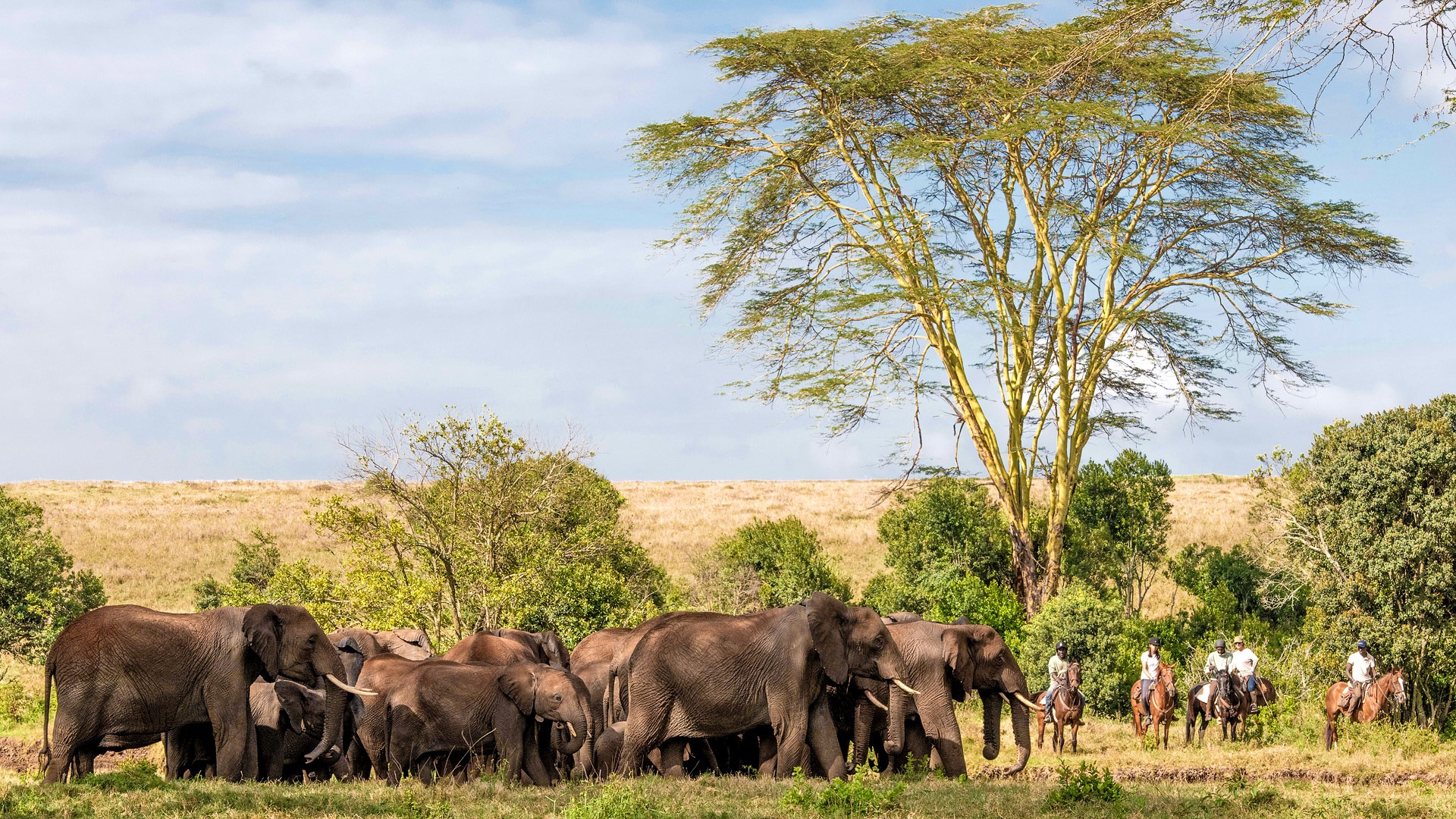
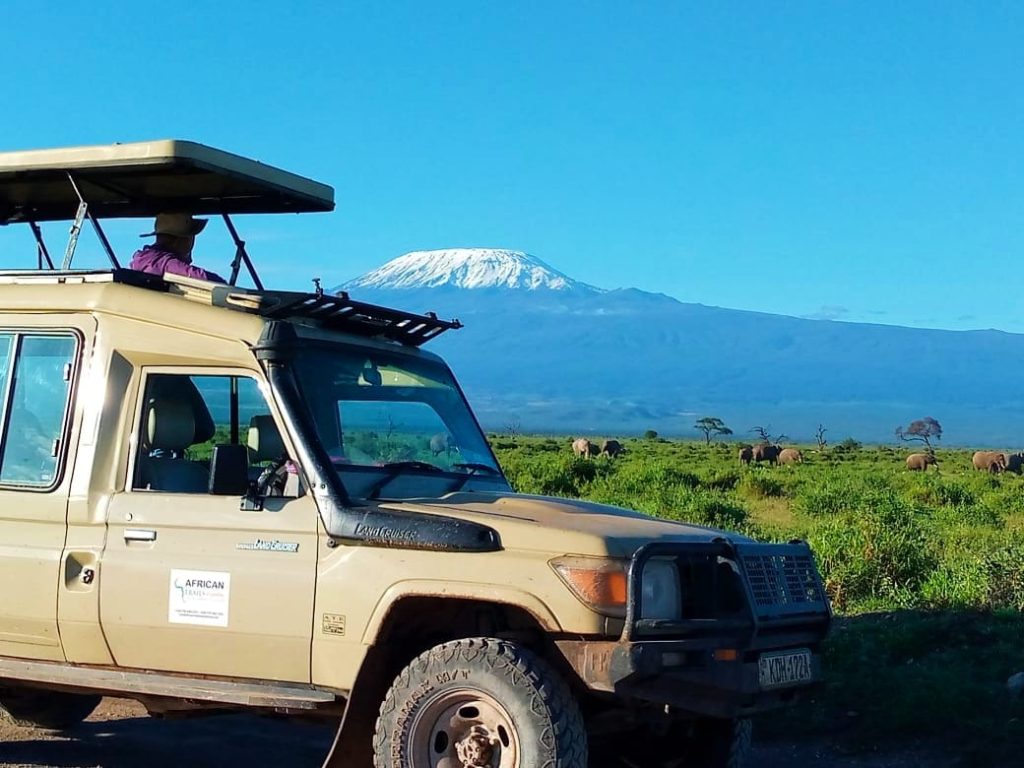
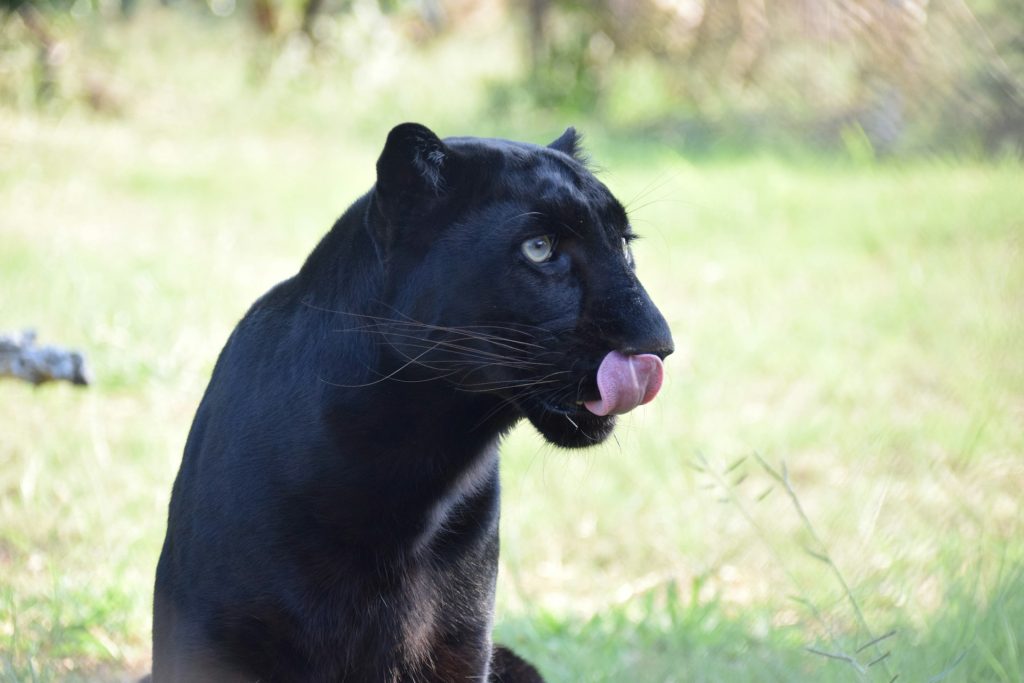
Borana's guides cover rolling savannah, forested valleys, and rocky hills in open 4×4s — lion, leopard, elephant, rhino, cheetah, wild dog, Grevy's zebra, and reticulated giraffe across the ecosystem, with night drives available throughout as a privilege of the private conservancy.
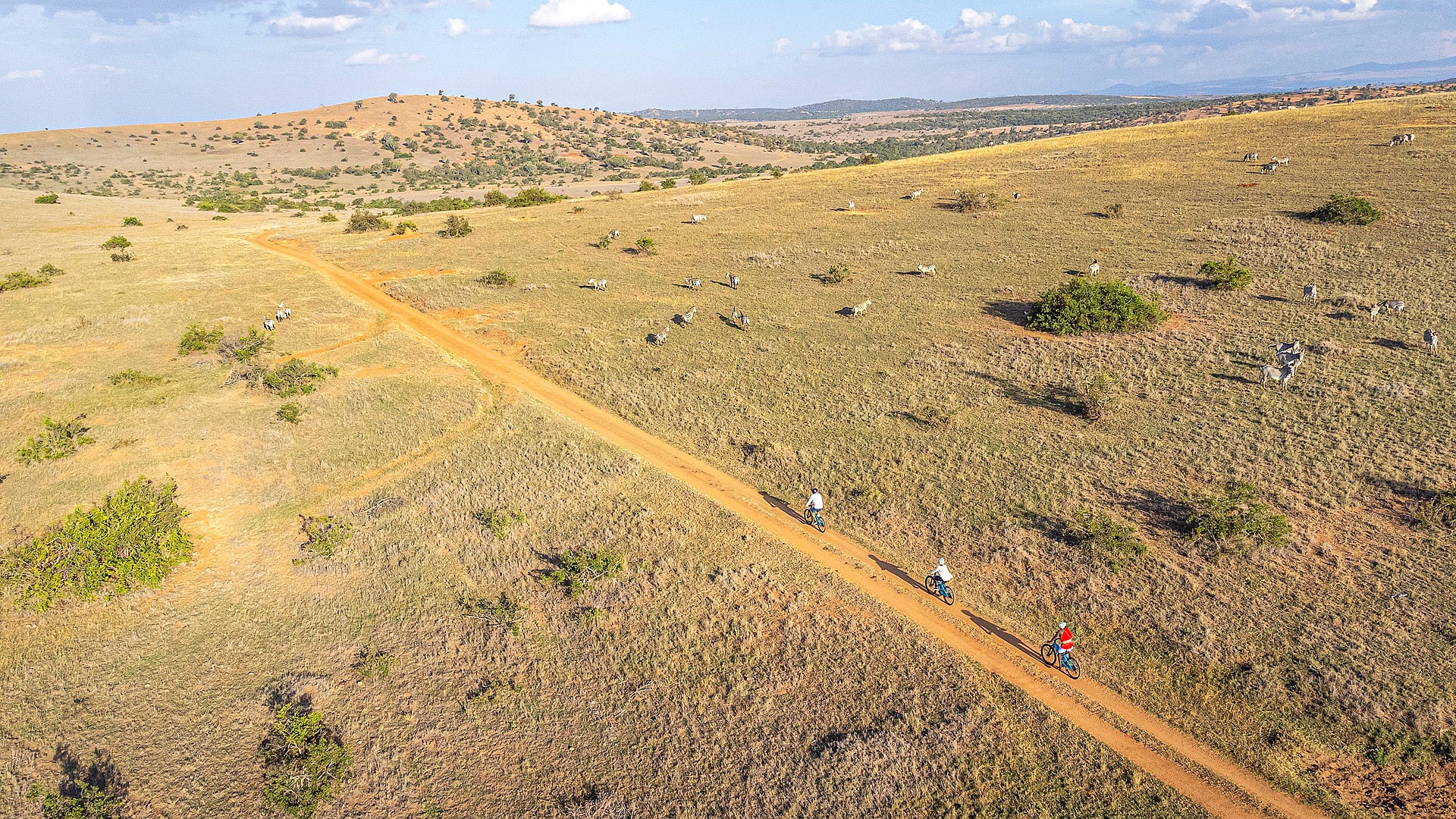
Mountain biking and e-biking open terrain no vehicle reaches, while behind-the-scenes conservation experiences — the operations room, Waitabit Farm, solar demonstrations, mobile clinic, and children's breakfast club — show guests how a community-embedded conservancy actually operates day to day.
Ready to plan your stay?
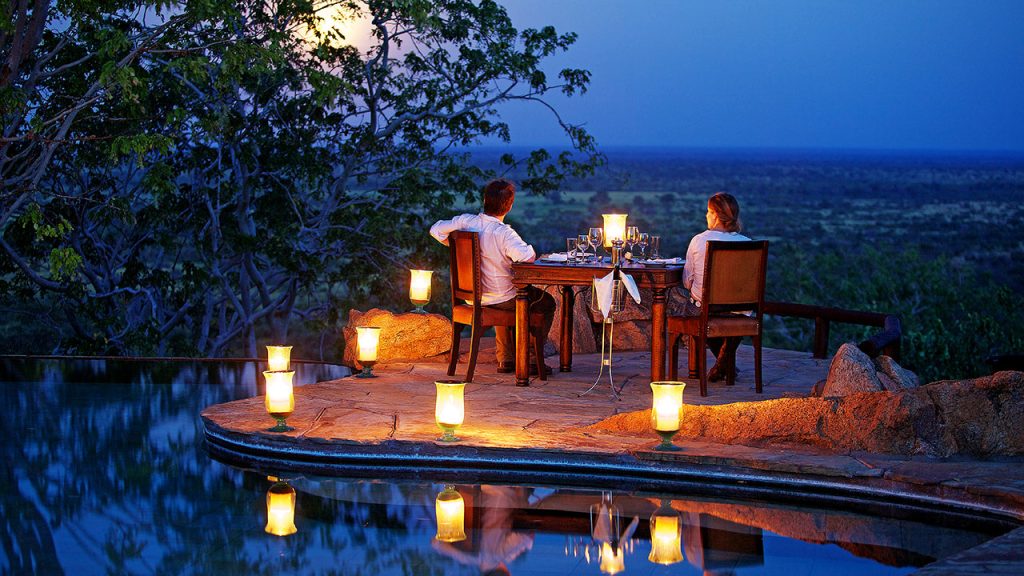
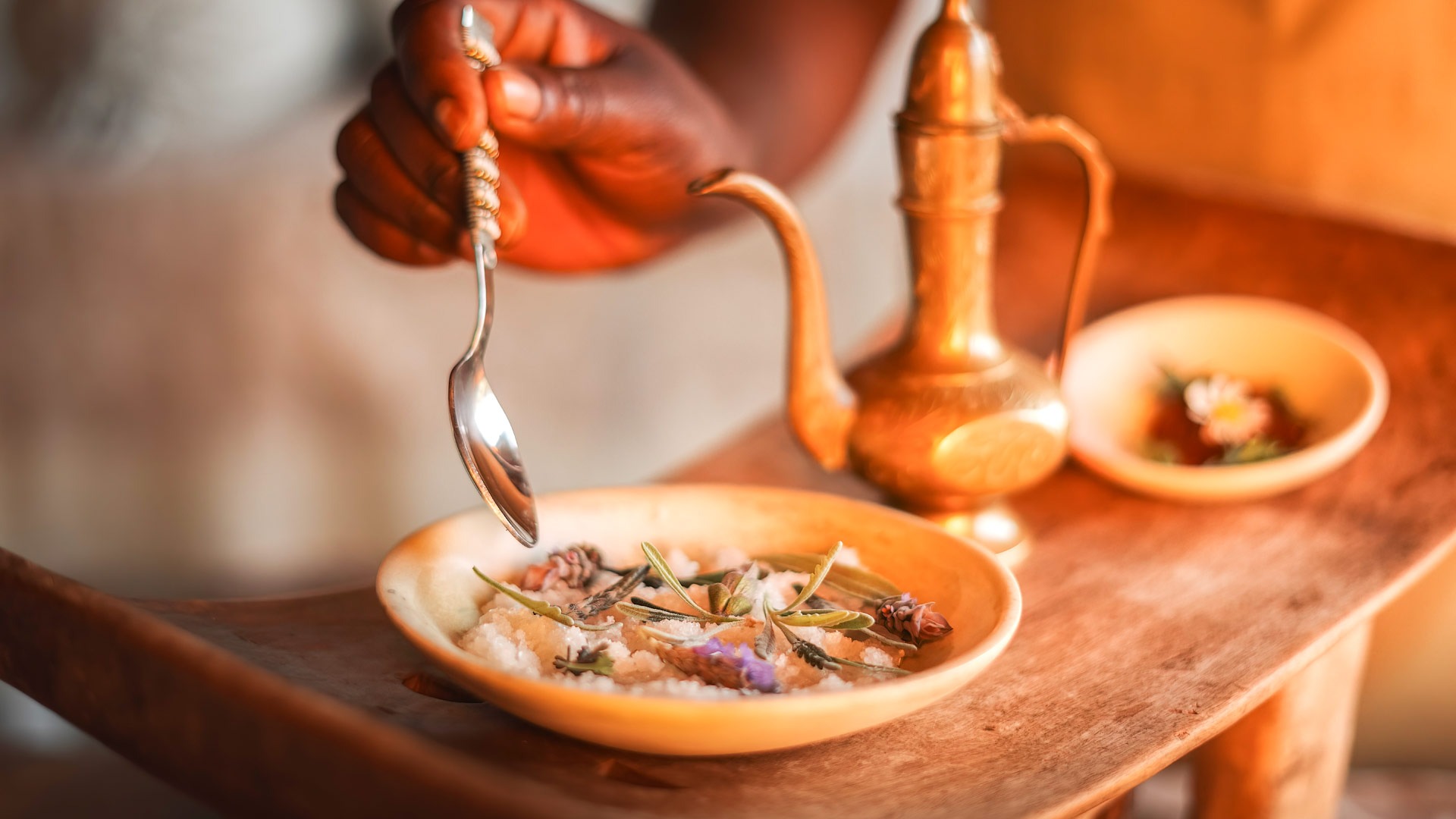
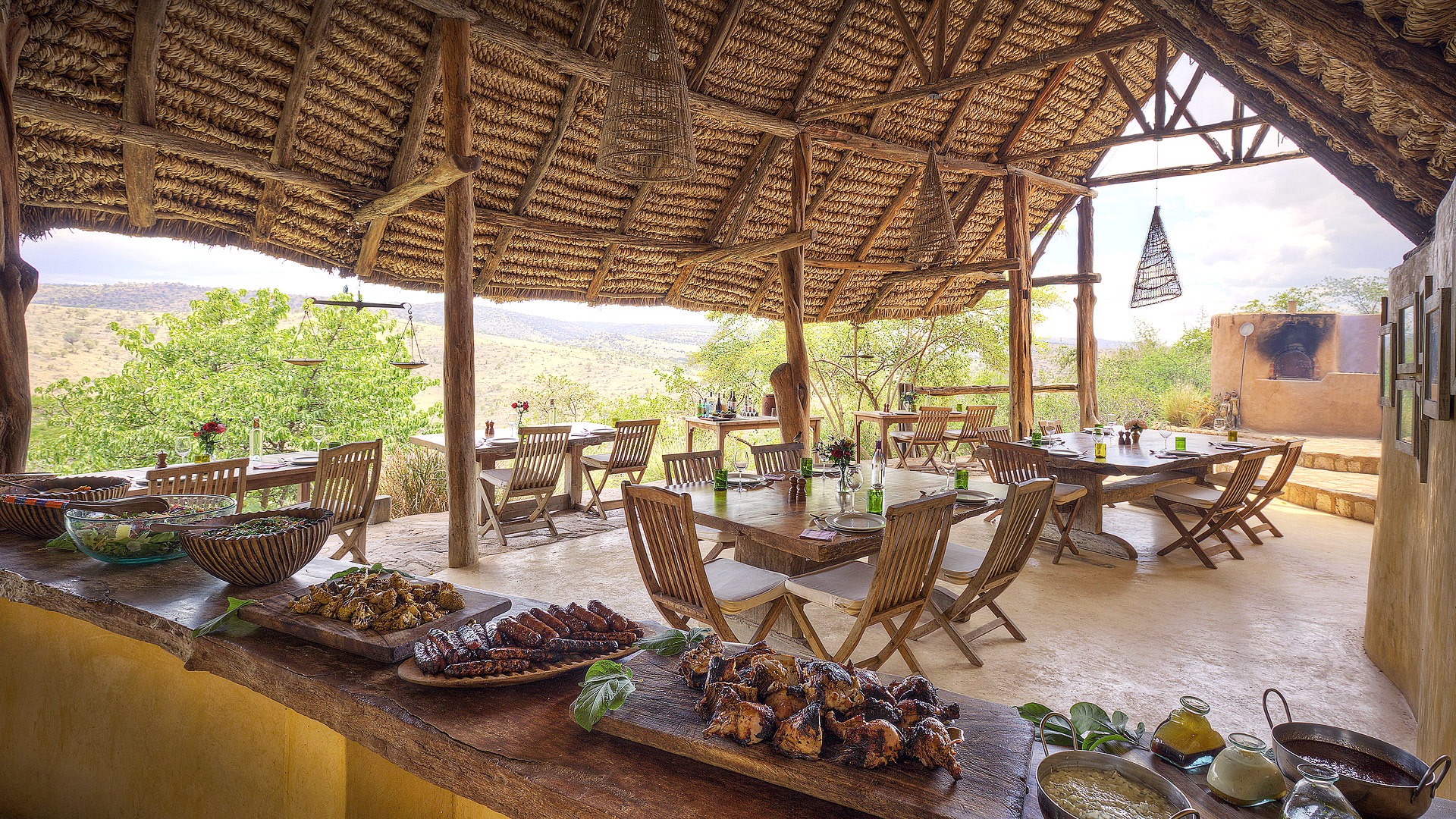
Meals at Borana Lodge are prepared from the farm’s own produce: beef from the Borana cattle herds, vegetables and herbs from the kitchen garden, honey from the estate’s hives. The kitchen team cooks with ingredients that have a known provenance and a short journey from ground to plate — a farm-to-table approach that was the Dyer family’s way of feeding the lodge long before the phrase became a hospitality cliché. The result is food that is hearty, fresh, and genuinely good: lunches that feel substantial after a morning game drive, dinners served in the main lodge around the rosewood bar as the fireplaces warm the room against the highland evening. The lodge’s signature cocktails and a well-curated selection of house wines are included in the rate; the bar is the social heart of the main house, and the conversations that happen there — between guests, guides, and the family’s team — are a defining part of the Borana experience. Bush meals, sundowners in the field, and champagne breakfasts at scenic locations across the conservancy can be arranged for groups seeking something beyond the main lodge setting
Borana Lodge is open year-round with one exception: the lodge closes for the entire month of November. The Laikipia Plateau’s high-altitude climate — warm days, cool evenings, and no humidity — makes it comfortable in every open month. The dry seasons — January to March and June to October — offer the clearest skies, best game visibility, and most reliable horseback and mountain biking conditions. The long dry season from July to October is the most popular booking period, with wildlife concentrated at water sources and the Borana-Lewa corridor’s rhino and predator populations at their most visible.
The long rains of April and May transform the conservancy into its most lush and photogenic state; visitor numbers drop, the sense of having 35,000 acres to oneself is at its most pronounced, and the birding across the conservancy’s varied habitats is exceptionally rewarding. December through March are popular months for families and for guests combining Borana with a Maasai Mara or Meru itinerary. The malaria-free altitude makes Borana a sensible choice for guests with health considerations, for families with young children, or for guests whose itinerary includes a malaria-endemic destination elsewhere and who want at least part of their Kenya trip without prophylaxis.
Explore handcrafted itineraries where Borana Lodge forms part of the journey.
Please share your name and email so we can follow up with you.