
Best Time to Visit Serengeti
There’s a paradox at the heart of the Serengeti experience: this 14,763 square kilometre wilderness—roughly the size of Connecticut—somehow manages to feel both boundlessly vast and, at certain moments, surprisingly intimate. Picture this: you’re the only vehicle watching a leopard draped languidly across an acacia branch, golden hour light painting her spotted coat in honeyed tones. The silence is profound, broken only by the distant call of a fish eagle and the whisper of wind through endless grasslands.
This is the Serengeti as it should be experienced—yours to discover, without the convoy of safari vehicles that often characterise peak season sightings. And yes, this experience is absolutely attainable, even in one of Africa’s most celebrated wildlife destinations.
The secret? Timing, positioning, and a willingness to think beyond the Great Migration‘s well-trodden calendar.
After years of crafting bespoke Serengeti experiences, I’ve learned something that surprises most first-time visitors: the world’s most famous safari destination harbors pockets of serene exclusivity, even during high season. The key lies in understanding not just when to visit, but where to position yourself during different seasons, and how to leverage the Serengeti’s magnificent expanse to your advantage.
Let’s unlock the secrets to experiencing this UNESCO World Heritage Site at its most enchanting—when the light is sublime, the wildlife abundant, and the crowds delightfully absent.
Understanding the Serengeti Crowd Dynamic
Before we reveal the secret seasons, let’s address an essential truth: the Serengeti is never truly “crowded” in the way urban destinations become overwhelmed. With an area equivalent to 28 Manhattans, there’s extraordinary space for both wildlife and visitors.
However, certain locations at certain times do experience concentrated tourist activity. The culprit? The magnetic pull of the Great Migration draws visitors to predictable locations during peak months, creating temporary congestion in otherwise pristine wilderness.
Where crowds concentrate:
- Seronera (Central Serengeti): Year-round, but especially June-October
- Northern Serengeti (Kogatende region): July-September during river crossing season
- Southern Plains (Ndutu): January-March during calving season
The liberating truth: Beyond these hotspots, vast stretches of the Serengeti remain gloriously uncrowded throughout the year. The park boasts multiple ecosystems—each magnificent in its own right—that most visitors overlook in their singular pursuit of migration spectacle.
The Insider’s Calendar: The Ultimate Convergence of Exclusivity and Unmatched Excellence!
April-May: The Serengeti’s Best-Kept Secret
If I could whisper one secret in your ear, it would be this: April and May represent the Serengeti’s most underrated, most exclusive season. While other travellers avoid the “long rains,” those in the know revel in what we call the Emerald Season—when the Serengeti transforms into a lush, verdant paradise.
Why this is luxury safari perfection:
The rainfall, often exaggerated in reputation, typically manifests as dramatic afternoon thunderstorms that last 1-2 hours, leaving crystalline mornings and golden evenings absolutely pristine for game viewing. The spectacular cloud formations createa photographer’s heaven, with moody skies and dramatic light that commercial safari calendars dream of.
More importantly, you’ll have the park virtually to yourself. Visitor numbers drop by 70%, yet wildlife viewing remains exceptional. Resident predators—lions, leopards, cheetahs—don’t follow the migration; they remain in their territories, and with fewer vehicles competing for sightings, you’ll enjoy private, unhurried encounters.
The wildlife advantage: Many animals give birth during this period, creating tender scenes of mothers with newborns—elephants, giraffes, and various antelope species dot the landscape with their young. The lush vegetation attracts prolific birdlife, with over 500 species in breeding plumage, creating an ornithologist’s paradise.
Accommodation alchemy: Luxury lodges offer their most compelling rates—often 40-50% below peak season pricing—making properties that might otherwise exceed your budget suddenly accessible. Imagine staying at a $1,200-per-night tented camp for $650, with only a handful of other guests sharing the entire property.
Where to position: Central Serengeti (Seronera) or Western Corridor. The migration herds are moving through, so you’ll catch glimpses of the journey without the vehicular convoys.
November: The Sophisticated Traveller’s Choice
November occupies a sweet spot that discerning travelers have long appreciated—the transitional period when the short rains begin, yet the Serengeti remains magnificently accessible and nearly empty of tourists.
The allure of November:
This is when the Great Migration circles back from Kenya, re-entering northern Tanzania. You’ll witness the herds crossing the Mara River southbound—a spectacle that receives a fraction of the attention (and crowds) of the northward crossings, yet offers equally dramatic scenes.
The short rains are gentle—brief afternoon showers that clear quickly, leaving sparkling clarity and that intoxicating petrichor scent rising from sun-warmed earth. The landscape begins its transformation from golden-brown to emerald, creating stunning color contrasts.
Crowd levels: Perhaps 60% lower than peak season. Most lodges have abundant availability, and game drive vehicles become scarce. When you do encounter another vehicle, guides are relaxed and friendly—no competition for prime viewing positions.
Photographic excellence: The post-rain atmosphere creates exceptional visibility, with dust washed from the air. The soft, diffused light through cloud cover is infinitely more flattering than harsh midday sun, perfect for wildlife photography that appears magazine-ready straight from your camera.
Strategic positioning: Northern Serengeti for returning migration crossings, or Central Serengeti for resident wildlife with nobody else around.
See stories and reviews from TripAdvisor
Early June: Peak Season’s Prelude
Early June offers a tantalising proposition: the Serengeti at the cusp of its famous dry season, before peak tourism arrives in full force.
Why June works beautifully:
The landscape retains vestiges of the wet season’s verdant glory—still lush, still green, with wildflowers dotting the plains. Yet the weather has transitioned to predominantly dry, sunny days with comfortable temperatures. The combination creates postcard-perfect conditions.
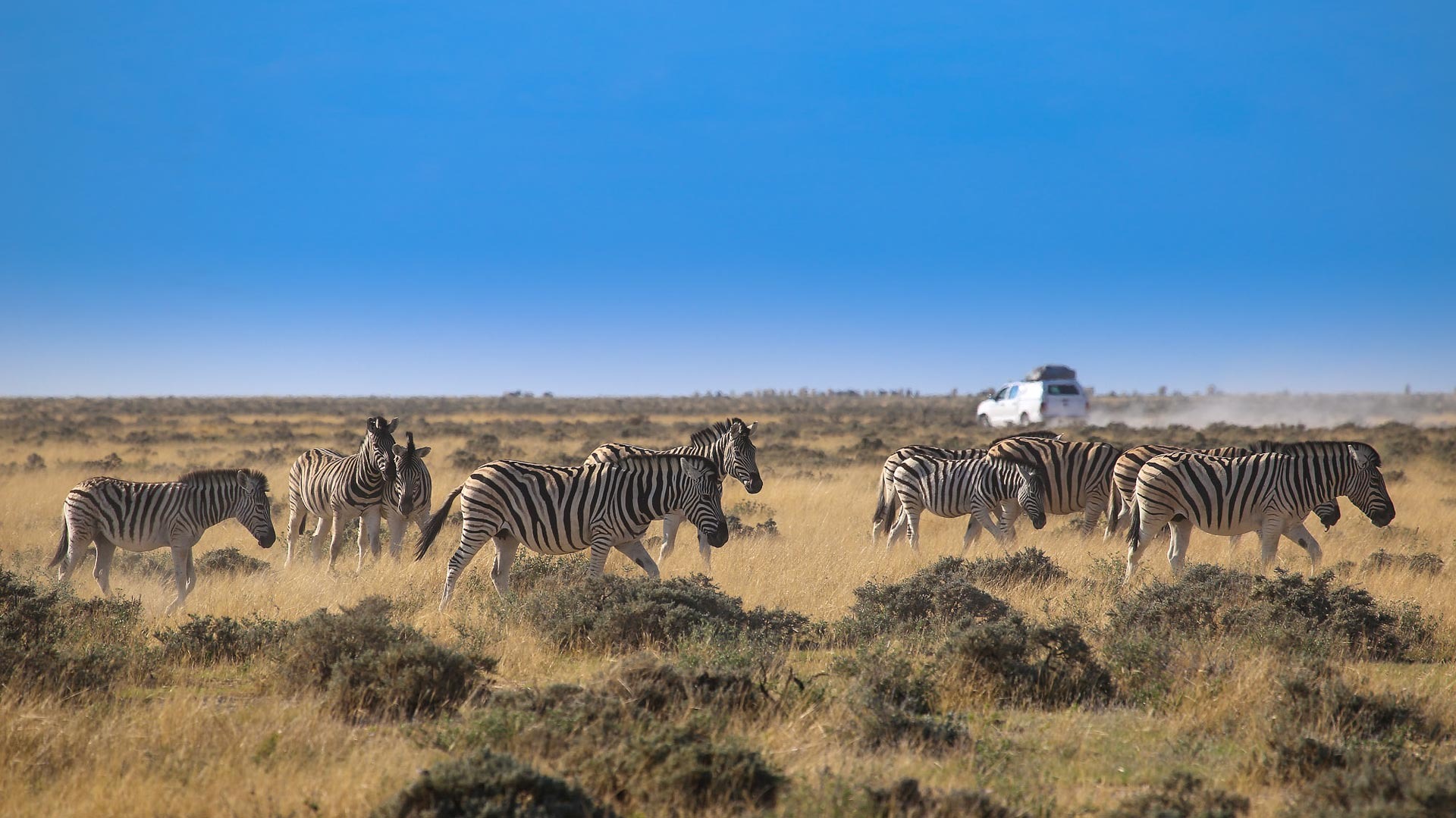
Wildlife viewing intensifies as animals begin concentrating near permanent water sources, yet visitor numbers remain moderate. You’ll experience excellent game viewing without the July-September vehicular ballet.
The migration moment: Herds gather in the Western Corridor, preparing for their dramatic Grumeti River crossings. While these lack the cinematic drama of the Mara River crossings (smaller river, fewer crocodiles), they’re equally spectacular and attract significantly fewer spectators.
Accommodation strategy: Book now for shoulder season rates before high season premiums kick in mid-June. You’ll save 20-30% compared to July-August pricing while experiencing nearly identical wildlife encounters.
Late March: The Brave Choice
Late March requires a certain safari sophistication—an appreciation for what the Serengeti offers beyond pure migration spectacle. This is deep green season, when afternoon rains are frequent but the wildlife drama reaches fever pitch.
The calving aftermath: While February sees the birth of approximately 400,000 wildebeest calves, late March showcases the survivors—stronger, faster, more alert—while predators remain abundant and active. The predator-prey dynamics create daily drama without the crowds that descend during peak calving season.
Exclusive positioning: The southern plains and Ndutu region become nearly deserted by late March as the migration disperses northward. Yet resident predators remain, and the landscapes—impossibly green, dotted with wildflowers—rival any safari postcard.
For whom: Travelers who value solitude and atmospheric beauty over checklists, who appreciate the romance of rain-washed savannahs and dramatic storm clouds rolling across endless horizons.
The Art of Strategic Positioning: Where You Stay Matters More Than When
Here’s sophisticated safari wisdom: where you position yourself within the Serengeti matters as much as when you visit. The park’s distinct regions each offer unique experiences and dramatically different crowd dynamics.
Private Concessions: The Ultimate Exclusivity
The Serengeti’s private concessions—including Singita Grumeti Reserve and other exclusive areas—offer rarefied safari experiences that bypass crowds entirely. These properties maintain strict guest limits and exclusive traversing rights to vast territories.
What you gain:
- Absolute privacy (some concessions host fewer than 30 guests total)
- Night game drives (prohibited in the national park proper)
- Walking safaris led by expert guides
- Off-road driving privileges for ultimate wildlife access
- No vehicle congestion—ever
When to book: Private concessions maintain exclusivity year-round, but offer exceptional value during shoulder seasons (April-May, November) when rates drop 30-40%.
The Western Corridor: The Overlooked Gem
The Western Corridor—stretching from Seronera to Lake Victoria—remains remarkably undervisited despite spectacular wildlife and scenery.
Why it works: Most visitors fixate on northern river crossings (July-September) or southern calving (January-February), completely overlooking the June-July window when herds cross the Grumeti River in the Western Corridor. This creates opportunity: witness dramatic river crossings with a fraction of the audience.
Added benefits: Ancient fig forests, riverine woodlands, and rocky kopjes create diverse habitats supporting leopards, colobus monkeys, and endemic bird species rarely seen in the open plains.
Eastern Serengeti: The Hidden Wilderness
The park’s eastern boundaries, including areas around Loliondo and Klein’s Gate, receive negligible tourist traffic yet offer outstanding predator viewing and remarkable landscapes.
The experience: True wilderness feeling. Days without seeing another vehicle. Sunrise and sunset entirely to yourself. This is for travelers who value untouched wilderness over guaranteed migration sightings.
Best timing: June-October for optimal weather and game viewing, though even peak season sees minimal visitors in this remote corner.
OUR COLLECTION OF TANZANIA SAFARIS
Luxurious Solitude: How to Guarantee Privacy Even in Peak Season
Perhaps your travel dates are fixed—family schedules, work commitments, milestone celebrations dictate July or August visits. Can you still avoid crowds? Absolutely. Here’s how:
Embrace the Mobile Camp Concept
Mobile tented camps follow the migration, positioning themselves in remote areas away from permanent lodges. These semi-permanent camps move 2-3 times annually, setting up in pristine wilderness areas where infrastructure doesn’t exist—and neither do crowds.
The luxury factor: Don’t confuse “mobile” with “basic.” These camps often rival permanent lodges in luxury, with en-suite bathrooms, fine dining, and impeccable service—all under canvas in locations where you’re the only humans for miles.
Strategic Multi-Camp Itineraries
Instead of staying in one location, design an itinerary that moves between regions—spending time in both crowded migration areas (to witness the spectacle) and remote corners (to enjoy solitude).
Sample strategy: 3 nights in northern Serengeti for migration spectacle + 3 nights in Western Corridor or private concession for exclusive game viewing = balanced experience with variety and privacy.
The Early Bird Advantage
Departing on game drives at 6:00 AM (rather than the standard 6:30-7:00 AM departure) positions you ahead of the crowd. You’ll reach prime wildlife areas 30-45 minutes before other vehicles, often securing private viewing of morning hunts and animal activity.
Pro insight: Discuss this with your lodge beforehand. Most are happy to arrange earlier departures, though few guests request it. Those extra minutes make all the difference.
Embrace Midday Magic
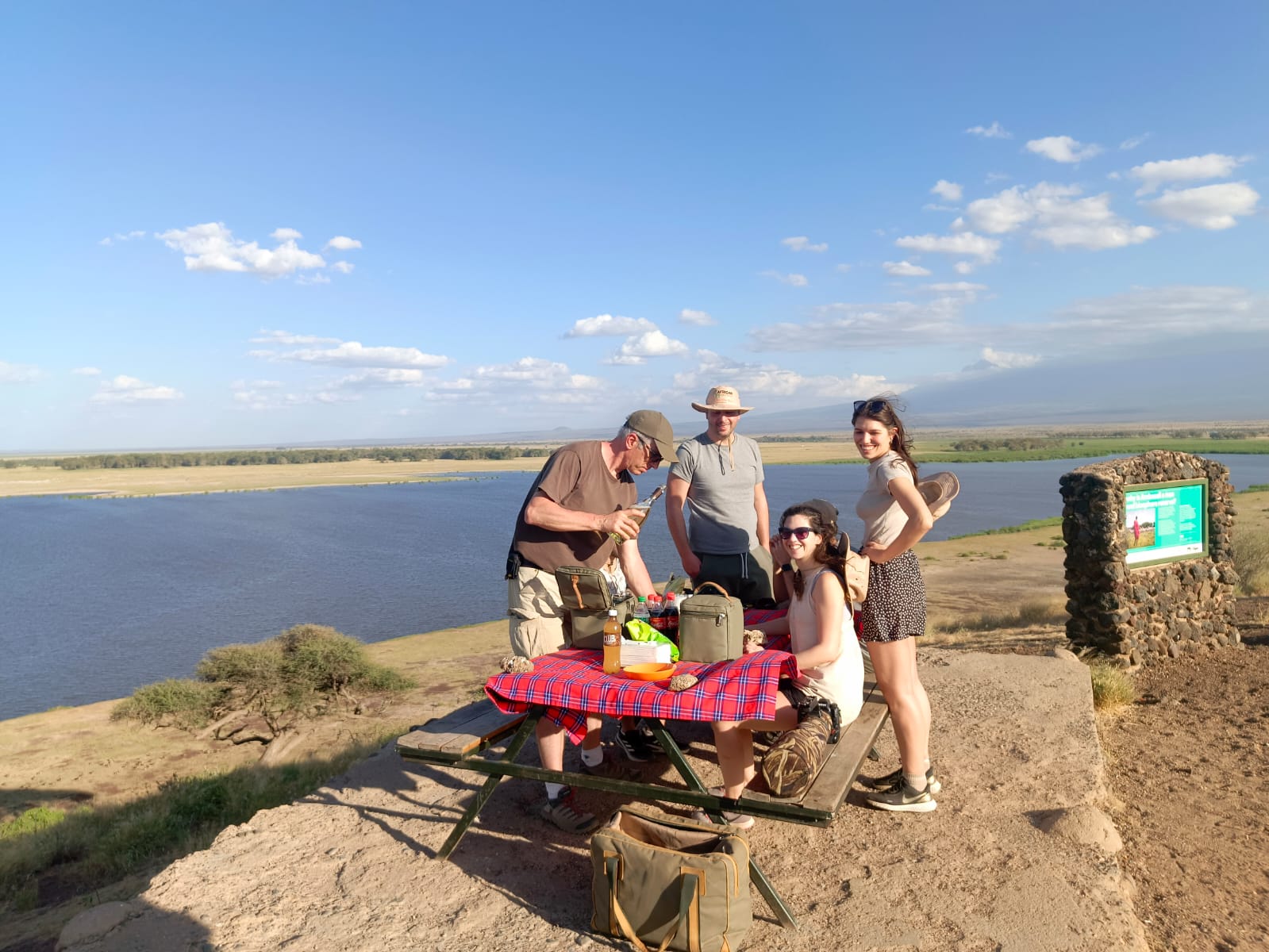
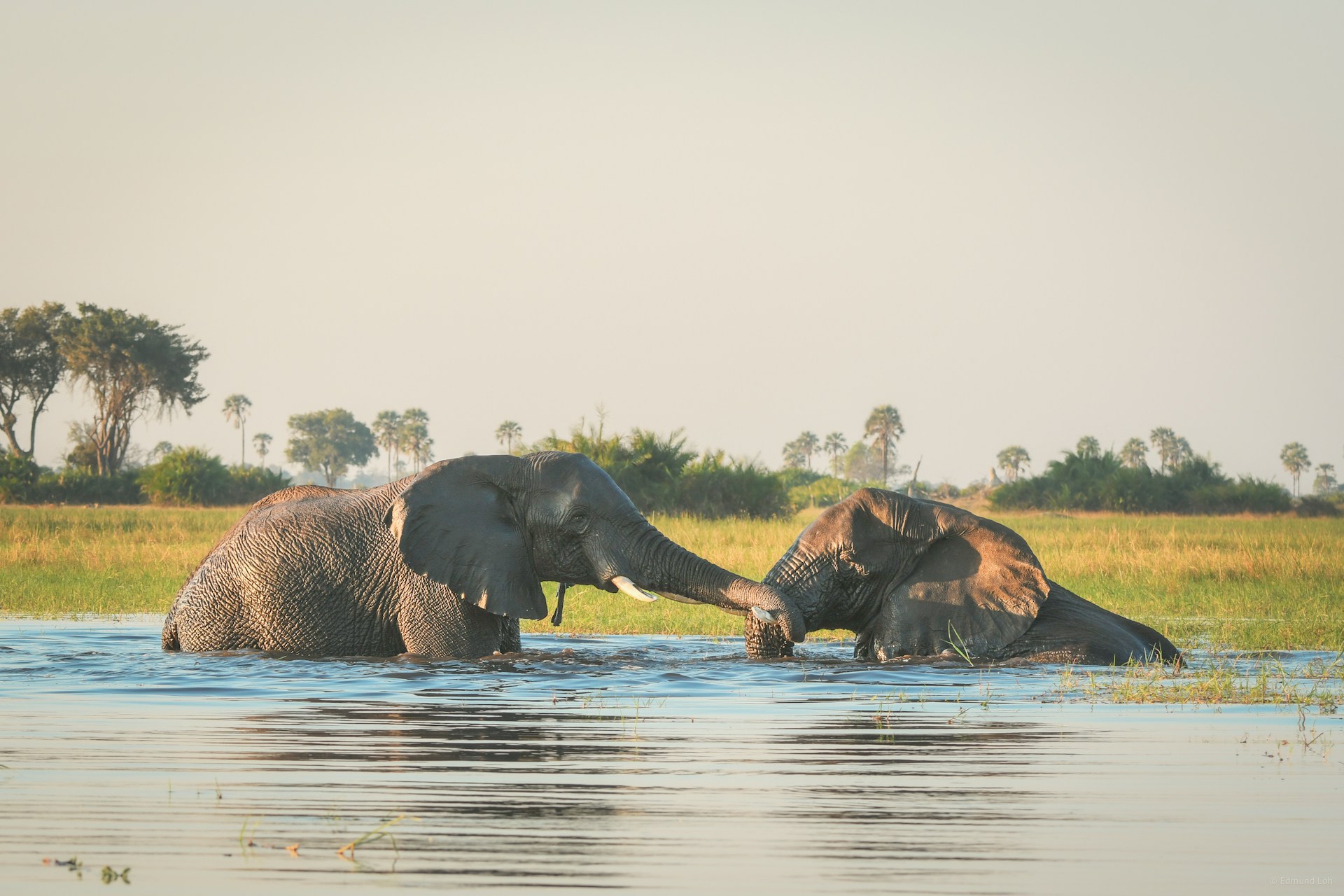
While most visitors return to lodges for midday rest (11:00 AM – 3:30 PM), consider full-day game drives with picnic lunches. Midday wildlife activity is quieter, yes, but you’ll have the park to yourself. The light is harsh, but therein lies opportunity: watch elephants bathing, observe social behaviours at watering holes,and appreciate the landscape’s subtle beauty.
The Weather Wisdom: What “Rainy Season” Really Means
Let’s dispel the myth that has kept travellers away from the Serengeti’s most exclusive seasons: the supposed “rainy season” isn’t the safari-ruining monsoon many imagine.
The reality of Serengeti rainfall:
The Serengeti receives approximately 800-1,000mm of annual rainfall, less than London, comparable to Los Angeles. Rainfall typically occurs as afternoon thunderstorms lasting 1-2 hours, leaving mornings and evenings (prime game viewing times) completely clear.
What to expect in different seasons:
November-December (Short Rains): Brief afternoon showers, rarely impacting game drives. Sometimes, entire days remain dry.
March-May (Long Rains): More consistent rainfall, but rarely all-day affairs. Morning drives frequently run completely dry, with afternoon storms clearing by evening drive time.
June-October (Dry Season): Virtually no rainfall, though morning mists and dew can occur.
The green season advantage: Contrary to concerns about visibility, the Serengeti’s open plain topography means even during peak vegetation growth, sightlines remain excellent. You’re not in a dense jungle—the savannah’s character means wildlife remains visible year-round.
Accommodation Artistry: Where to Stay for Exclusive Experiences
Your lodge choice dramatically influences your crowd experience. Here’s insider guidance:
Seek Properties with Limited Bed Capacity
Smaller camps (4-12 rooms maximum) create inherently exclusive experiences. Fewer guests mean fewer vehicles on game drives, more personalised service, and genuine wilderness intimacy.
Our favourites for solitude:
- Properties in Namiri Plains (eastern Serengeti)
- Boutique camps in private concessions
- Mobile camps following the migration to remote positions
- Lodges in the Western Corridor
Prioritise Private Conservancy Access
Lodges located in or with access to private conservancies offer exclusive traversing rights, meaning you’ll never encounter vehicles from other properties.
Consider Fly-Camping Experiences
The ultimate in exclusive wilderness immersion: lightweight camps set up in pristine locations for one or two nights, then completely removed, leaving no trace. Just you, canvas, and Africa under starlight.
Final Thoughts: Redefining Serengeti Luxury
True Serengeti luxury isn’t measured in thread count or champagne brands—though magnificent lodges certainly offer both. It’s measured in moments of sublime solitude: watching a cheetah stalk Thomson’s gazelle across golden plains with no other witnesses; enjoying sundowners on a kopje with nothing but wilderness for 360 degrees; lying in your tent as lion roars echo through darkness, knowing you’ve discovered the Serengeti as it was meant to be experienced.
This exclusivity remains accessible—not through enormous expense (though luxury certainly exists), but through strategic timing, thoughtful positioning, and willingness to explore beyond the migration’s magnetic pull.
The Serengeti possesses an almost mystical ability to absorb visitors into its vastness. Yes, certain places at certain times see concentration. But step away from those predictable coordinates, time your visit during the quieter months, and you’ll discover a secret that generations of Africa lovers have treasured: the Serengeti, in all its wild magnificence, waiting just for you.
Ready to Craft Your Exclusive Serengeti Experience?
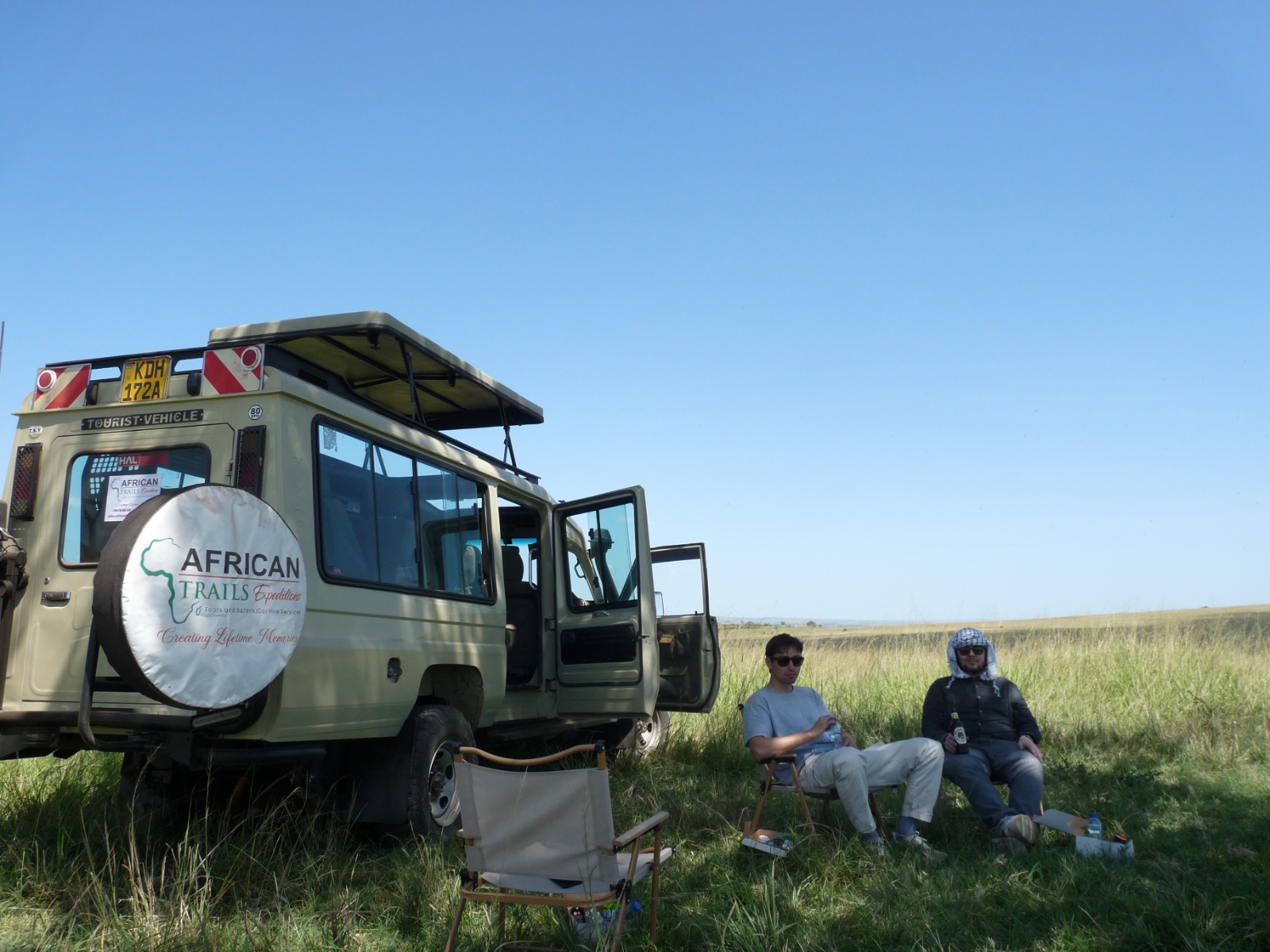
African Trails Expeditions specialises in positioning discerning travellers in the right place at the right time—where wildlife abundance meets blissful solitude. Our decade of Serengeti expertise ensures you experience this icon of African wilderness at its most magical, most exclusive, most unforgettable.
Let us craft your bespoke Serengeti journey—where every moment feels like it was choreographed for you alone, and the only crowds you’ll encounter are the magnificent herds nature intended.
Your exclusive Serengeti awaits.