INQUIRE NOW

Amboseli National Park

Land of the Giants

Amboseli National Park,African Trails Expeditions safari

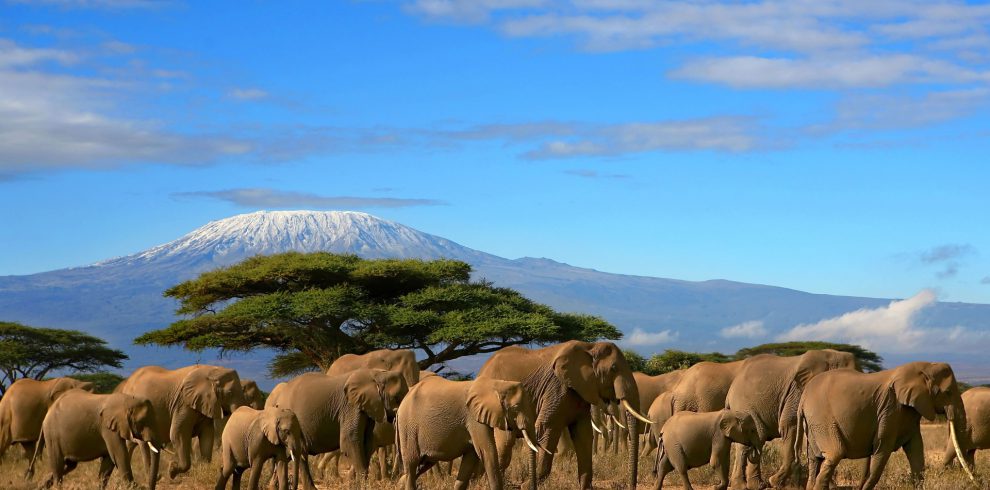
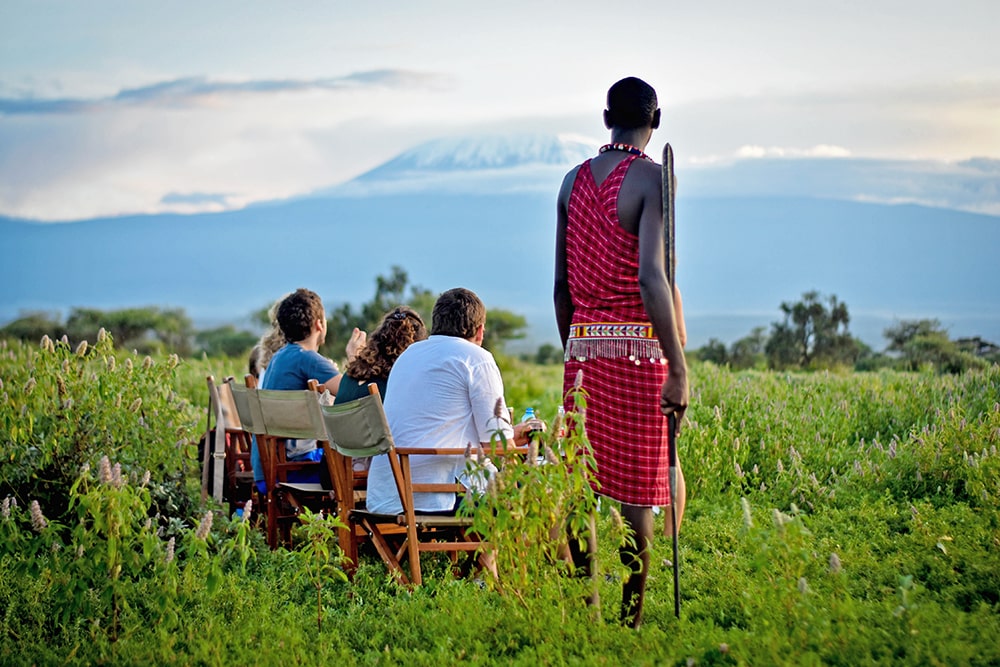
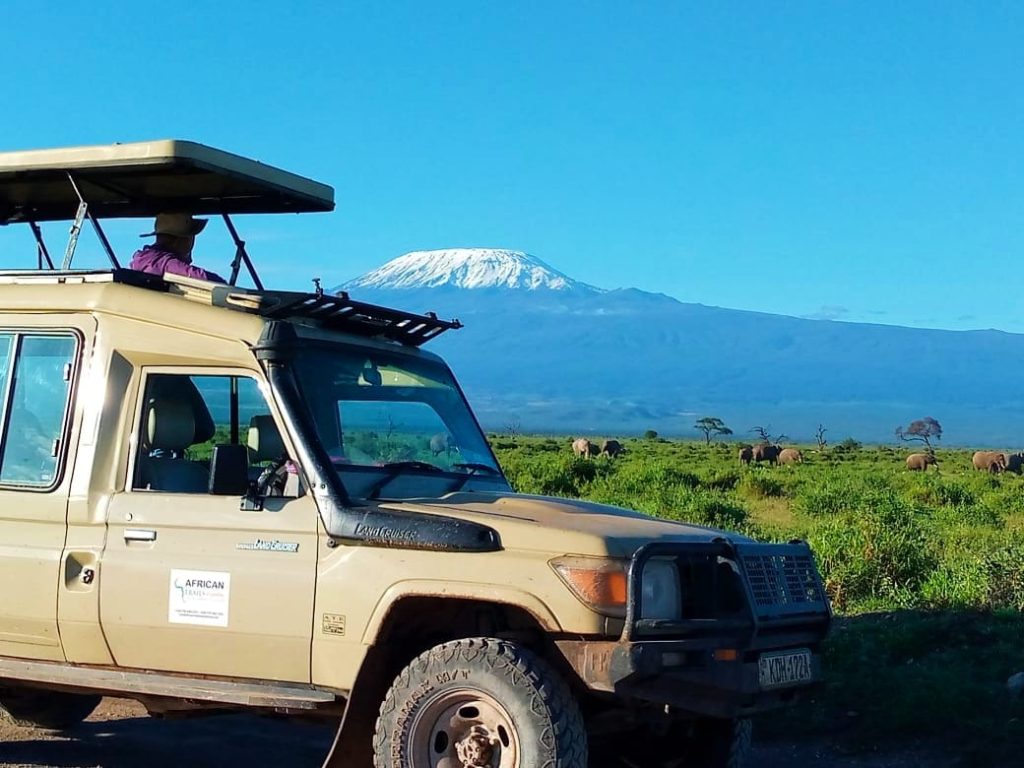
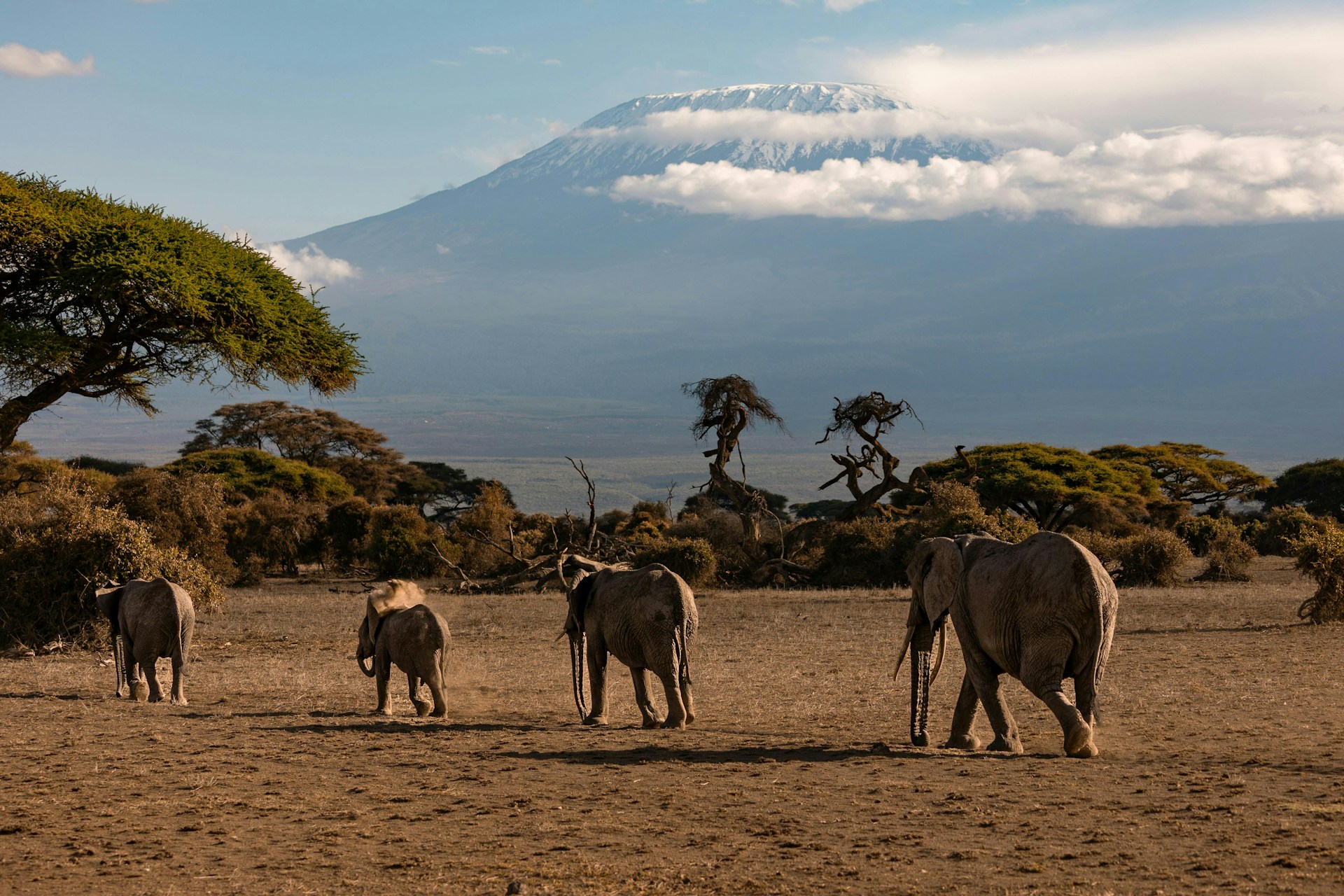
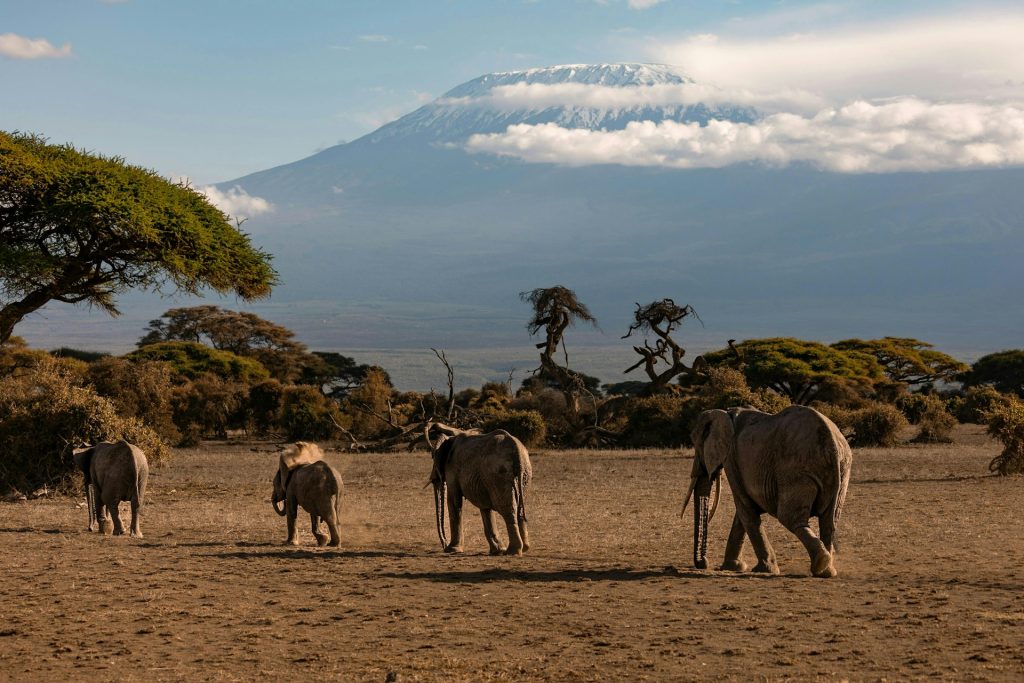
Amboseli National Park occupies a special place in the pantheon of Africa’s great wildlife sanctuaries, offering one of the continent’s most iconic and photographed scenes, massive elephant herds silhouetted against the snow-capped peak of Mount Kilimanjaro. This 392-square-kilometer reserve in southern Kenya, lying in the rain shadow of Africa’s highest mountain, presents a landscape of stunning contrasts where arid savannah meets verdant swamps, and desert dust devils dance beneath glaciated peaks that soar 5,895 meters into equatorial skies.

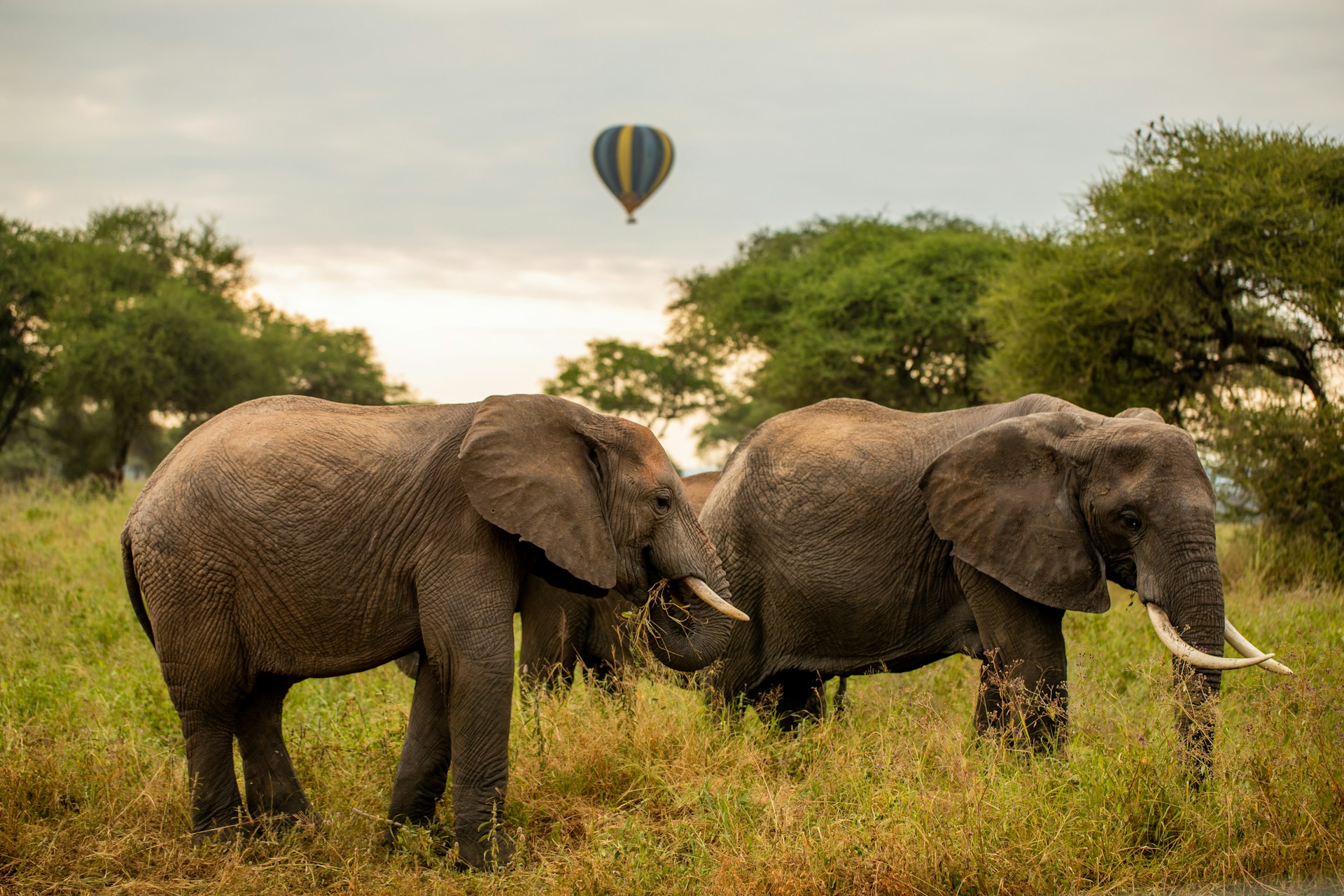
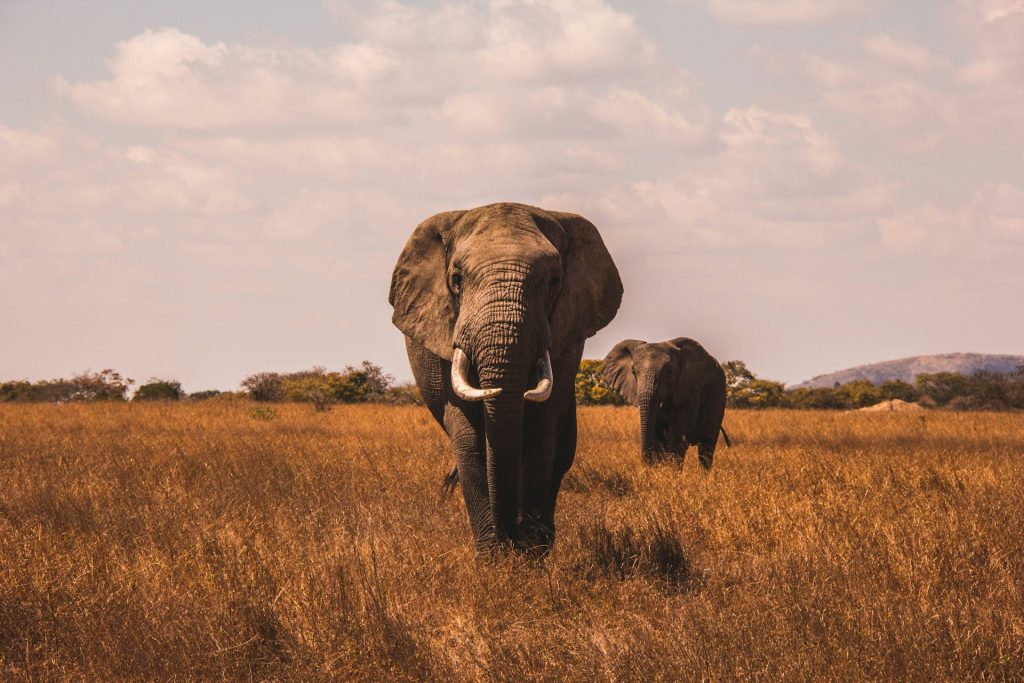
The park’s defining feature remains its extraordinary elephant population, considered among Africa’s best-studied and most habituated herds. Amboseli’s giants, some sporting tusks reaching nearly to the ground, roam freely against the backdrop of Kilimanjaro’s ethereal presence, creating photographic opportunities that have graced countless magazine covers and documentaries. The Amboseli Elephant Research Project, now in its fifth decade, has made this the world’s longest-running study of wild elephants, contributing invaluable insights into elephant society, communication, and behavior that have shaped global conservation efforts.

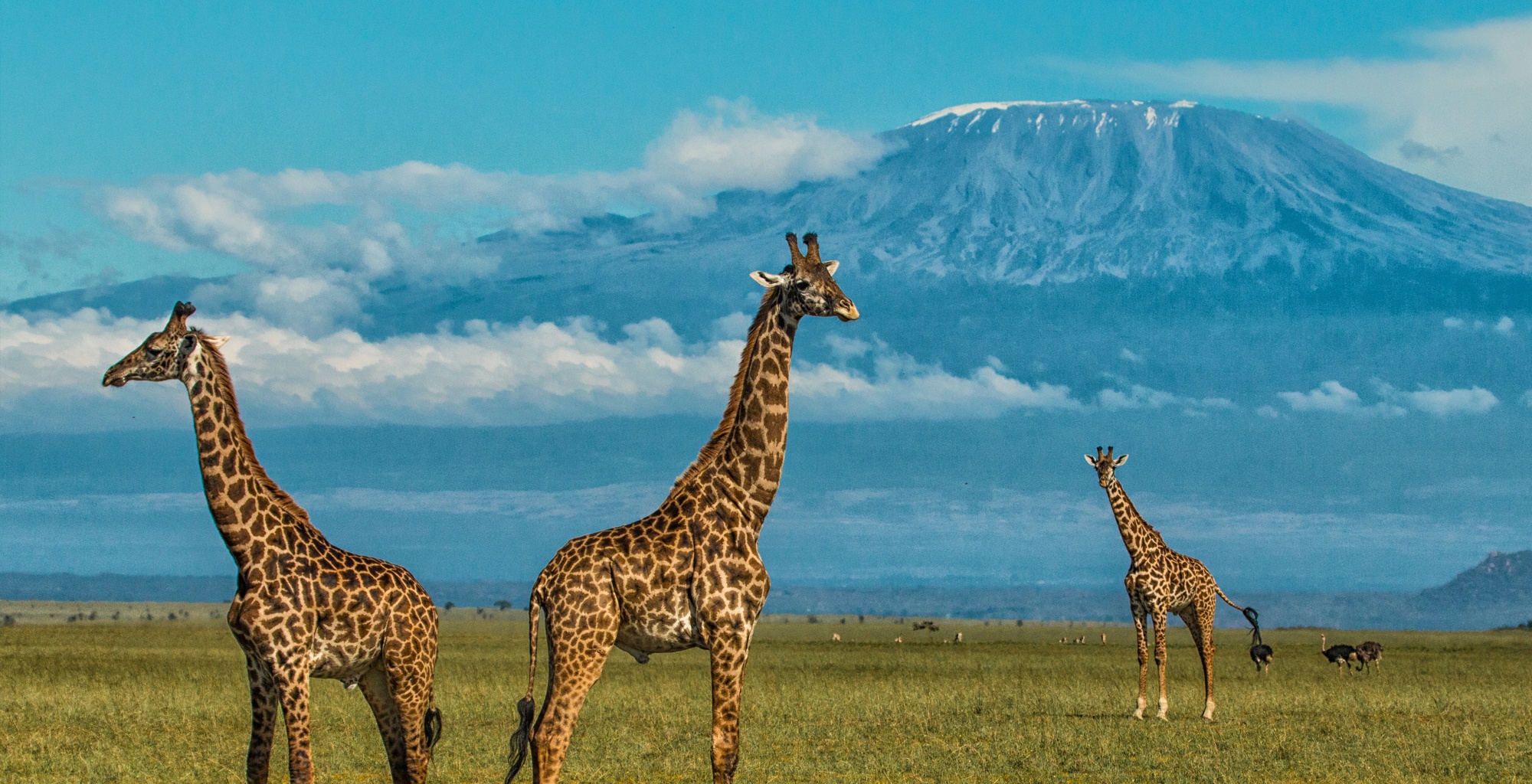
Beyond the elephants, Amboseli supports a remarkable diversity of wildlife within its relatively compact boundaries. The park’s permanent swamps, fed by underground rivers originating from Kilimanjaro’s melting glaciers, create lush oases that concentrate game year-round. Observation Hill, rising from the plains, offers panoramic vistas across this dramatic landscape, where zebra and wildebeest herds gather by the thousands, Maasai giraffe browse on scattered acacias, and predators patrol the open grasslands. The swamps themselves teem with hippos and waterfowl, while the surrounding plains support healthy populations of buffalo, zebra, and various antelope species.

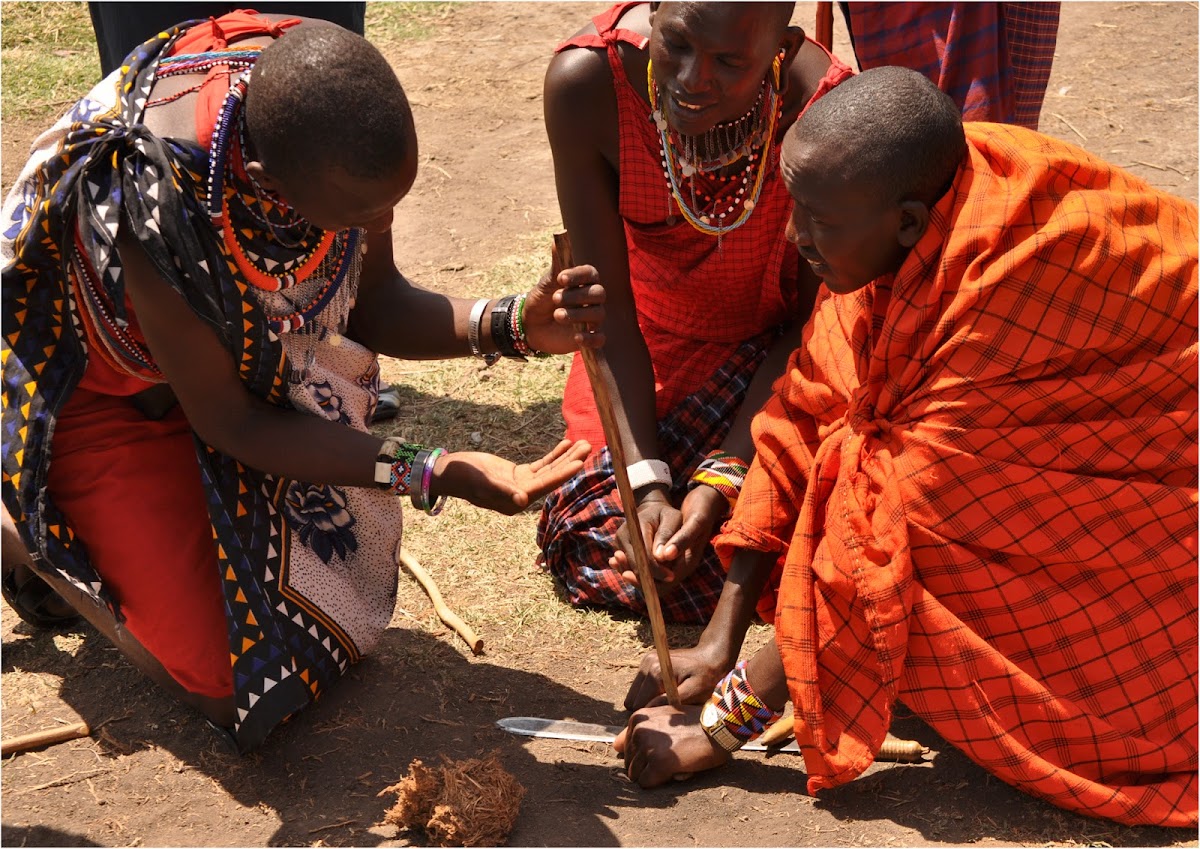
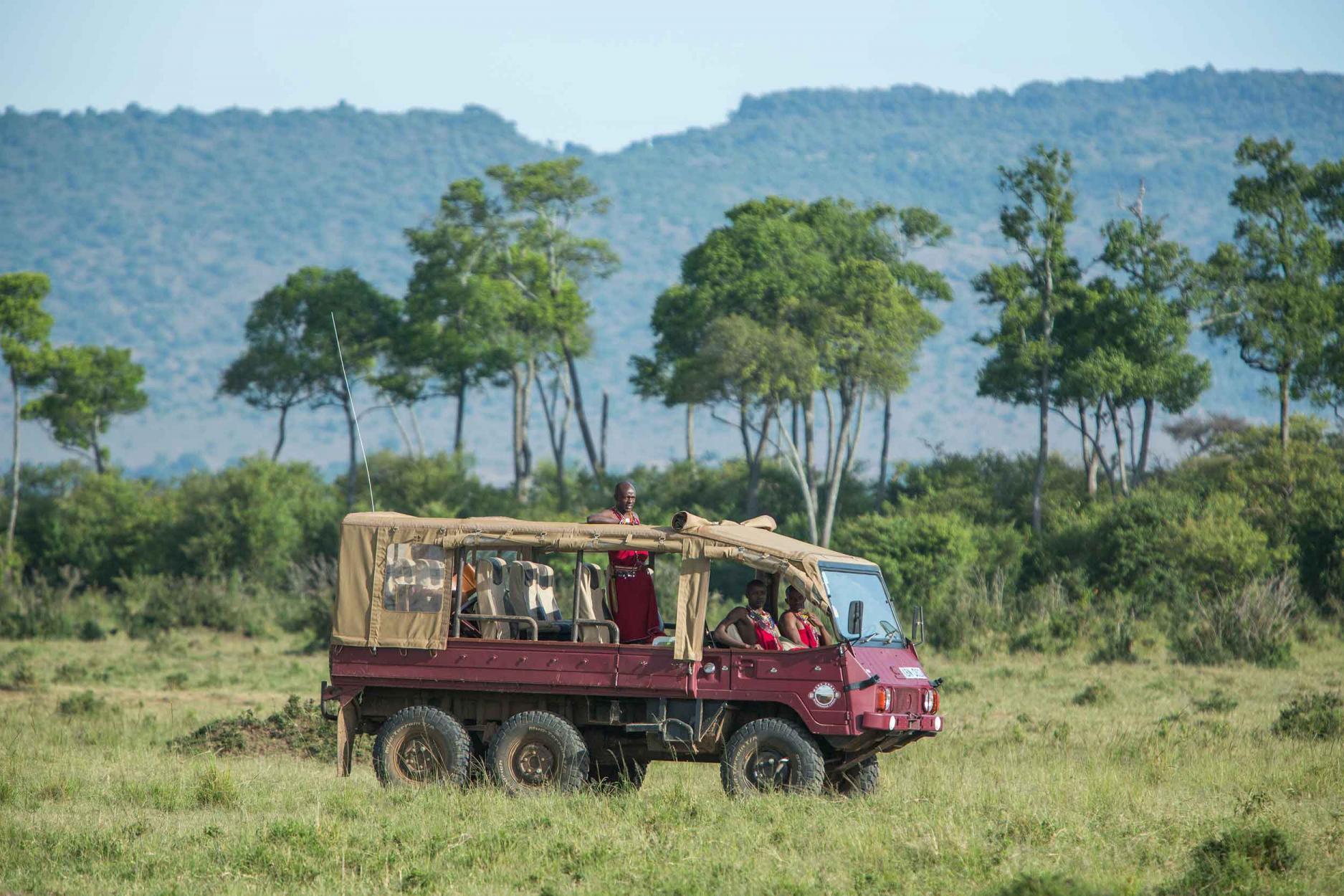
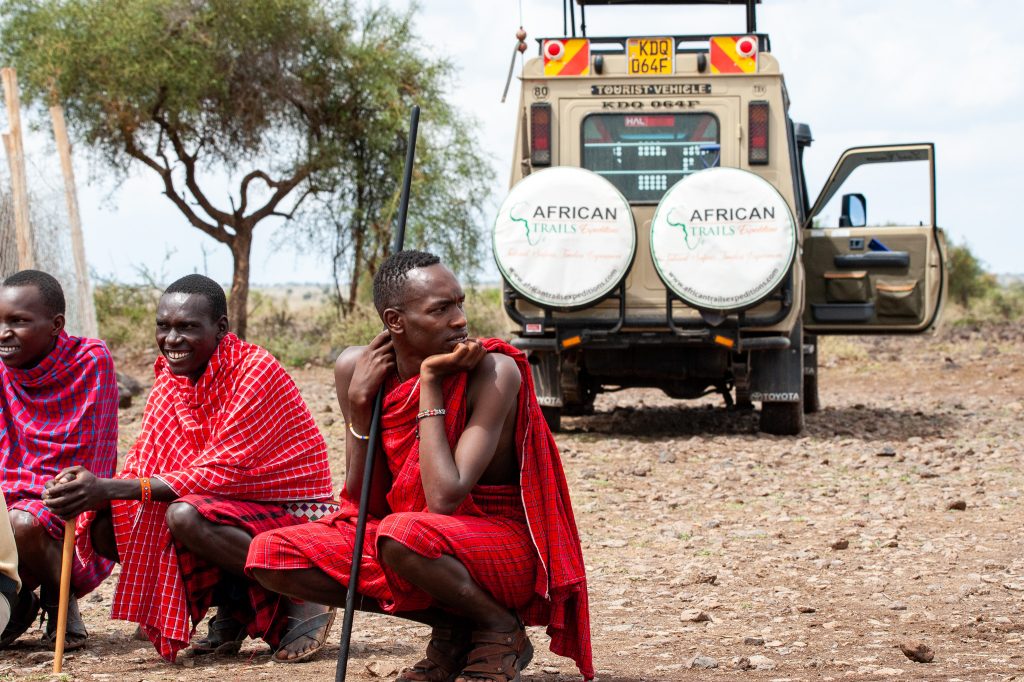
The Amboseli ecosystem extends far beyond the park’s boundaries into surrounding Maasai group ranches, where traditional pastoralists have coexisted with wildlife for centuries. This cultural dimension adds profound depth to the Amboseli experience, crimson-clad Maasai warriors herding cattle across ancient migration routes, manyattas (traditional villages) dotting the landscape, and a living culture that views wildlife as integral to their identity rather than competition for resources. The sight of Maasai herders moving livestock past elephant families epitomizes the delicate balance between human needs and wildlife conservation that defines modern East Africa.

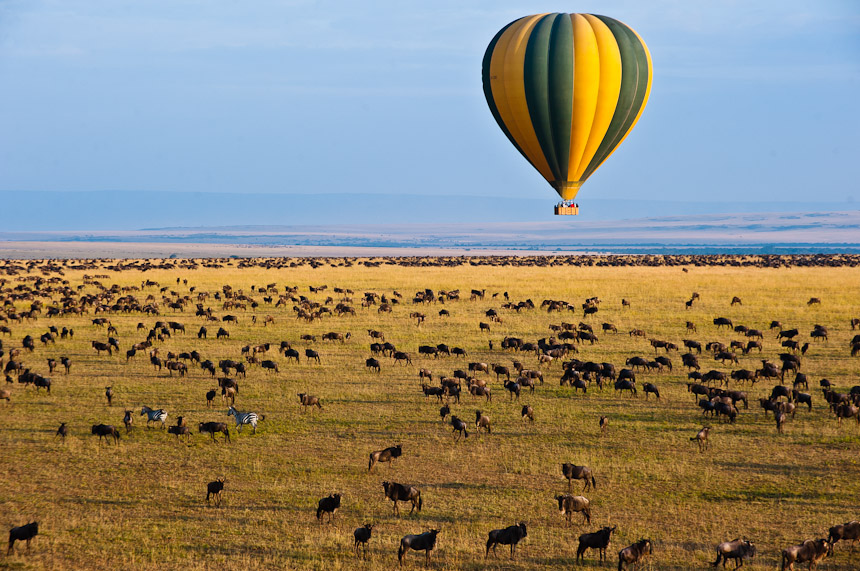
From photography-focused safaris capitalizing on the mountain’s dramatic backdrop to balloon flights offering aerial perspectives of this unique ecosystem, Amboseli delivers concentrated wildlife experiences in a setting of incomparable scenic grandeur. Whether witnessing dust-bathing elephants at sunset, photographing predators against Kilimanjaro’s snows, or experiencing Maasai culture in its authentic homeland, Amboseli offers safari moments that remain etched in memory long after the African dust has settled.

Quick Info

Size: 392 km² (151 sq miles)
Established: 1974 (originally a reserve in 1906)
Location: 240 km from Nairobi (4-5 hours by road, 40 minutes by flight)
Best Time: June - October & January - February (dry seasons)
Wildlife: 80+ mammal species, 400+ bird species
Park Fees:

International Visitors:

  • Adults: $60 per person per day
  • Children (3-18 years): $35 per person per day

East African Residents:

  • Adults: KES 1,000 per person per day
  • Children: KES 500 per person per day

Note: Fees are for the national parks only. Some lodges are located in surrounding conservancies with separate fees.

Wildlife

Amboseli National Park

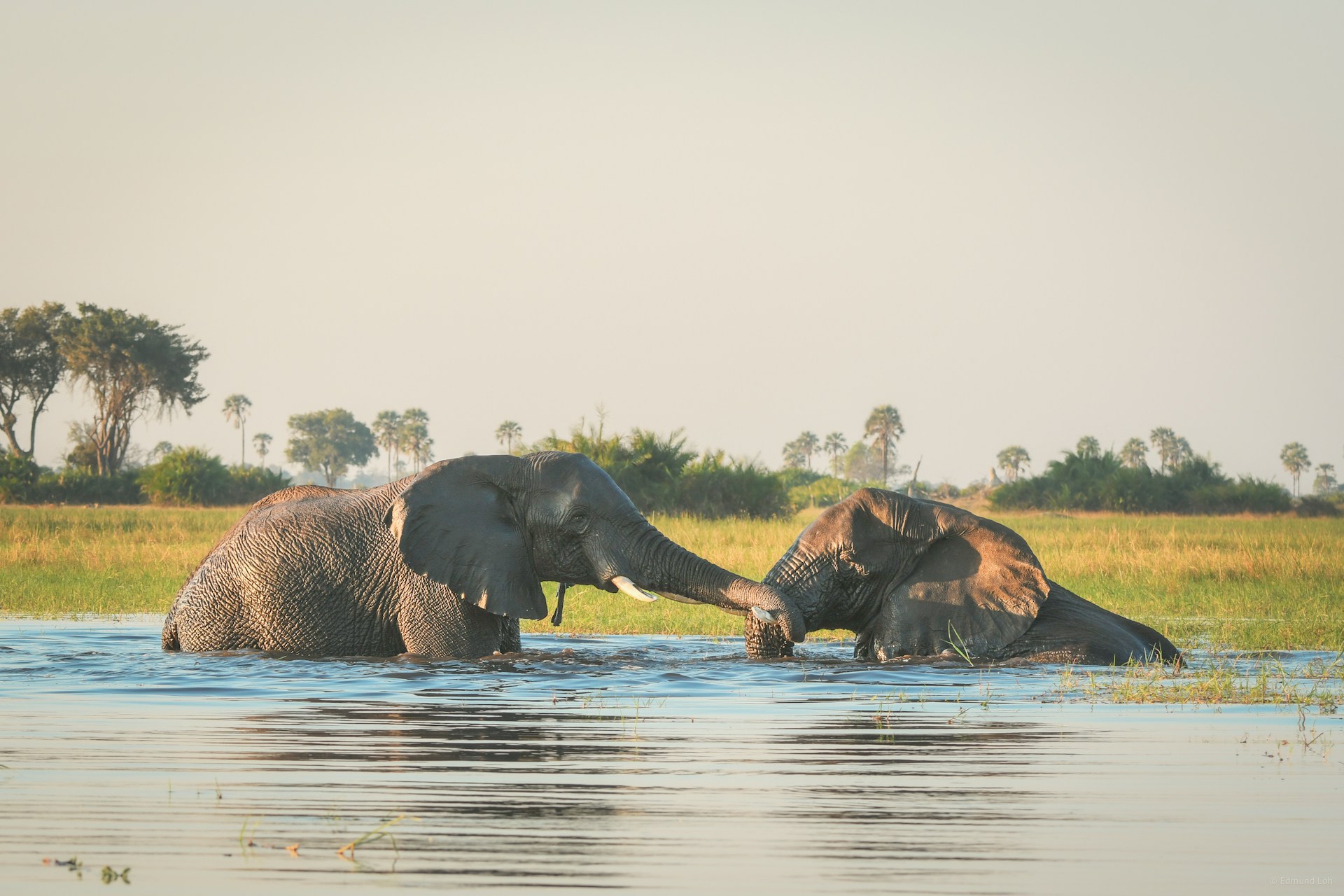
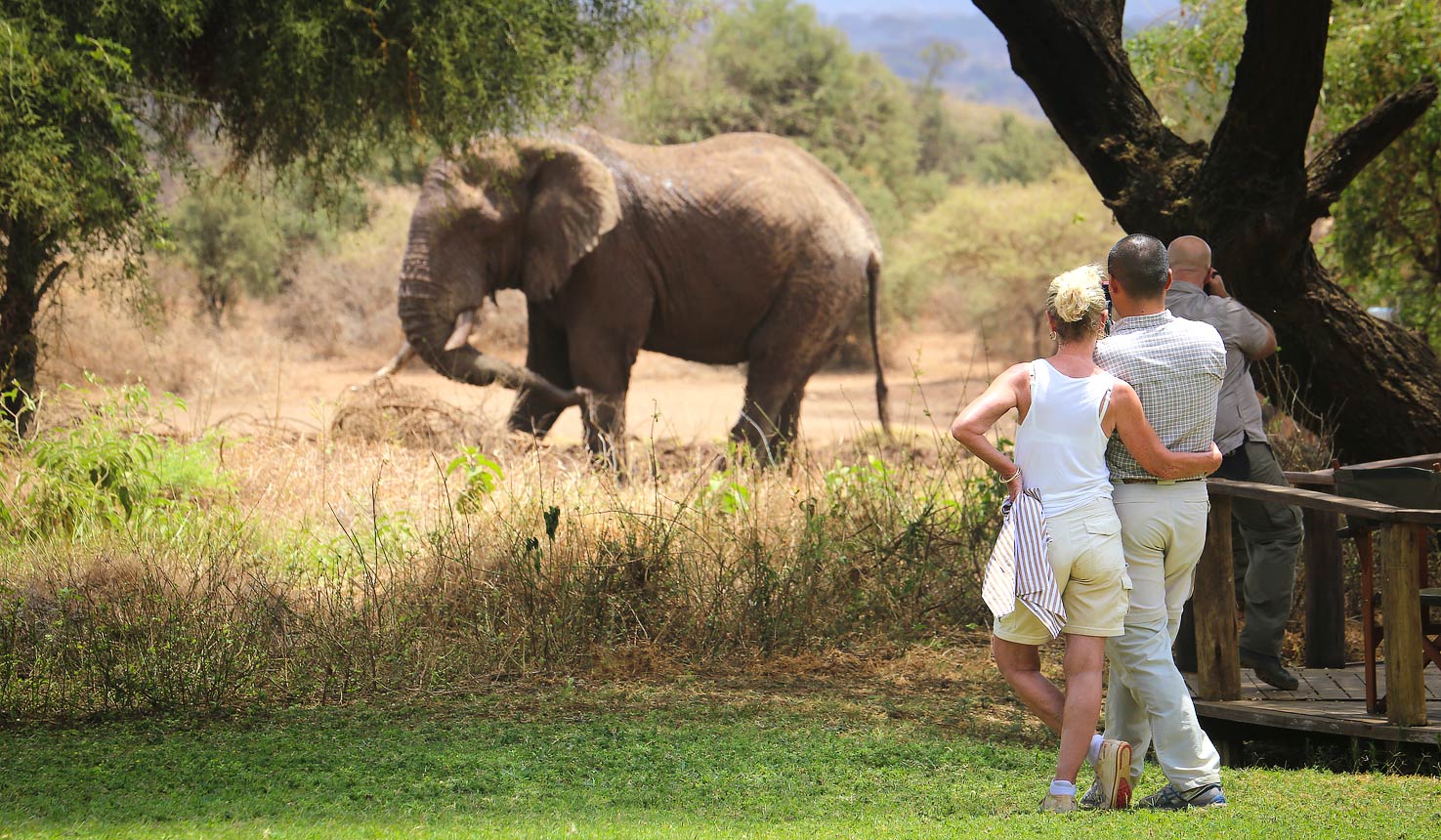
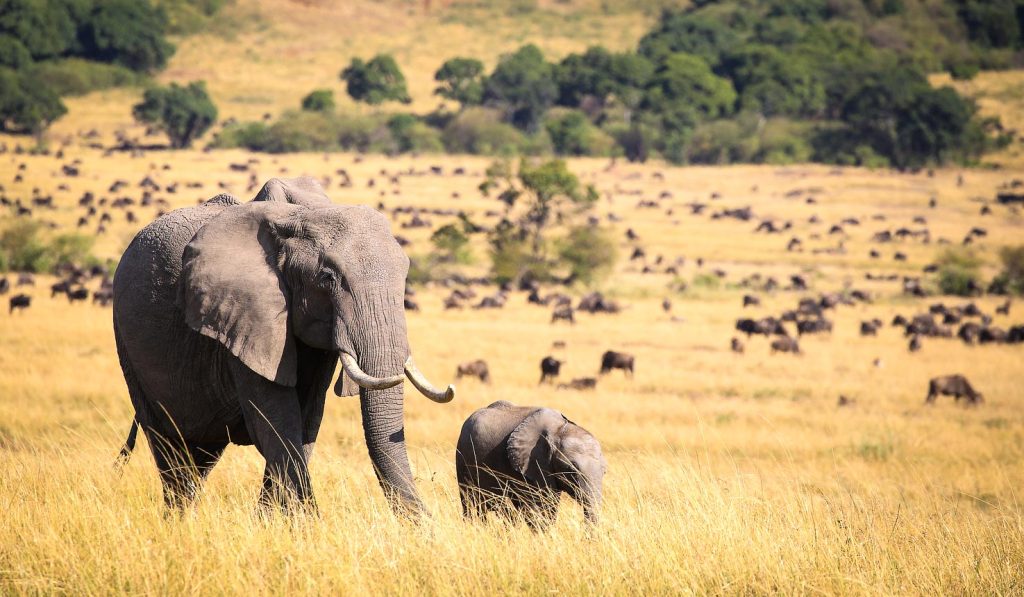
Amboseli’s reputation as elephant headquarters is thoroughly deserved, with the park supporting approximately 1,600 elephants across the greater Amboseli ecosystem. These magnificent pachyderms, unafraid of vehicles and remarkably tolerant of human presence thanks to decades of research and protection, offer unparalleled opportunities for close-range observation and photography. Bulls with massive tusks—increasingly rare across Africa—still roam Amboseli, while matriarchal families demonstrate the complex social structures that make elephants among Earth’s most intelligent creatures. The underground springs that feed Amboseli’s swamps ensure elephants gather here year-round, with the spectacle of dozens of giants bathing, drinking, and socializing against Mt. Kilimanjaro’s snows representing safari imagery at its most iconic.
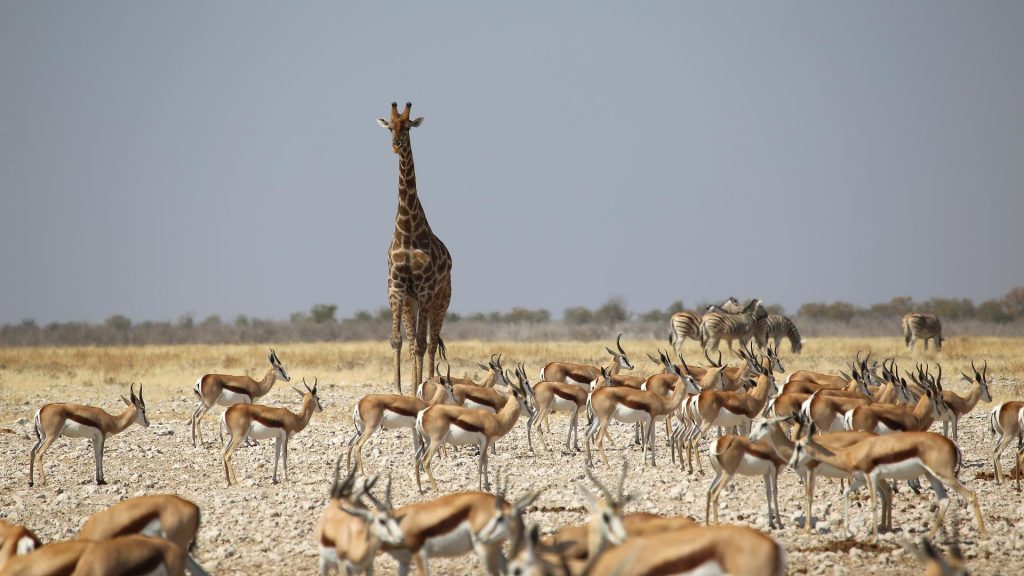
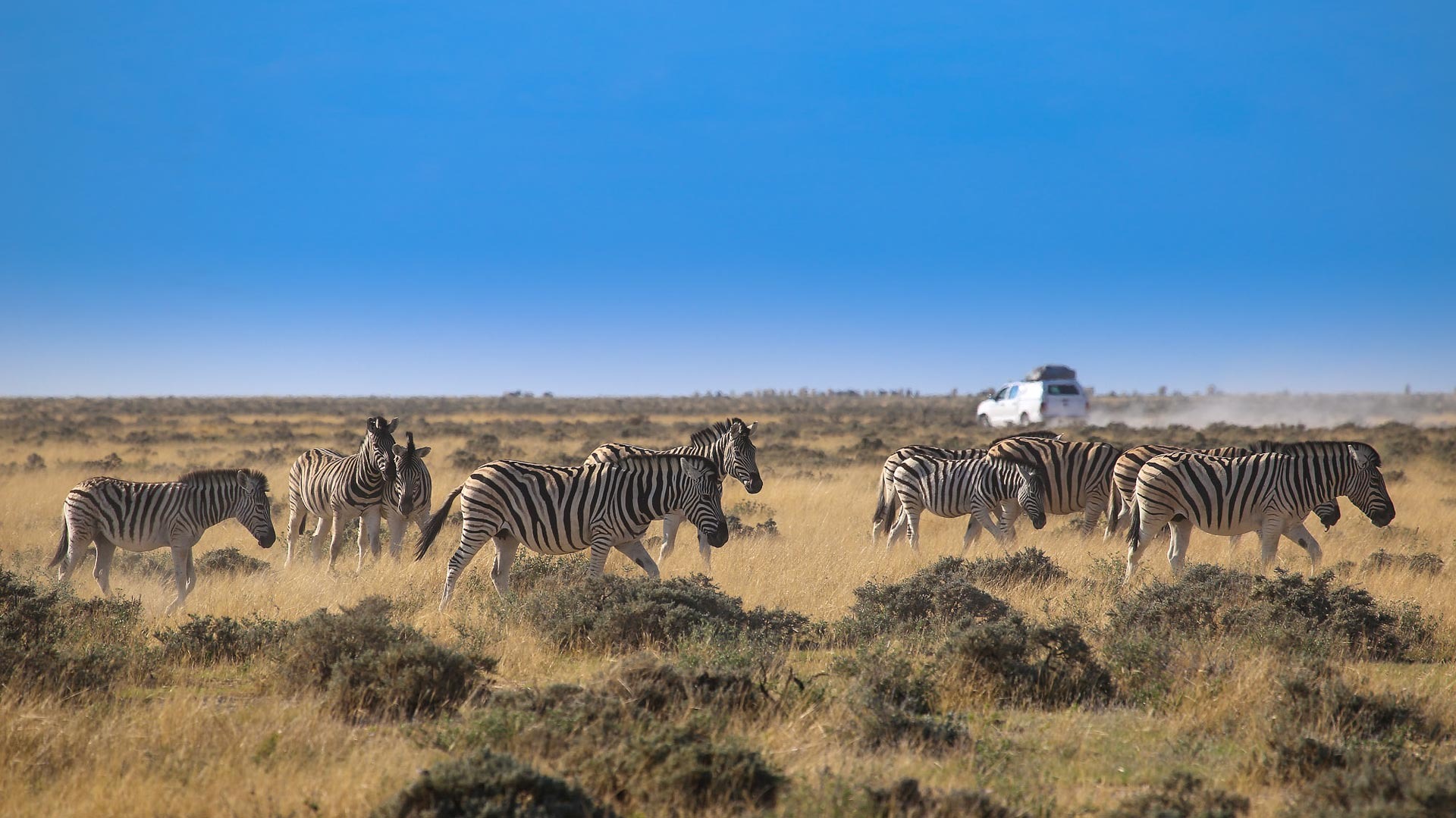
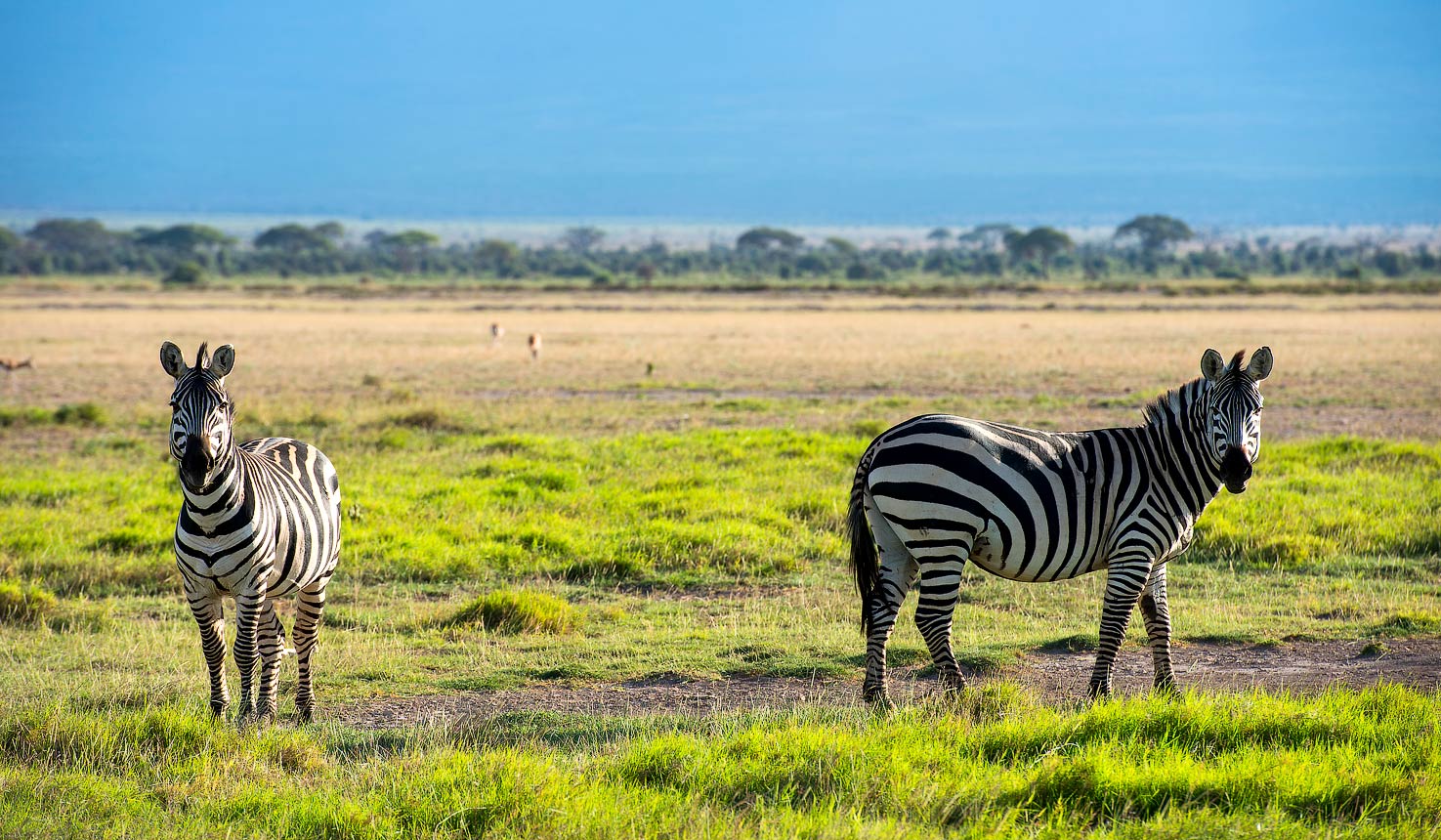
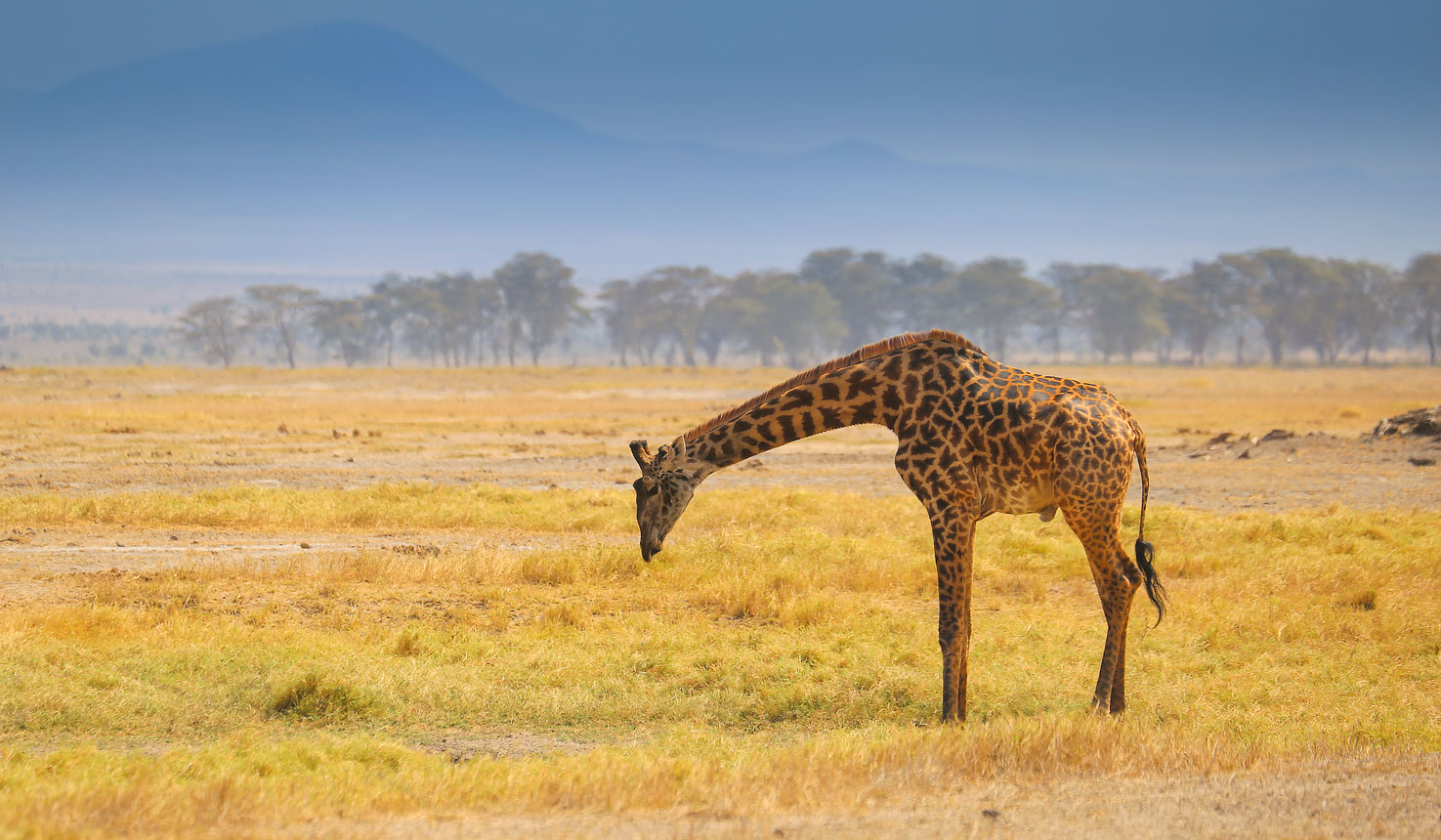
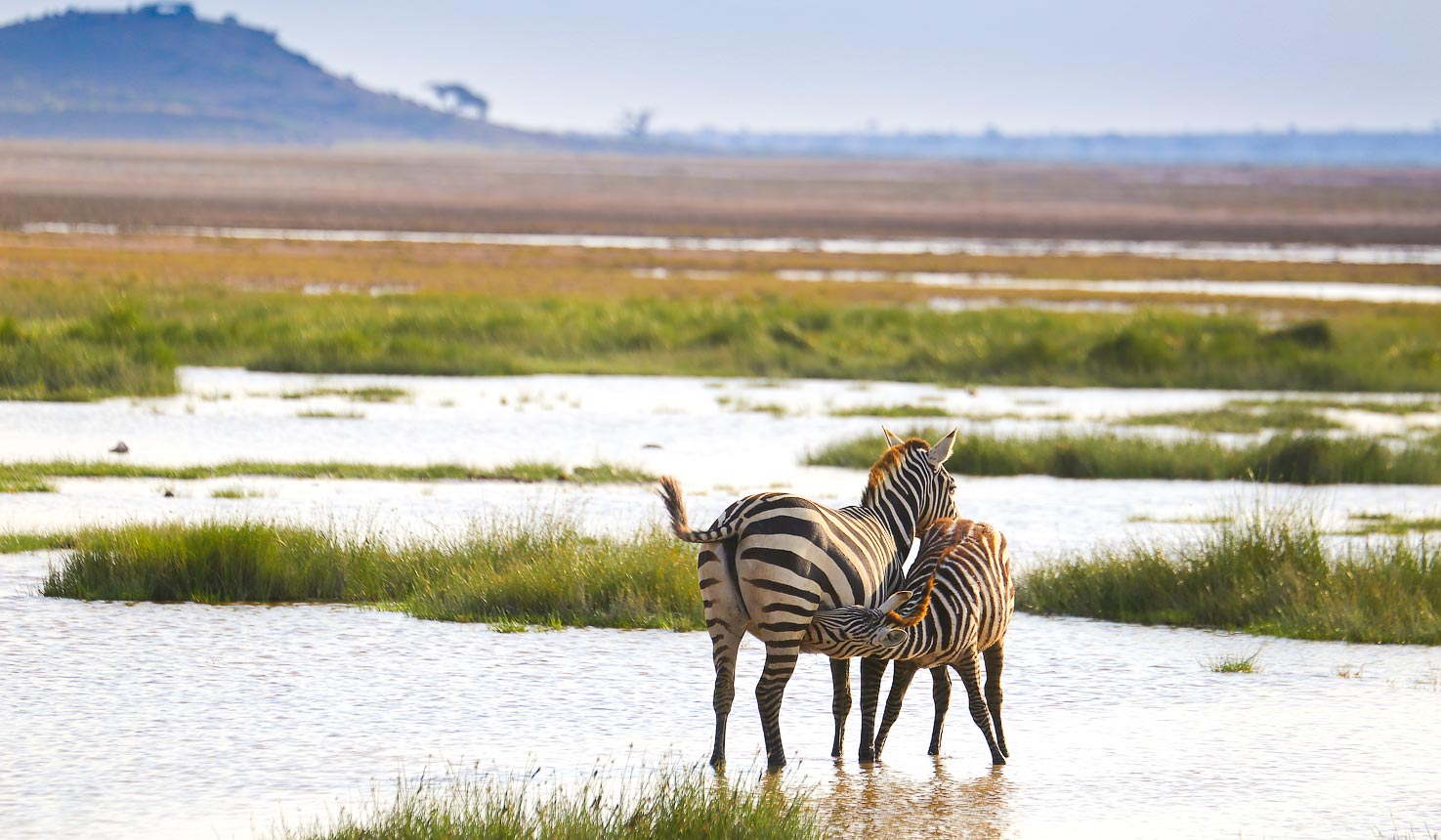
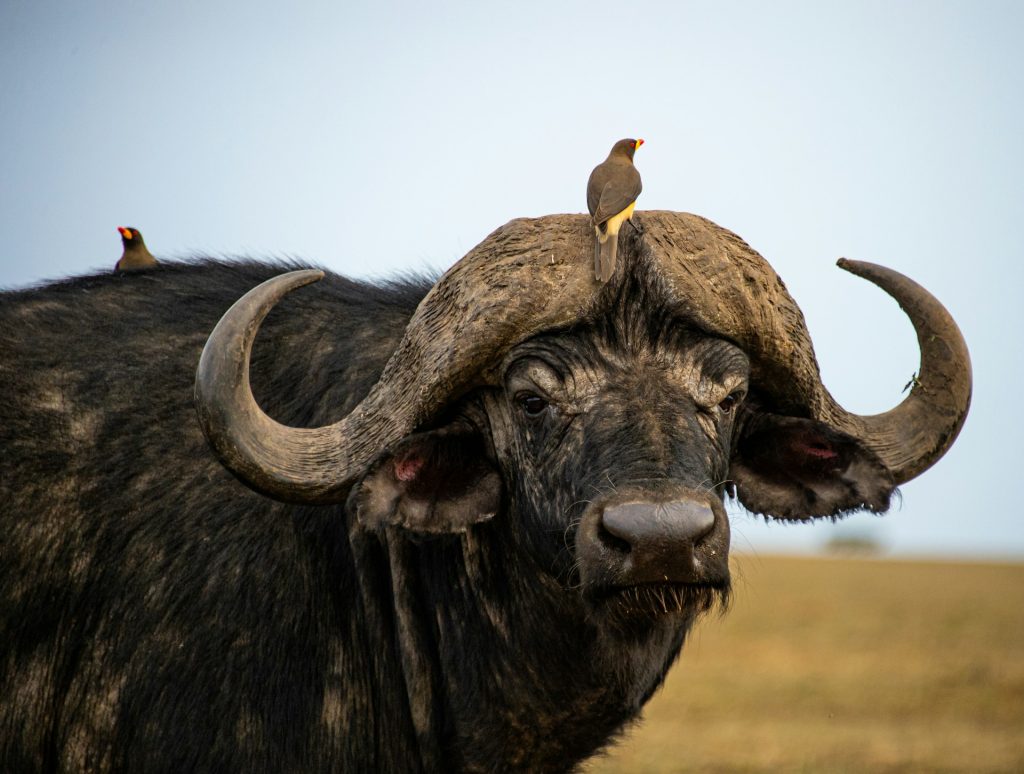
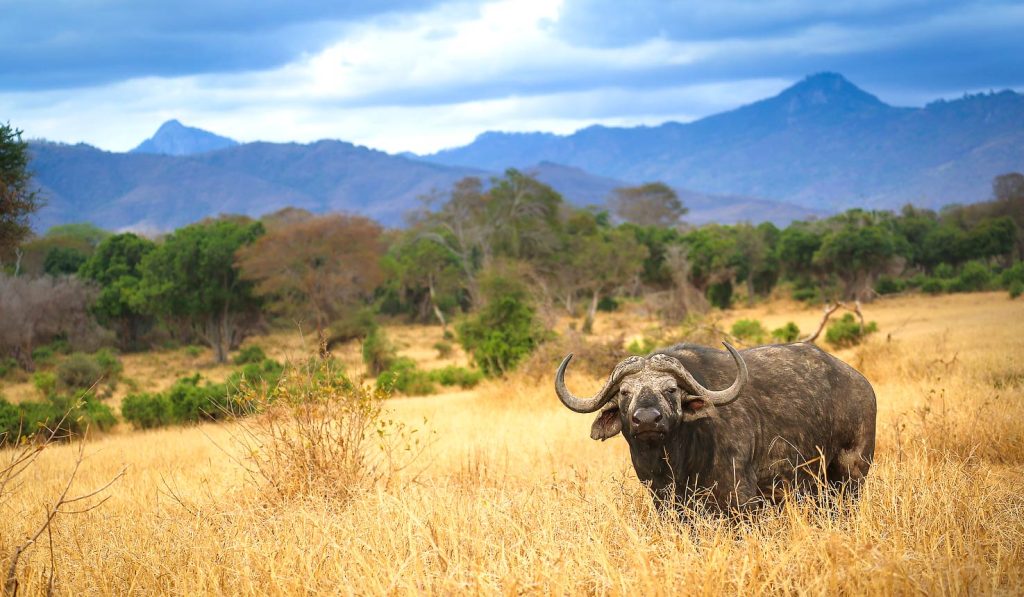
The park’s permanent water sources create a wildlife magnet effect, concentrating diverse species even during dry seasons when surrounding areas parch. Large herds of Cape buffalo, sometimes numbering several hundred individuals, traverse the plains and swamps. Plains zebra and blue wildebeest maintain resident populations, while Maasai giraffe browse the scattered acacias with their distinctive long legs and irregular coat patterns. The swamps support substantial hippo populations that emerge at dusk to graze, their grunts and bellows echoing across the wetlands throughout the night.
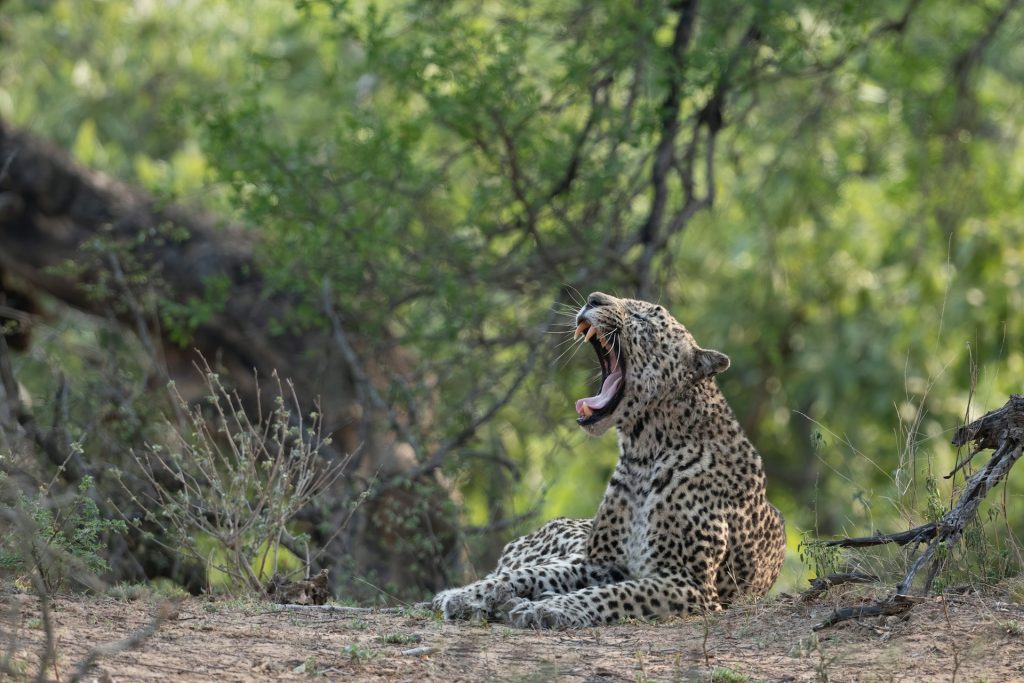
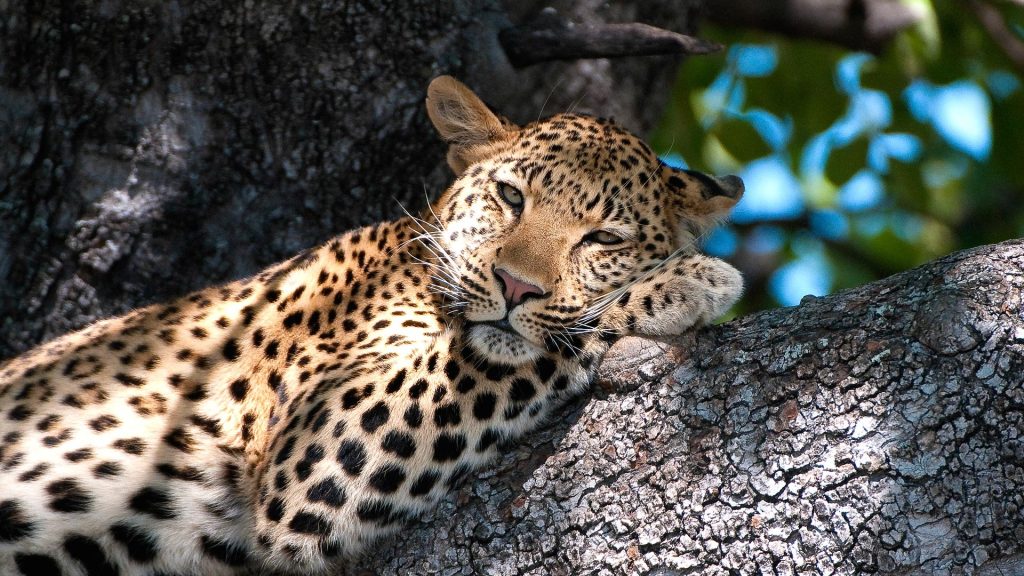
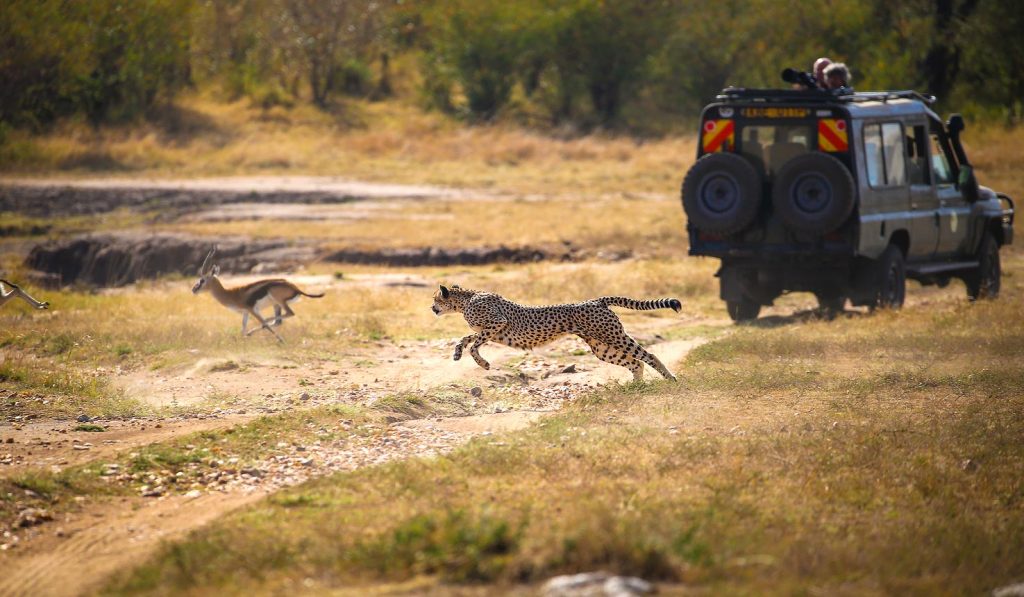
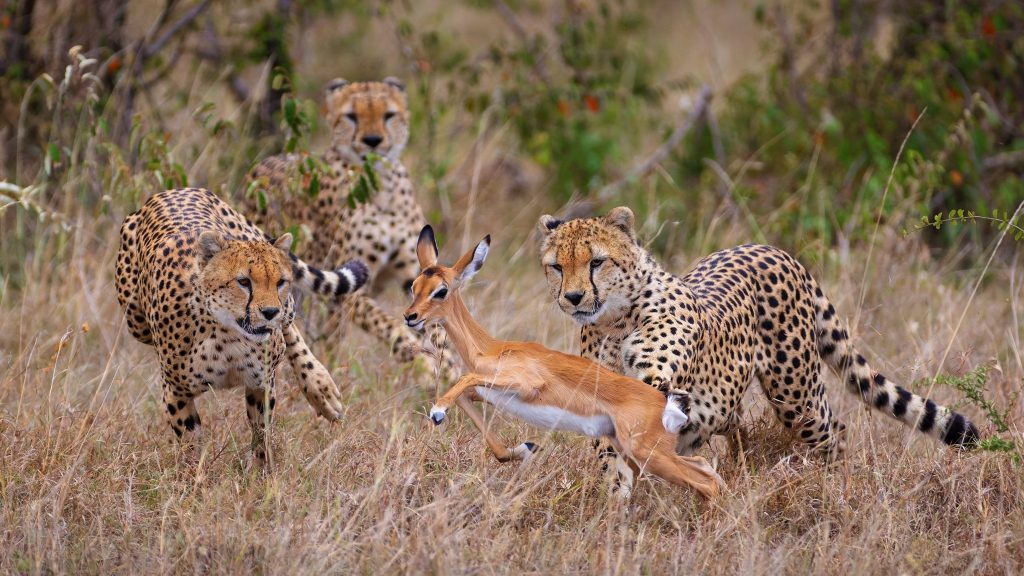
Predator populations, while present, remain relatively modest compared to the Mara or Serengeti, with an estimated 50-60 lions across the ecosystem. These Amboseli lions have adapted to hunting in open terrain, often targeting zebra and wildebeest, though they occasionally tackle young elephants or buffalo. Cheetah, well-suited to Amboseli’s open plains, hunt gazelle and other small antelopes with their characteristic high-speed pursuits. Spotted hyenas, bat-eared foxes, and black-backed jackals complete the predator roster, while leopards patrol the swamp margins and acacia groves.

🐘
Elephant
Abundant
🐃
Buffalo
Abundant
🦓
Zebra
Abundant
🦬
Wildebeest
Common
🦒
Giraffe (Masai)
Common
🦛
Hippo
Common
🦁
Lion
Occasional
🐆
Cheetah
Occasional
🐆
Leopard
Rare
🐺
Hyena
Common
🦊
Jackal (Black-backed)
Common
🦌
Gazelle (Grant's & Thomson's)
Common
🦌
Impala
Common

Elephant Kingdom: Africa’s Most Photographed Giants

Amboseli stands unrivaled as Africa’s premier elephant destination, offering intimate encounters with these majestic creatures against arguably the continent’s most spectacular backdrop. The combination of habituated elephants, open terrain allowing unobstructed views, and Mount Kilimanjaro’s towering presence creates photographic opportunities that photographers travel halfway around the world to capture. Unlike many parks where elephants flee from vehicles, Amboseli’s giants, habituated through decades of non-intrusive research often approach safari vehicles with calm curiosity, allowing face-to-face encounters that reveal the profound intelligence and emotional depth of these remarkable animals. Bulls with tusks exceeding 100 pounds each still roam here, genetic legacies of protection that grow increasingly rare across elephant range states.

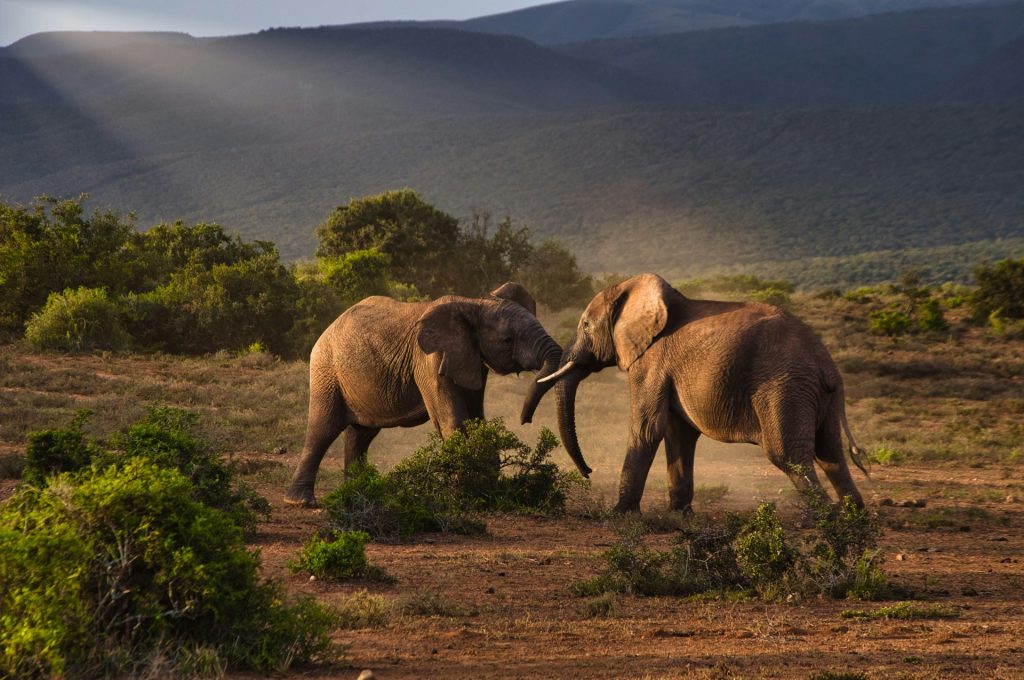
The park’s role in elephant research has transformed our understanding of these complex social animals. Observations pioneered here revealed that elephant societies are matriarchal, led by experienced females whose knowledge of water sources, migration routes, and danger proves crucial to family survival. Scientists have documented elephants mourning their dead, communicating through infrasonic calls that travel for kilometers, and demonstrating problem-solving abilities that suggest self-awareness. For visitors, this means opportunities not just to photograph elephants, but to witness behaviors—a mother gently guiding her newborn calf, teenagers playfully sparring, matriarchs leading their families to water—that illuminate why elephants captivate human imagination like few other species. Against Kilimanjaro’s snows, these moments achieve an almost spiritual quality that defines the Amboseli experience.

⭐ Special Species: Home to the "super tusker" elephants with ivory exceeding 100 pounds per tusk, and one of the few places where you can reliably photograph African elephants against a snow-capped mountain backdrop. Bird enthusiasts can spot the critically endangered Madagascar pond heron during migration.

Landscape & Ecosystem

Amboseli’s landscape presents a study in contrasts—a semi-arid environment where dust devils spiral across parched plains, yet permanent swamps fed by Kilimanjaro’s underground aquifers create verdant oases that pulse with life. The park occupies the dried bed of prehistoric Lake Amboseli, creating an expansive, flat terrain broken only by the distinctive cone of Observation Hill and the towering presence of Kilimanjaro, which though located across the border in Tanzania, dominates every vista and influences every aspect of the ecosystem.

The Swamp Systems

Five major swamps;Enkongo Narok, Ol Okenya, Ol Tukai, Longinye, and Kimana form Amboseli’s ecological backbone, sustained by snowmelt from Kilimanjaro that percolates through porous volcanic soils to emerge as crystal-clear springs. These permanent wetlands, carpeted with papyrus, sedges, and water lilies, create year-round wildlife magnets that concentrate elephants, buffalo, hippos, and countless waterbirds even during the harshest droughts. The vegetation transitions from open water through reed beds and sedge meadows to fever tree woodlands at the swamp margins, creating habitat diversity that supports species from fish eagles to yellow-billed storks. During the wet season, these swamps expand dramatically, transforming Amboseli into a shallow lake that recalls its prehistoric origins.

The Open Plains

Surrounding the swamps, vast alkaline flats stretch toward distant horizons, their soil’s high salt content supporting only sparse vegetation dominated by hardy grasses and scattered acacias. During dry seasons, these plains transform into moonscapes of cracked earth and swirling dust, where mirages shimmer and wildlife concentrates around the precious swamps. Yet this apparent desolation supports surprisingly diverse life termite mounds dot the landscape, creating islands of fertility where dwarf mongooses hunt and ground squirrels forage. The plains’ openness makes Amboseli exceptional for predator viewing, as cheetahs, lions, and hyenas have nowhere to hide, their hunts playing out in full view across the unobstructed terrain.

Mount Kilimanjaro’s Influence

Though not technically within the park, Kilimanjaro’s presence defines every aspect of Amboseli’s character and ecology. Africa’s highest peak captures moisture from Indian Ocean weather systems, creating the precipitation that eventually feeds Amboseli’s springs. The mountain’s glaciers, though sadly diminishing due to climate change, have sustained this ecosystem for millennia. Photographically, Kilimanjaro provides the element that transforms ordinary wildlife images into extraordinary ones—elephants appear dwarfed beneath its immensity, predator hunts unfold against snow-capped peaks, and sunrises paint the mountain in hues ranging from rose to gold. Cloud cover often obscures the summit, particularly during afternoons, making clear morning views a precious commodity that safari schedules revolve around.

Observation Hill

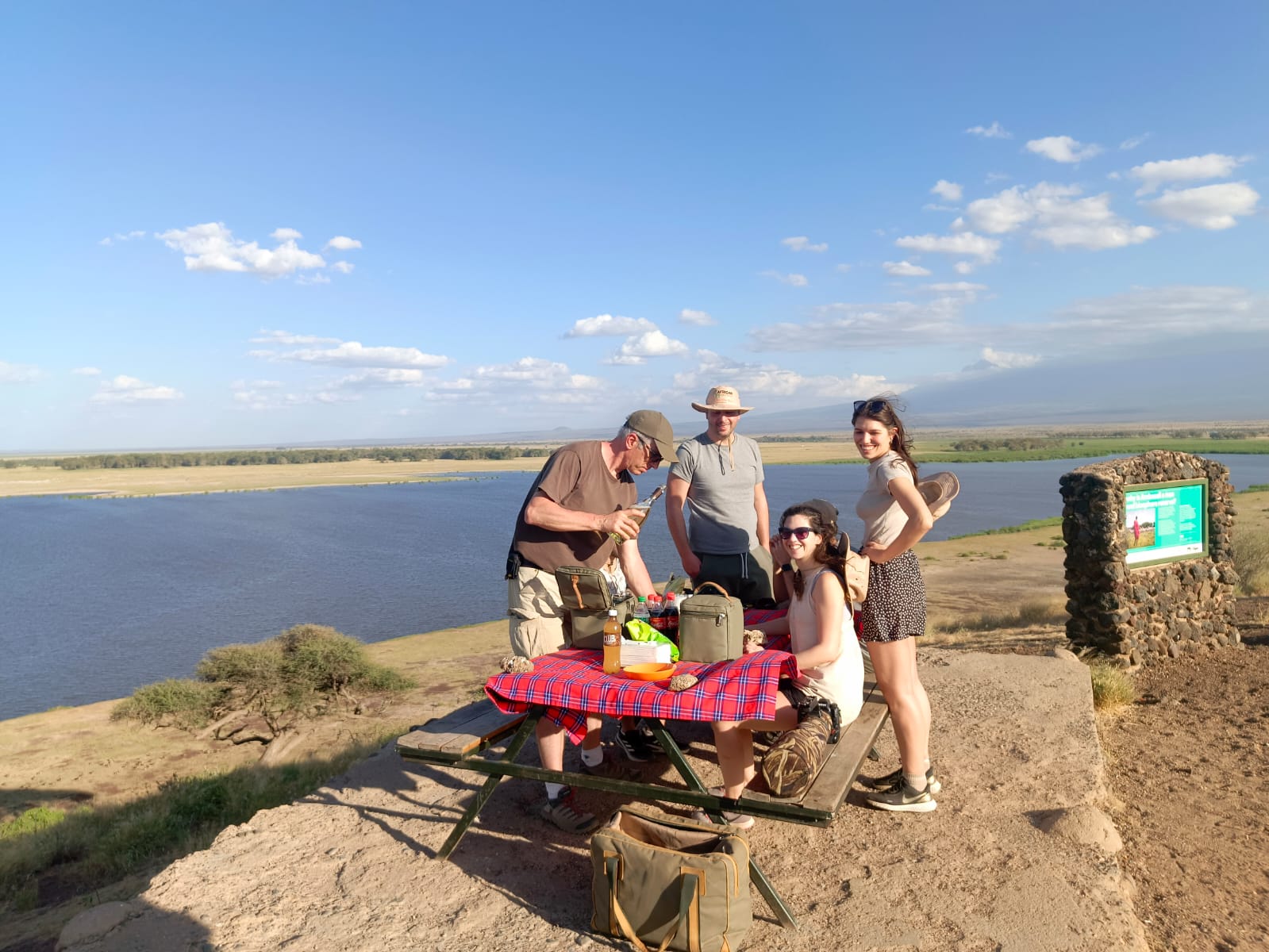
Rising just 200 meters above the plains, Observation Hill offers the park’s premier panoramic viewpoint. The climb a moderate 20-minute hike rewards visitors with 360-degree vistas encompassing the swamps, plains, and Kilimanjaro. From this vantage, the ecosystem’s layout becomes clear: five distinct swamp systems connected by wildlife corridors, the park’s boundaries defined by settlements and agriculture, and Kilimanjaro towering above it all. At dawn, before heat haze obscures visibility, one can often spot elephant families several kilometers away moving toward water, their forms tiny against the mountain’s bulk.

Climate and Weather Patterns

Amboseli experiences a semi-arid climate with bimodal rainfall—short rains (November-December) and long rains (March-May). Annual precipitation averages just 350mm, making Kilimanjaro’s underground contribution crucial for the ecosystem’s survival. Dry seasons (June-October and January-February) see minimal rainfall, with daytime temperatures reaching 30-35°C while nights cool to 15-20°C. Dust becomes pervasive during dry months, creating atmospheric haze that can obscure Kilimanjaro even on cloudless days but also generates spectacular photographic effects at sunrise and sunset. The rainy seasons transform the landscape, turning dustbowls emerald and filling temporary pans that attract thousands of flamingos and other water birds, though these same rains can make roads challenging and reduce Kilimanjaro visibility.

Experiences & Activities

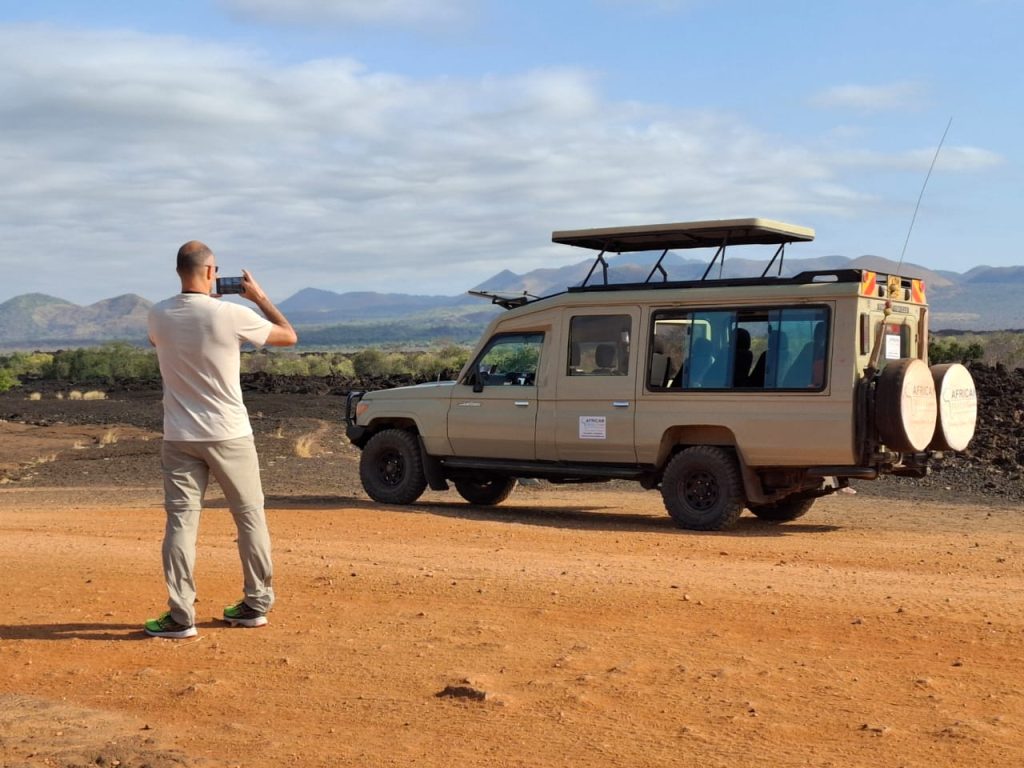
From photographing elephant families beneath Mt. Kilimanjaro's snow-capped summit to ascending Observation Hill for panoramic sunrise vistas, Amboseli offers intimate wildlife encounters in one of Africa's most photogenic settings.

When to Visit Amboseli National Park

Amboseli rewards visitors year-round, but the prime dry seasons; June through October and January through February, offer optimal wildlife viewing and mountain visibility. During these periods, minimal rainfall means clear morning skies that showcase Kilimanjaro in its full splendor, with the snow-capped peak visible most days before midday clouds roll in. Wildlife concentrates around the permanent swamps as surrounding areas dry out, creating exceptional game viewing opportunities. Elephants, buffalo, and plains game gather in large numbers, while predators patrol the swamp margins hunting weakened animals. Dust becomes pervasive, creating atmospheric photographic conditions but requiring camera protection. Accommodation rates peak during these months, particularly August-October when global tourism reaches its zenith.

The wet seasons, long rains (March-May) and short rains (November-December), transform Amboseli’s character while offering unique advantages for strategic travelers. The landscape greens dramatically, temporary pans fill with water attracting massive flamingo flocks, and newborn animals appear across the plains. Wildlife disperses from the swamps as water becomes available throughout the ecosystem, making sightings less concentrated but often more natural as animals resume wider ranging behaviors. Kilimanjaro visibility decreases as afternoon storms become more frequent, though spectacular cloud formations can create dramatic photographic opportunities. The most significant challenge involves road conditions, as the fine volcanic soil becomes sticky mud that can immobilize vehicles, many lodges close during April and May when conditions deteriorate most severely.

The shoulder months February, June, and November represent sweet spots for those seeking balance between optimal conditions and lower crowds. February offers excellent wildlife viewing with fewer visitors than peak season, though afternoon rains become more frequent. June sees the start of the main dry season with improving Kilimanjaro visibility and gathering wildlife, while November brings the short rains’ transformative effects without the heavy downpours of the long rains. Photographers particularly value these transition periods when dramatic weather creates dynamic skies and lighting that elevates images beyond the standard blue-sky shots. Whatever the season, Amboseli’s elephants remain reliably present, ensuring that the park’s signature experience giants beneath  Mt. Kilimanjaro remains accessible throughout the year.

Best Months to Visit

January
February
March
April
May
June
July
August
September
October
November
December

Safaris Featuring Amboseli National Park

Experience the magic of elephants beneath Kilimanjaro through our curated safari itineraries showcasing Amboseli's unique wildlife and landscapes alongside Kenya's other premier reserves.

Where to Stay in Amboseli National Park

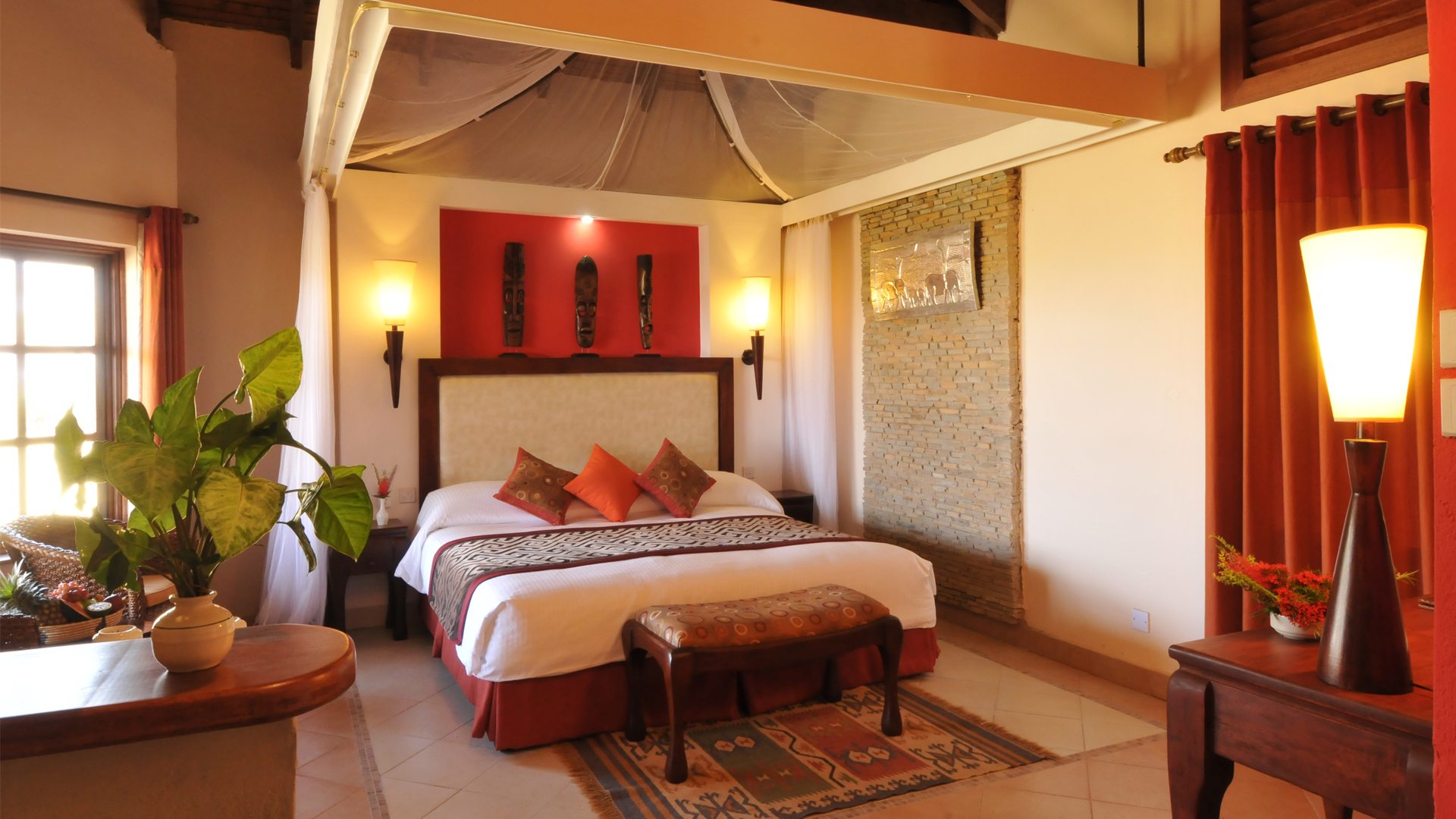
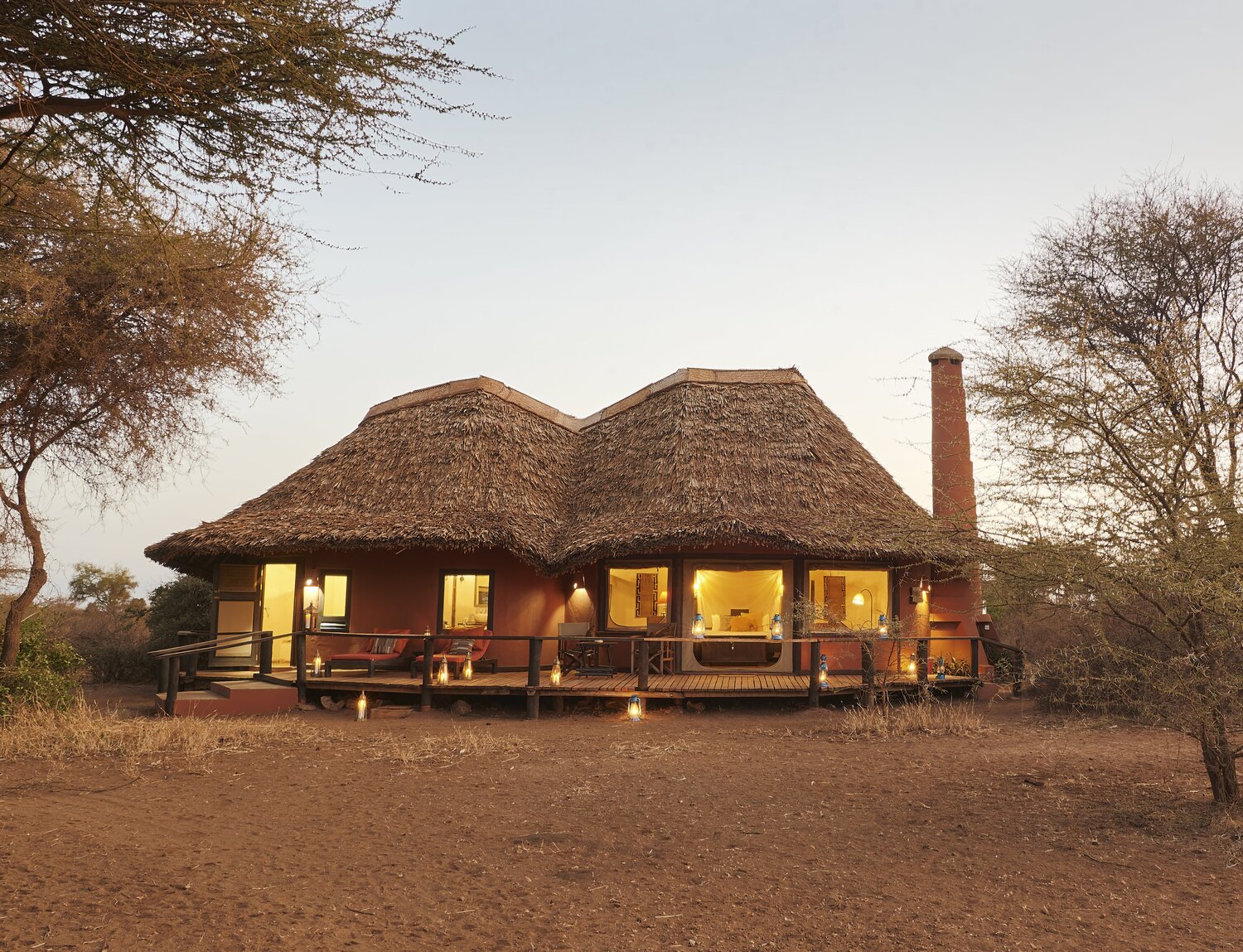
Handpicked luxury lodges and camps offering exceptional experiences

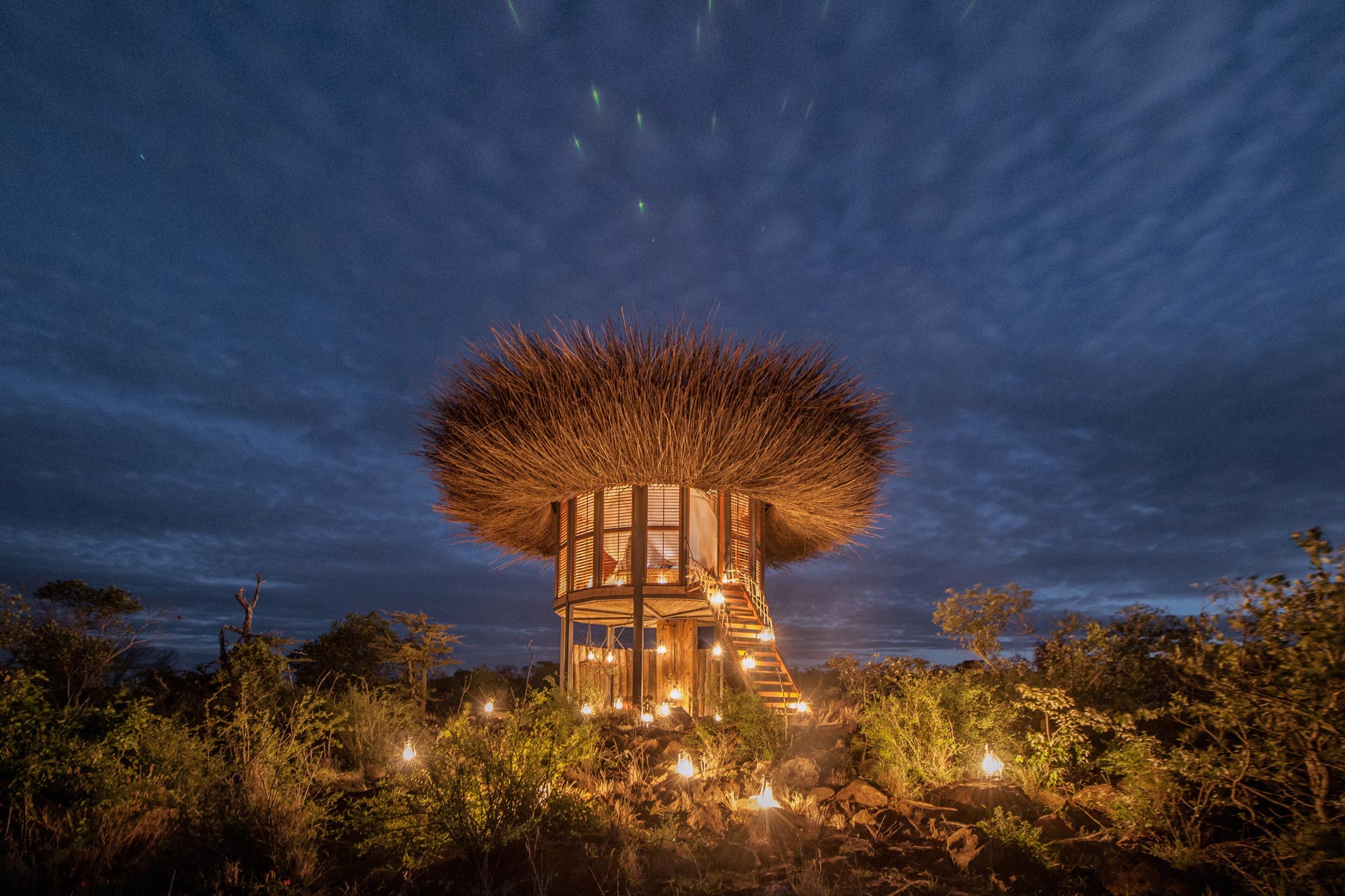
Tortilis Camp

Tortilis Camp

📍 Private conservancy bordering Amboseli

Ol Tukai Lodge

Ol Tukai Lodge

📍 Central Amboseli (within park)

Tawi Lodge

Tawi Lodge

📍 Kimana Sanctuary

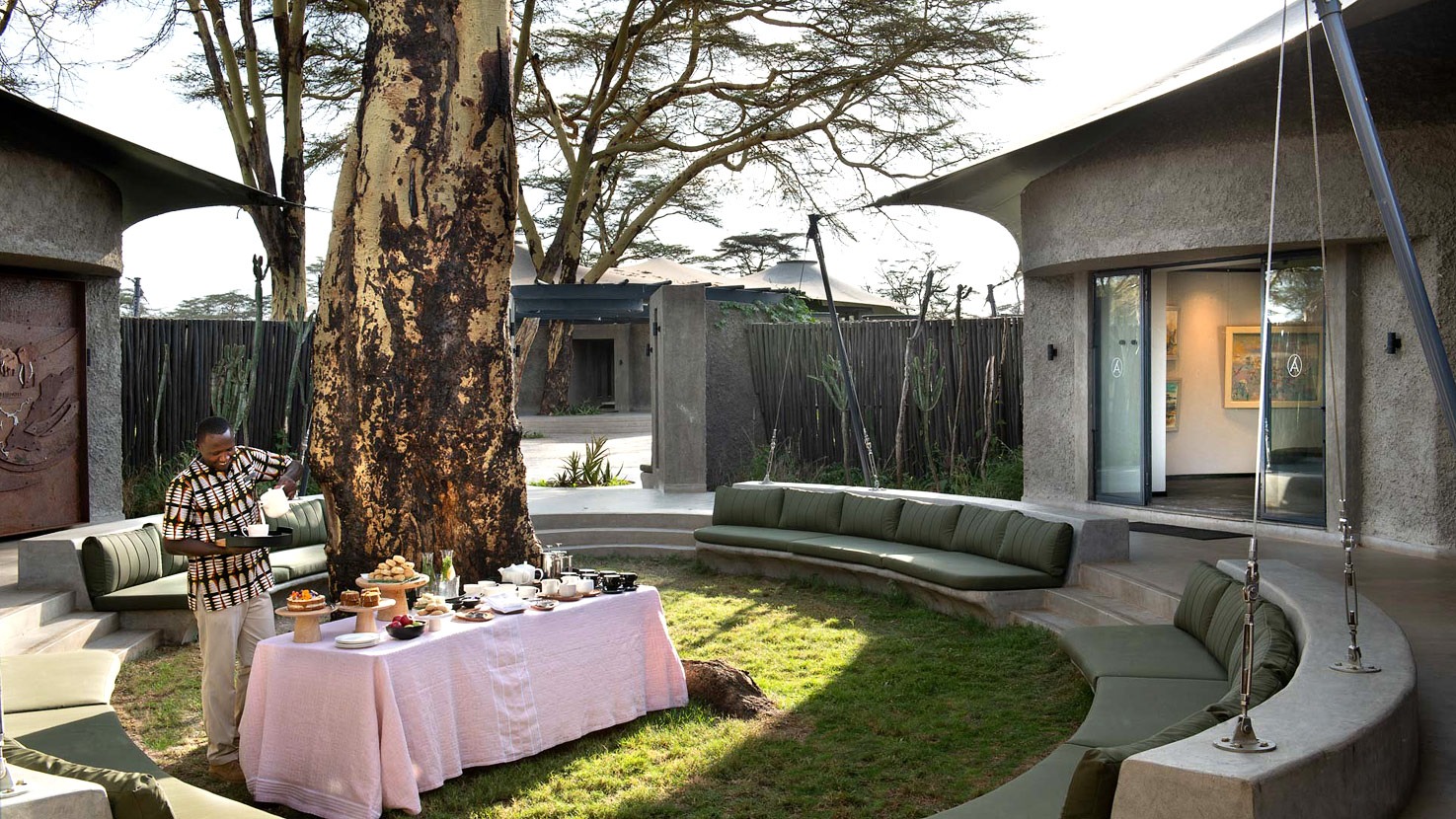
Angama Amboseli

Angama Amboseli

📍 Kimana Sanctuary

Frequently Asked Questions

What is the best time of day to see Mount Kilimanjaro clearly?

Early morning (6:00-10:00 AM) offers the clearest Kilimanjaro views, as the mountain is usually cloud-free at dawn. By mid-morning, clouds begin forming around the summit, often completely obscuring the peak by afternoon. Evening sometimes brings a second window of visibility, but morning remains most reliable. Plan your main game drives and photography sessions for early morning when both wildlife activity and mountain visibility peak.

How close can you get to the elephants in Amboseli?

Amboseli’s elephants, habituated through decades of non-intrusive research, often approach within meters of safari vehicles. However, maintaining respectful distance remains crucial, guides position vehicles to allow elephants to move naturally without stress. Unlike some parks where elephants flee from vehicles, Amboseli’s giants may walk directly past or even investigate vehicles with calm curiosity, creating extraordinary photographic opportunities while demonstrating remarkable tolerance.

Can you see the Big Five in Amboseli?

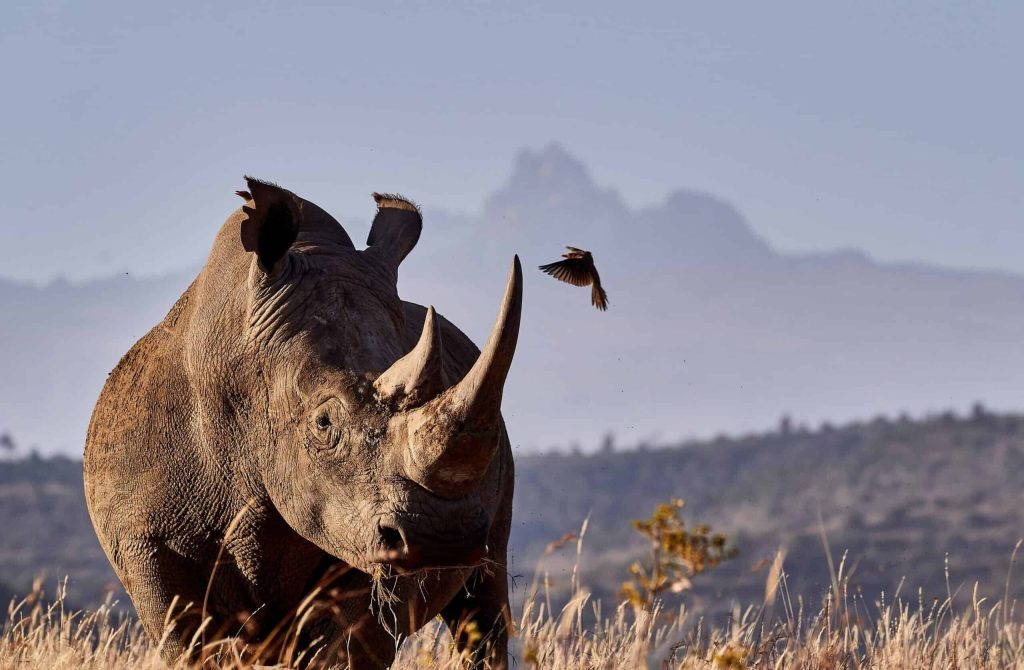
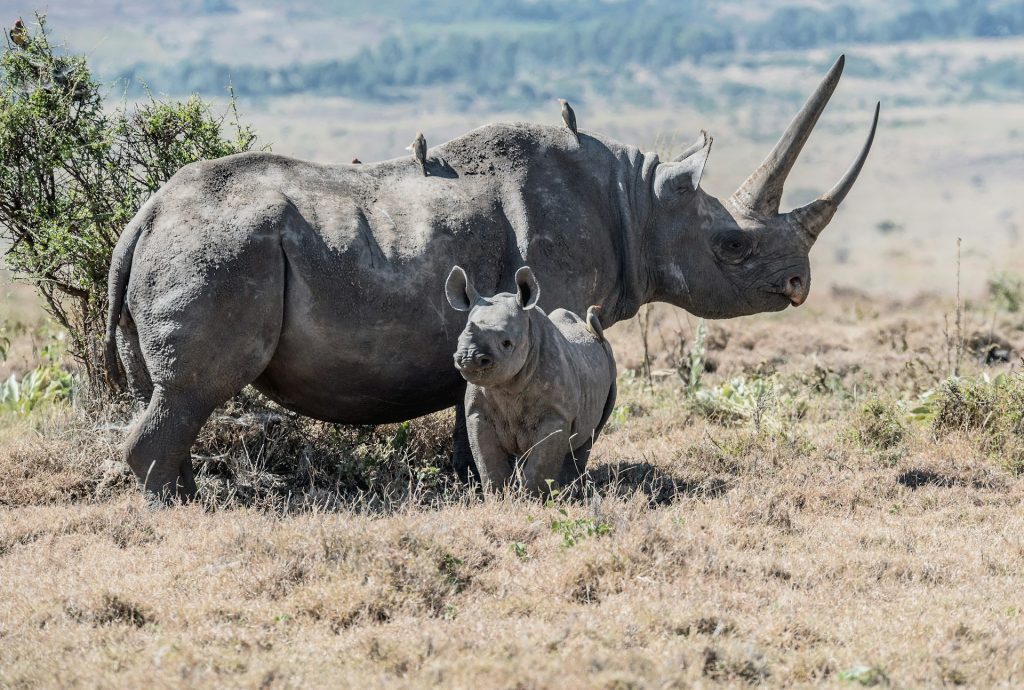
Amboseli lacks both rhinos and significant leopard populations, so it’s not a Big Five destination. However, it offers elephants, buffalo, and lions, with occasional leopard sightings in swamp margins and acacia groves. The park’s strength lies in elephant encounters and the spectacular Kilimanjaro backdrop rather than Big Five diversity. Many visitors combine Amboseli with other parks like the Mara or Tsavo for comprehensive Big Five viewing.

Is Amboseli worth visiting during the rainy season?

The rainy seasons (March-May and November-December) offer unique advantages: dramatic green landscapes, newborn animals, massive flamingo flocks in temporary pans, and lower rates with fewer crowds. However, challenges include reduced Kilimanjaro visibility, dispersed wildlife, and poor road conditions, particularly April-May when some lodges close. November-December (short rains) presents better conditions than March-May (long rains). For dedicated photographers or repeat visitors, the wet season offers different but rewarding experiences.

How do you get to Amboseli from Nairobi?

Road transfer takes 4-5 hours (240km) via Namanga, though road conditions vary. Light aircraft flights from Wilson Airport take 40 minutes and eliminate the long drive while providing aerial views of the ecosystem and Kilimanjaro. Most safari operators offer both options, with flying recommended for time-constrained visitors or those sensitive to long drives on rough roads. The road journey does offer opportunities for stops at curio shops and Maasai markets.

What makes Amboseli's elephants special compared to other parks?

Amboseli hosts Africa’s longest-running elephant research project (started 1972), making this the world’s most studied elephant population. This research has revealed elephants’ complex social structures, communication systems, and cognitive abilities. For visitors, decades of non-intrusive observation have created remarkably habituated elephants that allow close-range viewing impossible in most parks. Additionally, Amboseli’s “super tuskers” (bulls with tusks exceeding 100 pounds each) represent genetic treasures increasingly rare across Africa.

Can you climb Mount Kilimanjaro from Amboseli?

No, Kilimanjaro lies across the border in Tanzania and climbing routes access the mountain from the Tanzanian side (Marangu, Machame, Rongai, etc.). However, many travelers combine Kilimanjaro climbs with Amboseli safaris as they’re geographically close. The combination allows viewing Kilimanjaro from below during your safari, then conquering it on foot—a powerful pairing that many adventure travelers find compelling.

Plan Your Visit to Amboseli National Park

Our safari specialists are ready to craft your perfect wildlife experience

Scroll to Top