INQUIRE NOW

Maasai Mara National Reserve

Kenya's Premier Wildlife Sanctuary

Maasai Mara National Reserve

The Maasai Mara National Reserve stands as one of Africa’s most celebrated wildlife sanctuaries, where the endless golden savannahs stretch to meet dramatic skies in a landscape that has captivated explorers, naturalists, and travelers for generations. Located in southwestern Kenya along the Tanzanian border, the Mara forms the northern extension of the vast Serengeti ecosystem, creating one of the planet’s most significant wildlife corridors.

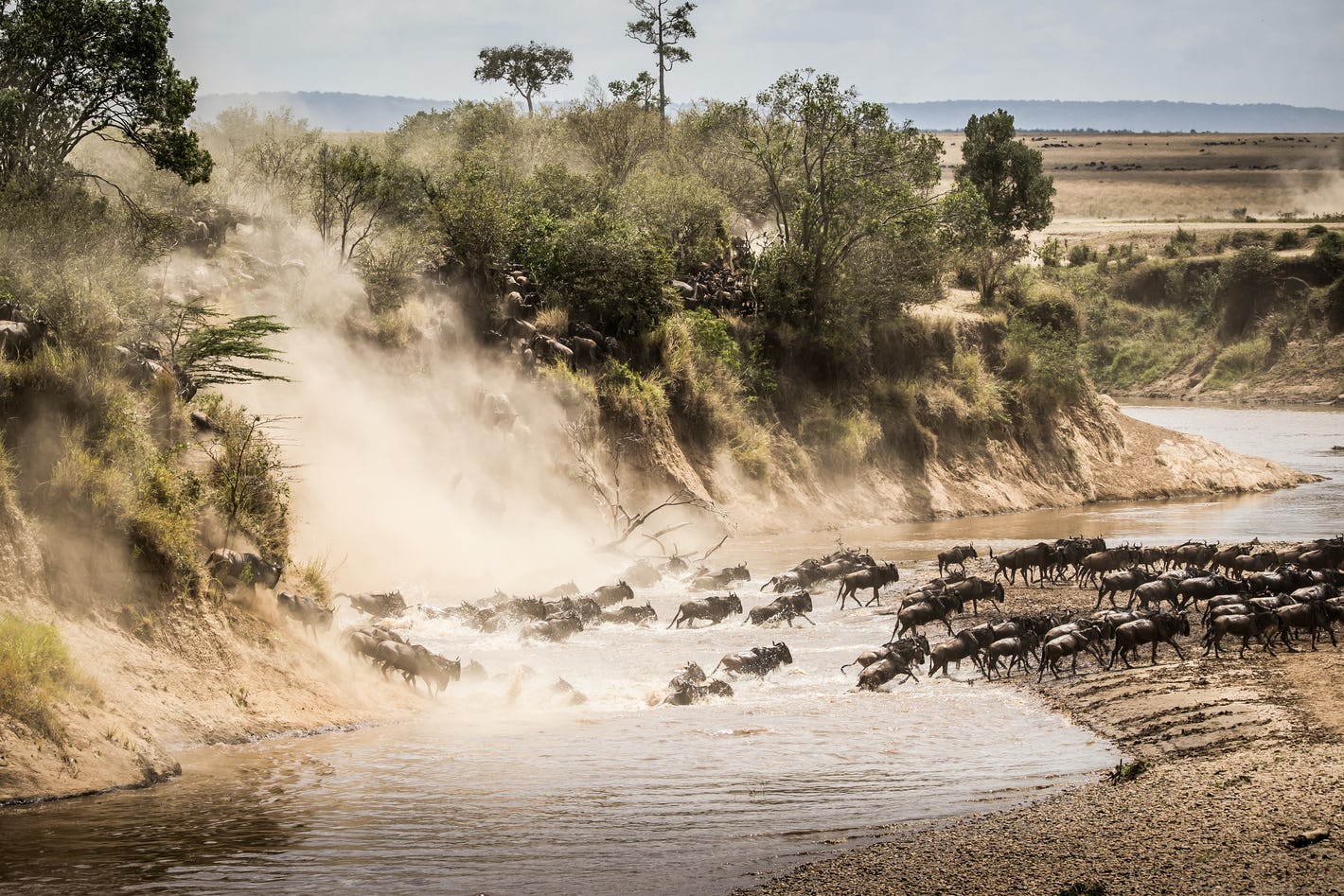
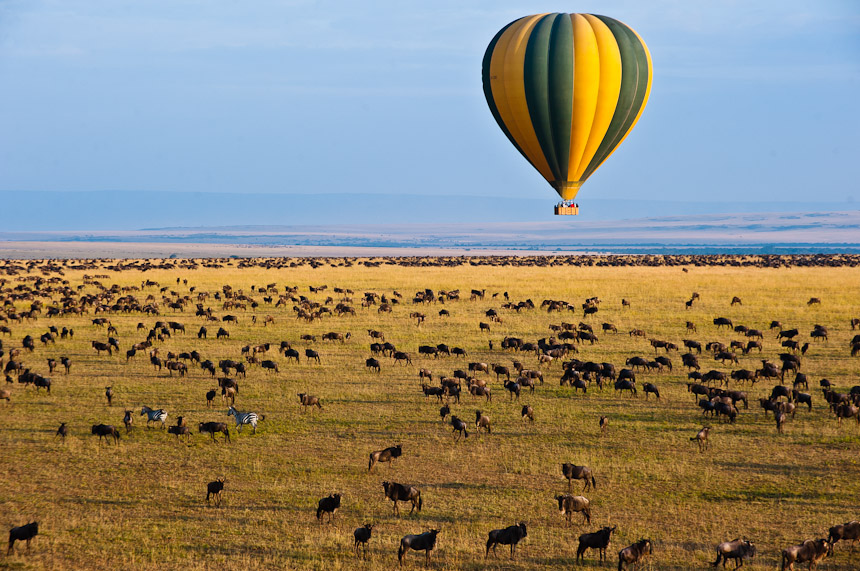
Renowned worldwide as the stage for nature’s greatest spectacle,the Great Migration,the Maasai Mara witnesses over 1.5 million wildebeest, accompanied by hundreds of thousands of zebra and gazelle, thunder across the plains in their eternal search for fresh grazing. The dramatic Mara River crossings, where desperate herds plunge into crocodile-infested waters, represent some of the most powerful wildlife moments on Earth. Yet the Mara’s magic extends far beyond this annual event, offering extraordinary year-round game viewing that consistently ranks among the finest in Africa.

The reserve’s 1,510 square kilometers encompass diverse habitats, from the iconic open grasslands dotted with distinctive umbrella acacias to the riverine forests along the Mara and Talek rivers, from the dramatic escarpments of the Oloololo (Siria) ridge to the seasonal wetlands that attract countless bird species. This ecological diversity supports an astonishing concentration of wildlife, including Africa’s celebrated Big Five and healthy populations of cheetah, making it one of the best places on the continent to witness the full spectrum of predator-prey interactions.

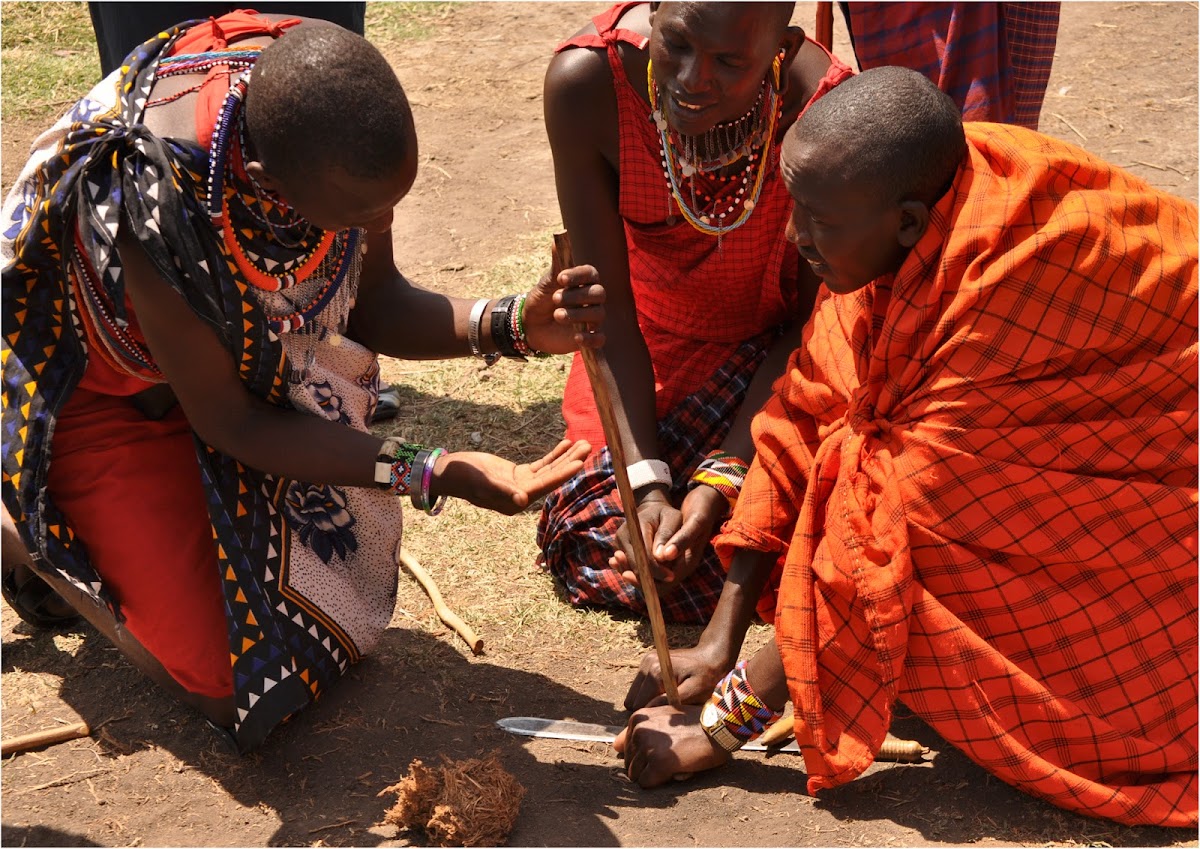
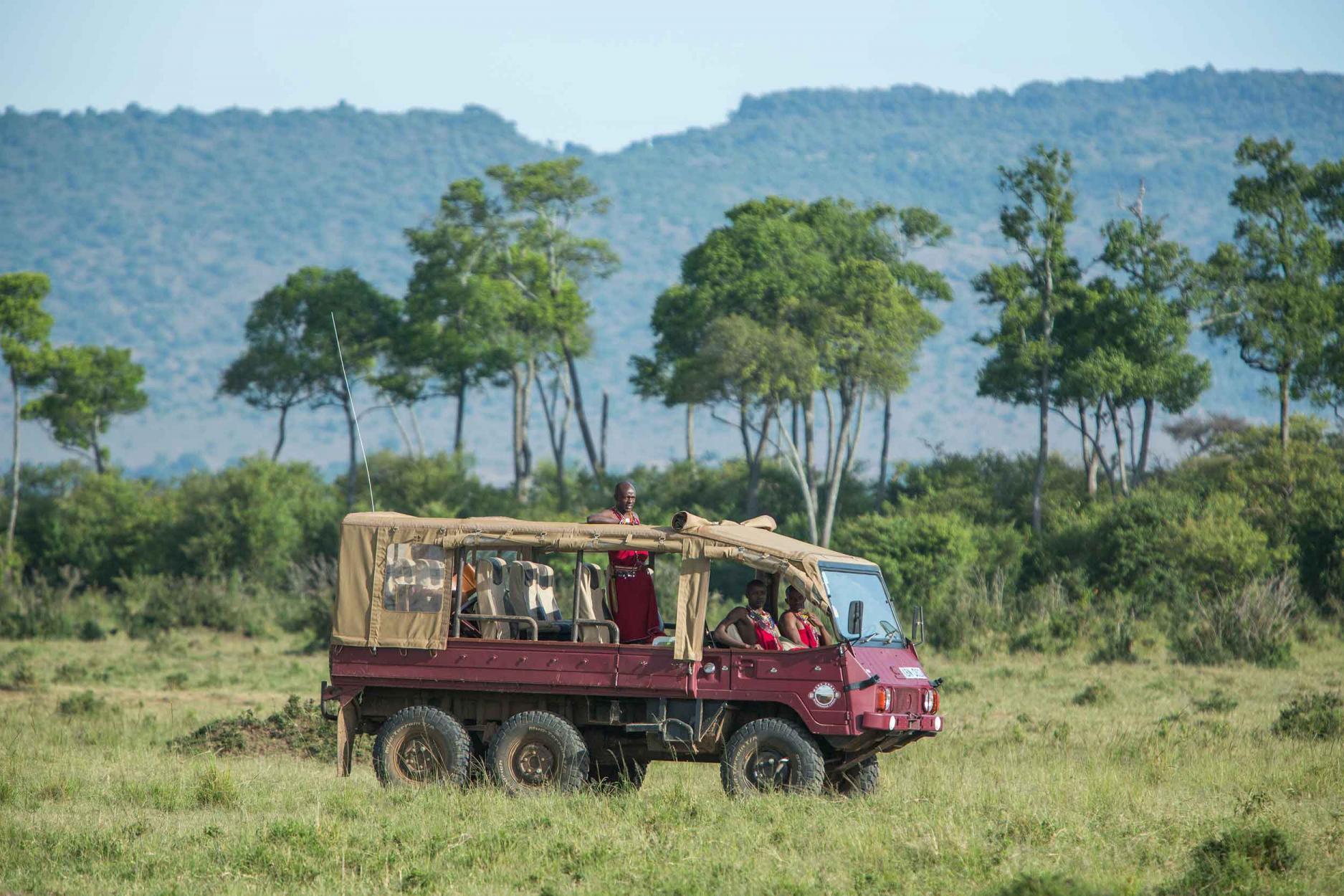
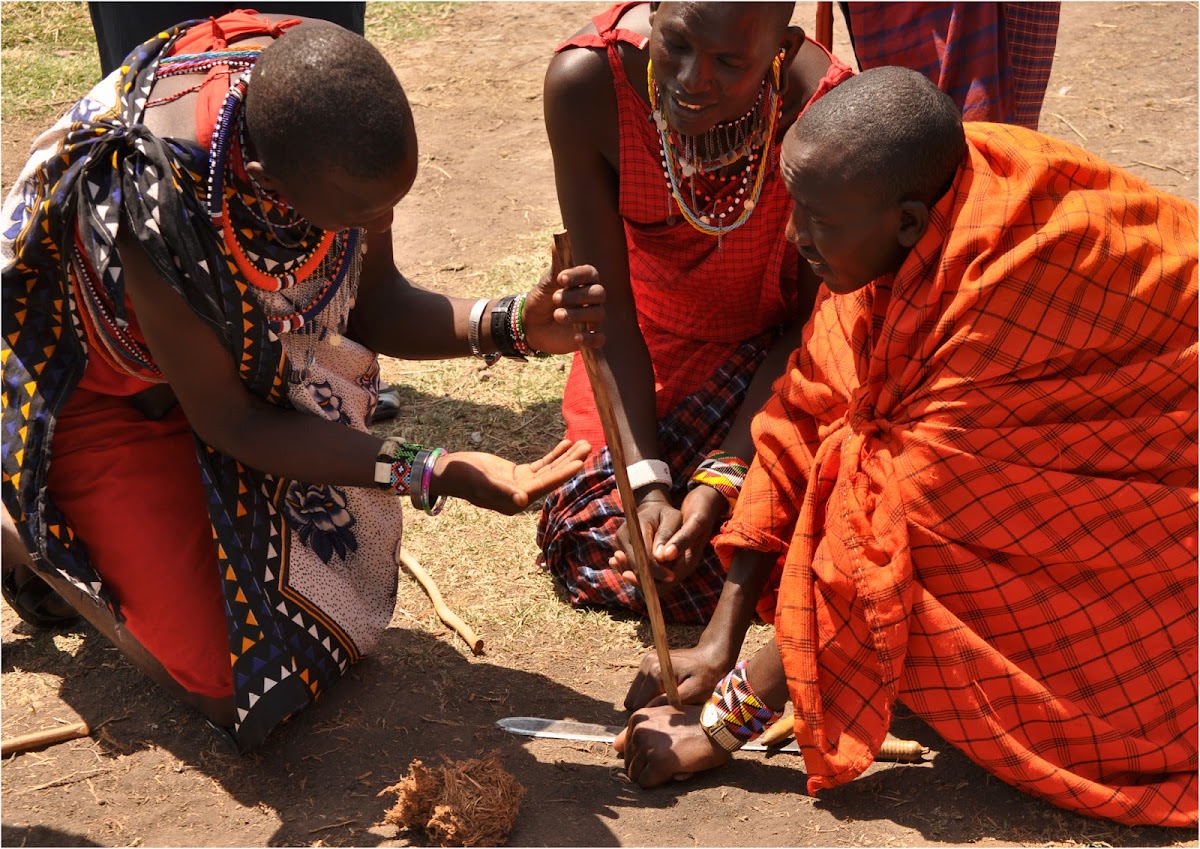
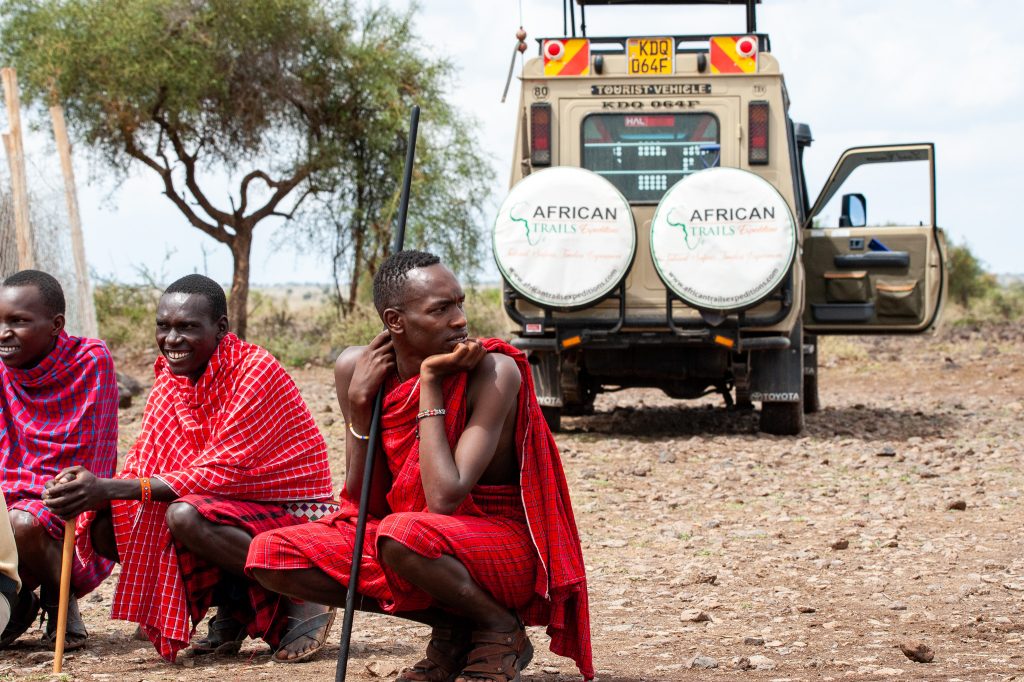
The Maasai Mara is equally distinguished by its rich cultural heritage. The reserve takes its name from the Maasai people, whose distinctive red shukas and traditional pastoral lifestyle remain integral to the landscape. Many conservancies surrounding the main reserve are Maasai-owned, offering visitors authentic cultural encounters alongside world-class wildlife experiences. This harmonious blend of natural wonder and living culture creates a safari experience that engages not just the eye, but the heart and mind.

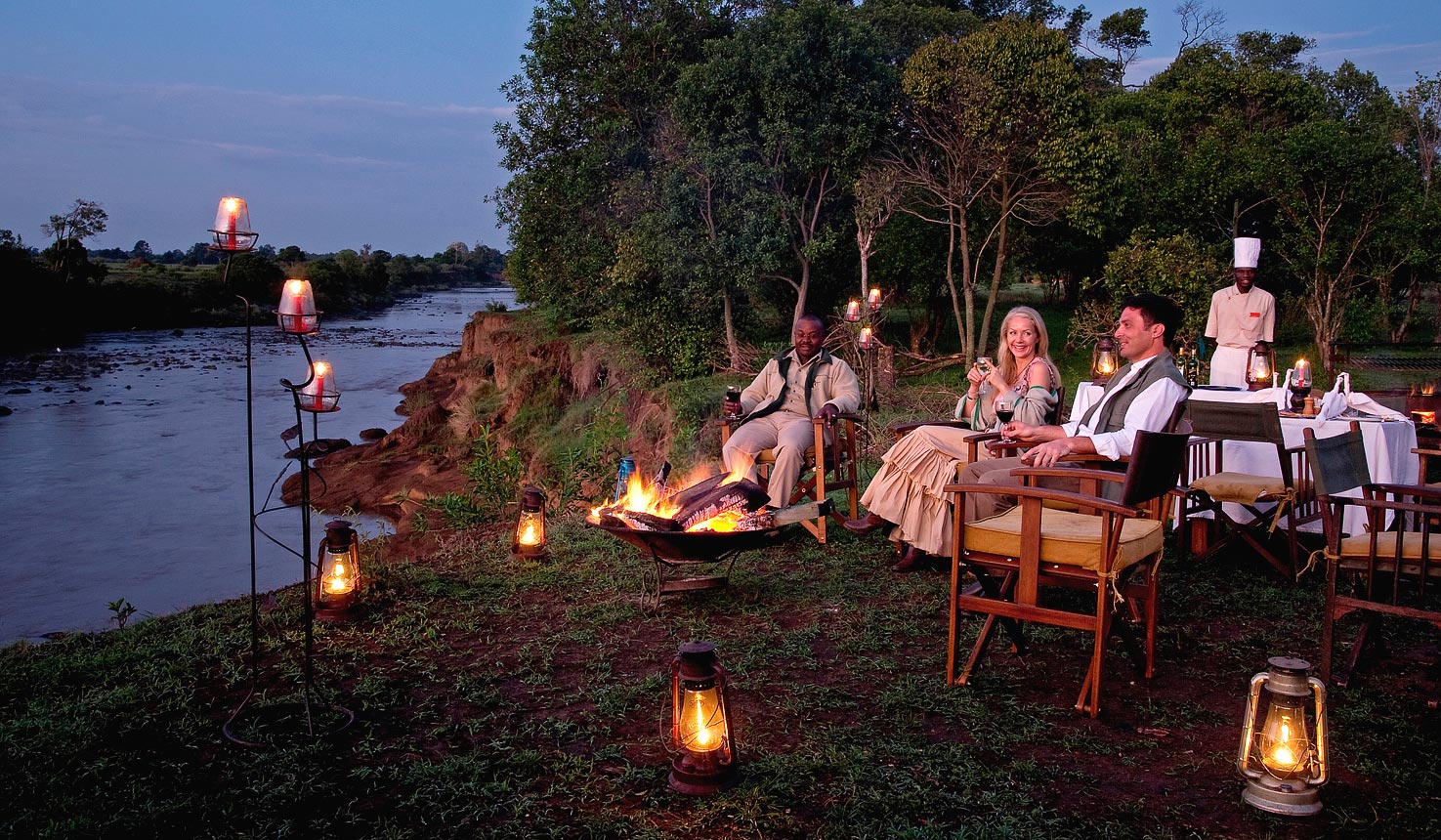
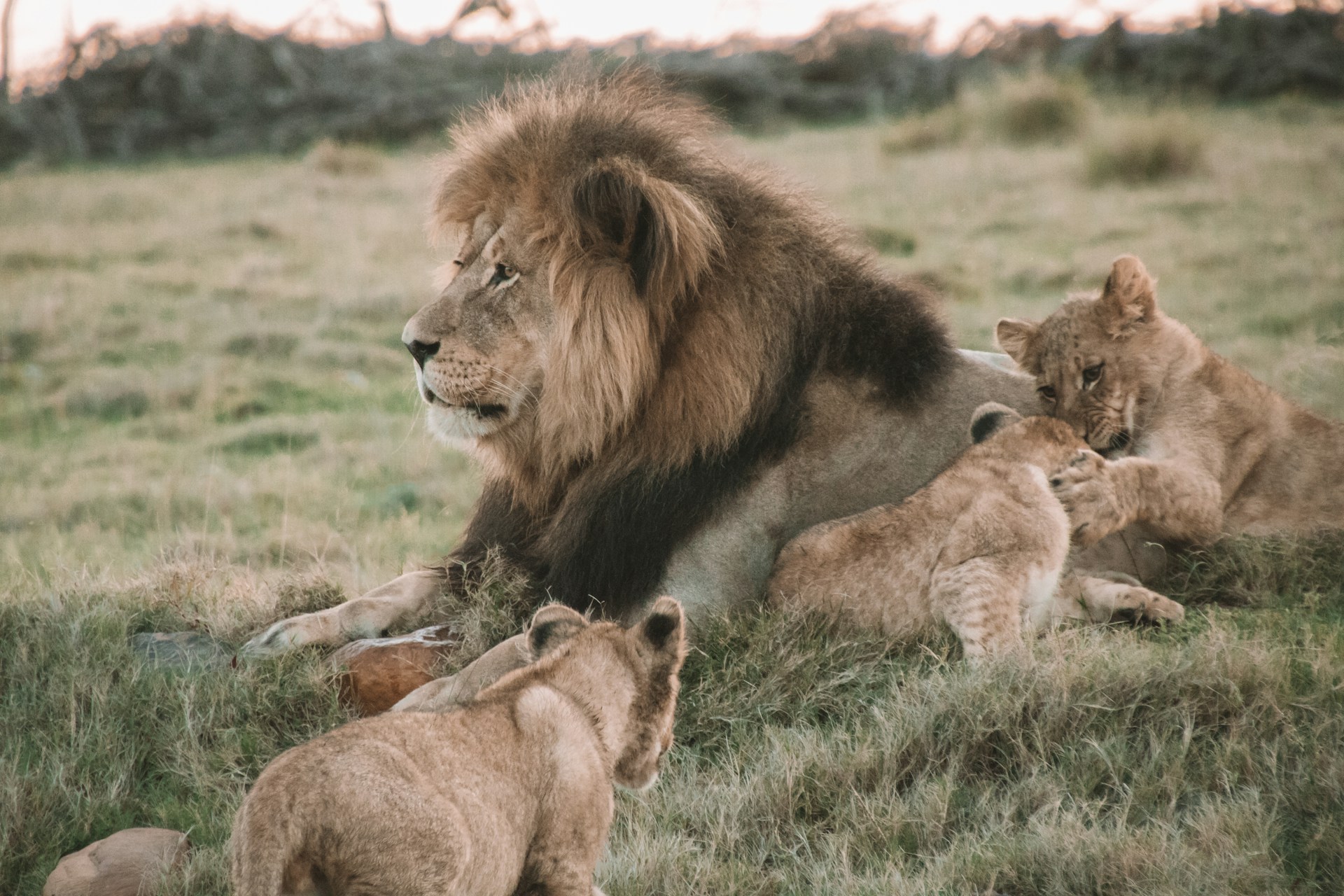
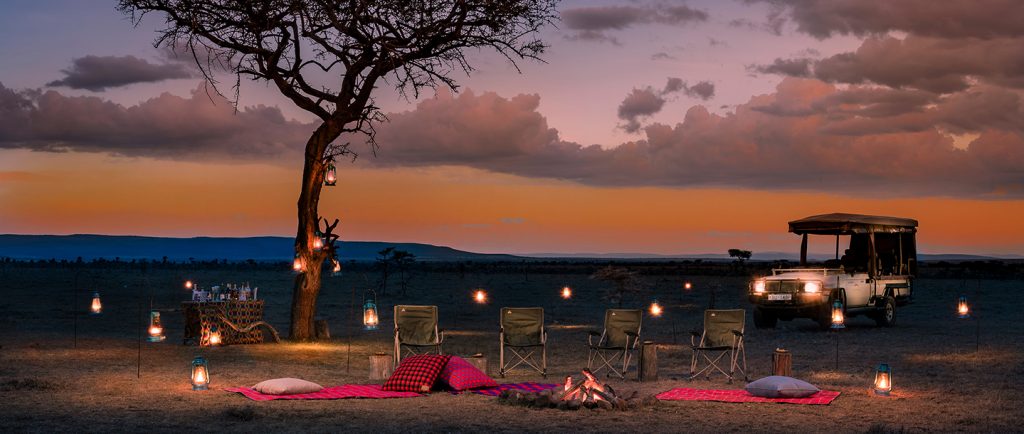
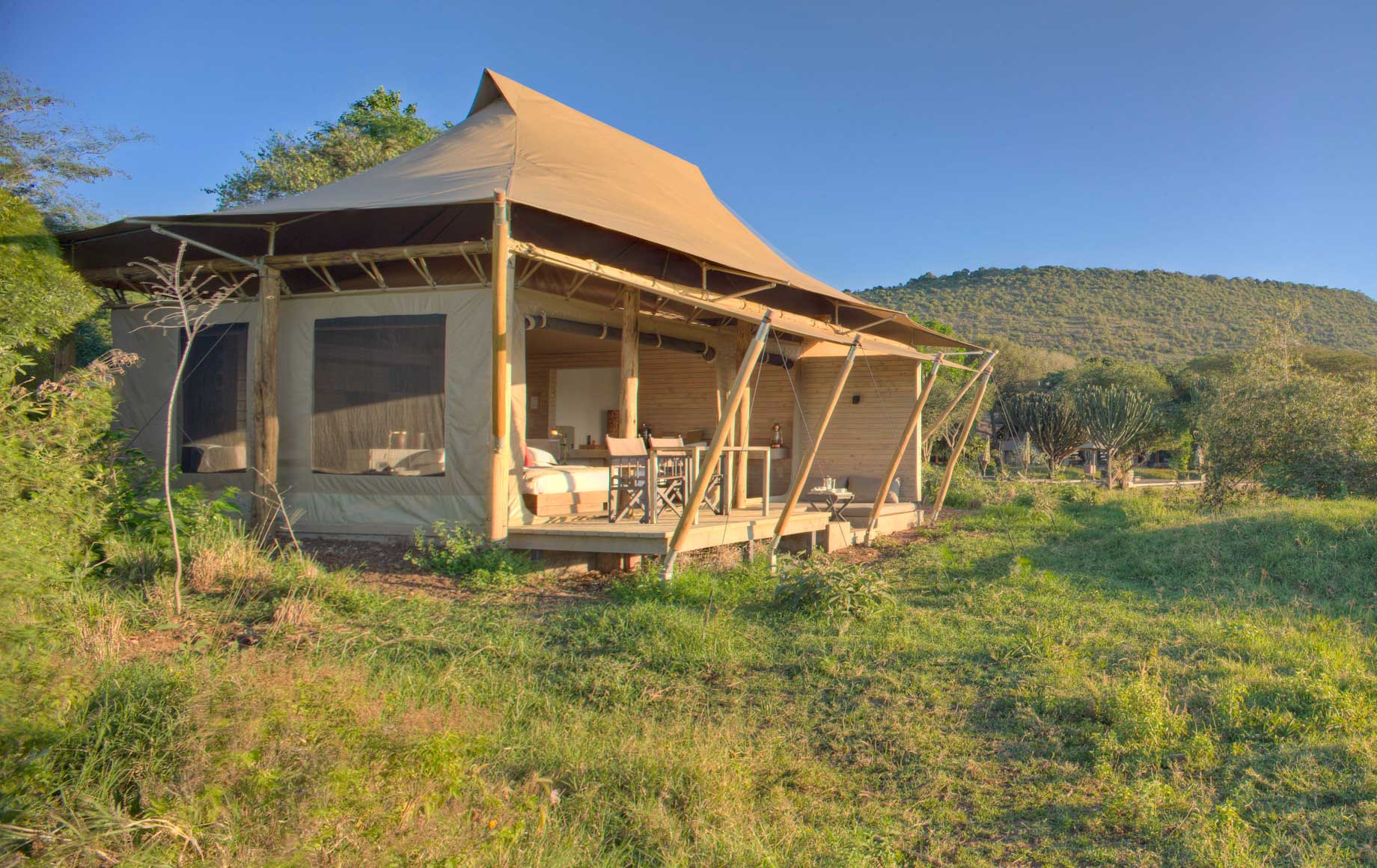
From luxury tented camps positioned for front-row migration viewing to intimate lodges offering personalized game drives with expert Maasai guides, the Maasai Mara delivers safari experiences that consistently exceed expectations. Whether witnessing a pride of lions on the hunt, a cheetah teaching her cubs to stalk, or a leopard draped majestically in an acacia tree, the Mara offers moments that transform casual observers into lifelong devotees of Africa’s wild places.

Quick Info

Size: 1,510 km² (583 sq miles)
Established: 1961
Location: 270 km from Nairobi (5-6 hours by road, 45 minutes by flight)
Best Time: July - October (Great Migration)
Wildlife: 95 mammal species, 570 bird species
Park Fees:

International Visitors:

  • Adults:1st January-30th June $100 per person per day

1st July-31st December  $200 per person per day

  • Children :  January- Dec $50 per person per day

East African Residents:

  • Adults: KES 1,200 per person per day
  • Children: KES 500 per person per day

Note: Fees are only for the national reserve. Private conservancies have separate fees.

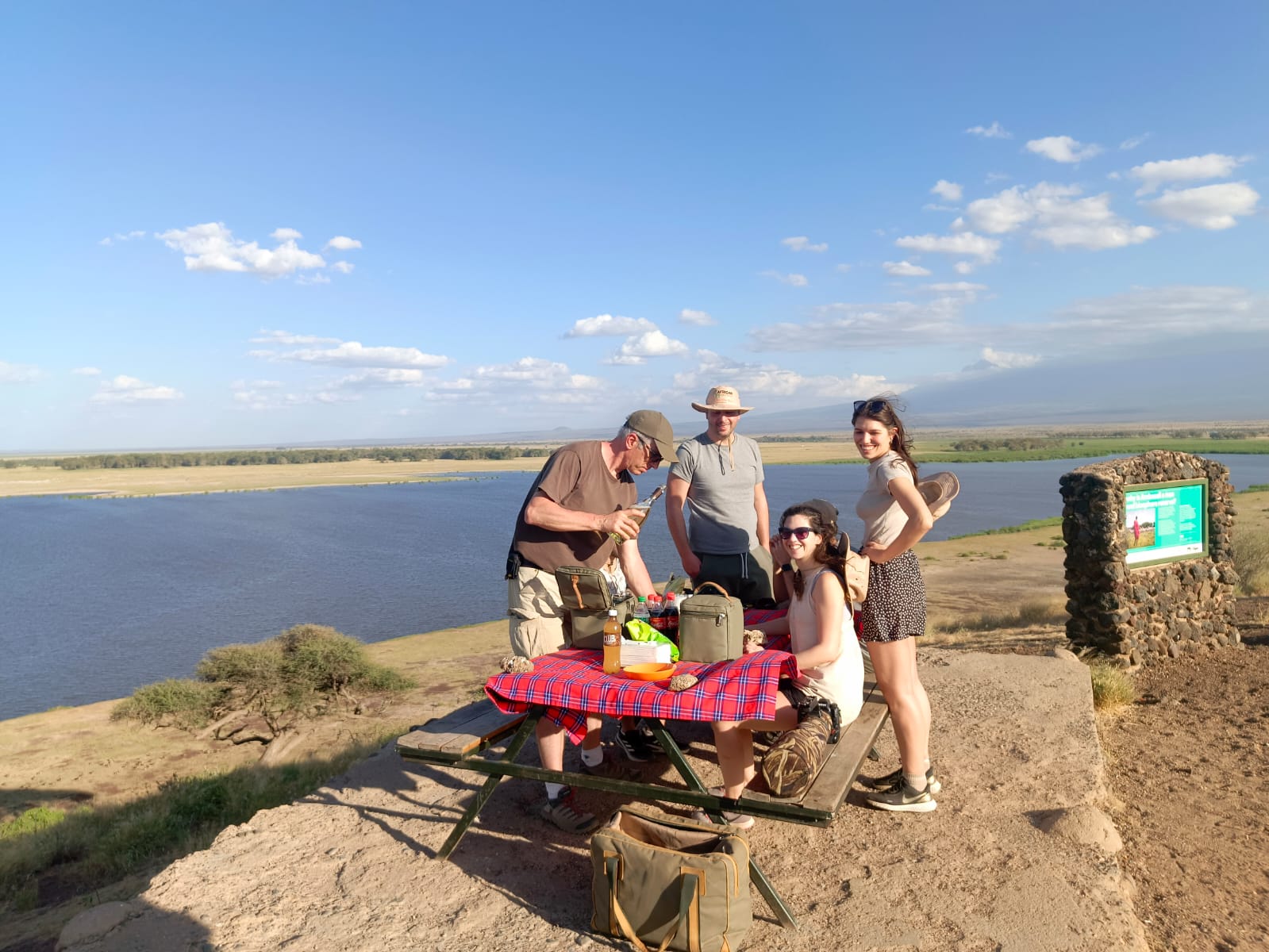
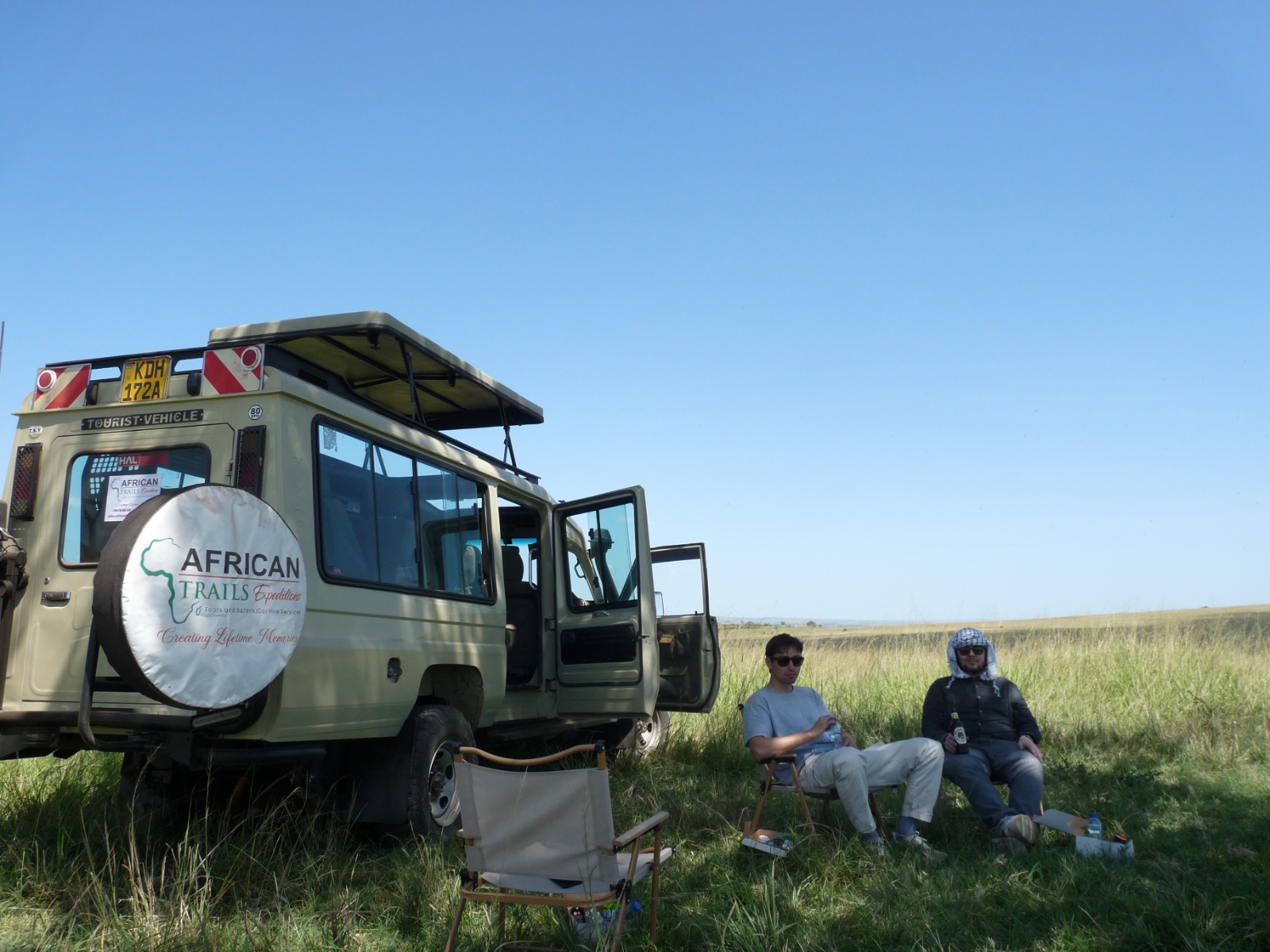
7 Days Amboseli and Maasai Mara Safari by flight.Game drive in Maasai Mara.

Wildlife

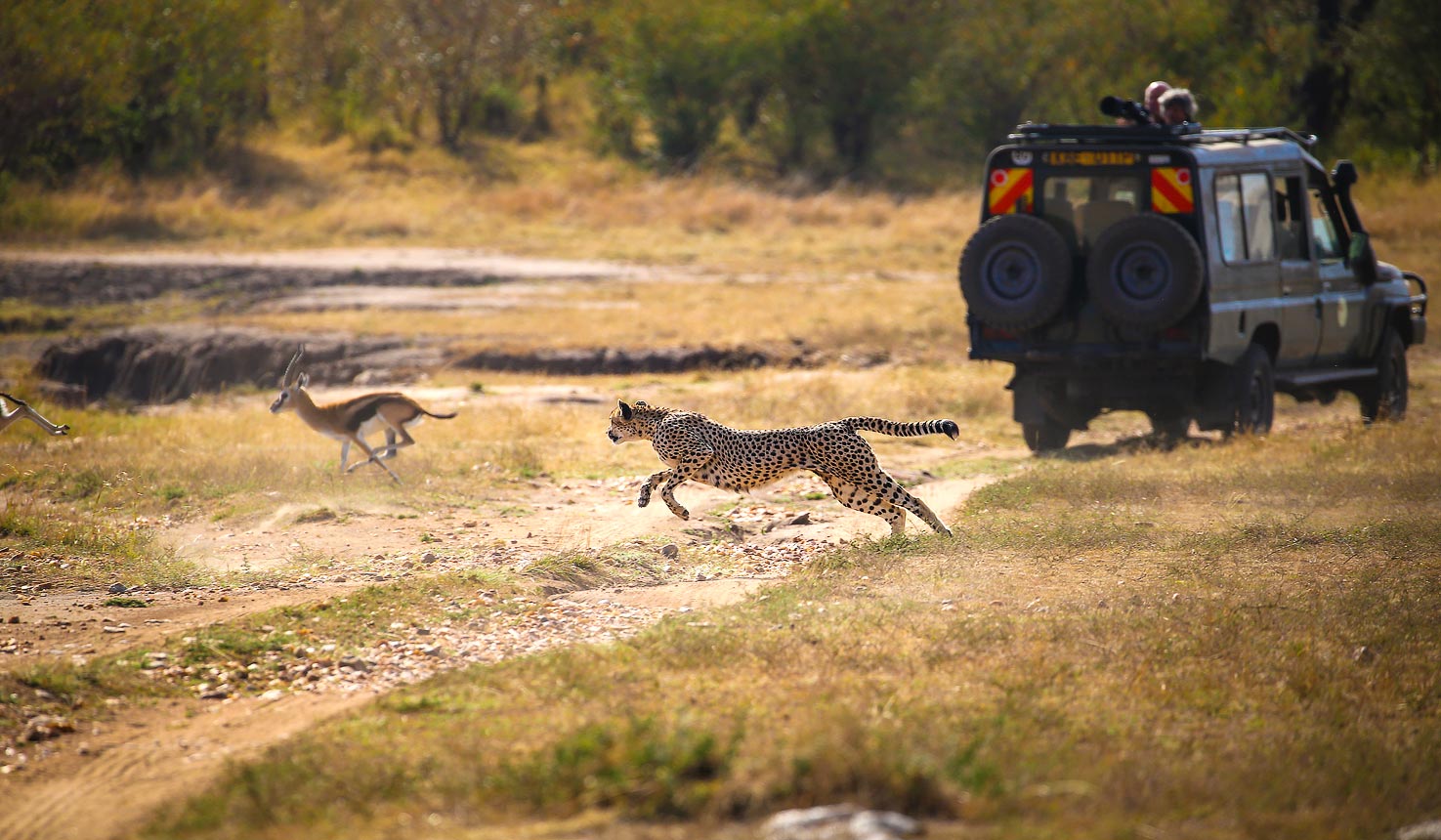
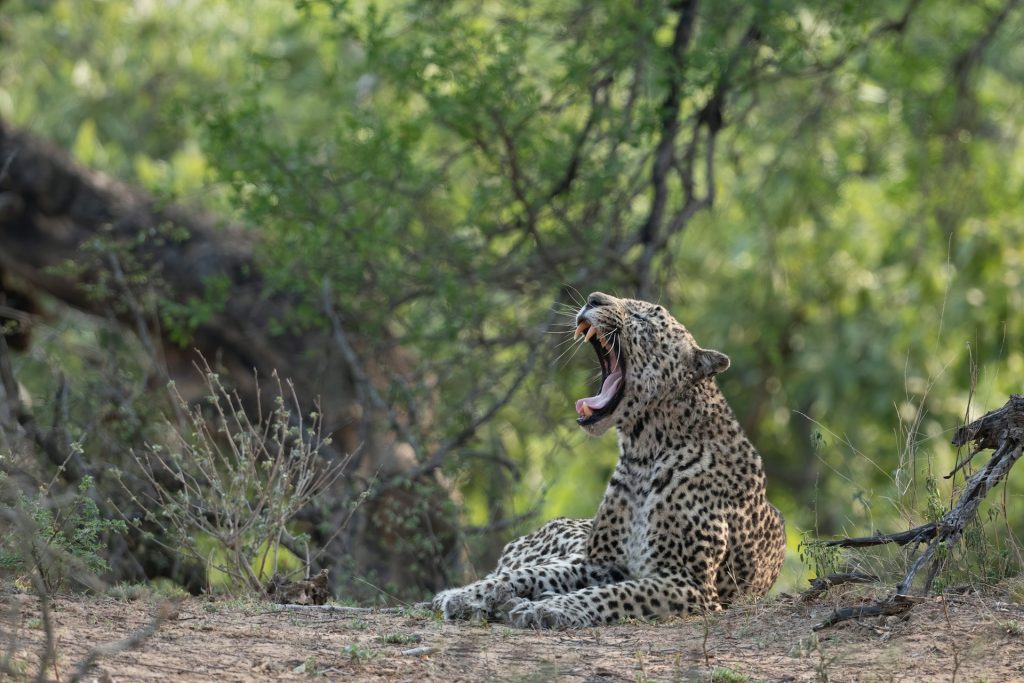
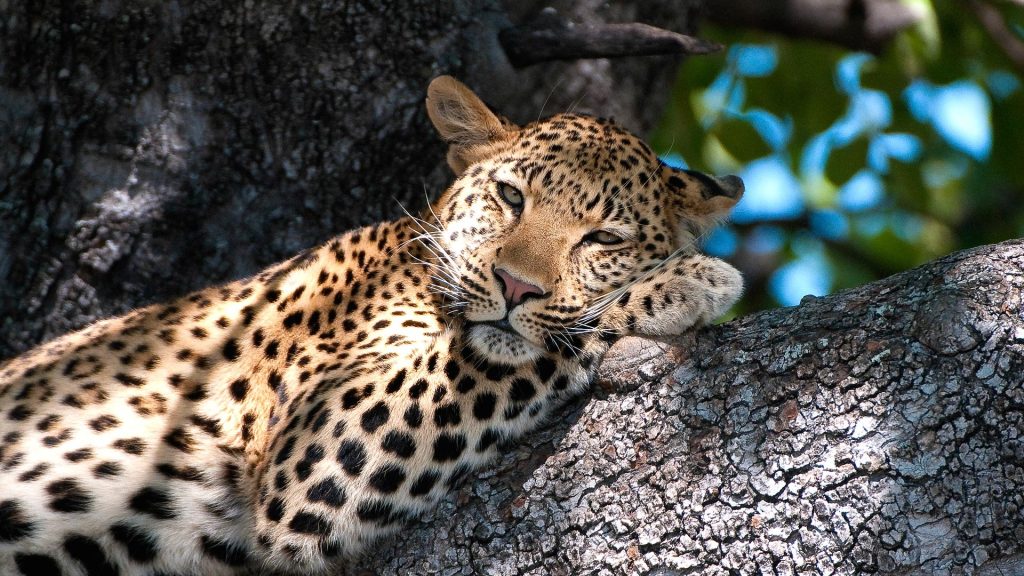
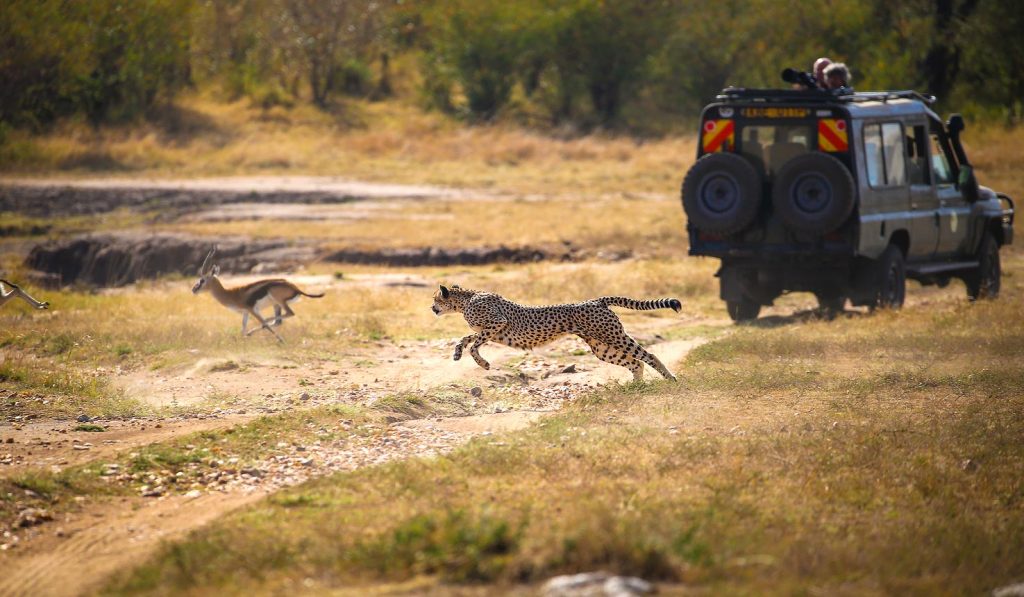
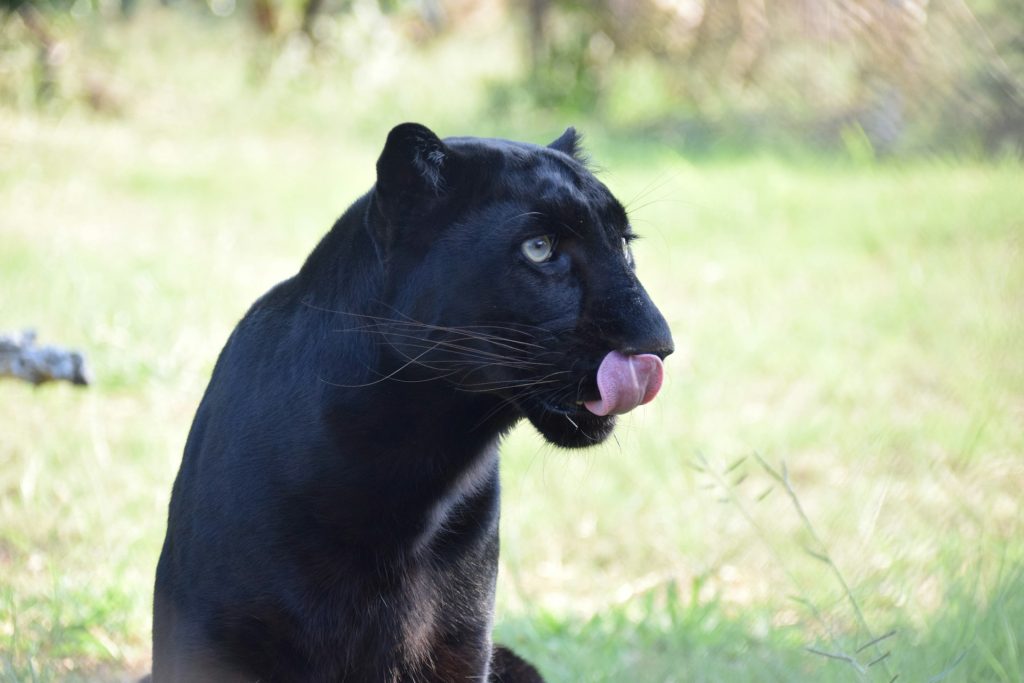
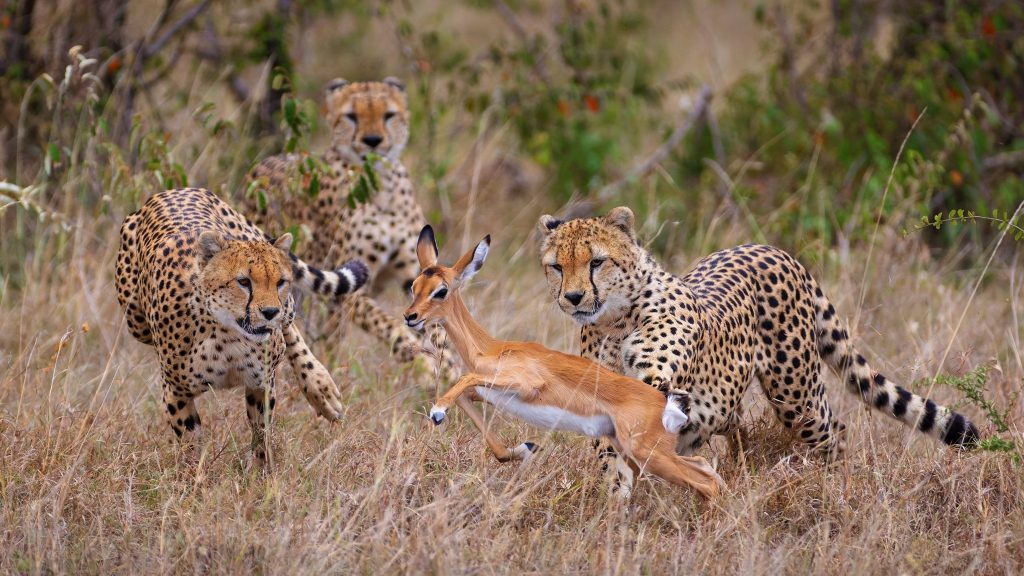
The Maasai Mara boasts one of the highest concentrations of large predators in Africa, earning its reputation as the ultimate big cat destination. Lions roam the plains in prides numbering up to 30 individuals, while the reserve’s open grasslands provide ideal habitat for East Africa’s largest population of cheetahs. Leopards, though more elusive, inhabit the riverine forests and can often be spotted lounging in fig trees along the Mara and Talek rivers.

The Mara’s impressive predator density creates exceptional opportunities to witness dramatic hunting sequences, territorial disputes, and intimate family interactions that reveal the complex social lives of Africa’s apex carnivores.

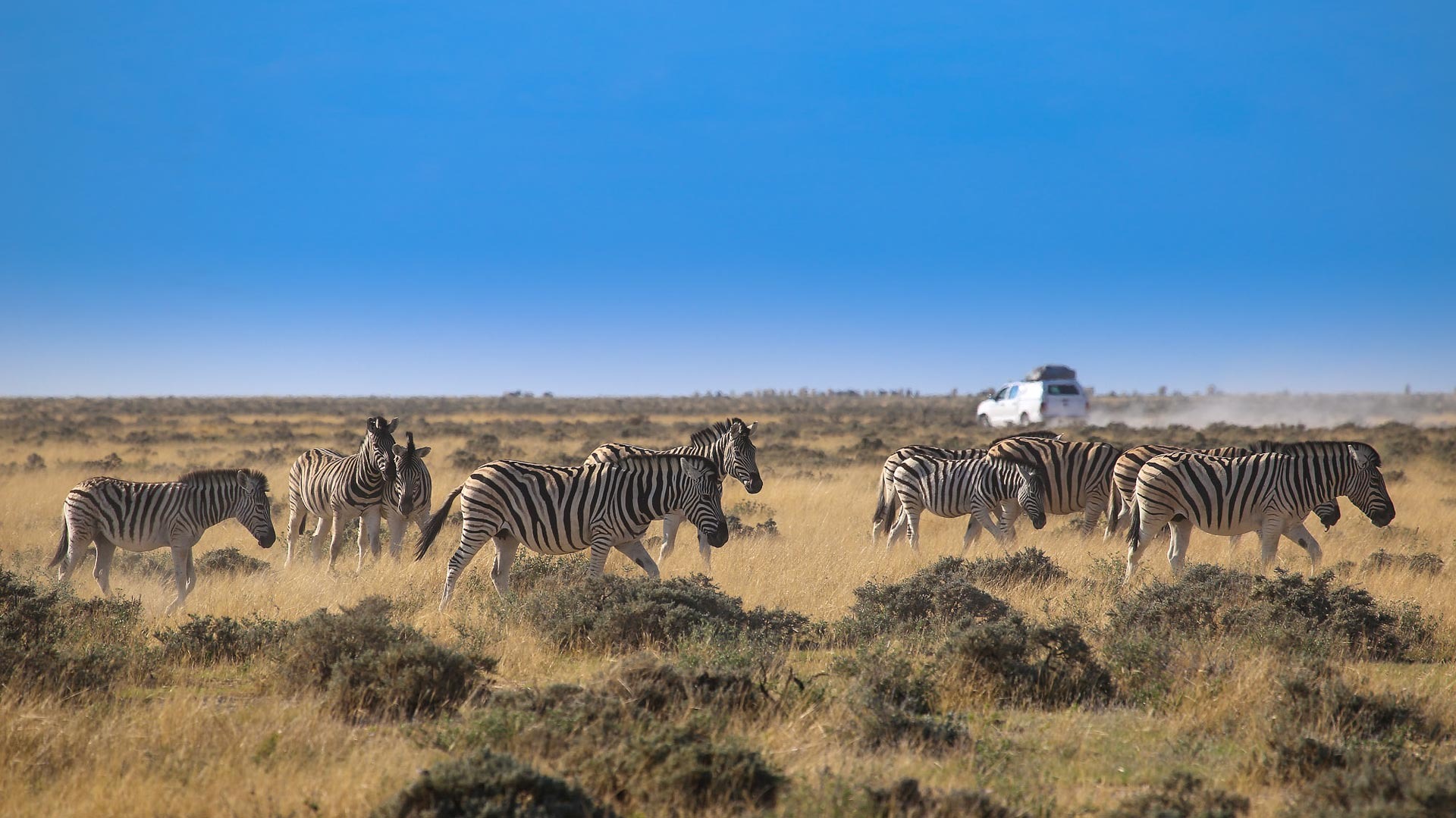
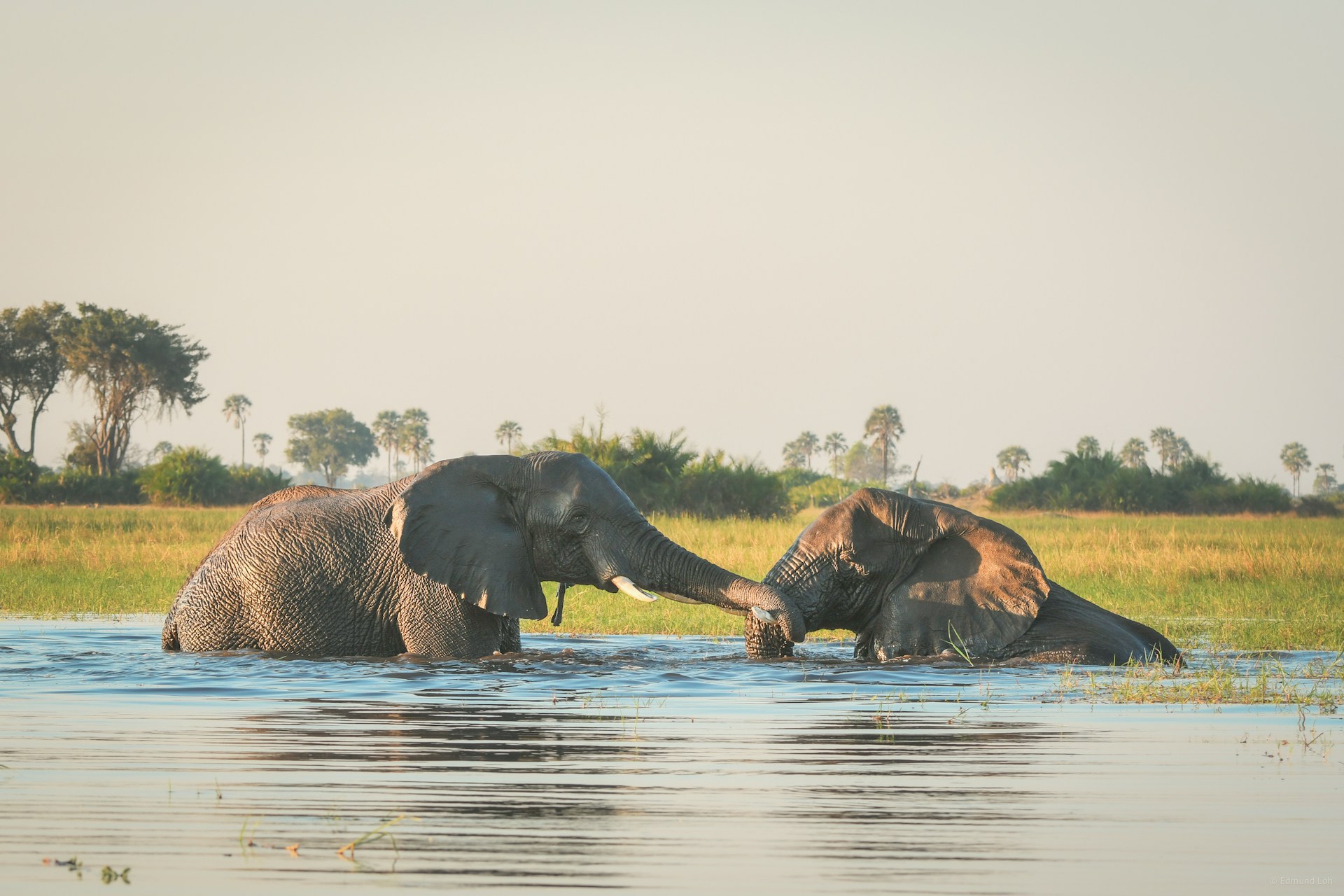
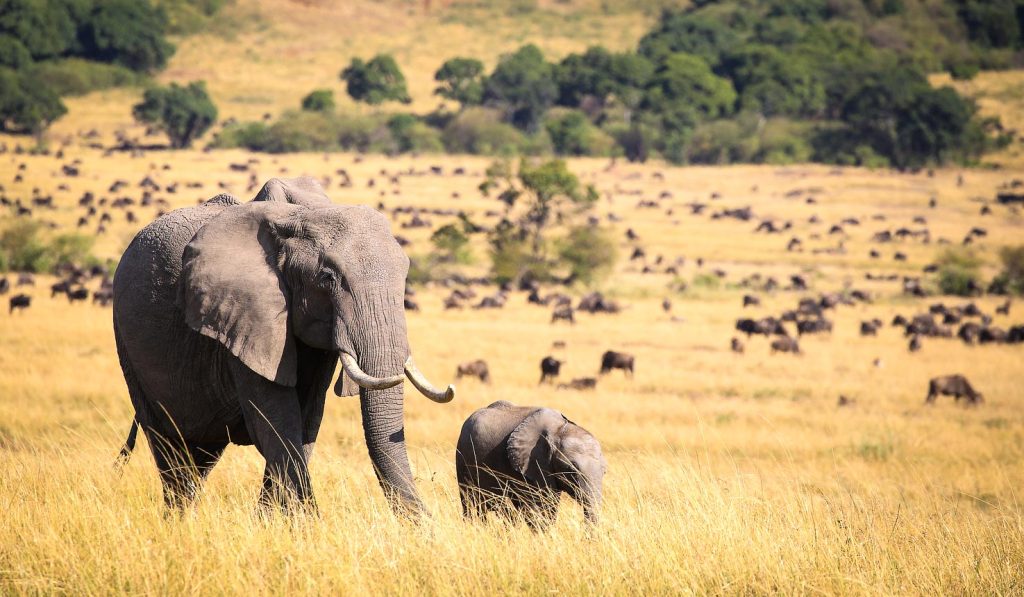
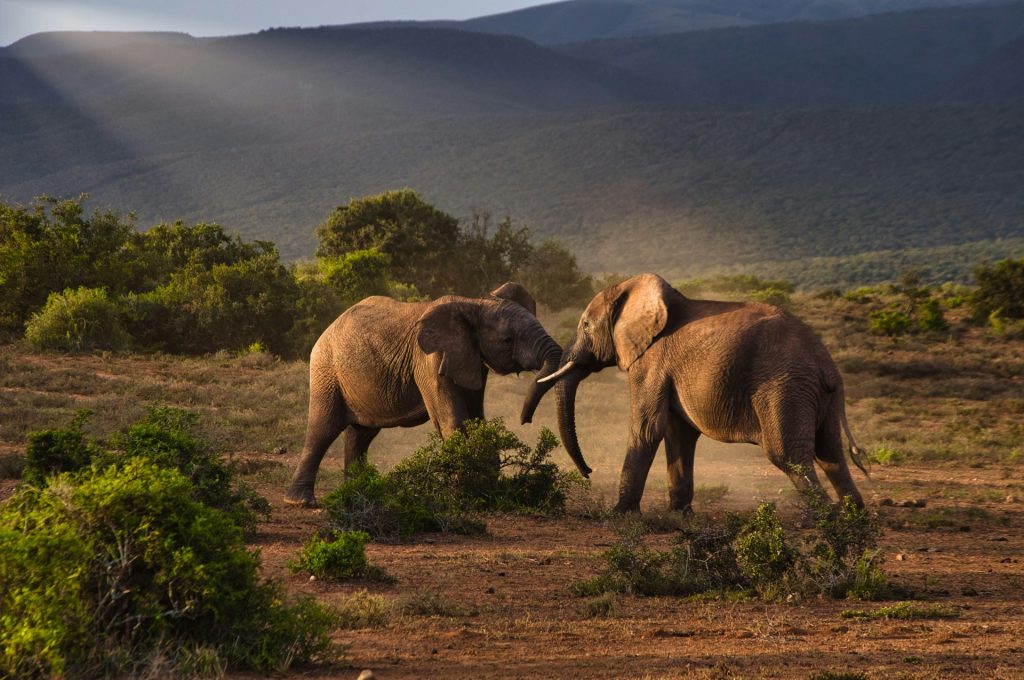
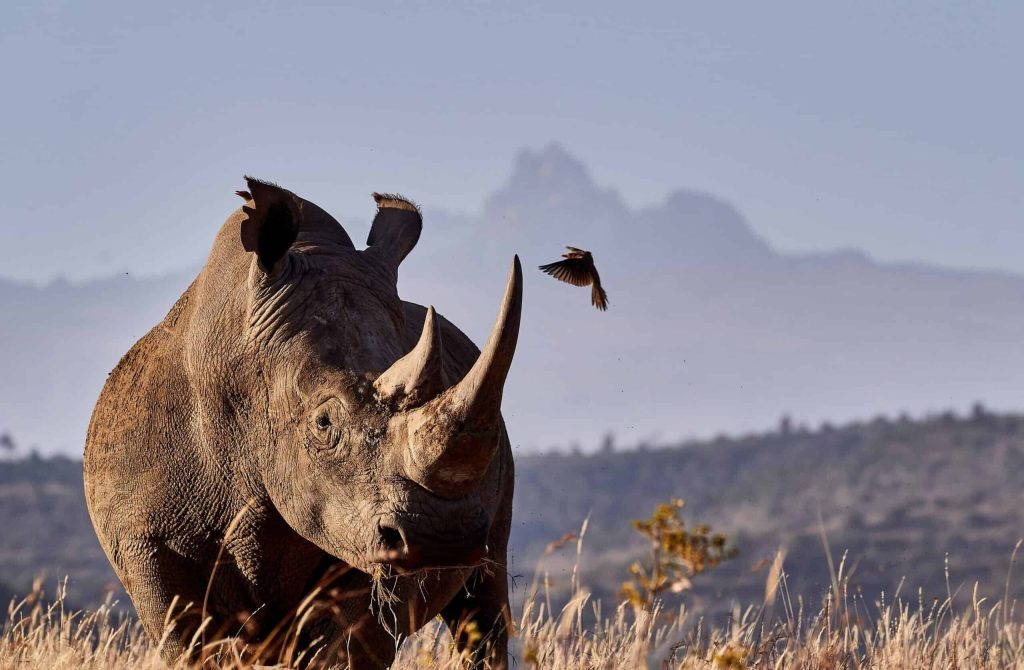
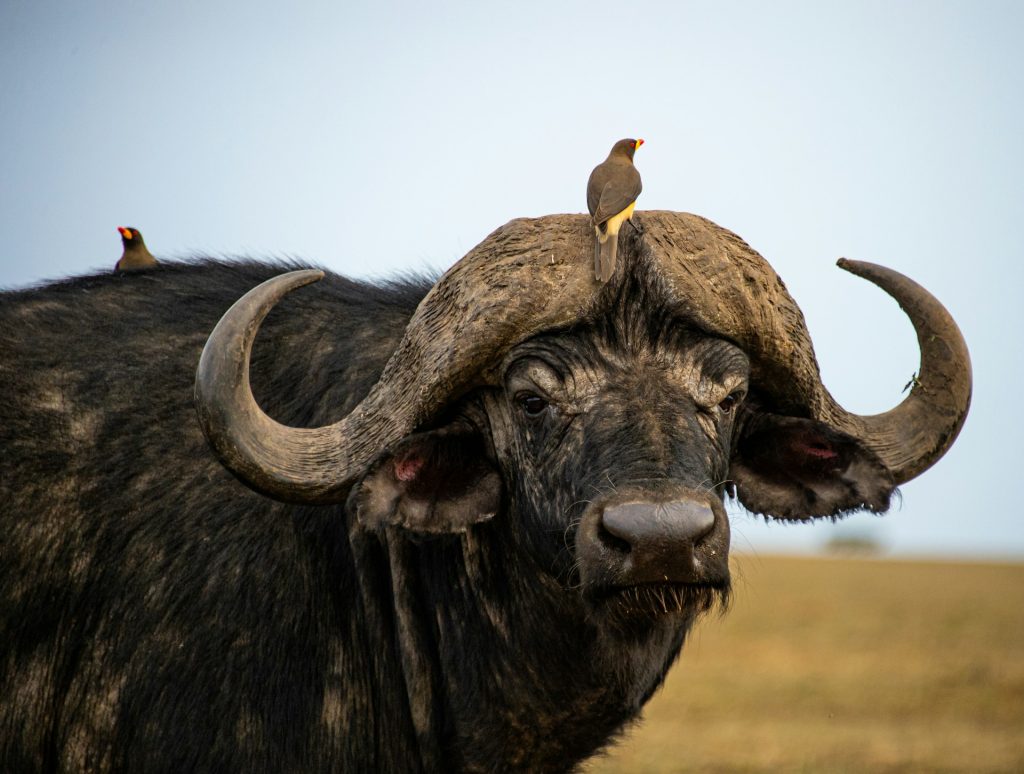
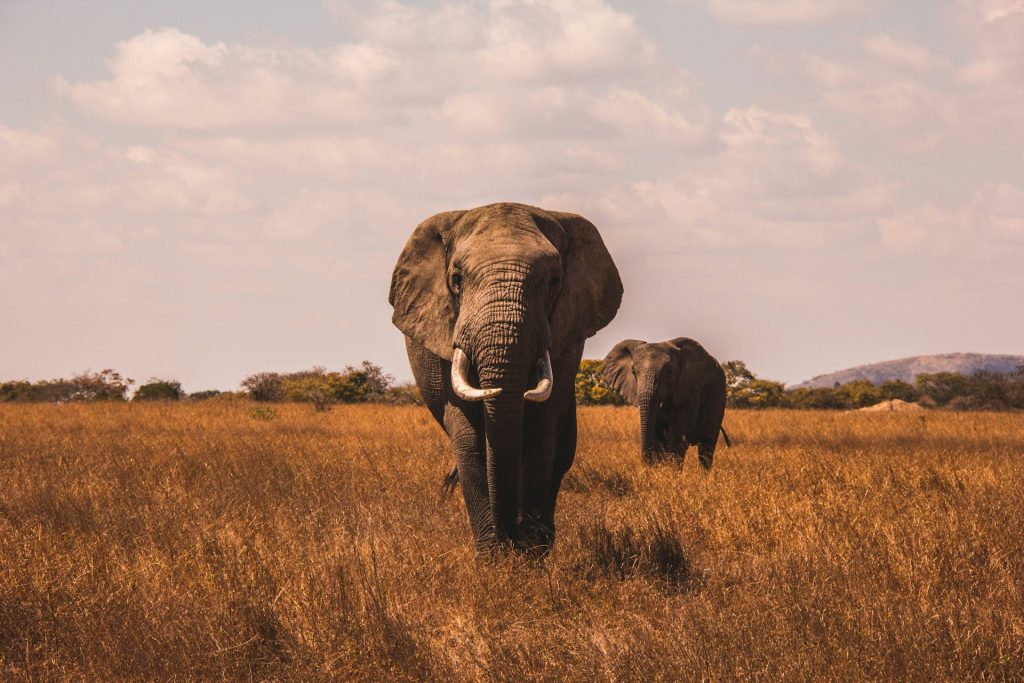
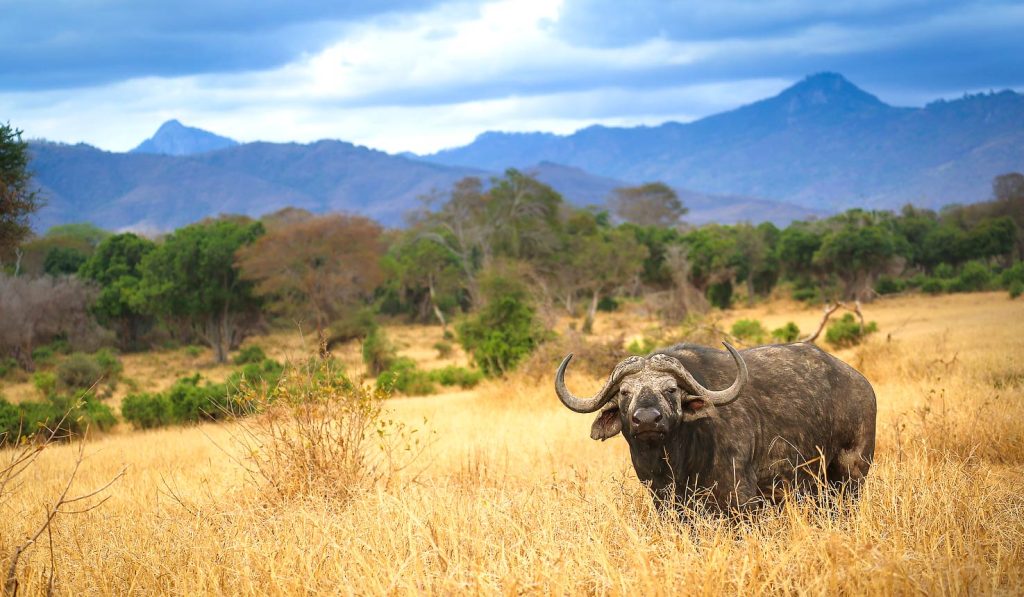
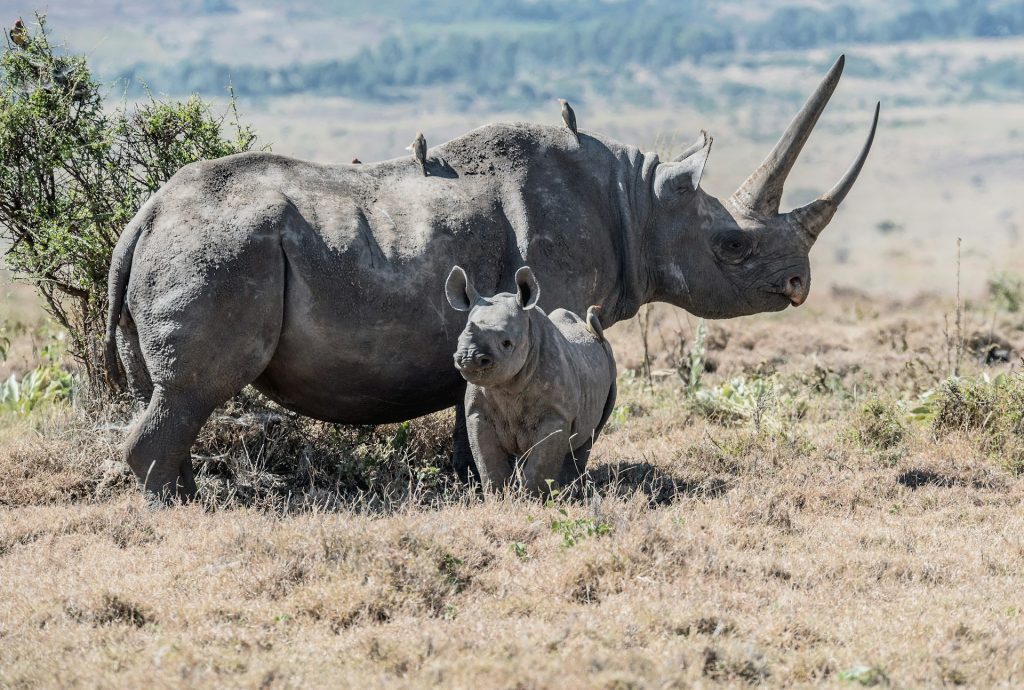
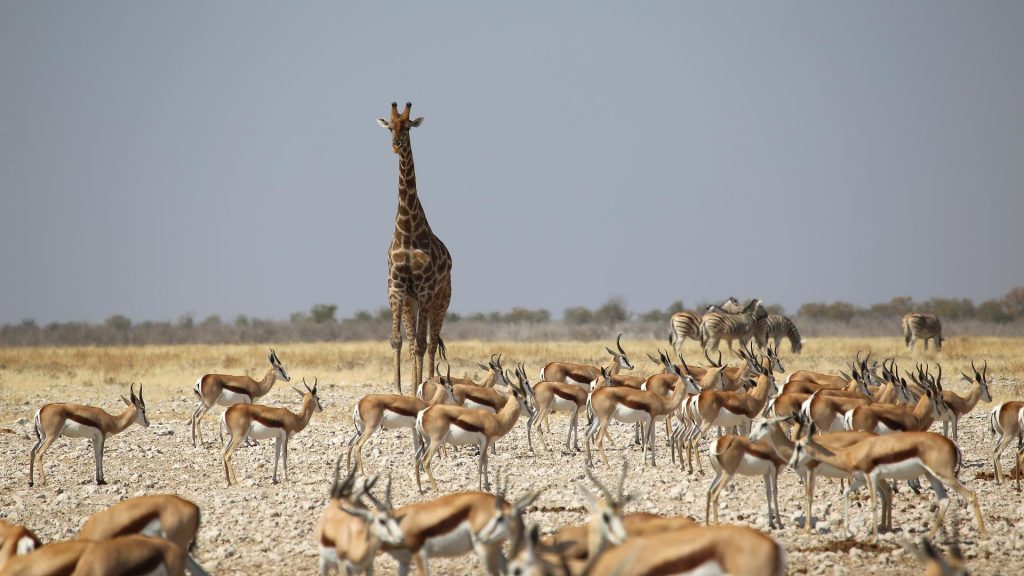
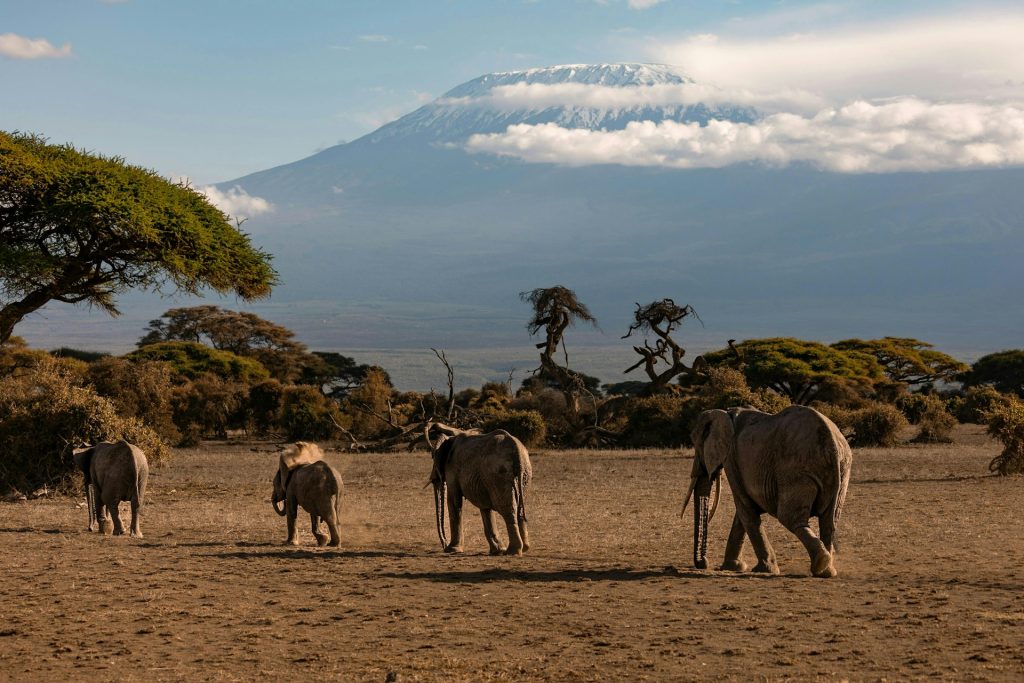
Beyond the big cats, the Mara supports thriving populations of Africa’s megafauna. Massive herds of elephants, often numbering over 100 individuals, traverse the reserve daily, while Cape buffalo congregate in herds of several hundred strong. Black rhinos, though critically endangered, find refuge in the Mara Triangle, and sightings—while rare—reward patient visitors. The open plains host countless zebra, wildebeest, Thomson’s and Grant’s gazelles, topi, and eland, creating the biomass that sustains the reserve’s remarkable predator populations.

The Mara and Talek rivers support distinct ecosystems teeming with hippos and massive Nile crocodiles, some exceeding five meters in length. These waterways become dramatic stages during the Great Migration river crossings, where desperate wildebeest and zebra brave the gauntlet of prehistoric predators. The reserve’s varied habitats also shelter giraffes, spotted hyenas, black-backed jackals, bat-eared foxes, and numerous antelope species, while birders can tick off hundreds of species from lilac-breasted rollers to secretary birds and massive martial eagles.

🦁
Lion
Abundant
🐘
Elephant
Abundant
🐆
Cheetah
Common
🐆
Leopard
Common
🐃
Buffalo
Abundant
🦓
Zebra
Abundant
🦛
Hippo
Common
🐕
Wild Dog
Very rare
🐊
Crocodile
Common
🦏
Black Rhino
Rare
🐺
Hyena
Common
🦌
Topi
Common

The Great Migration: Nature’s Greatest Spectacle

The Maasai Mara serves as the ultimate destination for witnessing the Great Migration, often described as the greatest wildlife show on Earth. From July through October, over 1.5 million wildebeest, accompanied by 200,000 zebra and thousands of gazelle, pour across the Mara River from Tanzania’s Serengeti in their relentless search for fresh grazing. The river crossings represent some of the most dramatic moments in nature frenzied herds plunging into turbulent waters while massive Nile crocodiles lurk beneath the surface, creating scenes of primal intensity that have captivated filmmakers and photographers for decades.

The sheer scale of this migration, with endless columns of wildebeest stretching to the horizon, accompanied by the thundering of hooves and clouds of dust, creates an experience that transcends typical wildlife viewing and touches something profound in the human spirit.

Beyond the crossings themselves, the migration transforms the entire Mara ecosystem. Predators follow the herds, and the concentration of big cats during migration months reaches extraordinary levels. Lions gorge on weakened stragglers, cheetahs streak across the plains in high-speed pursuits, and hyenas patrol the herds for vulnerable calves. The annual arrival of this massive biomass triggers a ecological cascade from increased vulture activity to greater hunting success for jackals and hyenas.

Even for visitors who don’t witness a river crossing, the presence of hundreds of thousands of wildebeest carpeting the plains, punctuated by the constant grunting calls of bulls and the bleating of calves, creates an atmosphere of primordial abundance that exists nowhere else on the modern planet.

⭐ Special Species: Home to East Africa's largest cheetah population and offers exceptional sightings of black-backed jackals, bat-eared foxes, and the distinctive Masai giraffe subspecies with its unique jagged-edged spot patterns.

Landscape & Ecosystem

The Maasai Mara’s landscape unfolds as a tapestry of distinct ecosystems, each supporting unique assemblages of wildlife and contributing to the reserve’s extraordinary biodiversity. The defining feature, the endless open grasslands that have become synonymous with African safari imagery, stretch across the majority of the reserve, their golden waves broken only by distinctive umbrella acacias and flat-topped whistling thorns.

These plains, maintained by grazing pressure and periodic fires, provide ideal habitat for plains game and the predators that hunt them. The scattered acacia trees offer crucial shade for resting predators and serve as perches for leopards surveying their territories.

The River Systems

The Mara and Talek rivers carve through the landscape, creating ribbons of life that contrast dramatically with the surrounding grasslands. These permanent waterways, fed by the Mau Escarpment forests to the east, support lush riverine forests of croton, fig, and olive trees. The dense vegetation along the river corridors provides refuge for elephants during the heat of the day, ideal ambush sites for leopards, and critical resources during dry seasons when the plains parch.
Hippos crowd the deeper pools by day, emerging at night to graze on the surrounding grasslands. The rivers’ deep pools and rapids become focal points during the migration, where the famous crossings transform these normally placid waters into churning maelstroms of life and death.

The Escarpment and Mara Triangle

The western boundary of the reserve is defined by the Oloololo (Siria) Escarpment, a dramatic geological feature rising 300 meters above the plains. This escarpment creates a natural amphitheater, with the relatively flat Mara Triangle spreading beneath its ramparts. The triangle area, managed separately from the main reserve, offers different topography with rolling hills, seasonal streams, and mixed woodland that attracts different wildlife assemblages. The escarpment’s higher elevations and forested slopes harbor different bird species and offer spectacular vantage points overlooking the migration routes below.
Seasonal Wetlands and Grassland Mosaics

During the November-May wet season, seasonal wetlands emerge across the Mara, creating temporary ecosystems that attract waterfowl, waders, and specialized grazers. These soggy depressions, interspersed with raised termite mounds colonized by small trees and shrubs, create a mosaic landscape that increases habitat diversity. The termite mounds themselves play crucial ecological roles, serving as lookout posts for cheetahs, raised ground for wildebeest births, and mineral licks for elephants.
Climate and Weather Patterns

The Maasai Mara experiences a tropical savanna climate characterized by two rainy seasons and two dry seasons. The long rains (April-May) transform the landscape into a lush green expanse, though heavy downpours can make some areas difficult to access. The long dry season (June-October) sees the plains gradually turn golden, concentrating wildlife around permanent water sources and coinciding perfectly with the migration. Short rains (November-December) bring afternoon showers that green up the landscape without significantly impacting game viewing. Daytime temperatures typically range from 20-30°C (68-86°F), with cooler mornings and evenings, especially during July-August. The altitude (1,500-2,000 meters) moderates temperatures, creating comfortable conditions year-round.

Experiences & Activities

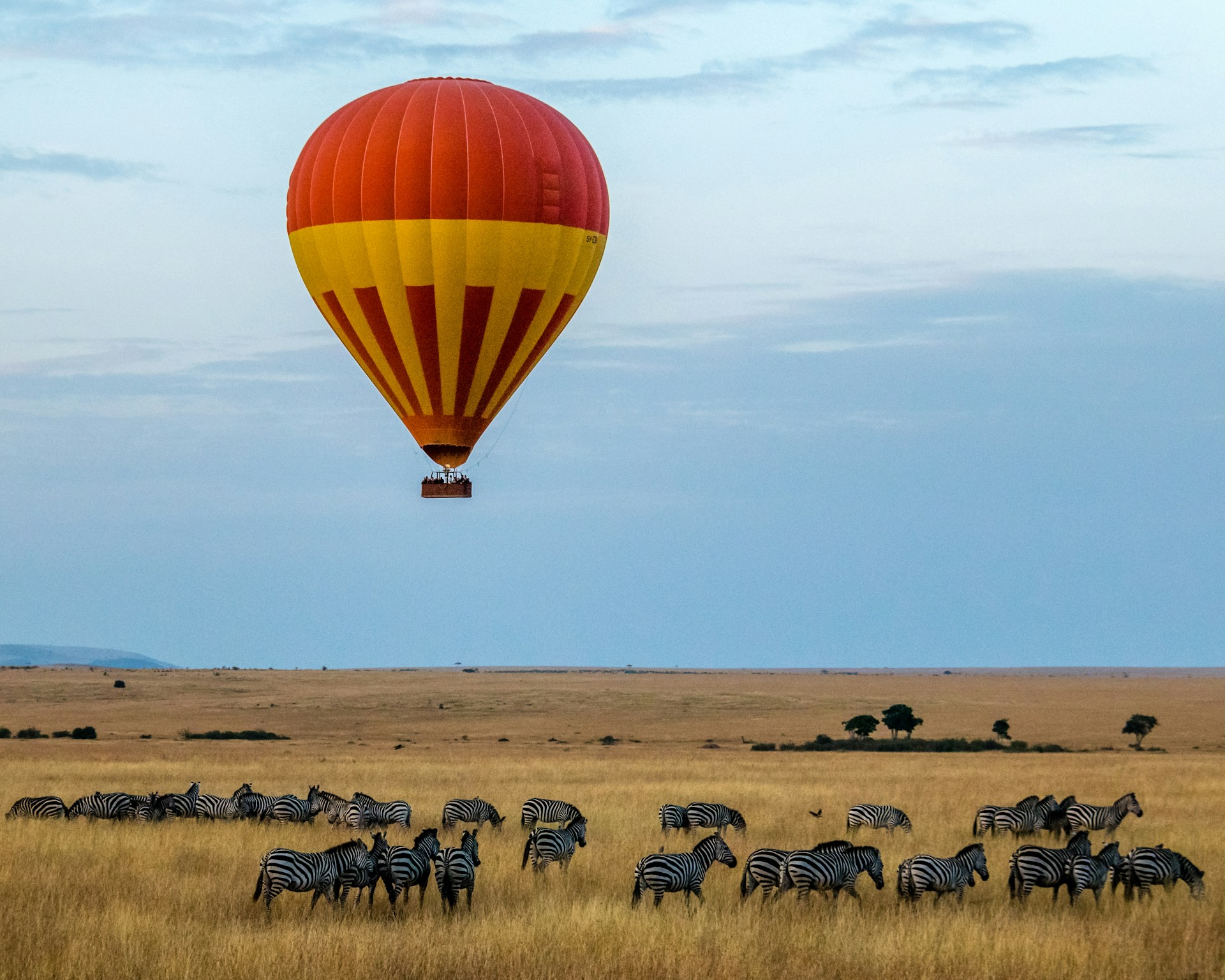
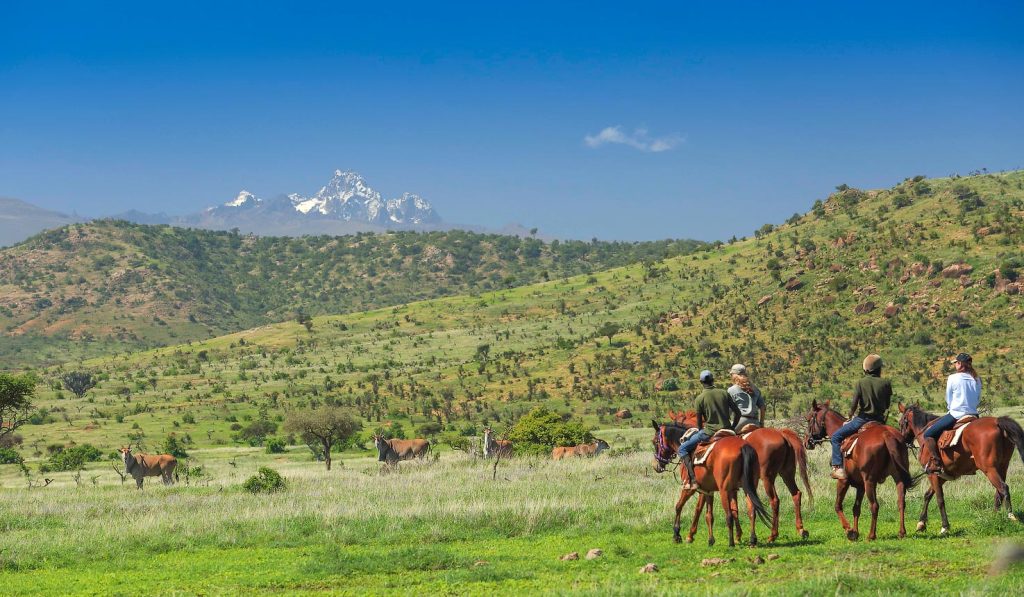
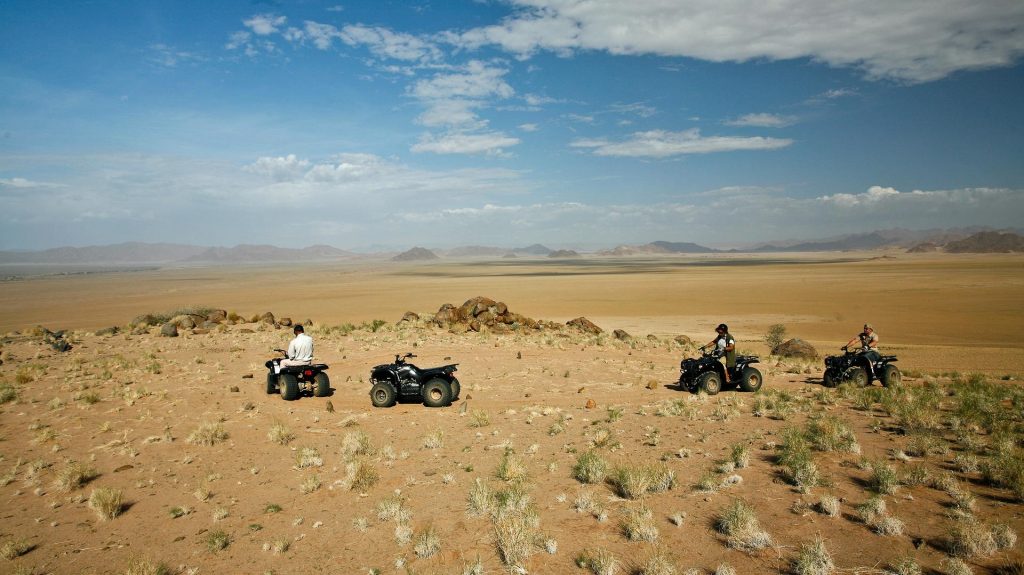
From dawn game drives tracking big cats across golden plains to hot air balloon safaris drifting over the migration, the Maasai Mara offers diverse experiences that reveal different facets of Africa's greatest wildlife sanctuary.

When to Visit Maasai Mara National Reserve

The Maasai Mara offers exceptional wildlife viewing throughout the year, with each season presenting distinct advantages. The legendary dry season (June-October) coincides with the Great Migration, when over 1.5 million wildebeest thunder across the Mara River in desperate river crossings that have captivated wildlife enthusiasts for generations. July through October represent peak migration months, with the herds typically arriving in July and remaining through October before beginning their return to the Serengeti.

These months also offer the most comfortable weather, clear skies, warm days, and crisp nights, making them the most popular (and expensive) time to visit. Game viewing during these months reaches extraordinary levels as predators capitalize on the abundance of prey, and the dry conditions concentrate wildlife around permanent water sources.

The wet seasons,long rains (April-May) and short rains (November-December) transform the Mara into a lush green paradise that reveals a different character. November through March offers excellent value with lower rates, fewer vehicles, and superb predator viewing. Resident wildlife remains abundant year-round, and the absence of migration herds allows focus on predator behavior, birdlife (migratory species arrive November-April), and the intimate wildlife moments that define authentic safari experiences.

The landscape’s emerald transformation creates stunning photographic backdrops, and newborn animals (calving season typically January-March) attract predator activity. While the long rains can bring heavy afternoon downpours and occasional road challenges, the short rains consist mainly of brief afternoon showers that rarely disrupt game drives.

Shoulder seasons;January-February and June, offer the sweet spot of excellent wildlife viewing with more moderate pricing and fewer crowds. January through March provides spectacular resident wildlife viewing with verdant landscapes, while June marks the beginning of the dry season with the anticipation of the approaching migration.

Each month in the Mara offers unique advantages, and the “best” time ultimately depends on your priorities: witnessing the migration spectacle, experiencing uncrowded game viewing, photography-focused visits, or budget considerations.

Best Months to Visit

January
February
March
April
May
June
July
August
September
October
November
December

Safaris Featuring Maasai Mara

Explore our carefully curated collection of safari itineraries featuring the Maasai Mara, from classic Big Five adventures to specialized migration-focused journeys combining Kenya's premier reserves.

Where to Stay in Maasai Mara National Reserve

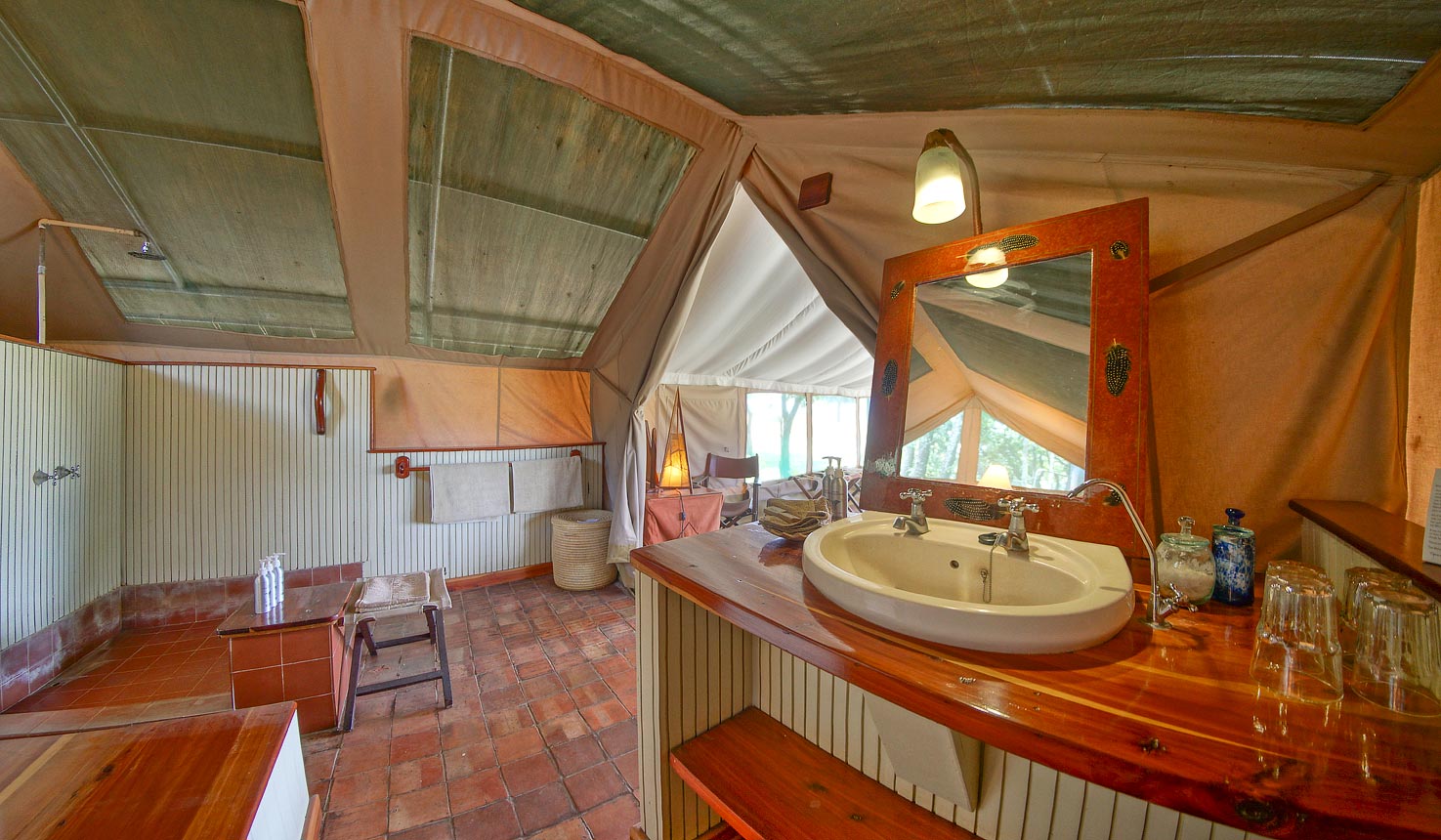
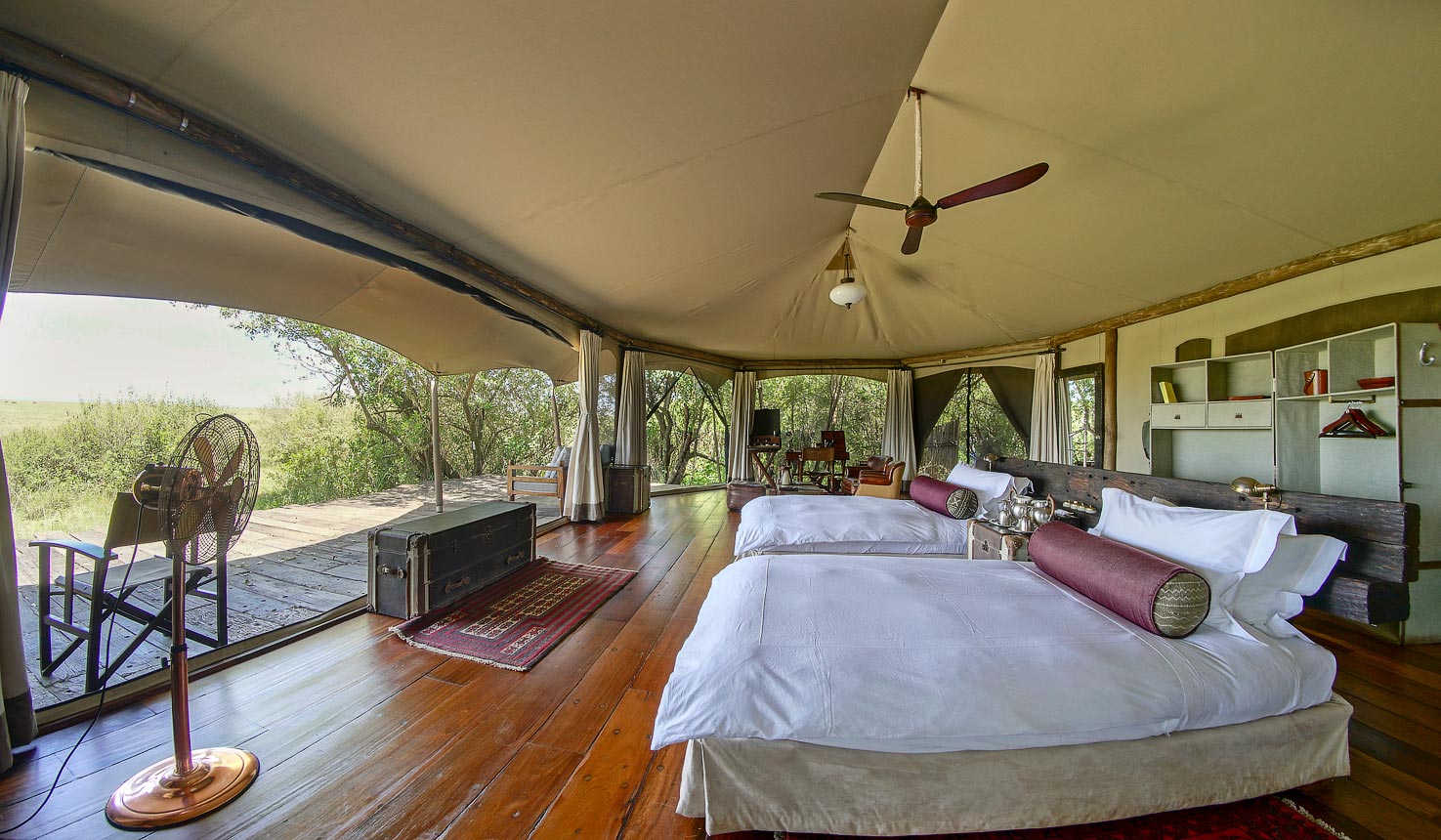
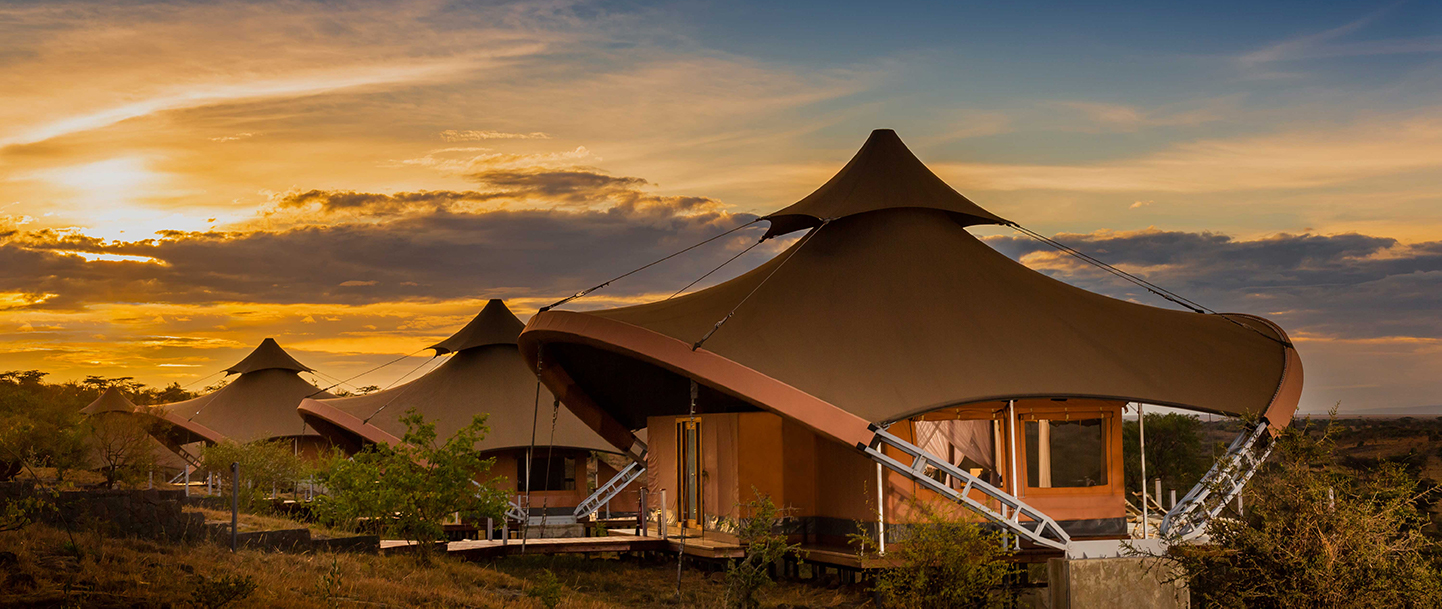
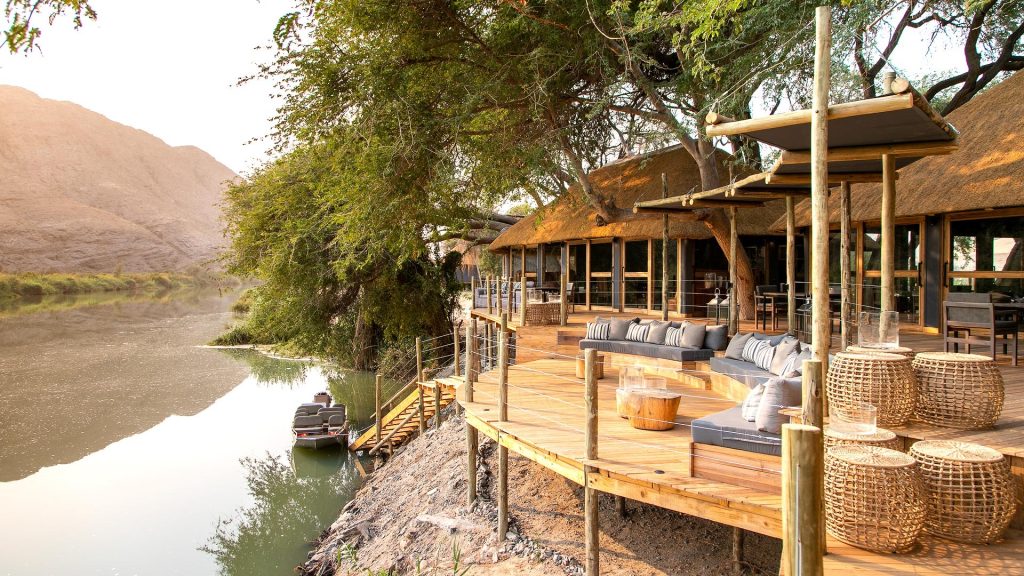
From legendary tented camps positioned along prime migration routes to intimate luxury lodges offering personalized service, the Maasai Mara's accommodation options range from classic safari elegance to contemporary luxury.

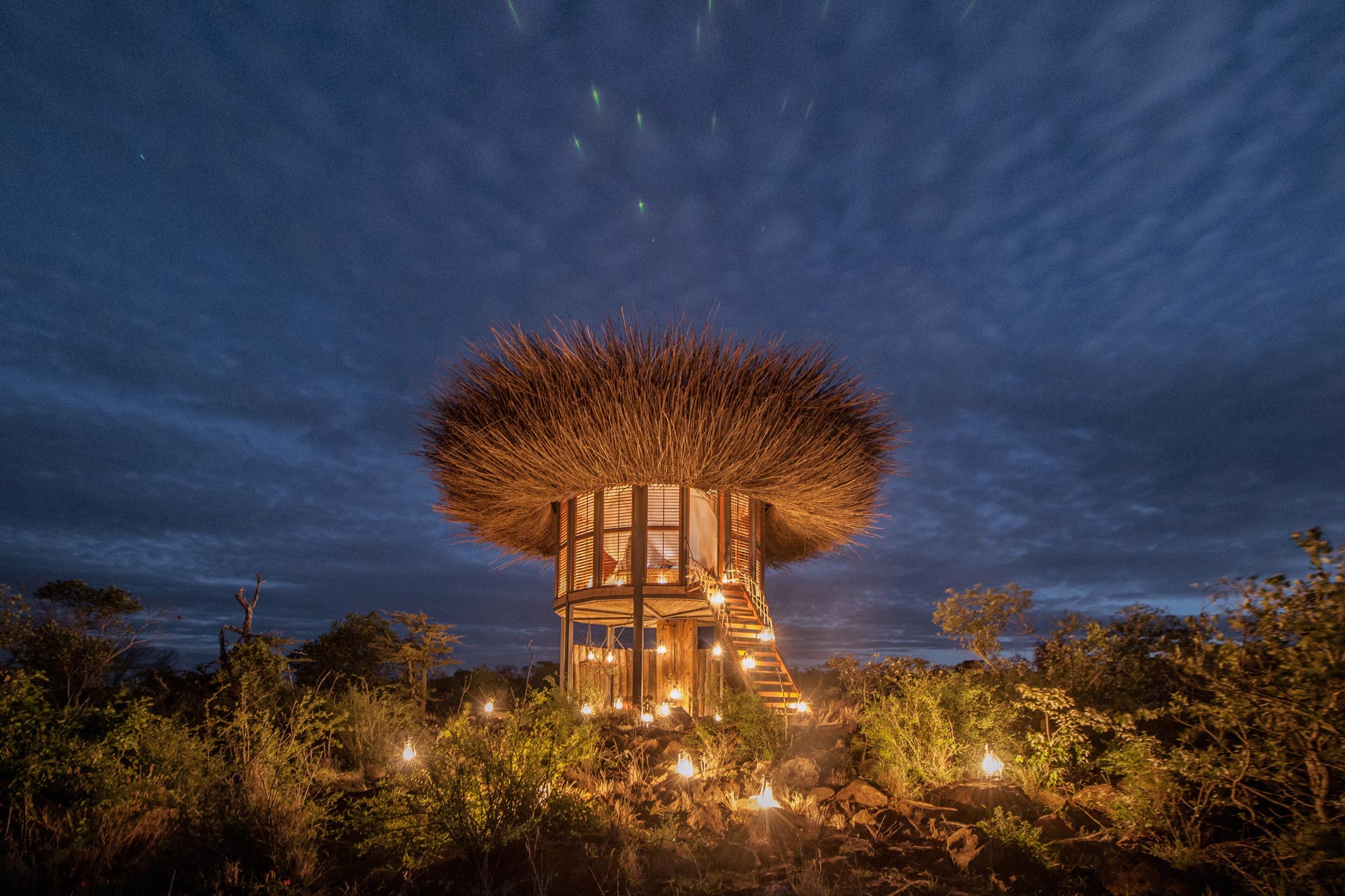
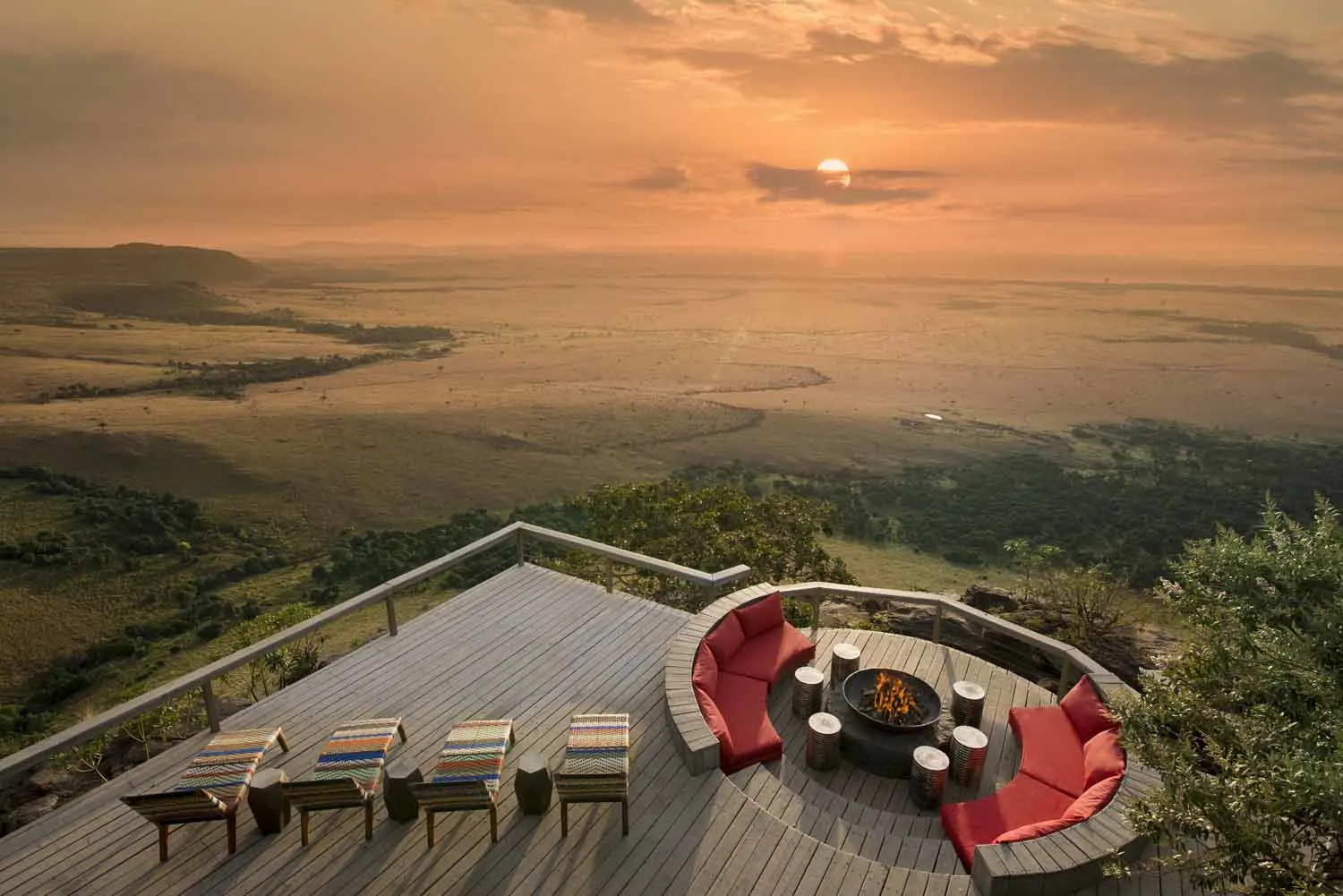
Angama Mara

Angama Mara

📍 Oloololo Escarpment, Mara Triangle

Governors' Il Moran

Governors' Il Moran

📍 Mara River, Main Reserve

Mara Plains Camp

Mara Plains Camp

📍 Olare Motorogi Conservancy

Mahali Mzuri

Mahali Mzuri

📍 Olare Motorogi Conservancy

&Beyond Kichwa Tembo

&Beyond Kichwa Tembo

📍 Mara North Conservancy

Explore More Parks in Kenya

Frequently Asked Questions

When is the best time to see the Great Migration river crossings?

River crossings typically occur from July through October, with peak activity usually in August and September. However, exact timing varies annually based on rainfall patterns. The herds generally arrive in July, remain through October, and crossings can occur at any time during this period, sometimes multiple times per day. Book accommodations near the Mara River for the best chances of witnessing crossings.

How long should I stay in the Maasai Mara?

We recommend a minimum of 3 nights to maximize your chances of diverse wildlife encounters and river crossings during migration season. 4-5 nights allows for full-day game drives, time to explore different areas of the reserve, and increased opportunities for witnessing dramatic wildlife moments. First-time visitors or those combining the Mara with other destinations often spend 3-4 nights.

What's the difference between the Maasai Mara National Reserve and the conservancies?

The National Reserve is the main protected area managed by county governments, while the surrounding conservancies are privately-managed wildlife areas on Maasai community land. Conservancies typically offer more exclusive experiences with lower vehicle numbers, night drives, walking safaris, and off-road driving—activities not permitted in the main reserve. Many lodges are located in conservancies but offer access to the reserve for river crossing viewing.

Can I see wildlife year-round or only during the migration?

The Maasai Mara offers exceptional wildlife viewing year-round. While the migration (July-October) is spectacular, the reserve supports large resident populations of lions, elephants, buffalo, leopards, cheetahs, and diverse plains game throughout the year. Many visitors prefer the “green season” (November-June) for fewer crowds, lower rates, excellent predator viewing, and stunning landscapes.

Should I fly or drive to the Maasai Mara?

Light aircraft flights from Nairobi take approximately 45 minutes and eliminate the 5-6 hour road journey, maximizing time in the Mara. Flying also provides spectacular aerial views of the Rift Valley and Mara ecosystem. Road transfers are significantly cheaper but require an early morning departure and full day of travel. Most visitors on safari-focused trips choose to fly.

Plan Your Visit to Maasai Mara National Reserve

Our safari specialists are ready to craft your perfect wildlife experience

Scroll to Top