

The Great Migration Route Month by Month Guide
The Great Migration stands as Earth’s most spectacular wildlife phenomenon—over two million wildebeest, accompanied by hundreds of thousands of zebras and gazelles, moving in an endless cycle across the Serengeti-Mara ecosystem in search of fresh grazing and water. This 800-kilometre circular journey spans Tanzania’s Serengeti National Park and Kenya’s Maasai Mara National Reserve, driven by ancient instincts responding to seasonal rainfall patterns. Understanding the Migration’s monthly movements, where herds concentrate, what dramatic events occur, and optimal viewing locations transforms safari planning from guesswork into strategic precision. This comprehensive guide tracks the Great Migration month by month, revealing where to be and when to witness nature’s greatest show.
Understanding Migration Dynamics
The Great Migration follows no fixed schedule. While general patterns repeat yearly, exact timing varies by 2-4 weeks based on rainfall. Rains trigger fresh grass growth; herds follow this resource in a continuous, instinct-driven cycle. The Migration never truly stops—it’s a perpetual movement covering different regions throughout the year.
Key participants include approximately 1.5 million wildebeest (the dominant species), 400,000 zebras, 300,000 Thomson’s gazelles, and smaller numbers of elands and other antelope. This massive biomass supports extensive predator populations: lions (3,000+), hyenas, leopards, cheetahs, and crocodiles that time their activities around Migration movements.
January-February: Calving Season in Southern Serengeti
Location: Southern Serengeti plains (Tanzania), particularly the Ndutu area and the Ngorongoro Conservation Area’s southern sections.
What’s Happening: This period delivers the Migration’s most concentrated and dramatic spectacle. Herds mass on the short-grass plains where nutrient-rich volcanic soil supports grasses high in calcium and minerals essential for lactating mothers and growing calves.
Approximately 500,000 wildebeest calves are born within a compressed 2-3 week window, typically late January through mid-February. This synchronised birthing—up to 8,000 calves born daily during peak weeks—represents an evolutionary strategy overwhelming predators with sheer numbers. While predators kill thousands, hundreds of thousands survive.
The Drama: Newborn calves attract every predator within range. Lions, leopards, cheetahs, hyenas, and jackals converge on calving grounds. Cheetahs particularly thrive, using speed to take vulnerable calves. Hyena clans grow bold, sometimes taking calves in broad daylight. Lions focus on adult wildebeest weakened by birthing.
Viewing Opportunities: Exceptional. The flat, open plains offer unobstructed visibility. Herds are concentrated in relatively small areas (compared to the ecosystem’s vastness), making them easy to locate. Predator-prey interactions occur continuously—this is nature at its most raw and spectacular.
Best Areas: Ndutu region (southern Serengeti), Hidden Valley, and areas around Lake Ndutu and Lake Masek. Mobile tented camps positioned specifically for calving season access.
Why This Period Matters: Many consider calving season the Migration’s pinnacle—more dramatic than river crossings due to constant action and incredible predator densities.
March: Dispersal and Rutting Season
Location: Southern and central Serengeti plains (Tanzania), beginning northward movement.
What’s Happening: As March progresses and grasses on southern plains mature, herds begin dispersing and moving north. This coincides with wildebeest rutting (mating) season when territorial bulls establish breeding territories, emit distinctive rutting calls, and engage in dominance battles.
The long rains typically begin in late March, triggering the northward migration as herds follow fresh grass growth. However, if rains are delayed, herds may linger on the southern plains into early April.
The Drama: Rutting provides a different spectacle than calving. Territorial bulls become aggressive, fighting rivals and herding females. The characteristic “ge-nu” rutting call echoes across plains. Predators remain active as young calves, though stronger than at birth, remain vulnerable.
Viewing Opportunities: Good, though herds are beginning to spread across larger areas. Finding concentrations requires skilled guides. Action is less constant than calving season, but rutting behaviour adds a unique dimension to viewing.
Best Areas: Central Serengeti plains, Seronera region, and routes north toward Western Corridor.
Also Read: Best Time to vist Serengeti and avoid crowds
April-May: Western Corridor Movement
Location: Western Serengeti (Tanzania), moving through the Grumeti region toward the Grumeti River.
What’s Happening: Herds continue north and west, spreading across vast areas as the long rains produce abundant grass and water everywhere. This represents the Migration’s most dispersed phase—animals scatter across hundreds of square kilometers following resources.
Movement is slow and meandering rather than directed. Herds gradually progress toward the Western Corridor and Grumeti region, although their exact positioning varies annually based on rainfall distribution.
The Drama: This period offers the Migration’s most challenging viewing. Wide dispersal means herds are difficult to locate. However, the lush landscapes are beautiful, and those who find herds enjoy uncrowded, intimate encounters. Predators hunt opportunistically rather than in the concentrated feeding frenzies of calving season.
Viewing Opportunities: Moderate to challenging. Herds are scattered and mobile. Rains create muddy conditions, complicating access. Many seasonal camps close during this period. However, the wet season has advantages: lush scenery, excellent birding, and minimal tourists.
Best Areas: Western Corridor, areas around Kirawira and Grumeti. Some mobile camps follow herds, but options are limited during the rainy season.
Travel Considerations: April-May represents low season with dramatic cost savings (30-50% below peak) but requires acceptance of challenging conditions, unpredictable wildlife locations, and frequent rain.
June: Grumeti River Crossings Begin
Location: Western Serengeti (Tanzania), Grumeti region approaching Grumeti River.
What’s Happening: As dry season begins, herds concentrate while moving north toward the Grumeti River—a significant obstacle lined with large Nile crocodiles. June typically sees the first major Grumeti crossings, though timing varies by 2-3 weeks based on when herds arrive.
These crossings, while less famous than Mara River crossings, offer spectacular drama. The Grumeti’s crocodiles, having starved for months, explode into activity when wildebeest arrive. Crossings can be violent, chaotic events with panicked herds and feeding frenzies.
The Drama: Grumeti crossings provide all the drama of Mara River crossings but with significantly fewer viewing vehicles—often only 2-5 vehicles versus 30+ at popular Mara crossing points. The relative intimacy makes these crossings feel more exclusive and authentic.
Viewing Opportunities: Excellent for those in the right place at the right time. Crossings are unpredictable—herds may cross daily for a week then not cross for days. Skilled guides monitor herd movements and position clients optimally. When crossings occur, the spectacle rivals anything in nature.
Best Areas: Grumeti River regions in Western Serengeti, particularly near luxury lodges and tented camps that specialize in June crossing access.
Travel Considerations: June offers excellent value—crossing excitement without peak season crowds or costs. Booking 2-3 months ahead secures good properties.
July-August: Mara River Crossings Peak
Location: Northern Serengeti (Tanzania) and Maasai Mara (Kenya), distributed across both countries.
What’s Happening: Herds reach northern Serengeti and cross into Kenya’s Maasai Mara, creating the Migration’s most famous and dramatic period. The Mara River—larger and more challenging than the Grumeti—must be crossed multiple times as herds move back and forth seeking fresh grazing.
July-August sees peak crossing activity. Herds cross and re-cross the Mara River, creating numerous viewing opportunities. Some crossings involve thousands of animals simultaneously—a churning, desperate mass of wildebeest and zebras plunging into crocodile-infested waters while predators wait on banks.
The Drama: Mara River crossings rank among nature’s most spectacular events. Crocodiles explode from water, seizing victims. Animals are swept away by currents or trampled in the chaos. Survivors scramble up muddy banks where lions wait. The life-and-death struggle is intense, raw, and unforgettable.
Viewing Opportunities: Excellent, though vehicle congestion is significant, particularly at popular Kenya crossing points. Tanzania’s northern Serengeti (Kogatende region) typically has fewer vehicles than Kenya’s Mara. Crossings are unpredictable—requiring patience, flexibility, and often full-day commitments.
Best Areas:
- Tanzania: Kogatende region (northern Serengeti), Lamai Wedge
- Kenya: Northern Maasai Mara, Mara Triangle
- Crossing Points: Multiple established crossings exist, though herds don’t always use predictable locations
Travel Considerations: Peak season brings maximum crowds and costs (40-60% above low season). Booking 4-6 months ahead is essential for premium properties. Tanzania’s northern Serengeti generally offers better value and fewer vehicles than Kenya’s Mara.
September-October: Extended Northern Presence
Location: Distributed between northern Serengeti (Tanzania) and Maasai Mara (Kenya), beginning southward return.
What’s Happening: Herds remain in the north through most of September, continuing to cross the Mara River though with decreasing frequency. By late September and through October, herds begin the southward return journey, crossing back into Tanzania.
The southward migration receives far less attention than northward movement but offers excellent viewing with dramatically fewer tourists. Herds gradually disperse as they move south, following short rains that begin in October.
The Drama: Early September continues July-August’s crossing excitement with decreased vehicle congestion. Late September through October offers the unique experience of witnessing southward crossings—herds returning to Tanzania in reverse of their July arrival.
Viewing Opportunities: Excellent in early September, good through mid-October. Tourist numbers decline significantly after mid-September as European summer holidays end. This creates more intimate viewing experiences, particularly for crossings.
Best Areas: Same as July-August early month. By late September/October, the eastern Serengeti regions see southward-moving herds.
Travel Considerations: September offers excellent value—peak subjects with decreasing crowds and transitioning lower costs (10-20% below August by late September). October sees further price decreases and even fewer tourists.
November-December: Southern Return
Location: Eastern and southern Serengeti (Tanzania), moving toward southern plains.
What’s Happening: Herds continue south through Tanzania’s eastern Serengeti, gradually approaching the southern plains where the cycle began. Movement is meandering and dispersed as short rains (November-December) provide water and grazing across vast areas.
By late December, herds arrive at southern plains, positioning for January-February calving season. The cycle completes, only to begin anew.
The Drama: This period offers the Migration’s most peaceful phase. Wide dispersal, abundant resources, and minimal predator pressure create calm compared to calving season’s intensity or crossing season’s drama. However, the landscape transformation—brown plains greening rapidly with rains—is beautiful.
Viewing Opportunities: Moderate to challenging. Herds are scattered across vast areas. November’s short rains disperse animals further. By late December, herds are beginning to concentrate again on southern plains, improving viewing and anticipation builds for imminent calving season.
Best Areas: Eastern Serengeti, Seronera region, and increasingly southern plains by December.
Travel Considerations: November is low season with significant savings (25-40% below peak) but regular rain. December transitions from low season early month to high season late month (particularly Christmas week). Early December offers good value; late December requires early booking and peak pricing.
The Role of Zebras and Other Species
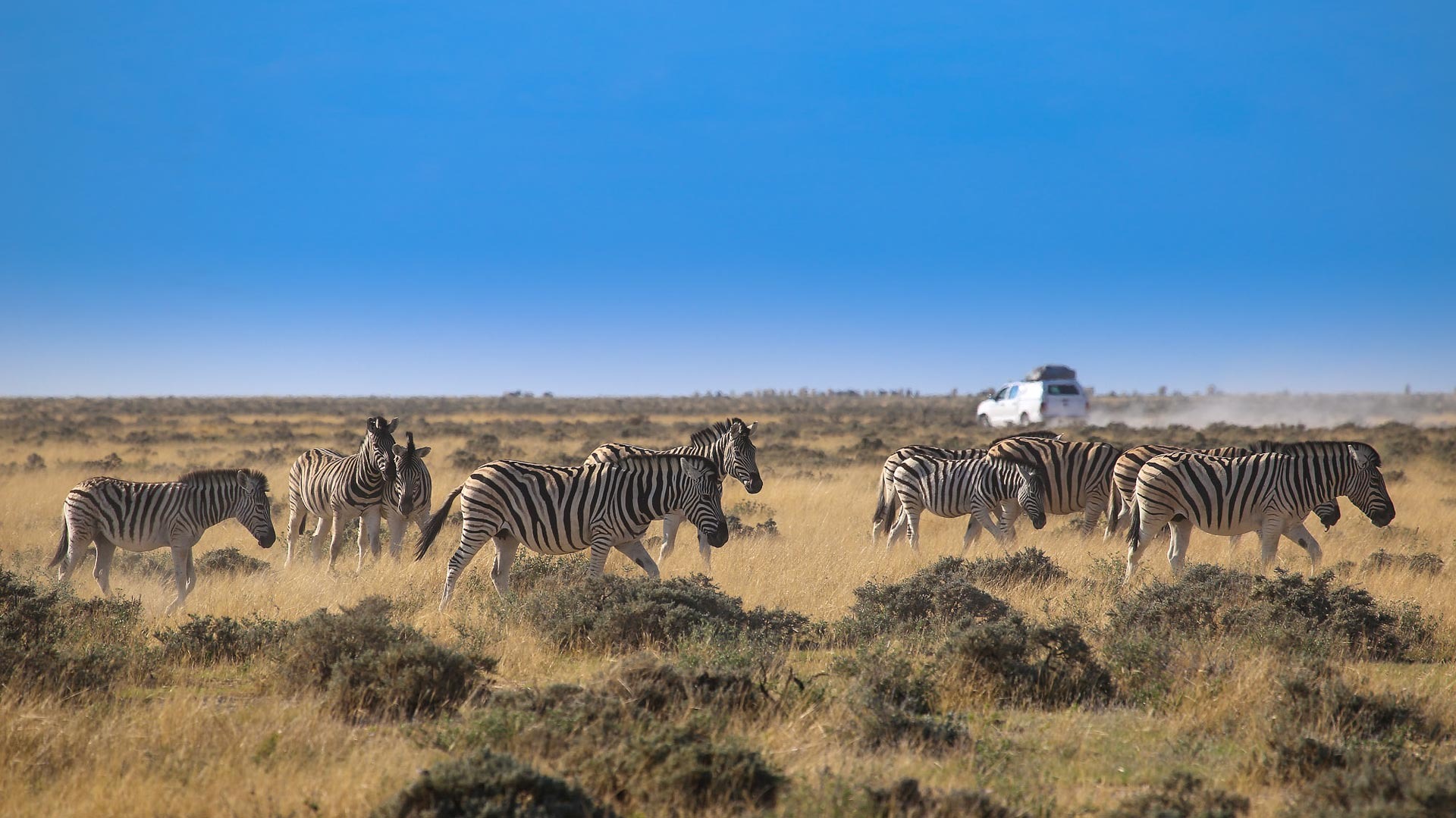
Zebras participate in the Migration but follow slightly different patterns than wildebeest. Zebras typically move ahead of wildebeest, eating taller grasses. Wildebeest follow, preferring the shorter grass zebras expose. Thomson’s gazelles move with or slightly behind wildebeest, eating the shortest grass.
This sequential grazing benefits all species—each group finds optimal forage. The mixed herds also provide safety through numbers and multiple eyes watching for predators
Predator Dynamics
Predators don’t migrate with herds but are distributed throughout the ecosystem. However, certain areas host higher predator densities:
Southern Serengeti: Lion prides concentrate near calving grounds during January-February.
Northern Serengeti/Mara: High predator densities year-round, peaking July-October when Migration is present.
River Crossings: Crocodiles along Grumeti and Mara Rivers time their feeding around Migration crossings, surviving months between Migration passages.
Factors Affecting Migration Timing
Several factors influence the exact Migration timing:
Rainfall: The primary driver. Early or late rains shift timing by 2-4 weeks. Drought can trap herds in certain areas longer than normal.
Grass Growth: Follows rainfall. Herds move toward fresh grass, sometimes remaining in areas longer if grass remains nutritious.
Water Availability: During dry season, permanent water sources dictate positioning. In wet season, abundant water allows wider dispersal.
Historical Patterns: Herds follow traditional routes through learned behavior, though they adapt to changing conditions.