
Elewana Sand River
On the banks of the Sand River where the Great Migration crosses from Tanzania — classic 1920s safari romance at the edge of the Serengeti
There is a particular stretch of the Maasai Mara National Reserve, quieter, less visited, pressed against the Tanzanian border, where the Sand River winds through dense riverine forest before opening onto a view of the Serengeti’s rolling hills beyond. This is where Elewana Sand River has made its home, and it is one of the finest positions that any camp in Kenya occupies.
The camp evokes the golden age of African safari with genuine conviction. The sixteen permanent tented suites are styled to the 1920s and 1930s expeditions that inspired a century of Hollywood cinema, rich wooden floors, copper fittings, deep leather armchairs, period furnishings, and bookshelves lined with classic travel writing. The effect is not a theme or a pastiche; it is a considered aesthetic built from materials and craftsmanship that respect the era it references, while delivering every comfort a contemporary traveller expects. As one guest put it, “You wouldn’t know you were sleeping in a tent.”
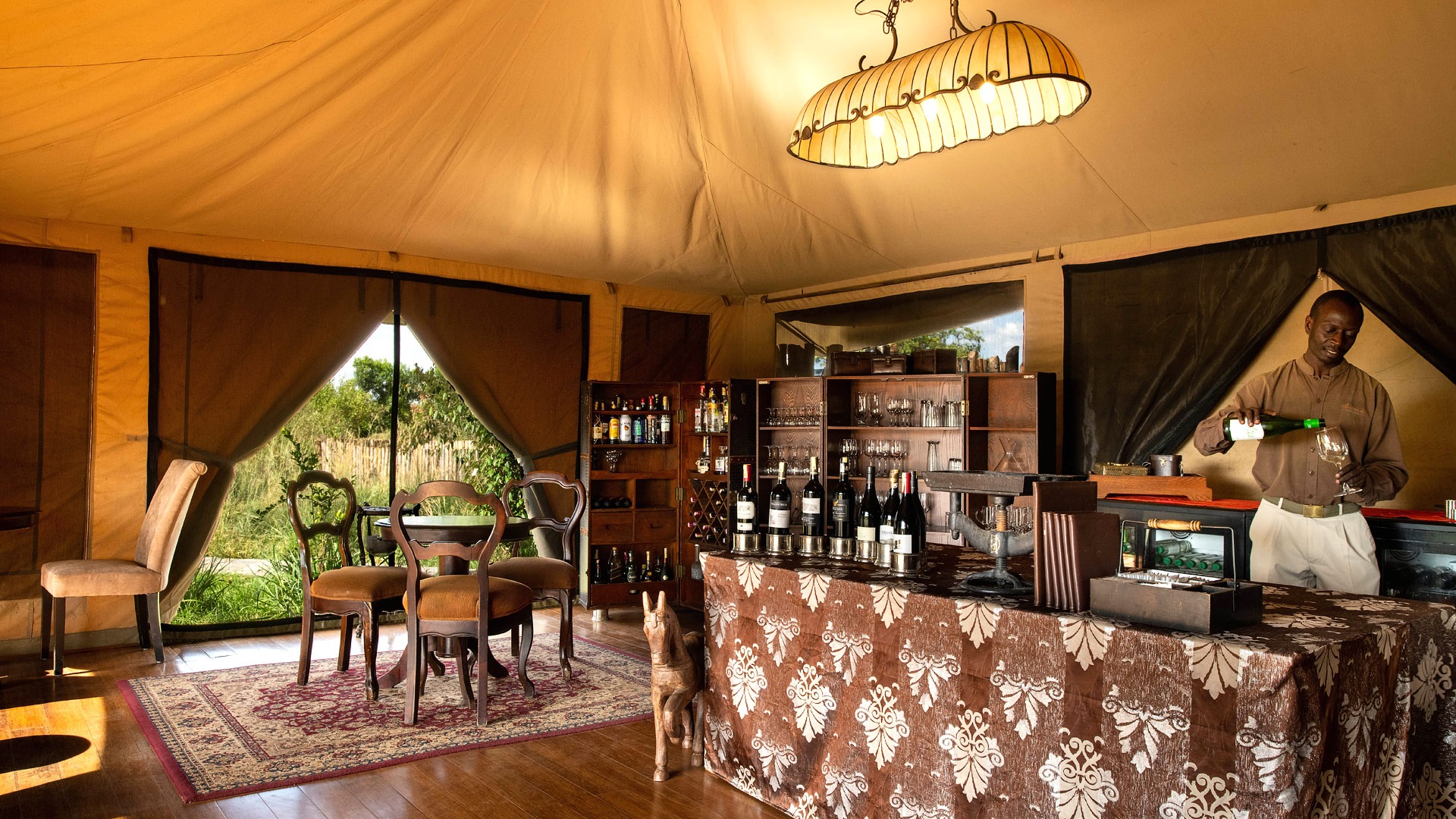
The camp is split into two separate but adjoining sections, Sand River and Little Sand River, each with its own dining area, lounge, and public spaces. The arrangement creates an intimacy and sense of exclusivity that a single camp of sixteen tents might otherwise struggle to achieve. An infinity pool overlooks the savannah, shaded by the camp’s ancient riverine trees. The bar and lounge, where deep leather armchairs face the river, become the natural gathering point as afternoon light turns gold and the first lions of the evening begin to move.
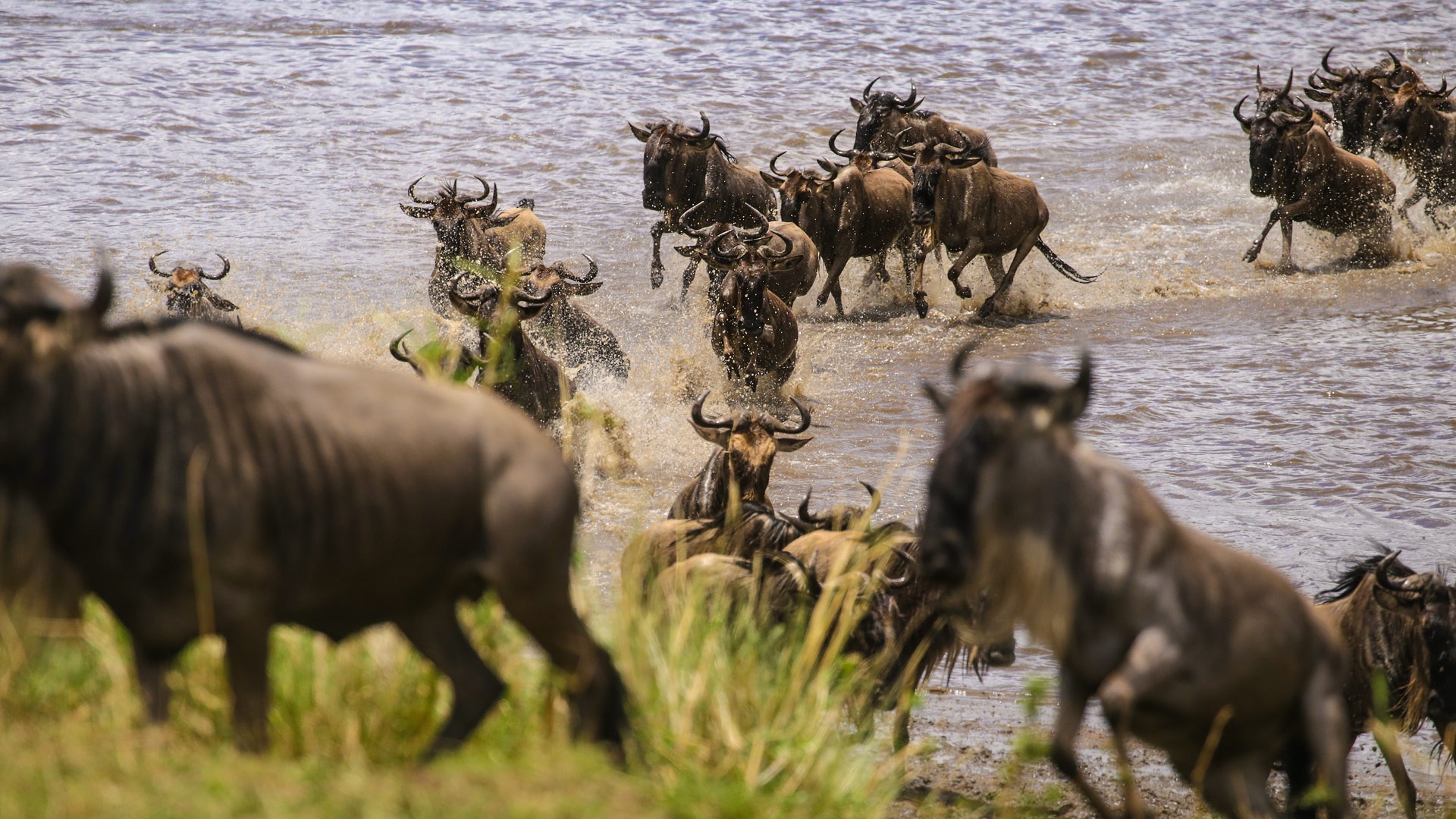
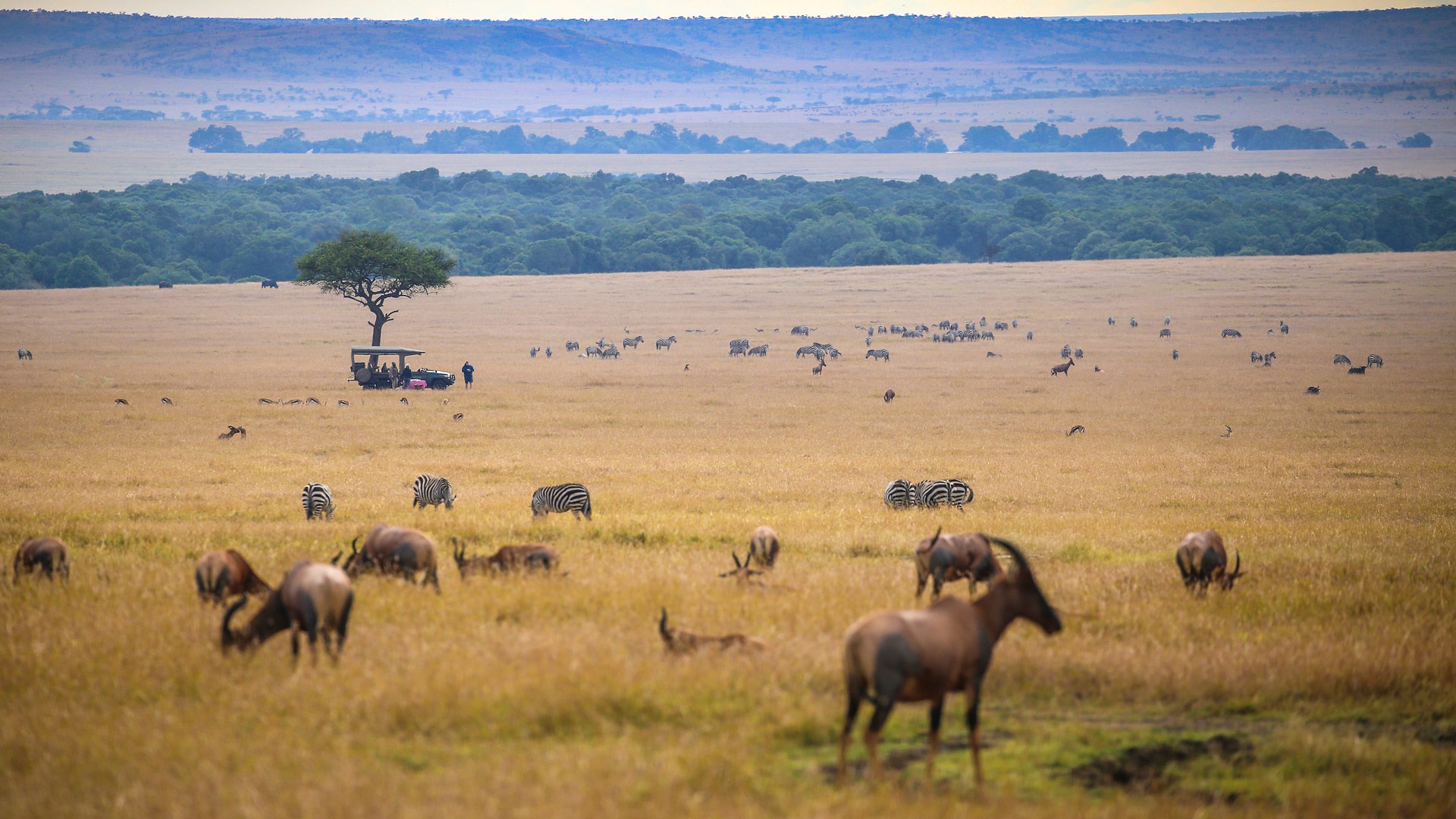
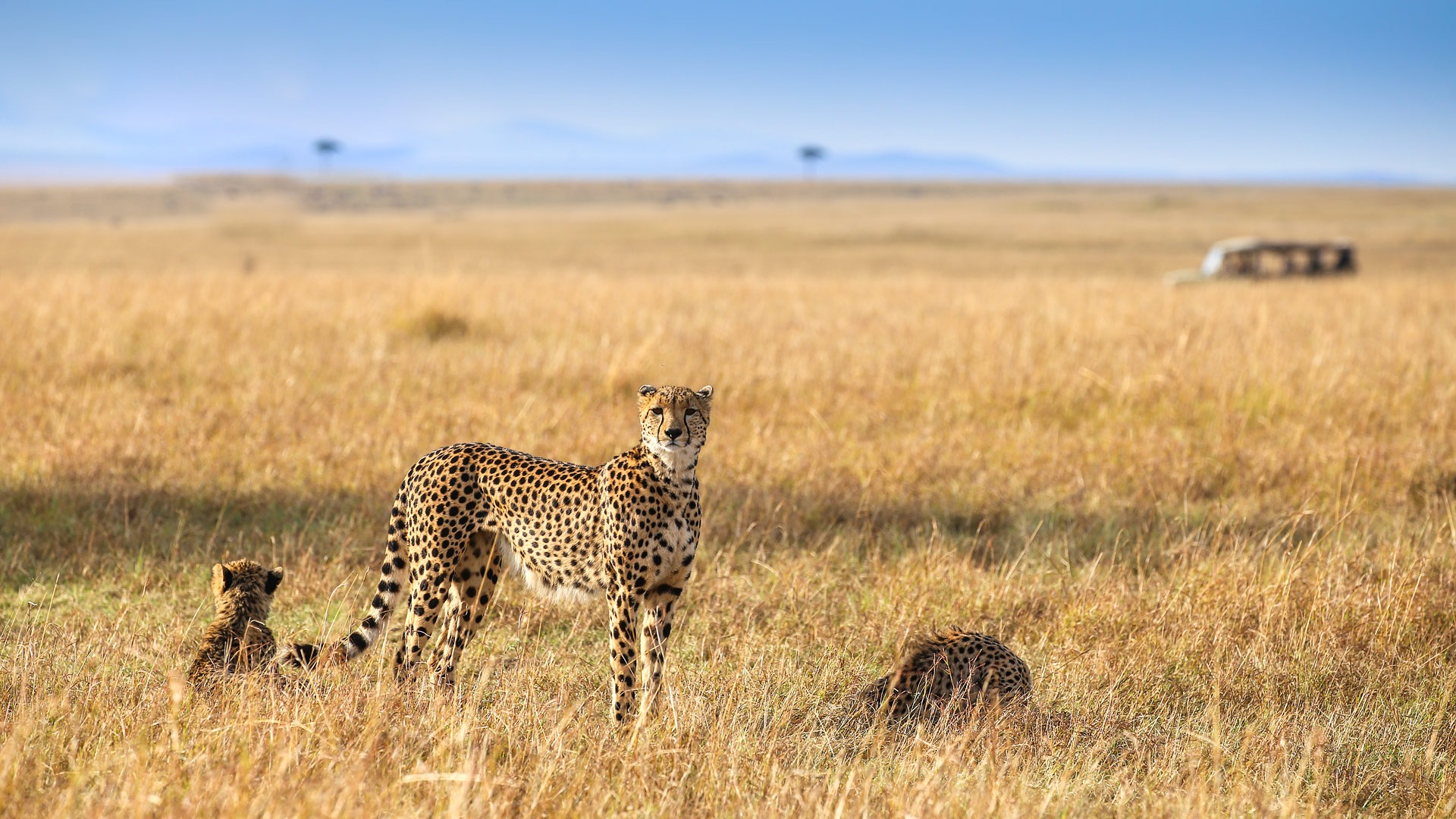
What elevates Sand River beyond its design is its position on the Great Migration route itself. Between July and October, wildebeest and zebra cross the Sand River directly in front of camp, a spectacle that guests have, on occasion, watched from their own tent’s veranda without leaving their chair. But the Mara’s southeastern corner delivers extraordinary wildlife year-round: resident lion prides, cheetah, leopard, elephant, and some of the most diverse concentrations of prey animals in Africa. The camp’s distance from the busier central Mara means fewer vehicles at every sighting, and a quality of game viewing that more crowded locations in the reserve cannot match.
Sprawled along the overgrown banks of its namesake river in the quieter southeastern corner of the Maasai Mara National Reserve, Elewana Sand River is one of Kenya's most evocative safari camps. Sixteen luxurious tented suites — styled to the golden age of 1920s African exploration
Why Stay Here
- Directly on the Great Migration route — wildebeest and zebra cross the Sand River in front of camp
- 1920s safari aesthetic across 16 tented suites — period furnishings, copper fittings, and canvas grandeur
- Split into two intimate camp sections, each with its own dining area and lounge
- Quieter southeastern Mara location — fewer vehicles, more private wildlife encounters
- Year-round Big Five game viewing on the Mara–Serengeti border
- Hot air balloon safaris at dawn over the savannah, bookable with advance notice
Elewana Collection operates Sand River as part of a broader commitment to responsible tourism across East Africa's most important wildlife landscapes. The camp works closely with local Maasai communities along the reserve's boundary — supporting employment, community-led cultural experiences, and income diversification that makes wildlife conservation economically meaningful
Rooms & Accommodation
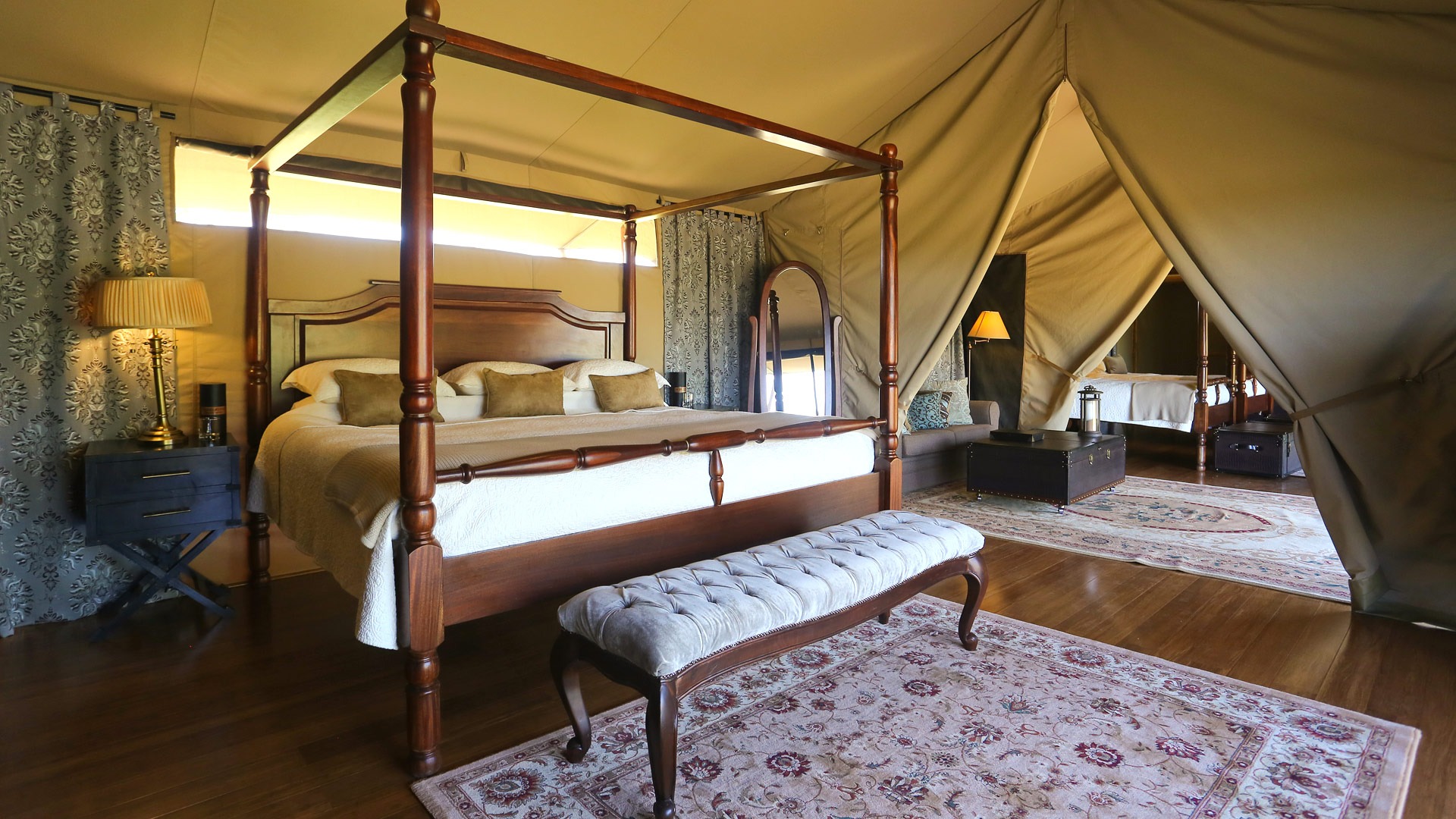
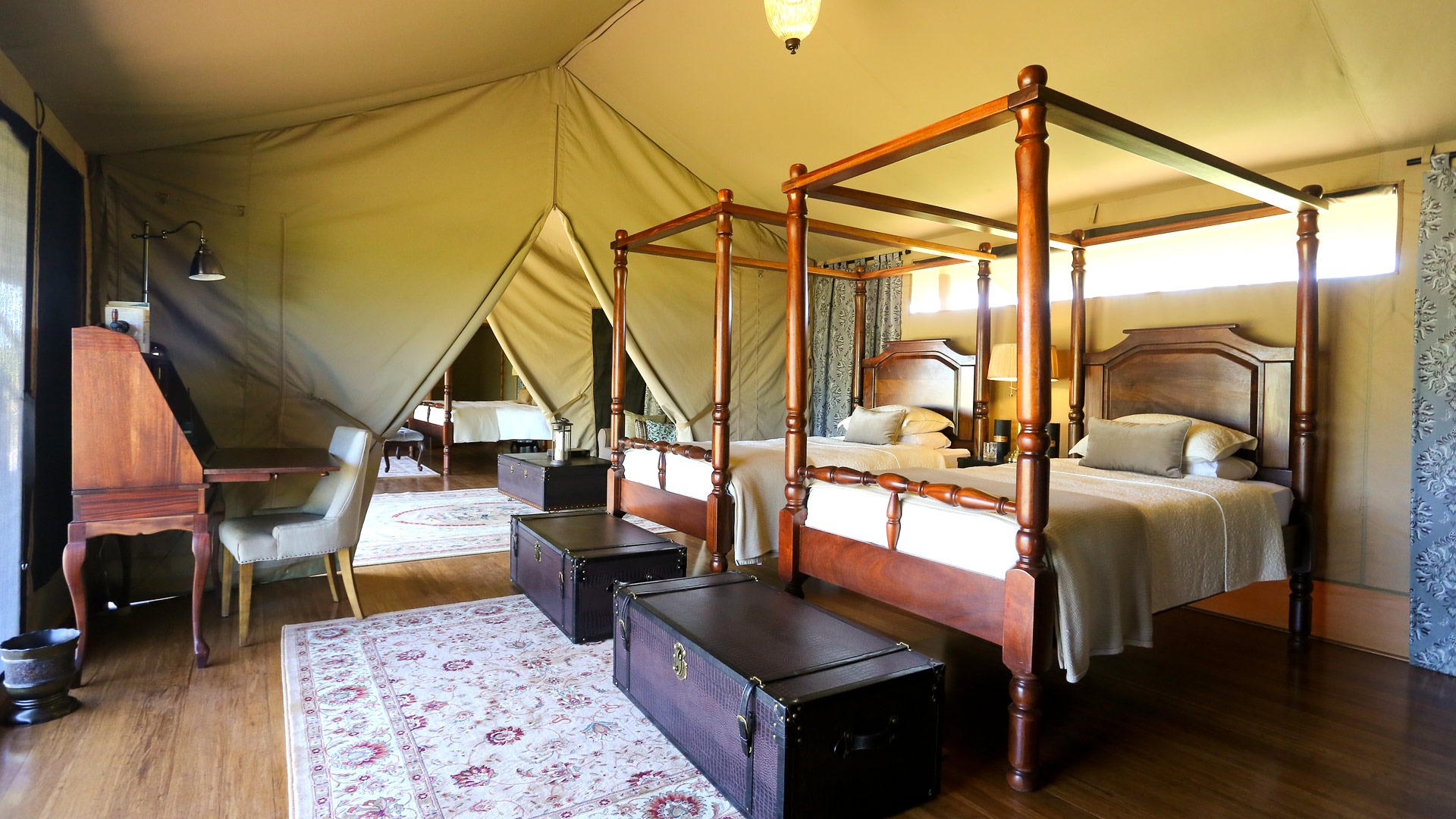
All sixteen tented suites at Sand River are permanent structures, a distinction that matters enormously in the bush. The tents are spacious, exceptionally well-appointed, and built to be lived in comfortably across multiple nights. Interiors draw from the visual language of the 1920s expedition era: rich wood finishes, earthy neutral tones, copper detailing, and period-inspired furnishings sit alongside king-sized beds, en-suite bathrooms with both bathtub and outdoor shower, and private furnished verandas facing the river or open plains. Four tents include plush daybeds convertible into additional sleeping spaces. A dedicated family tent with two en-suite bedrooms and a shared lounge area accommodates families travelling with children.
Classic Tented Suite
The heart of the Sand River experience — generously proportioned permanent tented suites styled to the 1920s safari era, each with a private furnished veranda overlooking either the Sand River or the open Mara plains. King-sized beds dressed in quality linens, a sitting area with sofa and writing desk, en-suite bathroom with double basin vanity, bathtub, and a remarkable outdoor shower
Family Tent
An expansive family configuration with two en-suite bedrooms — one double, one twin — connected by a shared lounge area with views over the Sand River. The same 1920s design language runs throughout: warm wood finishes, period furnishings, and the gentle quality of light through canvas that characterises the best permanent tented camps in East Africa.
Experiences & Activities
Every moment at Elewana Sand River is crafted to immerse you deeper in the wild.
Great Migration Game Drives
Between July and October, the Sand River becomes one of the most dramatic wildlife corridors on earth as millions of wildebeest, zebra, and gazelle complete their annual circuit between the Serengeti and the Mara. The camp's position on the river's bank places guests at the crossing points
Year-Round Big Five Game Drives
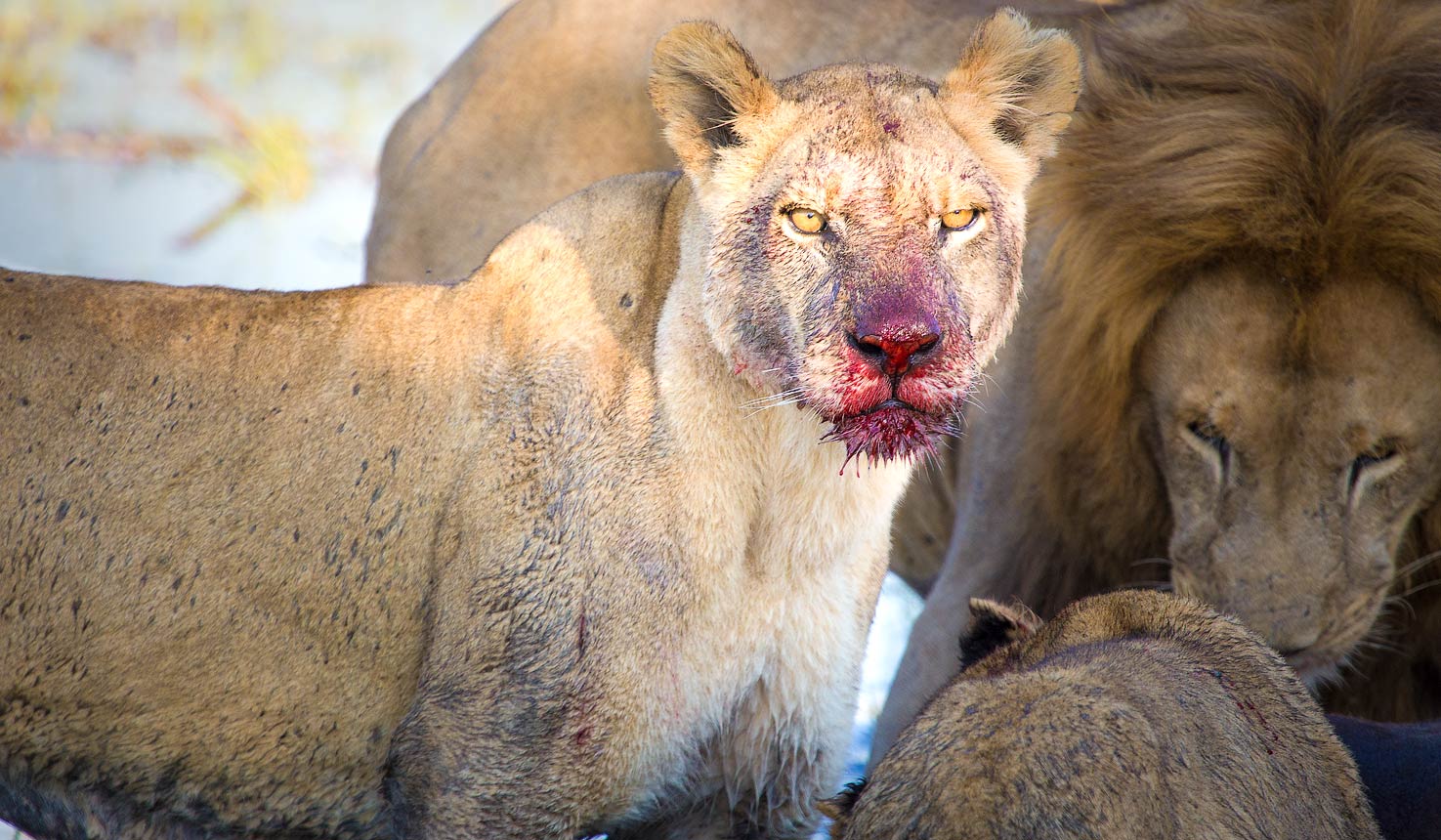
The southeastern Mara delivers exceptional wildlife in every month of the year. Resident lion prides, leopard in the riverine forest, cheetah on the open plains, elephant, buffalo, and a remarkable cast of supporting species make the Mara's claim to being Africa's greatest game-viewing destination
Sundowners in the Bush
Each afternoon the camp sets up sundowners at a carefully chosen location in the reserve — a kopje lookout, a riverbank, a clearing where lions have been seen resting. Cocktails, snacks, and the Mara sky turning from gold to violet
Ready to plan your stay?
Our specialists are available 24 hours, 7 days a week.
Dining
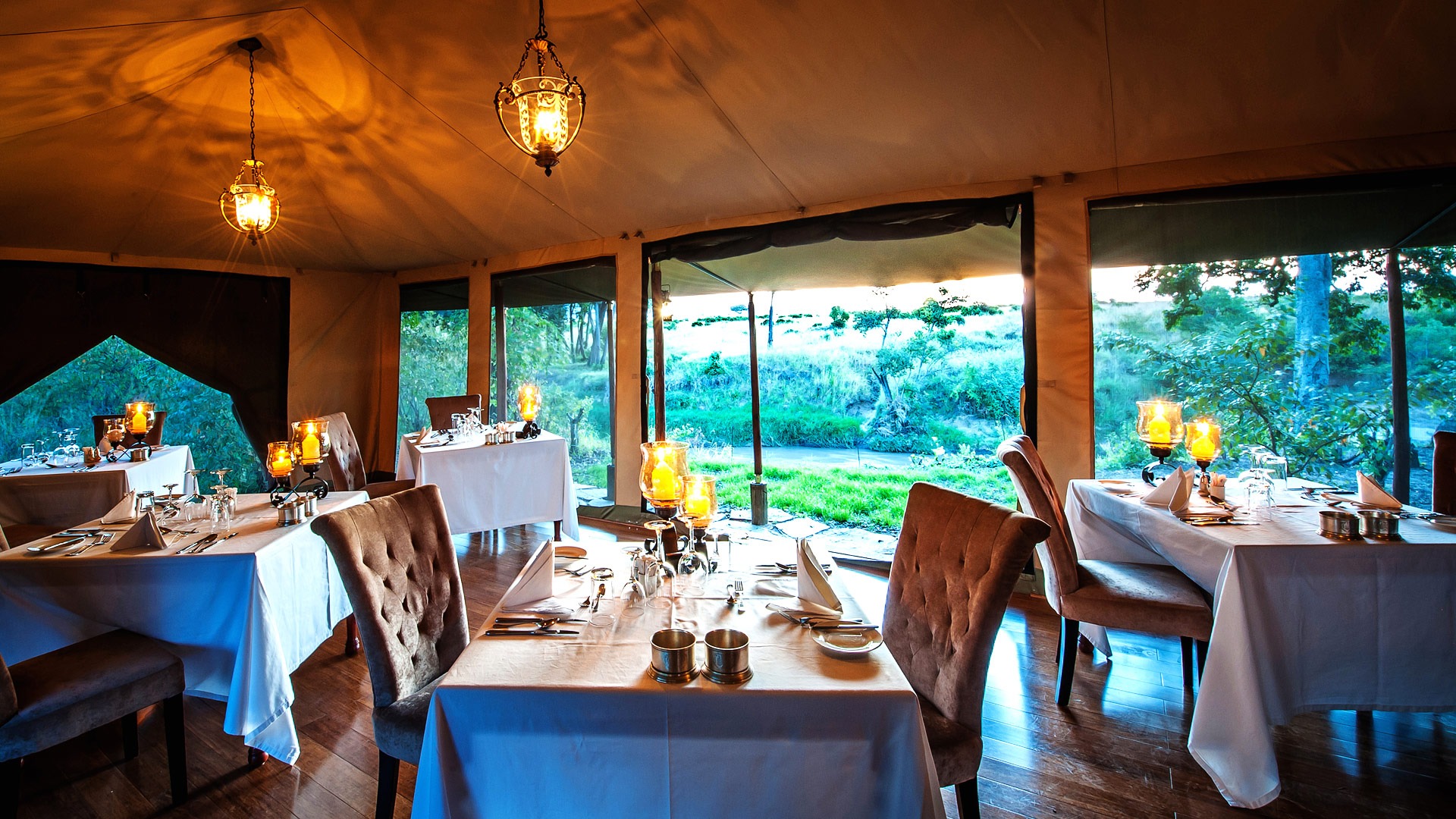
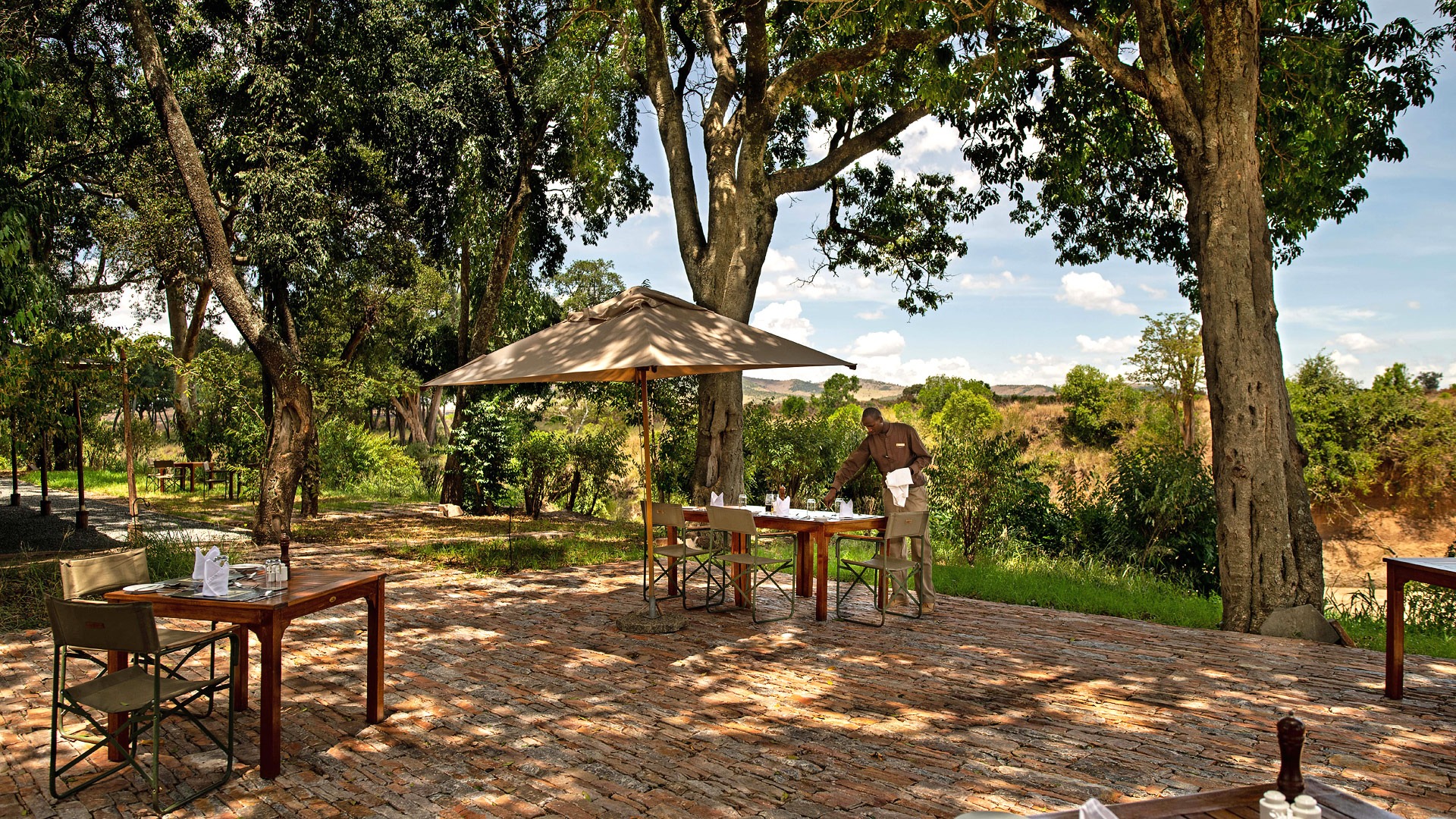
Dining at Sand River moves between settings as naturally as the camp’s wildlife moves through the riverine forest. The two dining areas — one in Sand River, one in Little Sand River — serve freshly prepared menus that draw from both Kenyan and international culinary traditions, presented with the kind of care that is easy to take for granted until you’re back in a city restaurant wondering what happened to the food. Bush breakfasts in the field, sundowner setups on the open plains with snacks and cocktails as the Mara sky deepens, and candlelit dinners under the stars complete an al fresco dining programme that the camp’s permanent structure makes possible year-round. The bar and lounge — leather armchairs, bookshelves, the soft hiss of a lantern — is the evening’s natural conclusion.
Gallery
Best Time to Visit
The Maasai Mara rewards visitors in every season, but Sand River’s position on the Great Migration route makes the period from July to October the most sought-after time to visit. This is when the wildebeest herds pour across the Sand River from Tanzania’s Serengeti, and when the camp’s riverside location delivers the most visceral and immediate access to the crossing events. Peak migration months are August and September — advance booking many months ahead is strongly recommended for this period.
Outside migration season, the Mara’s resident wildlife — lion, leopard, cheetah, elephant, and a remarkable density of prey animals — makes game viewing excellent year-round. The dry season from January to March offers clear skies, shorter grasses, and superb predator sightings. The short rains of November and December bring lush scenery and calving season on the plains, drawing predators in large numbers. The long rains of April and May see the reserve at its most verdant; visitor numbers drop, rates are typically more accessible, and the Mara has a quality of solitude that those who have experienced it tend to seek out again. Sand River’s permanent structure means it operates and welcomes guests across all twelve months.