


The African Big Five
The term “Big Five” whispers of adventure, danger, and the untamed heart of Africa. Originally coined by big-game hunters to describe the continent’s most formidable quarry, lions, leopards, elephants, buffalo, and rhinoceroses, these magnificent creatures now represent the pinnacle of safari viewing. But they’re far more than a checklist. Each encounter tells a story of survival, adaptation, and the urgent need for conservation in a rapidly changing world.
Whether you’re planning your first African safari or returning to witness these icons again, understanding where to find them, their behaviors, and the threats they face will transform your experience from simple sightings into profound connections.
Lion (Panthera leo): The King’s Realm
Unlike any other cat, lions live in complex family groups called prides. Picture this: related females forming the pride’s backbone, raising cubs collectively and executing coordinated hunts with military precision. Males, distinguished by their golden to black manes, arrive as coalitions—often brothers—to claim breeding rights for a fleeting 2-4 years before younger rivals dethrone them.
Despite their regal reputation, lions spend 18-20 hours daily doing precisely nothing. They’re masters of energy conservation, coming alive during the cool dawn and dusk hours when their tawny coats blend seamlessly with golden savanna grasses.
Prime Lion Territories:
- Tanzania: Serengeti’s endless plains and Ngorongoro Crater’s concentrated populations
- Kenya: Maasai Mara’s magnificent prides, especially during migration season
- Botswana: Okavango Delta’s water-adapted lions
- South Africa: Kruger and Sabi Sands, where private reserves offer unrivaled viewing
Viewing Strategy: Scan under acacia trees during midday heat, watch waterholes at dawn and dusk, and listen for roars that carry up to 8 kilometers across the savanna.
Conservation Reality: Only 20,000-25,000 wild lions remain—a 43% decline in two decades. Habitat loss and human-wildlife conflict pose significant threats to their survival outside protected areas.
Ready to witness lion prides in action? Contact us to design your perfect safari experience.
Leopard (Panthera pardus): The Shadow Walker
Leopards are living paradoxes—powerful enough to haul prey twice their weight up trees, yet so elusive you might pass within meters without knowing. Their rosette-patterned coats dissolve into dappled shadows, making them the Big Five’s most challenging member to spot.
These solitary hunters are opportunistic perfectionists, stalking within striking distance before explosive ambush attacks. Everything from insects to antelope features on their menu, though impala remain the preferred delicacy.
Where Shadows Reveal Themselves:
- South Africa: Sabi Sands offers Africa’s best leopard viewing with habituated individuals
- Zambia: South Luangwa’s exceptional leopard density
- Kenya: Samburu and Laikipia conservancies provide reliable sightings
- Tanzania: Serengeti’s Seronera area, particularly in riverine forests
Viewing Strategy: Look up. Leopards rest in trees during daylight, often along rivers or beneath large fever trees. Watch for tails hanging down or kills hoisted in branches. Night drives dramatically improve your odds where permitted.
Conservation Status: While more adaptable than lions, leopards face mounting pressure from human-wildlife conflict and illegal wildlife trade.
African Elephant (Loxodonta africana): The Wise Giant
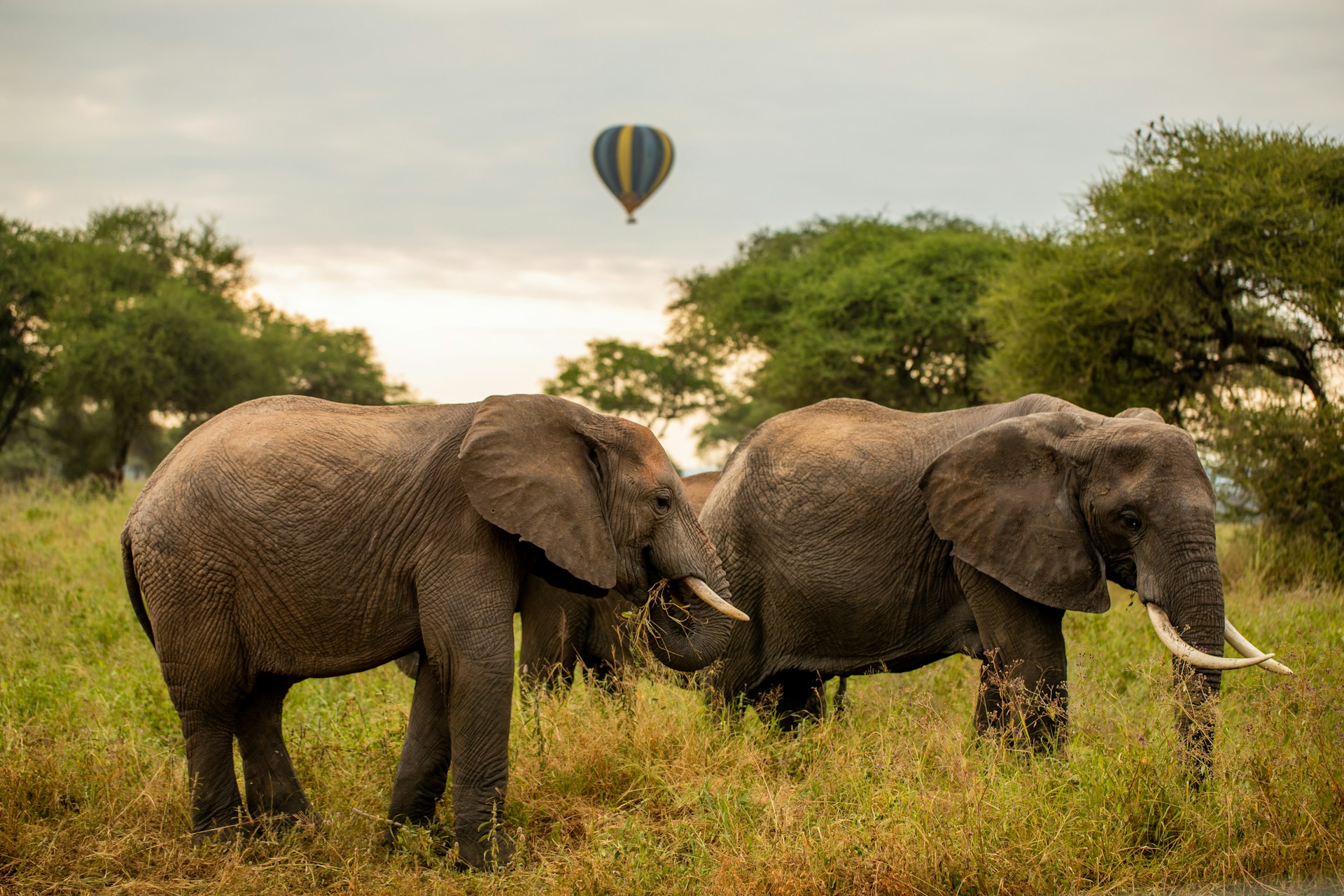
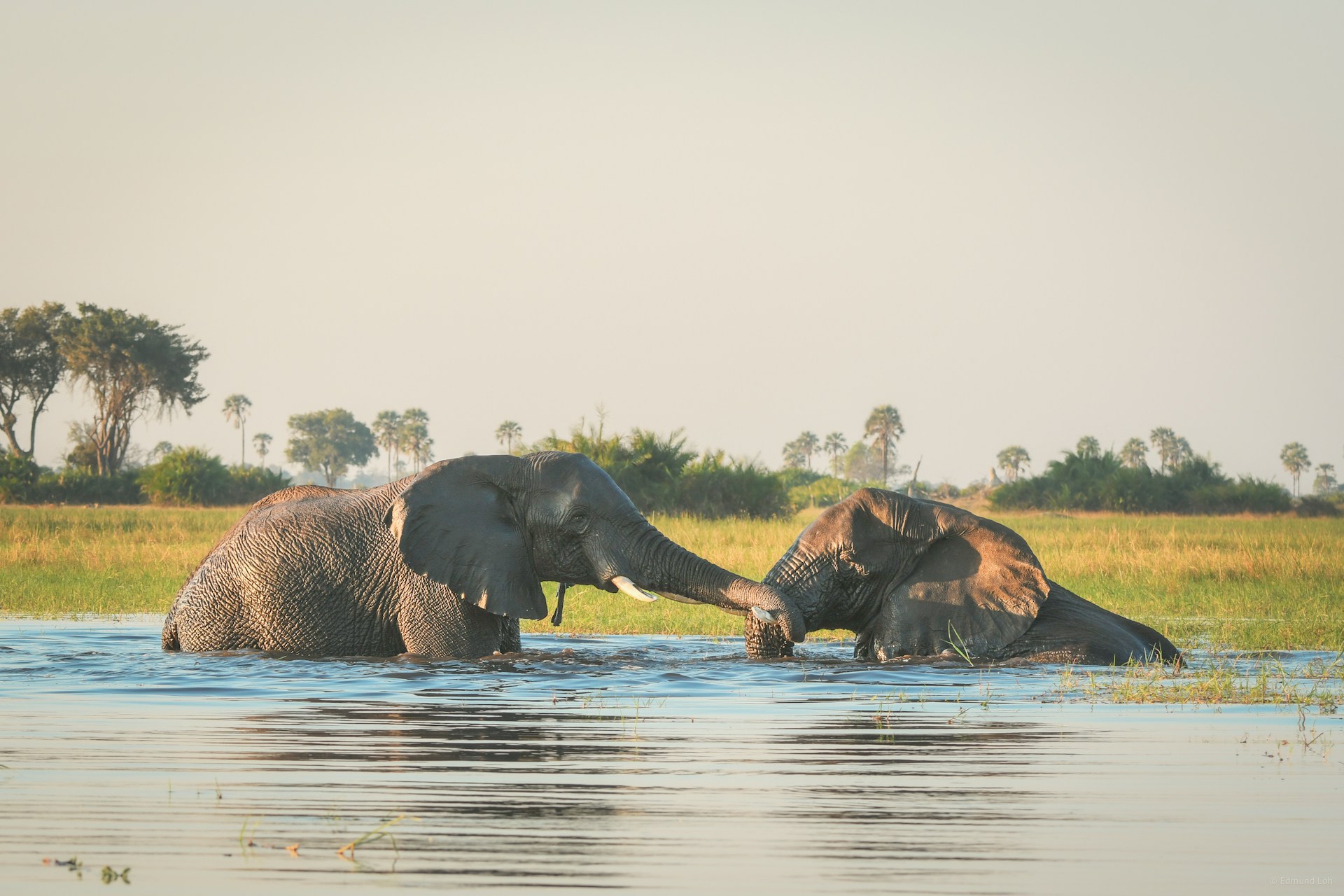
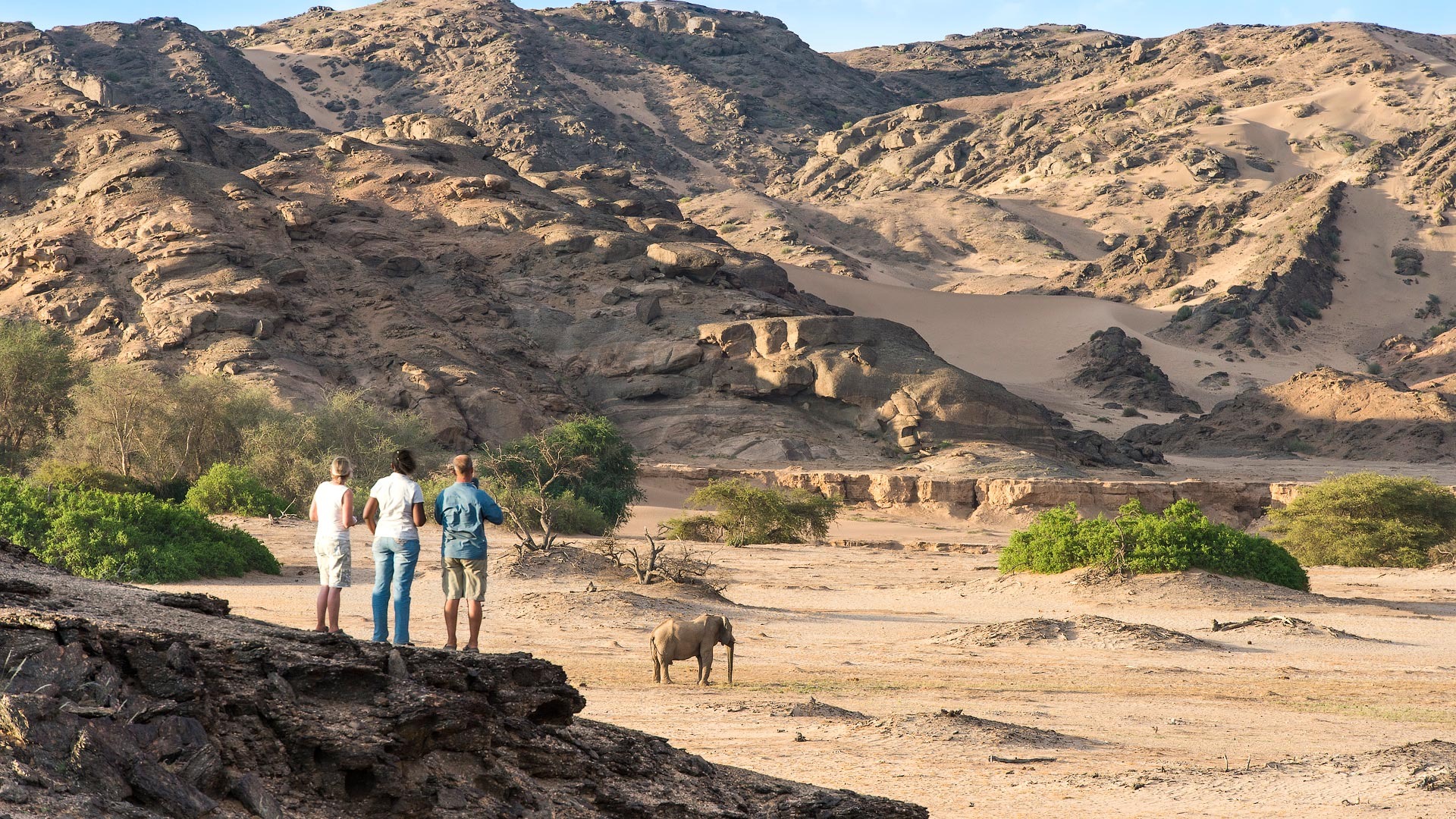
With 40,000 muscles in their trunks alone, elephants are walking wonders. These gentle giants are Earth’s largest land animals, yet their true magnificence lies in their intelligence—tool use, complex communication, self-awareness, and apparent mourning rituals reveal minds as impressive as their bodies.
Matriarchal herds, led by the oldest and wisest female, demonstrate decision-making that ensures survival during droughts and threats. Males leave at adolescence, becoming solitary nomads or forming bachelor groups, their enormous tusks growing throughout their lives.
Where Giants Roam:
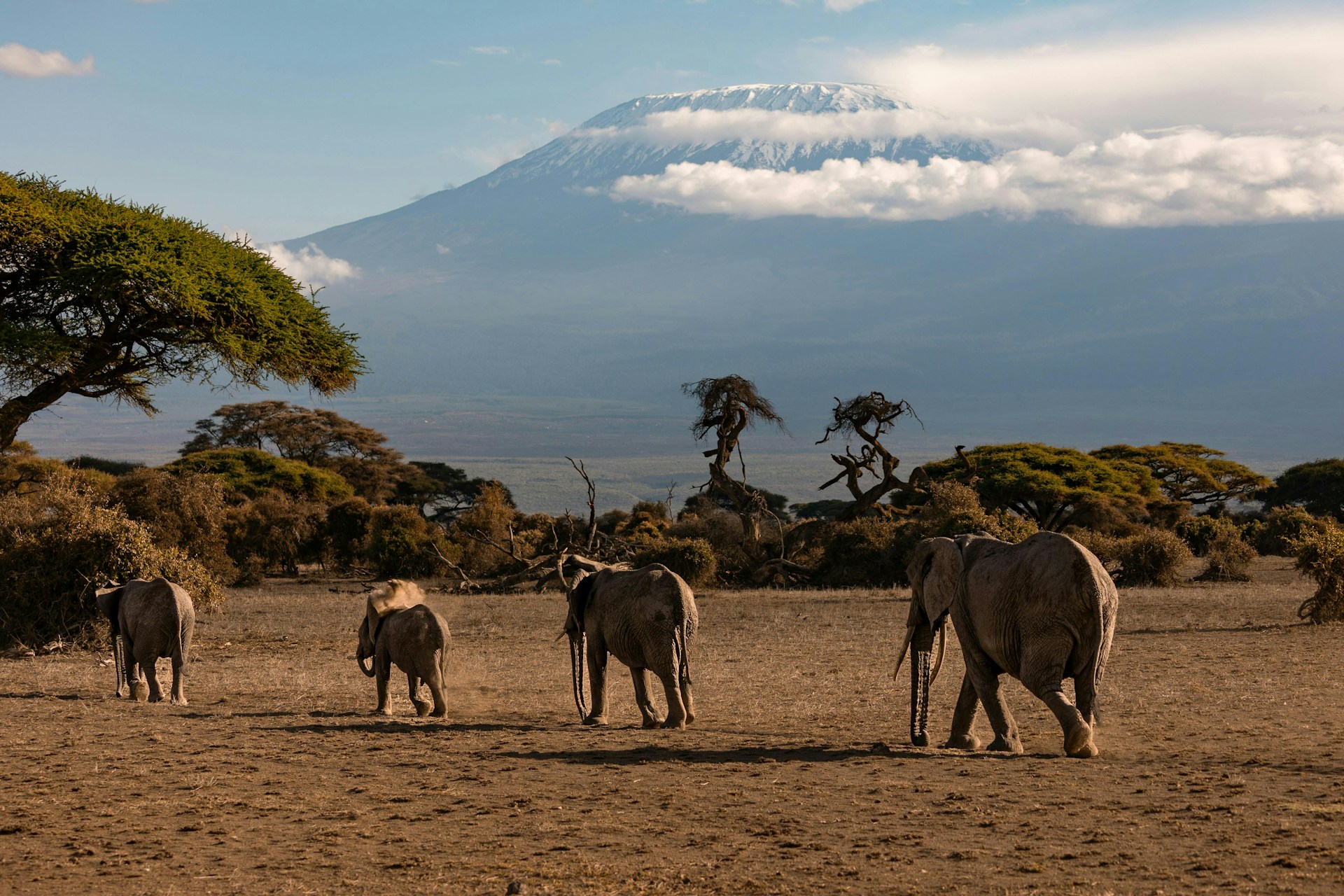
- Kenya: Amboseli’s herds against Kilimanjaro’s backdrop create Africa’s most iconic scenes
- Tanzania: Tarangire hosts massive dry-season concentrations
- Botswana: Chobe boasts possibly Africa’s highest elephant density—over 120,000 individuals
- Zimbabwe: Hwange and Mana Pools for intimate encounters
Viewing Strategy: Follow water during the dry season. Elephants need 150-300 kg of vegetation and 200 liters of water daily, making waterholes during arid months the ultimate viewing hotspots.
Conservation Crisis: Despite being the easiest Big Five to find, elephants are Endangered. Populations crashed from 3-5 million to approximately 415,000 today, primarily due to ivory poaching.
Experience the intelligence and grace of elephant families: plan your safari today.
ENQUIRE NOW
African Buffalo (Syncerus caffer): The Unpredictable Powerhouse
Don’t let their bovine appearance fool you. Buffalo are among Africa’s most dangerous animals—unpredictable, aggressive when threatened, and responsible for more hunter fatalities than any other African Big Five member. The “boss”—a shield of horn material covering mature males’ foreheads—testifies to countless battles for dominance.
Living in herds from 50 to over 1,000 strong, buffalo exhibit complex social structures and show remarkable courage. Healthy herds fear only lions, sometimes even turning to defend wounded members in dramatic confrontations.
Buffalo Country:
- Tanzania: Serengeti and Katavi’s massive seasonal concentrations
- Kenya: Maasai Mara’s enormous herds
- Botswana: Okavango Delta and Chobe
- South Africa: Kruger National Park
Viewing Strategy: Buffalo are the easiest Big Five to find. Look for them grazing in open grasslands during cooler morning and evening hours, near water midday, and in woodland shade during peak heat.
Conservation Status: Near Threatened, with approximately 400,000 individuals. While populations remain relatively stable in protected areas, disease transmission from domestic cattle poses significant threats.
Rhinoceros: Living on the Edge
Africa’s rhinos—Black and White—represent both conservation’s greatest success and most urgent crisis. Despite their names, both are grey; the distinction lies in their lips and temperament.
Black Rhino (Diceros bicornis): Smaller, solitary, and notoriously aggressive with hooked lips for browsing. They inhabit dense bush and may charge without apparent provocation—unpredictability personified.
White Rhino (Ceratotherium simum): Africa’s largest rhinos with square lips for grazing. More social and placid, they prefer open grasslands.
Where to Find These Armoured Relics:
- Tanzania: Ngorongoro Crater offers Africa’s best black rhino viewing
- South Africa: Hluhluwe-iMfolozi (white rhino conservation’s birthplace) and Kruger
- Kenya: Ol Pejeta Conservancy and select Laikipia properties
- Namibia: Etosha’s free-ranging populations
The Poaching Crisis: Black rhino populations crashed 96% between 1970-1995, declining from 65,000 to just 2,410 before intensive conservation brought numbers to approximately 5,600 today. White rhinos recovered from fewer than 100 to 18,000—conservation’s greatest success story—but recent poaching surges threaten this recovery.
Rhino horn, made of keratin (like human fingernails), commands up to $60,000 per kilogram in illegal markets. False medicinal beliefs drive demand, requiring sophisticated anti-poaching responses including helicopters, armed rangers, and wildlife technology.
Conservation Status: Black rhinos remain Critically Endangered; white rhinos are Near Threatened.
Planning Your Big Five Safari: Expert Insights
Best Destinations for Complete Sightings
Maasai Mara, Kenya delivers all five members, though rhinos are less common. Combine with conservancies for improved odds.
Ngorongoro Crater, Tanzania provides extraordinary density viewing in a compact volcanic caldera—often called “Africa’s Garden of Eden.”
South Africa’s Greater Kruger (including Sabi Sands) arguably offers the best overall Big Five viewing. Excellent populations of all five species, particularly habituated leopards, make this premier territory for guaranteed encounters.
Timing Matters
Early morning (6:00-9:00 AM) and late afternoon (4:00-7:00 PM) offer peak activity and golden light. Predators are most active during cool hours, while elephants and buffalo feed at dawn and dusk. Night drives, where permitted, dramatically improve leopard viewing success.
Let us craft your perfect Big Five safari
REQUEST QUOTE
Beyond the Checklist: Conservation and Connection
Why Your Safari Matters
Every Big Five safari supports conservation through tourism revenue, local employment, and demonstrates wildlife’s economic value beyond poaching. Parks that generate visitor income receive better protection, and communities that benefit from wildlife tourism become conservation partners rather than competitors.
The Reality Check
- Lions: Vulnerable, declining 43% in 20 years
- Leopards: Vulnerable but adaptable
- Elephants: Endangered, down from millions to 415,000
- Buffalo: Near Threatened but stable in protected areas
- Rhinos: Critically Endangered (black) to Near Threatened (white)
Your encounter with these icons isn’t just personal achievement—it’s participation in ensuring future generations inherit a world where wild lions still roar, elephants still shape landscapes, and rhinos still exist beyond photographs.