From
$6,519

🔒 Your details are kept private and never shared with third parties.
In the heart of Amboseli National Park, where Africa's greatest elephant herds move beneath the snow-capped summit of Kilimanjaro
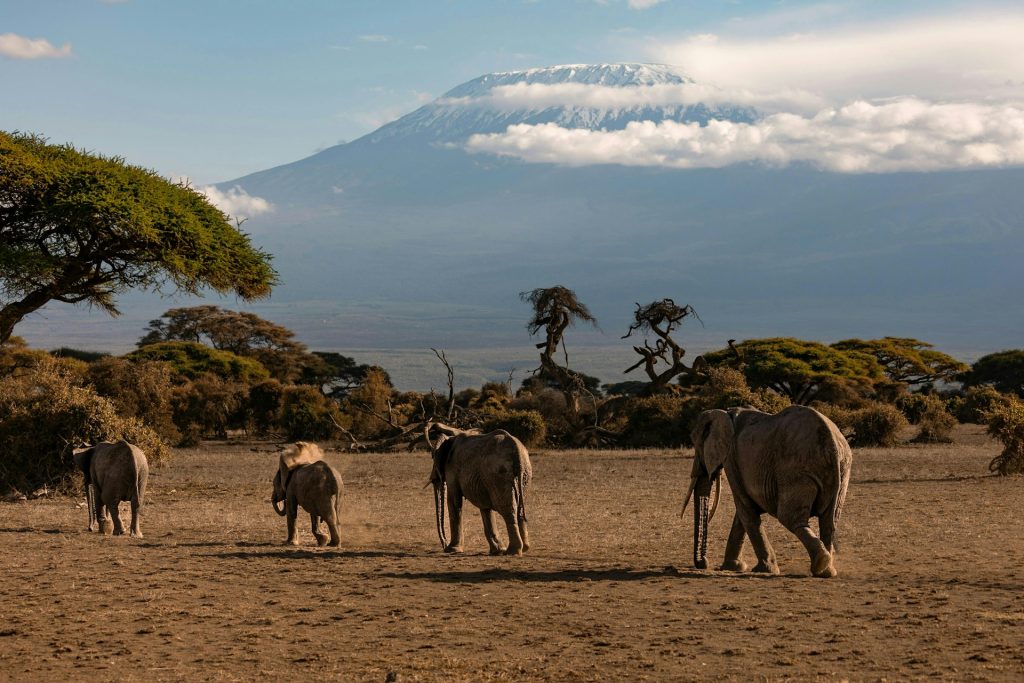
There is a particular image that defines Amboseli in the global imagination — an elephant family, dust rising from their feet, the white cone of Kilimanjaro filling the sky behind them. It is one of the most reproduced wildlife photographs in the world, and it was almost certainly taken from within the terrain that Ol Tukai Lodge occupies. The lodge sits at the centre of Amboseli National Park, on a site with a history that stretches back to 1948, when a film crew arrived here to shoot the Gregory Peck and Ava Gardner adaptation of Hemingway’s The Snows of Kilimanjaro. The lodge that opened on that original camp in 1996 has made Amboseli’s iconic image its own, and it does so from a position of genuine, unimprovable proximity.
From the manicured gardens and the open-air Elephant Bar to the boundary fence where elephant herds and zebra graze within metres of guests taking breakfast, Ol Tukai is a lodge that understands the privilege of its location and builds its entire experience around it. The mountain, when it reveals itself on clear mornings — which it does most reliably in the early light before cloud builds around the summit — produces a response in guests that no number of photographs adequately prepares them for. At 5,894 metres, rising almost sheer from the 1,200-metre Amboseli plains, it is simply one of the great views on earth.
Eighty chalet-style rooms are set within beautifully maintained gardens of acacia and indigenous planting, each facing either Kilimanjaro or the wetlands that form the park’s ecological heart. These freshwater swamps — fed by underground water from Kilimanjaro’s glaciers — are the reason Amboseli’s elephant population is so large and so resident. Over a thousand elephants depend on this permanent water, and the park’s famous big-tusked bulls are among them — individuals documented by the Amboseli Elephant Research Project, whose team has occupied the park since 1972 and whose presence gives Ol Tukai an educational dimension unavailable at any other Amboseli address.
The lodge makes particular sense for families: eighty rooms provide the scale of infrastructure — a full pool, multiple dining areas, children’s activities, and a children’s menu — that smaller Amboseli camps cannot match, while the park’s relatively compact size and reliable elephant encounters ensure that even the youngest family members leave with something vivid and lasting.
Set at the very centre of Amboseli National Park, on the original site used by a film crew shooting the 1948 Hemingway adaptation The Snows of Kilimanjaro, Ol Tukai Lodge commands one of the finest positions of any lodge in East Africa. 80 chalet-style rooms face either the wetlands or Kilimanjaro
Ol Tukai Lodge operates under a comprehensive Environmental Management Plan that sets out the lodge's commitments across water conservation, energy use, and waste management, an unusual degree of transparency for a Kenyan safari property and a genuine signal of institutional intent rather than marketing language.
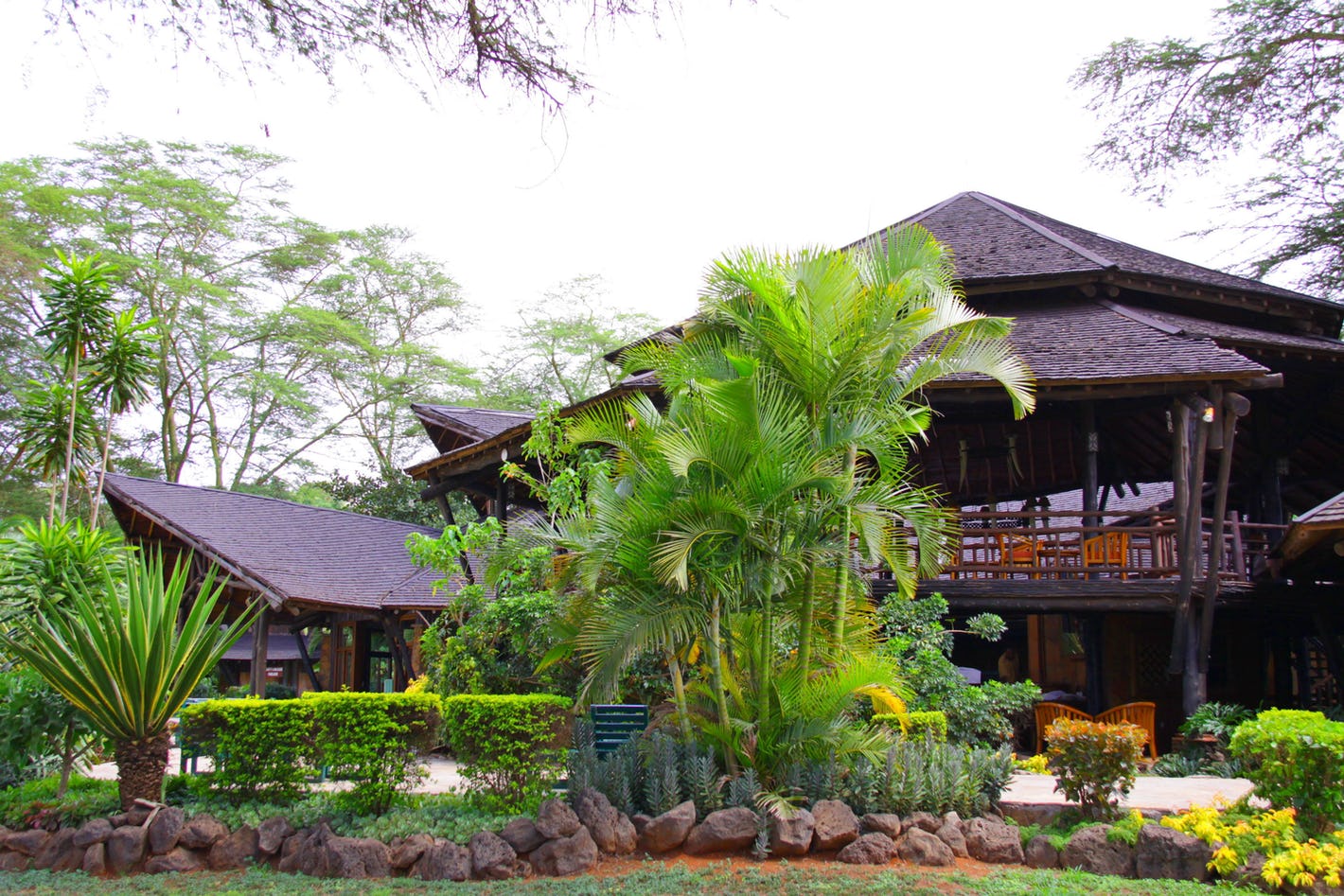
All eighty chalet-style rooms at Ol Tukai are constructed from local timber, thatch, and river stone — materials that root the lodge visually in the Amboseli landscape and give each room a warmth and solidity that contemporary architectural approaches often sacrifice in favour of glass and steel. Every room has a private terrace with uninterrupted views of either Kilimanjaro or the wetlands, an en-suite bathroom, mosquito netting over quality beds, a fan, a tea and coffee station, and an in-room safe. Two rooms are built to EU accessibility standards. Kibo Villa — a self-contained three-bedroom sole-use property with a lounge, dining room, large veranda, roof terrace, Jacuzzi, and private barbecue area — is the lodge’s most exclusive accommodation and a genuinely outstanding option for families or small groups seeking complete autonomy over their Amboseli stay.
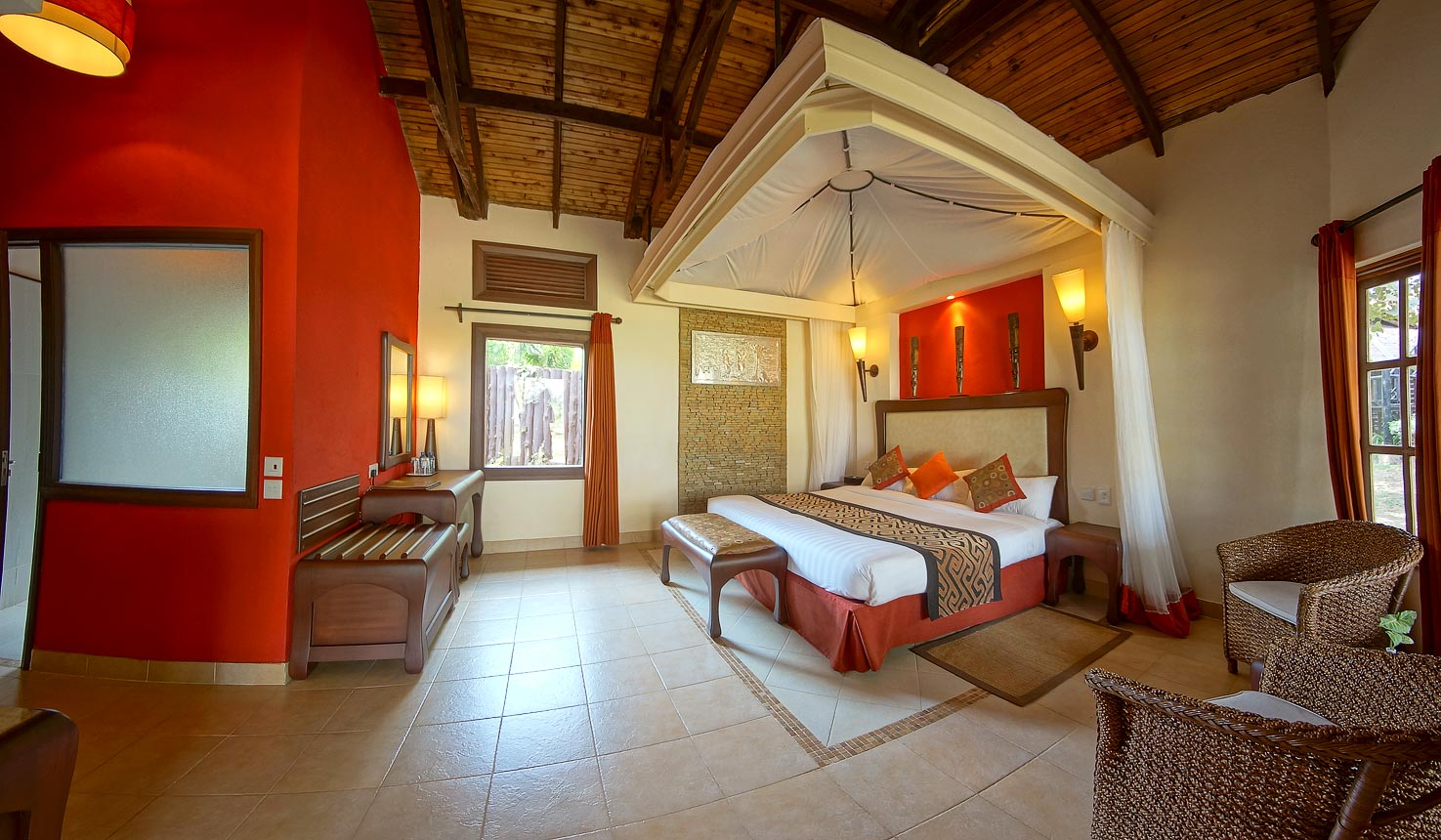
Forty rooms positioned to face Mount Kilimanjaro directly — the most sought-after orientation at any Amboseli lodge, for obvious reasons. A private terrace with the mountain on the horizon as the principal view, twin or double beds with quality linens and mosquito netting, en-suite bathroom, tea and coffee station, fan, and in-room safe.
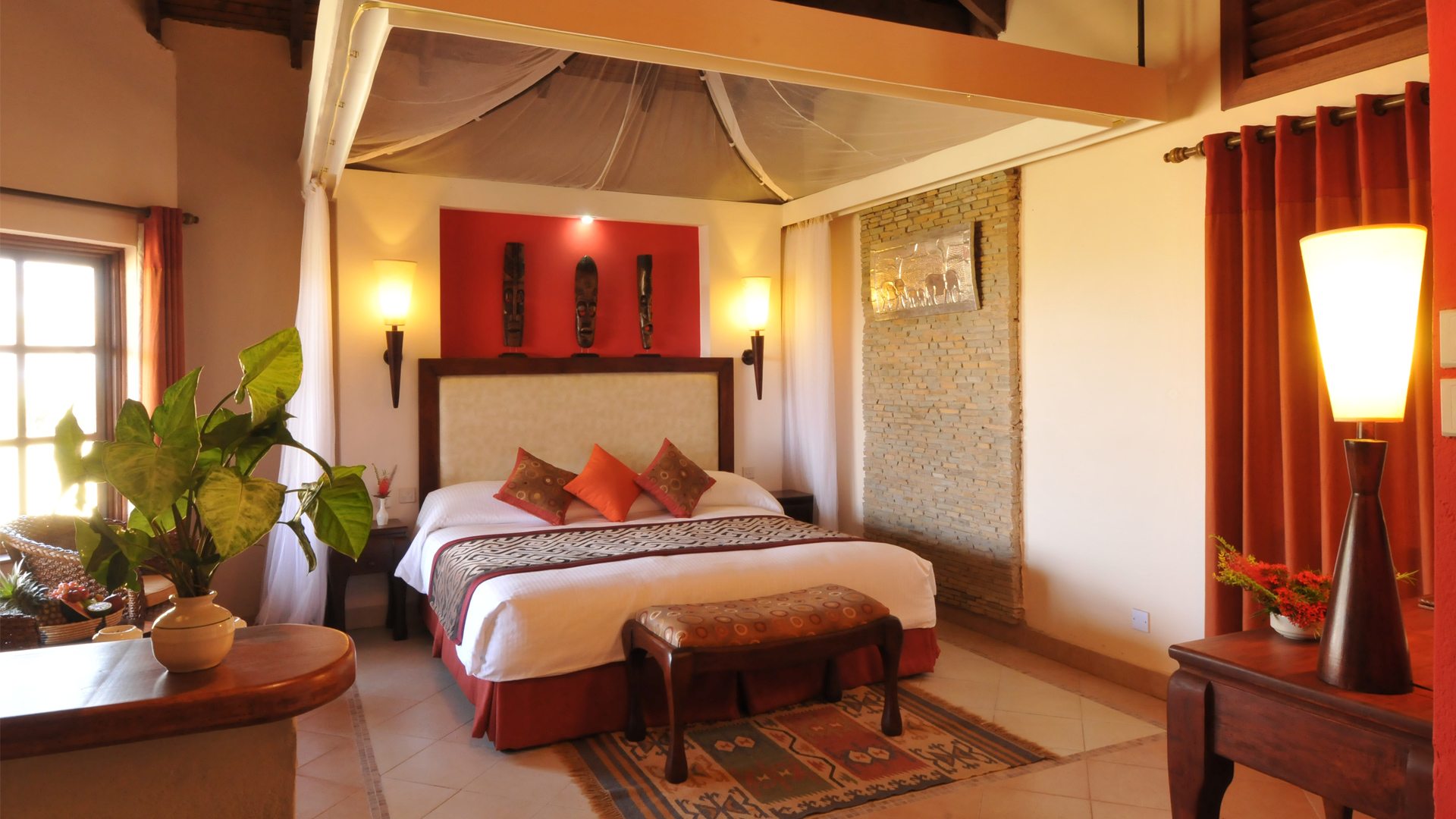
Forty rooms oriented toward Amboseli's permanent wetlands — the freshwater swamps fed by Kilimanjaro's underground glacial water that sustain the park's extraordinary elephant population and attract a density of birdlife that makes these rooms a particularly rewarding choice for wildlife enthusiasts
Every moment at Ol Tukai Lodge is crafted to immerse you deeper in the wild.
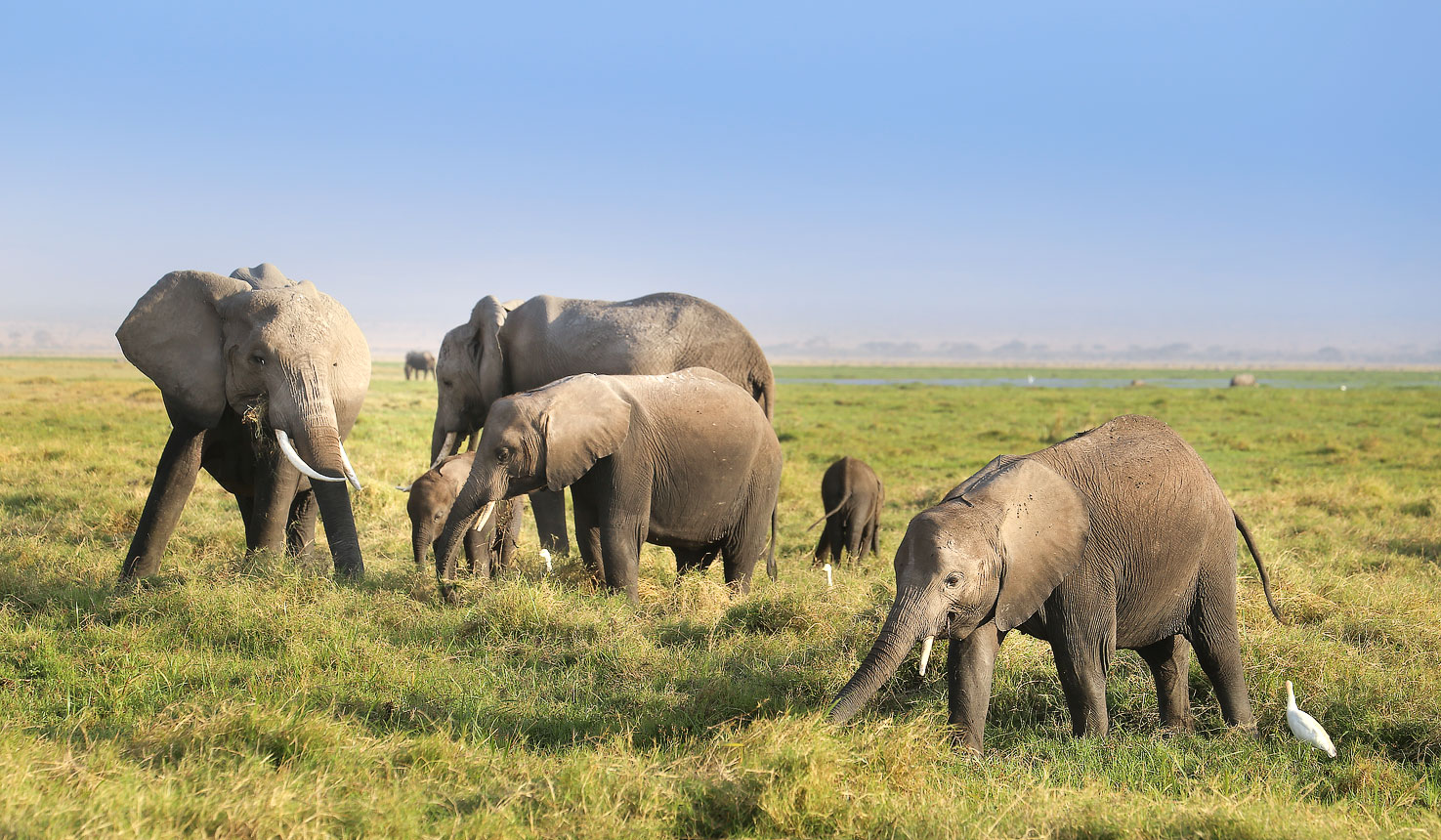
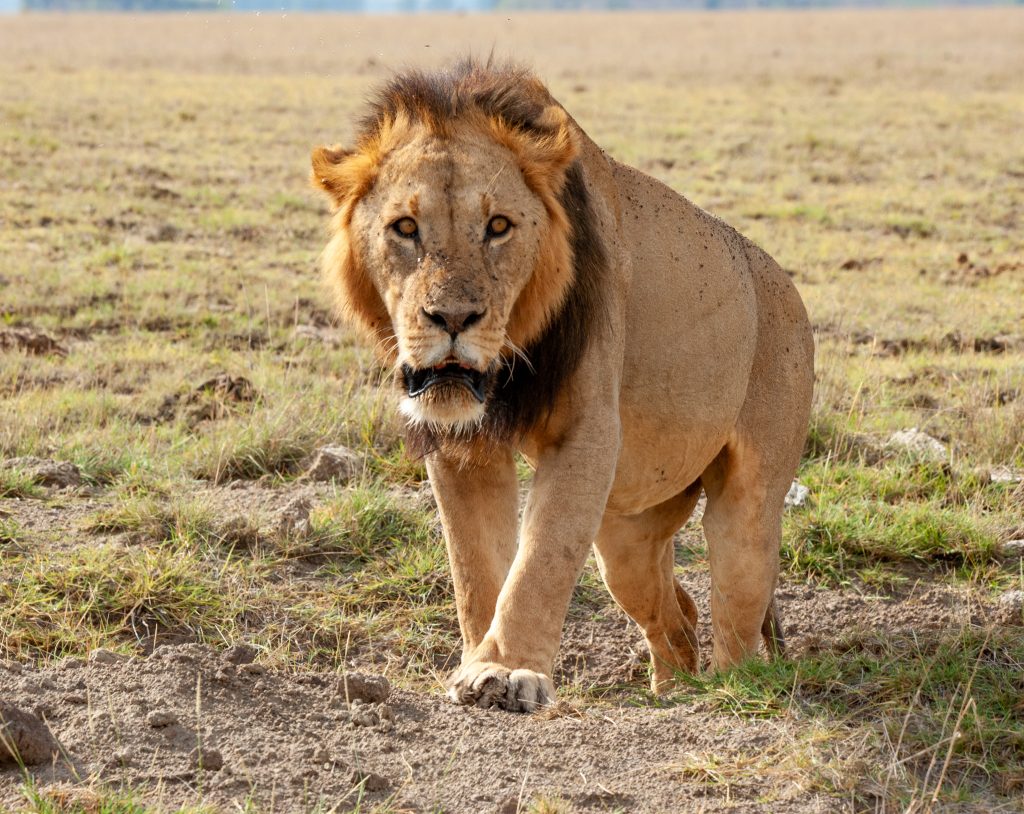
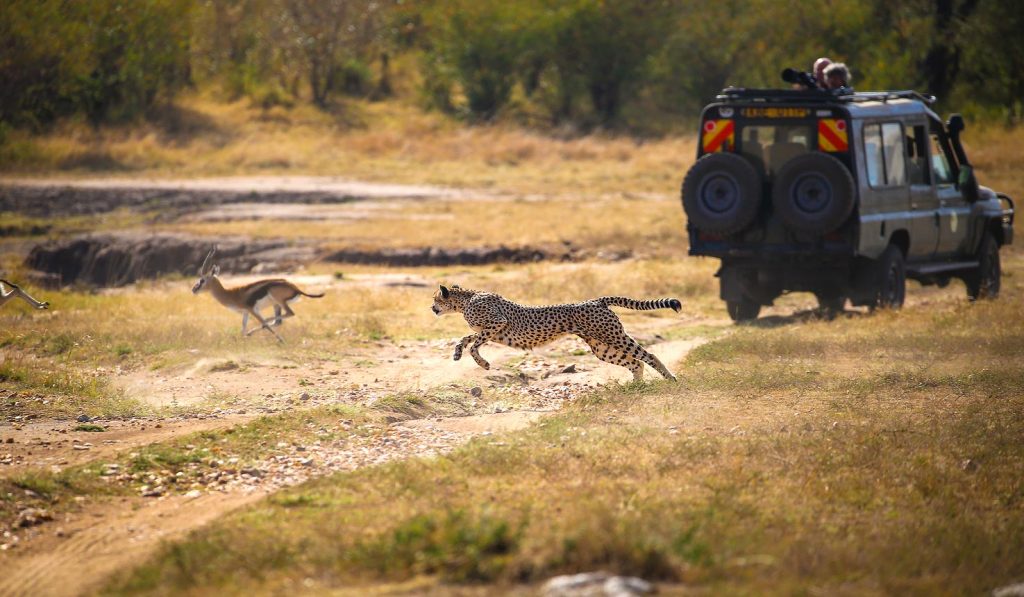
Morning and afternoon game drives across Amboseli National Park's varied terrain, open grassland, acacia scrub, marshland, and dried lakebed, in the company of experienced guides whose knowledge of the park's resident elephant families, lion prides and predator circuits is built from daily fieldwork
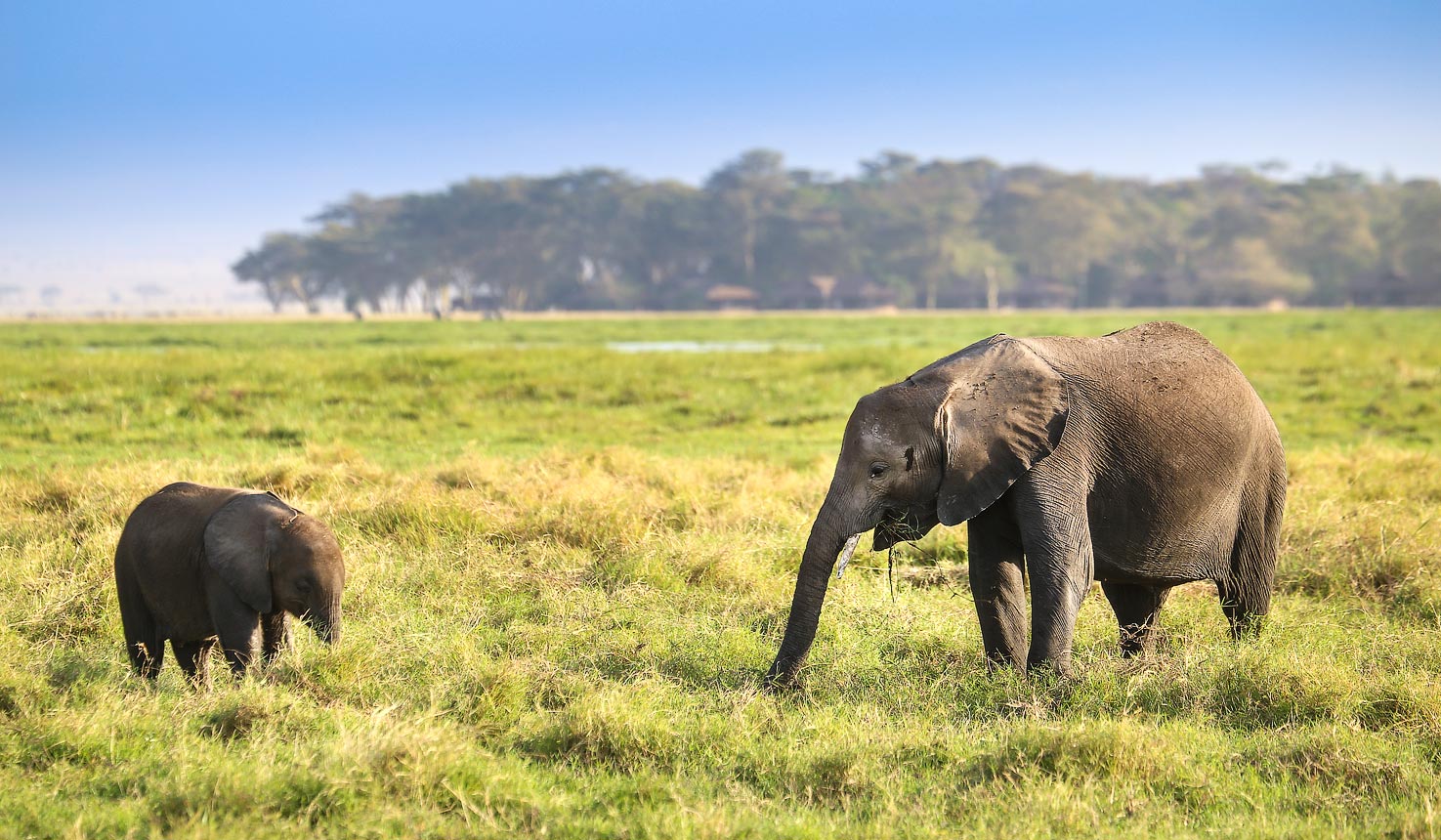
Founded by Dr Cynthia Moss in 1972, the Amboseli Elephant Research Project is one of the world's longest-running wildlife studies and has produced the most comprehensive scientific record of elephant behaviour, social structure, and population dynamics ever compiled.
Ready to plan your stay?
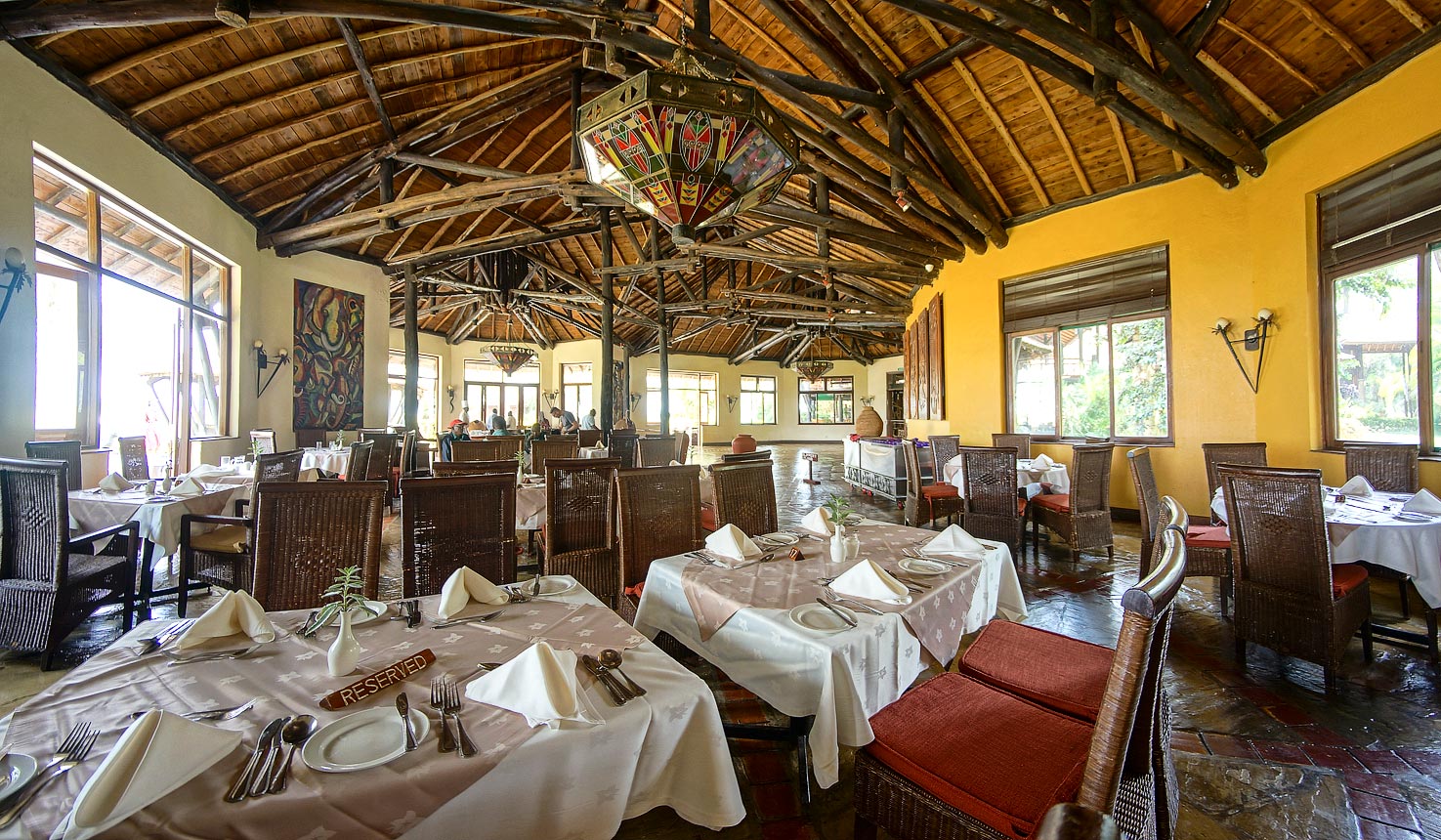
The dining room at Ol Tukai is anchored by an extraordinary sisal tapestry, created by a local Amboseli artist and depicting the Maasai people across the full length of the room’s interior wall — a piece that draws guests in close before they’ve even looked at the menu. The veranda just beyond opens directly onto the garden and the boundary where elephant, zebra, and antelope graze metres away — making al fresco lunch one of the most animated meals of any safari stay. Buffet meals are generous and varied, drawing on Kenyan, international, and theme-night menus (including Swahili and barbecue evenings) that prevent routine from settling across a multiple-night stay. The two-storey open-air Elephant Bar, positioned between the lounge and dining room, serves cocktails, cold beers, and fresh juices from its ground level and offers a raised upper deck with panoramic views of the wetlands and Kilimanjaro — the sundowner position in Amboseli that guests consistently rate among the finest in Kenya. A resident masseuse offers in-lodge treatments for guests wanting recovery between game drives.
Amboseli National Park is rewarding year-round, and Ol Tukai operates without seasonal closure. The dry seasons — January to February and June to October — deliver the most reliable game viewing, with shorter grasses, excellent elephant concentrations at the wetlands, and the clearest Kilimanjaro views. The mountain is most consistently visible in the early hours of the dry season’s mornings, before afternoon cloud builds around the summit — the logic behind every early alarm call in Amboseli.
The long rains of April and May see the landscape transform into something lush and dramatically green; visitor numbers drop considerably, rates are typically the most accessible of the year, and Amboseli’s resident wildebeest calving season brings sustained predator activity to the open plains. The short rains of November and December are brief and rarely disruptive; the park’s permanent wetlands ensure that wildlife concentrations — and the elephants that define the Amboseli experience — remain exceptional throughout. Ol Tukai’s size and full-service infrastructure make it an effective year-round base in any season, and its position at the heart of the park means that game drive distances are minimised regardless of where the wildlife chooses to concentrate.
Explore handcrafted itineraries where Ol Tukai Lodge forms part of the journey.
Please share your name and email so we can follow up with you.