From
$7,221

🔒 Your details are kept private and never shared with third parties.
The only lodge on 25,000 hectares of Rift Valley wilderness, perched above a spring-fed waterhole at the foot of the Nguruman Escarpment .
The Nguruman Escarpment is the western wall of the Great Rift Valley in southern Kenya — a dramatic and largely unvisited edge of the country where the valley floor gives way to escarpment cliffs, acacia woodland, and the soda lakes that produce Kenya’s most concentrated flamingo populations. Lentorre Lodge sits at its foot, on the boundary of the Olkirimatian and Shompole conservancies, fed by clear springs emerging from the volcanic rock above. It is a landscape that most Kenya safari itineraries do not visit, which is precisely the point.
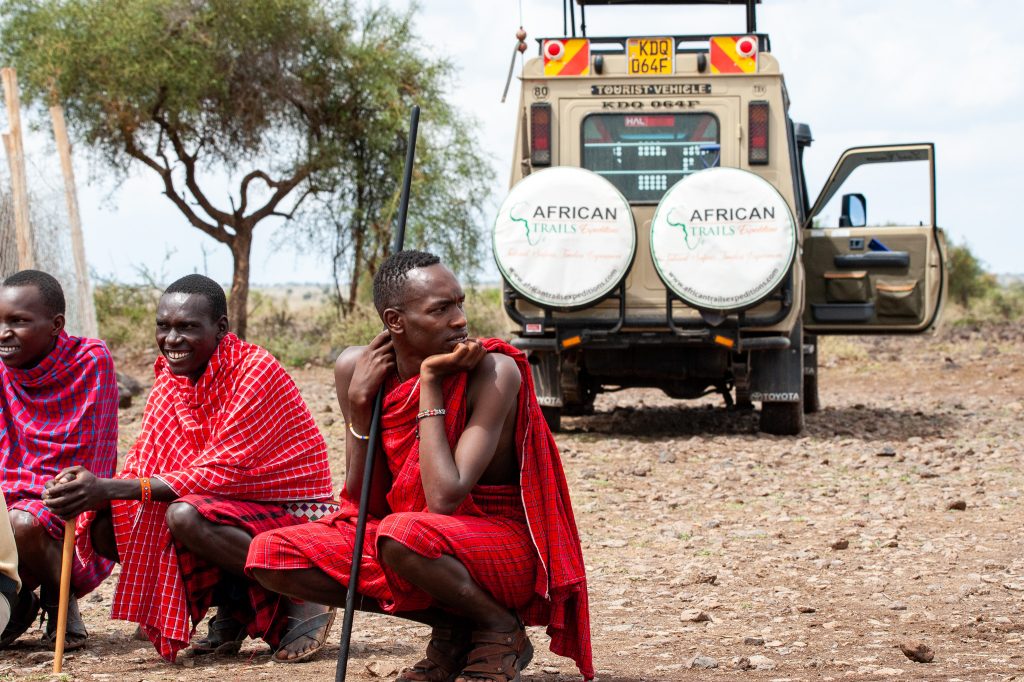
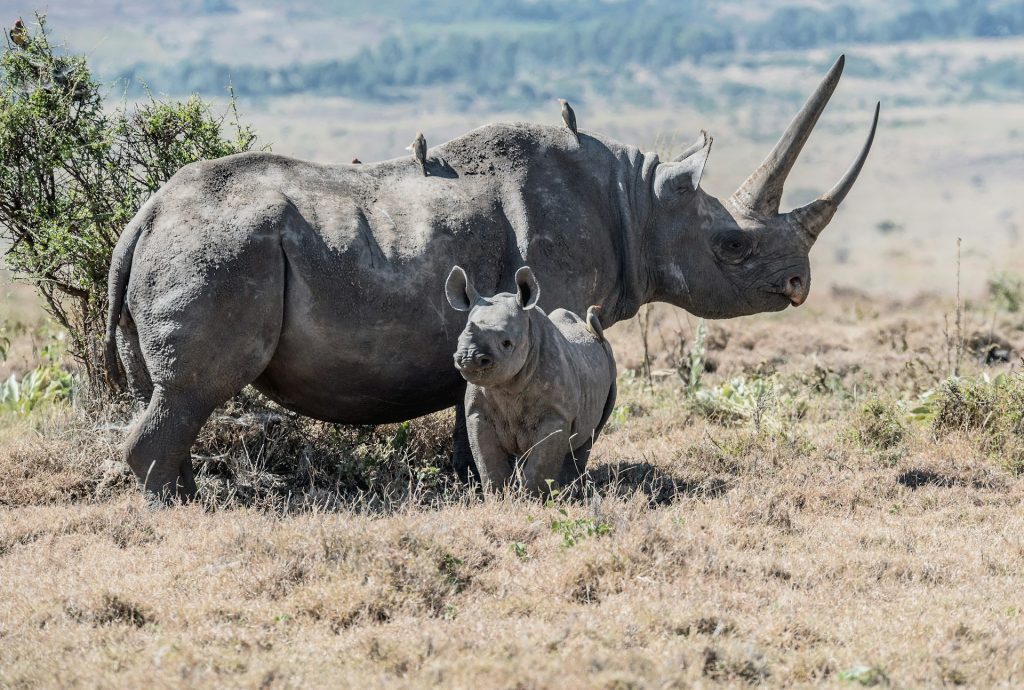
The lodge is family-owned, family-operated, and the only property within its 25,000-hectare conservancy. The Olkirimatian Conservancy is a Maasai community initiative — its 95% local staffing ratio is not a hiring policy but a reflection of the fact that this land belongs to the people who work it, and that the lodge’s presence is an extension of a community decision to protect both wildlife and traditional pastoral culture simultaneously. The conservancy’s most significant project, Rebuilding the Pride, has spent years demonstrating that lion populations and Maasai livestock can coexist — not as a compromise, but as a model. The lion numbers, and the leopard, cheetah, elephant, giraffe, kudu, and striped hyena alongside them, are evidence of how well that model is working.
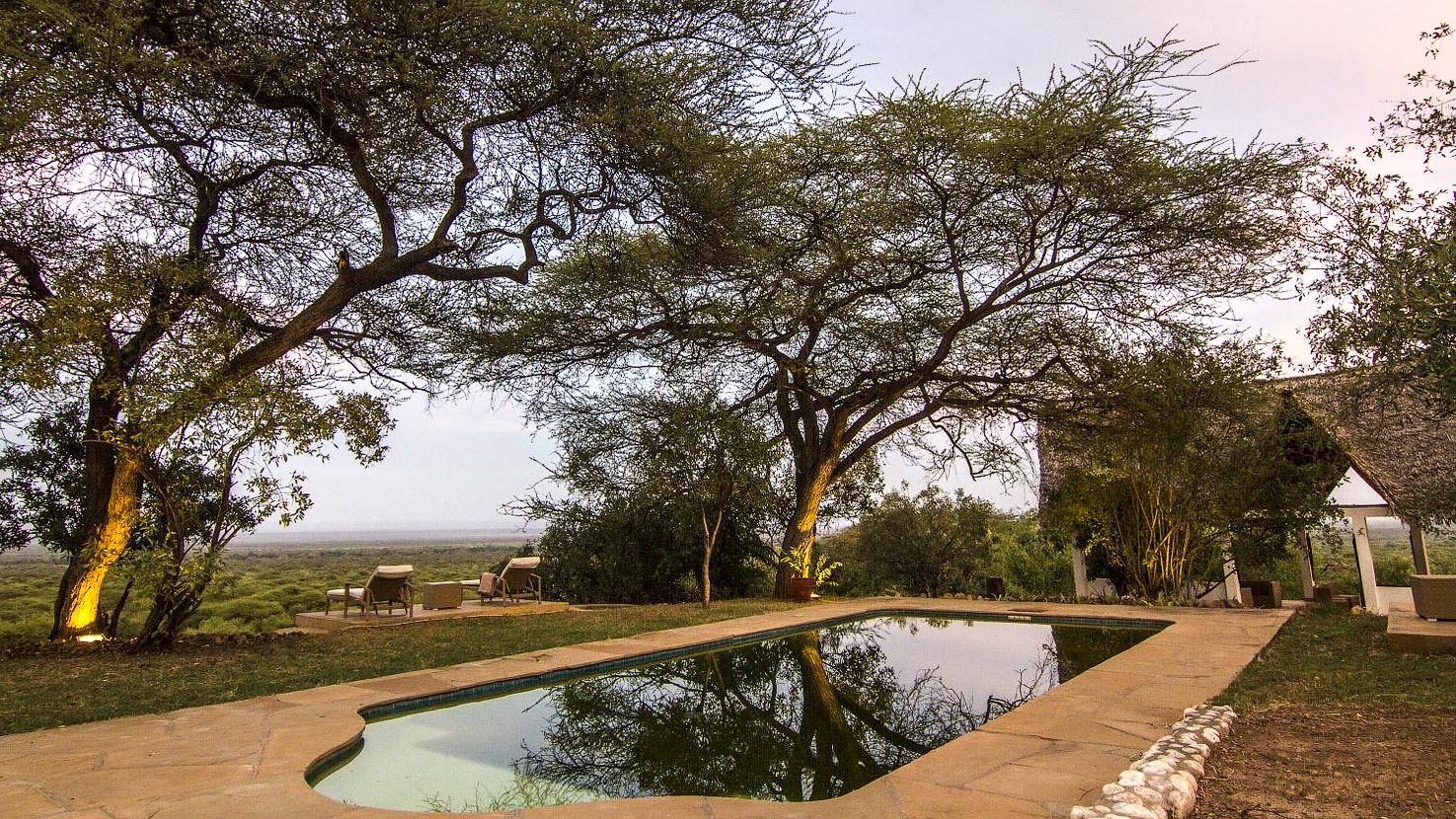
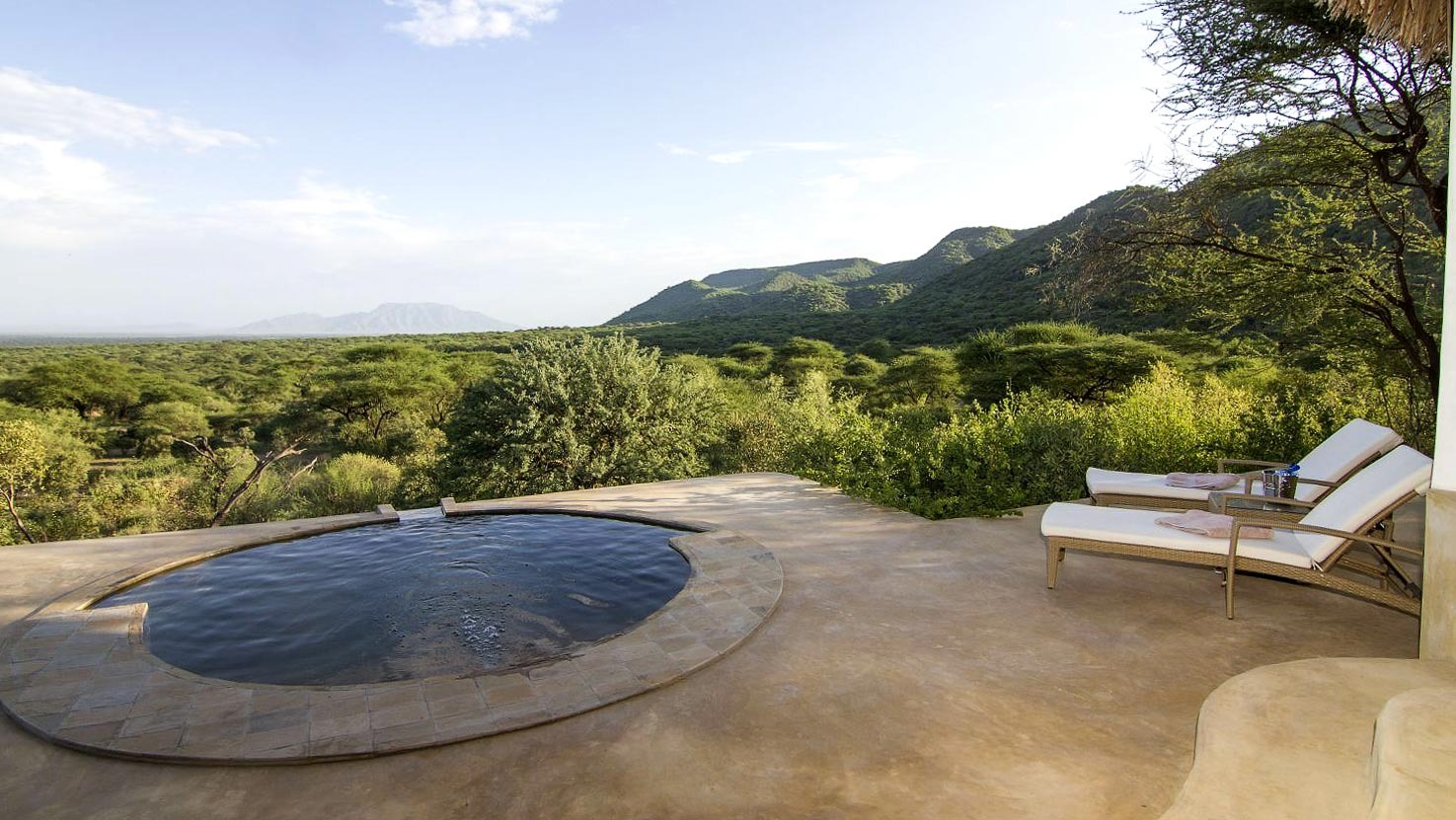
The lodge’s six villas are positioned above the valley with floor-to-ceiling unglazed openings that face east toward Mount Shompole and the plains below. Each has its own plunge pool. Below the main building, a sunken photographic hide sits at waterhole level — air-conditioned, soundproofed, equipped with professional camera-ready glass and low lighting, with a small bar, library, and sleeping accommodation inside it. Guests can spend an afternoon at eye level with zebra, kudu, and primates drinking in natural light, and then stay on as darkness falls and the shift changes to elephant, lion, hyena, and leopard. The hide is the most technically serious wildlife photography facility of any lodge in Kenya, and it functions equally well for guests whose only camera is their phone and who simply want to sit in silence ten metres from a herd of elephant in complete anonymity.
The only lodge in 25,000 hectares. Sixteen guests maximum, six private pool villas, an underground waterhole hide, and helicopter routes over flamingo pink Lake Magadi.
95% of staff drawn locally, all conservation fees directed into wildlife protection and community programmes. The lodge anchors Rebuilding the Pride, a carnivore recovery programme rebuilding lion populations across Olkirimatian and Shompole by proving livestock and predators can share the same landscape.
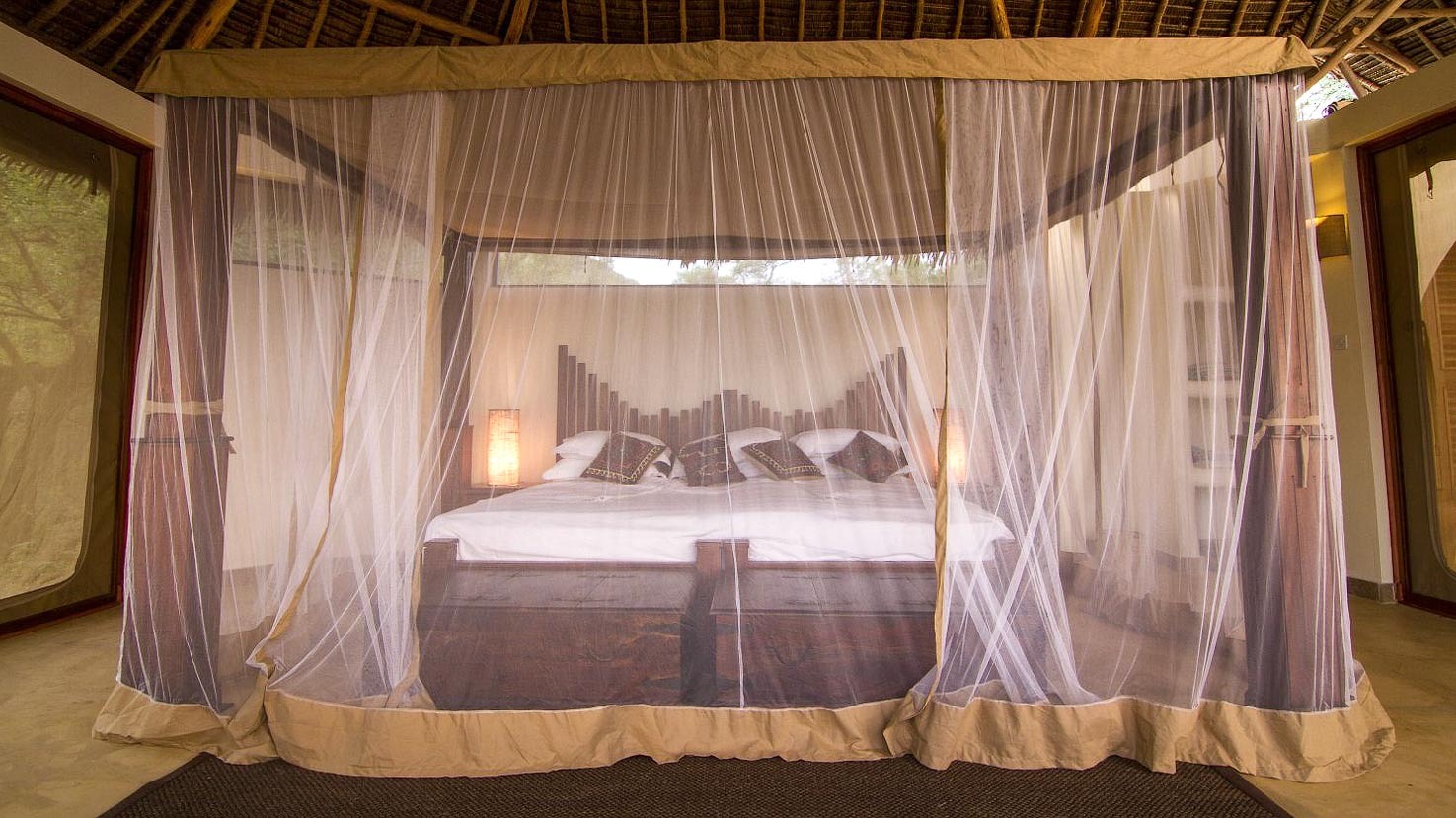
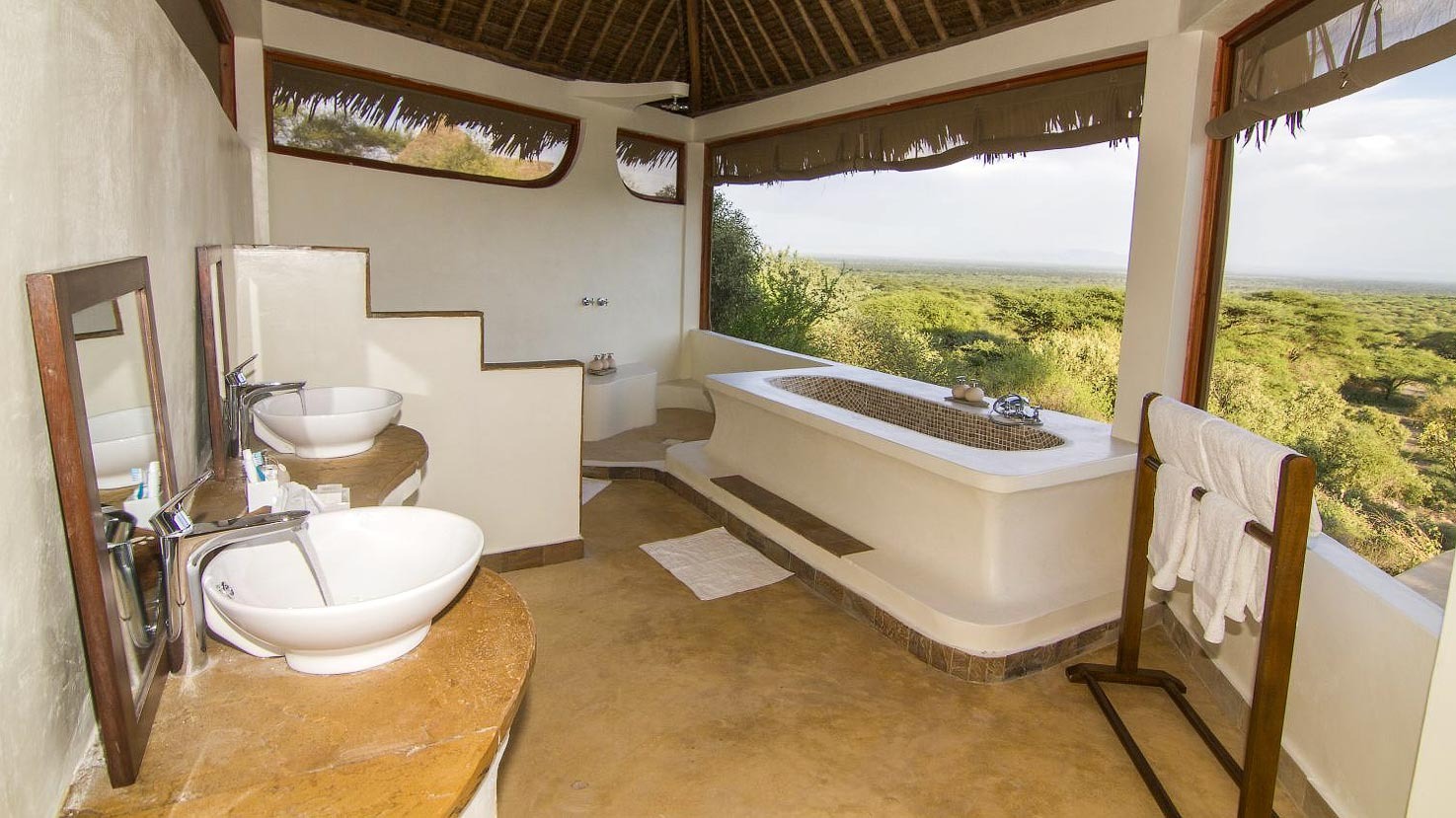
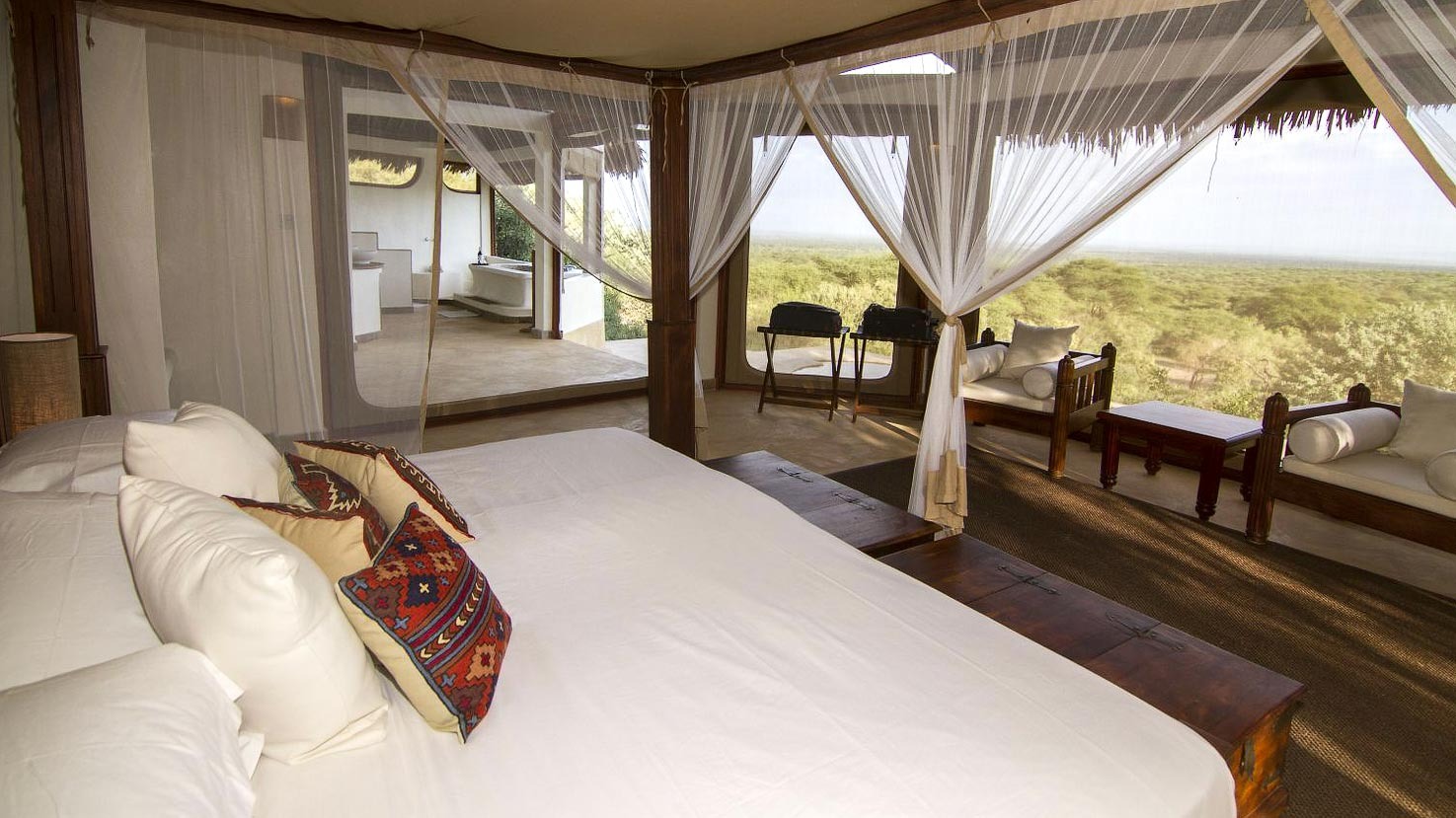
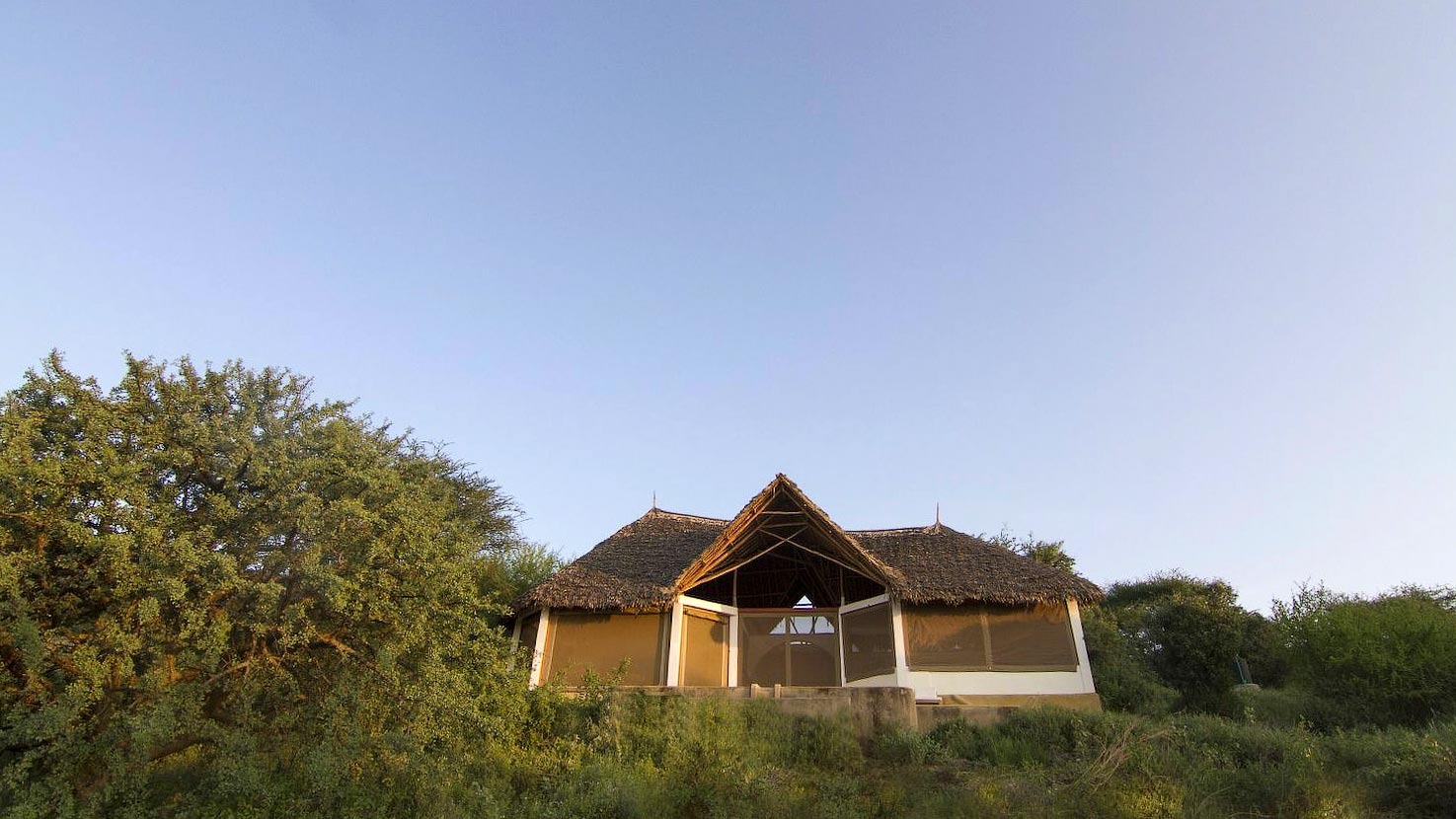
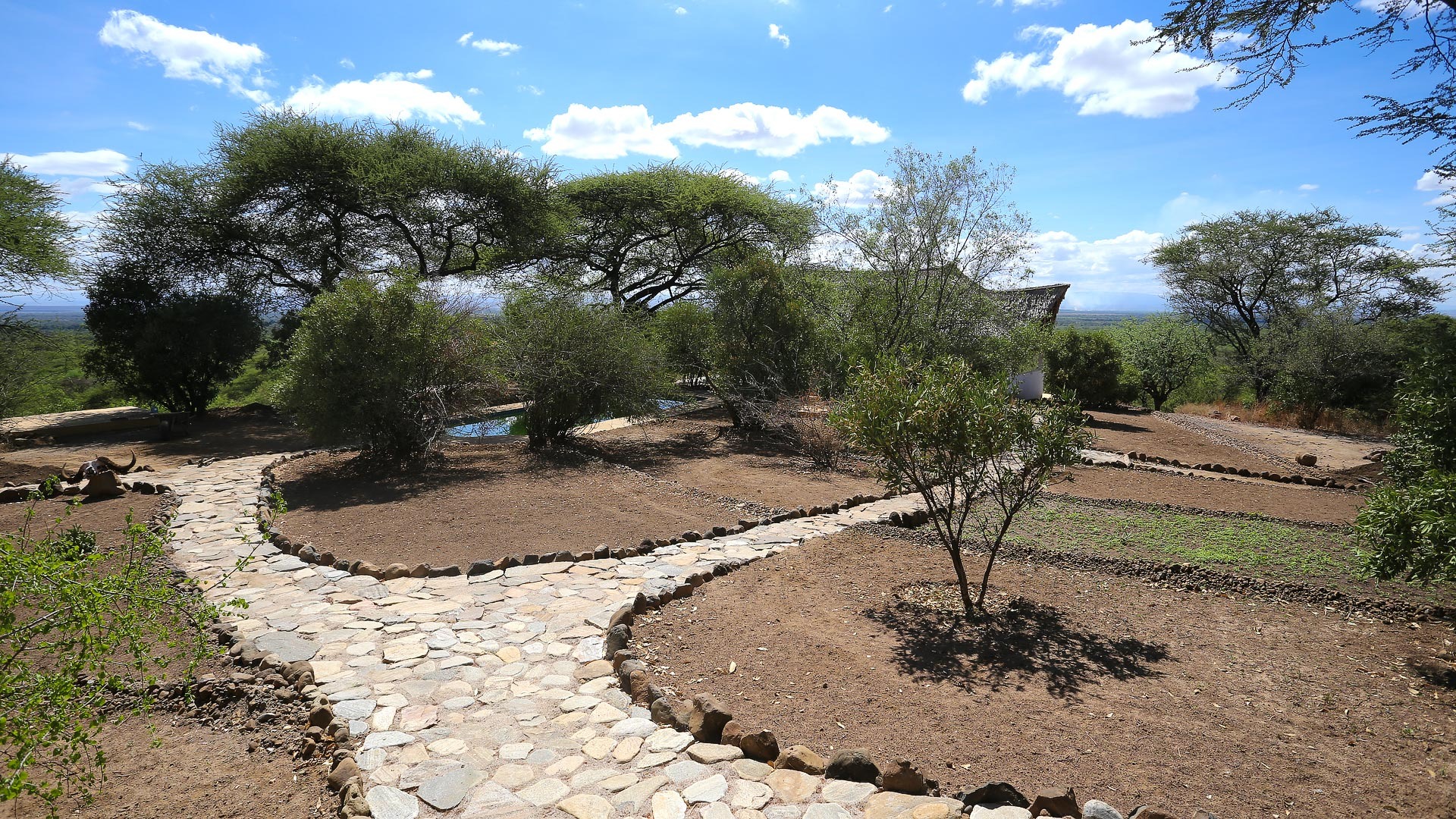
Six villas are distributed along the escarpment face in a configuration that gives each one unobstructed views east across the Rift Valley to Mount Shompole. Construction uses natural stone, timber, and thatch — a material palette drawn from the landscape rather than imported against it — with clean contemporary lines that avoid the temptation to over-decorate. The defining feature of each villa is its opening: floor-to-ceiling canvases that roll up fully to dissolve the wall between interior and wilderness, admitting both the view and whatever breeze is moving across the valley. When the canvases are up, the private plunge pool, the bathtub, and the bed share a single uninterrupted relationship with the escarpment and the sky above it. The four standard villas can be configured as double or twin. The honeymoon villa is the most private of the six, positioned for maximum seclusion and carrying the most considered interior detail. The family villa runs to two bedrooms and is designed around two age brackets: younger children benefit from proximity to the master villa; older children or teenagers are accommodated at a level of separation that produces independence without distance.
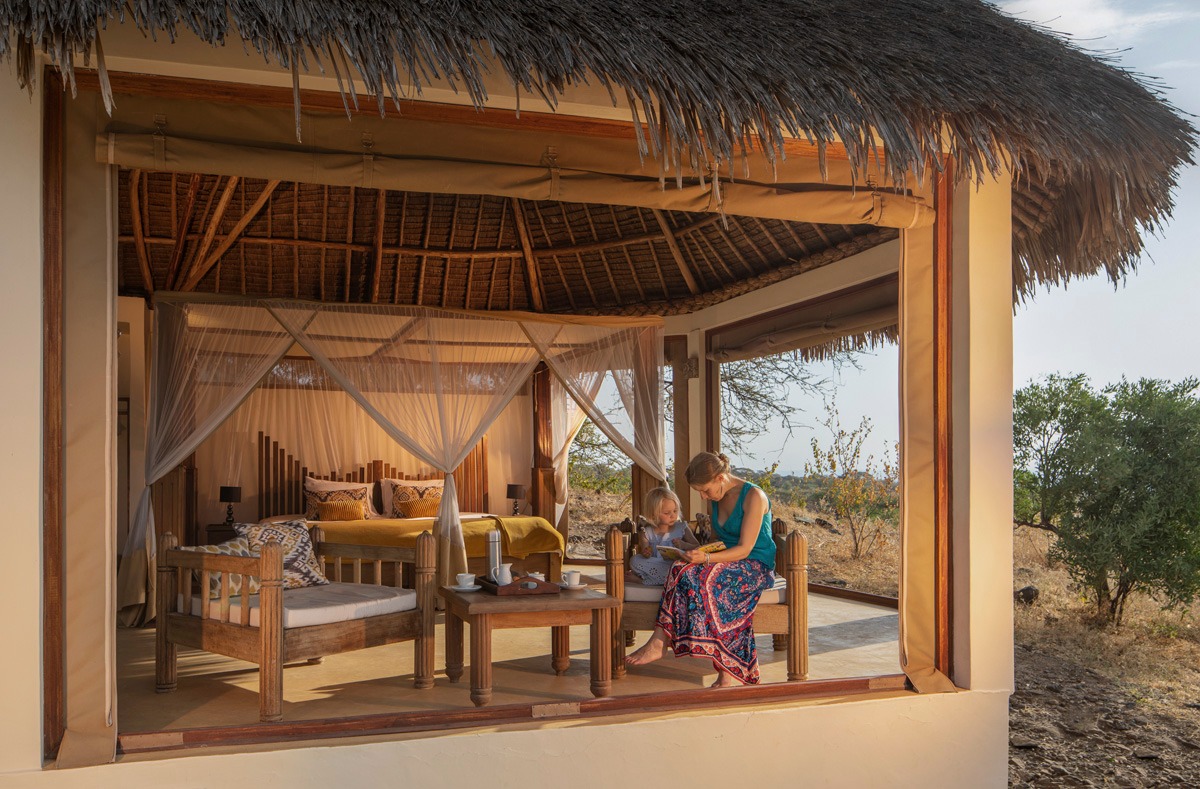
Four stone and thatch villas along the escarpment, each at a slightly different elevation, all facing east across the Rift Valley. Floor to ceiling canvases roll up fully, opening the plunge pool, daybed, bathtub and sleeping area to a single unbroken view. Freestanding bath, power shower, double or twin on request. Not a room designed to be left.
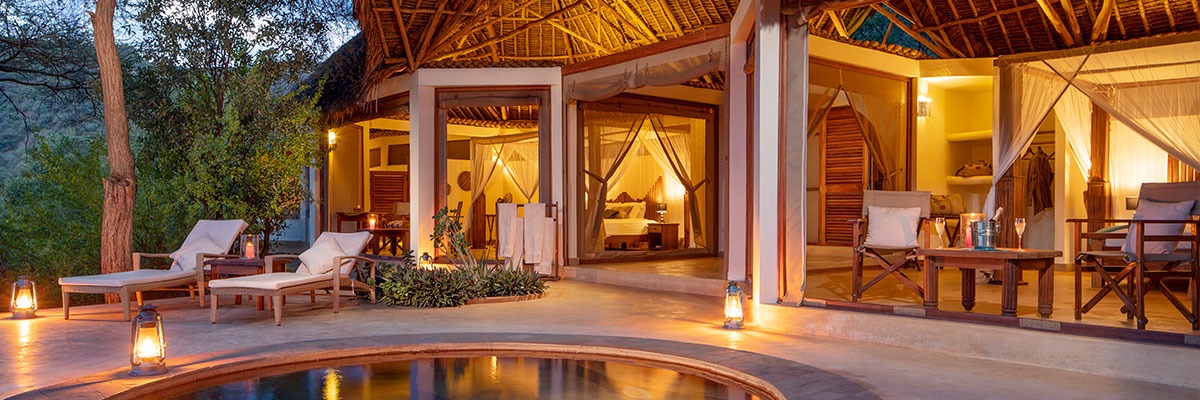
The most privately positioned villa, angled for maximum separation without sacrificing the Rift Valley view. Stone and thatch, roll up canvas frontage, private plunge pool, with more considered detail in the bedding, lighting and bathroom. The lodge team manages honeymoon arrivals with quiet, specific preparation. The kind of stay remembered years later.
Every moment at Lentorre Lodge is crafted to immerse you deeper in the wild.
Ready to plan your stay?
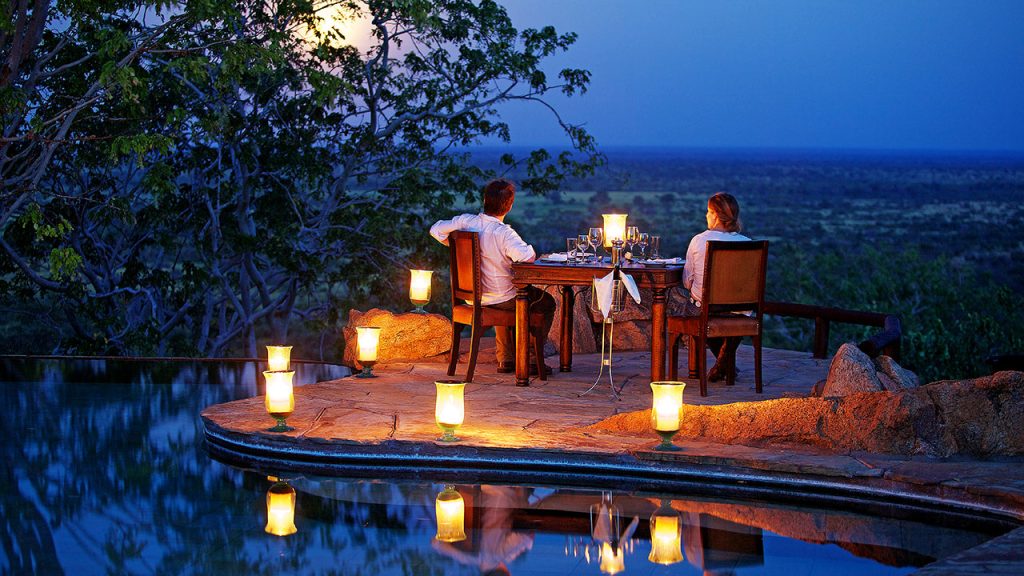
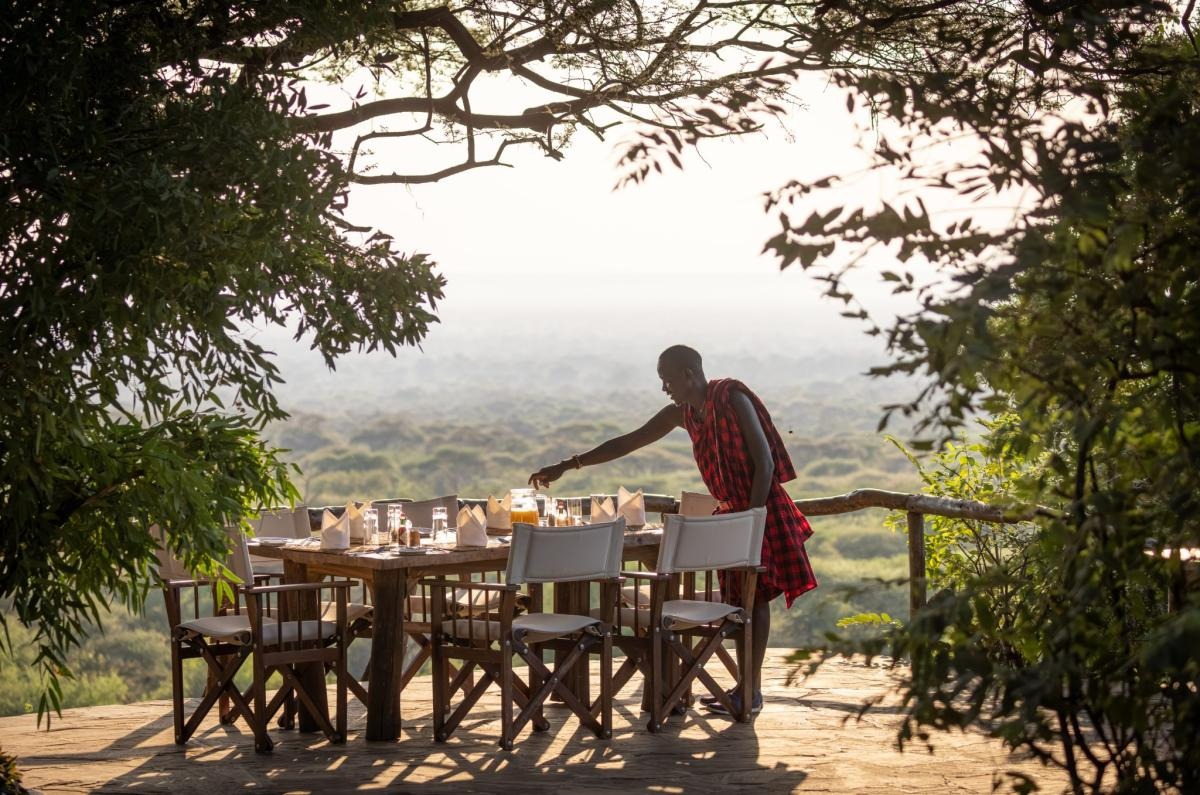
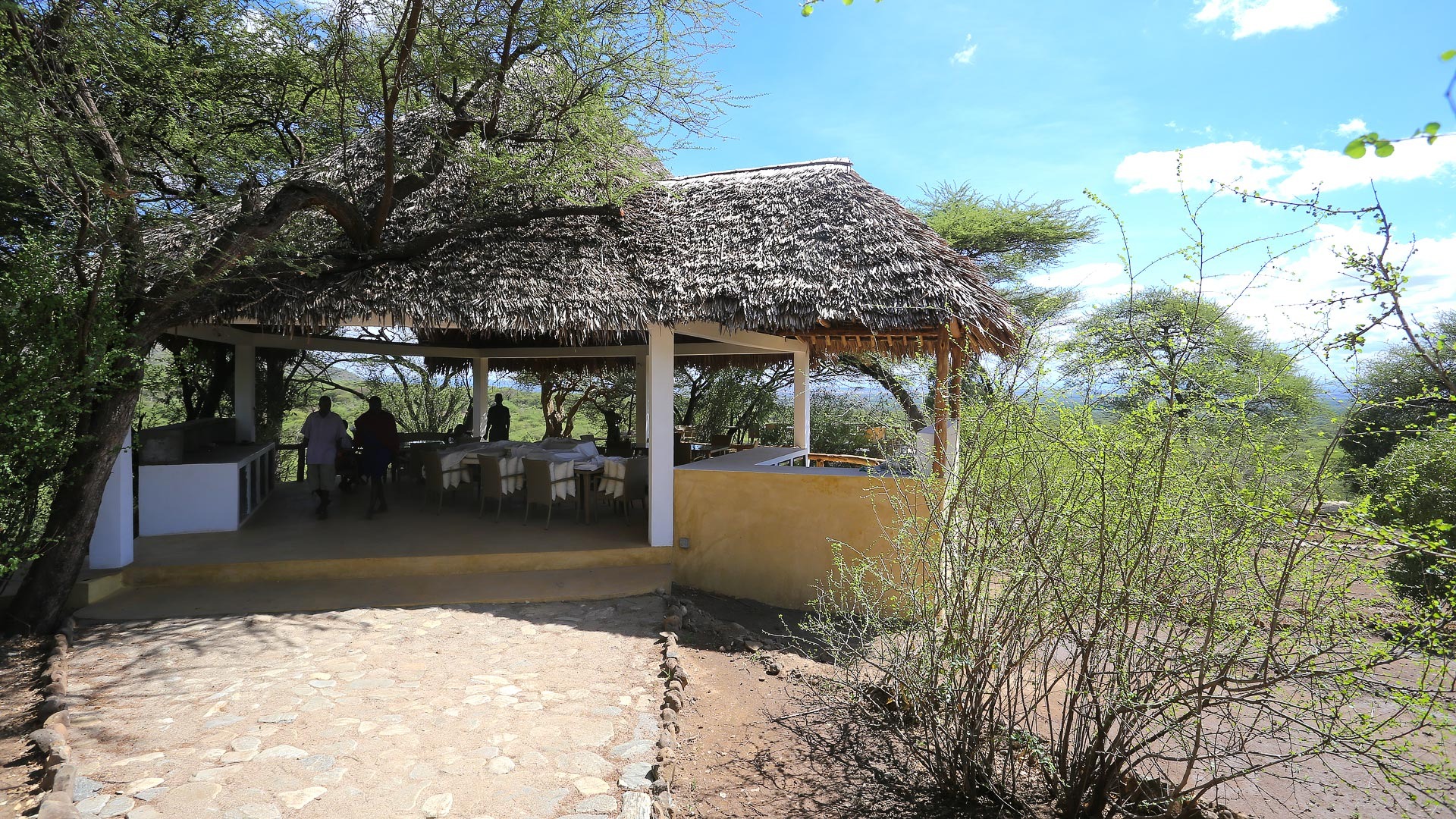
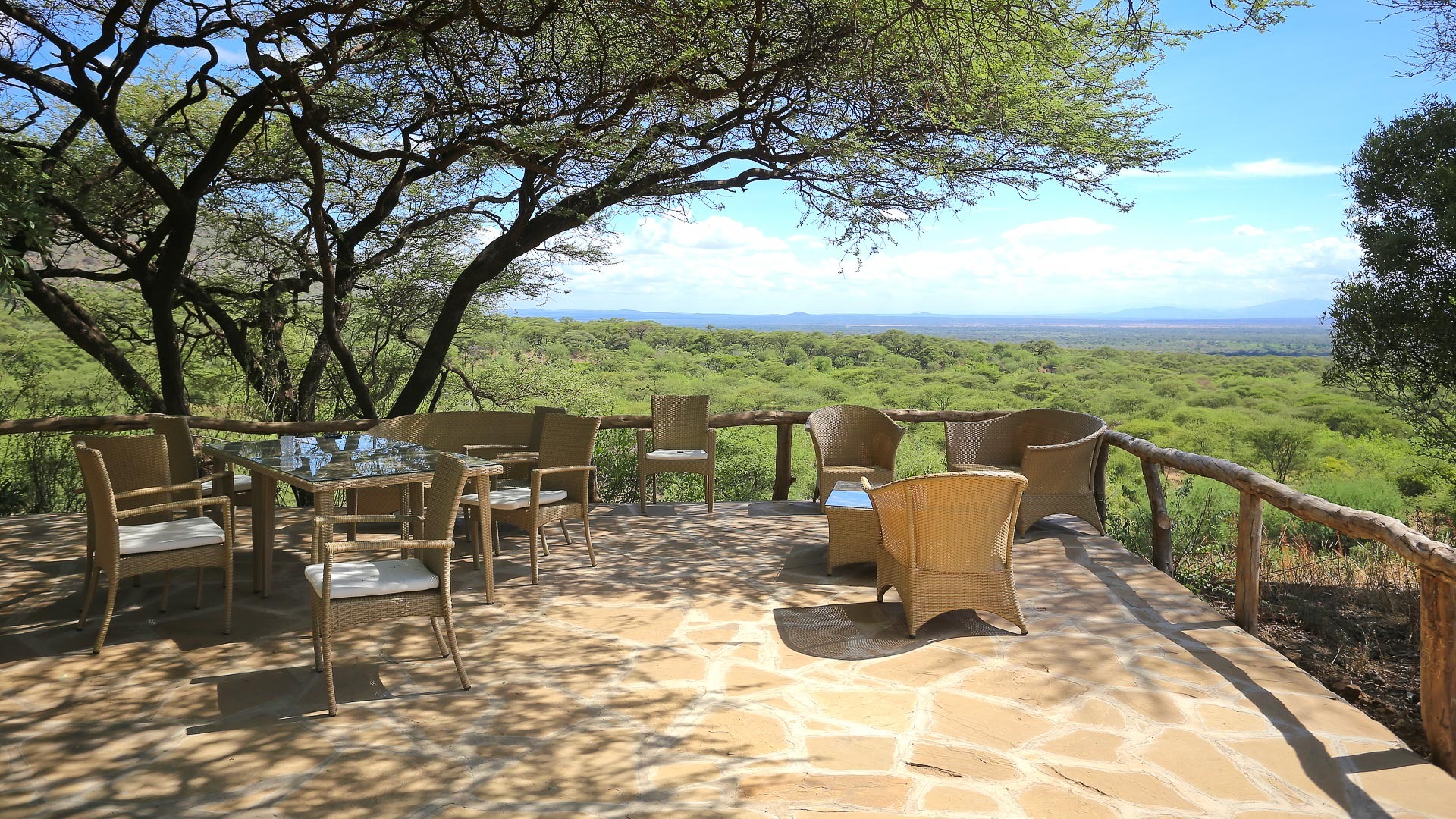
Meals at Lentorre are served across two settings in the open-fronted main building. Breakfast and lunch occupy the upper terrace — a level that commands the longest view across the conservancy — timed to the rhythm of a day built around early departures and afternoon recovery. Dinner moves to the lower common area, directly above the waterhole, where the kitchen serves under an open sky and whatever is moving through the springs below becomes an unreliable but entirely welcome part of the evening. The kitchen handles dietary requirements and cuisine preferences without fuss; the menu rotates around fresh produce and locally sourced ingredients. The bar is well stocked across spirits, wines, and beers at reasonable prices, with special requests accommodated wherever stock and lead time allow. Bush sundowners are set up by the guide team at a position chosen daily for its light and elevation — a different point in the conservancy each evening, calibrated to where the afternoon drive has ended and which direction the sky is performing.
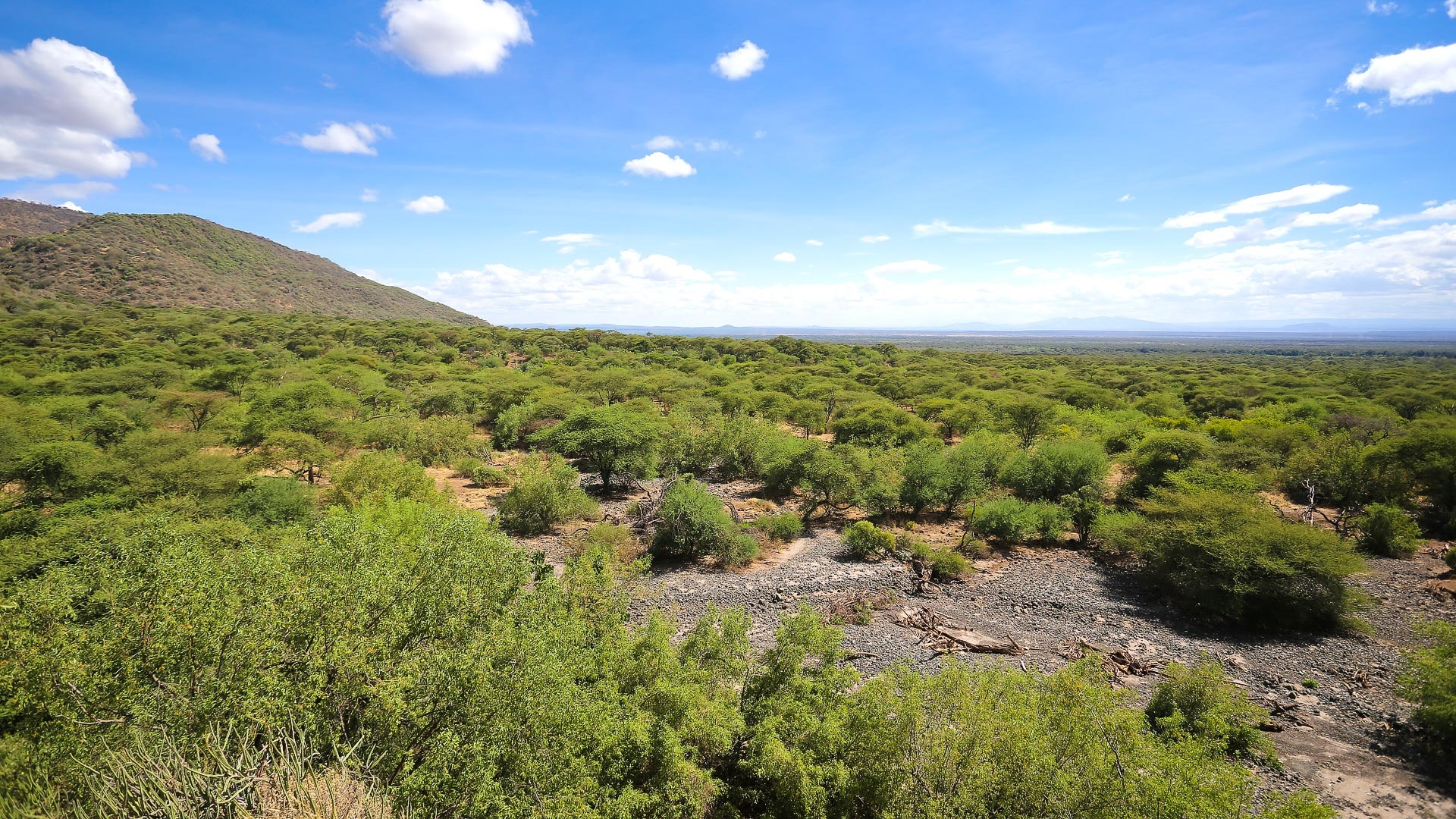
Lentorre is open year-round, with two periods that suit specific guest profiles most directly. Late July through October and late January through March are the driest months, producing the most reliable waterhole activity, the clearest conditions for the photographic hide, and the best game drive visibility as vegetation thins. These are the windows the lodge specifically recommends for photographic guests. November, April, and May bring the long and short rains respectively — wet conditions that affect hide productivity and road access on some routes, but that transform the Rift Valley landscape into something dramatically different and bring birding across the conservancy to its annual peak. The flamingo population at Lake Magadi is less dependent on season than on water alkalinity; helicopter flights are available year-round, though clear-sky conditions in the dry months produce the cleanest aerial photography. The conservancy’s altitude and escarpment position keep temperatures warm and consistent throughout the year, with cool evenings making outdoor dining under the waterhole sky comfortable in every season.
Explore handcrafted itineraries where Lentorre Lodge forms part of the journey.
Please share your name and email so we can follow up with you.