From
$6,519

🔒 Your details are kept private and never shared with third parties.
At the confluence of the Mara and Olkeju Rivers, inside the national reserve. Wildebeest crossings, hippos, and game drives from the gate.
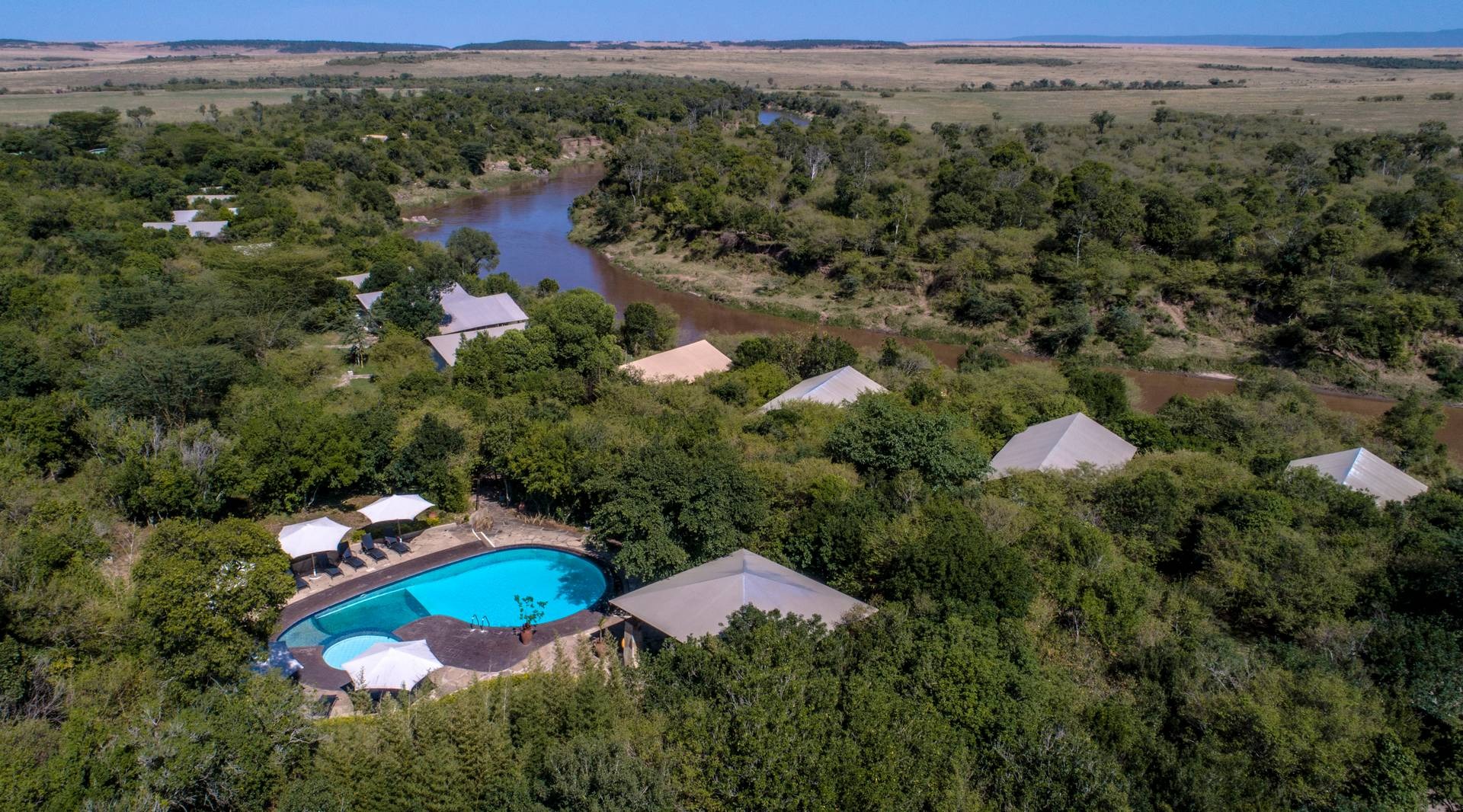
The Maasai Mara National Reserve is 1,510 square kilometres of savanna, riverine forest, and open grassland — the Kenyan portion of the Serengeti-Mara ecosystem and, between July and October, the theatre for one of the natural world’s most documented events. The reserve’s geography shapes the safari experience more directly than at most destinations: the Mara River bisects the ecosystem, the crossing points concentrate the wildebeest at predictable locations during the migration, and the camp that sits closest to those locations is the one that requires the least driving when the herds gather on the bank. Ashnil Mara Camp sits at the confluence of the Mara and Olkeju Rivers — a position that puts the crossing zones within close reach, the hippo pools audible from the tents, and the reserve’s full game circuit accessible from a gate that opens directly onto the Mara floor.
The camp has undergone a complete renovation and now operates fifty luxury tents across a riverine forest setting above the Mara’s south bank. The main area — elevated on hardwood and crazy stone above the water, open on three sides to canvas walls that roll with the breeze — is the kind of structure that blurs the line between being in a lodge and being in the bush. A fire pit lounge, two swimming pools, a spa tent, and a gym with a direct view across the hippo pool have given the camp infrastructure that earns a full day off the game drive vehicle, which is not something every property in the Mara can say truthfully. The Ashnil guiding team operates across both early morning and late afternoon departures; bush breakfasts beside the river, sundowners in the reserve at a position chosen for the evening light, and Maasai cultural evenings back at camp give the daily programme a range that sustains a four-night stay without repetition.
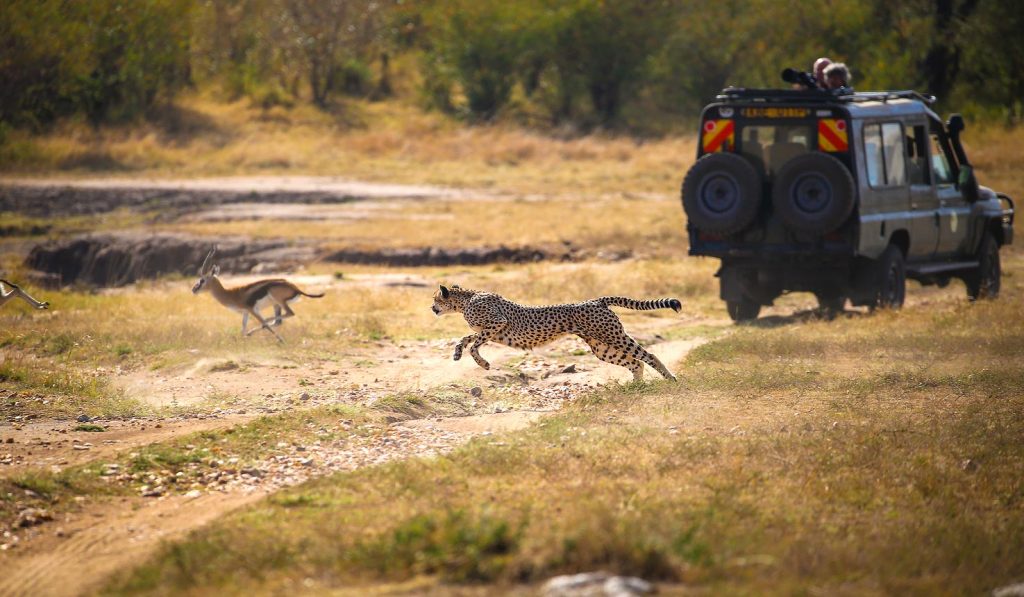
The camp’s position inside the national reserve — not in a private conservancy on the reserve boundary — is a specific characteristic that shapes the experience in both directions. It means guests are inside the protected area from arrival: game drives begin at the gate, which is the edge of the camp, not a 30-minute transit from it. It also means the Mara’s full wildlife density is immediately accessible: all of the Big Five, cheetah, wild dog, crocodile, and an avifauna list of over 450 species that makes this one of the most biodiverse game drive circuits in Kenya.
At the confluence of the Mara and Olkeju Rivers, inside the national reserve. Fifty luxury tents above the riverine forest, hippo pods audible from the decks, and the Great Migration crossing zone within reach. Spa, two pools, and gym.
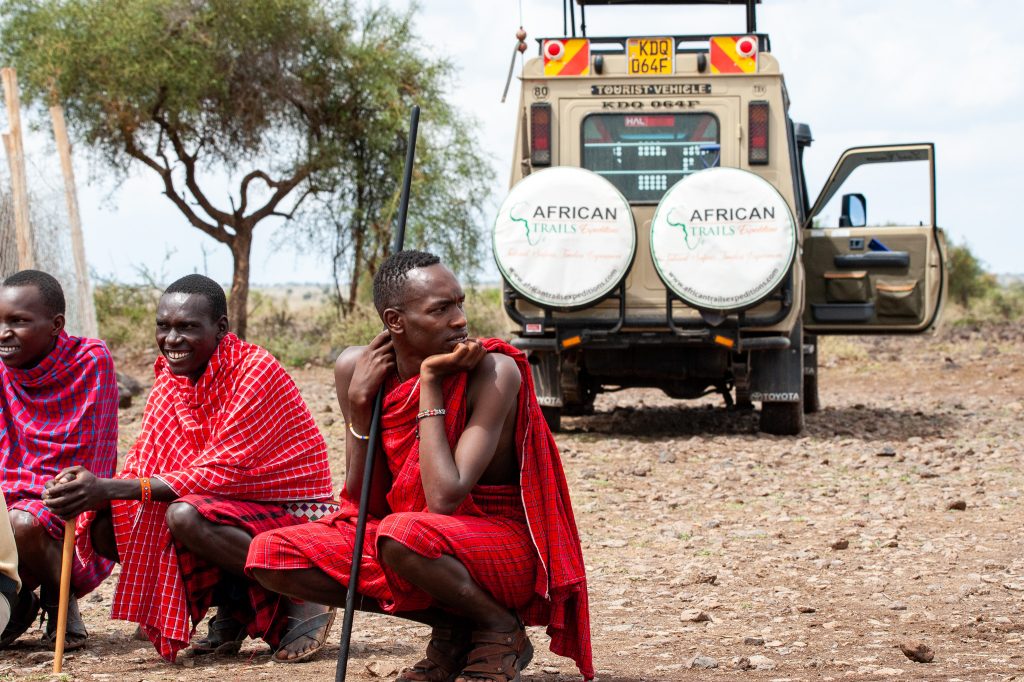
Community employment drawn primarily from surrounding Maasai communities, with active support for conservation and education programmes in adjacent areas. Conservation fees go directly into Kenya Wildlife Service park management, funding anti-poaching, habitat protection, and the reserve's ranger infrastructure across the Maasai Mara ecosystem.
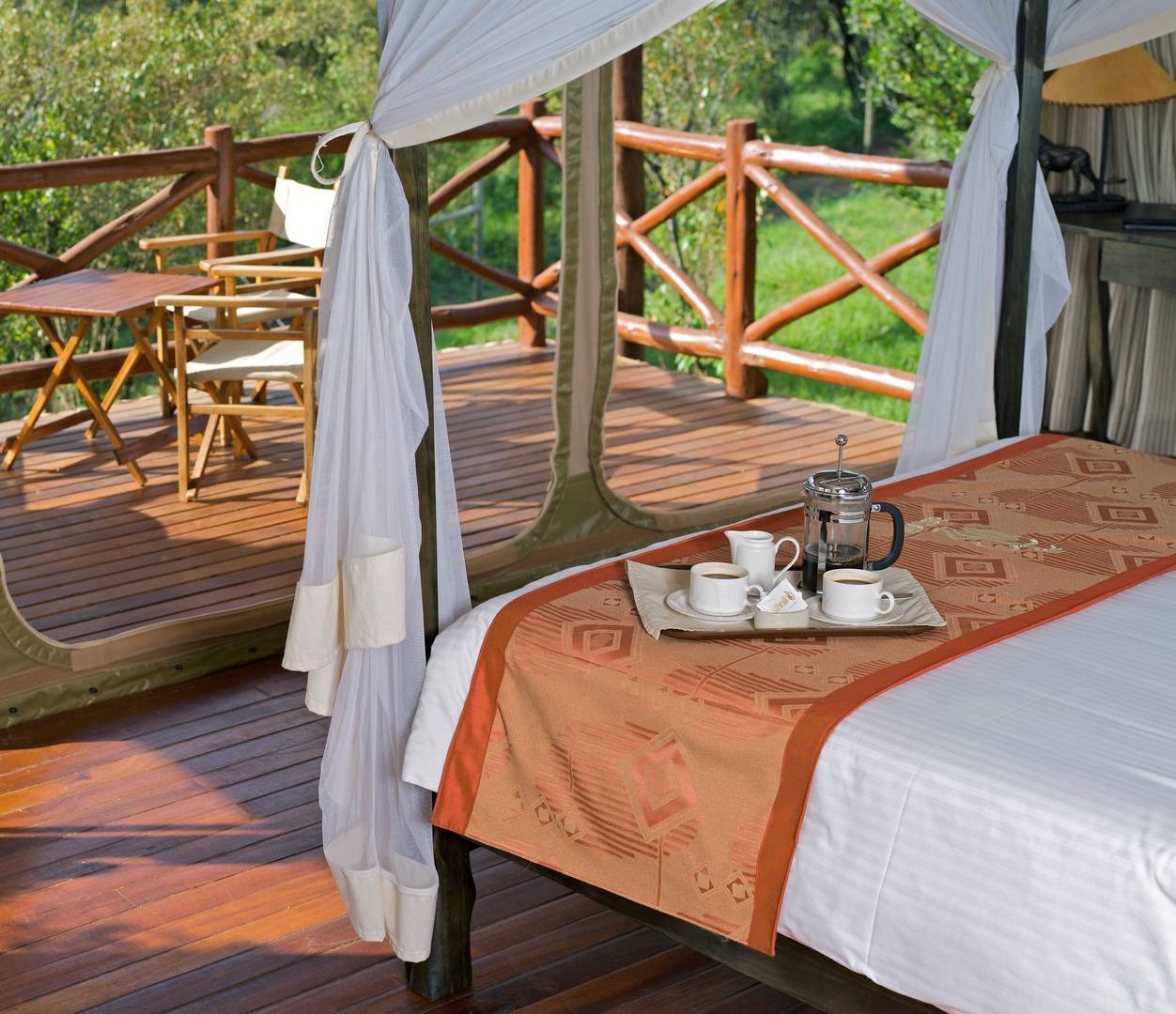
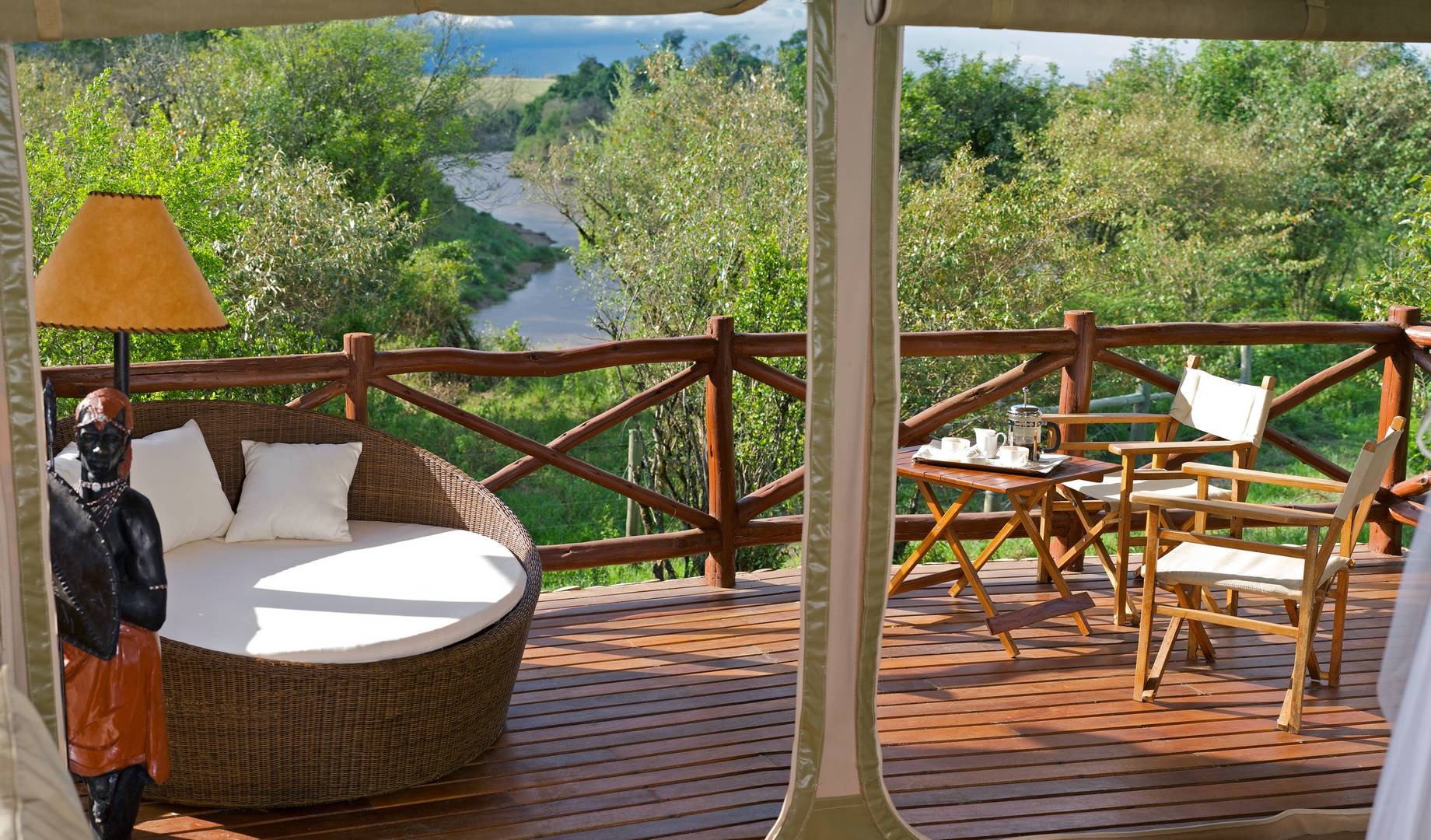
Fifty luxury tents are distributed along the riverine forest above the Mara–Olkeju confluence, positioned to take advantage of the tree canopy for shade and the elevated bank for views. Each tent is built on a raised platform with a large private sun deck — the deck is where most guests spend their intercamp hours, watching the river traffic below or scanning the treeline for the camp’s resident leopard. Interiors are finished to a renovated standard throughout: four-poster beds under full mosquito net canopies, solid wood furniture, walk-in wardrobes, and en-suite bathrooms with walk-in showers sized for the afterglow of a long morning game drive. River-facing tents look directly across the Mara toward the far bank; the hippo pool tents are positioned above a permanent pod that is active and audible through the night. Family tents are configured with connecting options for multi-generational groups and are positioned with safety and supervision practicalities in mind.
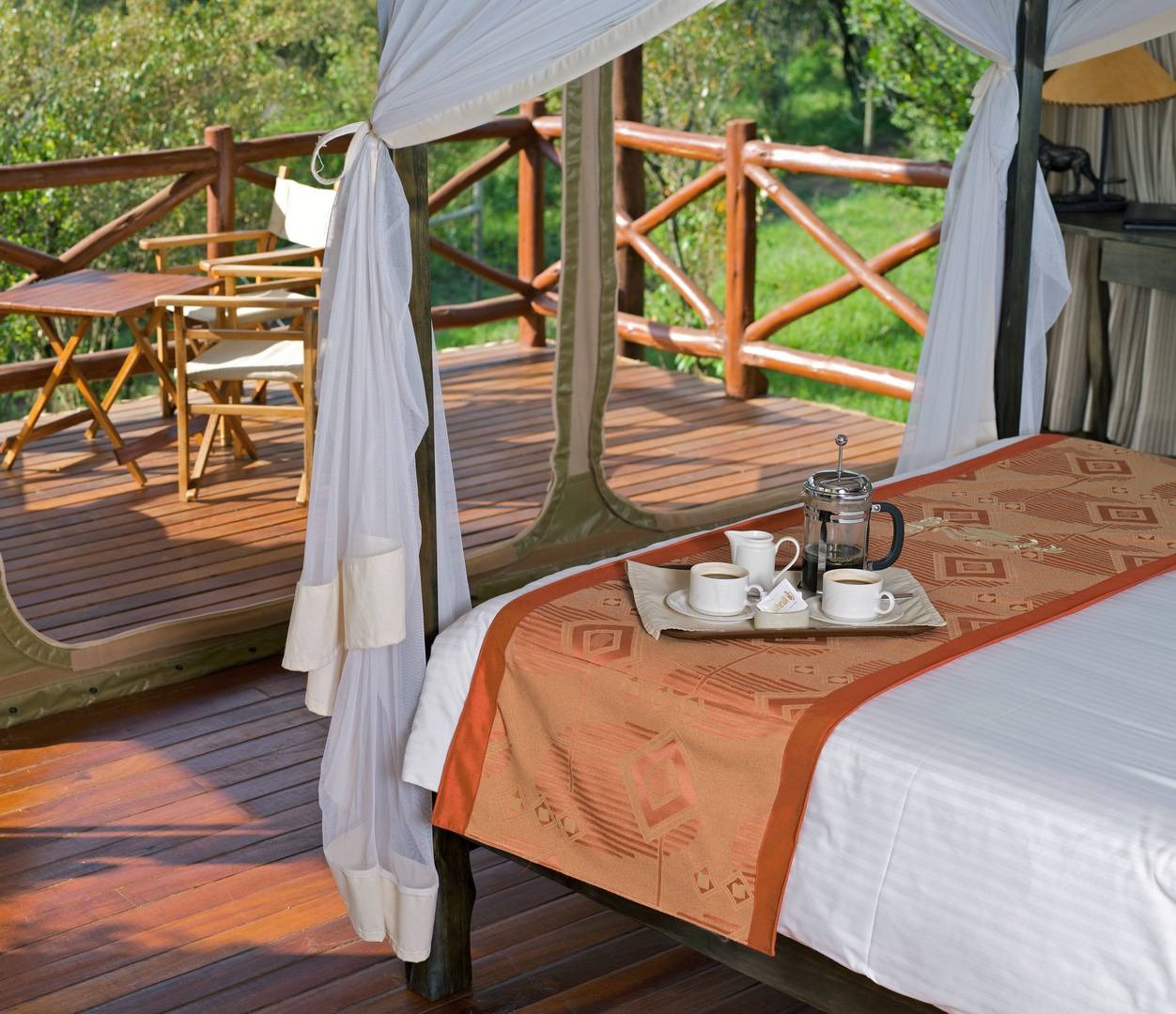
Each tent fully renovated to luxury specification: four-poster bed, walk-in wardrobe, solid wood furniture, premium bedding, and a walk-in shower. The private sun deck is the tent's most functional feature — wide enough to use as an outdoor room from first light to late afternoon, as the plains beyond the treeline begin to move with late-day animal traffic.
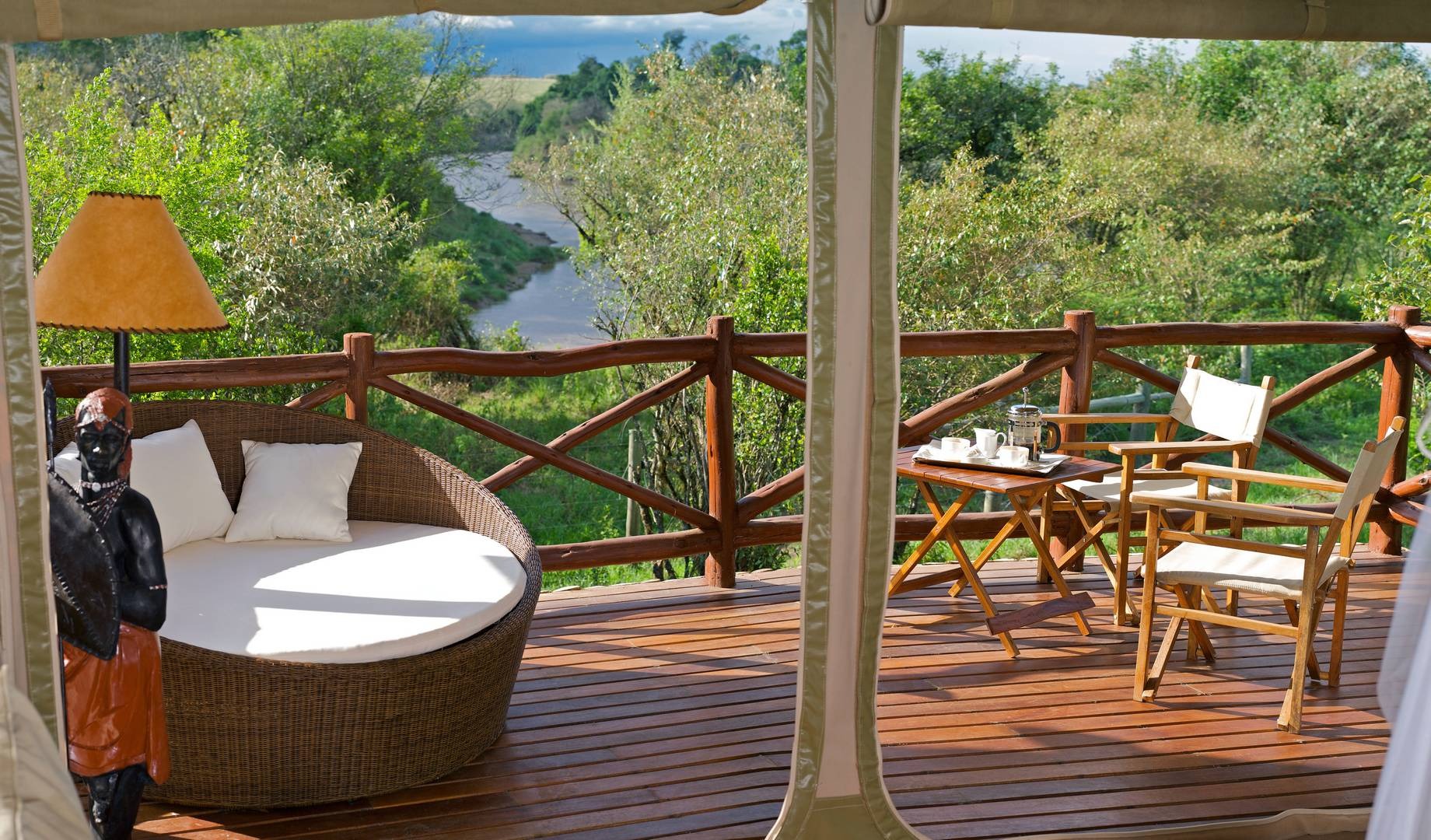
On the upper bank of the Mara–Olkeju confluence, decks looking directly across to the crossing zones. During the Migration, one of the most quietly competitive positions in the Mara: binoculars, coffee, and wildebeest materialising on the opposite bank at first light. Guests who have stayed in both categories return and request this one.
Every moment at Ashnil Mara Camp is crafted to immerse you deeper in the wild.
Ready to plan your stay?
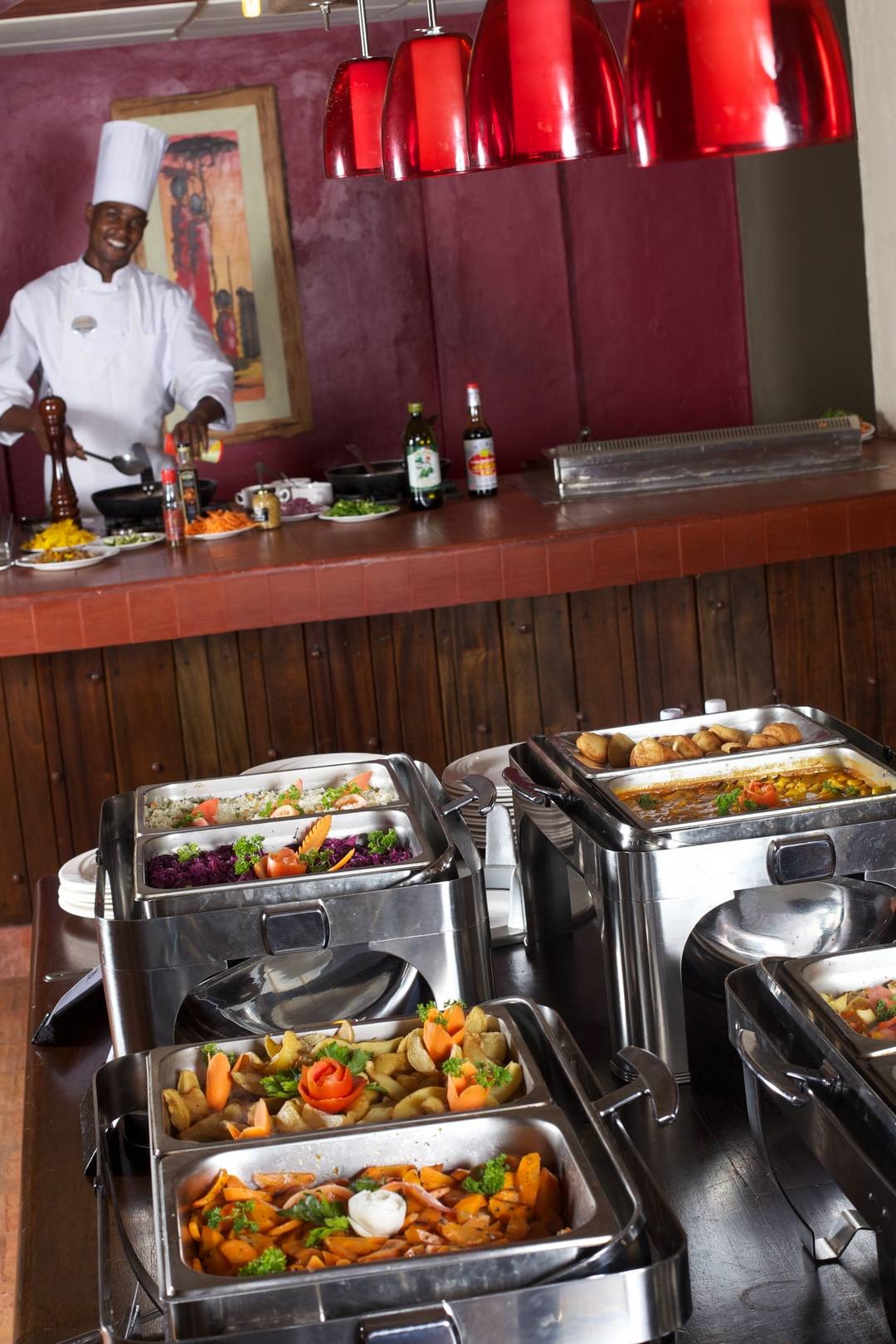
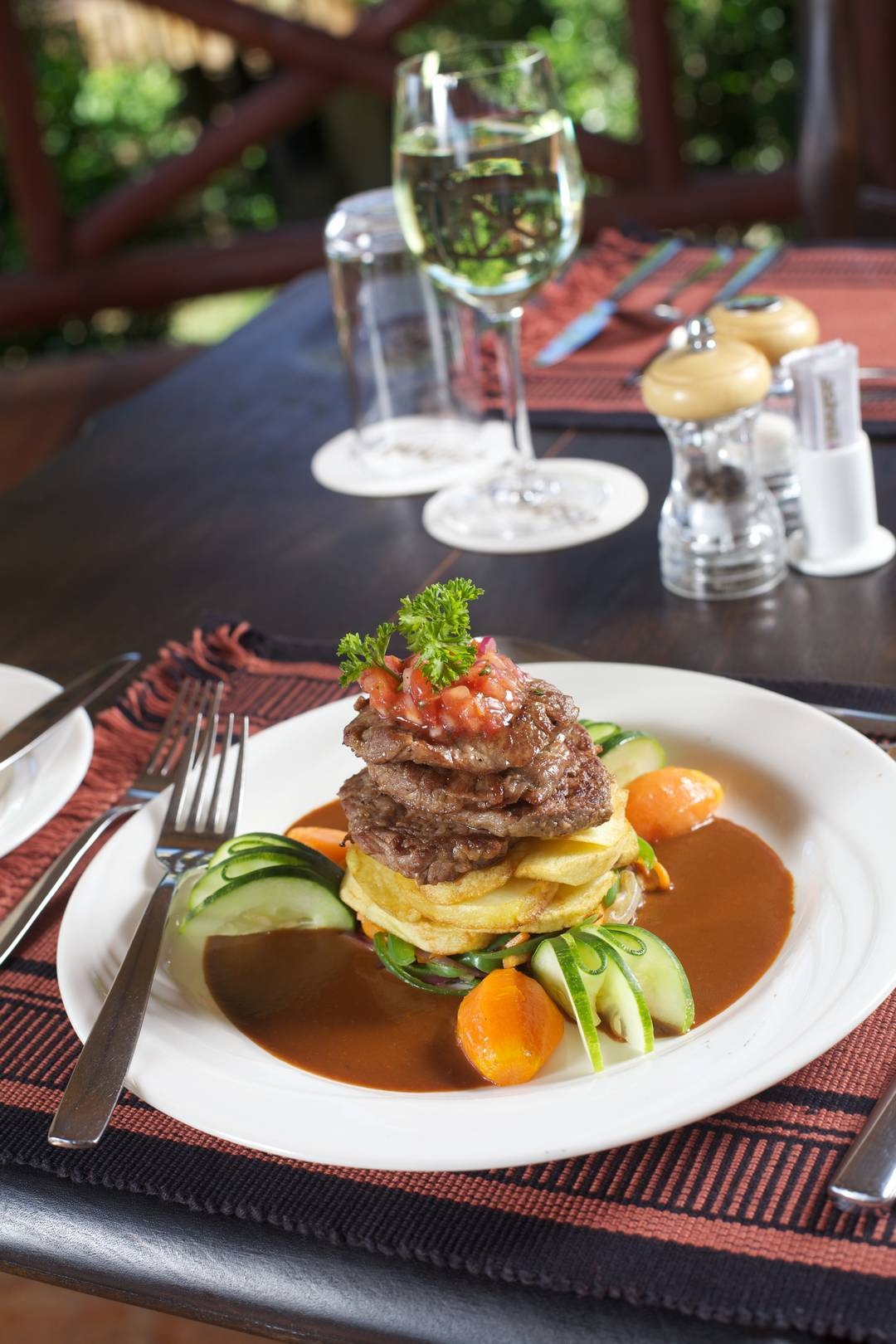
The main restaurant and bar are elevated above the river on a structure of hardwood and crazy stone, open on three sides so that the Mara’s sounds and light move through the dining space throughout the day. The kitchen operates across a range that takes the all-inclusive model seriously: international, Asian, and East African menus served buffet-style across breakfast, lunch, and dinner, with sufficient variety at each sitting to reward guests who are returning to the table after a full morning in the reserve. Vegetarian, Indian, and dietary-restricted options are maintained across all meals — a detail that guests with specific requirements notice and appreciate in a destination where it is not always guaranteed. The Hippo Pool Breakfast is the camp’s most distinctive dining format: a full spread set beside the river as the hippos begin their morning shuffle, with the sounds of the water and the waking bush as the only accompaniment. Bush dinners are arranged on request. Sundowners are taken in the reserve at a position the guide selects daily — the campfire already burning, the camp’s cocktail already mixed, the horizon already performing.
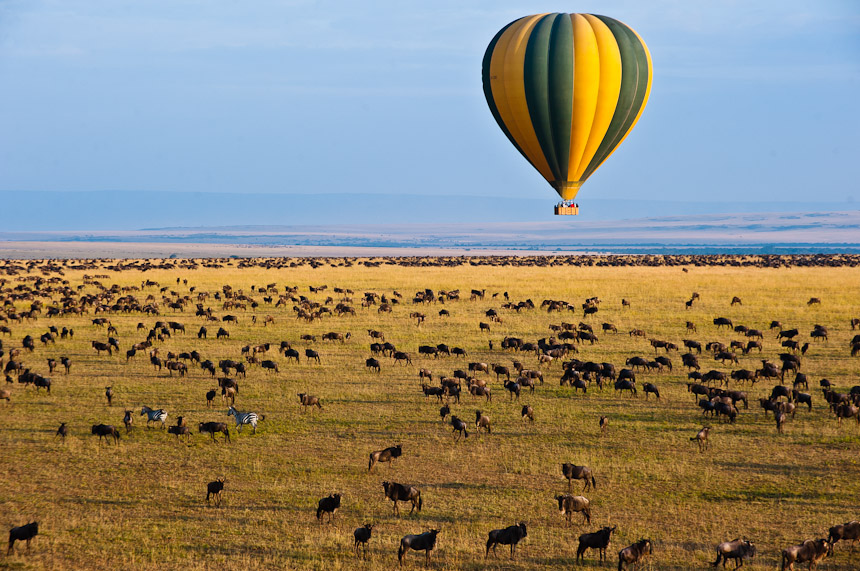
The Maasai Mara is Kenya’s most consistently visited safari destination and one of the few in East Africa that delivers exceptional game viewing in every month of the year. The distinction is primarily one of what the Mara offers at different times, not whether it is worth visiting. July through October is peak season: the Great Migration brings over a million wildebeest and several hundred thousand zebra north from the Serengeti, and the river crossing dynamic that defines the Mara’s global profile plays out daily within reach of the camp. January and February are the second peak — the migration has returned south, the reserve thins of visitors, and the predator sightings, particularly cheetah and wild dog, are at their most reliable. The short rains of November and December green the landscape rapidly without making roads impassable; the long rains of April and May are the softest period for game drives, with the reserve at its most lush and the birding — over 450 recorded species — at its annual best. Ashnil Mara Camp is open and functional in all seasons.
Explore handcrafted itineraries where Ashnil Mara Camp forms part of the journey.
Please share your name and email so we can follow up with you.