From
$2,424

🔒 Your details are kept private and never shared with third parties.
Six riverside tents on 155,000 acres of Maasai community land in the South Rift Valley. Owner-managed, exclusively yours, and unlike anywhere else in Kenya.
There is a corner of the Great Rift Valley that very few people know, and fewer still have visited. The South Rift — at Kenya’s southern edge, where the valley floor narrows between the heights of the Rift escarpment and the land fades toward the Tanzanian border — is not on the standard safari circuit. There are no other lodges in immediate view. There are no park gates, no vehicle queues, no timed entry. There is just the Shompole Conservancy: 155,000 acres of community Maasai land, owned and protected by the Loodaklani Maasai people, home to 21 carnivore species and 435 recorded birds, and given over for the exclusive use of one small camp and twelve guests at a time.
Shompole Wilderness Camp sits in a grove of giant fig trees on the banks of the Ewaso Ng’iro River, beneath the volcanic face of Mount Shompole and the sweeping wall of the Rift Valley. Johann and Samantha du Toit — a Swiss-trained hotelier and safari guide and a conservation researcher — have built this camp from the ground up with their children, Seyia and Taru, who have grown up here in the bush. This is their home as well as their livelihood, and the quality of attention that distinction produces is the thing that most consistently defines a Shompole stay. Guests are not clients to be managed but people to be hosted — in the fullest, most personal sense of that word.
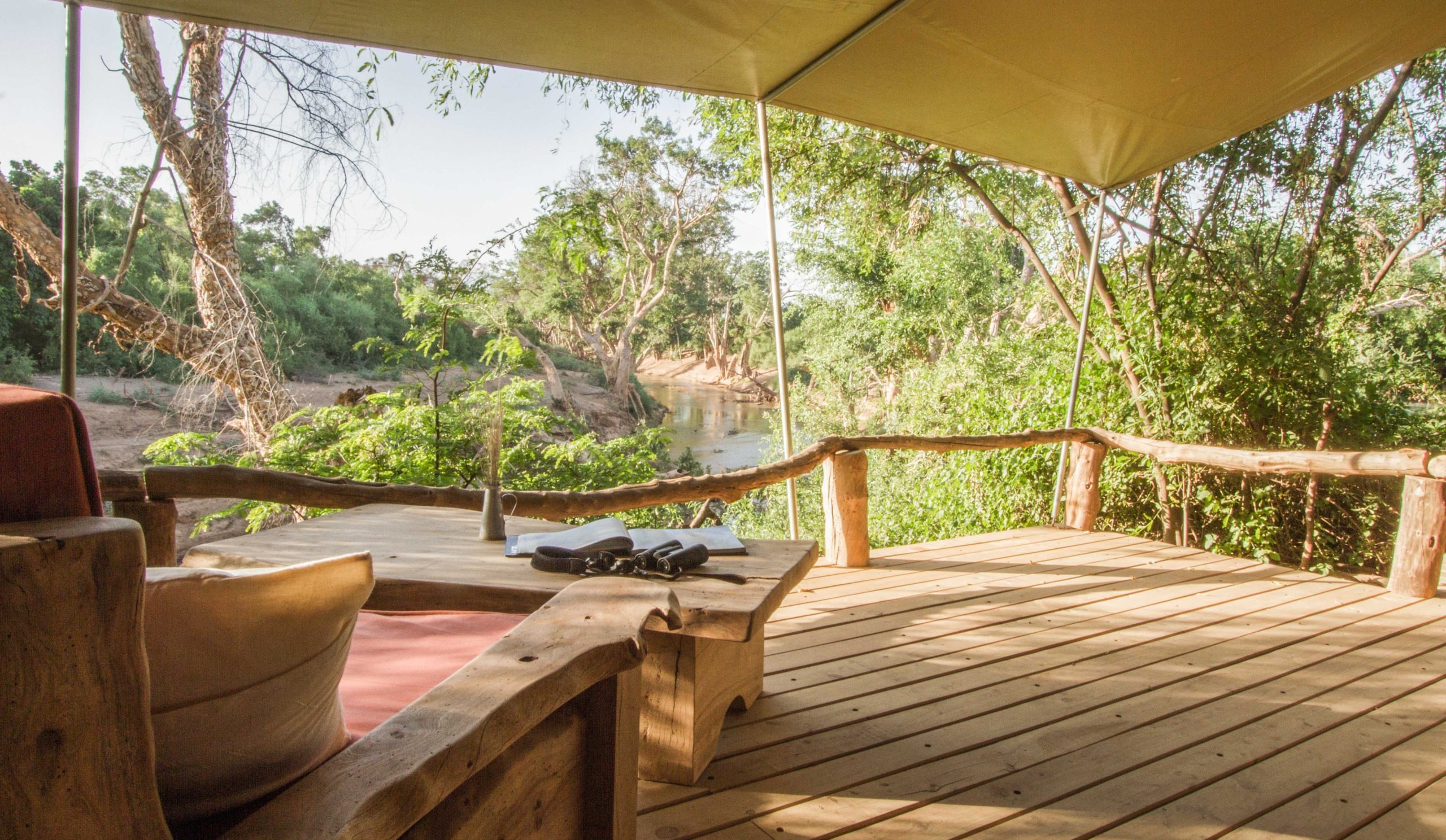
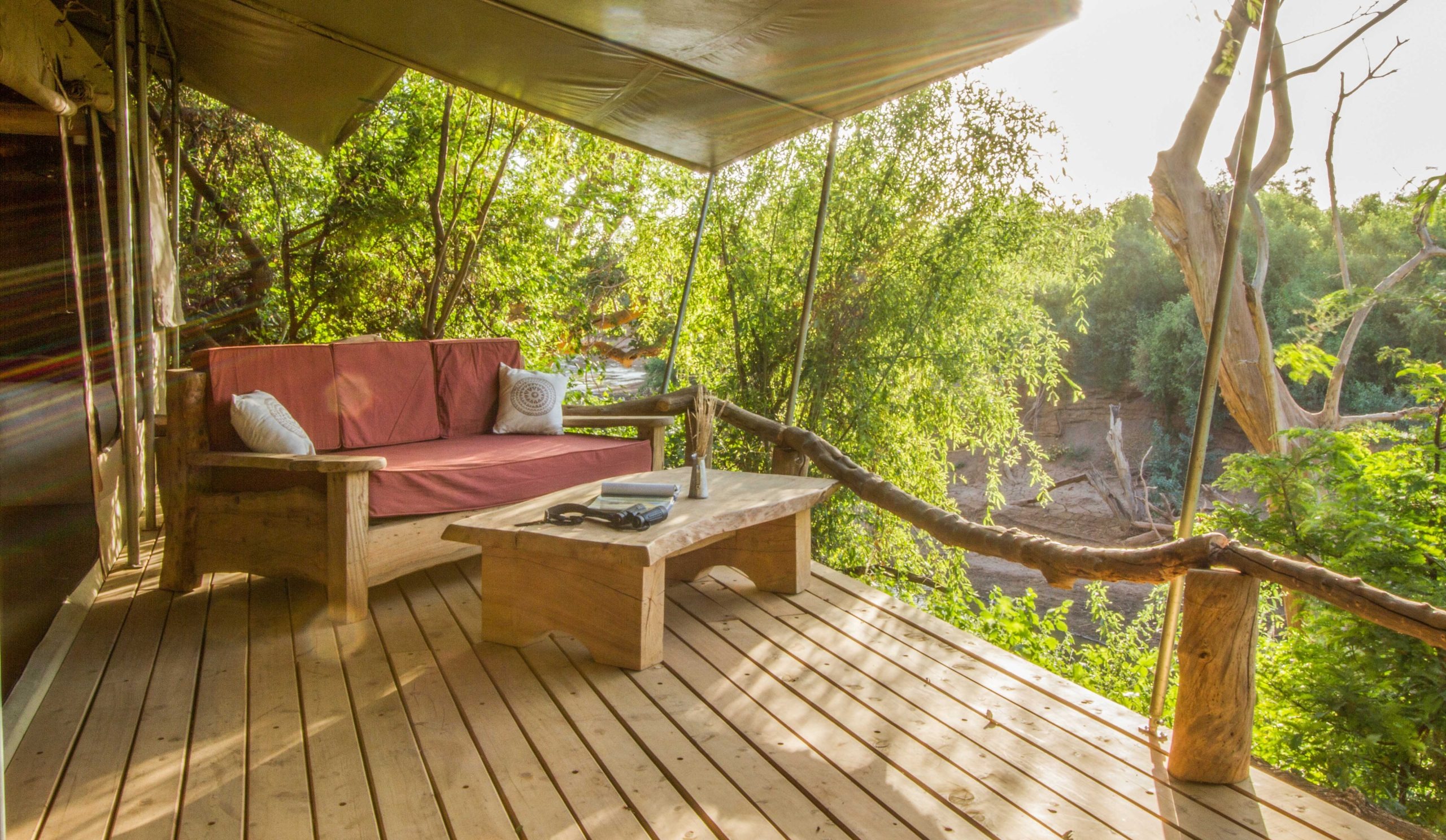
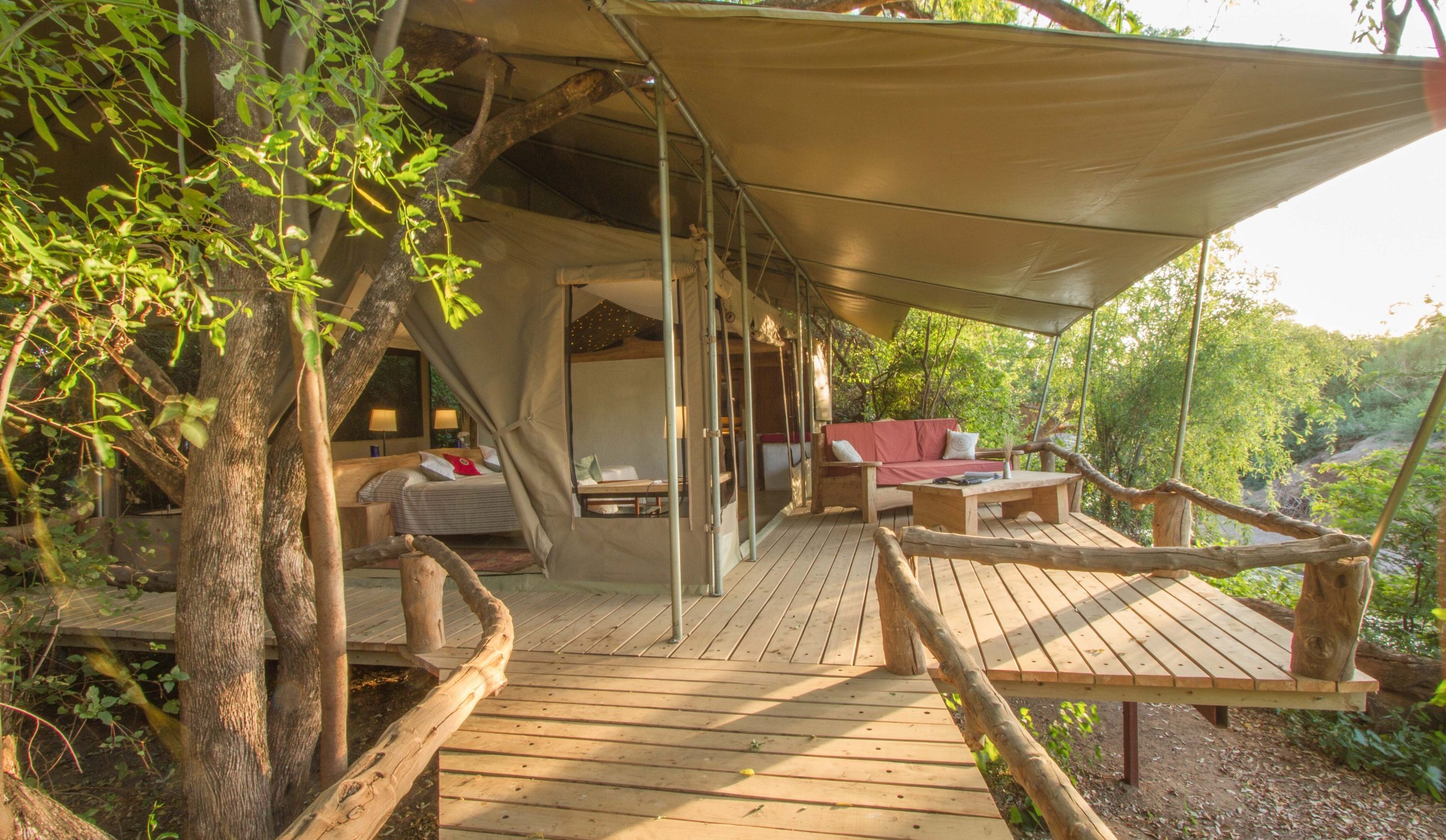
The six tents are raised on wooden decks, each positioned for complete privacy from the others, each with a veranda facing the river. There are no crocodiles or hippos in the Ewaso Ng’iro — a deliberate point that the camp raises for good reason: tubing, kayaking, and swimming in the river are offered here as genuine activities rather than theoretical ones. The plains behind the camp open into classic Rift Valley bush that guests may walk, run, or drive through at any time of day or night. The two photographic hides — conceived with input from professional wildlife photographer Will Burard-Lucas — have produced imagery that has appeared in publications around the world, and overnight stays in the Plains Hide, with its three double beds and night-lit waterhole, are among the most singular experiences available anywhere in East Africa.
Samantha du Toit helped establish SORALO — the South Rift Association of Land Owners — and leads its conservation research and education programmes. The camp co-finances the salaries of twelve teachers across the ecosystem and funds community rangers through SORALO. Every guest’s stay contributes, measurably and directly, to the continued protection of this landscape and the people who have always managed it.
Six tents, twelve guests, 155,000 acres. Exclusive-use, owner-managed, on the Ewaso Ng'iro River in Kenya's South Rift Valley. Two photographic hides, 21 carnivore species, 435 bird species. No other visitors, no park restrictions.
On Maasai community land, with the camp's success directly tied to community wellbeing. Samantha du Toit co-founded SORALO, leading conservation, education, and ranger programmes across the South Rift. The camp co-finances 12 teachers and runs Lale'enok Resource Centre. Six tents, solar power, and a twelve-guest maximum keep the footprint minimal.
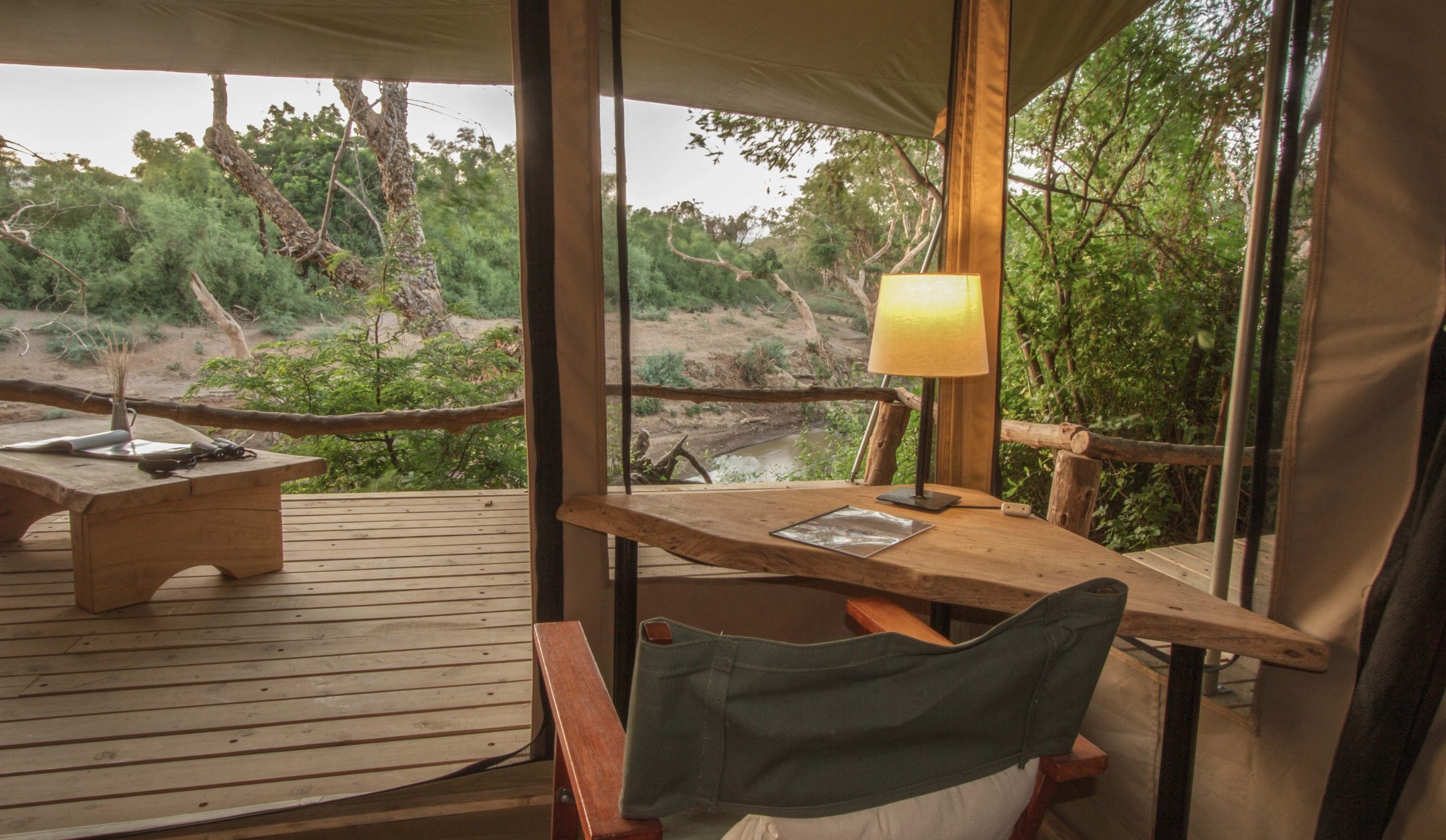
Shompole Wilderness Camp has six en-suite tented rooms set on raised wooden decks in a grove of giant fig trees on the banks of the Ewaso Ng’iro River. Each tent is positioned in complete privacy — you cannot see another tent from your own — and all six face the river from furnished verandas that serve as the primary living space for most of the day. Tents can be configured as double or twin rooms, and two of the six have space on their veranda for an additional children’s tent when required. All rooms are en-suite with shower and flushing toilet; hot water is available in the evenings, generator-powered; each tent has a charging strip, safe, inter-tent radio, emergency whistle, and laundry service. Kikoy sarongs replace dressing gowns as the camp’s linen of choice — a small detail that speaks to the consistency of thinking behind every practical decision at Shompole.
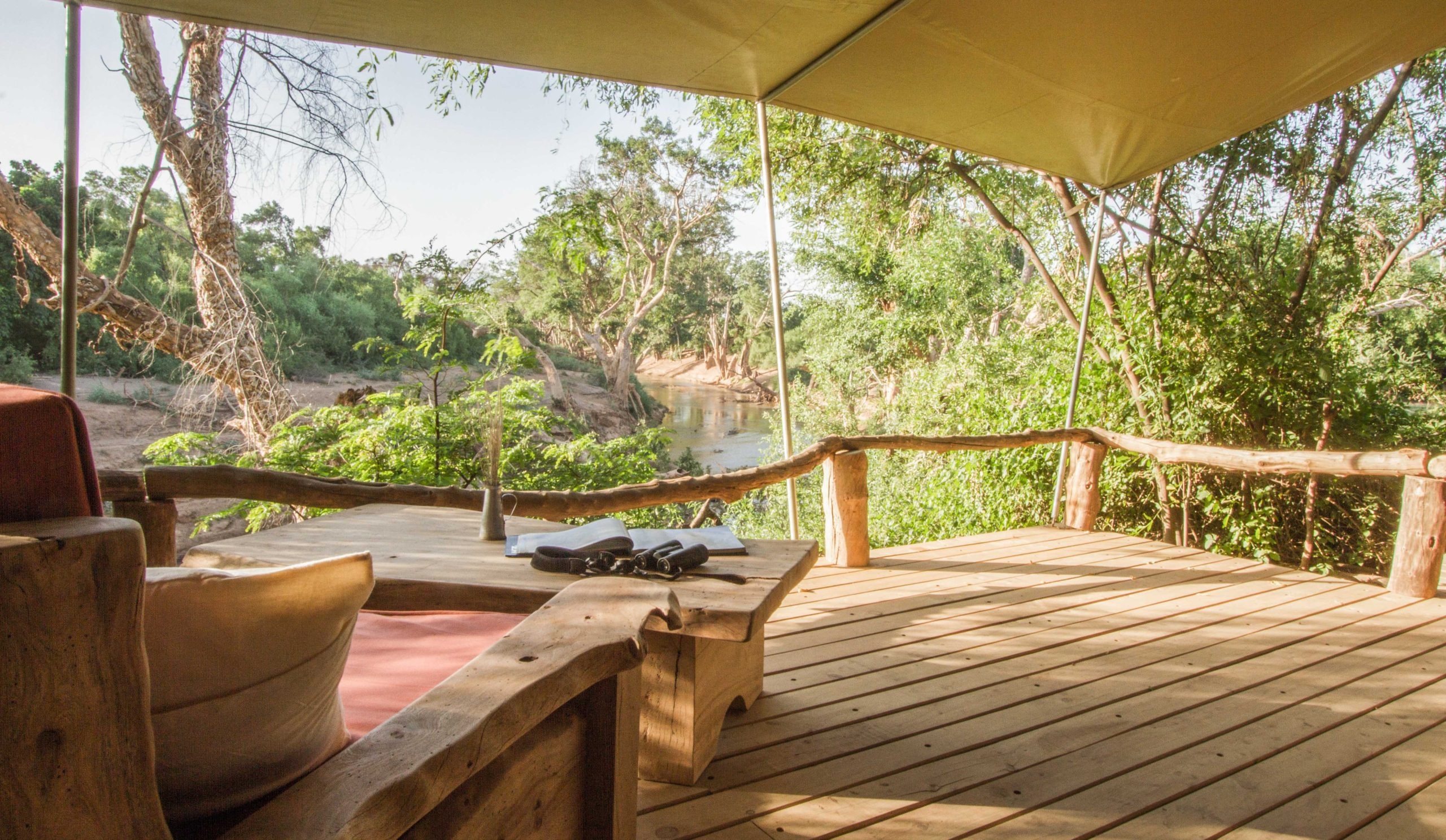
Two tents configurable as twins for guests who prefer separate sleeping spaces. Deck, veranda, river view, and en-suite facilities identical to the double configuration. Specific tent positions can usually be accommodated with advance notice.

Two tents can accommodate a children's sleeping tent on the veranda, creating a family unit with parents and children in adjacent but separate spaces. Set up on request with advance notice. The main tent retains its full configuration and amenities. Suits families with children ready for an active bush experience.
Every moment at Shompole Wilderness Camp is crafted to immerse you deeper in the wild.
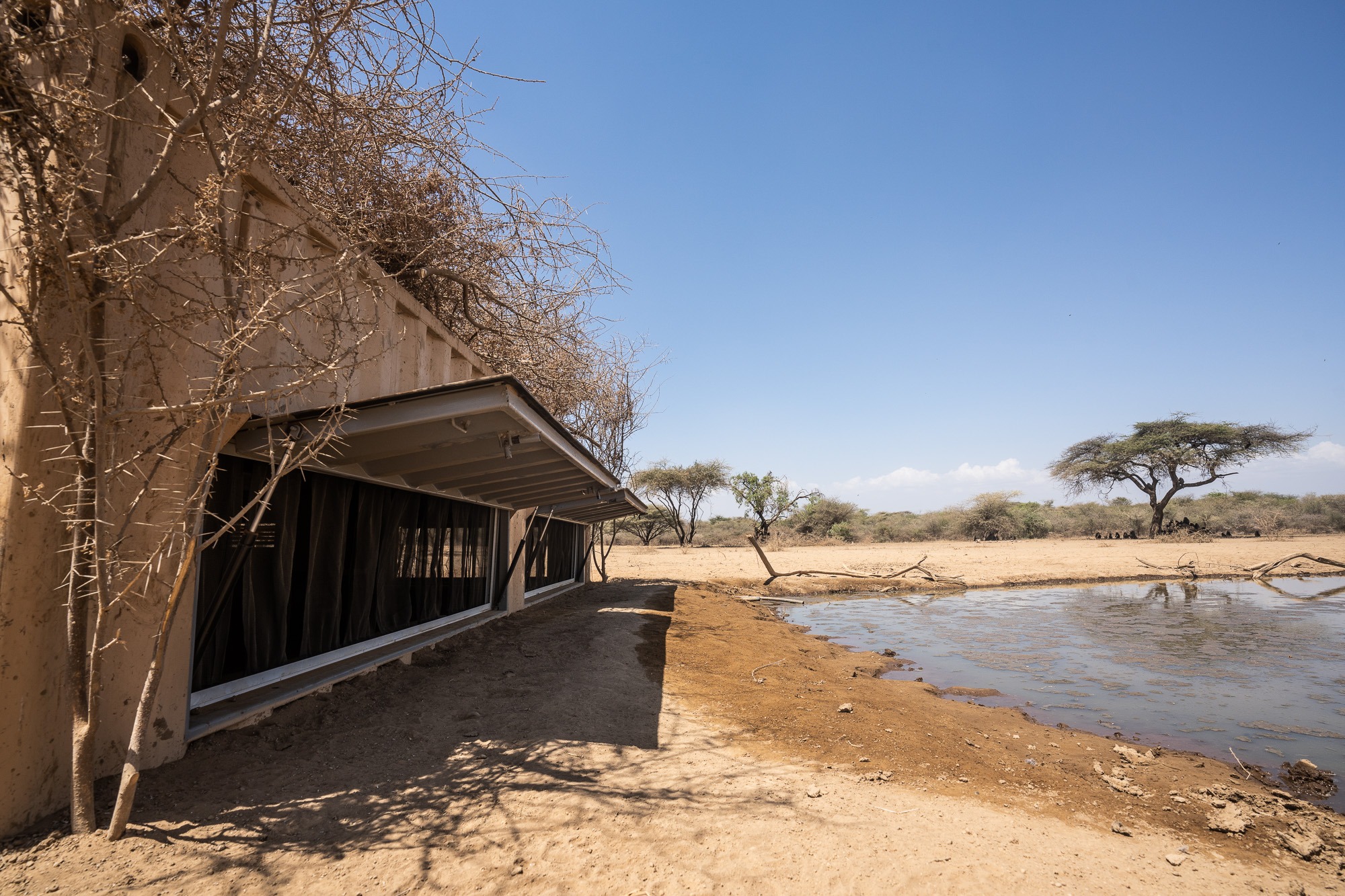
Two hides designed with Will Burard-Lucas. The Plains Hide overlooks an active waterhole with an overnight stay option. The Bush Hide targets nocturnal species: serval, caracal, wild cat, and genet. Evening sessions into the small hours produce encounters guests struggle to describe.

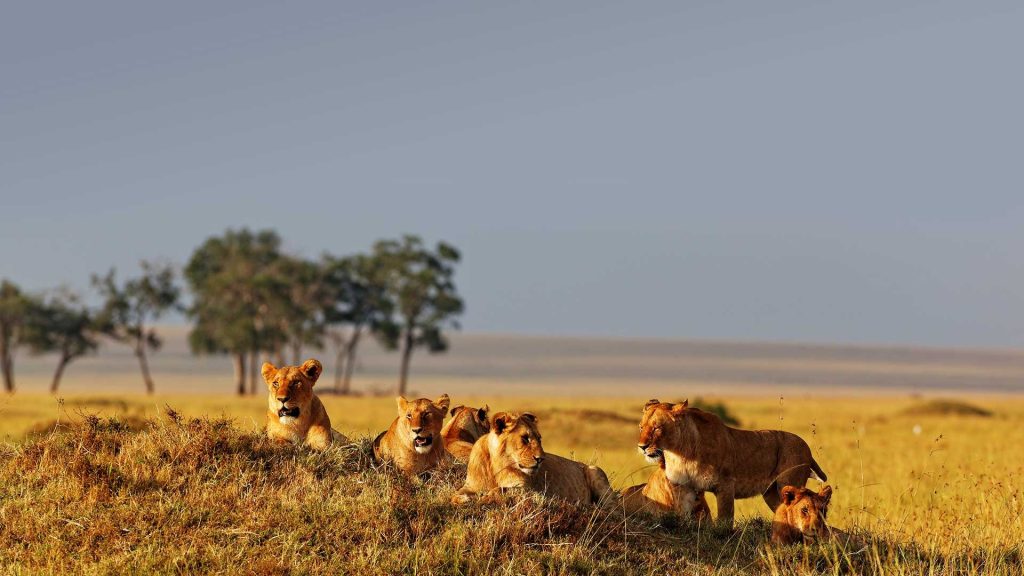
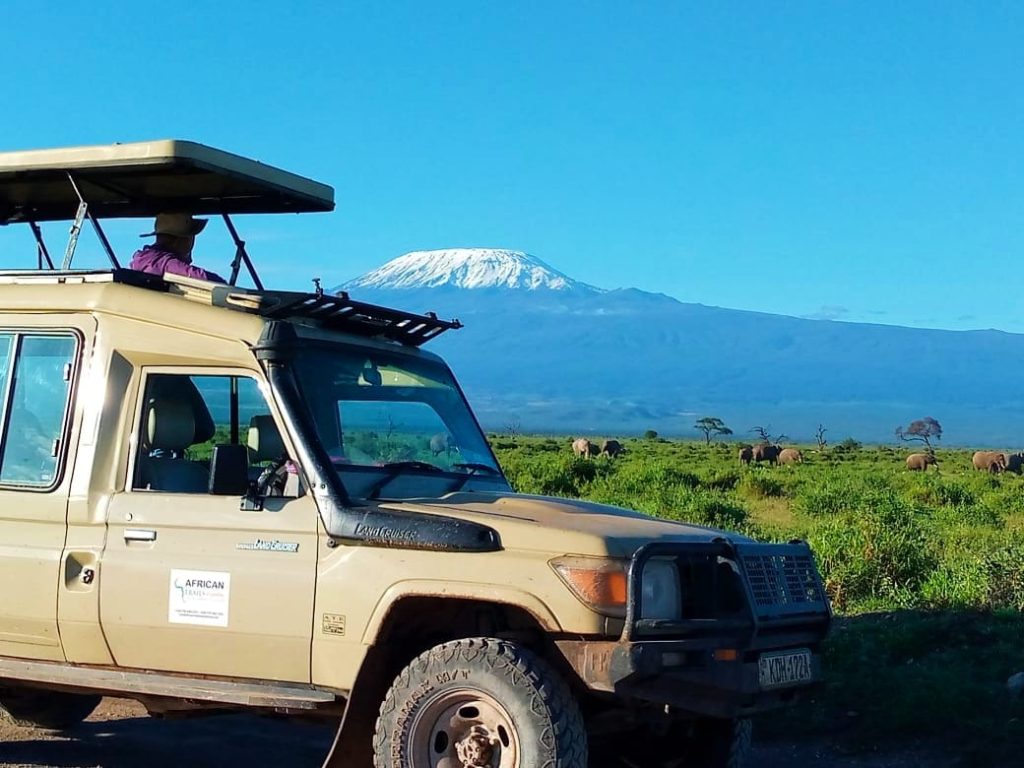
Day and night drives with no restrictions across 155,000 acres and no other vehicles. Twenty-one carnivore species including lion, leopard, cheetah, and civet. Night drives are consistently the most memorable game viewing guests have ever had.
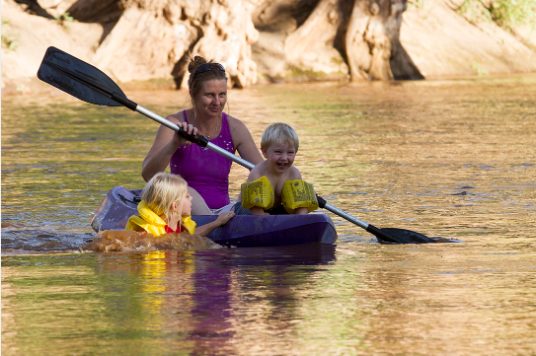
No crocodiles, no hippos. Swimming, tubing, and kayaking are real daily activities. Tubing through fig tree canopy with the Rift Valley wall above is one of the most enjoyable things at any camp in Kenya.
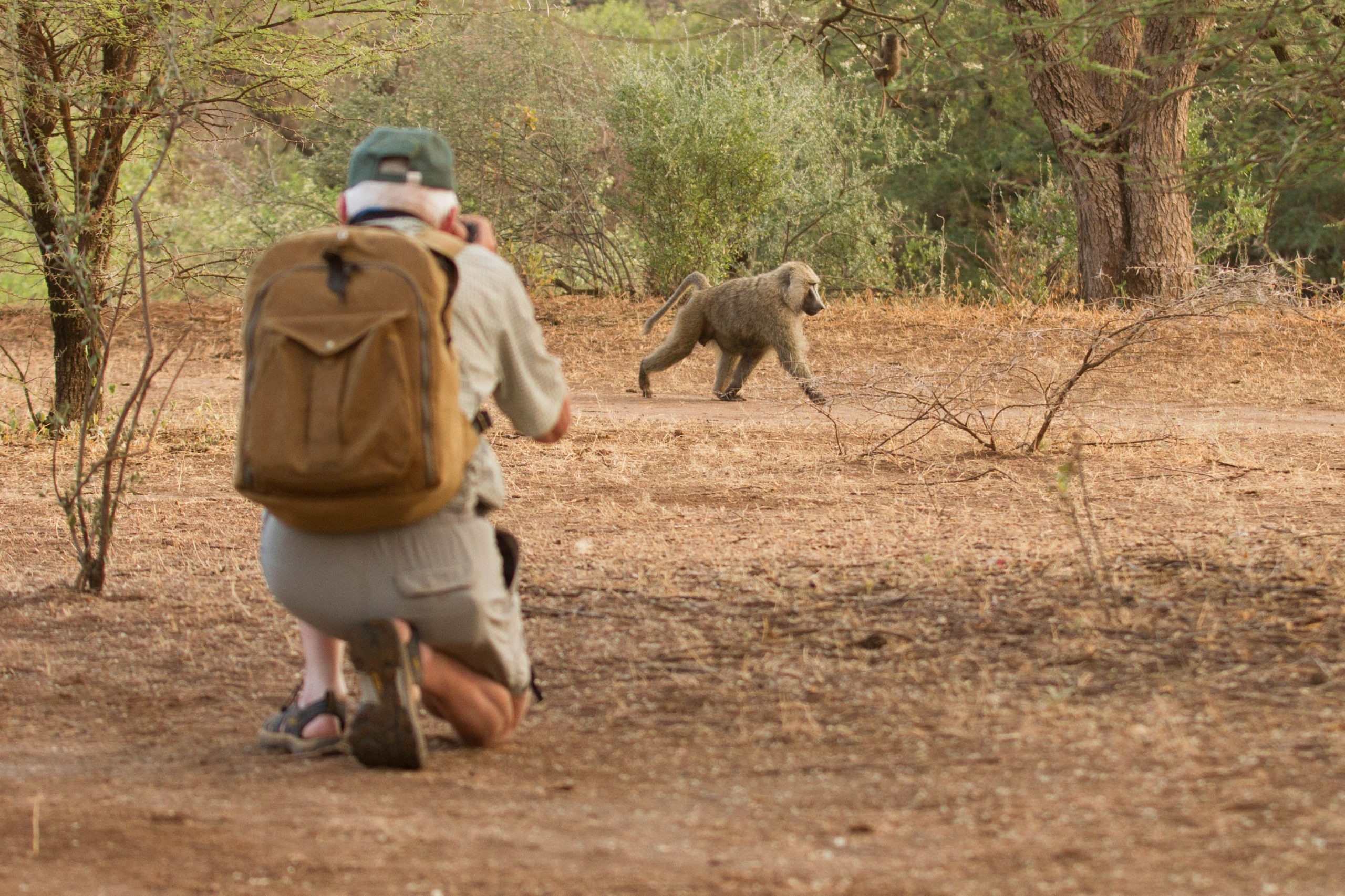
One of the few places in East Africa to walk with a habituated baboon troop. A local guide knows each animal by name.
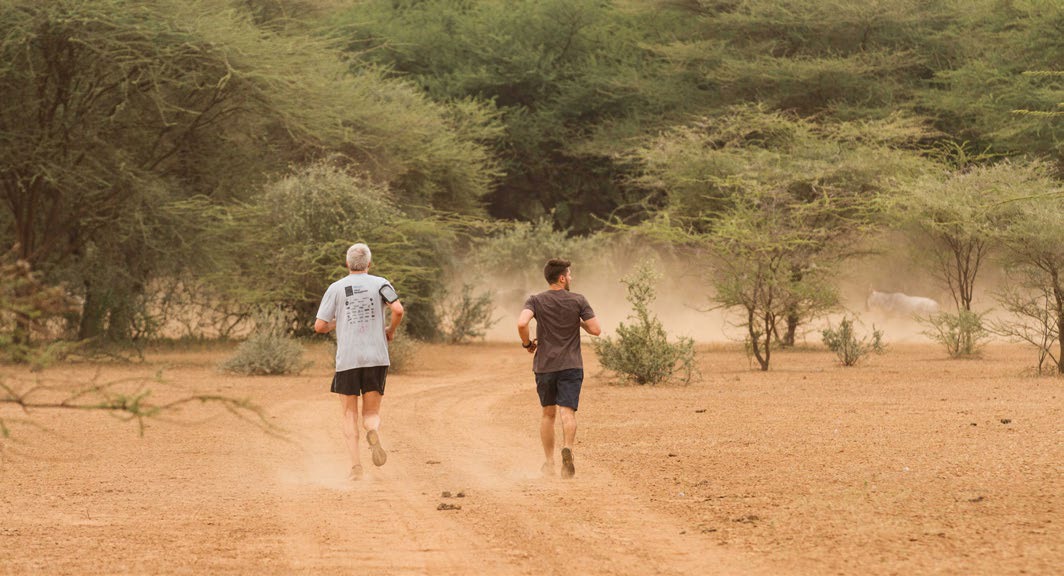
Open plains for guided walking and running at any time. Animal tracking, birding, and unhurried bush time on foot.

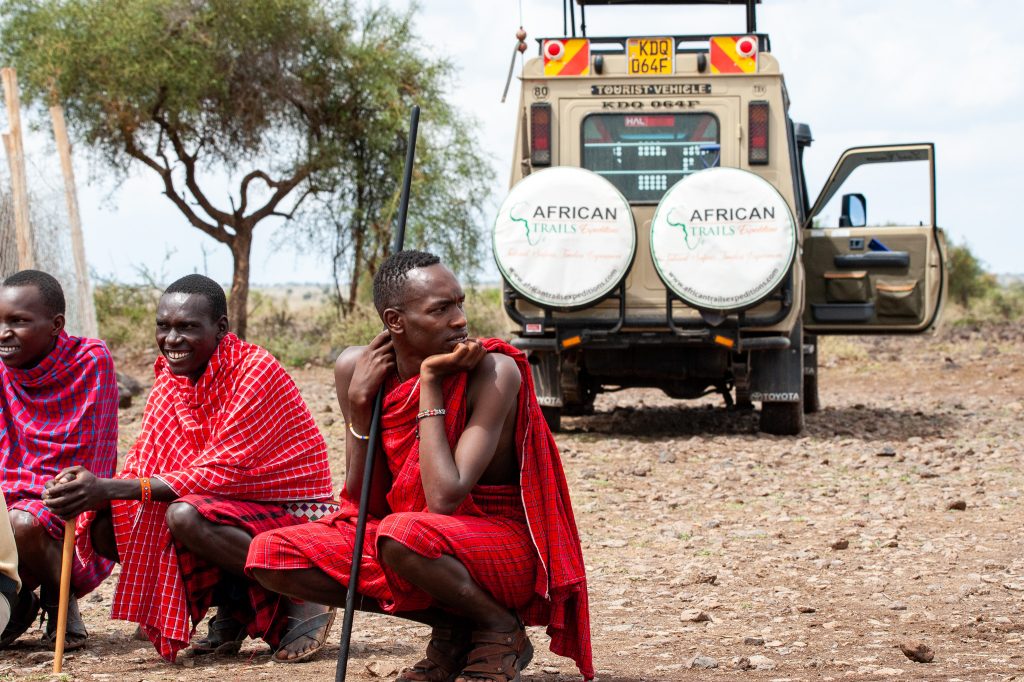
Guided visits to Maasai homes with one day's notice. Walk the cattle home with the herdsmen at dusk: something no other camp offers.
Ready to plan your stay?
Meals at Shompole Wilderness are served in the open-sided dining and lounge area at the heart of the camp, or taken out into the bush — a picnic breakfast after the morning drive, a lunch setup beside the river, a dinner table in the open plains under the Rift Valley sky. The kitchen produces food that guests consistently describe as delicious rather than merely competent: wholesome, well-seasoned, and made with a level of care that reflects the camp’s overall attention to the guest experience without pretending to be something it is not. This is home cooking of a high order, not fine dining — and in a camp where the landscape does the heavy lifting, that is exactly the right register.


Shompole Wilderness is open from late May through to mid-April each year, closing for a period during the long rains season. The South Rift’s ecology is distinct from the Mara and Amboseli circuits, and the seasonal character of a Shompole visit is shaped primarily by the Ewaso Ng’iro River’s water level — which determines access to kayaking, tubing, and swimming — and by the flamingo populations on Lakes Magadi and Natron, which fluctuate with rainfall and lake chemistry across both the Kenyan and Tanzanian sides of the border.
The dry seasons — January to February and June to October — deliver excellent game viewing across the open conservancy, the clearest conditions for the photographic hides, and the most reliable river access for water activities. The Rift Valley’s lion prides are most visible against short dry-season grass; the night drives surface the widest range of nocturnal species when the vegetation is least obstructive.
The green season from November through March brings its own rewards: the plains turn vivid, the birdlife reaches its peak diversity with migratory species adding to the 435 resident species, and the Rift Valley light in the rains is extraordinary for photography. The river runs higher — sometimes restricting kayaking, sometimes making tubing even better — and the camp occupancy during this period is low enough that the experience of exclusivity intensifies further.
July to October aligns Shompole with Kenya’s broader peak safari season, and the conservancy’s lion population and the photographic hide are at their most active during these months. The flamingo spectacle at Lake Magadi and Natron is most reliable when lake levels are stable, which tends to coincide with dry conditions on both sides of the border.
Explore handcrafted itineraries where Shompole Wilderness Camp forms part of the journey.
Please share your name and email so we can follow up with you.