From
$2,809

🔒 Your details are kept private and never shared with third parties.
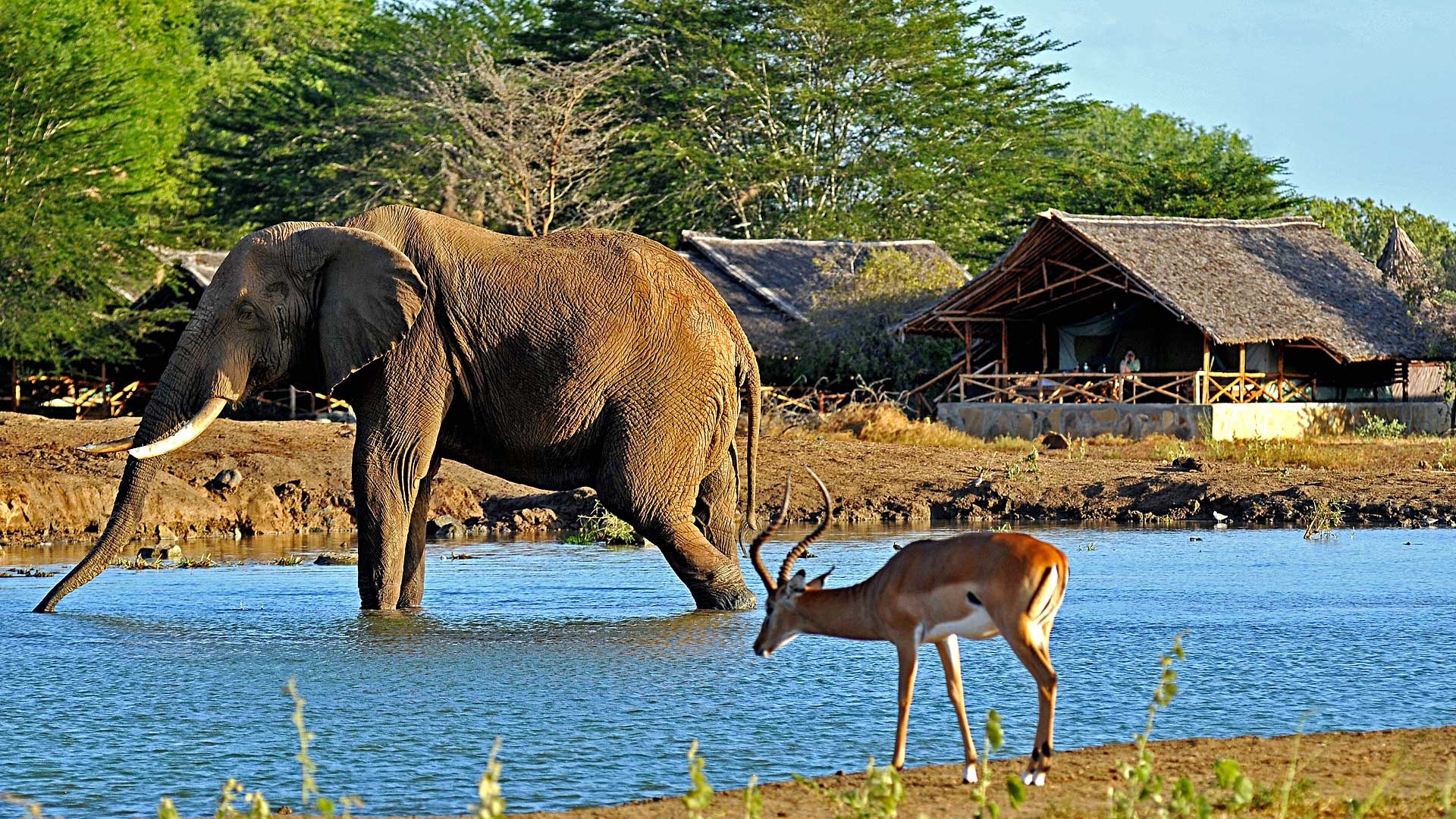
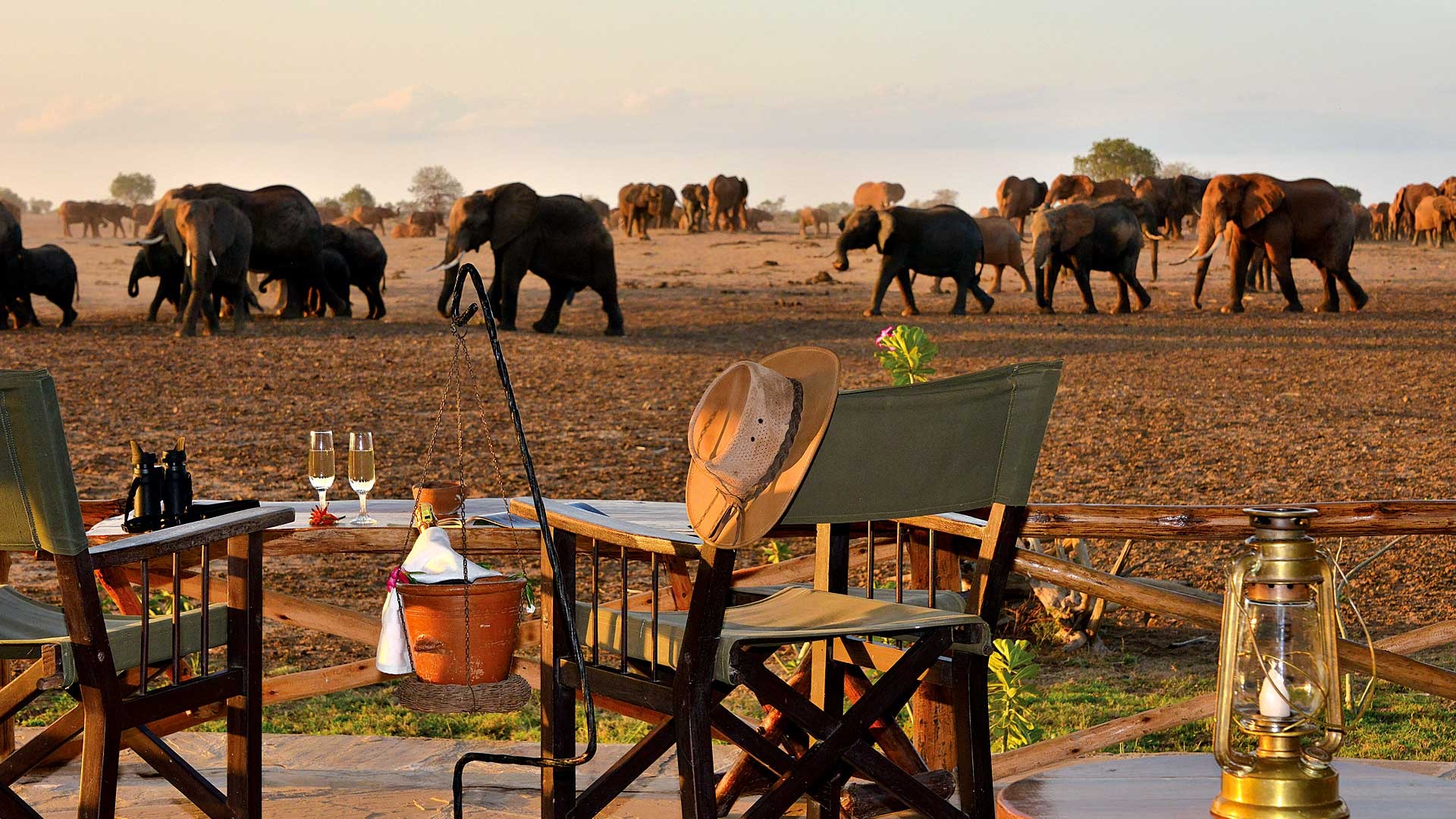
Twenty tents around a permanent waterhole in Tsavo East, where up to 1,000 red elephants drink daily and the Sagala Hills turn amber at dusk.
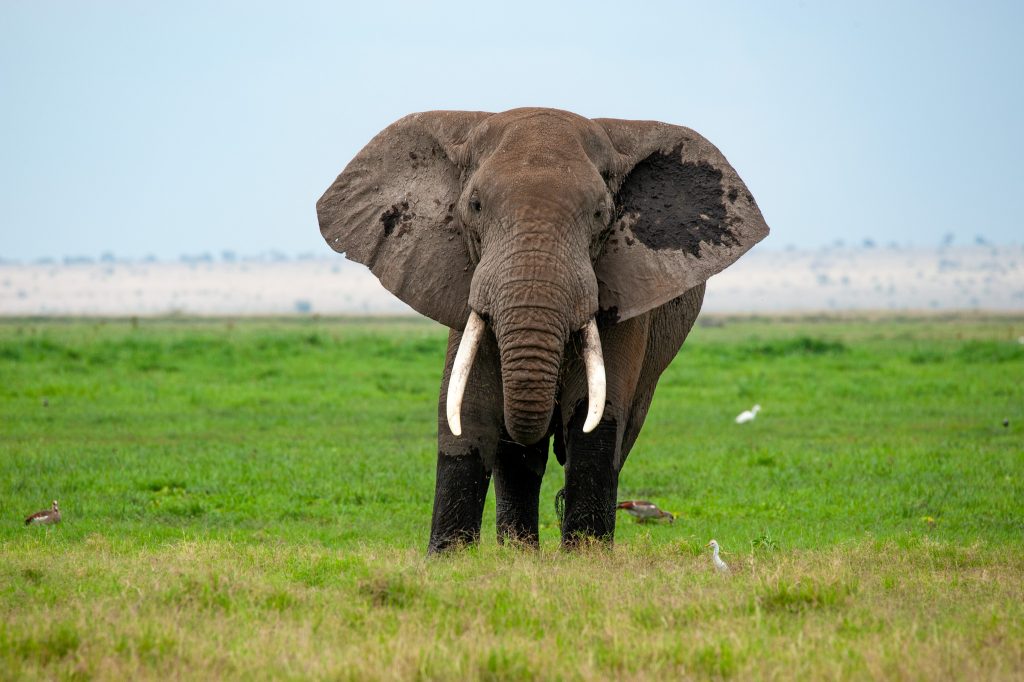
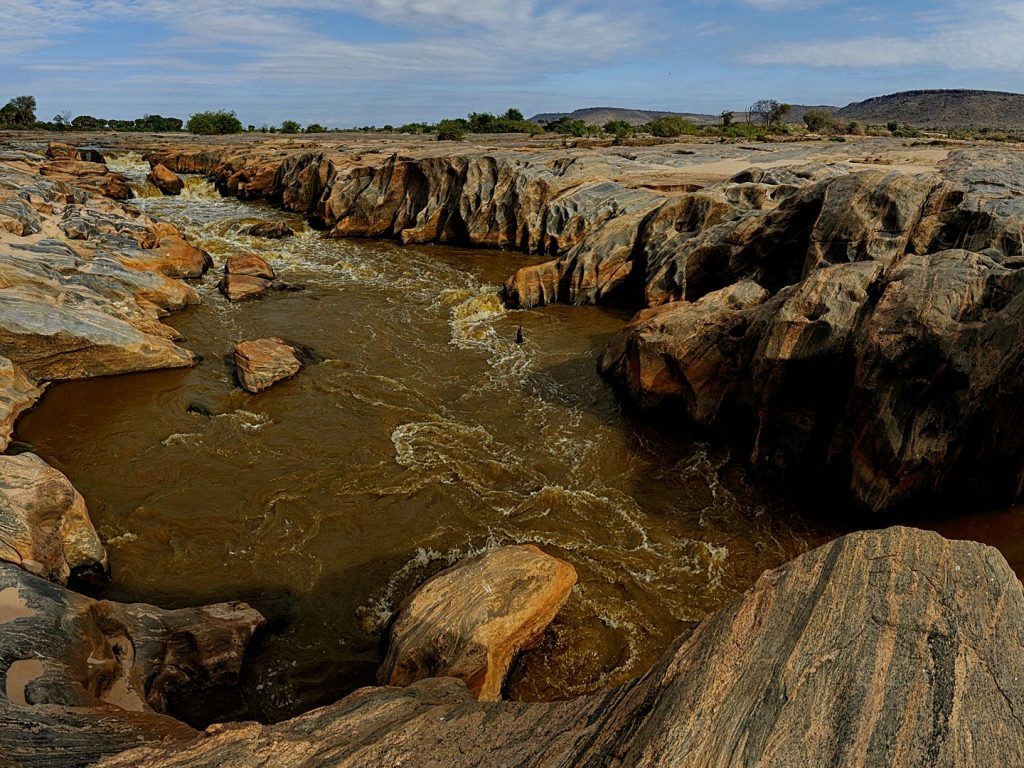
Tsavo East is Kenya’s largest national park — 11,750 square kilometres of semi-arid acacia scrub, open grassland, lava plains, and riverine forest, with a wildlife density that made it famous long before the Maasai Mara occupied the centre of the safari map. The Galana River runs through its south, the Yatta Plateau edges its northwest, and somewhere near the middle of this vast, unhurried country, a waterhole sunk in the red earth draws the elephants in numbers that remain genuinely arresting no matter how many times a guide has watched it happen. Up to a thousand in a single day. Coming in family groups, bull herds, and lone individuals; dust-bathed to the deep terracotta that gives Tsavo’s elephants their particular distinction and their particular fame.
Satao Camp sits at that waterhole. The camp’s 20 tents are arranged in a semi-circle under the shade of old tamarind trees, each positioned so that the waterhole is the view from the veranda — not a distant feature, but the immediate foreground of every hour spent at camp. The name Satao comes from one of the largest elephants ever recorded in Kenya, a bull who ranged this territory for decades before his death in 2014. It is a name that the camp carries with appropriate weight: Tsavo’s elephant heritage is not background detail here but the central fact of the address.
The camp is owned by Southern Cross Safaris, one of Kenya’s most established Mombasa-based operators, and run with the warmth and attention that a long-standing, independently operated property tends to accumulate. Guides are professional and Tsavo-qualified, drawn primarily from the local Taita, Duruma, and Waliangulu communities — approximately 85% of all staff are hired locally, a figure that reflects a meaningful employment commitment to the communities whose land borders the park. The camp is an active supporter of the Global Alliance of National Parks and maintains its waterhole as a year-round conservation asset: a commitment to keeping the water available regardless of season, so that the wildlife that depends on it is never abandoned.
Satao Camp sits on its own waterhole inside Tsavo East, a mid-range tented camp by Southern Cross Safaris. 20 en-suite tents under tamarind trees, professional Tsavo guides, and one of Kenya's most reliably active wildlife waterholes as its daily centrepiece.
Satao Camp maintains its waterhole as a permanent water source year-round, ensuring wildlife is never displaced by drought. A member of the Global Alliance of National Parks, the camp recruits approximately 85% of staff from local Taita, Duruma, and Waliangulu communities, with a focus on long-term skill development and employment.
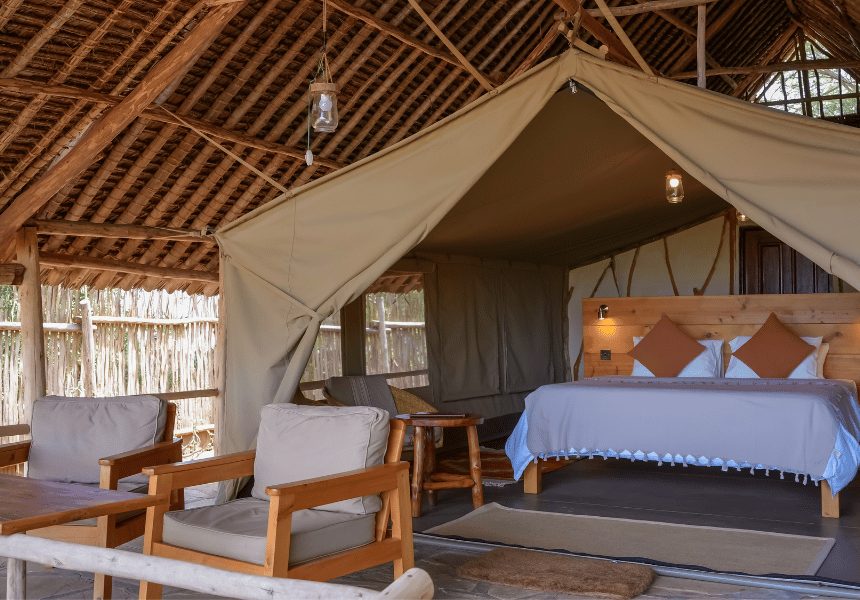
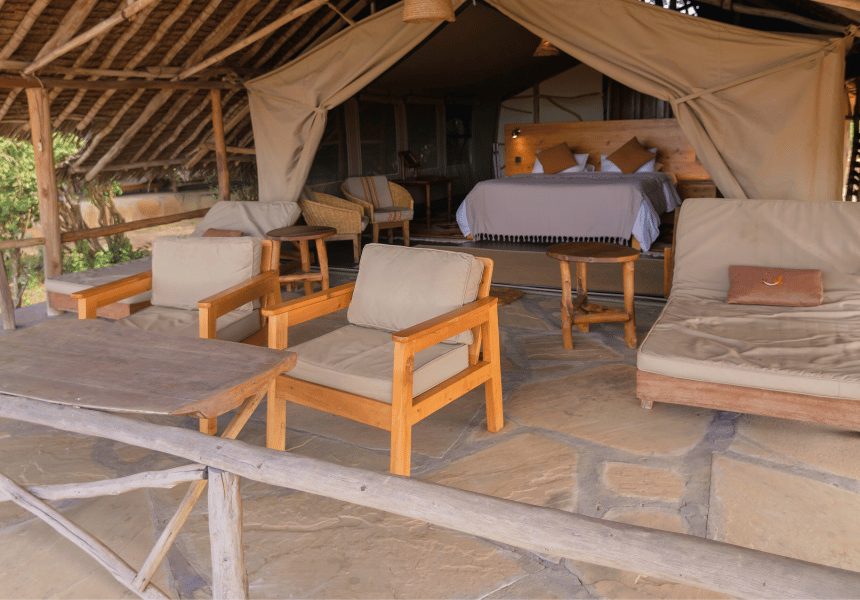
Satao Camp’s 20 tents divide into 15 standard tents and 5 suites, all en-suite and finished in authentic African bush style — makuti thatch roofing made from sun-dried coconut palm leaves, natural materials throughout, and interiors furnished to a design that earns the setting without overreaching it. Every tent has a private veranda with chairs, positioned in the semi-circular layout to face the waterhole. Standard Tents are well-proportioned, accommodate extra beds for families, and are wheelchair-accessible. Suites are larger and occupy the prime positions in the camp’s arc — closest to the water’s edge, which means the elephants when they arrive are not something you view from a distance but something that arrives in your frame. All tents have en-suite bathrooms. The camp is adapted throughout for guests with disabilities, including vehicles.
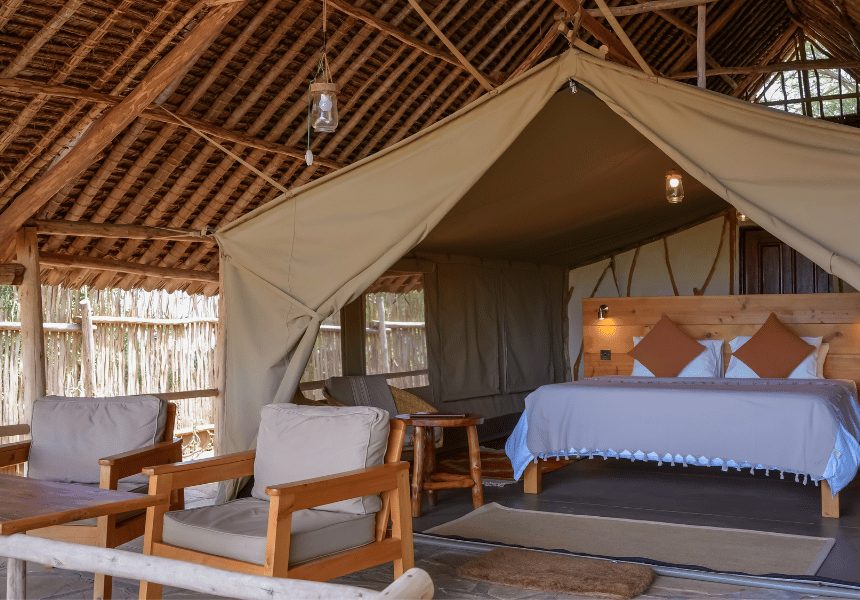
Standard Tents sit under tamarind shade with a private veranda facing the waterhole and a reliable en-suite bathroom. Makuti thatch, natural materials, and authentic bush furnishings throughout. Extra beds available for families; wheelchair-accessible configurations on request.
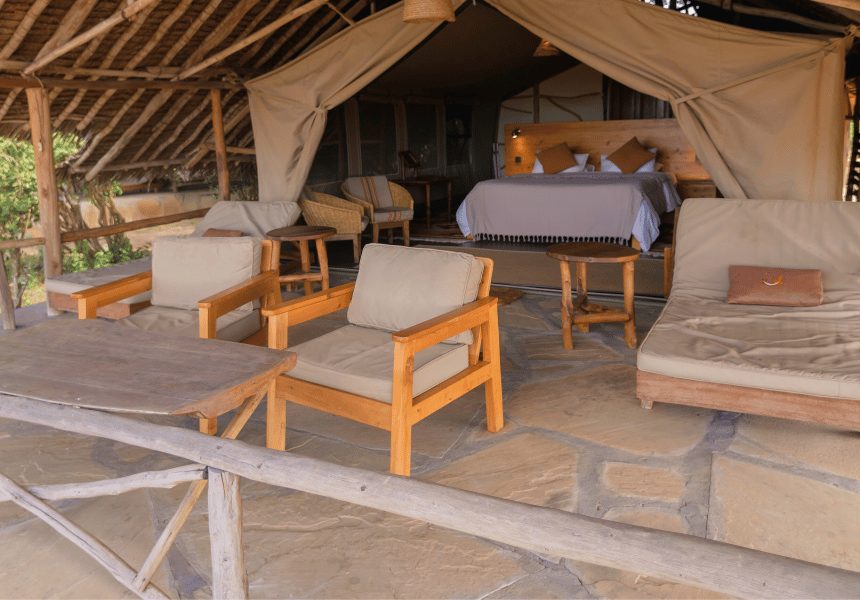
Five suites occupy the arc of camp closest to the waterhole, the prime position for close-range elephant encounters. Larger than standard tents with the same authentic bush finish. Position and scale are the distinction.
Every moment at Satao Camp is crafted to immerse you deeper in the wild.
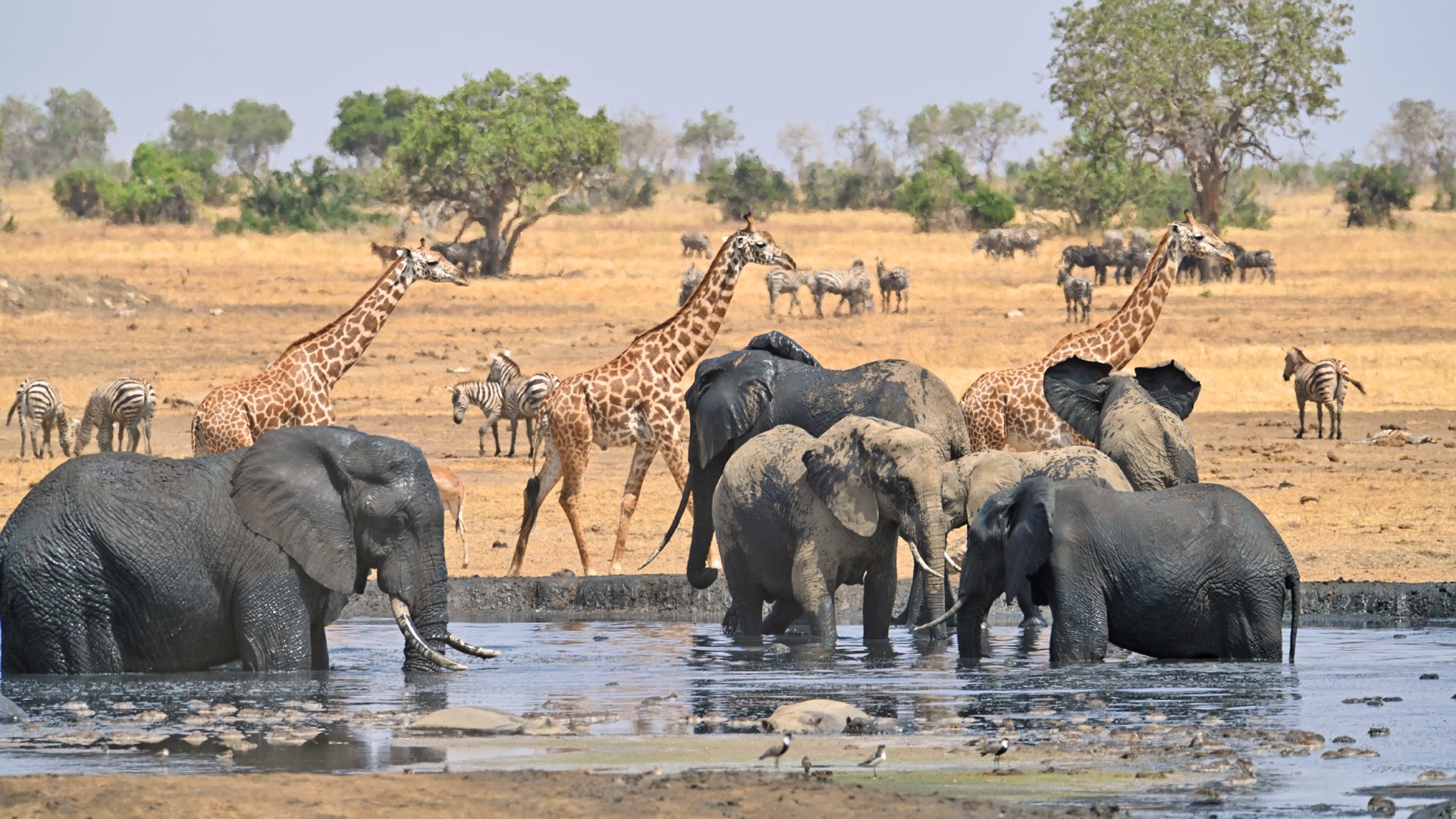
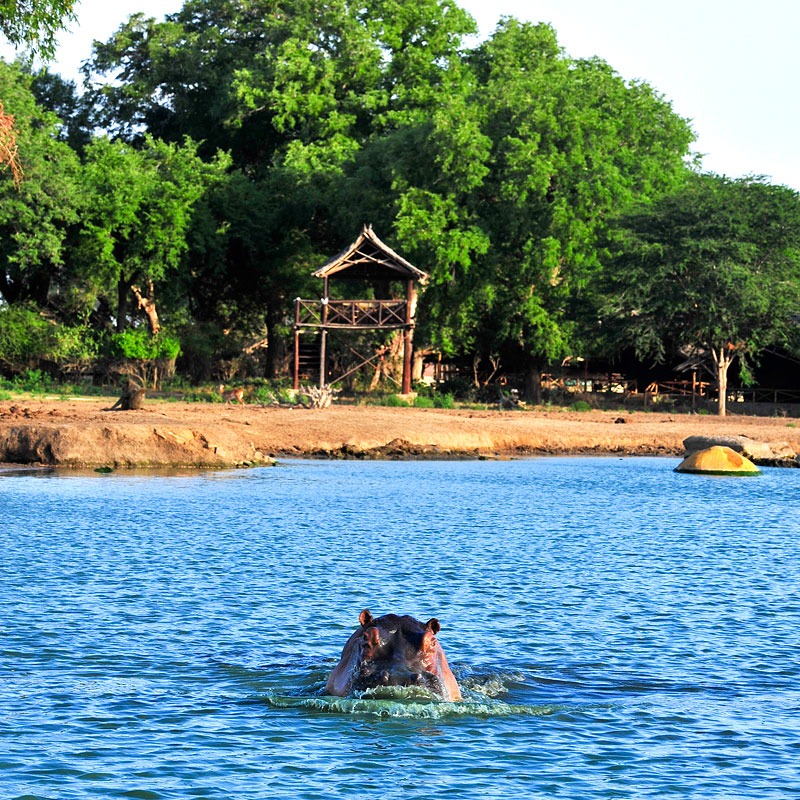
The waterhole is maintained year-round, drawing elephant herds throughout the day, with the largest concentrations in early morning and late afternoon. Guests watch from the veranda, tamarind shade, or observation tower after dark.
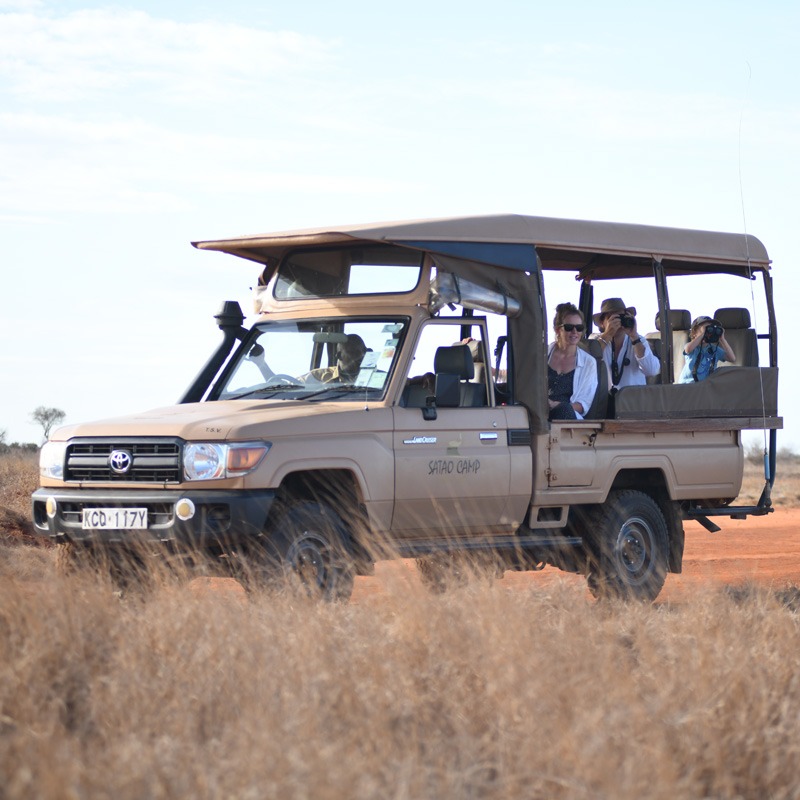
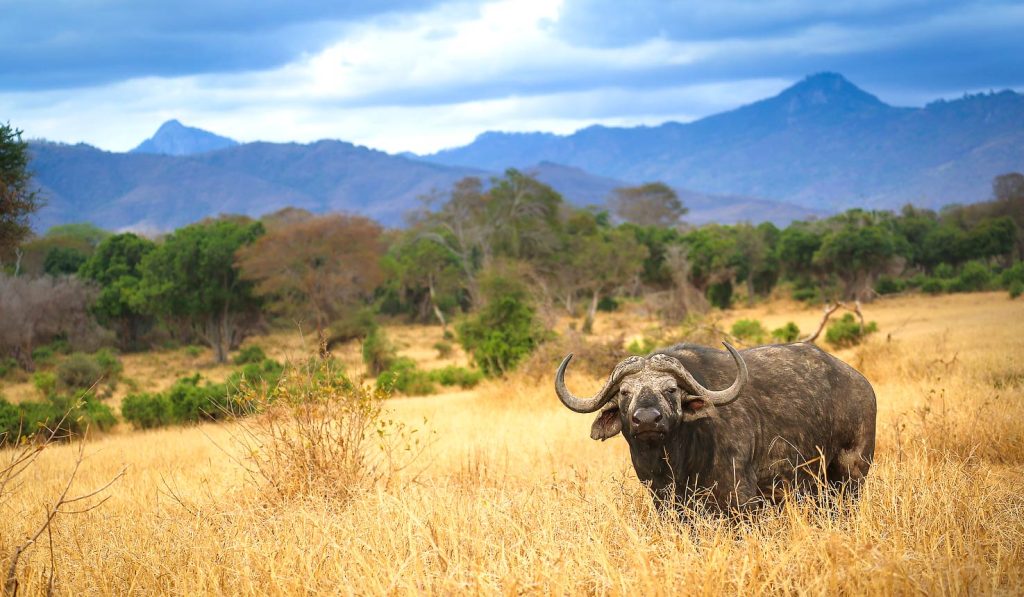
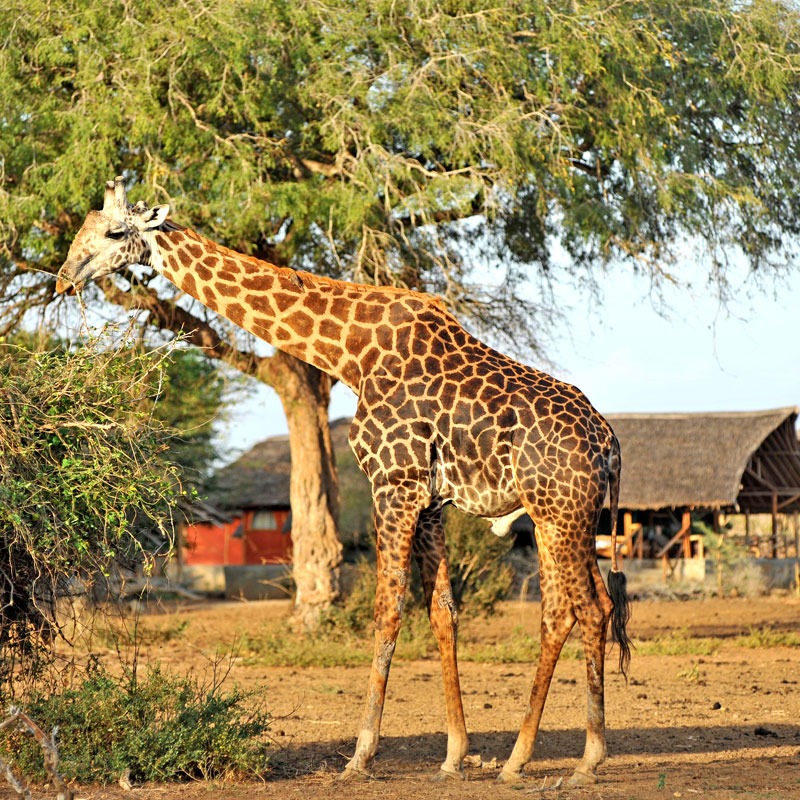
Morning and afternoon drives in open 4x4s cover lion, leopard, cheetah, buffalo, and elephant across Tsavo's terrain. Guides are qualified Professional Safari Guides with specific Tsavo knowledge.
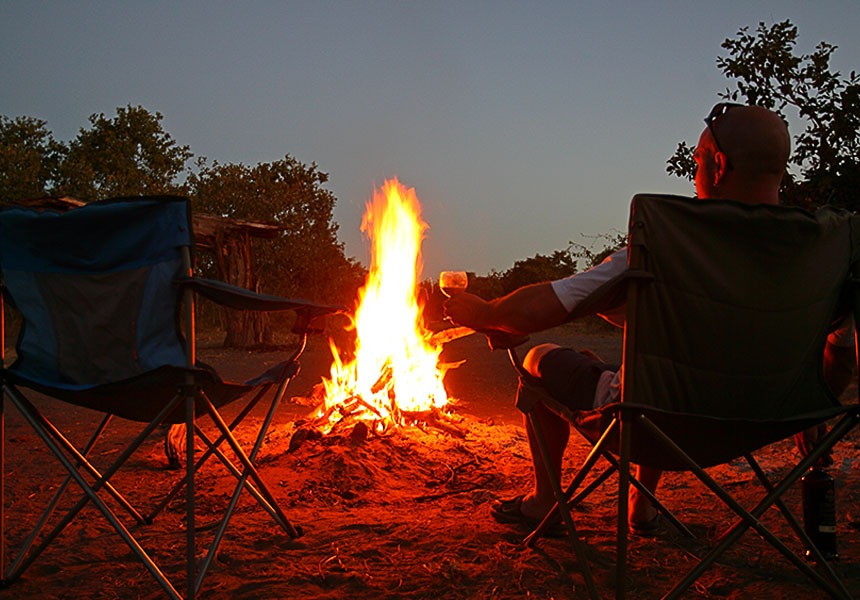
The afternoon drive ends at a designated position as the sun descends toward the Sagala Hills, with dawa cocktails, sparkling wine, and Tsavo's gold-to-amber light settling into dusk.
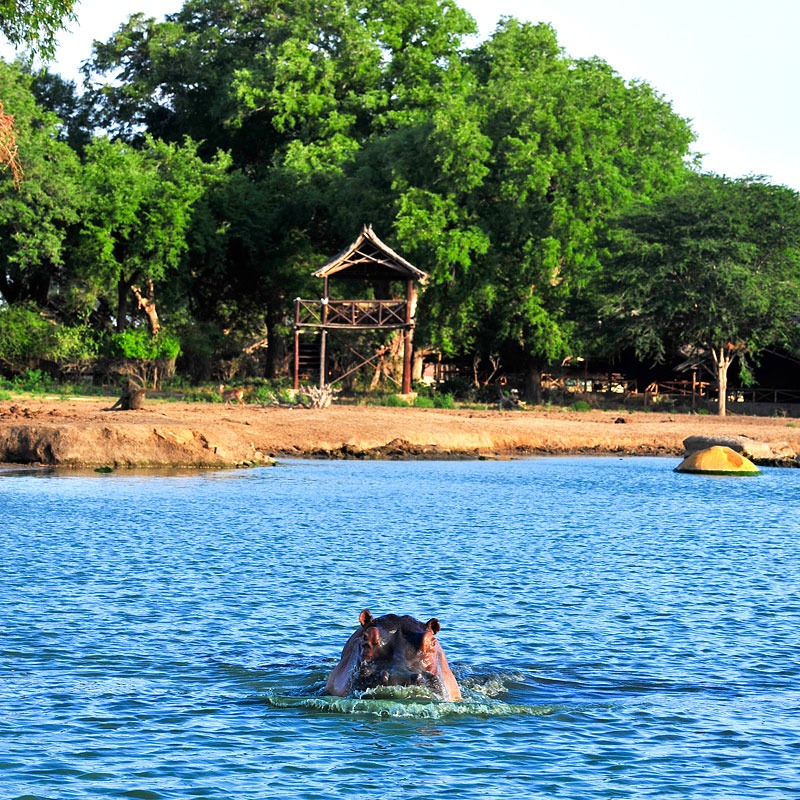
The observation tower overlooks the waterhole after dark, drawing leopard, hyena, genet cats, and smaller nocturnal predators.
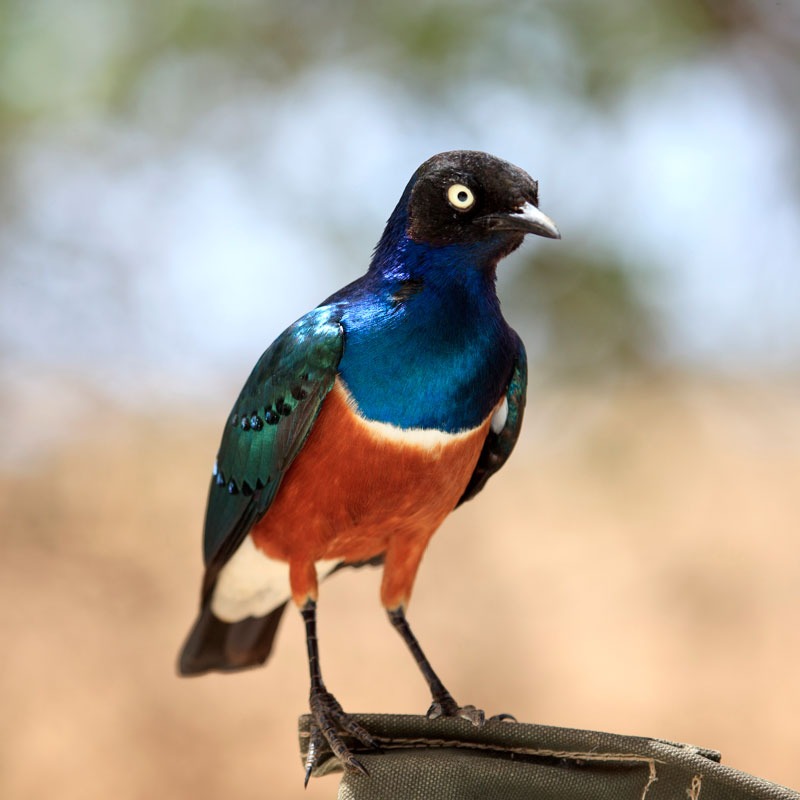
Over 500 recorded species across grassland, acacia scrub, riverine forest, and waterhole margins. The camp's habituated hornbills will take food from guests' hands.
Ready to plan your stay?
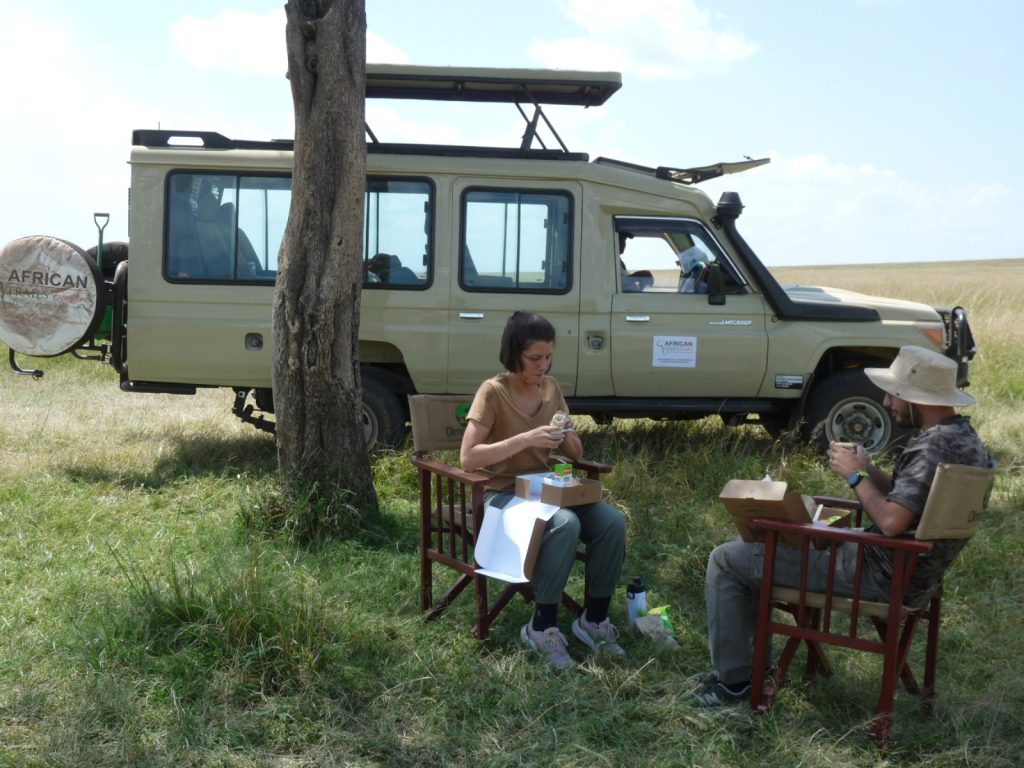
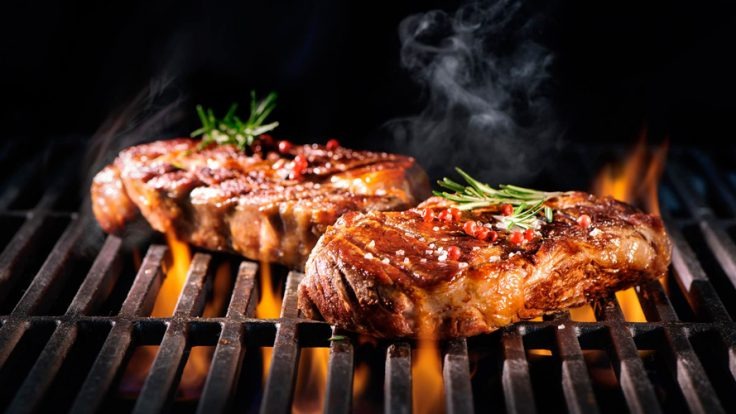
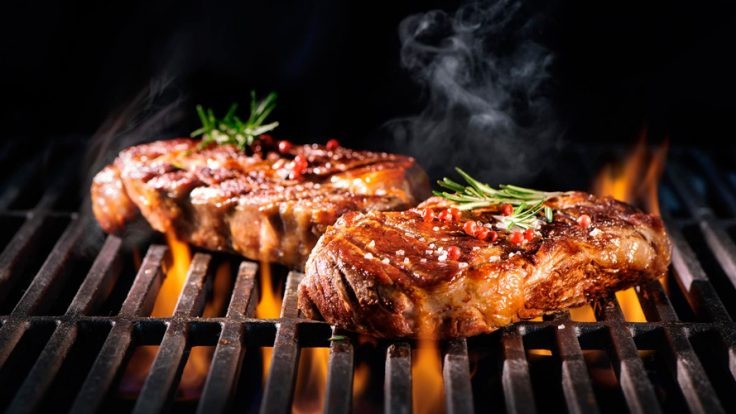
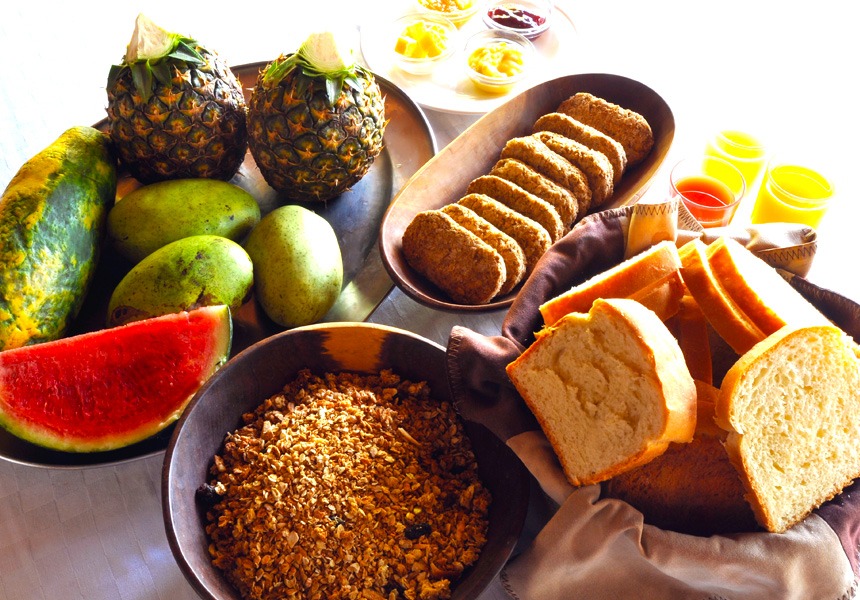
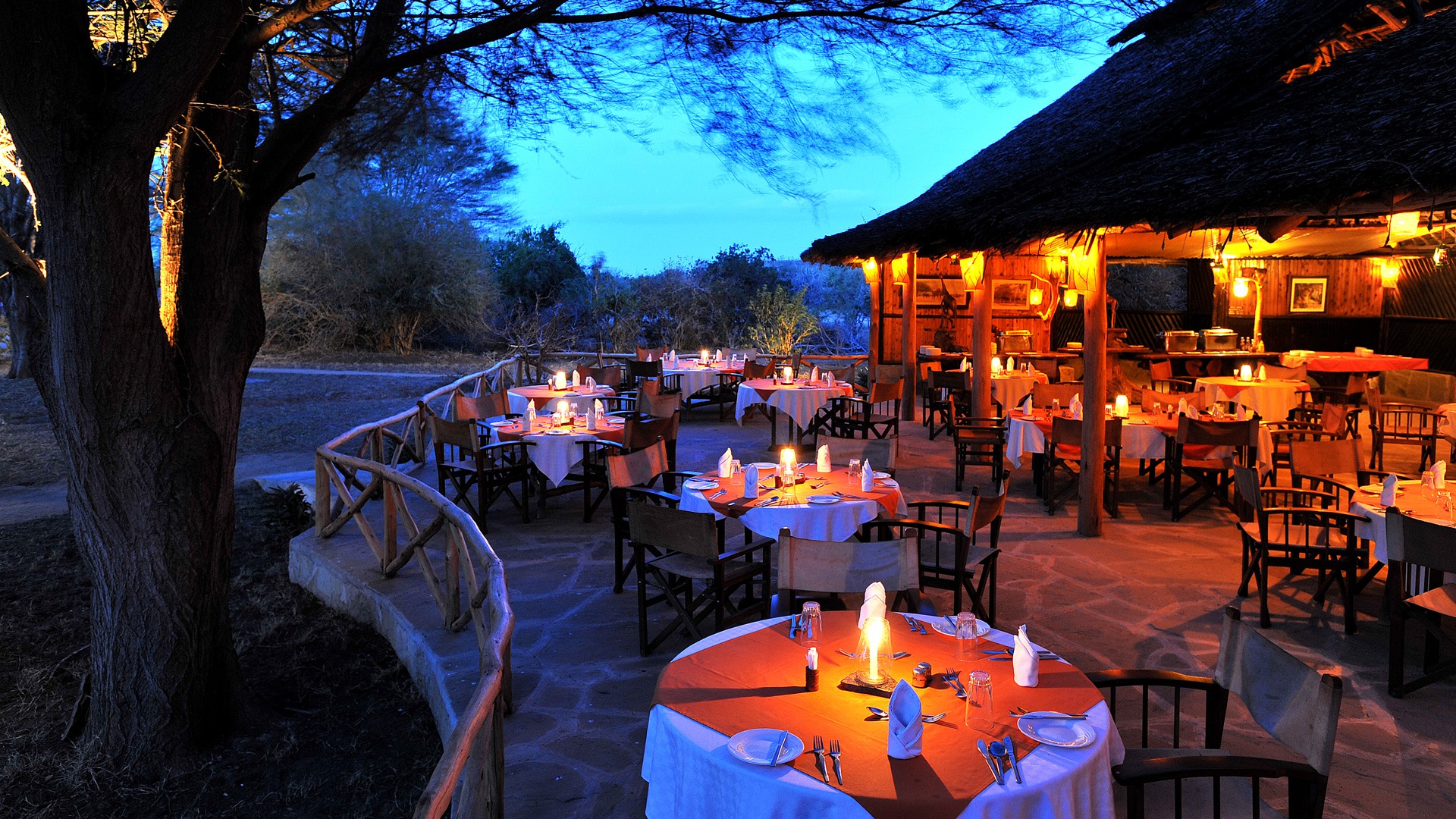
The dining rhythm at Satao Camp is organised around the waterhole and the light. Breakfast is served after the morning game drive, with eggs cooked to order and a kitchen that understands what a guest who has been in an open vehicle since before sunrise actually needs. Lunch is laid out al-fresco under a 200-year-old tamarind tree on the waterhole’s edge — the elephants do not stop arriving because it is midday, and a lunch watched over by bathing herds is one of those specific Satao experiences that other camps in other landscapes cannot replicate.
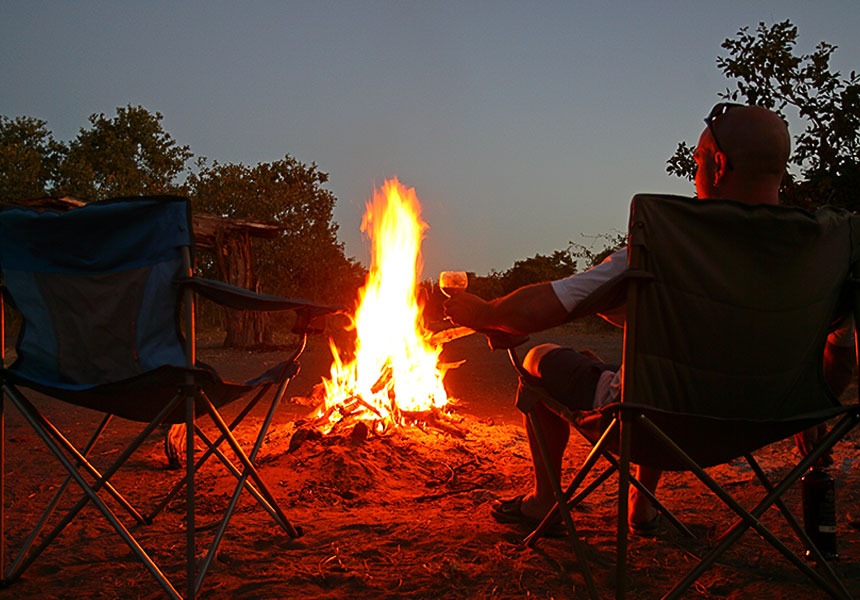
Dinner moves into the restaurant area as the evening cools, followed by nightcaps around the campfire — a nightly ritual that the camp structures with enough informality to let guests arrive at it naturally rather than feel they have been shepherded into a programme. The bar is well-stocked. Special dietary requirements are handled with advance notice. The food is consistently singled out in guest reviews as a genuine surprise — the standard of cooking in a remote Tsavo camp, it turns out, does not need to be explained away.
Tsavo East is a year-round destination, and Satao Camp’s permanent waterhole gives it a particular resilience to seasonal variation: regardless of what the rains are doing elsewhere in the park, the waterhole remains active and the elephant concentration around it remains the constant of the stay.
The dry seasons deliver the most concentrated and accessible game viewing. January and February are hot, dry, and excellent — the grass is at its shortest, the animals congregate at water, and the park’s roads are at their most navigable. June through October is the main dry season and the most popular period: clear skies, cool mornings, and the kind of extended visibility across the plains that makes long-distance sightings of lion and cheetah consistently possible. This period also coincides with peak Kenya safari season; early booking is advisable.
The green seasons — the short rains in November and December and the long rains from March through May — bring the park to life in a different register. The acacia scrub fills out, the migratory birds arrive, and the Galana River runs with purpose. Game drives in the rains require an experienced guide and a well-maintained vehicle; the tracks in the eastern sectors can be affected by heavy rainfall. Rates during the long rains are at their most competitive, and the camp’s grounds under full tamarind canopy in the rain are a specific, underrated pleasure.
Explore handcrafted itineraries where Satao Camp forms part of the journey.
Please share your name and email so we can follow up with you.