From
$2,809

Start Planning Your Tailor-Made Journey
🔒 Your details are kept private and never shared with third parties.
The only permanent camp in the 5,000-acre Olerai Conservancy. Eight tented suites and exclusive game-viewing in the greater Maasai Mara ecosystem.
The Olerai Conservancy takes its name from the Maa word for the yellow-barked acacia — the tree that defines the landscape here, and that gives Lerai Safari Camp its own name: lerai, in the same language, means yellow. The conservancy occupies 5,000 acres of open plains and acacia thicket in the greater Maasai Mara ecosystem, sitting directly west of the Maasai Mara National Reserve and sharing a common border with the Naboisho Conservancy to the south. The result is a corridor of wildlife habitat that connects across multiple conservancies and the national reserve in one of the most significant wildlife ranges in East Africa — and one that supports the highest density of giraffe and eland in the region alongside the full complement of Mara predators and migratory species.
Lerai Safari Camp is the only permanent structure in those 5,000 acres. When the camp was designed and built through 2018, the brief was unhurried on purpose: take time to understand the land before committing to it. The camp’s eight canvas tented suites are arranged along the seasonal Muliban River, positioned within an acacia thicket where shade, privacy, and proximity to the water source create the conditions in which wildlife moves naturally through the camp’s immediate surroundings. The river draws elephants to its banks. The open plains beyond the treeline sustain the resident giraffe herds and the predators that follow the prey. The main lounge, bar, and dining area overlook the river and the grassland.
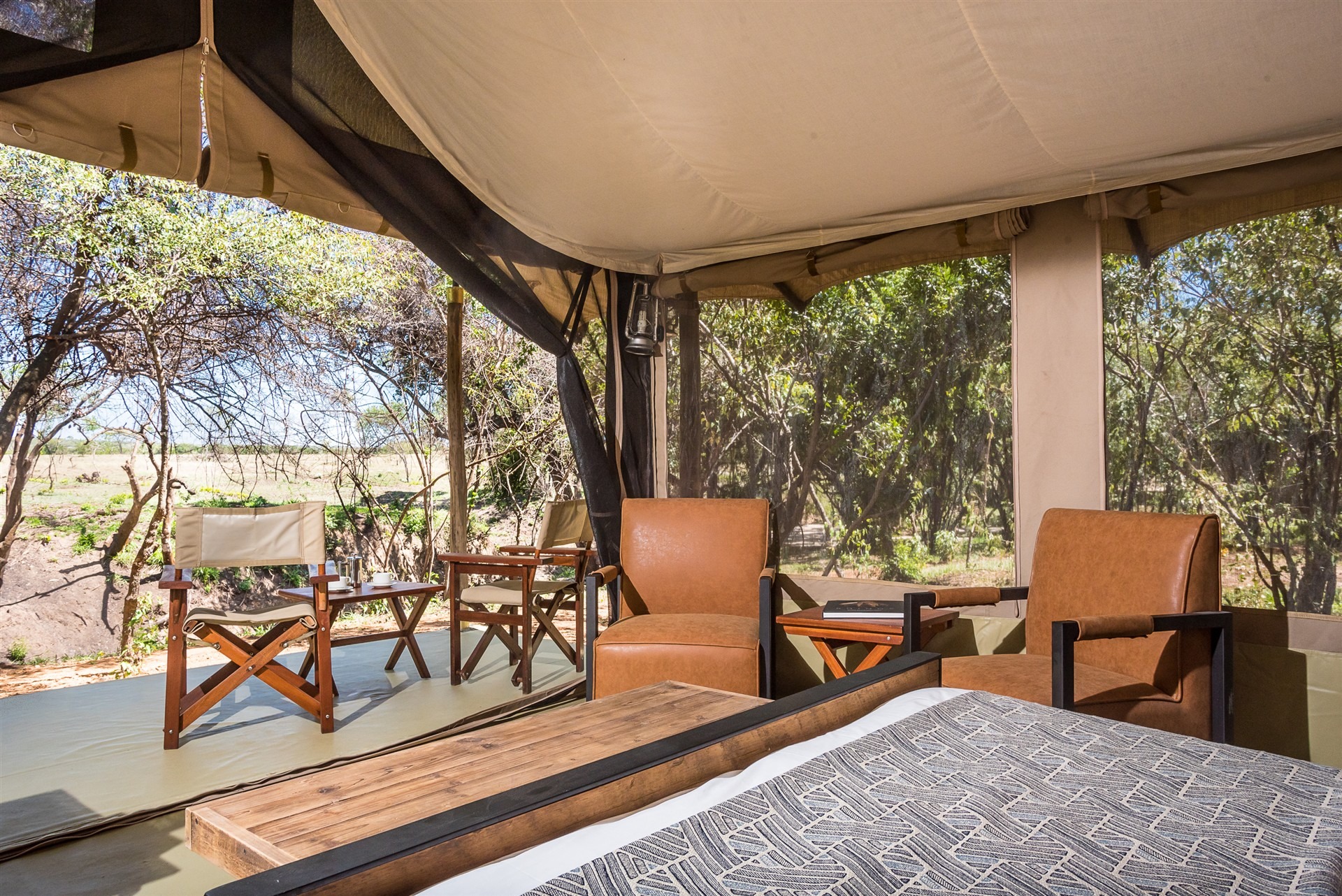
Inside the tents, the design language is unapologetically classical. Natural textures, warm woods, brass bathroom fittings, and antique-styled safari furniture evoke the period of the great East African expeditions without pastiche — the materials are quality, the proportions are generous, and the effect is a tent that feels like it belongs to a specific tradition rather than a generic safari category. Solar lanterns light the camp after dark; charging facilities are available; Wi-Fi reaches the lounge. The comforts are present and reliable, but they have not been allowed to override the character.
The conservancy’s private status permits activities that the national reserve does not. Night game drives into the Olerai — legal here, where the camp has full access and Maasai guides with deep territorial knowledge — surface the nocturnal cast of the ecosystem: spring hares, porcupines, bush babies, African owls, and the predators that shift their behaviour as darkness changes the balance between hunter and hunted. One full day per stay is included in the Maasai Mara National Reserve itself, giving guests both the intimacy of the private conservancy and the breadth of the national reserve’s famous plains.
The sole permanent property in the 5,000-acre Olerai Conservancy, Lerai Safari Camp sits along the seasonal Muliban River. Eight canvas suites, night drives, horse riding, walking safaris, and a classic East African aesthetic make it one of the most intimate camps in the greater Mara.
The Olerai Conservancy was established through voluntary Maasai landowner agreements to expand wildlife corridors. Lerai is its sole commercial property, capped at eight tents, solar powered, and built with minimal disturbance. Community commitments include a clean water borehole, four new classrooms for a local school serving 400 pupils, and support for the Tuone Mbali Olerai Women's Group.
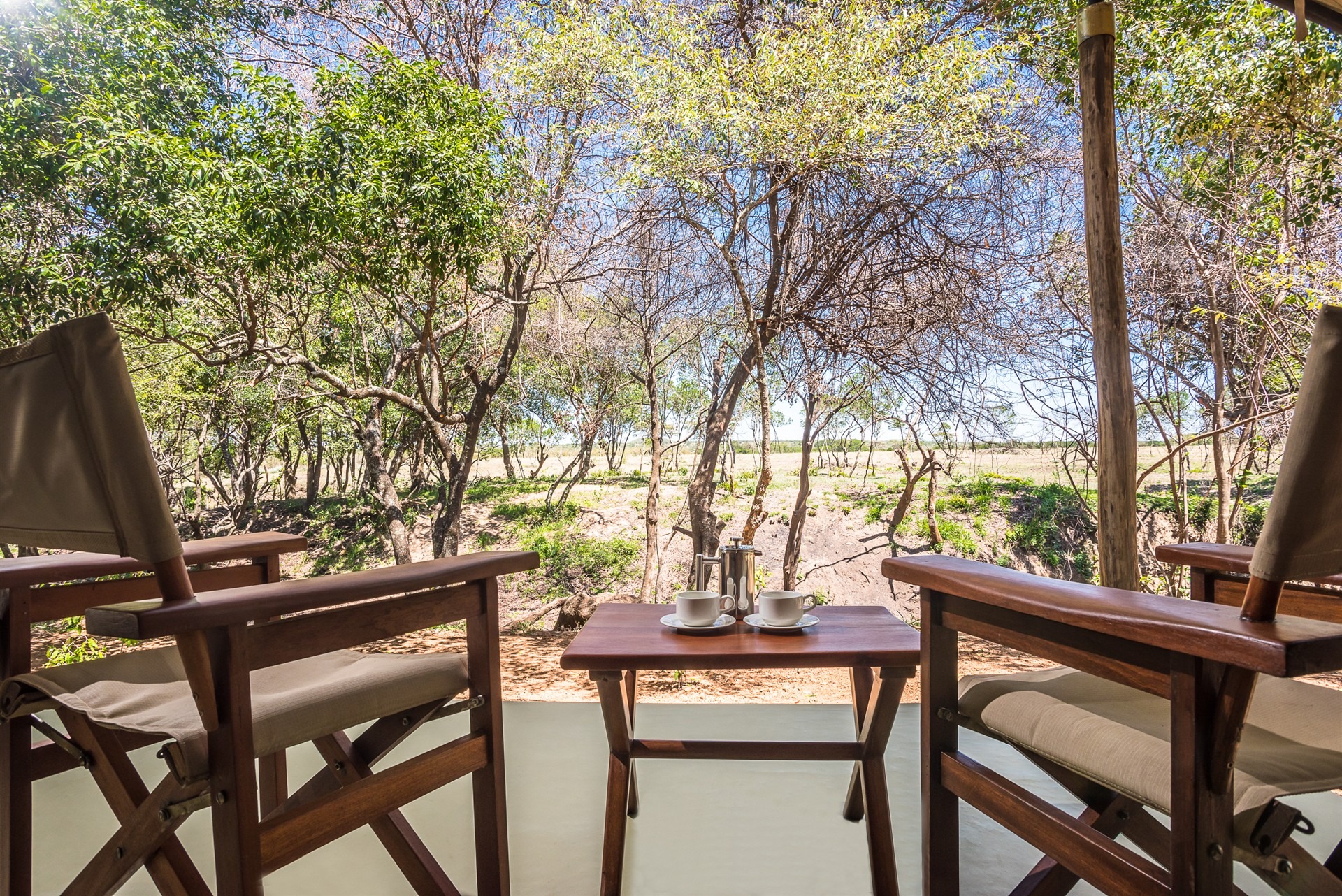
Lerai Safari Camp’s eight tented suites are canvas structures built on raised platforms along the Muliban River, each positioned within the acacia thicket for shade and privacy. Interiors express a considered version of classic East African safari style — warm wood furnishings, natural fabrics, antique-styled fittings, and generous spatial proportions that give each tent the feel of a personal camp rather than a repeating unit. Every suite has a private verandah facing the plains or the river, an en-suite bathroom with large bath and hot and cold shower with brass fittings, a safe deposit box, and charging facilities. Solar power runs the camp’s lighting through the night. Wi-Fi is available in the lounge. Children under 8 years are not accommodated; the camp does not offer triple configurations. The maximum capacity of 16 guests makes exclusive-use buyout available for groups.
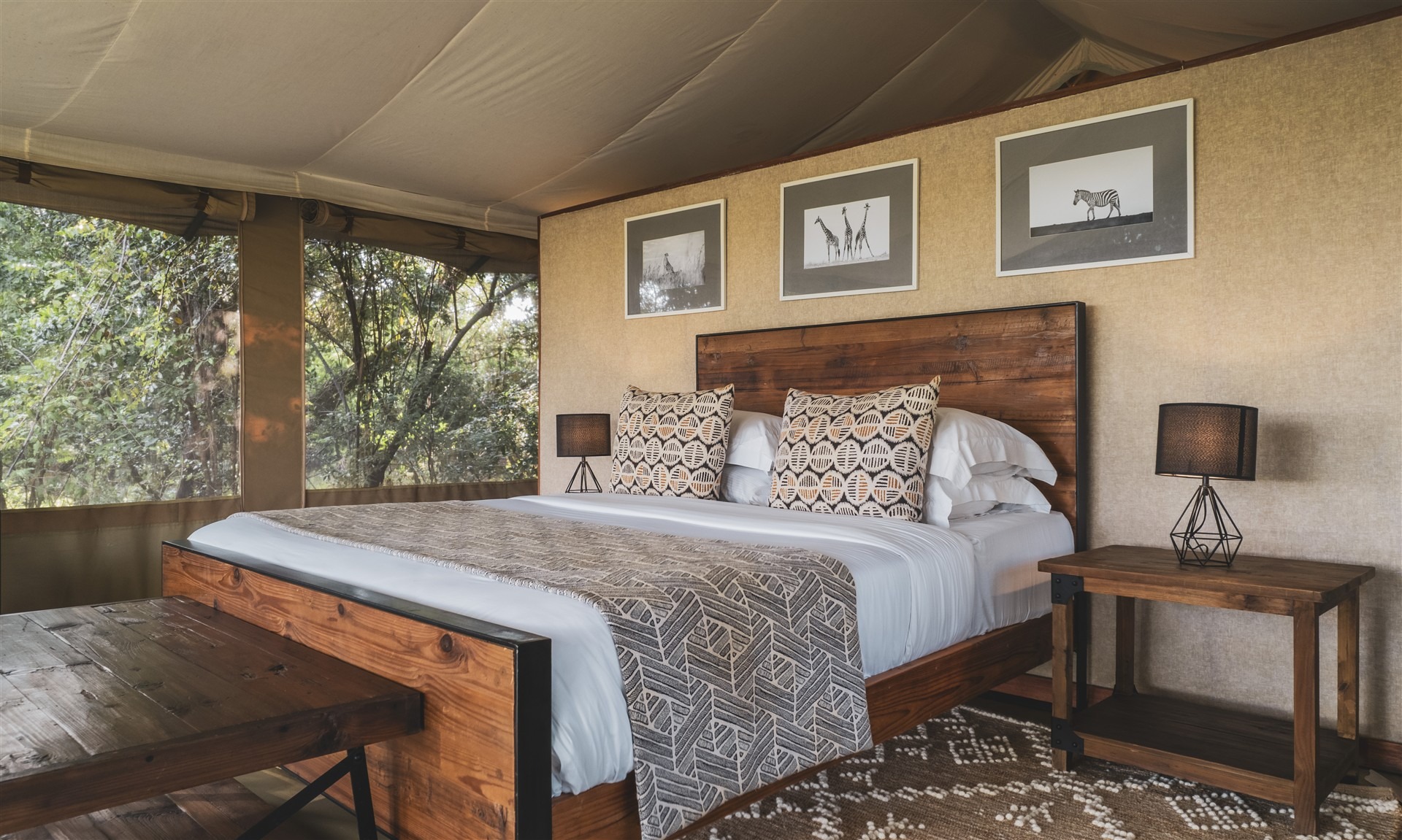
Eight canvas suites on raised platforms, each with a private verandah facing the plains or river. Antique safari furniture, brass fittings, and natural fabrics throughout. En suite bathroom with large bath and hot and cold shower. Solar lighting, safe, and charging point standard. Wide spacing ensures complete seclusion.
Every moment at Lerai Safari Camp is crafted to immerse you deeper in the wild.
Ready to plan your stay?
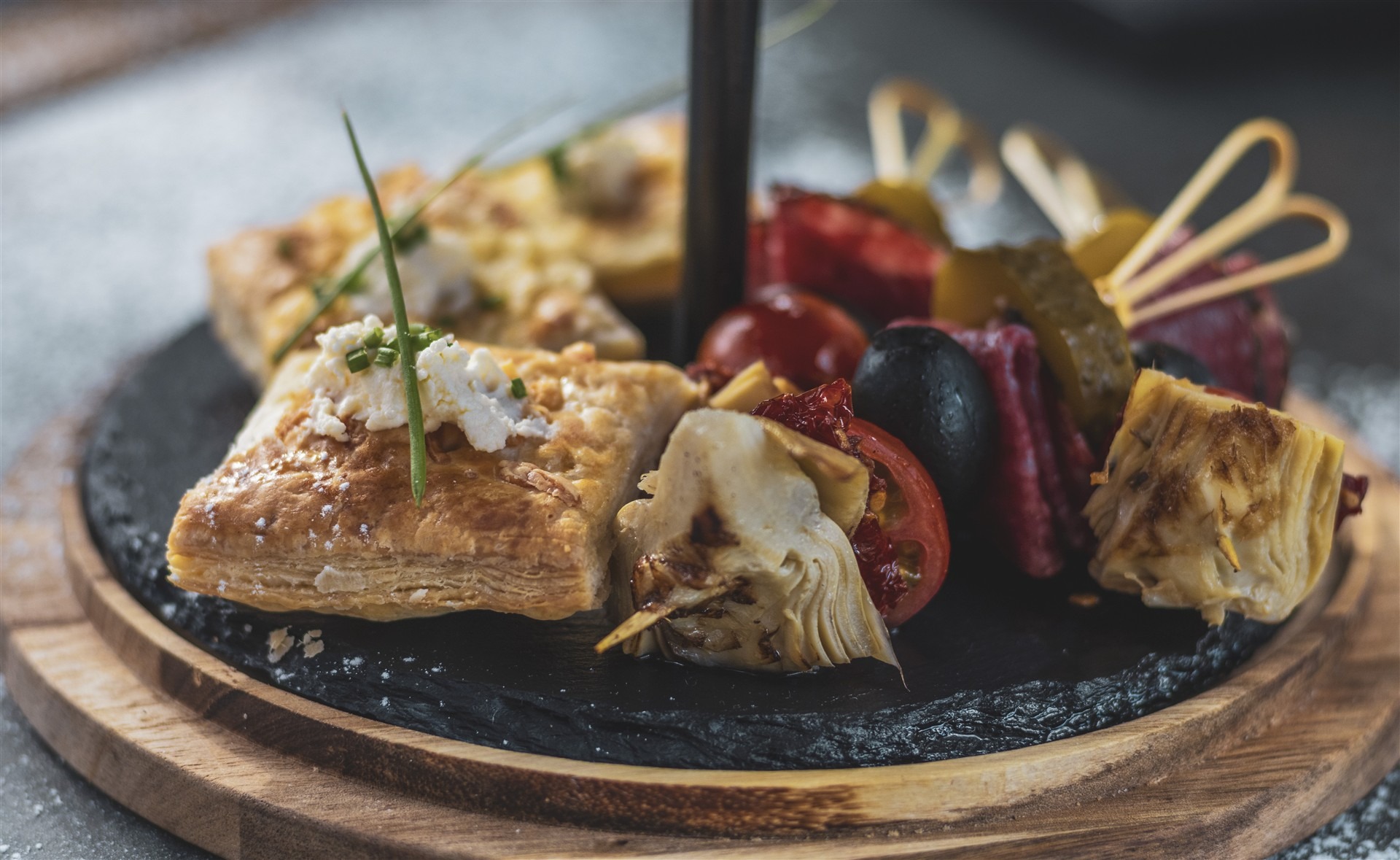
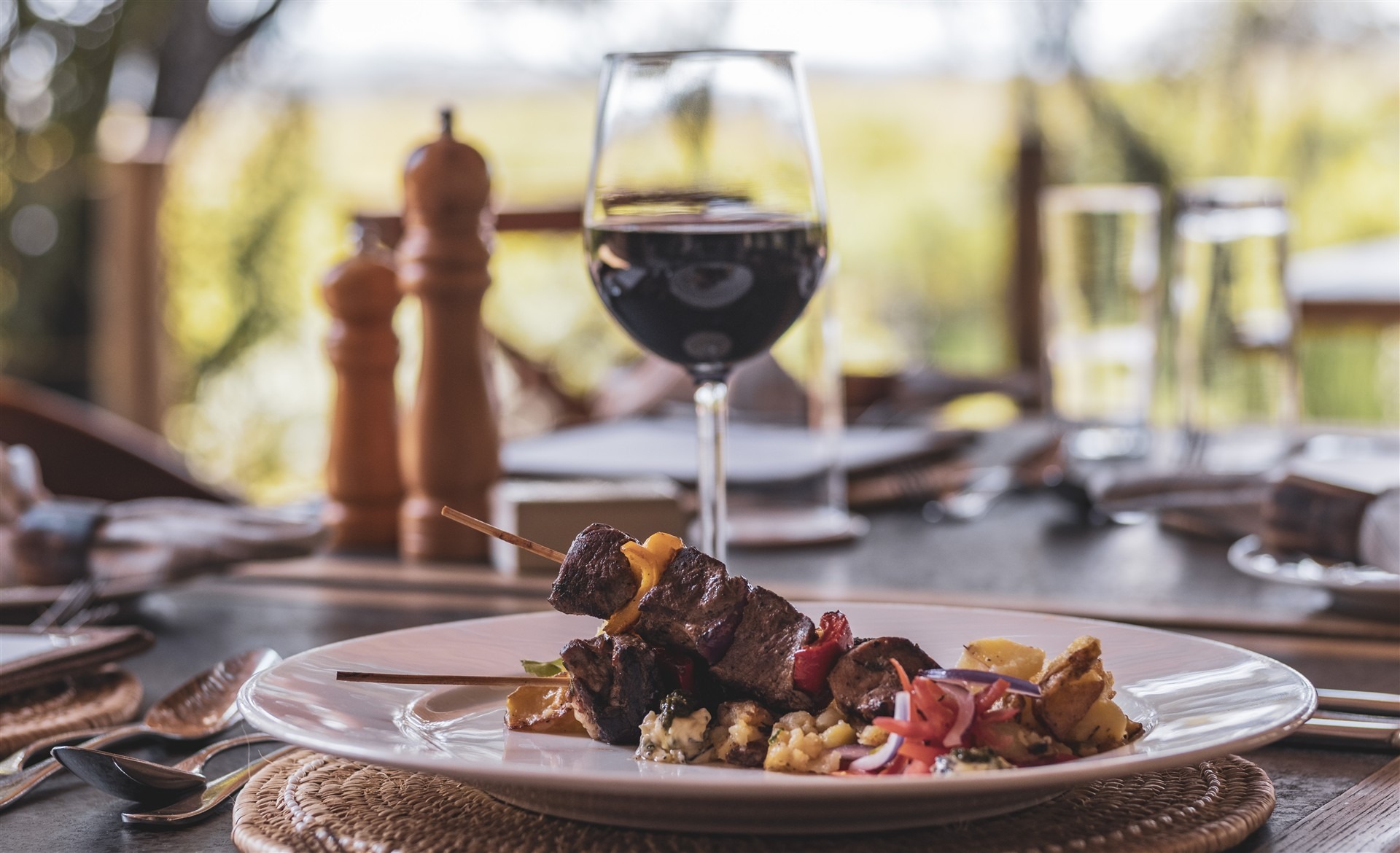
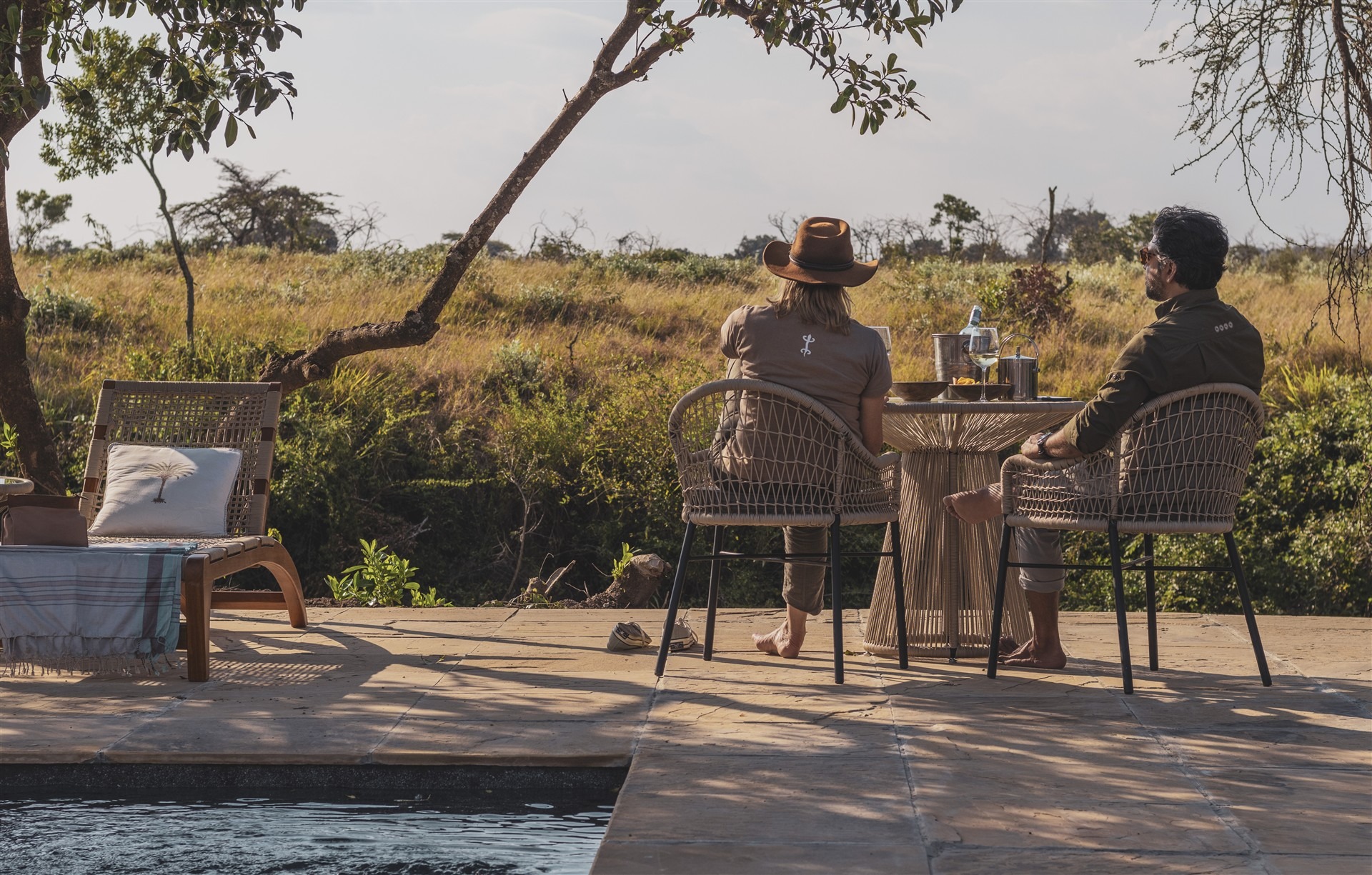
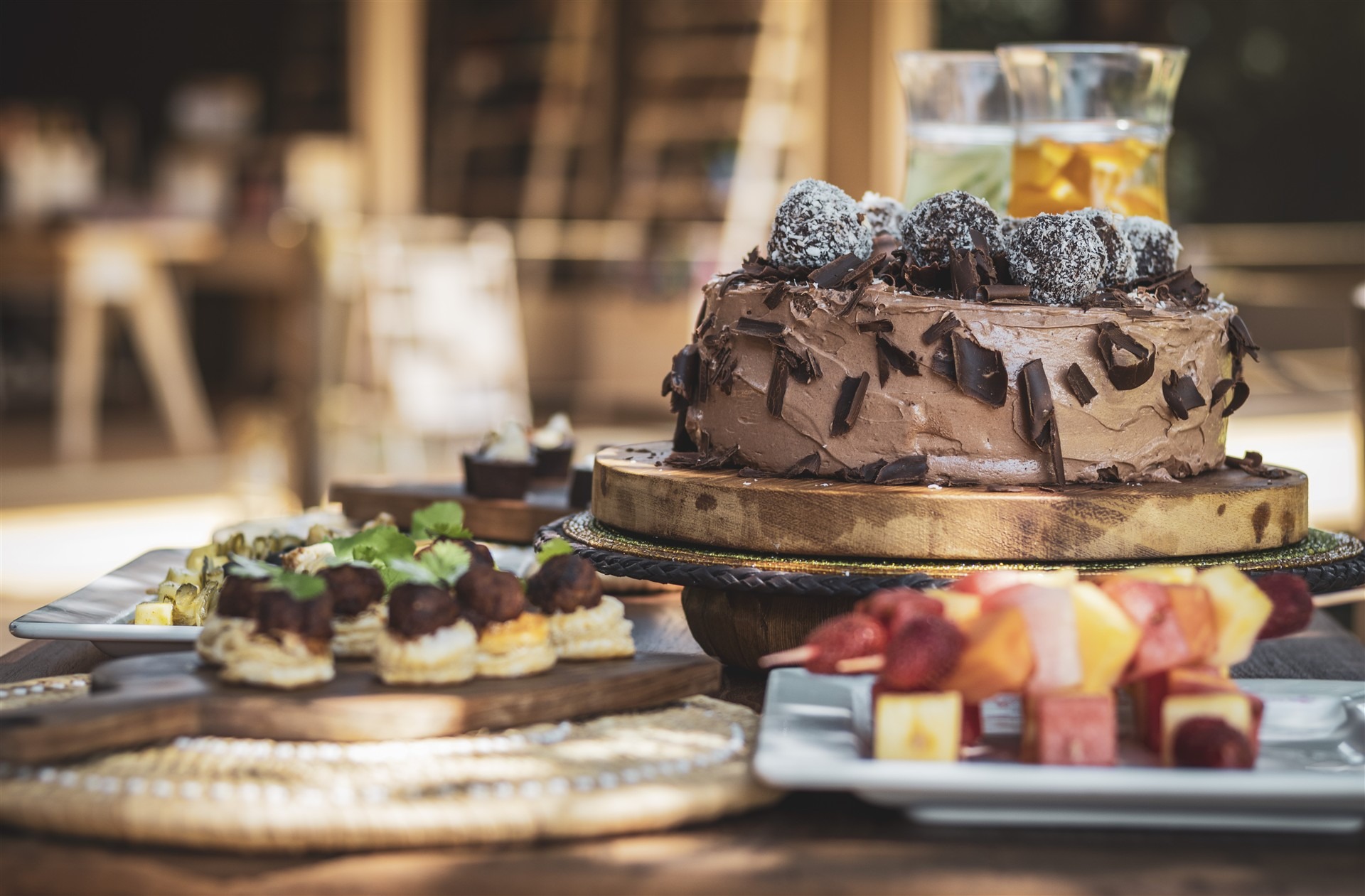
Dining at Lerai Safari Camp rotates between the main open-sided lounge and dining area overlooking the river, and the bush itself — breakfast taken in the field after a morning drive, sundowner cocktails set up on the plains as the light changes, and dinner beside the campfire under the Mara sky. The camp’s executive chef works from a kitchen philosophy that favours fresh, quality ingredients over complexity: meals are generous, seasonally responsive, and cooked with the straightforward confidence of a kitchen that knows its guests have been in the field since dawn and want to eat well.
The full-board rate covers all three meals, afternoon tea, campfire nibbles, curated spirits, house wines, local beers, and soft drinks. Bush breakfasts, bush dinners, and sundowner setups are arranged as part of the camp’s rhythm rather than as optional extras — they are how the camp eats when conditions allow, which at Lerai is most of the time. Dietary requirements are accommodated with advance notice.
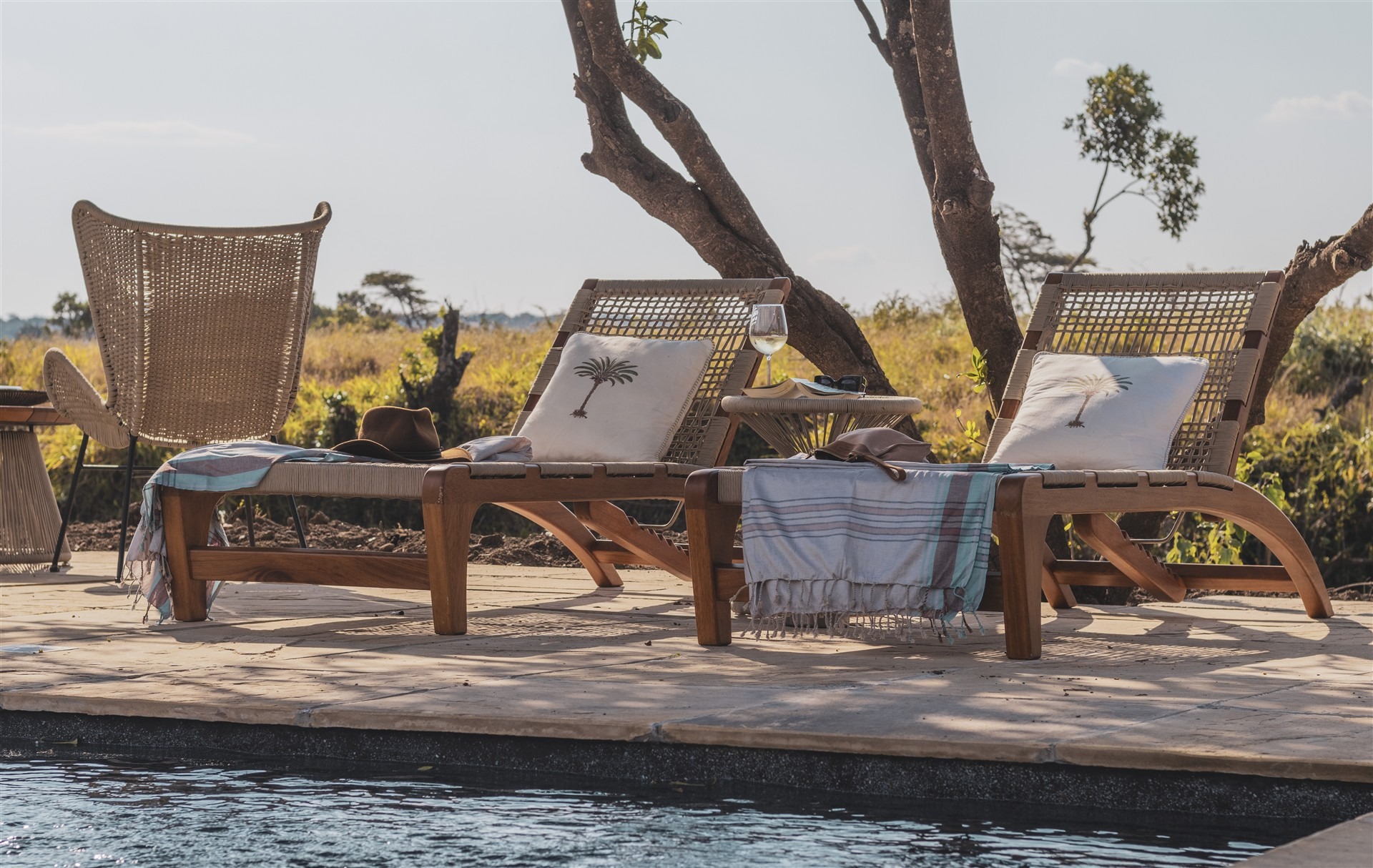
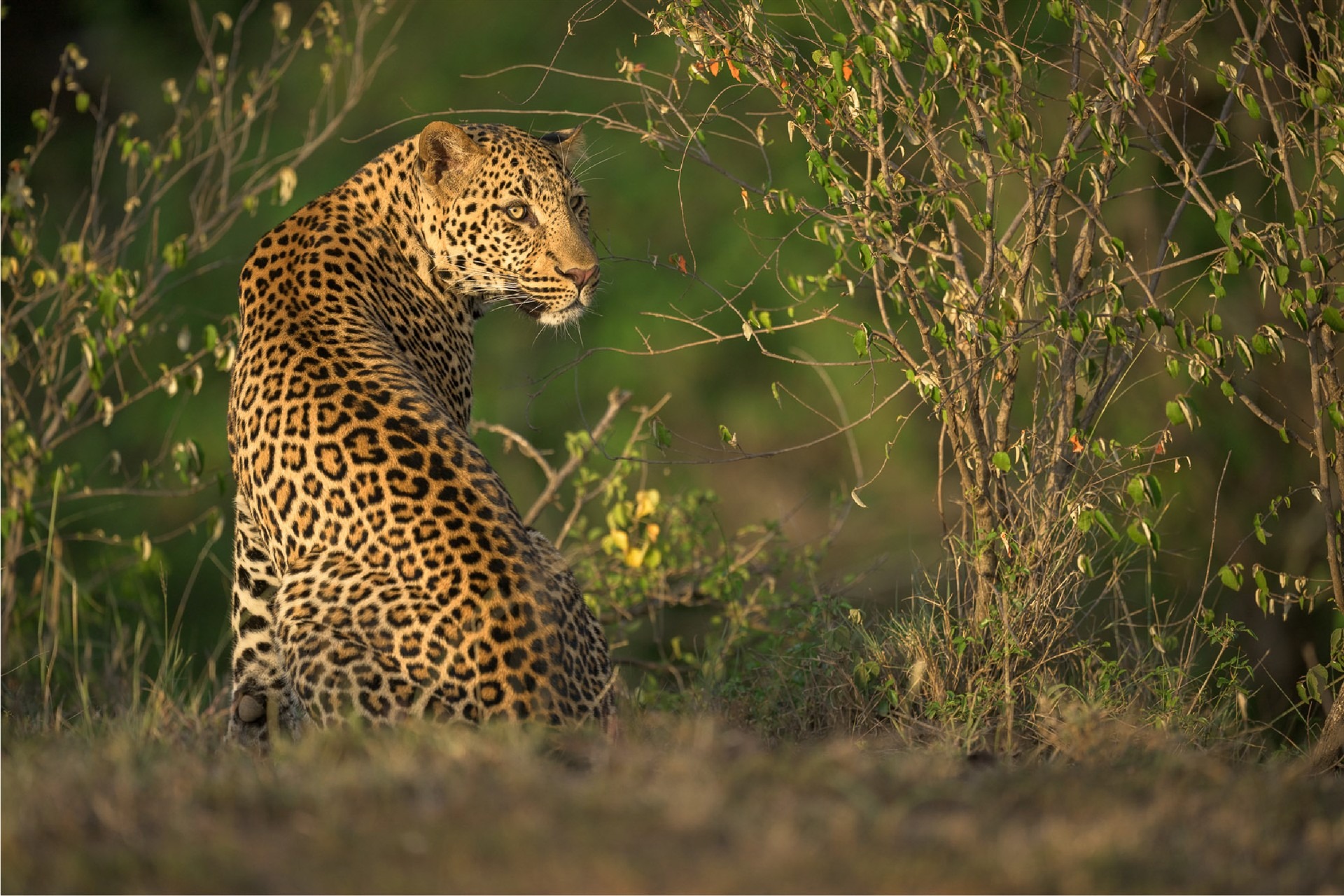
The Olerai Conservancy and the greater Maasai Mara ecosystem support year-round wildlife viewing, and Lerai’s position in a private conservancy means the game-viewing calendar is not subject to the crowd patterns that affect the national reserve in peak season. The character of a stay changes across the seasons, but no month is genuinely poor.
The dry seasons — January to February and June to October — bring clear skies, short grass, and the best conditions for open plains game-viewing. The Mara’s famous predator density is at its most visible when the grass is low and the light is sharp, and the morning drives in the dry season deliver the longest sightings and the clearest photography. The July to October window overlaps with the Great Migration — the wildebeest and zebra herds move through the greater Mara ecosystem from late June, crossing between the Serengeti and the Mara River repeatedly through this period, and the Olerai’s open plains form part of the migration corridor. The proximity of the Naboisho Conservancy border means wildlife moves freely through the area during this period without the concentration of vehicles that follows the crossing points inside the reserve.
The green seasons bring the rains and a different quality of experience. The long rains of March to May push the plains into lush growth, produce dramatic stormy light that photographers prize, and coincide with the Mara’s lowest visitor numbers — the conservancy at this time is genuinely quiet. The short rains of November are intermittent and typically short-lived; the landscape greens quickly and the birdlife, augmented by migrants, reaches its annual peak. Low-season rates apply through the rain months; a two-night minimum stay applies throughout the year.
Explore handcrafted itineraries where Lerai Safari Camp forms part of the journey.
Please share your name and email so we can follow up with you.