From
$2,809

Start Planning Your Tailor-Made Journey
🔒 Your details are kept private and never shared with third parties.
Riverside Camp: Secluded forest camp accessed via suspension bridge on the Olare Orok River, built sustainably without cutting trees.
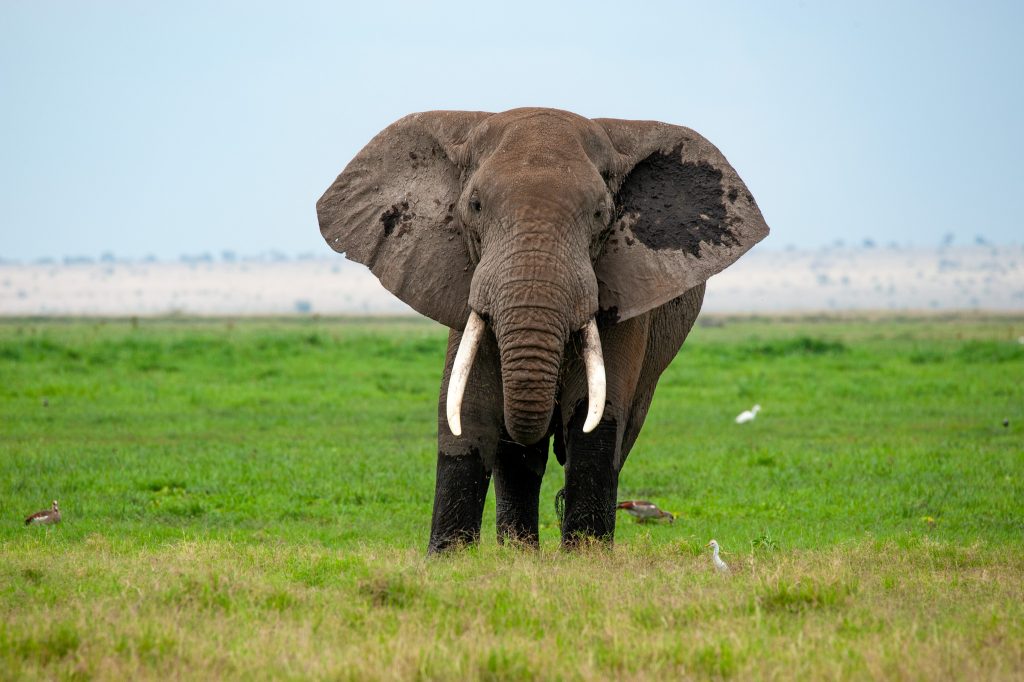
The Olare Orok River winds along the northern edge of the Maasai Mara National Reserve in the Aitong area, forming the natural boundary between the national reserve and the Mara North Conservancy — a community-owned wildlife area whose private land tenure permits night game drives and activities unavailable inside the reserve proper. The river corridor here is productive, intimate, and far less trafficked than the busier routes near Talek and Sekenani gates. Elephant come to the river at dusk. Leopard use the fig trees along the bank. The Mara plains begin immediately south of the waterway and the conservancy grassland opens to the north — a camp positioned here sits between two of the ecosystem’s most distinct wildlife habitats simultaneously.
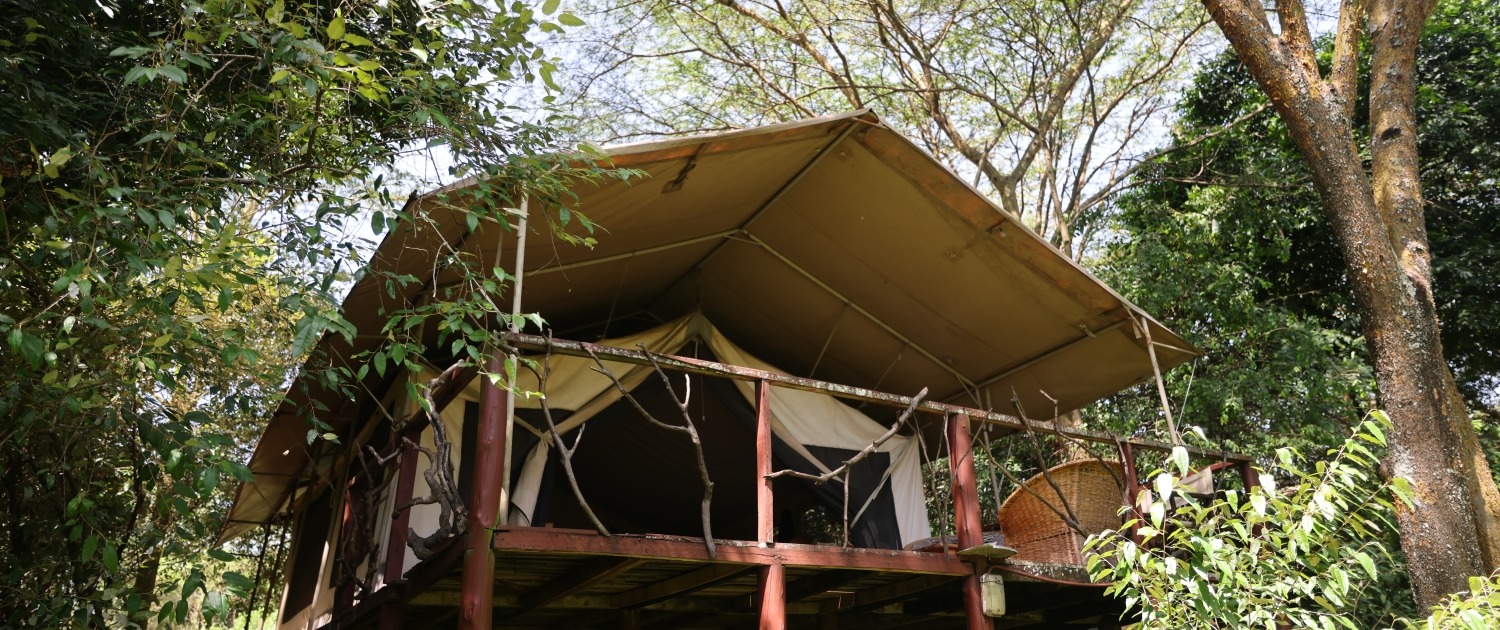
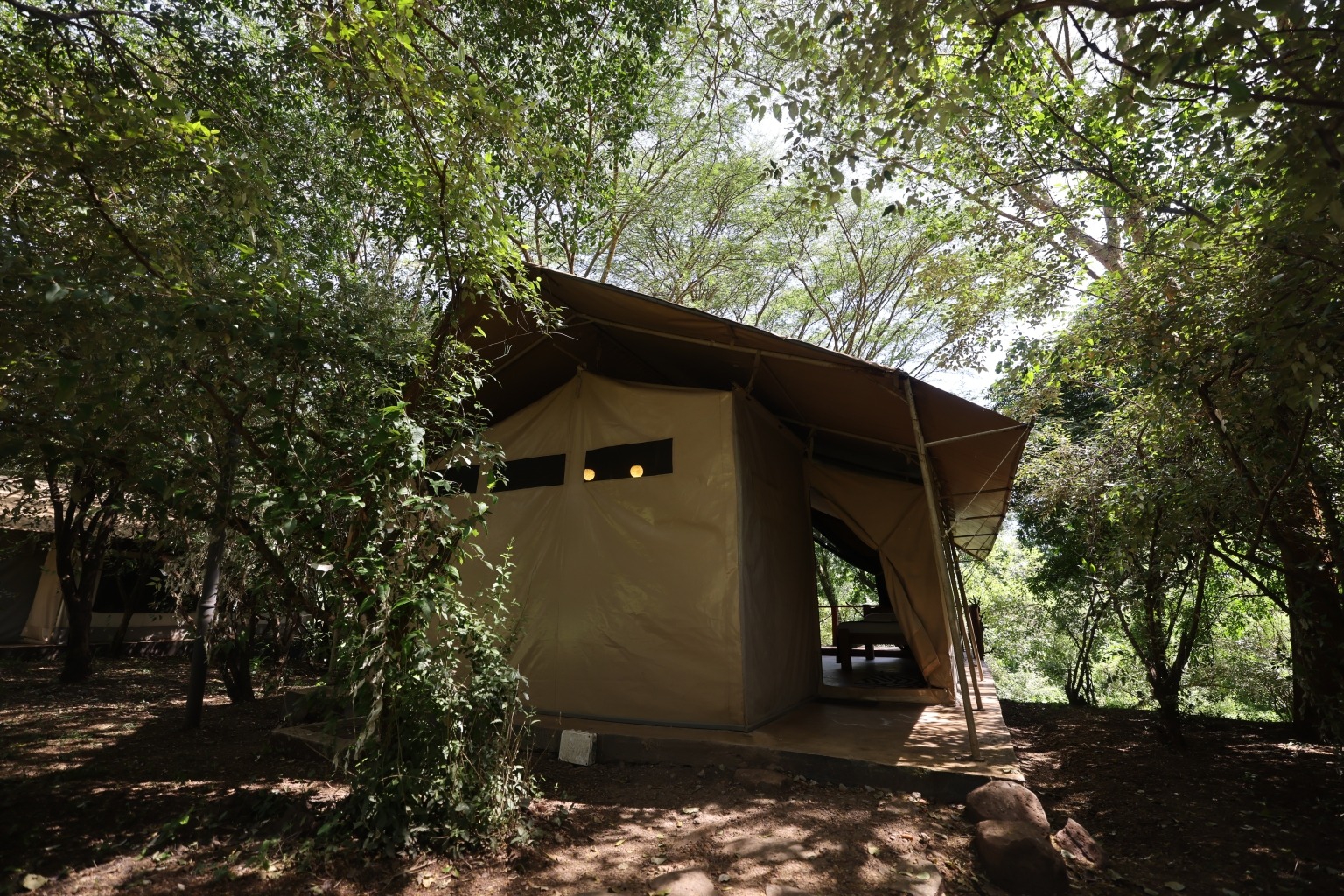
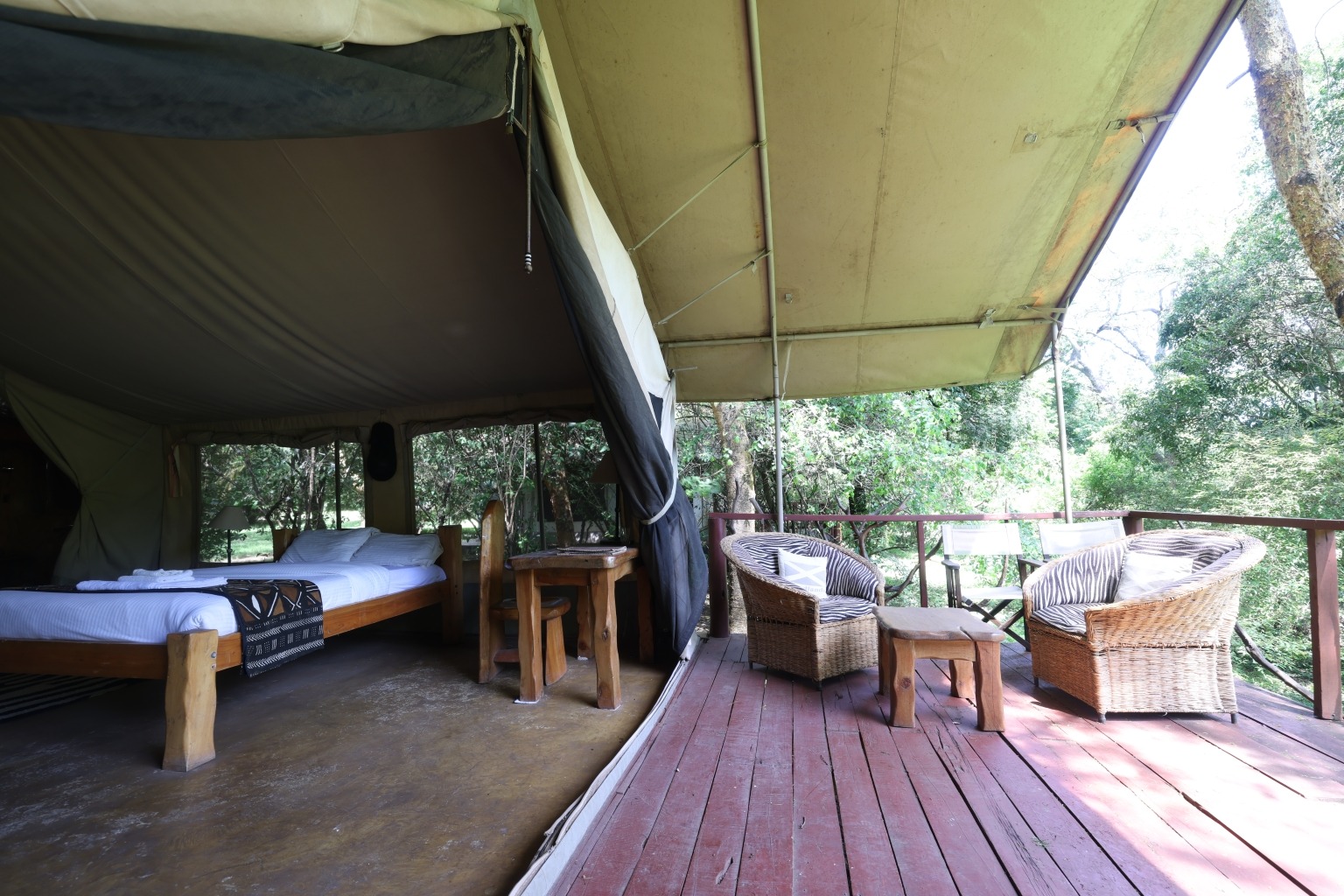
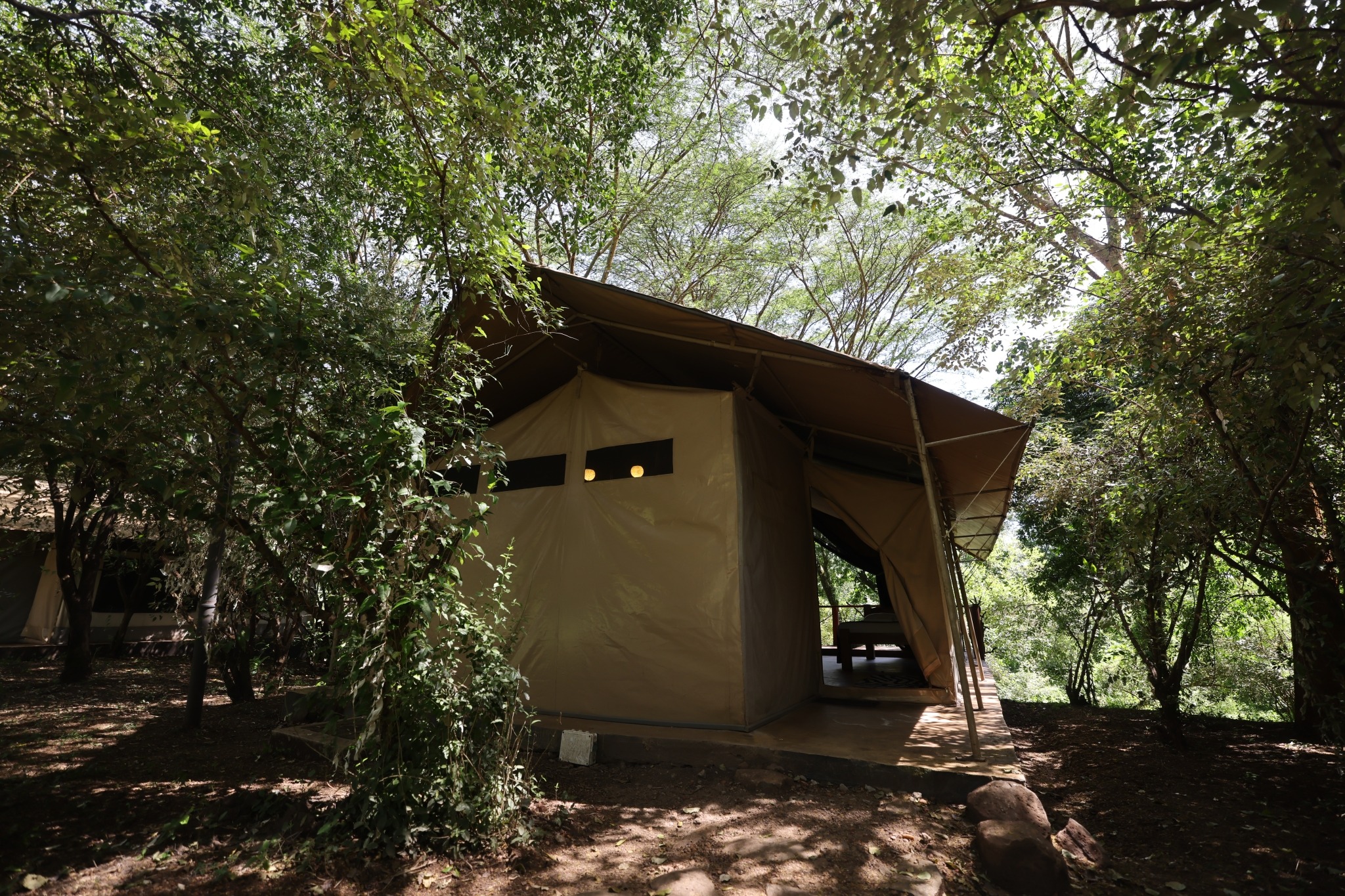
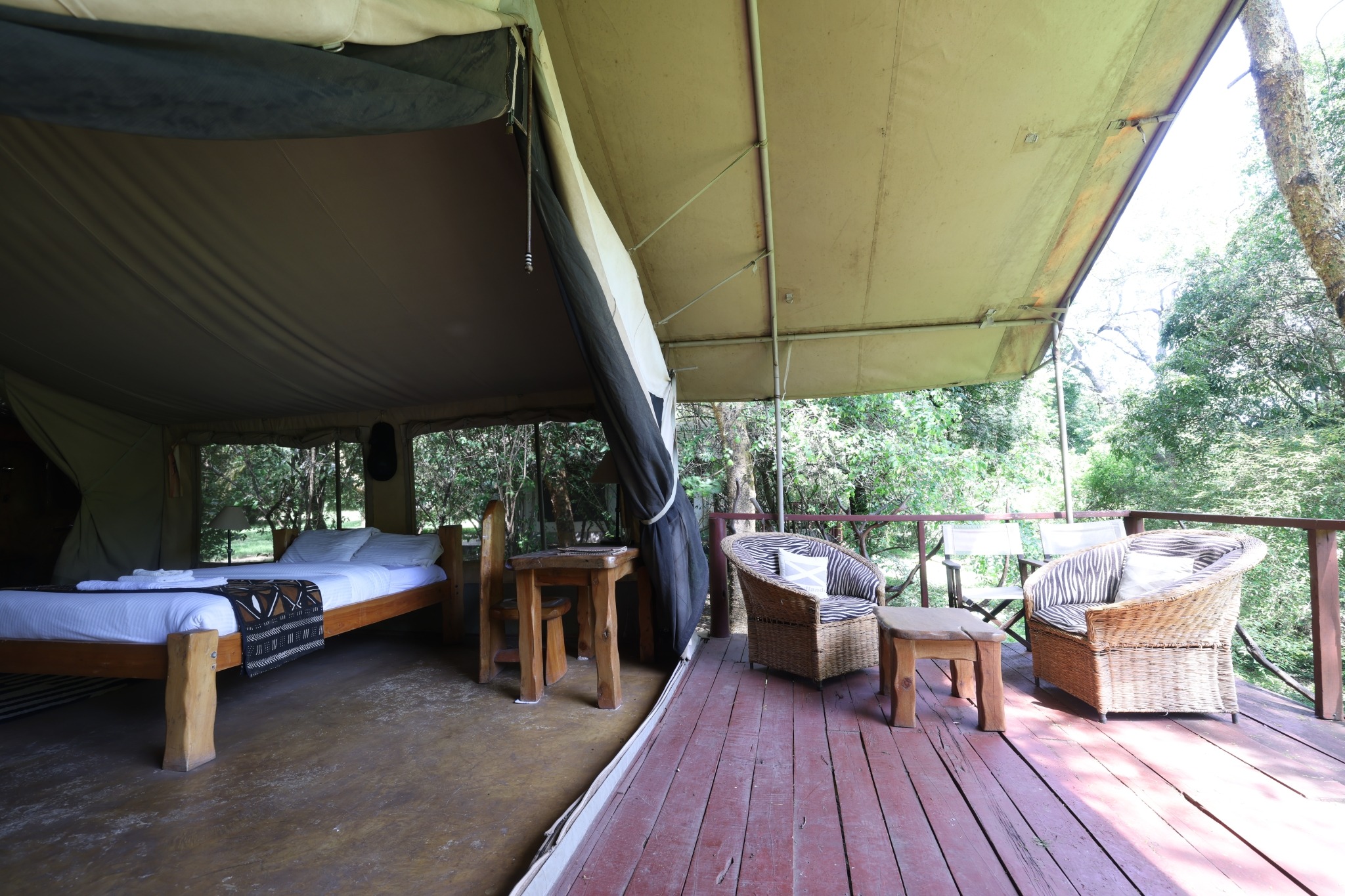
Olumara Camp was designed from the outset to belong to this specific place rather than impose on it. During construction, not a single tree was cleared — the tents were placed around the existing forest, and the camp’s elevated position on the higher riverbank was accessed by a rope suspension bridge across the Olare Orok, an entrance that has become the camp’s most immediately memorable feature. The tents sit in the shadow of the canopy, cooled and screened by the indigenous forest, with extended balconies that face the river and the bush beyond.
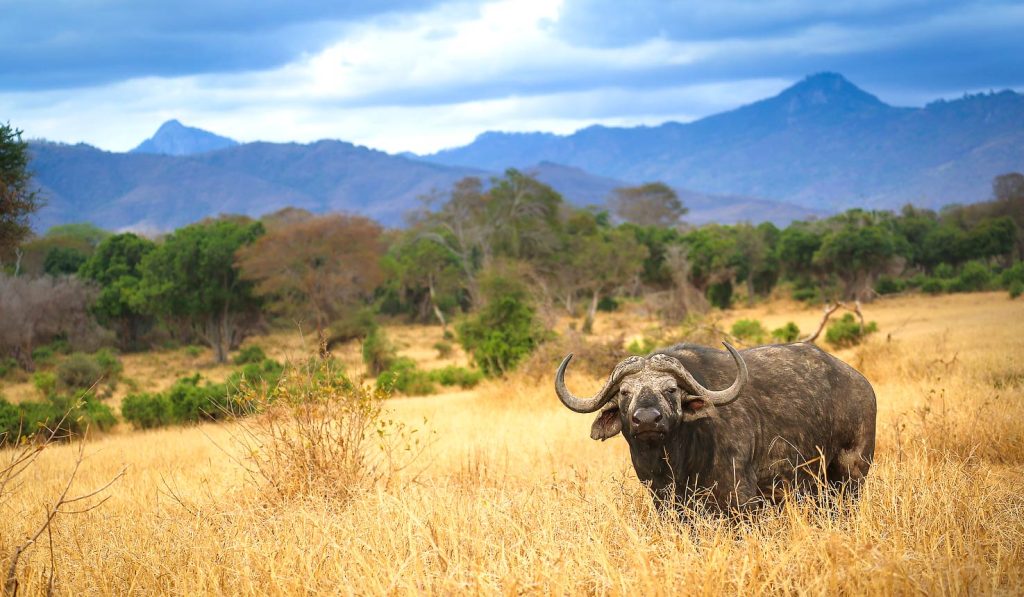
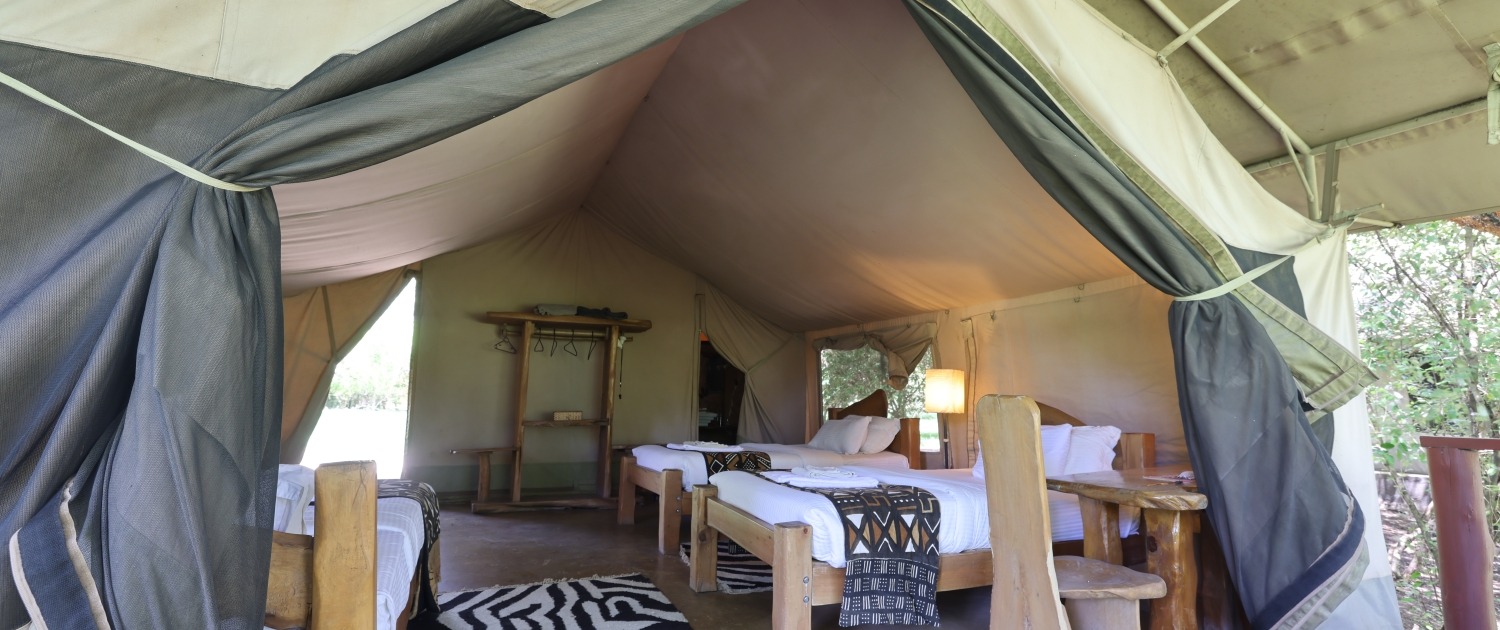
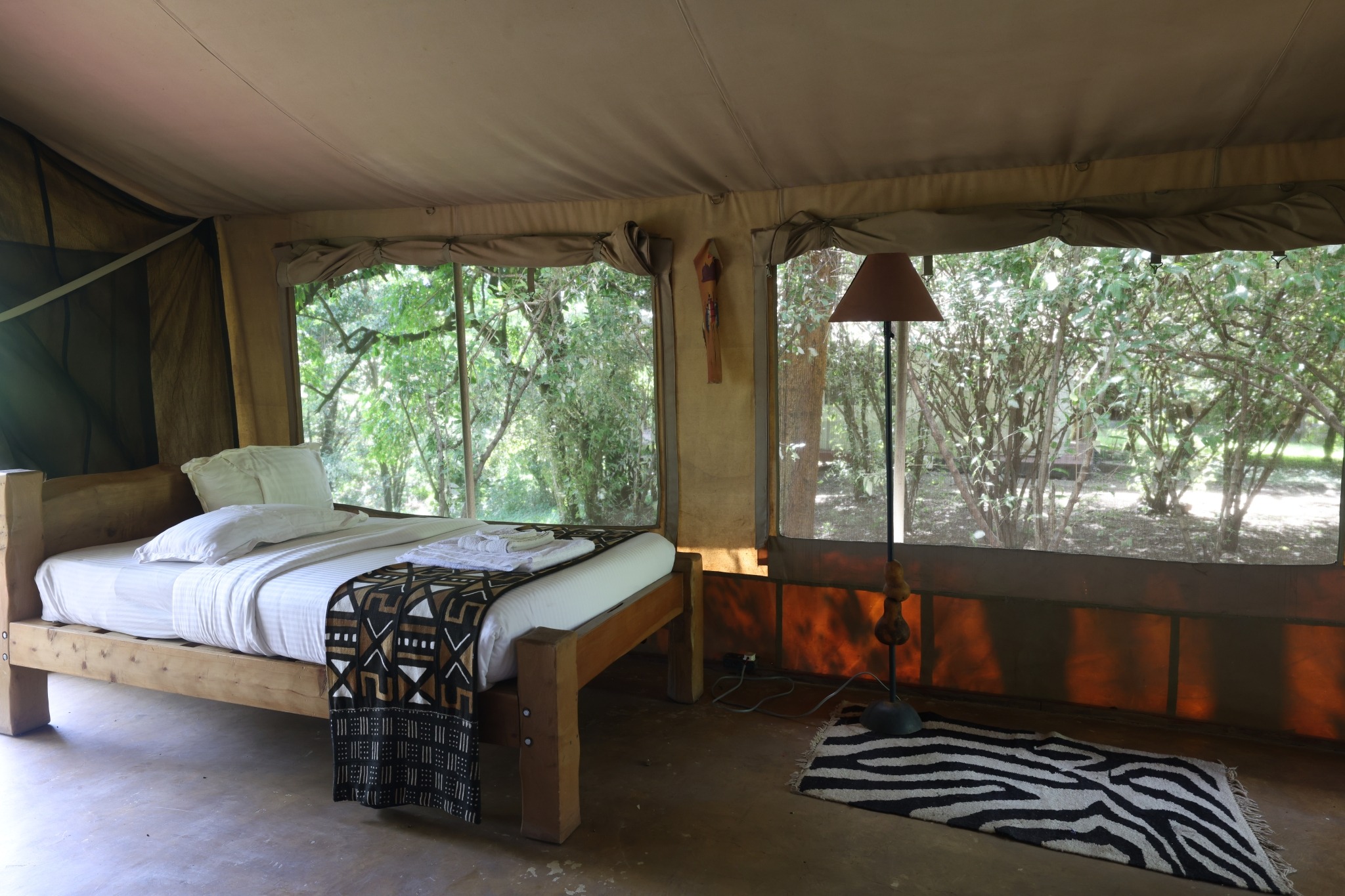
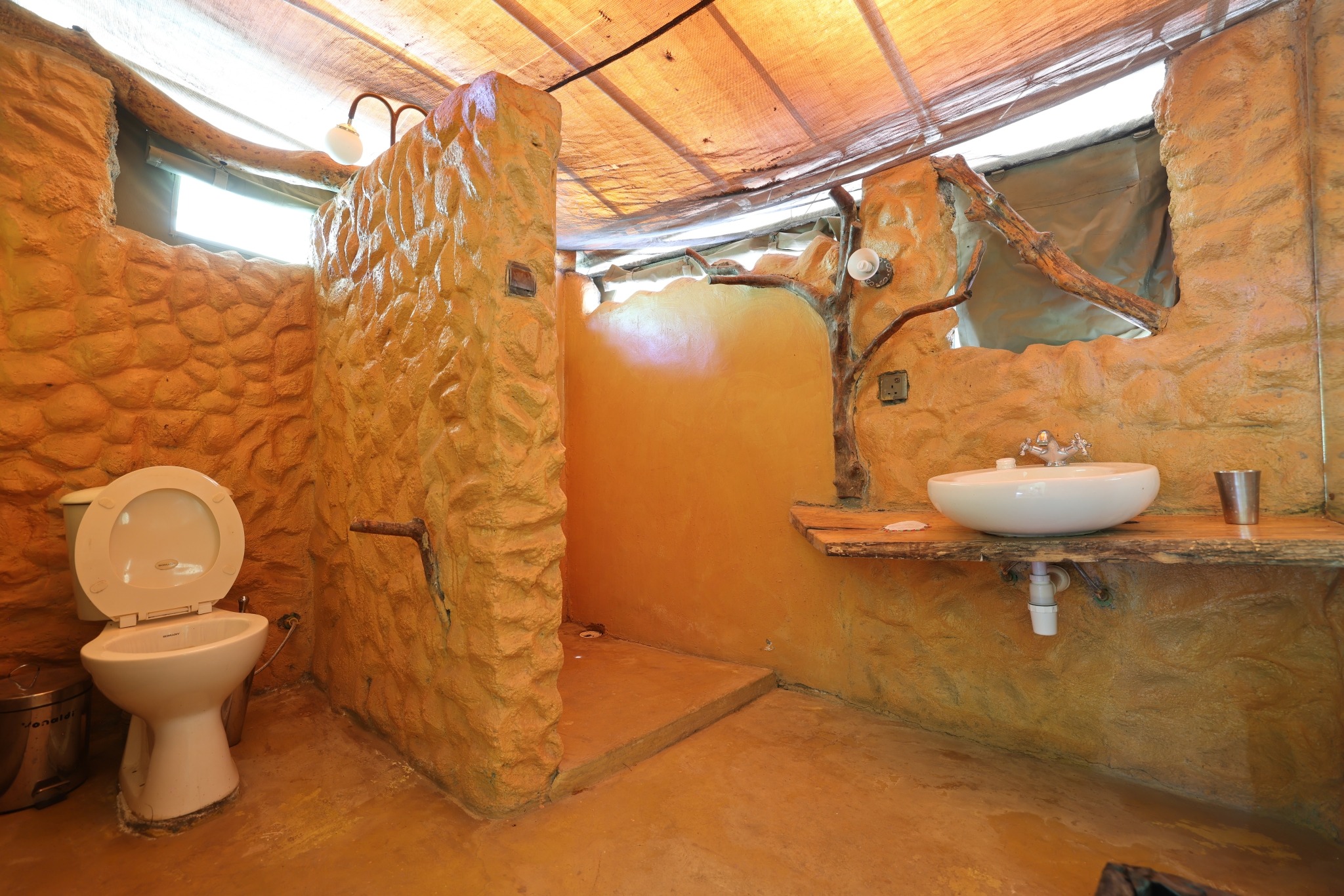
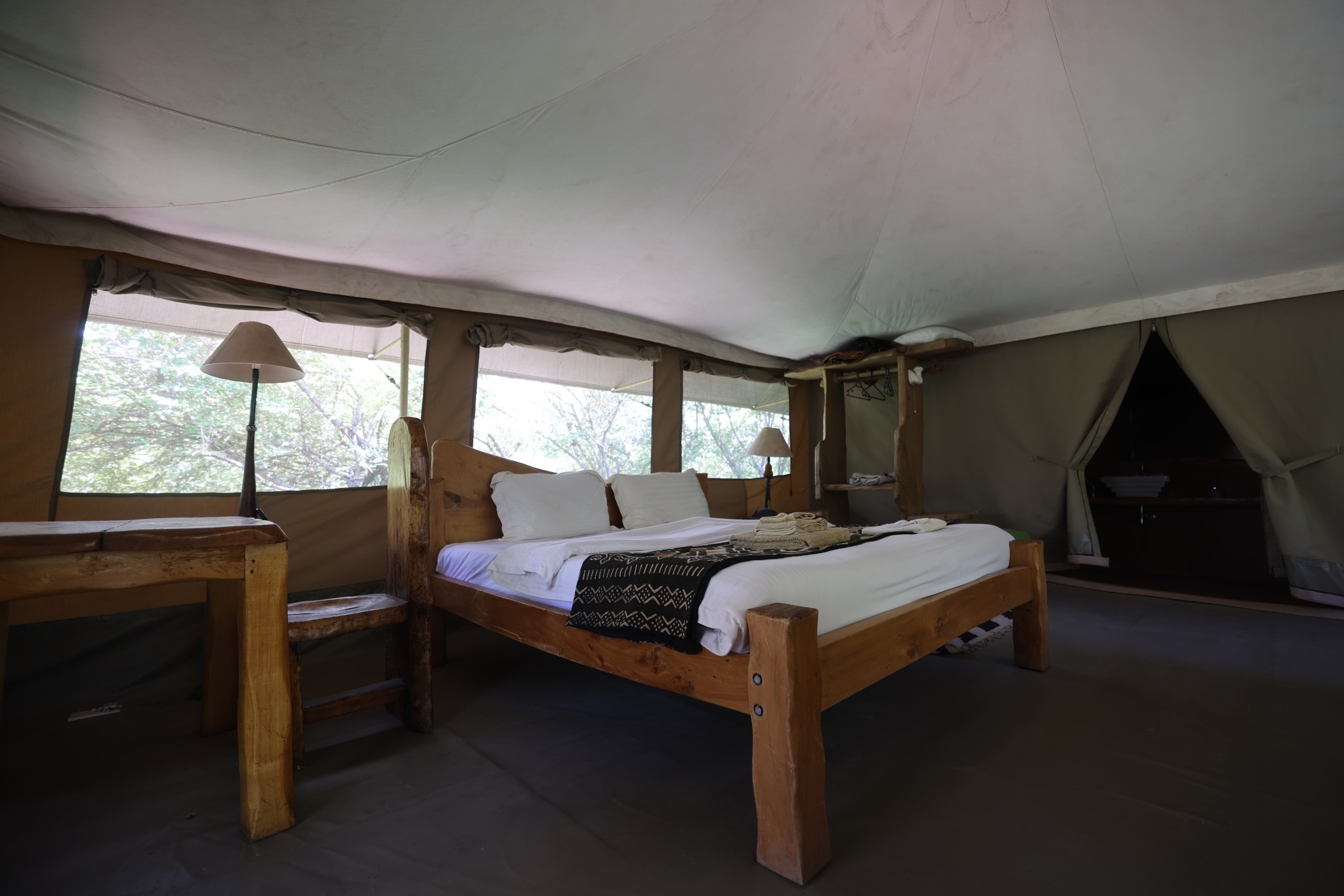
Inside the tents, the beds are hand-carved from fallen trees — a design choice that, like the suspension bridge, reflects a camp whose builders spent time in the landscape before building in it. The interiors are functional and well-kept, with hot and cold shower, flush toilet, dressing area, and mirror. The unfenced camp means wildlife — elephant, buffalo, and smaller species — moves through the grounds at night; the sounds of the Olare Orok and its resident hippos provide the camp’s ambient soundtrack through the hours of darkness.
The camp is 5.6 km from the Maasai Mara National Reserve’s centre and 18 km from Ol Kiombo Airstrip, making it accessible on both fly-in and drive-in itineraries. Day game drives enter the main reserve; night drives operate in the adjacent Mara North Conservancy. The camp has developed a specific reputation among wildlife photographers for the quality of light along the river, the leopard activity in the riverine trees, and the uncrowded game-viewing conditions in the conservancy.
Olumara Camp: Riverside forest camp accessed by suspension bridge. Features hand-carved beds, extended balconies, and day/night drives on the Maasai Mara-Mara North border. Built without removing trees.
Olumara Camp offers paid night drives in the adjacent Mara North Conservancy, a key advantage over reserve-only camps. These safaris provide rare opportunities to spot active predators and nocturnal species like the aardvark, honey badger, and bush baby.
Olumara Camp’s tents are canvas units on the elevated riverbank, hidden in indigenous forest with extended balconies facing the Olare Orok River. Each tent has a hand-carved wooden bed, hot and cold shower, flush toilet, dressing area, mirror, desk, closet, bed linen, and free toiletries. Some tents offer direct river views; all face the bush. Extended balconies are sized for relaxation, reading, and game-watching. Tea, coffee, and mineral water are provided in the tents. Solar power with generator backup. Wi-Fi available. Laundry service on site.
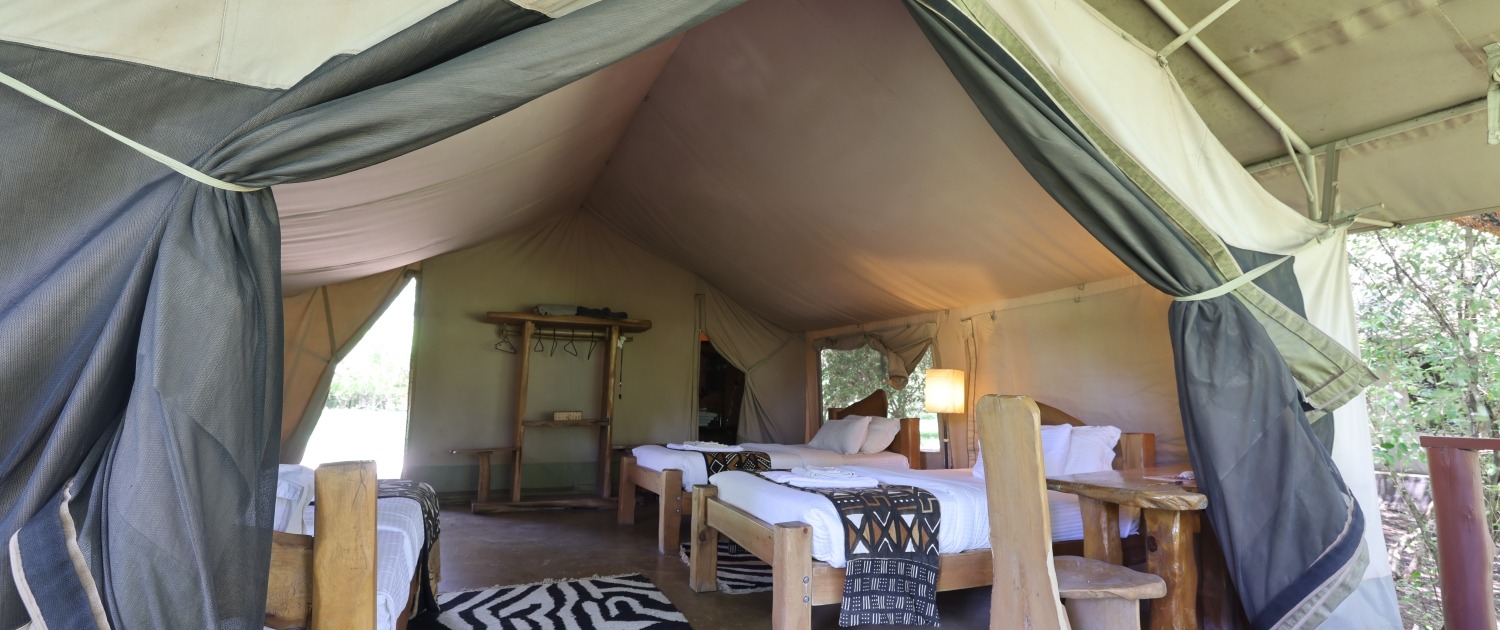
Tent Features: Elevated forest-shade tents with balconies facing the Olare Orok River and bush. Includes hand-carved beds, full en-suite amenities, and tea/coffee. Unfenced for free wildlife movement.
Every moment at Olumara Camp is crafted to immerse you deeper in the wild.
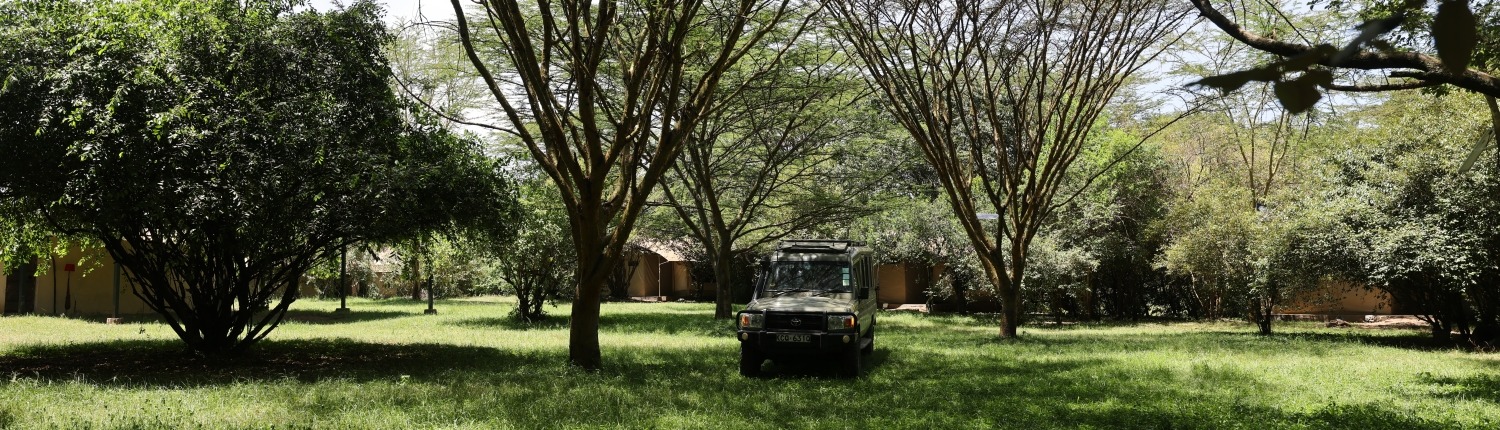
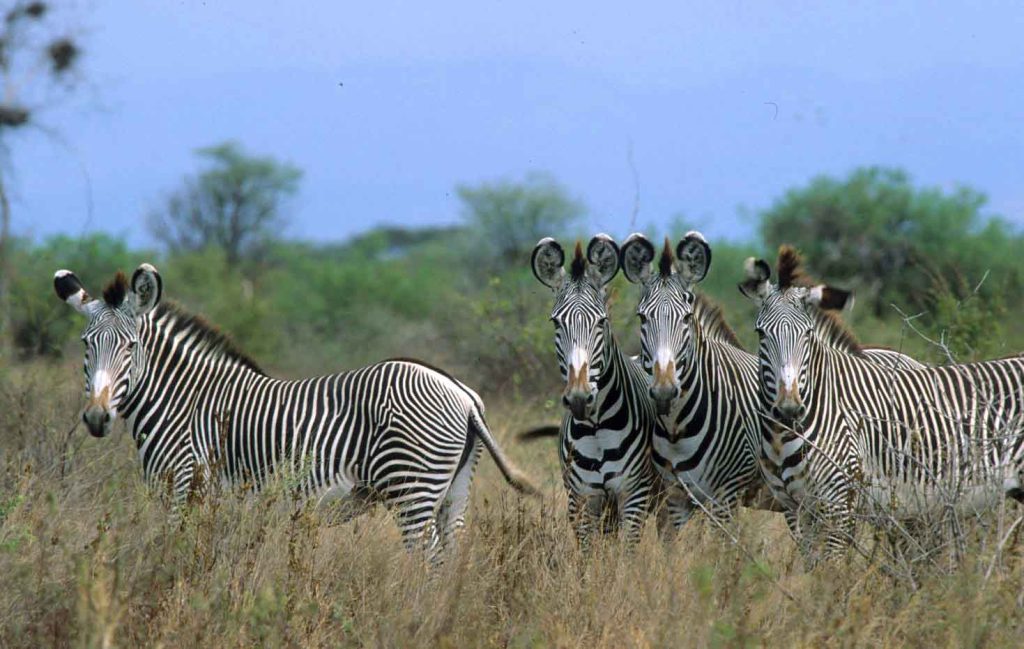
Morning and afternoon drives into the Maasai Mara National Reserve in 4x4 vehicles. The Aitong area gives access to the northern Mara sectors known for lion, cheetah, elephant, and the full plains game complement. Game drives at additional cost.
Ready to plan your stay?
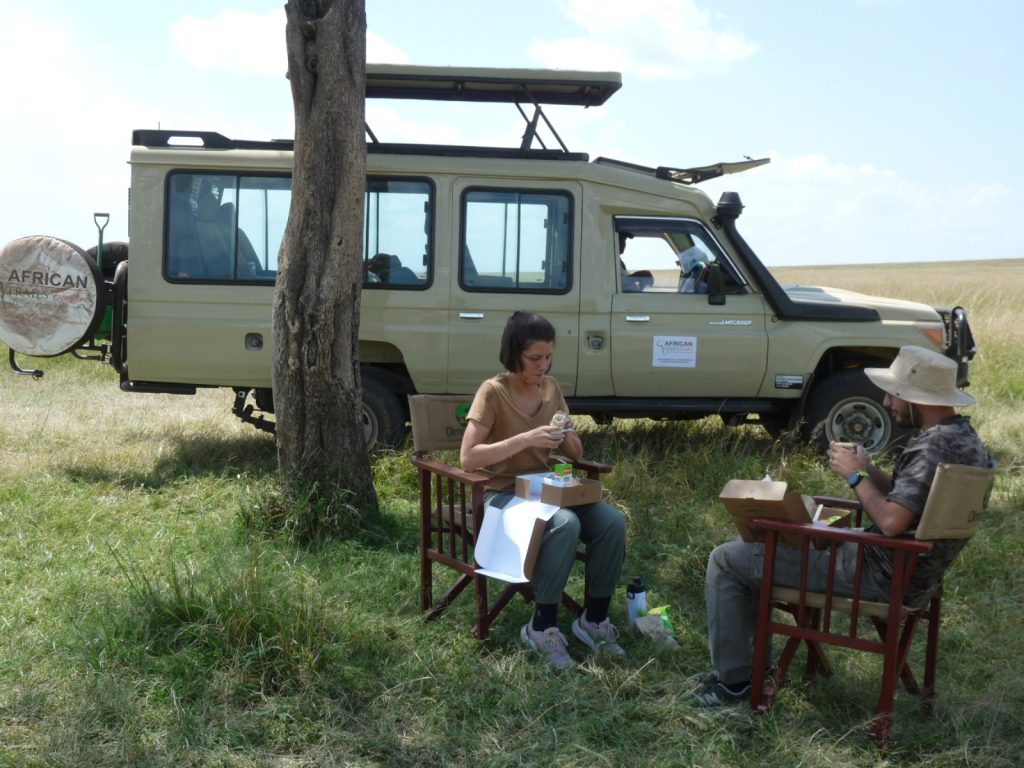
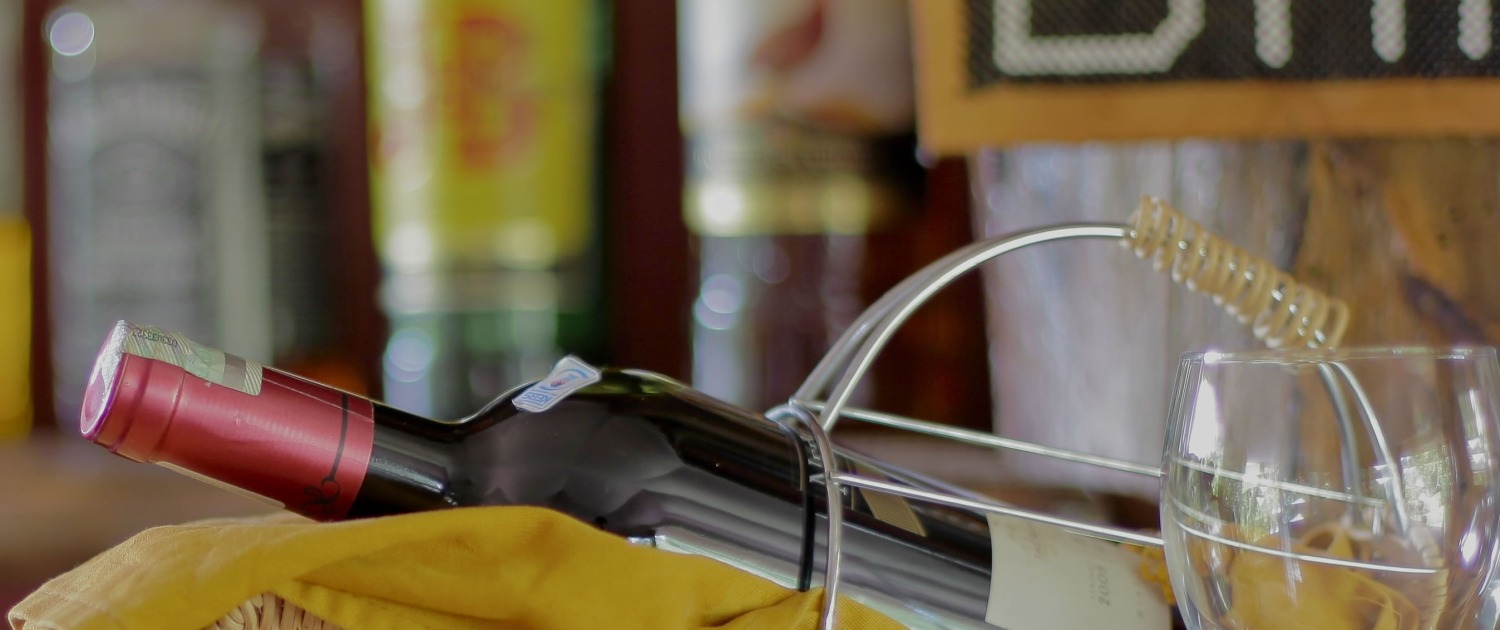
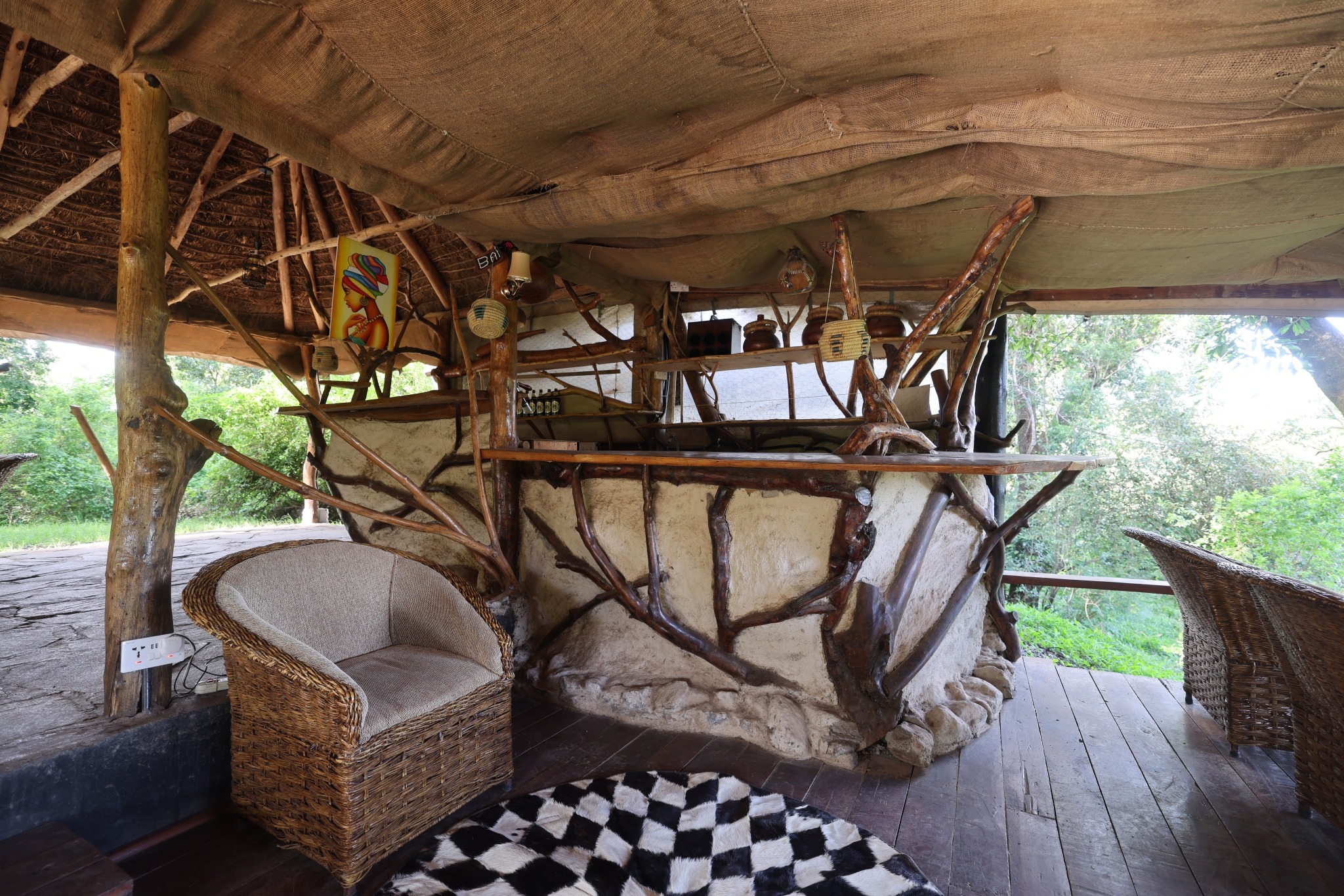
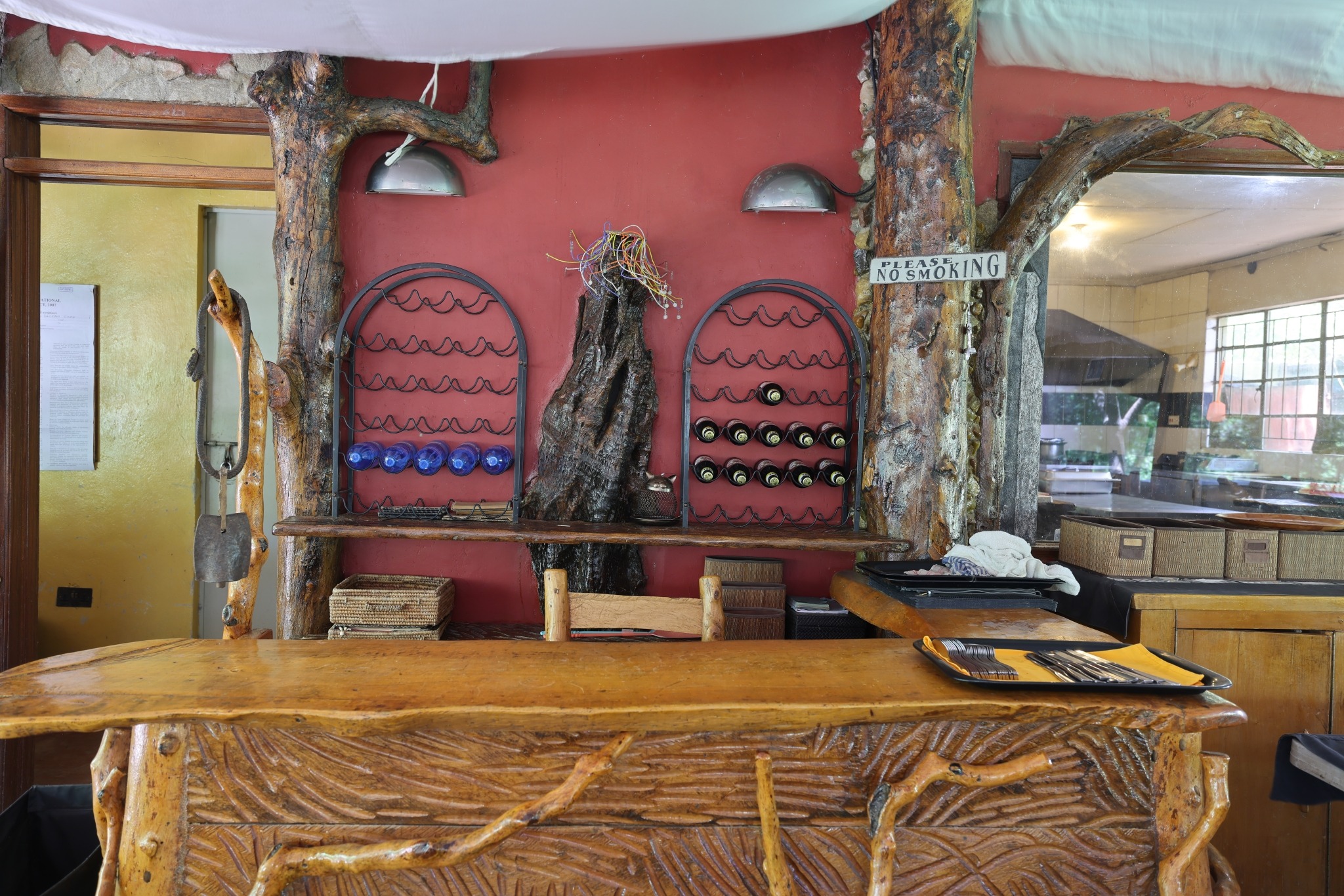
The dining tent serves full-board buffet meals — breakfast, lunch, and dinner covering Kenyan and international cuisines, with vegetarian options available. Bush breakfasts in the field are a standard offering before or after morning drives; bush dinners overlooking the stars are arranged on request. Sundowners with guide-selected cocktails are served in the field at the end of afternoon drives. The bar carries local and international spirits, wines, beers, and soft drinks. Tea and coffee are available in the tents throughout the day.
The best time to visit Olumara Camp is during the dry season from July to October, when the iconic Great Migration passes through the region and the thinned-out vegetation makes it incredibly easy to track resident lion prides, leopards, and elephants. Because the camp is uniquely situated along the Olaro Orok River on the border of the Maasai Mara National Reserve and the Mara North Conservancy, this peak window offers the added thrill of observing wildlife drawing close to the river right from the camp’s canopy-level decks. If you prefer a quieter, more exclusive safari experience with plenty of big cat activity, the warm, dry shoulder season from January to March is ideal, as it coincides with the calving season for many herbivores, which triggers intense predator action. Alternatively, visiting during the rainy green seasons from November to December and April to May transforms the surrounding bush into a lush, emerald paradise with dramatic skies perfect for photography and prime migratory birdwatching, all while offering fewer tourist vehicles on game drives and the most budget-friendly accommodation rates.
Explore handcrafted itineraries where Olumara Camp forms part of the journey.
Please share your name and email so we can follow up with you.