From
$7,221

Start Planning Your Tailor-Made Journey
🔒 Your details are kept private and never shared with third parties.
Northern Kenya's Wild Frontier, From an Elevated Perch
There is a version of Kenya that most safari travellers never reach — a dry, elemental, wide-open north that operates on its own terms and rewards those who make the effort to get there with encounters unavailable anywhere else in East Africa. Samburu National Reserve is that Kenya, and Samburu Sopa Lodge is one of its most well-positioned bases.
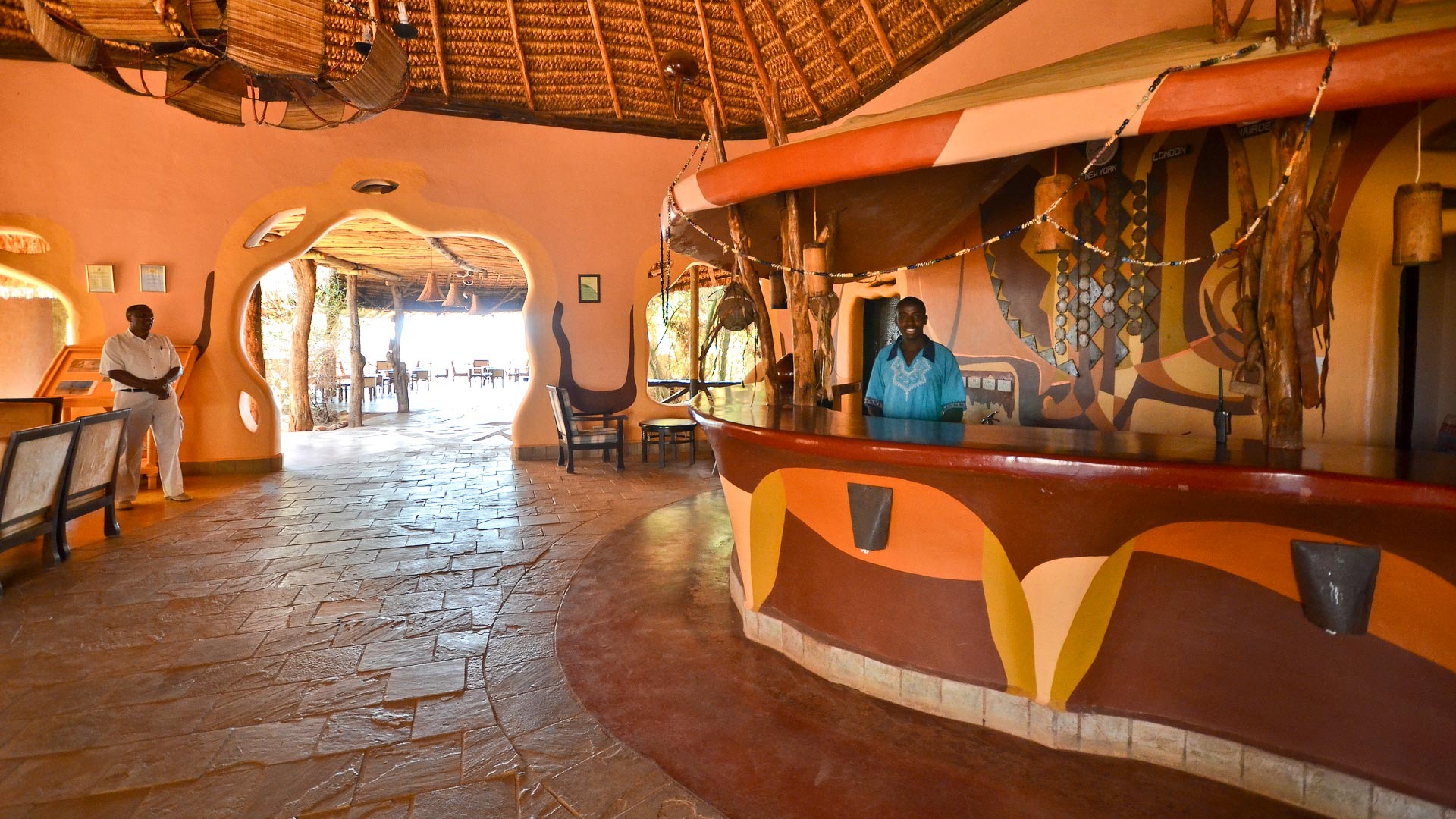
The lodge sits on elevated ground inside the reserve, its architecture drawing directly from the centuries-old building traditions of the Samburu people — 15 stone cottages arranged in a broad arc around a central waterhole, constructed to reflect the curved forms of traditional Samburu housing while giving the interior spaces far more height, light, and air than their inspiration. The lounge is perhaps the most dramatic single room in any Sopa property: open on three sides, with no front or side walls beyond a low safety barrier, it delivers an unobstructed panoramic view across the reserve that stops most guests in their tracks the first time they walk in from reception.
The Ewaso Ng’iro River threads through the reserve below, sustaining a ribbon of doum palm groves and dense riverine forest along its banks — a vivid green line drawn through an otherwise arid landscape, and the reason this part of northern Kenya supports such exceptional concentrations of wildlife year-round. Game drives here feel categorically different from the southern circuit: the terrain is rawer, the species more unusual, and the sense of being somewhere genuinely remote is never far away.
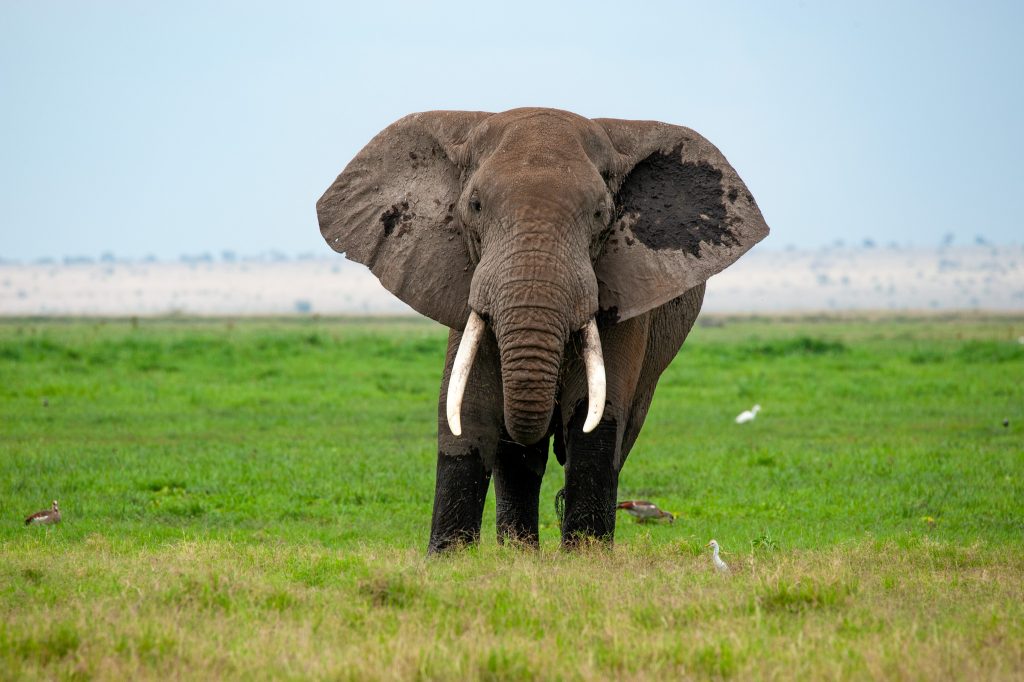
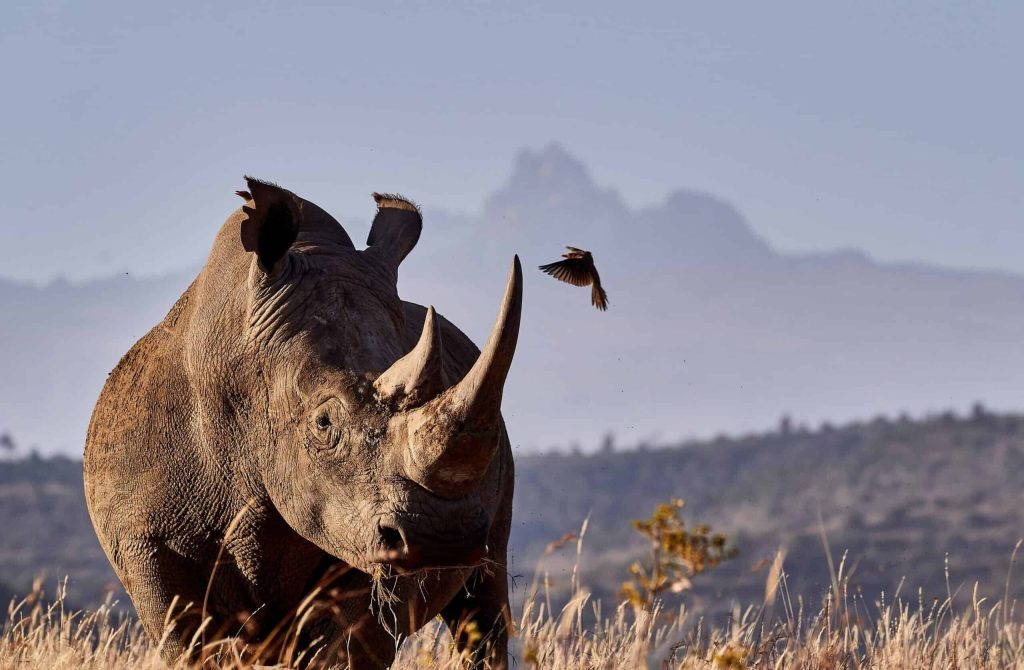
Perched on elevated ground inside Samburu National Reserve, Samburu Sopa Lodge commands sweeping views over one of Kenya's most distinctive wildlife ecosystems — home to species found nowhere else on earth and some of the continent's clearest night skies.
Built in the Samburu tradition with local materials, the lodge employs predominantly local staff and designs its layout to allow wildlife free passage to the waterhole. The astronomy programme places Samburu celestial knowledge on equal footing with scientific expertise.
Samburu Sopa Lodge’s 60 guest rooms are distributed across 15 widely spaced cottages, each housing two rooms and built in the curved, organic forms of traditional Samburu architecture. The generous spacing between cottages is deliberate — it allows wildlife free movement between the lodge and the waterhole, and gives guests the sense of being embedded within the reserve rather than fenced away from it.
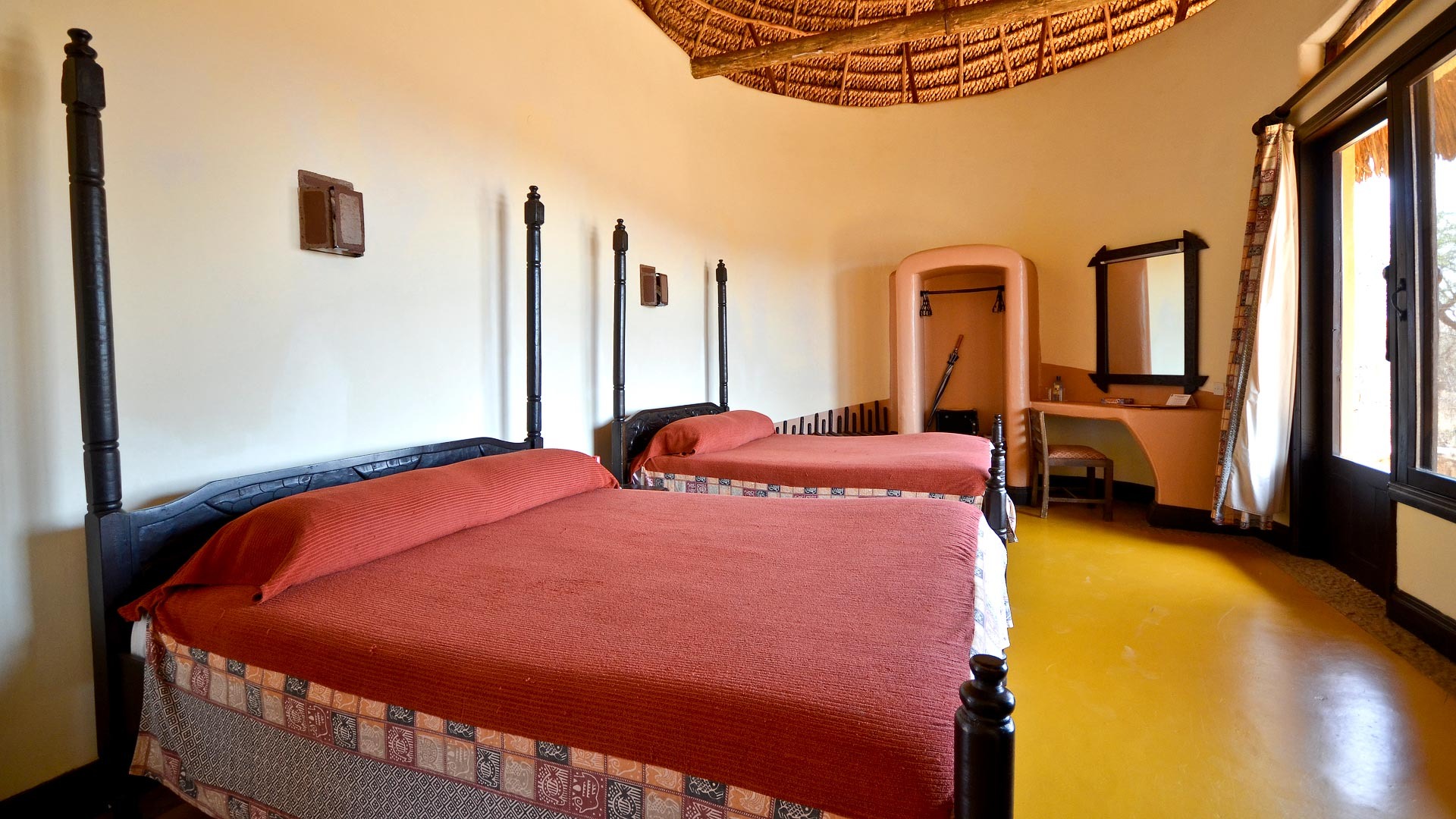
Each room is furnished in an airy, uncluttered style: two queen-size beds, a large dressing table, and a fully appointed en-suite bathroom. The open-air veranda attached to each room overlooks the waterhole — a feature that turns every quiet hour between game drives into its own form of wildlife viewing, as elephants, lions, and the full cast of Samburu’s resident species come to drink throughout the day and night.
High ceilings pull in the breeze and keep rooms cool in the equatorial heat without relying entirely on mechanical cooling. The design philosophy is one of sensible integration: enough comfort to support several days in the bush, without the layers of luxury that would feel out of place in this spare, elemental landscape. Two rooms near the reception building are wheelchair accessible with interconnecting layouts.
Two queen-size beds, fully appointed en-suite bathroom, large dressing table, and an open-air veranda with direct views over the waterhole. High ceilings, earthen tones, and traditional Samburu design details throughout. Housed in widely spaced stone cottages to allow wildlife free passage through the grounds.
Two interconnecting rooms near the reception area, adapted for guests with mobility requirements. Same room furnishing and waterhole veranda as the standard cottage rooms, with modified bathroom fittings and level access.
Every moment at Samburu Sopa Lodge is crafted to immerse you deeper in the wild.
Ready to plan your stay?
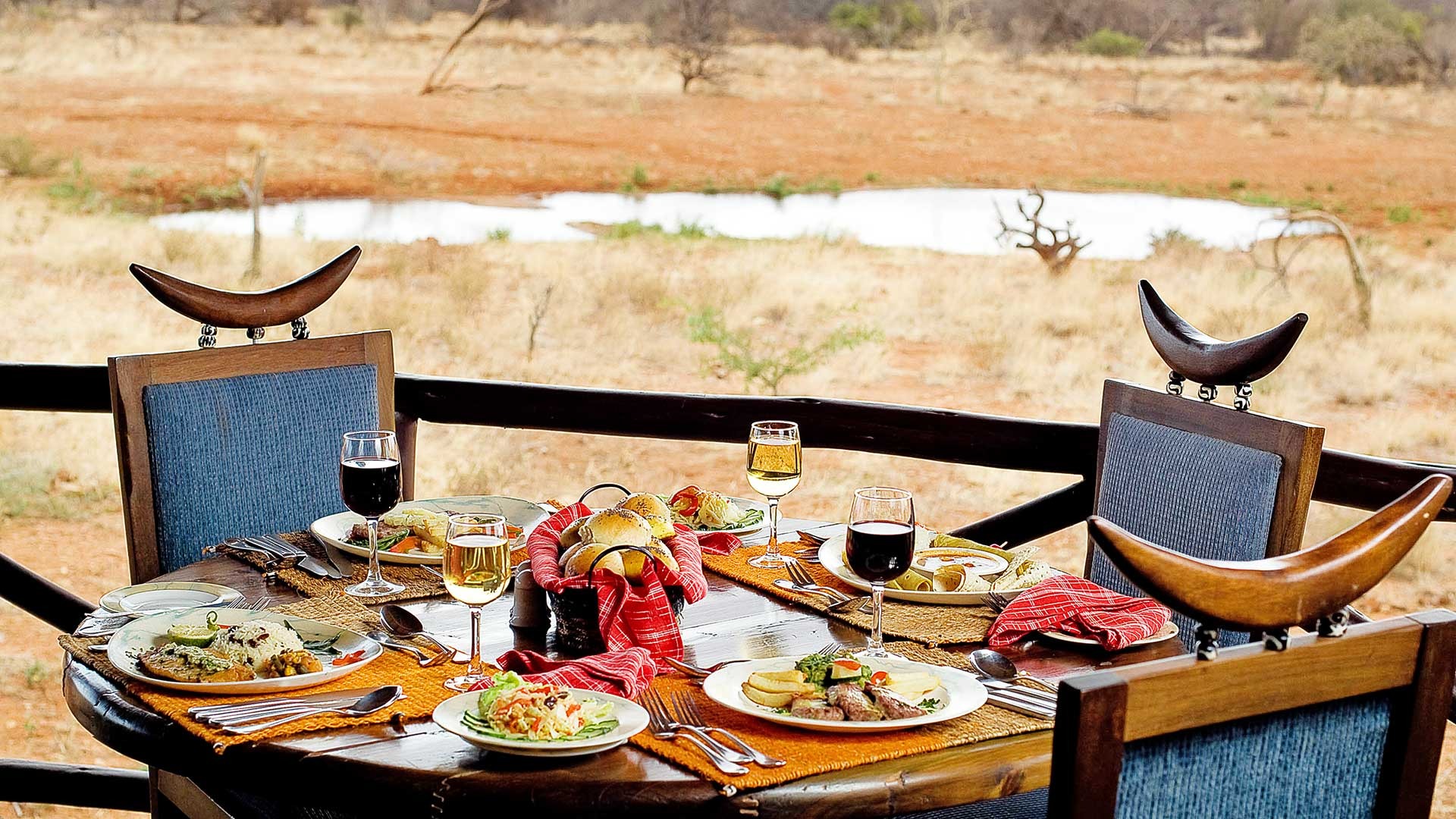
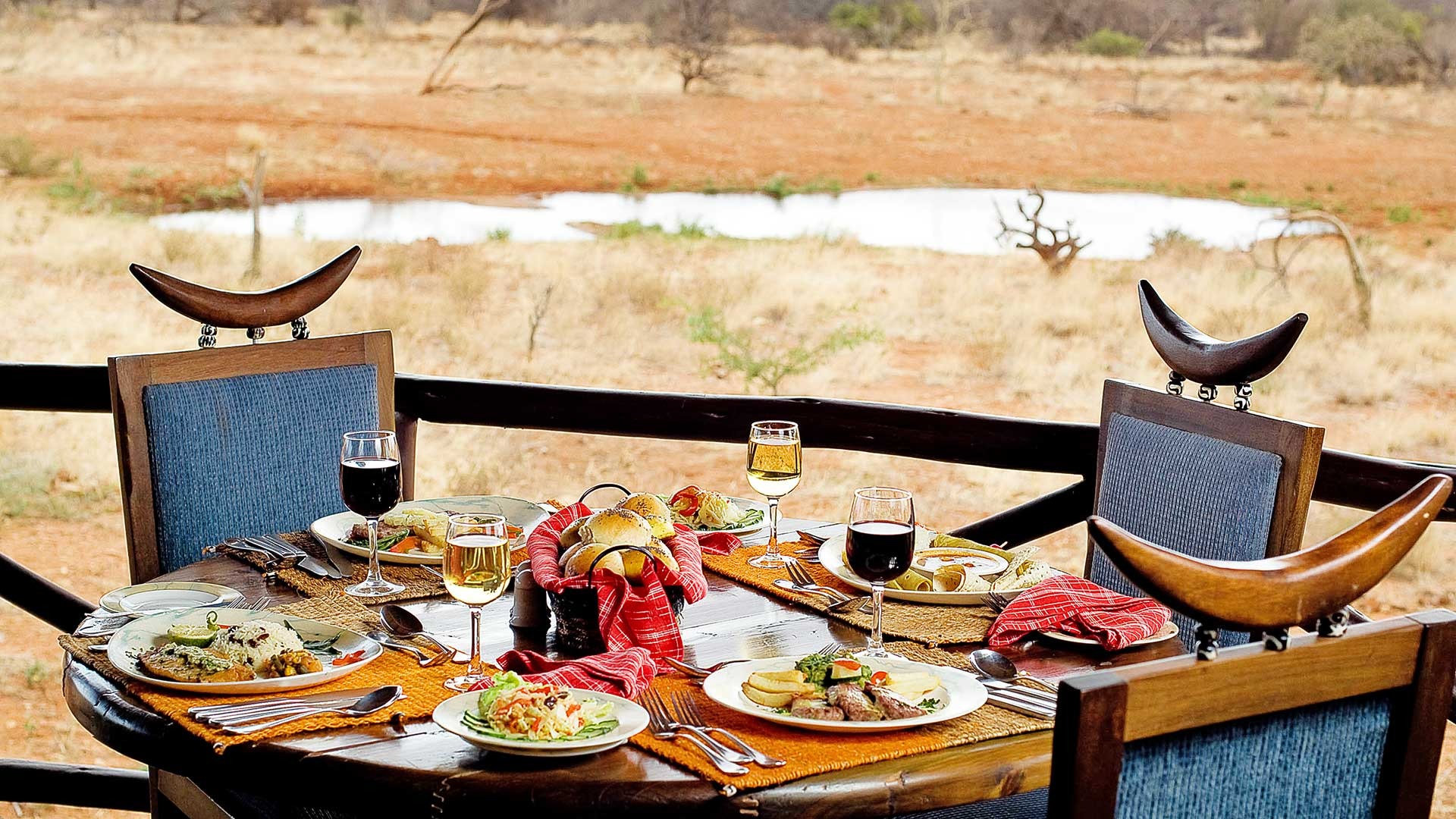
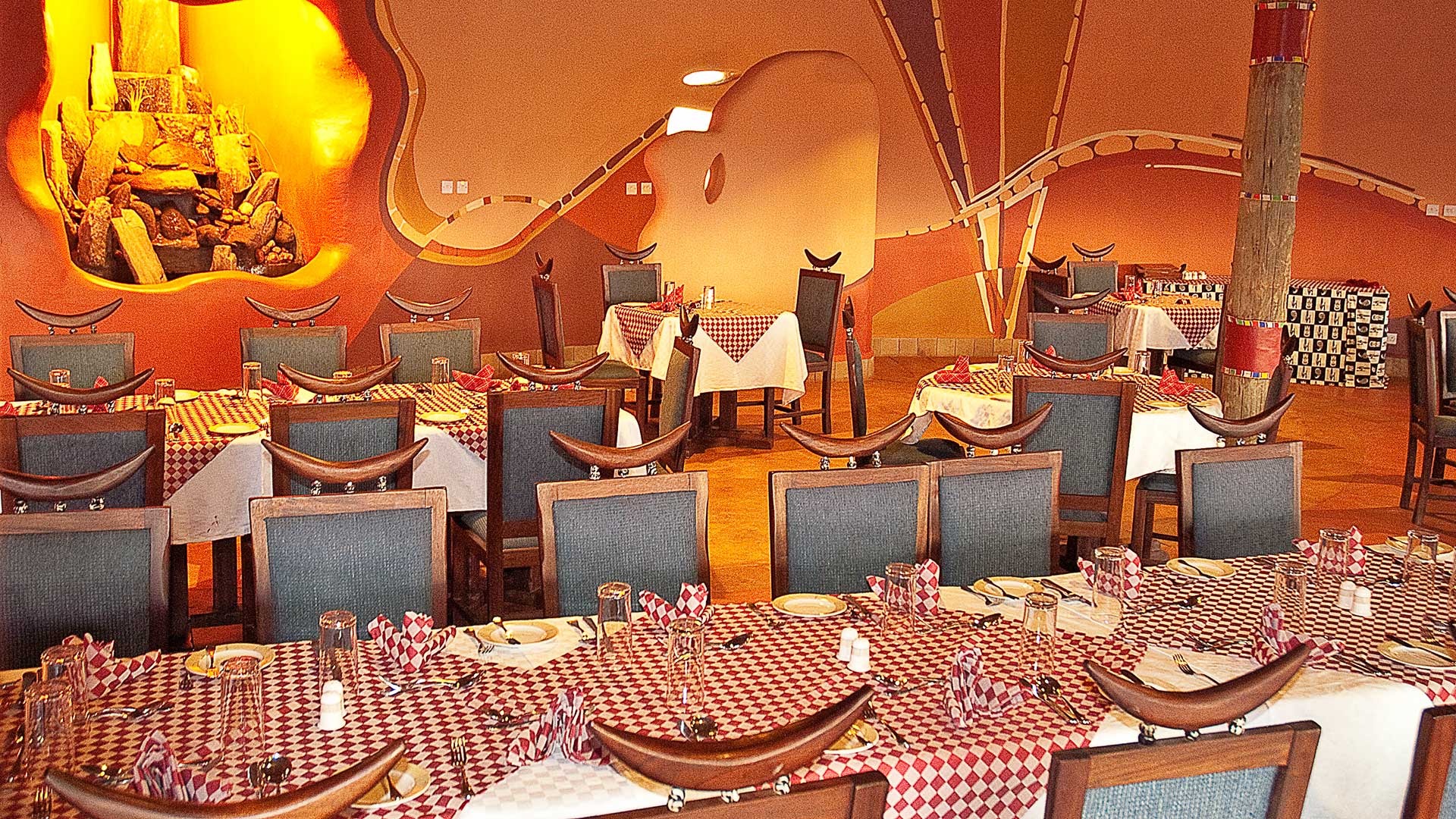
The dining room at Samburu Sopa Lodge occupies an elevated position within the main building, open to the air on all sides so that the views across the reserve and the waterhole remain present at every meal. Like the lounge below it, there are no conventional windows — cooling breezes move freely through the space, and the sounds of the reserve are never entirely absent.
The kitchen runs a wide-ranging buffet supplemented by live cooking stations, drawing on fresh produce and a culinary approach that fuses influences from across the region. Garden-fresh fruit and vegetables feature prominently, and the menu accommodates halal, kosher, vegetarian, vegan, gluten-free, and dairy-free requirements with genuine care rather than reluctant compromise.
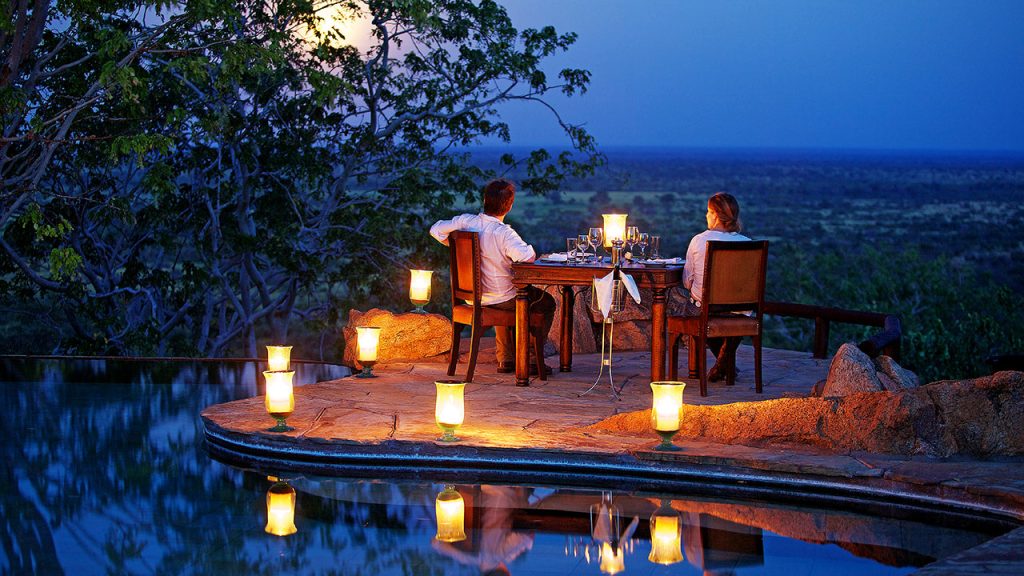
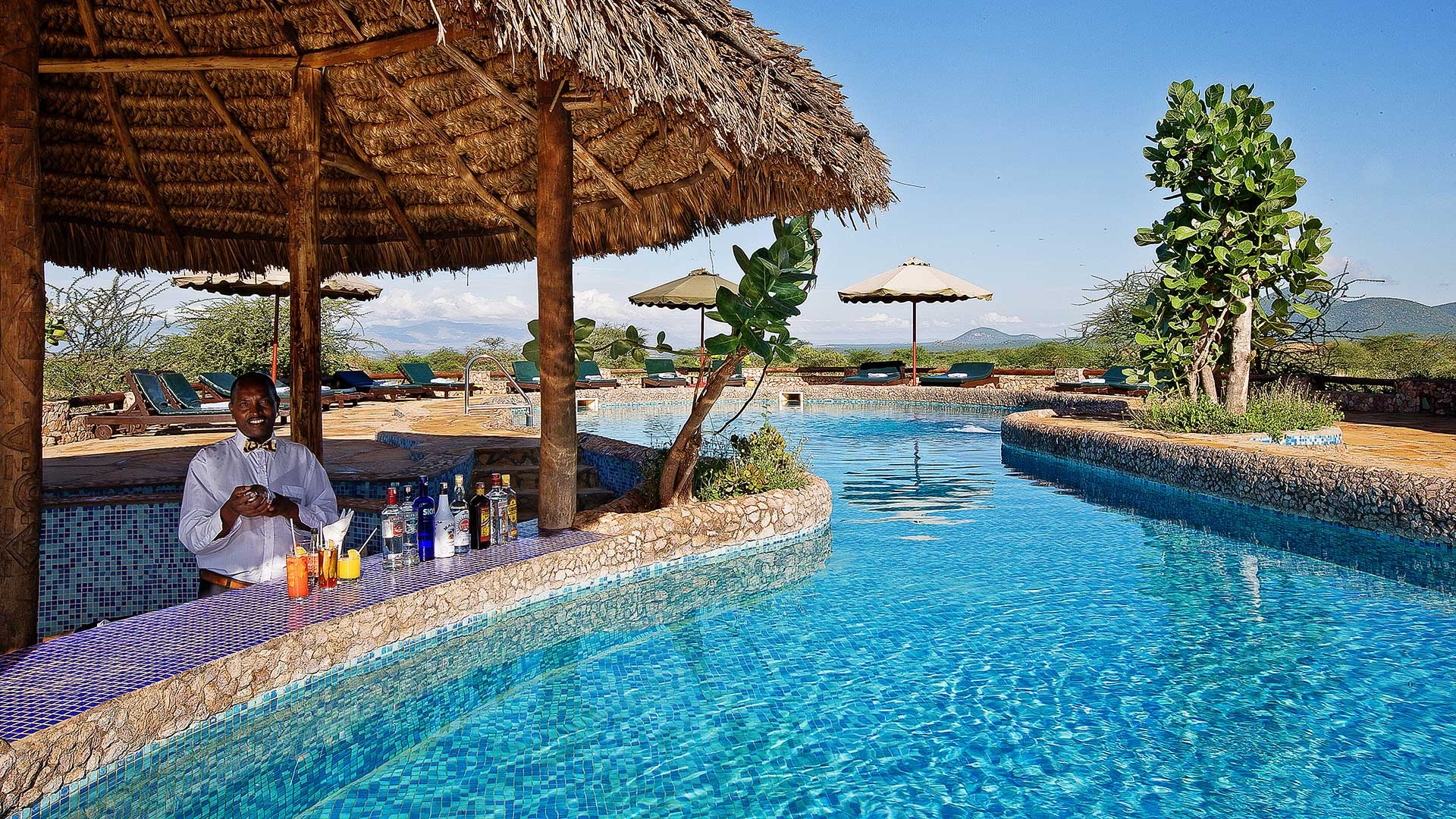
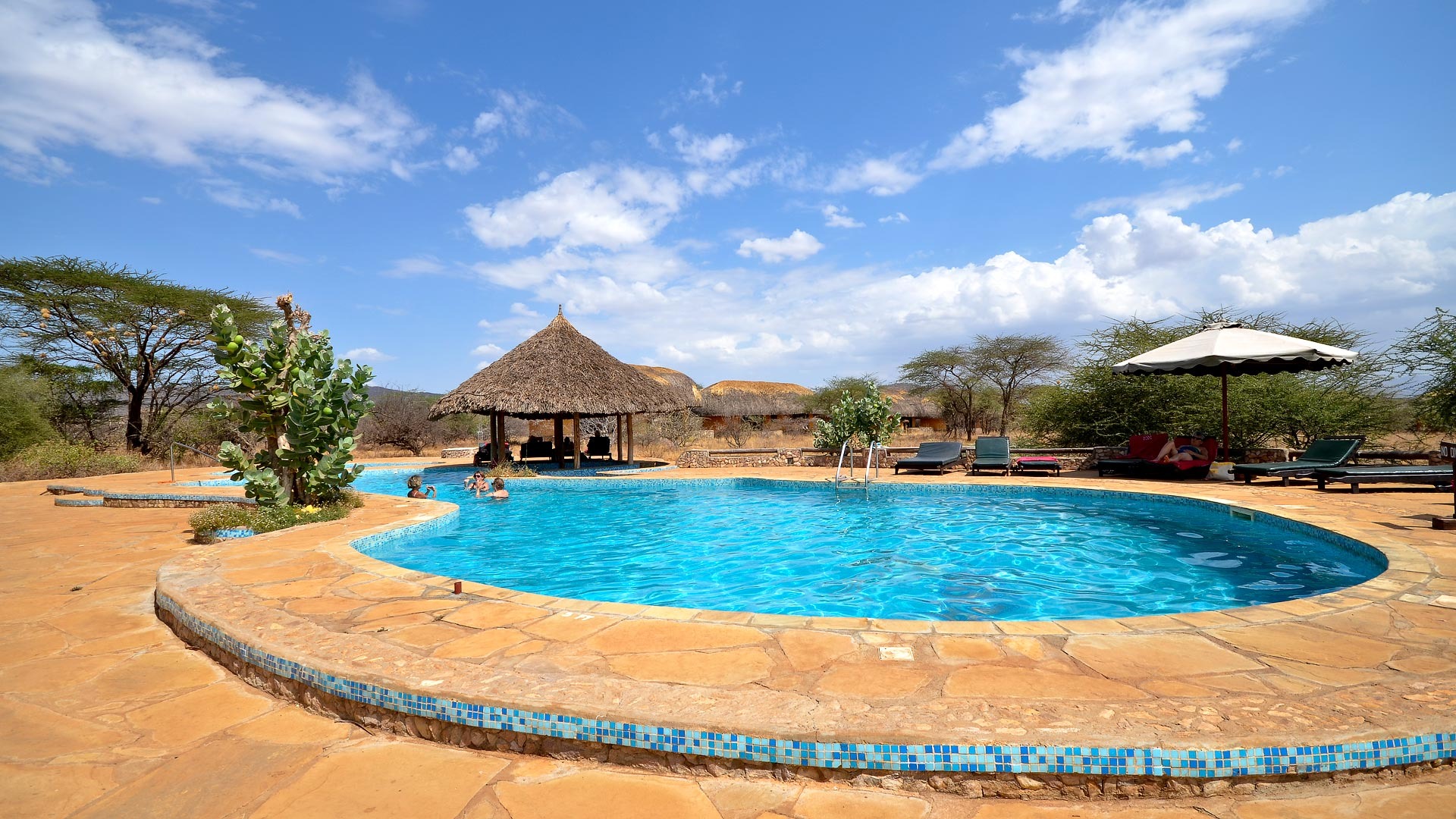
The main bar opens onto the sunbathing area and pool, with a sunken poolside bar where guests can sit at the counter and talk directly with the Samburu barmen — one of those small touches that gives the lodge its warmth. Outdoor dining options extend the experience beyond the main building for those who want their meal served under open skies.
Samburu National Reserve rewards a visit in almost any month, but the dry seasons deliver the most concentrated and accessible wildlife viewing. The long dry season from June through October is consistently the most productive — with water scarce and the Ewaso Ng’iro River acting as a magnet for elephants, predators, and the Samburu Special Five in exceptional numbers. January and February offer a shorter but equally strong dry window, with good game viewing and lower visitor volumes than the peak July-October period. The short rains of November and December transform the landscape briefly but rarely affect wildlife encounter quality significantly. The long rains of March and April are the quietest period, though Samburu’s semi-arid character means it receives less rainfall than southern Kenya and game viewing remains more consistent than in wetter reserves. Unlike the Maasai Mara, Samburu is not defined by a single seasonal spectacle — the Special Five are resident year-round, making this a genuinely all-season destination for the right itinerary
Explore handcrafted itineraries where Samburu Sopa Lodge forms part of the journey.
Please share your name and email so we can follow up with you.