Tortilis Camp, Amboseli
In the shadow of Kilimanjaro, on private Maasai land bordering Amboseli — Kenya's most celebrated elephant landscape, and Africa's most iconic mountain view
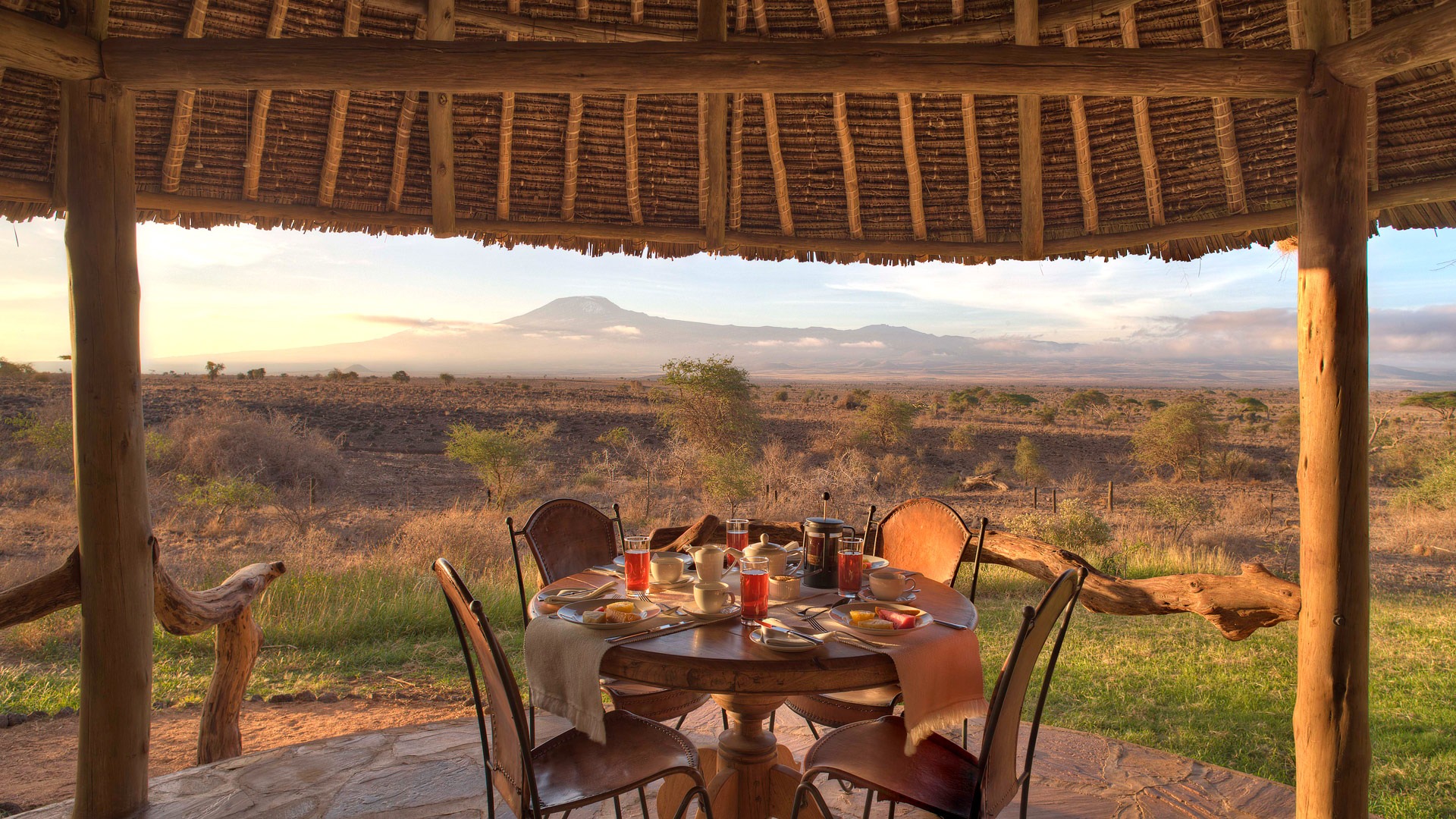
Kilimanjaro does not reveal itself gradually at Amboseli. It arrives — and when it does, rising 5,894 metres out of the 1,200-metre plains in a single dramatic sweep of glaciated rock and permanent snow, it stops conversations. The Amboseli ecosystem sits directly at the mountain’s base, and Tortilis Camp is positioned on its southwestern edge in a way that keeps Kilimanjaro in view from the main lodge, from the pool terrace, from the dining room, and from most of the tented suites themselves. No other camp in Amboseli faces the mountain with quite the same directness.
The camp is named after the Acacia tortilis — the flat-topped umbrella thorn tree whose distinctive silhouette is as much a symbol of the African savannah as any animal within it. Tortilis sits within a natural woodland of these trees, their canopy providing shade and shelter while the plains open beyond them toward the park and the mountain. The 30,000-acre Kitirua Conservancy, which borders the national park and on which the camp sits, is a joint venture with the local Maasai community — who own the land, receive a substantial lease income, and contribute the majority of the camp’s staff. Game drives, guided walks, sundowners, and bush meals take place across both the conservancy and Amboseli National Park itself, giving guests access to a combined landscape that few camps can match in size or in wildlife diversity.
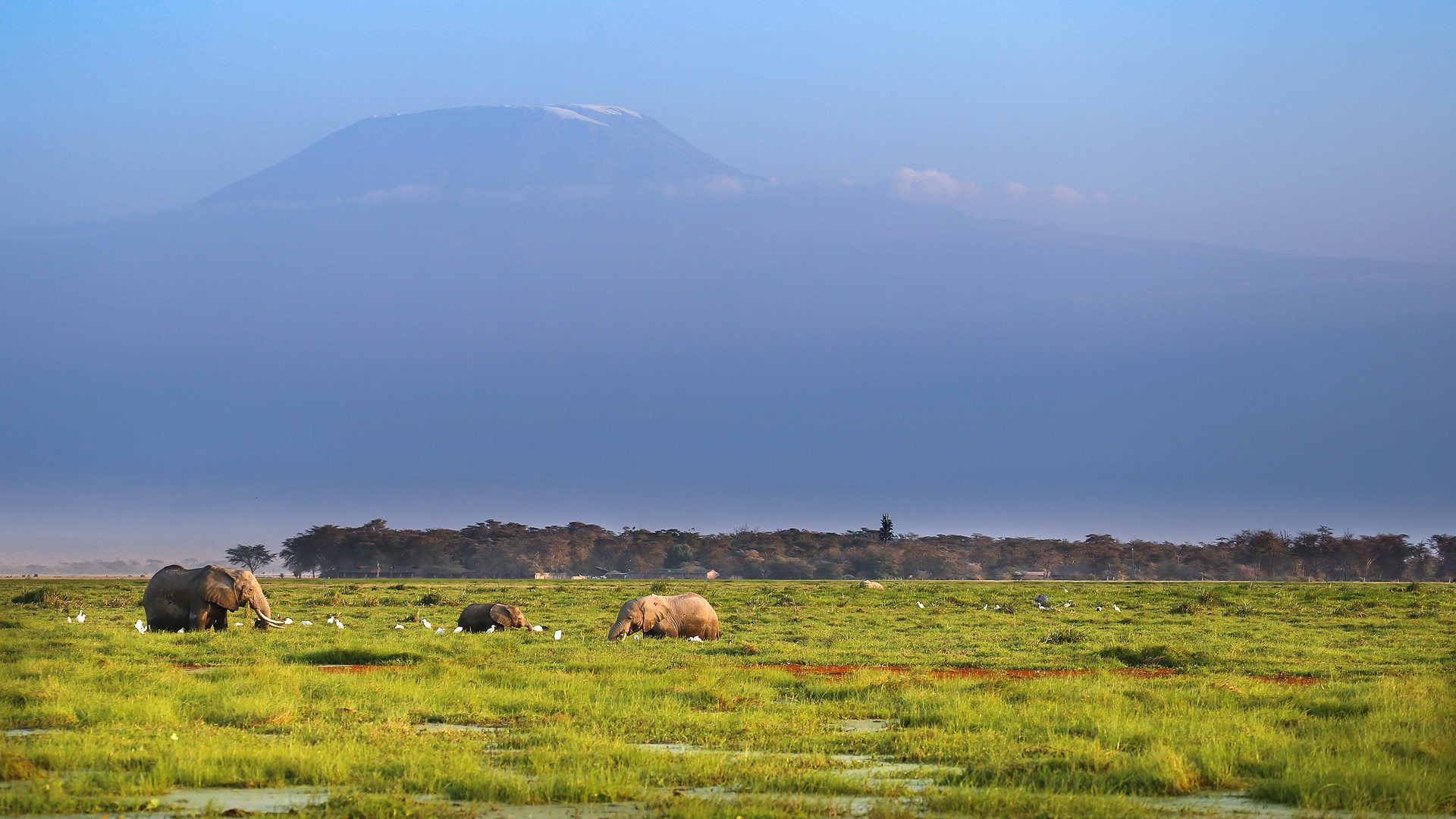
Amboseli is, above all else, elephant country. Over a thousand elephants inhabit the ecosystem, and many of its family groups have been studied and documented for decades by Dr Cynthia Moss’s Amboseli Elephant Research Centre — one of the longest-running wildlife studies in the world. The elephants here are unusually relaxed around vehicles, their generations of exposure to non-threatening human observation producing encounters of a closeness and duration that guests from more remote parks often find startling. Calves born into families with known matriarchs, bulls with recognisable tusks, herds moving through the swamp as Kilimanjaro catches the last light of the afternoon — this is Amboseli at its most elemental.
Tortilis was among the first tented camps of its size in Kenya to run entirely on solar power — a distinction achieved quietly and maintained consistently, with the panels deliberately hidden from view. The camp’s approach to conservation, community, and environmental responsibility was pioneering before such language became standard in the industry. It remains one of East Africa’s most principled luxury addresses.
Named after the flat-topped acacia thorn tree that shades its tents, Tortilis Camp sits within the 30,000-acre Kitirua Conservancy on the southwestern edge of Amboseli National Park — facing Kilimanjaro directly, on private Maasai land that grants an exclusivity no park-bound camp can offer. This is
Why Stay Here
- Unrivalled direct views of Mount Kilimanjaro — Africa's highest peak — from camp and game drives
- Private access to the 30,000-acre Kitirua Conservancy for exclusive walks and game drives
- Amboseli's famous elephant herds — over 1,000 animals, many individually known to researchers
- 100% solar-powered — one of Kenya's original and most committed eco-lodges
- Maasai-owned land: lease income and community employment are central to the camp's model
- Access to the Amboseli Elephant Research Centre, founded by world-renowned Dr Cynthia Moss
Tortilis Camp was a pioneer of responsible tourism in Kenya long before eco-credentials became a marketing category. The camp runs entirely on solar power — one of the first of its size in East Africa to do so — with its panels discreetly positioned to preserve the aesthetic of the woodland setting. The Kitirua Conservancy is a formal joint venture with the local Maasai community
Rooms & Accommodation
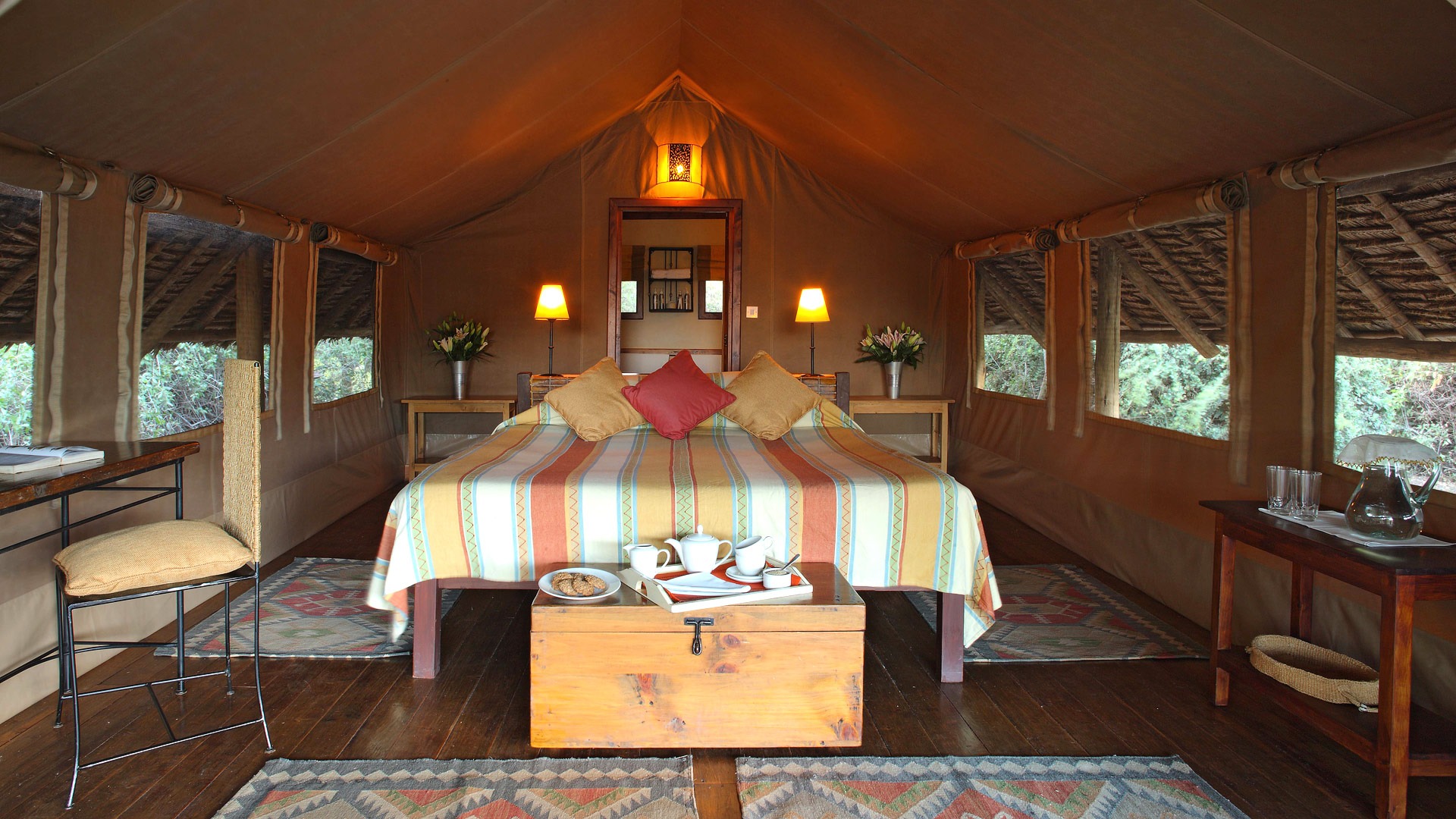
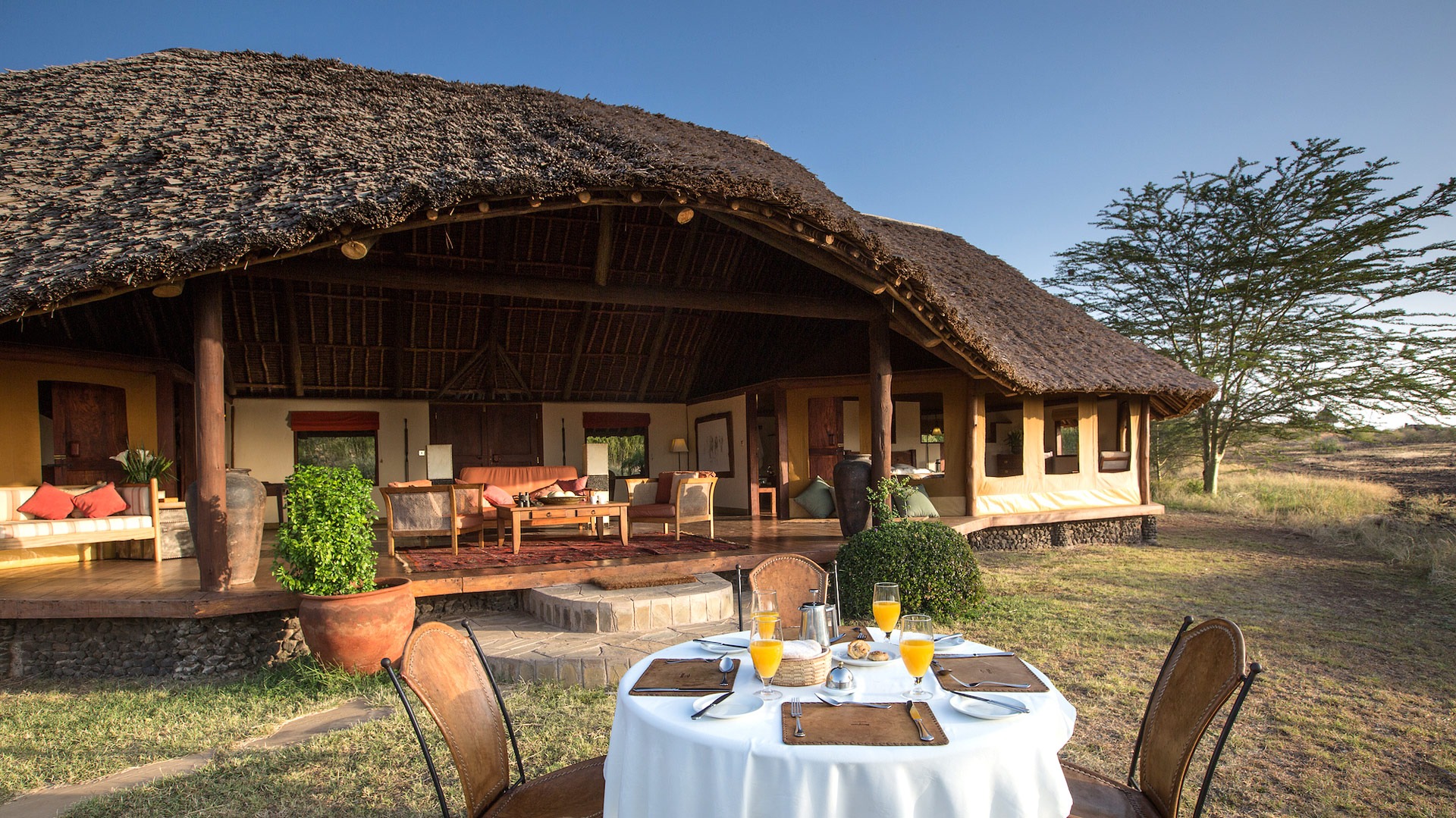
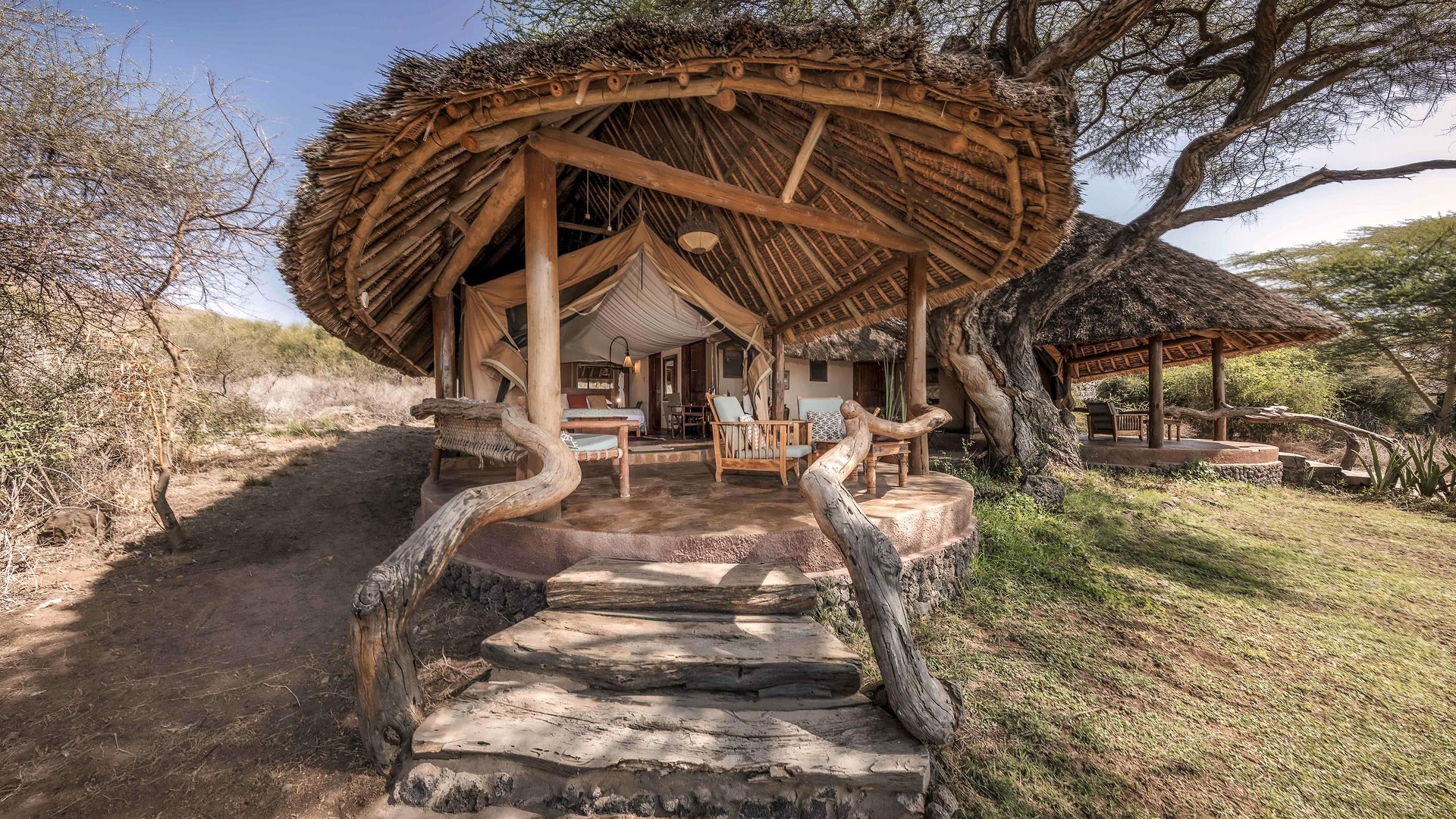
Sixteen tented suites nestle within the Acacia tortilis woodland, each built beneath a traditional makuti palm-frond roof that echoes both the shade of the trees above and the design traditions of the Kenyan coast. Interiors are spacious, naturally lit, and crafted from materials that belong to the landscape: warm wood finishes, quality linens, and refined en-suite bathrooms. Private verandas face the plains and, on clear mornings, the unmistakeable outline of Kilimanjaro. The Family Tent and Private House — set slightly apart from the main camp on the hill, sharing a swimming pool — offer expanded accommodation for families and groups seeking additional privacy and their own pool.
Classic Tented Suite
Sixteen spacious tented suites set within the acacia woodland, each beneath a makuti thatched roof and surrounded by the natural sounds of the Amboseli bush. King or twin beds dressed in quality linens, a sitting area, en-suite bathroom with indoor shower, and a private veranda from which Kilimanjaro is visible on clear mornings and evenings.
Family Tent
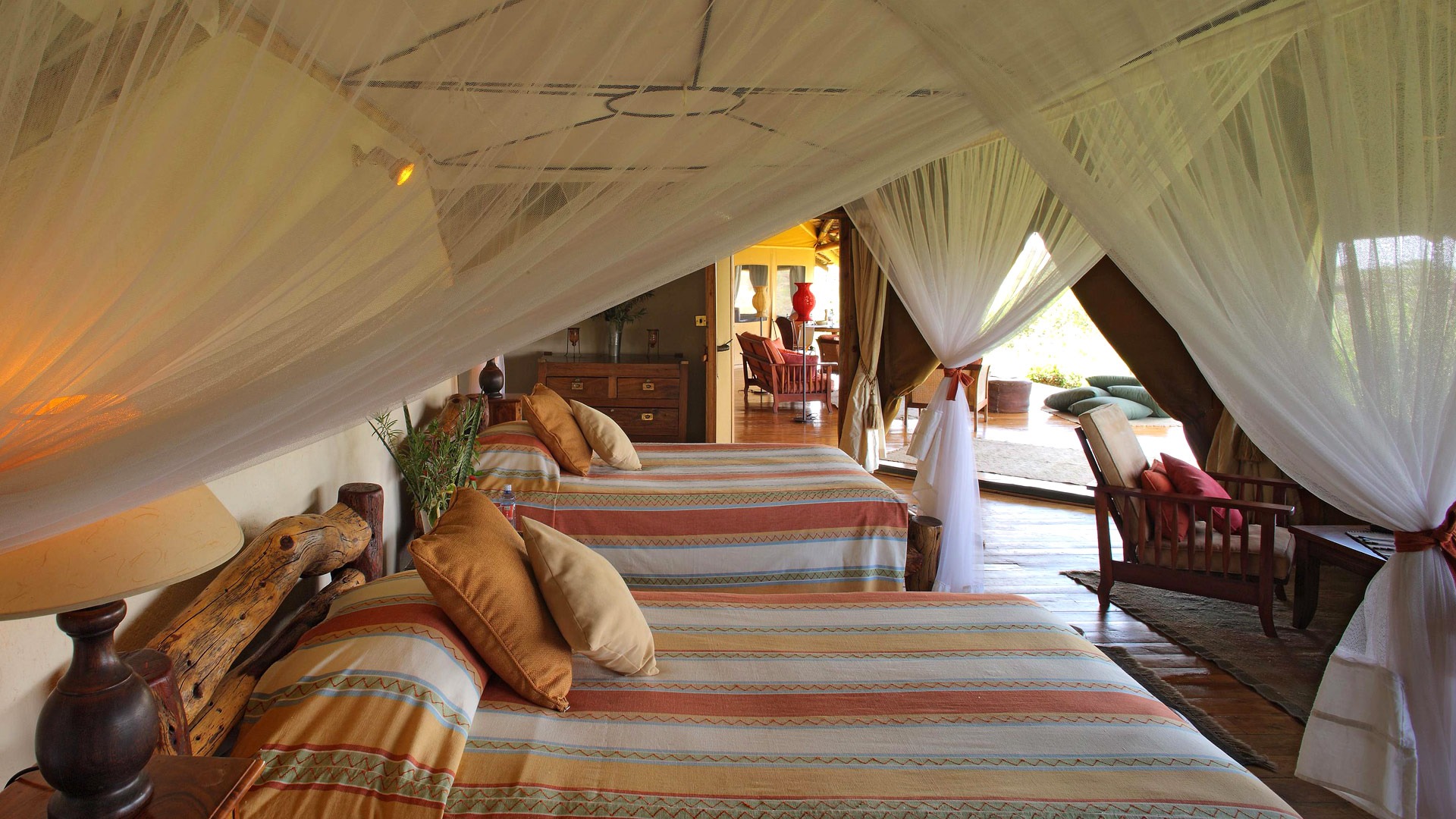
Positioned slightly above the main camp on the hill, the Family Tent has two separate en-suite bedrooms — one double, one twin — each with the option of an additional bed for a child under sixteen. A spacious shared veranda faces Kilimanjaro directly, making it one of the finest private viewpoints in the camp.
Experiences & Activities
Every moment at Tortilis Camp, Amboseli is crafted to immerse you deeper in the wild.
Elephant Game Drives in Amboseli
Amboseli's elephant population — more than 1,000 animals across multiple family groups — is among the most studied and most accessible in Africa. Morning and afternoon game drives into the national park and across the Kitirua Conservancy bring guests into close proximity with herds
Guided Bush Walks with Maasai Rangers
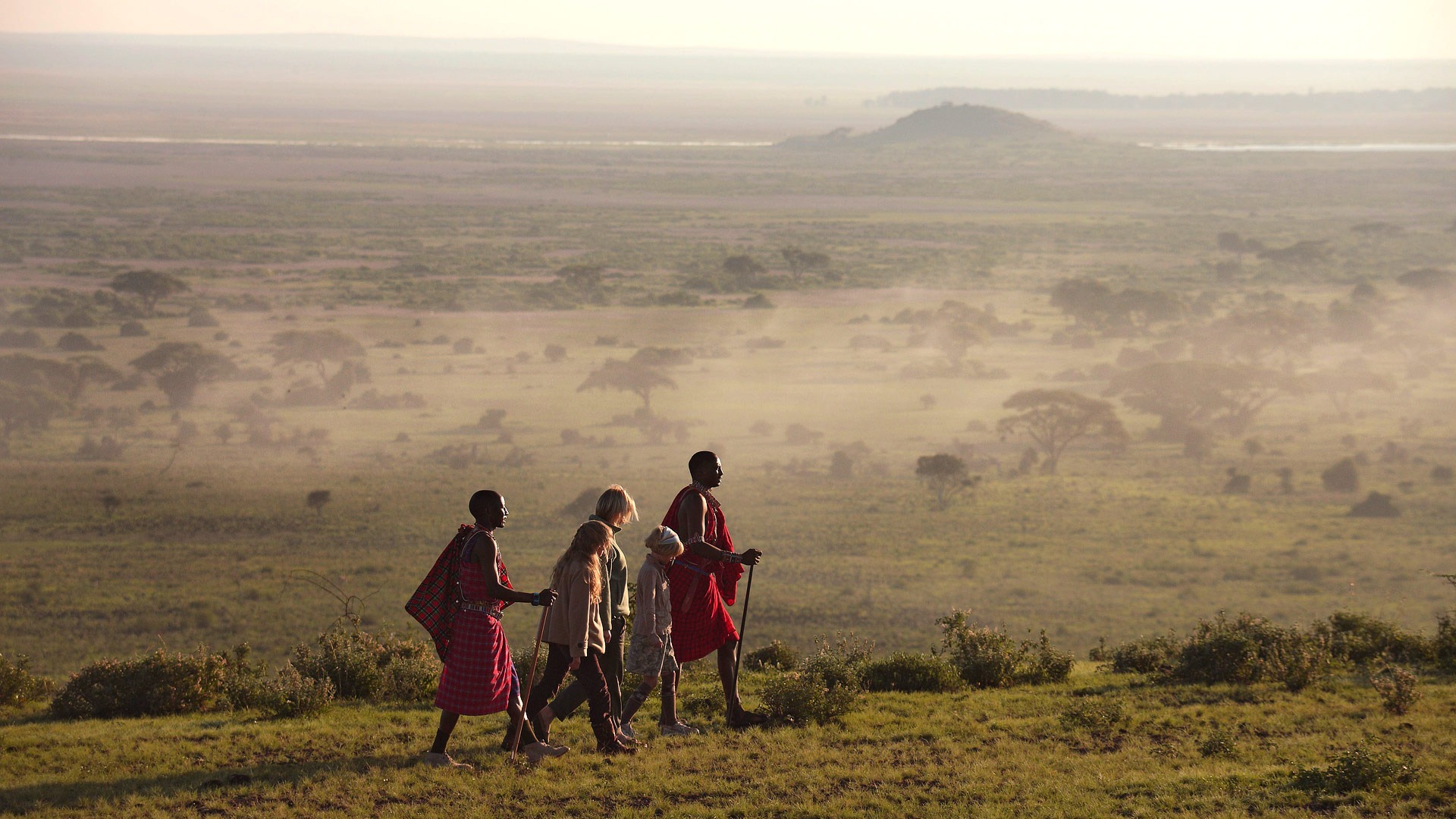
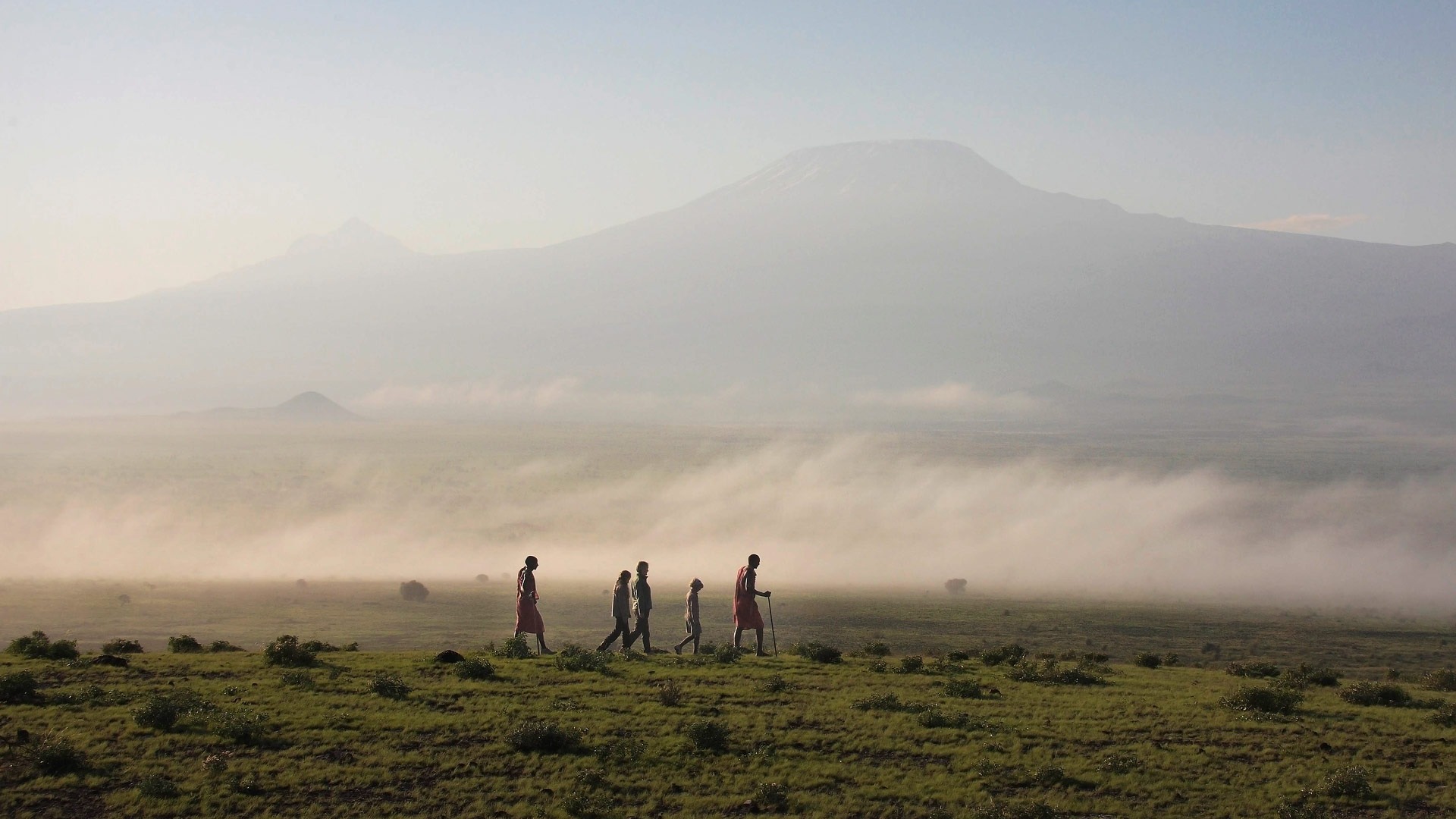
The Kitirua Conservancy's private land gives Tortilis guests access to guided walks that national park boundaries would otherwise prevent. Led by Maasai rangers whose knowledge of the landscape is generational rather than academic, these walks explore the smaller details of the Amboseli ecosystem
Ready to plan your stay?
Our specialists are available 24 hours, 7 days a week.
Dining
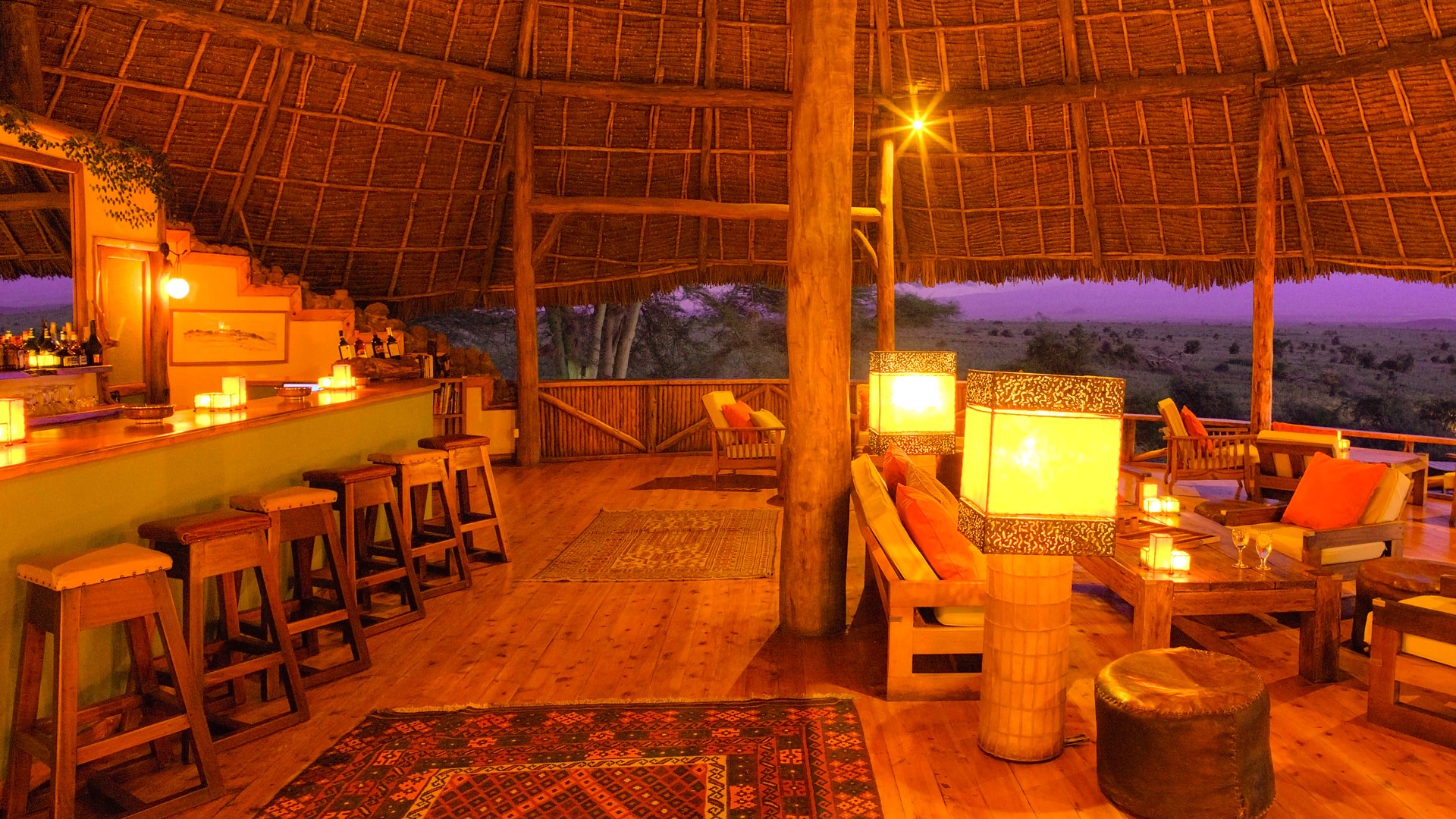
The dining room and bar at Tortilis occupy the main lodge — an open-sided structure of natural timber and thatch that faces the plains and Kilimanjaro beyond. Meals are freshly prepared and imaginative, drawing from Kenyan produce and reflecting the camp’s long-standing relationship with its Maasai neighbours and local suppliers. Tortilis works closely with the African Beekeepers’ Association, and the resulting honey — subtle, complex, and entirely local — appears throughout the menu and is available in the camp shop to take home. Bush breakfasts on the open plains, surrounded by Amboseli’s plains game, and sundowner setups on an elevated hillside as the mountain catches the last light of the day are the dining highlights that guests consistently describe as among the defining moments of their Amboseli stay. The palm-shaded pool terrace serves as a natural gathering point between drives, with the birdsong of the acacia woodland and the distant outline of Kilimanjaro completing the picture.
Gallery
Best Time to Visit
Amboseli is one of Kenya’s most rewarding year-round safari destinations, and Tortilis Camp operates and welcomes guests across all twelve months. The dry seasons — January to February and June to October — deliver the best game viewing conditions, with shorter grasses, clear skies, and wildlife concentrated around Amboseli’s permanent swamps. Kilimanjaro is most consistently visible in the early mornings of the dry season, before afternoon cloud builds around the summit — and the clarity of those early dawn views, with elephant silhouettes moving against the mountain, is the image most guests carry home.
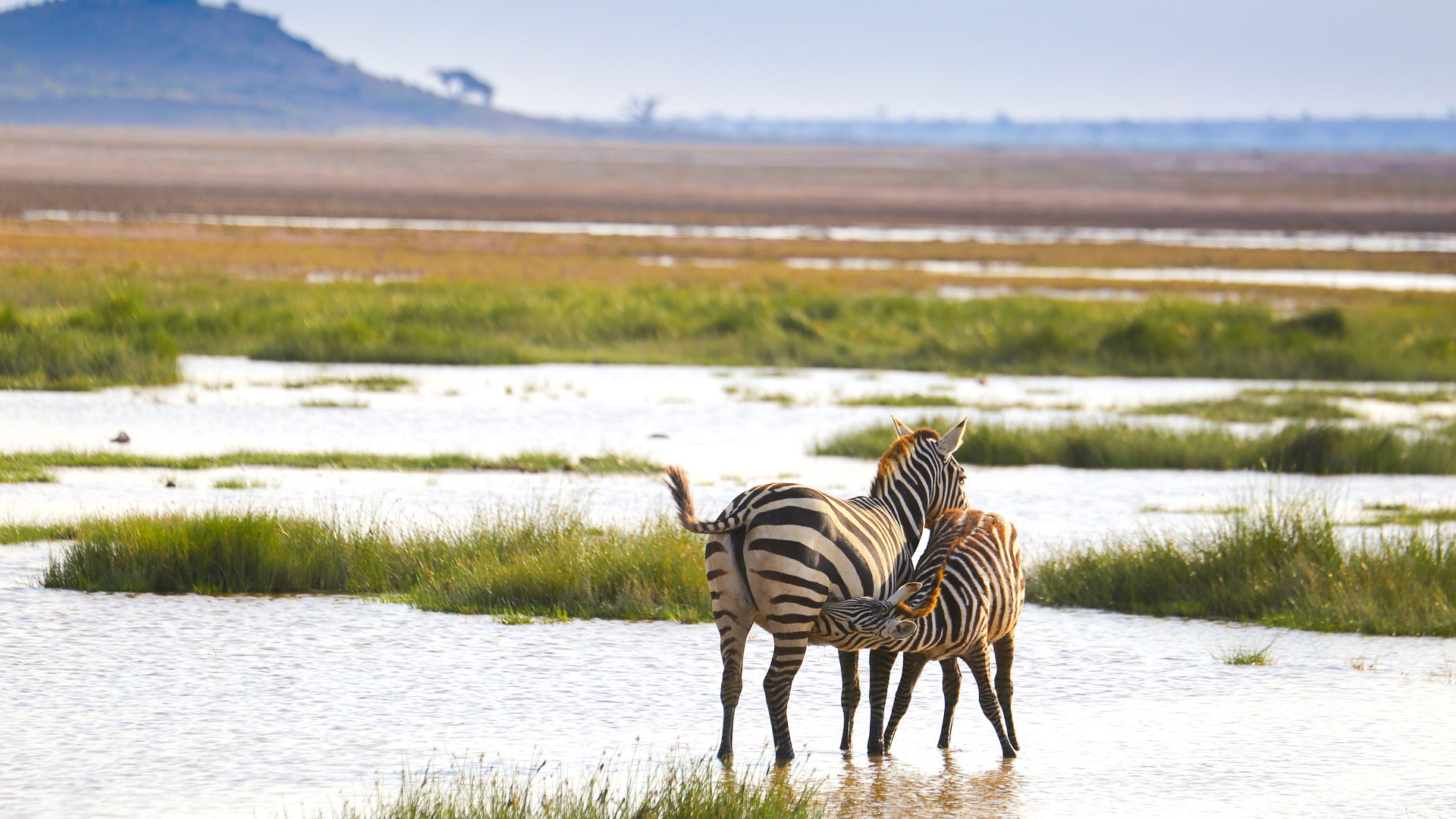
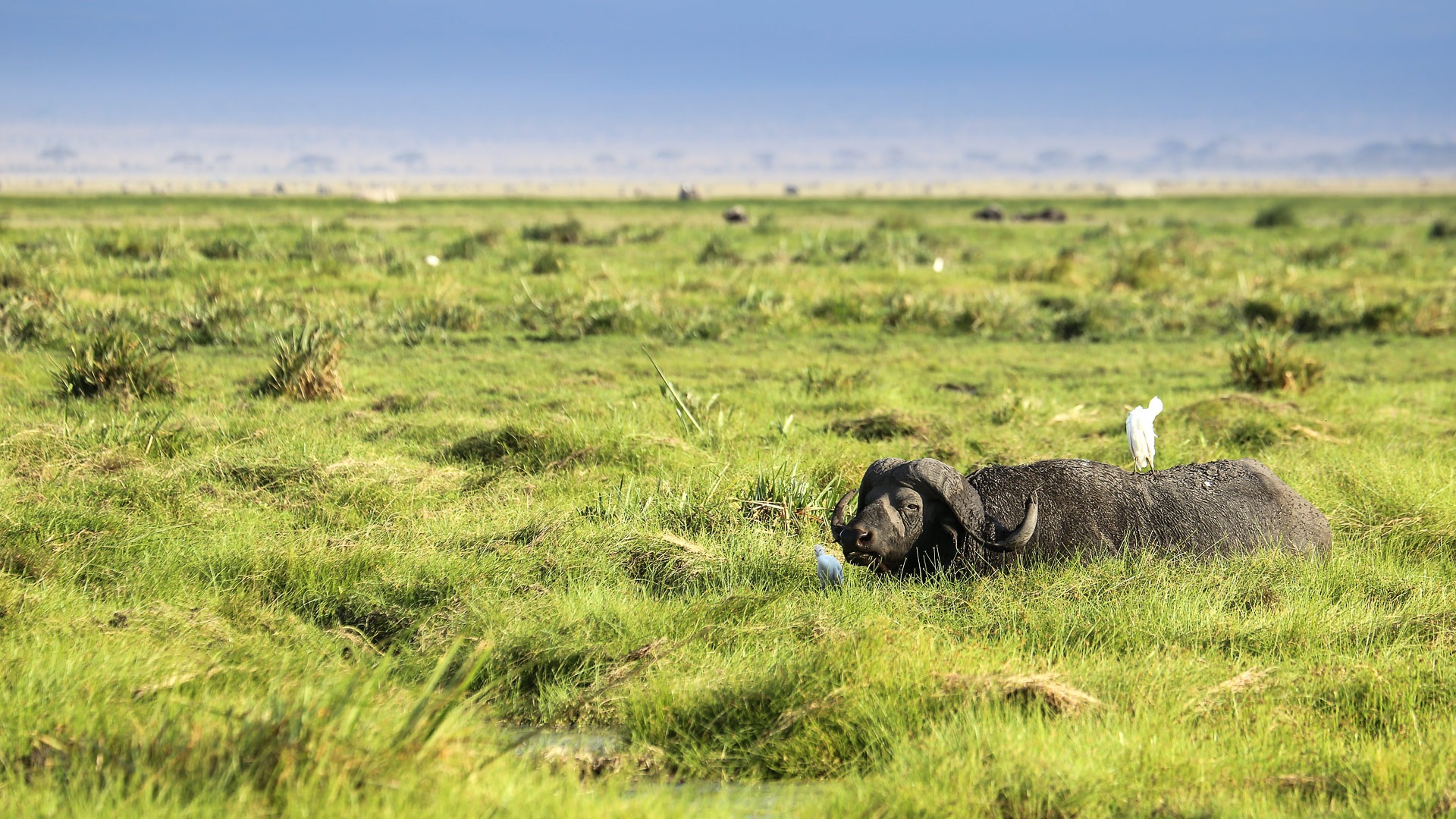
The long rains of April and May bring a significant green season: the landscape transforms, birding intensifies dramatically (Amboseli records over 450 species), and visitor numbers drop considerably. Rates during this period are typically more accessible, and the sense of private game viewing across the Kitirua Conservancy reaches its peak. Amboseli also hosts its own resident wildebeest population — genetically distinct from the Mara-Serengeti migration herds — meaning calving season from January to March brings sustained predator activity to the plains regardless of season. Tortilis’s position on the western, quieter side of the park ensures a more exclusive experience throughout the year than the busier eastern approaches to the national park.