National Park & Reserve

Ol Pejeta Conservancy

Where conservation is the safari — East Africa's most important wildlife sanctuary and the last refuge of the northern white rhino

Park Overview

About Ol Pejeta Conservancy

Ol Pejeta Conservancy

There are wildlife destinations that exist primarily to entertain, and there are those that exist because the survival of certain species depends on them. Ol Pejeta Conservancy sits firmly and deliberately in the second category — and the result, paradoxically, is one of the most compelling and emotionally resonant safari experiences in all of East Africa.

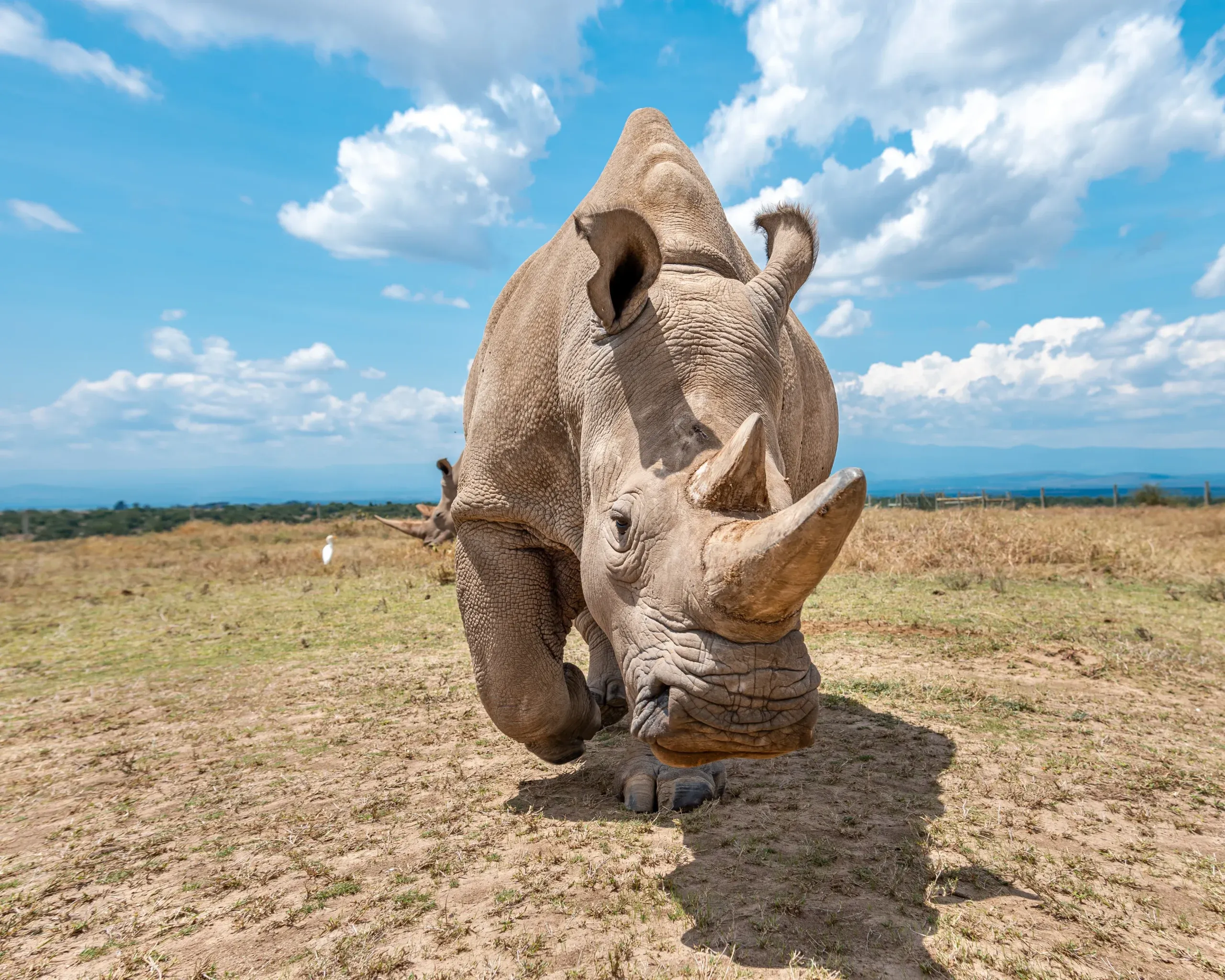
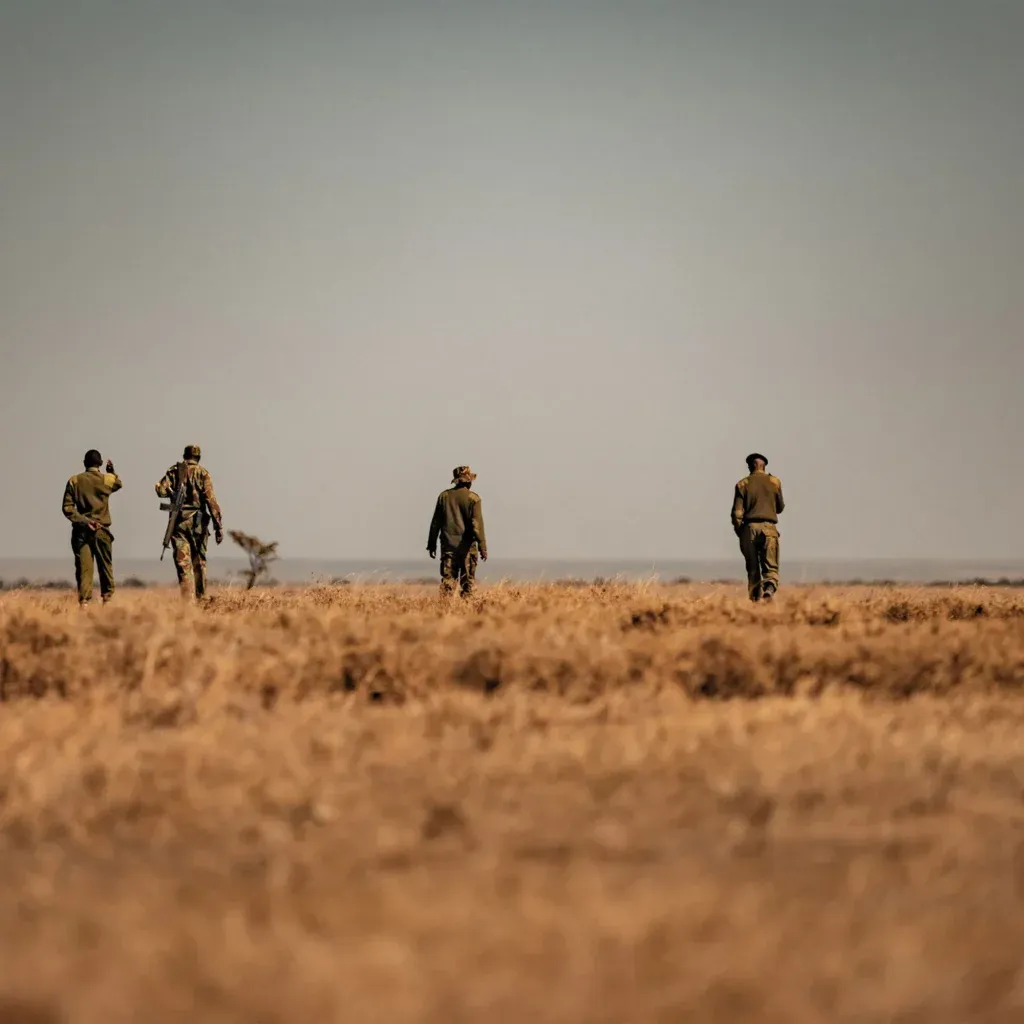
Covering 364 square kilometres of the Laikipia plateau in central Kenya, Ol Pejeta is the largest black rhino sanctuary in East Africa and the only place in the world where you can stand in the presence of the last two surviving northern white rhinos — Najin and Fatu, a mother and daughter whose existence represents both the consequences of human failure and the limits of human redemption. They are the end of a subspecies, protected around the clock by armed rangers, and encountering them is an experience that sits entirely outside the conventional safari register.

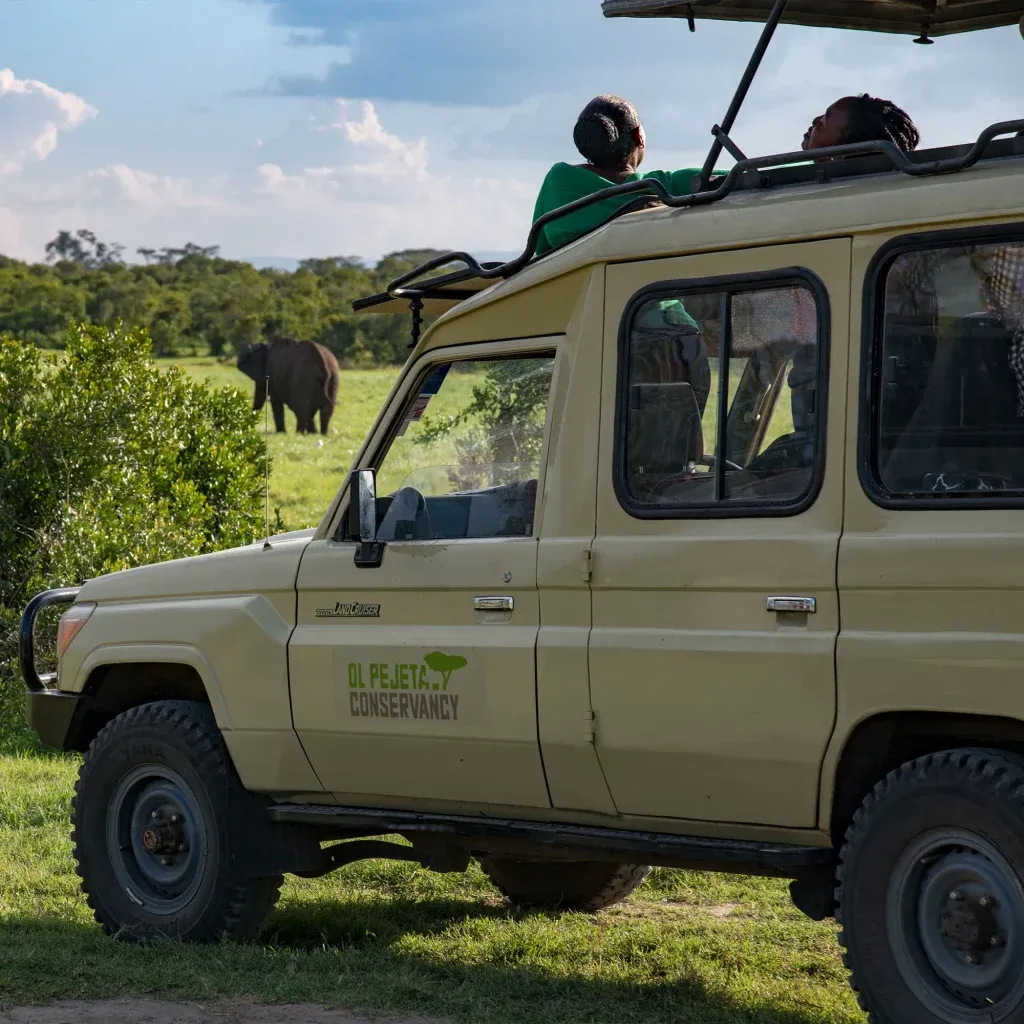
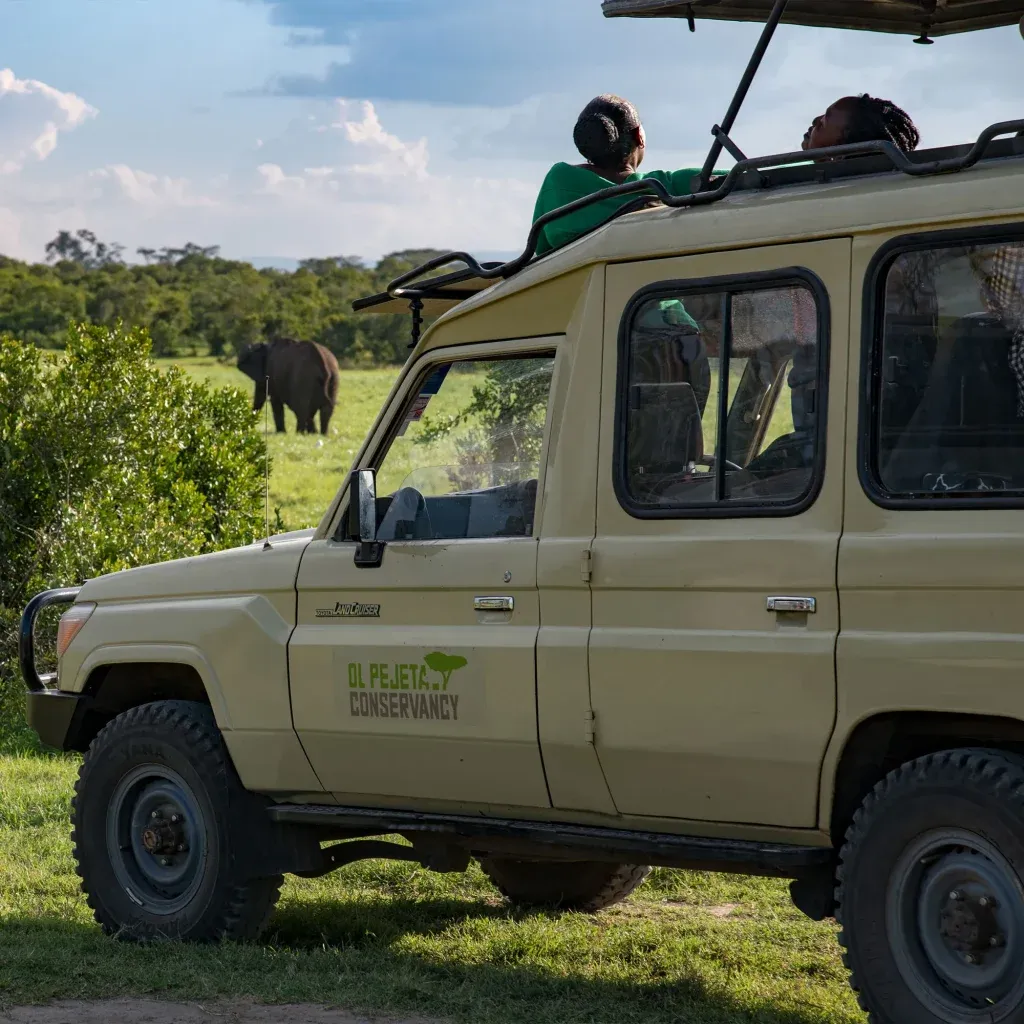
But Ol Pejeta is not only a conservation story. Its 364 square kilometres support the full Big Five, a resident cheetah population, wild dog, over 300 bird species, and a landscape of open grassland, acacia woodland and the permanent Ewaso Nyiro River that produces game viewing of consistently exceptional quality. The conservancy’s low visitor numbers — a consequence of its community-centred, conservation-first model — mean that game drives here feel nothing like the shared circuits of better-known parks. You encounter wildlife on your own terms, at your own pace, without another vehicle in sight.

The conservancy model itself is worth understanding. Ol Pejeta is a private conservancy that generates revenue from tourism and reinvests it directly into conservation, anti-poaching operations and community development around its boundaries. Every safari here is, in the most direct sense possible, a conservation act — the fees paid for accommodation and park access fund the ranger teams, the veterinary programmes, the community schools and the research that keeps this ecosystem functioning. It is a model that has become a template for wildlife conservation across Kenya and beyond.

For travellers who want their safari to mean something beyond the accumulation of sightings, Ol Pejeta offers an answer to that desire that no national park quite can.

Quick Facts

Size 364 km²
Established 2004
Location 230 km north of Nairobi
Best Time January – March & June – October (dry seasons); open and excellent year-round
Wildlife 100+ mammal species, 300+ bird species
Park Fees

International Adults: USD 90 per day (conservancy fee)

International Children (under 12): USD 45 per day

Fees support Ol Pejeta’s conservation, anti-poaching and community programmes directly. ATE manages all fee logistics for guests.

Ol Pejeta Conservancy landscape
Ol Pejeta Conservancy wildlife
Ol Pejeta Conservancy scenery
Flora & Fauna

Wildlife of Ol Pejeta Conservancy

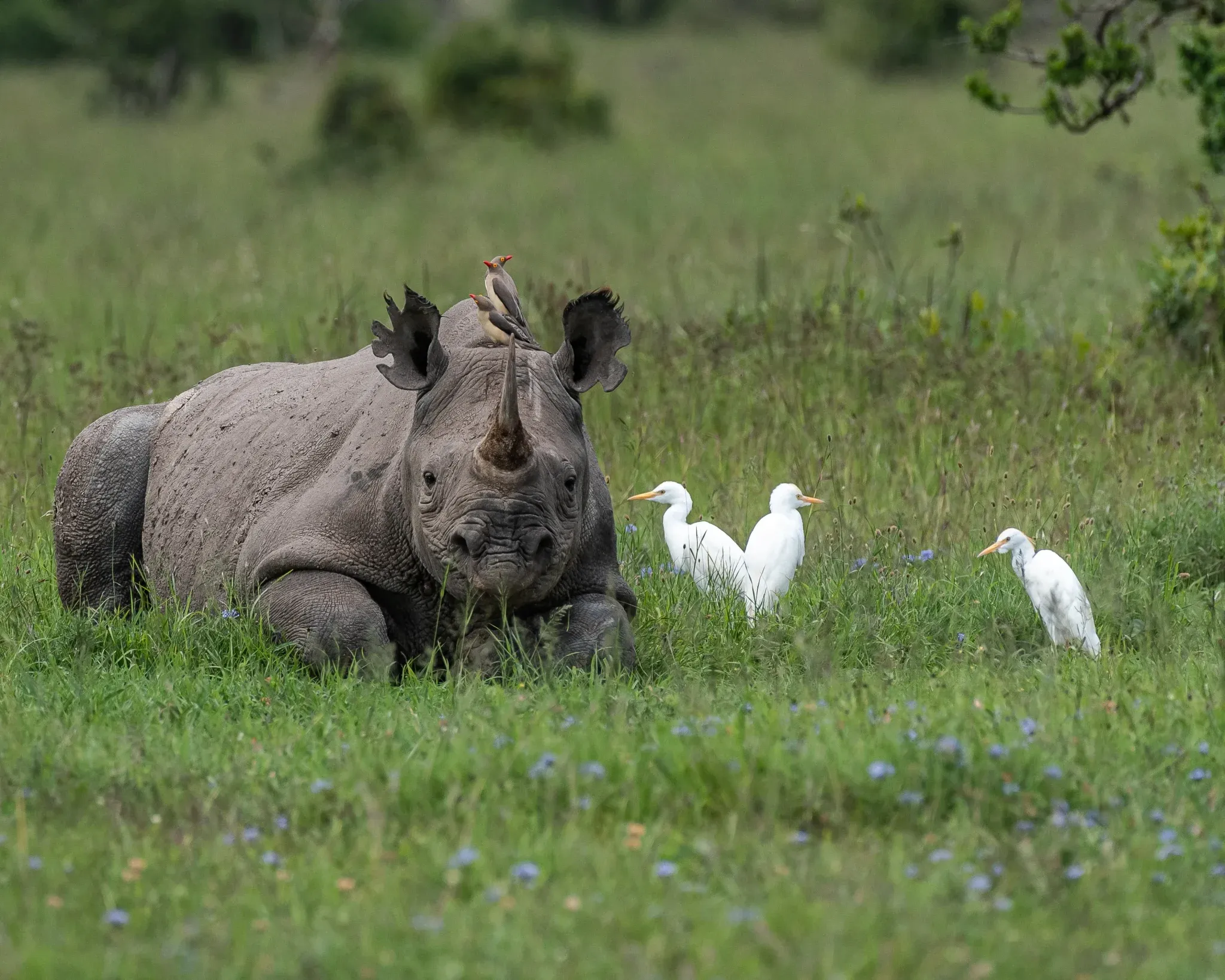
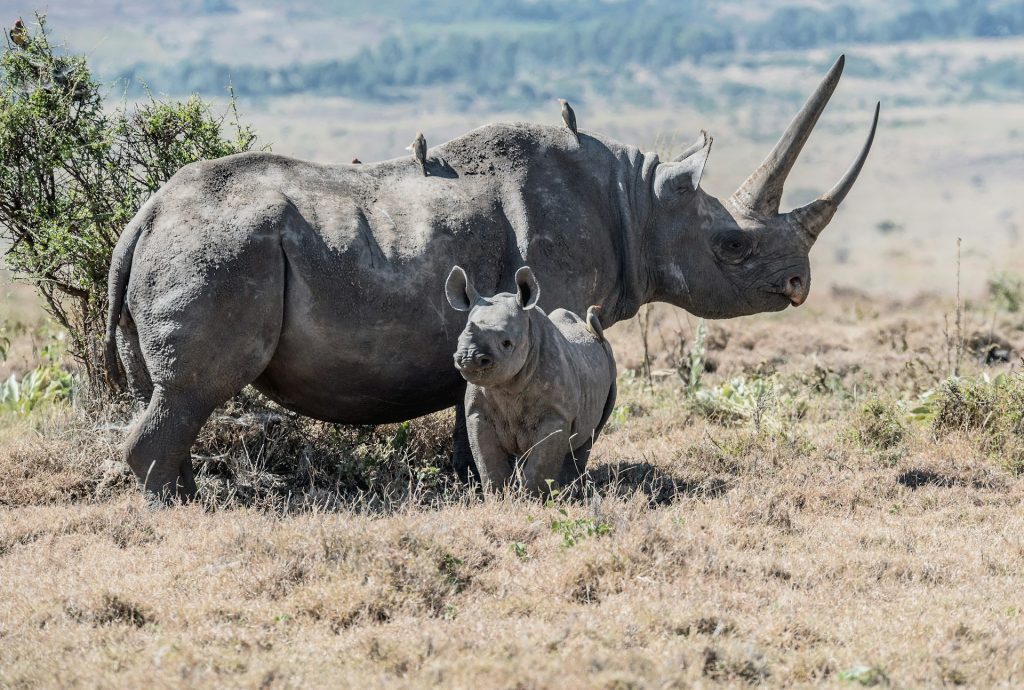
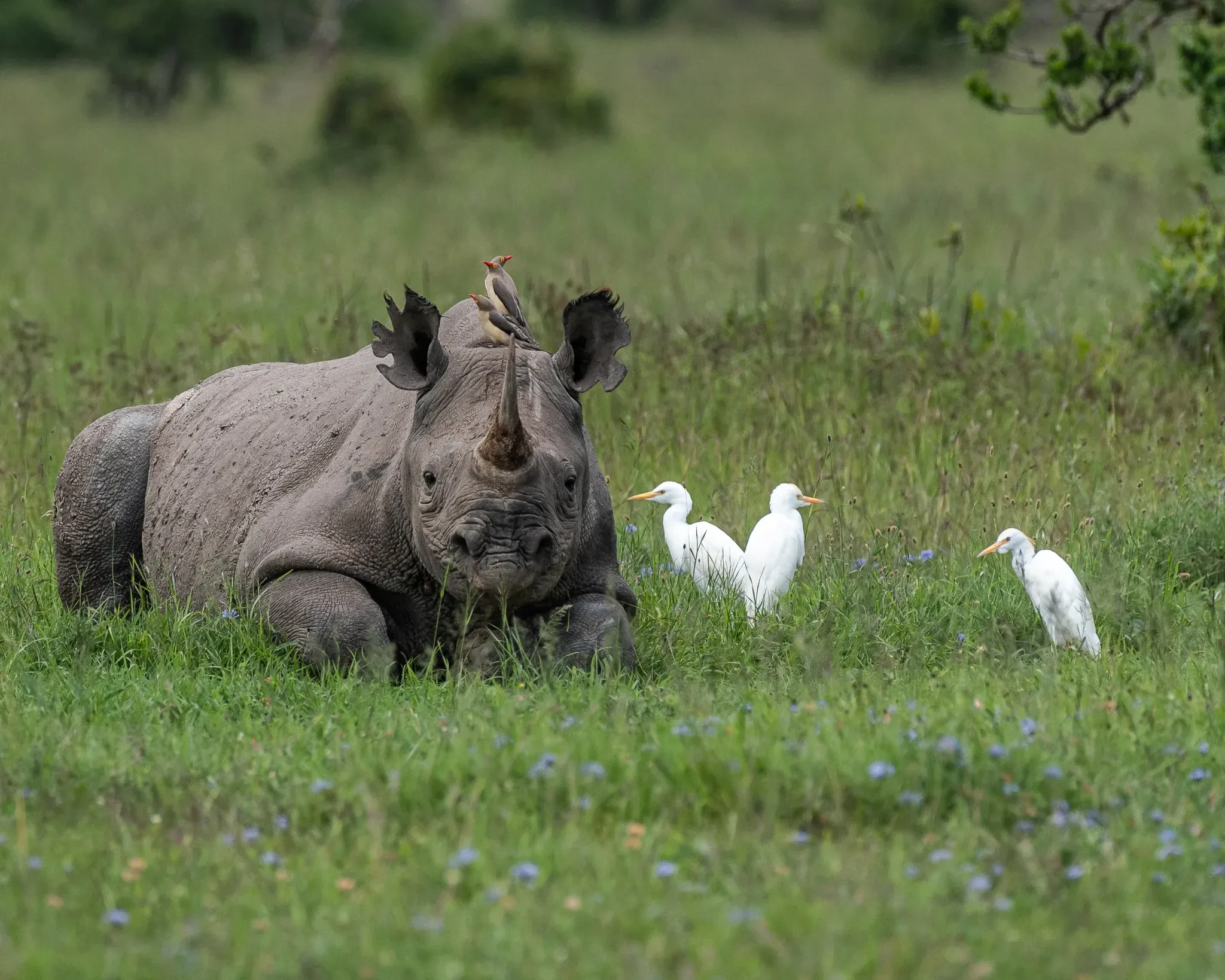
Ol Pejeta’s wildlife is defined by two things that distinguish it from every other conservancy in Kenya: the density of its rhino population and the intimacy of the game viewing experience its low visitor numbers make possible. The conservancy holds over 160 black rhino — the largest population in East Africa — alongside the world’s only two surviving northern white rhinos, and the reliability of rhino sightings here is simply unmatched anywhere else on the continent.

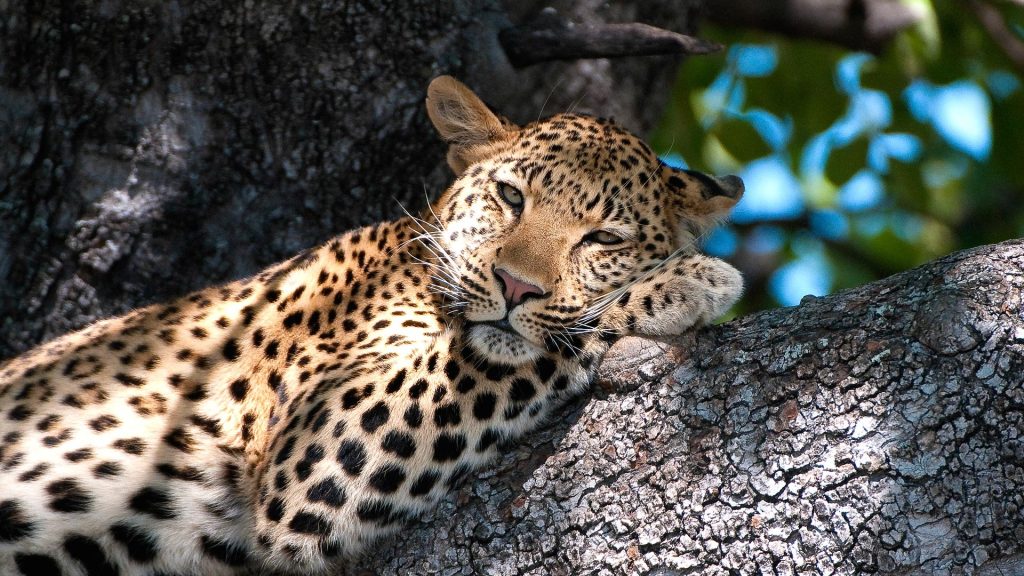
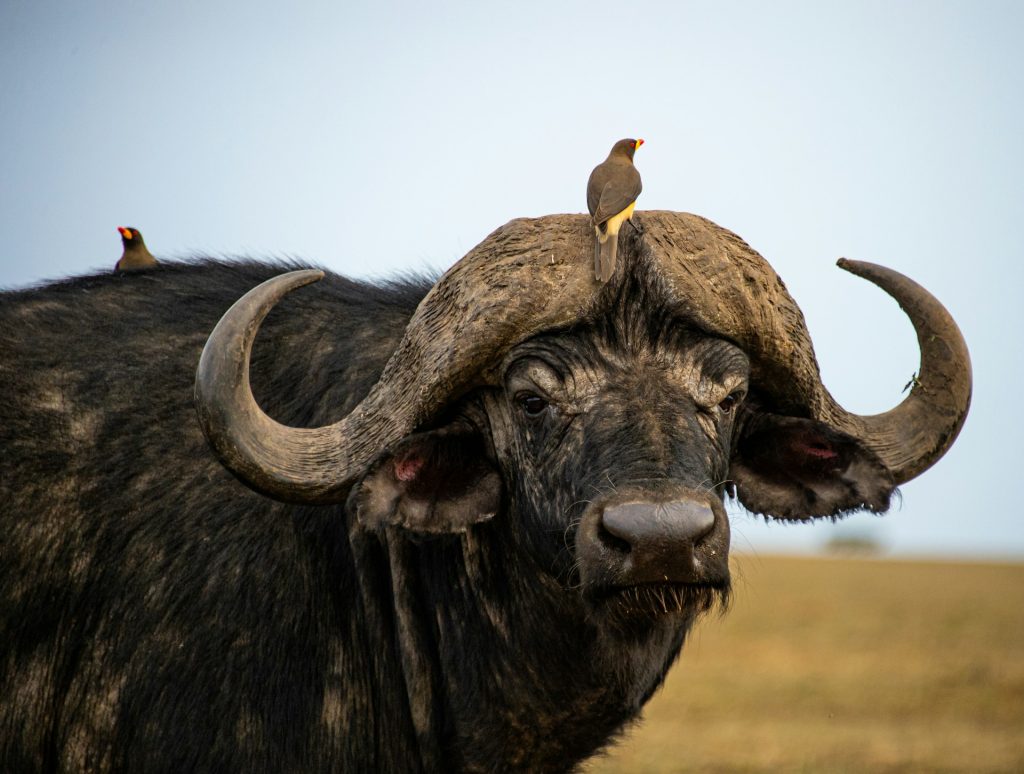
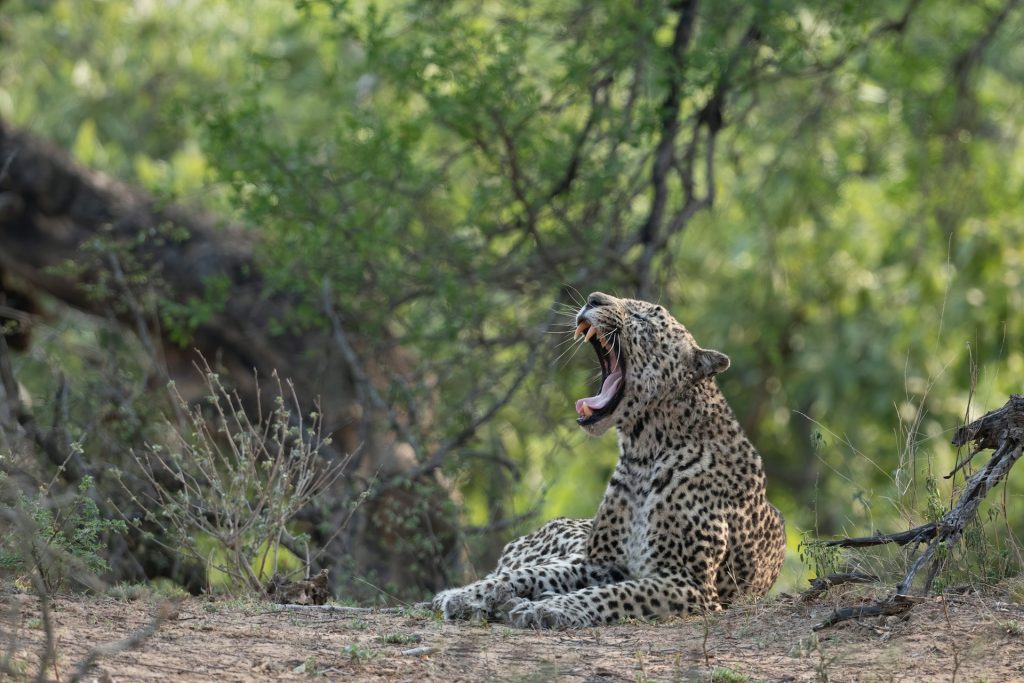
The Big Five are all present and reliably seen. Lion prides have established territories across the conservancy’s varied terrain — the open Mugie Plains produce hunting lion with the kind of visibility that the Serengeti offers, while the acacia woodland near the Ewaso Nyiro holds the leopard that are most consistently encountered along the riverine corridor at dawn. Buffalo herds, some numbering several hundred animals, move between the conservancy’s permanent water sources in the late afternoon. Elephant, drawn by the Ewaso Nyiro and the conservancy’s waterhole network, are encountered throughout the day.

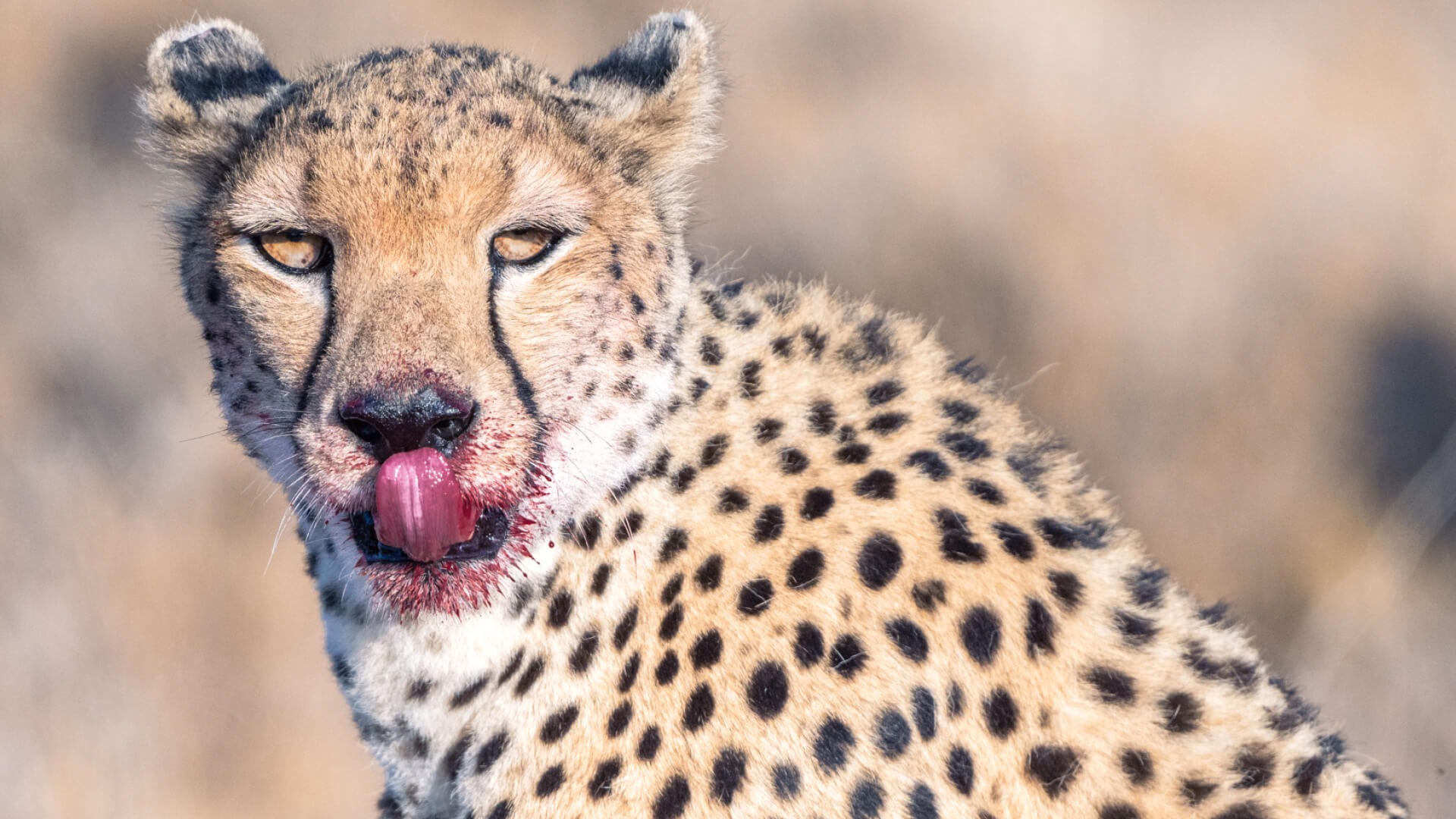
Cheetah are a particular strength. Ol Pejeta’s open grassland is ideal cheetah habitat, and the conservancy’s resident coalition — together with several females with cubs at different times of year — produce sightings that, in their quality and proximity, rival the best the Maasai Mara offers. Wild dog, one of Africa’s most endangered large carnivores, maintain a resident pack within the conservancy — one of very few such packs in central Kenya.

The Ewaso Nyiro River, which forms much of Ol Pejeta’s northern boundary, adds a riverine dimension to the game viewing that the open plains alone could not provide. Hippo pods, resident crocodile, and a concentration of waterbirds along the river banks complement the savannah wildlife to create a diversity of experience that conservancies two or three times Ol Pejeta’s size would struggle to match.

Black Rhino
Common
Black Rhino
Rare
African Lion
Common
Leopard
Common
Cheetah
Common
African Wild Dog
Occasional
African Elephant
Common
African Buffalo
Abundant
Maasai Giraffe
Common
Hippopotamus
Common
Nile Crocodile
Common
Plains Zebra
Abundant
Waterbuck
Abundant
Eland
Common
Spotted Hyena
Common

The Last Two — Najin and Fatu, the Northern White Rhinos

There are wildlife encounters that entertain, encounters that astonish, and a very small number that carry a weight beyond either. Standing in the presence of Najin and Fatu — the last two northern white rhinos on earth — belongs entirely in the third category.

The northern white rhinoceros was functionally extinct in the wild by the 1970s, reduced to a handful of individuals in captivity by a combination of habitat loss and relentless poaching for the international horn trade. The last surviving male, Sudan, lived at Ol Pejeta under 24-hour armed guard and died in March 2018 at the age of 45. He was 45 years old and the end of a line that had walked the earth for millions of years. His daughter Najin and granddaughter Fatu are what remain.

Both animals live within a protected enclosure inside Ol Pejeta, cared for by a dedicated team of rangers who know each animal individually and have monitored their health, behaviour and daily movements for years. Guests can enter the enclosure under ranger supervision for a close encounter that no other wildlife experience in Africa replicates — not because of the animals’ size or rarity alone, but because of what their existence represents: the end of a subspecies, the consequence of human choices, and the extraordinary effort being made to prevent that ending from being absolute. Scientists are currently working on advanced reproductive technologies — using stored genetic material from deceased northern white rhinos — with the goal of eventually producing northern white rhino embryos that could be carried by southern white rhino surrogates. Whether that project ultimately succeeds, Najin and Fatu will not see its outcome. But their presence at Ol Pejeta ensures it remains possible.

An encounter with these two animals is, for most guests, the most affecting wildlife experience of their lives. We say this not as marketing language but as an accurate reflection of what visitors consistently report. Come prepared for it to matter.

Special Species: Ol Pejeta is the only place in the world where the northern white rhino can be seen. It is also East Africa's largest black rhino sanctuary, with over 160 individuals — making rhino sightings here the most reliable in Kenya. The conservancy's resident wild dog pack is one of very few in central Kenya, and its cheetah population — in open grassland ideal for high-speed hunting — produces sightings that rival the Maasai Mara.

Terrain & Ecosystem

Landscape & Ecosystem

Landscape & Ecosystem

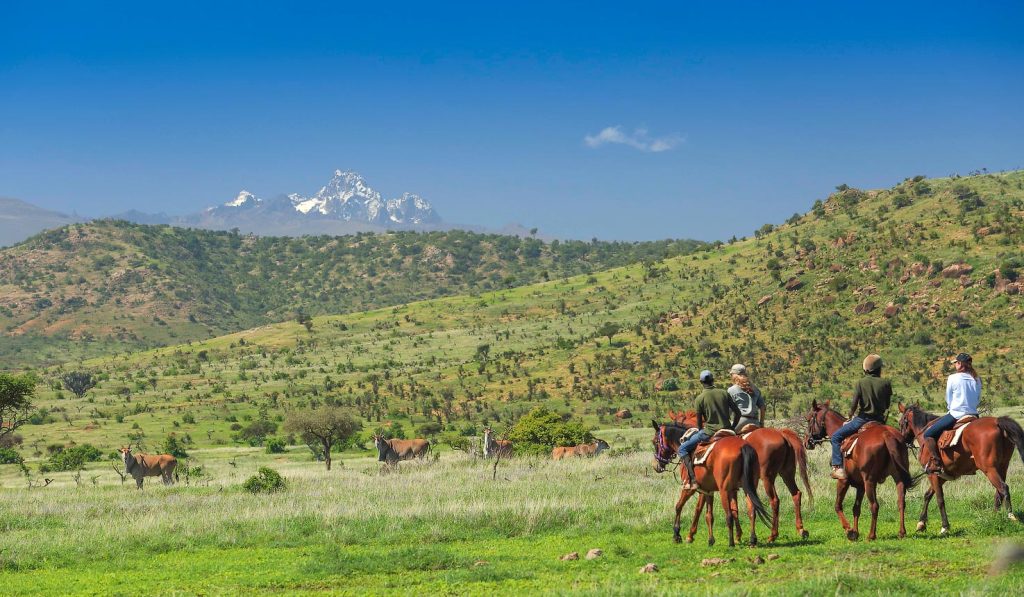
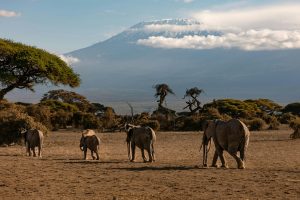
Ol Pejeta sits on the Laikipia plateau at an elevation of approximately 1,800 metres above sea level — high enough to produce cool mornings and evenings even in the dry season, and to sustain a landscape that feels distinctly different from the lowland savannahs of southern Kenya. The air is cleaner, the light sharper, and on clear mornings both Mount Kenya and Mount Kilimanjaro are visible from the conservancy’s higher ground — a perspective available at very few points on earth.

The dominant habitat is open grassland — the Mugie Plains and the broader central grassland zone that covers the majority of the conservancy’s interior. These open areas are what make Ol Pejeta so exceptional for predator viewing and for the cheetah in particular; the lack of dense cover means that hunts play out in full visibility, and the distances a vehicle can scan from a single vantage point are genuinely vast. At dawn, when the light is still horizontal and the grass holds moisture, these plains have a quality of beauty that no photograph quite captures.

The Ewaso Nyiro River defines Ol Pejeta’s northern boundary and provides the permanent water source that anchors wildlife movements throughout the dry season. The riverine corridor — dense doum palm, fig trees and yellow fever acacia — is the most productive leopard habitat in the conservancy and the location of the hippo pools that are among the most visited sites within the property. The contrast between the open grassland of the interior and the dense green riverine corridor along the Ewaso Nyiro gives the conservancy an ecological diversity that its relatively compact size does not suggest.

The acacia woodland zones, particularly in the eastern and southern sections of the conservancy, provide transition habitat between the open plains and the river corridor. These areas are where buffalo herds concentrate in the late afternoon, where black rhino are most reliably found in the dense thicket, and where the conservancy’s elephant population shelters during the heat of the midday hours. The woodland also supports the majority of Ol Pejeta’s bird species, including several that are specific to highland acacia habitat and not easily found in Kenya’s lowland parks.

Mount Kenya, visible to the east on clear days, provides a constant geographic orientation — its glaciated summit (5,199 metres) rising above the conservancy’s northern horizon in a way that gives game drives here a grandeur of setting that the Laikipia plateau’s modest elevation alone would not suggest. A sunrise game drive on the Mugie Plains with Mount Kenya sharp against a clear sky, a lion coalition visible in the middle distance and the sound of hippo carrying from the Ewaso Nyiro below — this is what Ol Pejeta offers that the southern parks, for all their excellence, cannot.

Activities

Experiences & Activities

Ol Pejeta's experiences are built around the conservancy's dual identity: a world-class wildlife destination and a working conservation operation. The two are inseparable here, and the most affecting experiences are those that make that connection most vivid.

Seasonal Guide

When to Visit Ol Pejeta Conservancy

Ol Pejeta is one of Kenya’s most rewarding year-round destinations — its elevated position on the Laikipia plateau means temperatures are comfortable in all seasons, and its permanent water sources along the Ewaso Nyiro maintain wildlife concentration even when surrounding areas dry completely.

January to March is one of the finest periods to visit. The short dry season produces clear skies, excellent game viewing across all the conservancy’s habitats, and comfortable temperatures — cool mornings on the Mugie Plains, warm but rarely oppressive afternoons. Cheetah are highly active in January and February, and the black rhino population moves into more open habitat as the vegetation thins. This is also when both Mount Kenya and Kilimanjaro are most reliably visible, providing a photographic backdrop available at very few other points in the safari calendar.

June to October is the main dry season and the conservancy’s peak visitor period. The Ewaso Nyiro drops, concentrating game along the river corridor, and wildlife movements become more predictable as the conservancy’s waterholes become increasingly critical. Buffalo herds reach their largest concentrations in August and September as animals from surrounding land move into the conservancy. Lion activity peaks as prey becomes more concentrated, and the conservancy’s cheetah are at their most visible on the drying Mugie Plains. This period overlaps with the Great Migration crossing season in the Maasai Mara, making a combined Ol Pejeta–Mara circuit particularly popular.

April and May bring the long rains. The conservancy greens dramatically, game disperses from the river, and some tracks become temporarily impassable after heavy rain. The northern white rhino and black rhino encounters are unaffected by season — these are managed experiences that operate year-round regardless of weather. For guests whose primary purpose is the rhino encounters rather than general game viewing, April and May offer lower rates and fewer visitors without meaningful compromise to the core experience.

The northern white rhino encounter and the chimpanzee sanctuary visit are available throughout the year and can be pre-booked through your African Trails itinerary. We recommend allocating a minimum of two full days to Ol Pejeta to do the conservancy justice — three nights is the sweet spot for most guests.

Best Months to Visit

Jan Excellent
Feb Excellent
Mar Excellent
Apr Fair
May Fair
Jun Excellent
Jul Excellent
Aug Excellent
Sep Excellent
Oct Excellent
Nov Fair
Dec Excellent
Excellent
Good
Fair
Off-peak
Curated Journeys

Safaris Featuring Ol Pejeta Conservancy

Ol Pejeta sits naturally on Kenya's northern circuit — combining with Samburu to the north, Lake Nakuru to the south, and the Maasai Mara as the circuit's southern anchor. Every African Trails itinerary that passes through Ol Pejeta is built around the northern white rhino encounter, the black rhino tracking, and the conservancy's exceptional predator viewing.

Kenya Classic Luxury Safari
8 Days

Kenya Classic Luxury Safari

Embark on a Kenya Classic Luxury Safari, an enchanting journey that immerses you in the timeless beauty and extraordinary diversity…
Serena Experiences By Flight
6 Days

Serena Experiences By Flight

The Serena Experiences By Flight  itinerary has been specifically curated to showcase the very best of Kenya's diverse ecosystems, exceptional…
Experience Kenya Safari
9 Days

Experience Kenya Safari

Embark on the experience Kenya safari, a meticulously curated 9-day expedition traversing Kenya's most legendary wildlife sanctuaries.
Soul of Kenya
9 Days

Soul of Kenya

Experience the ultimate Kenya luxury family safari. 10 days exploring Samburu, Ol Pejeta and Maasai Mara. Big 5, Great Migration…
Common Questions

Frequently Asked Questions

Yes — Najin and Fatu, the world’s last two northern white rhinos, live at Ol Pejeta and can be visited under ranger supervision. The encounter takes place within their protected enclosure and is managed by the dedicated team that cares for them daily. It is not a standard game drive sighting but a facilitated close encounter that includes a briefing on the animals’ history, the story of the subspecies’ decline, and the ongoing scientific work being done to preserve the northern white rhino’s genetic legacy. It is bookable through your African Trails itinerary and is, for most guests, the most significant wildlife experience of their visit to Kenya.

For black rhino specifically, yes — Ol Pejeta is the most reliable black rhino destination in East Africa, with over 160 individuals in a 364-square-kilometre conservancy and a dedicated monitoring team that tracks individual animals daily. This means your guide has real-time information on rhino locations rather than relying on chance encounters. Lake Nakuru also offers good black and white rhino sightings within its fenced sanctuary, and we often recommend combining both on a Kenya circuit for guests for whom rhino is a priority. No national park in East Africa matches Ol Pejeta’s black rhino density or sighting reliability.

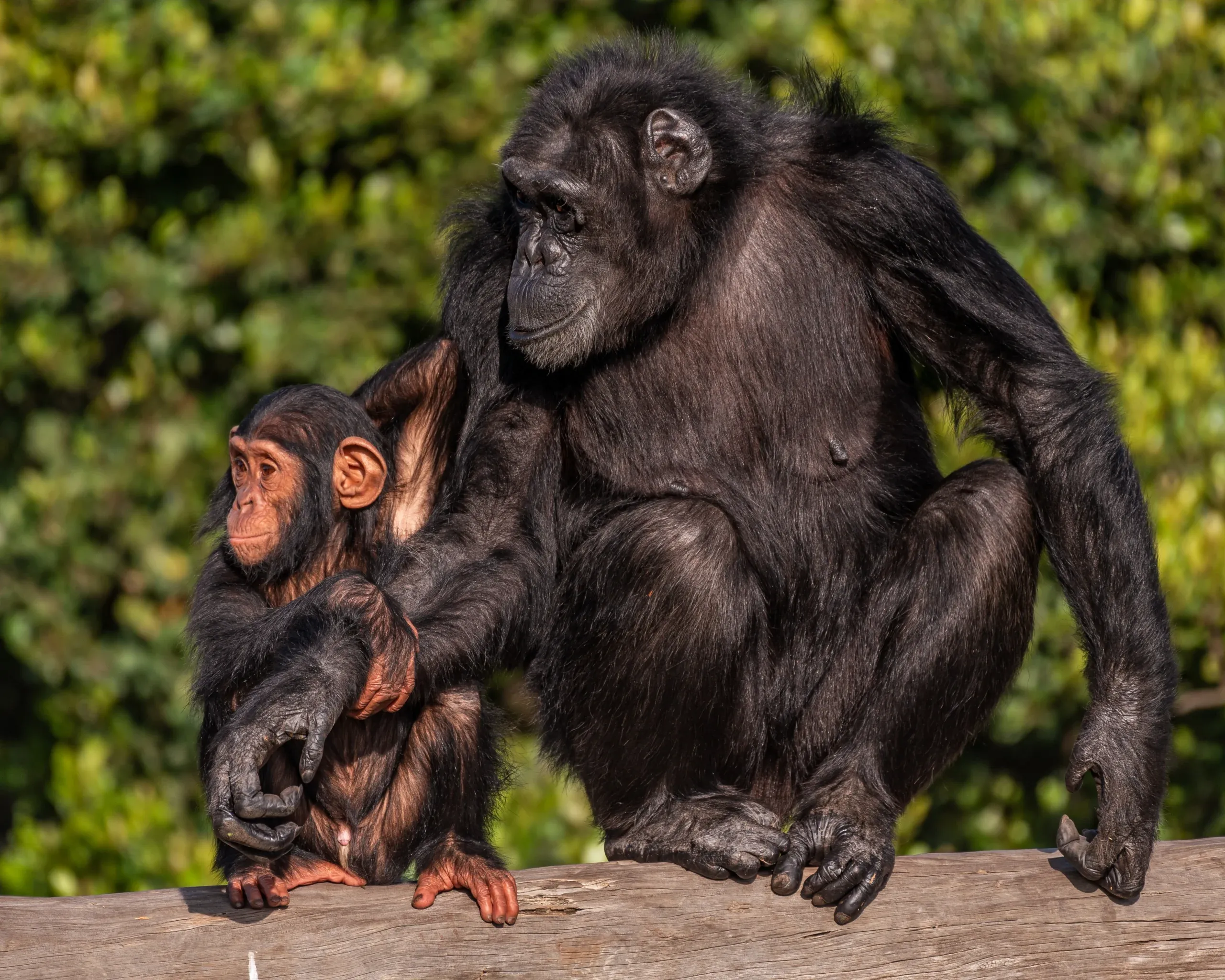
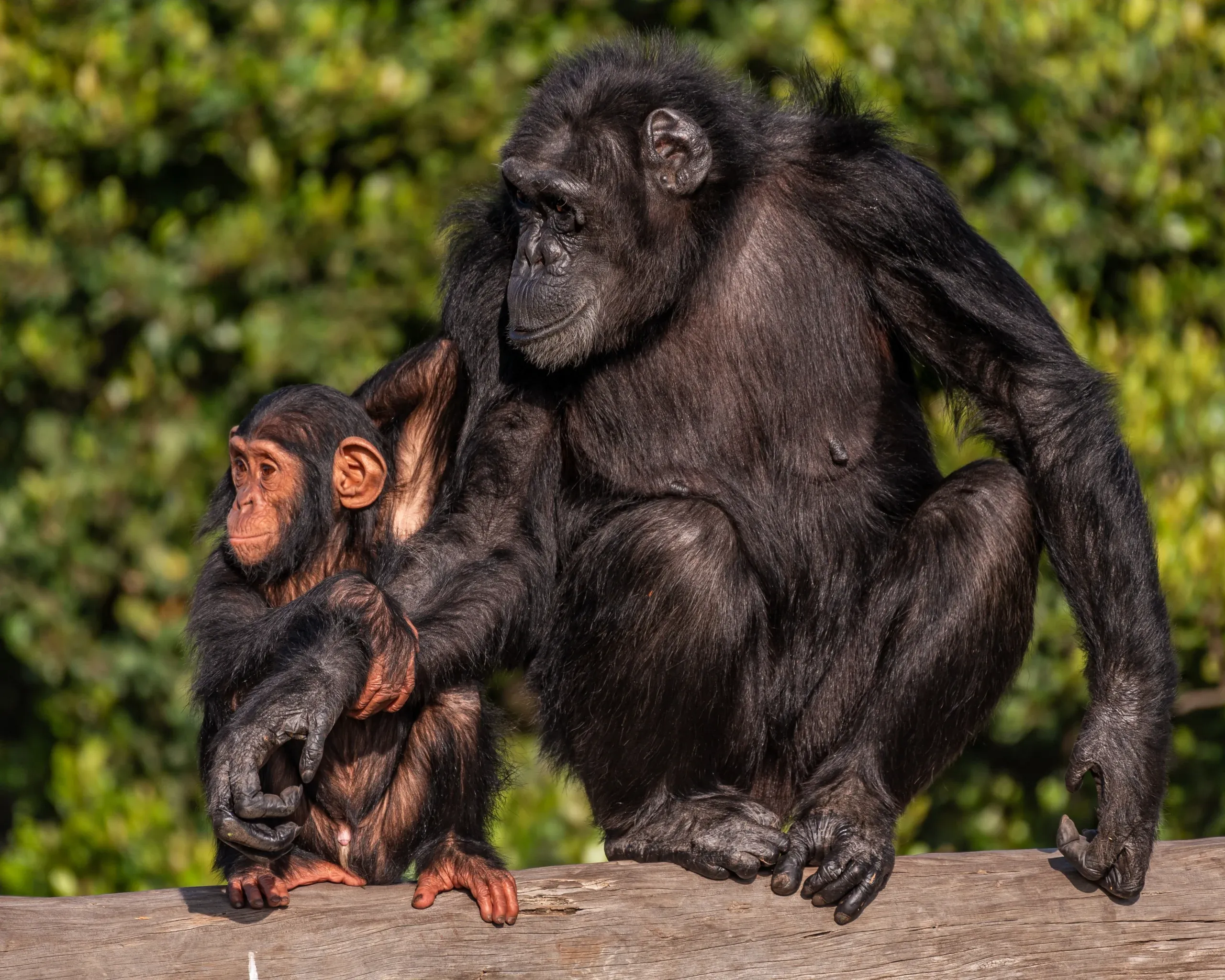
Ol Pejeta is home to Sweetwaters Chimpanzee Sanctuary — East Africa’s largest chimpanzee sanctuary and the only place in Kenya where chimpanzees can be seen. The sanctuary provides lifetime care for chimps rescued from illegal trade and orphaned through habitat destruction across Central and West Africa. Though chimpanzees are not native to Kenya, the sanctuary’s residents are fully habituated and can be observed at close range. A visit is included in most Ol Pejeta itineraries and directly supports the sanctuary’s ongoing rehabilitation work.

Yes — Ol Pejeta holds all five of the Big Five: lion, leopard, elephant, buffalo and rhino (both black and northern white). This is one of very few conservancies in Kenya where all five can be reliably seen in a single visit. The rhino in particular are more reliably encountered here than in any national park in the country, and the conservancy’s low visitor numbers mean that encounters with all species feel genuinely intimate rather than shared with a convoy of other vehicles.

Ol Pejeta operates as a not-for-profit conservancy — all revenue from tourism, including accommodation fees and conservancy charges, is reinvested into conservation operations, anti-poaching programmes and community development around the conservancy’s boundaries. The conservancy employs over 300 staff, the majority from surrounding communities, and funds schools, clinics and income-generating projects for families whose land borders the conservancy. This community-centred model is what makes Ol Pejeta’s conservation outcomes sustainable — local communities have a direct economic stake in the conservancy’s success and the wildlife it protects.

A minimum of two nights gives you enough time for the northern white rhino encounter, a black rhino tracking experience, at least two full game drives on the Mugie Plains, and a visit to the chimpanzee sanctuary. Three nights is our recommended allocation — it allows for a more relaxed pace, a night drive, time to follow specific predators over multiple sessions, and the kind of unhurried engagement with the conservancy’s conservation story that a rushed visit cannot provide. Ol Pejeta works naturally as part of a northern Kenya circuit with Samburu and Lake Nakuru, or as a standalone destination for guests whose primary interest is rhino conservation.

Ready to Visit?

Plan Your Ol Pejeta Conservancy Safari

Our specialists have guided guests through Ol Pejeta Conservancy for over two decades. Tell us when you'd like to travel and we'll take care of the rest.

Scroll to Top