Samburu National Reserve
Where the north begins — Kenya's wildest frontier, home to species found nowhere else on earth
There is a moment, somewhere on the drive north from the equator, where Kenya changes character entirely. The air dries, the vegetation thins to sparse acacia scrub and doum palms, the red earth deepens to rust, and the sky becomes an enormous, unbroken blue. This is the beginning of Samburu country, and for those who know Kenya well, it is often the landscape they love most.
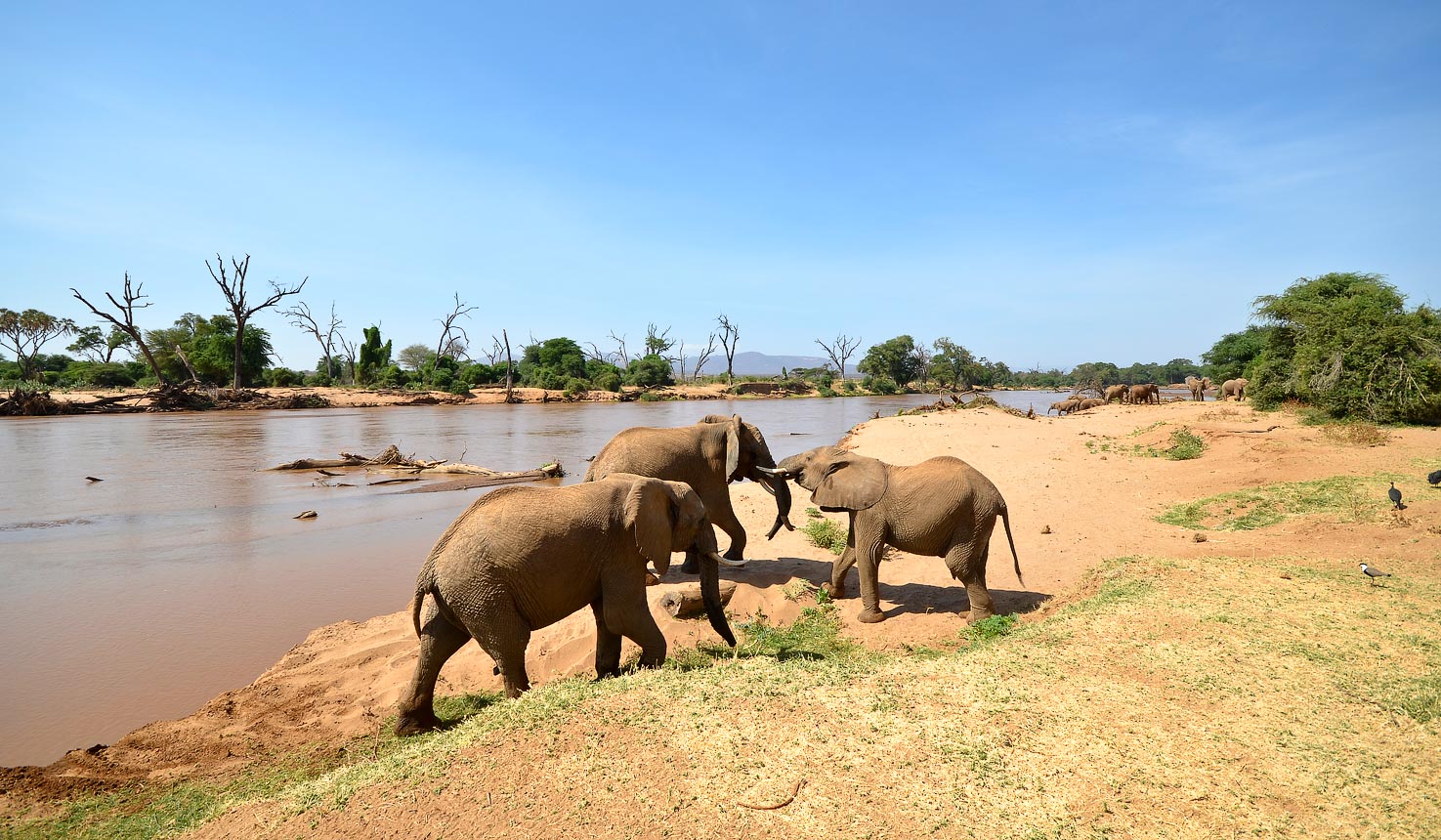
Samburu National Reserve occupies 165 square kilometres of Kenya’s Northern Frontier District, straddling the Ewaso Nyiro River — a permanent lifeline that draws every species in the reserve to its banks at some point during the day. This is an arid country, semi-desert, a landscape of rocky outcrops and dry luggas that bear little resemblance to the green savannahs of southern Kenya. And yet it supports a wildlife density that consistently surprises first-time visitors.
What Makes Samburu National Reserve Special?
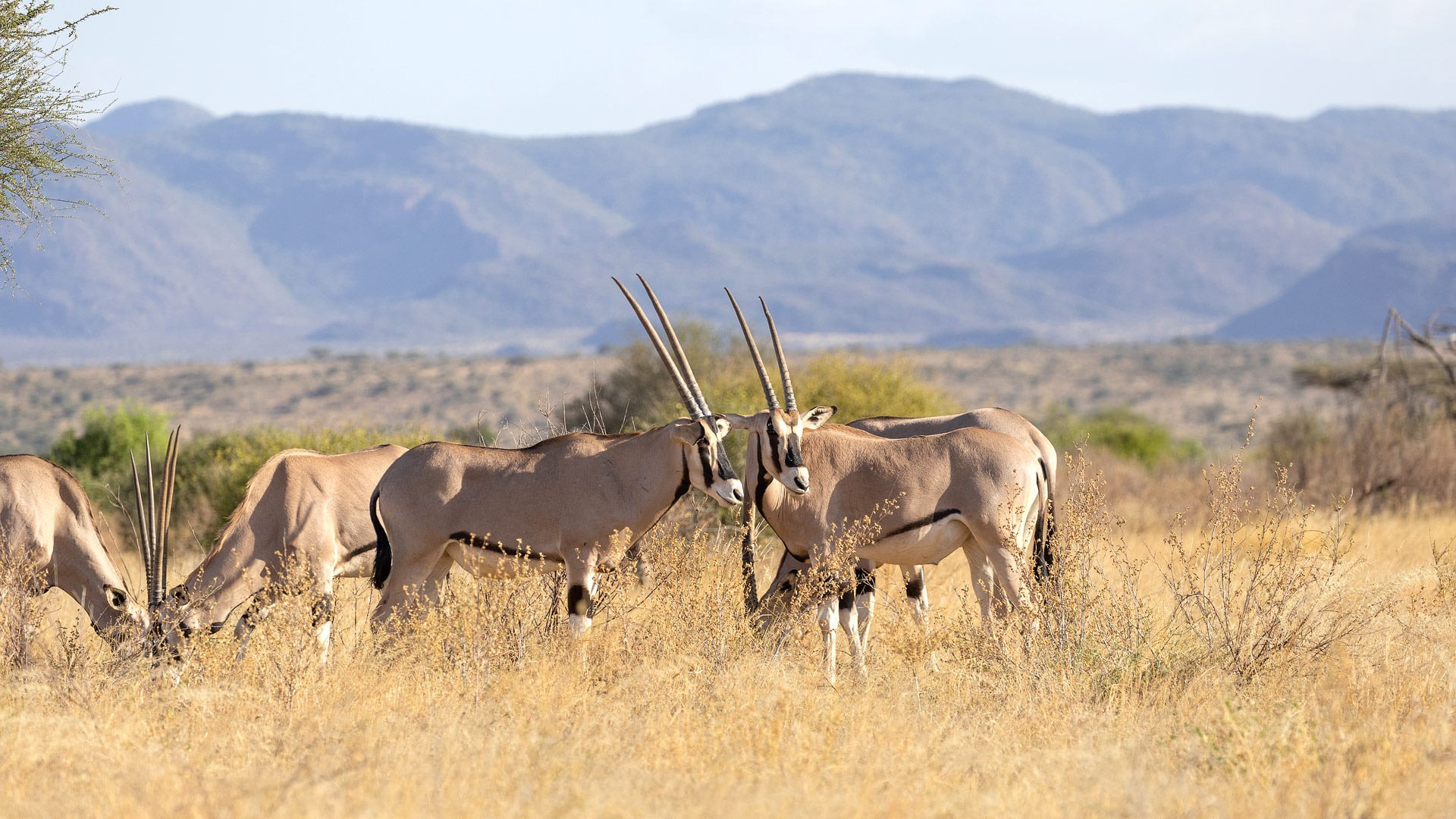
What makes Samburu genuinely distinctive, different not just in character but in species composition from any other park in Kenya, is its endemic wildlife. The Samburu Special Five are a group of species found in the northern arid zone and virtually nowhere else in the country: the reticulated giraffe, the Grevy’s zebra, the Somali ostrich, the gerenuk, and the beisa oryx. These are animals adapted to extremes, to weeks without rain, to sparse grazing, to heat that would defeat most other species. Seeing them in their element, in a landscape that feels genuinely ancient and undisturbed, is an experience that southern Kenya’s parks cannot replicate.
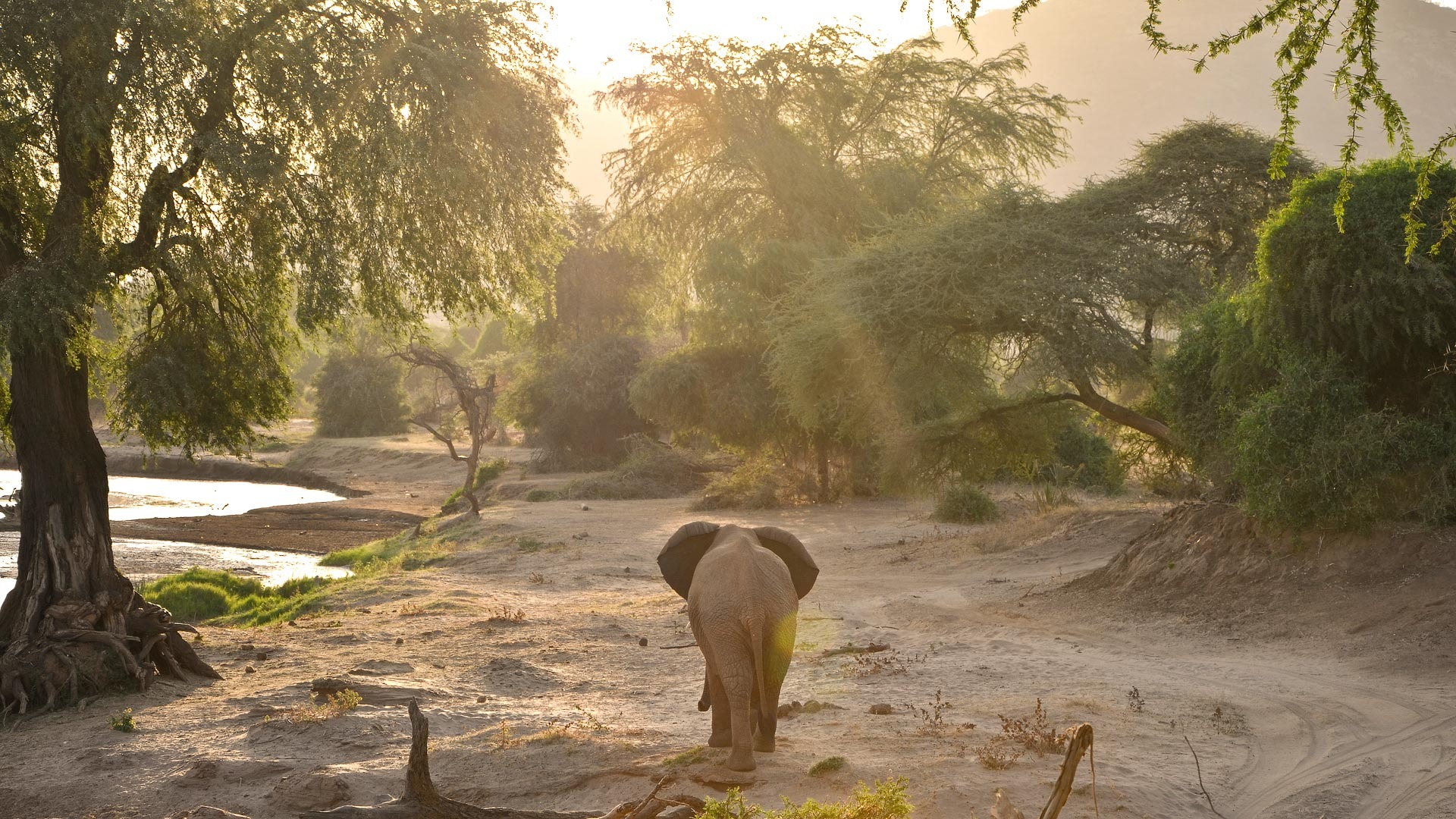
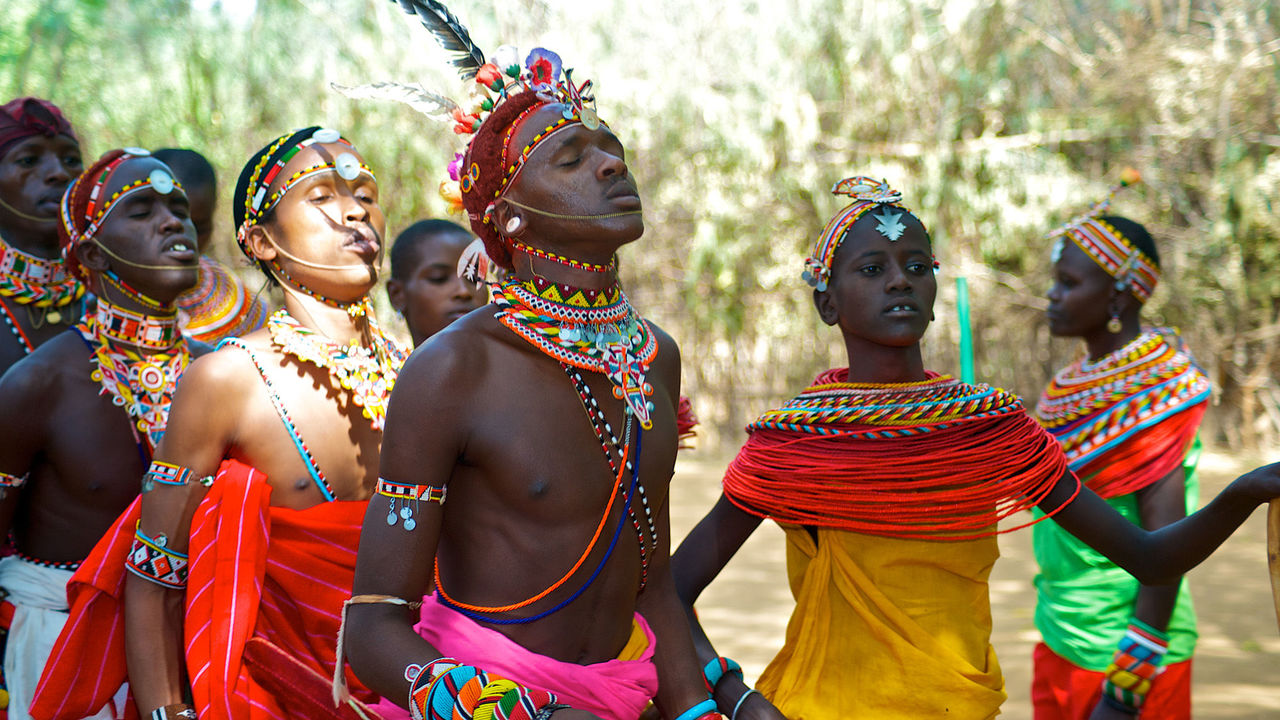
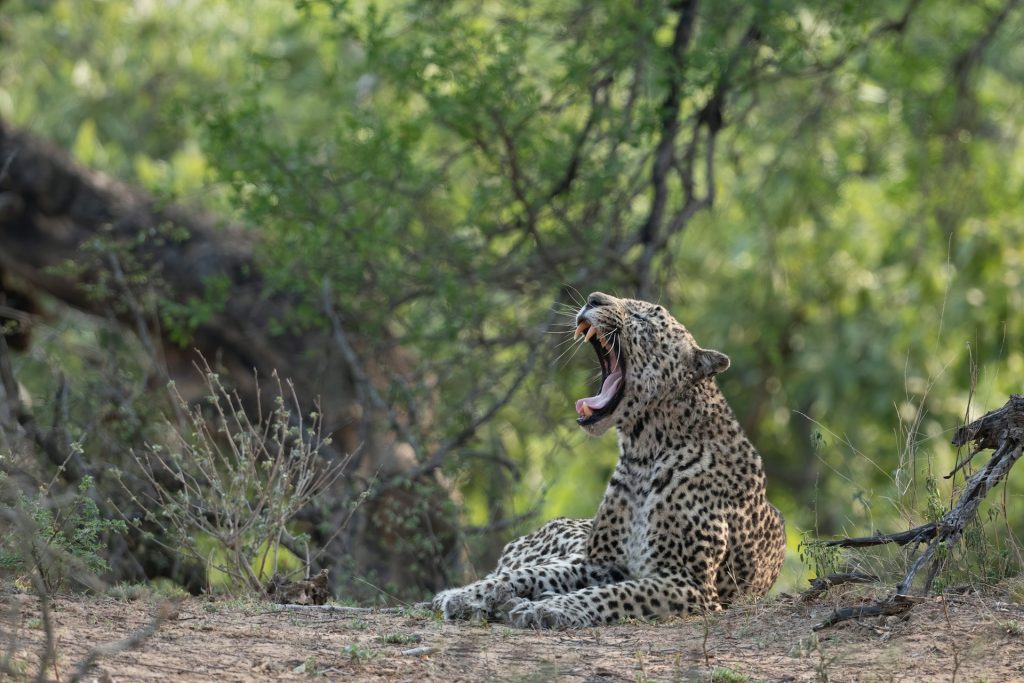
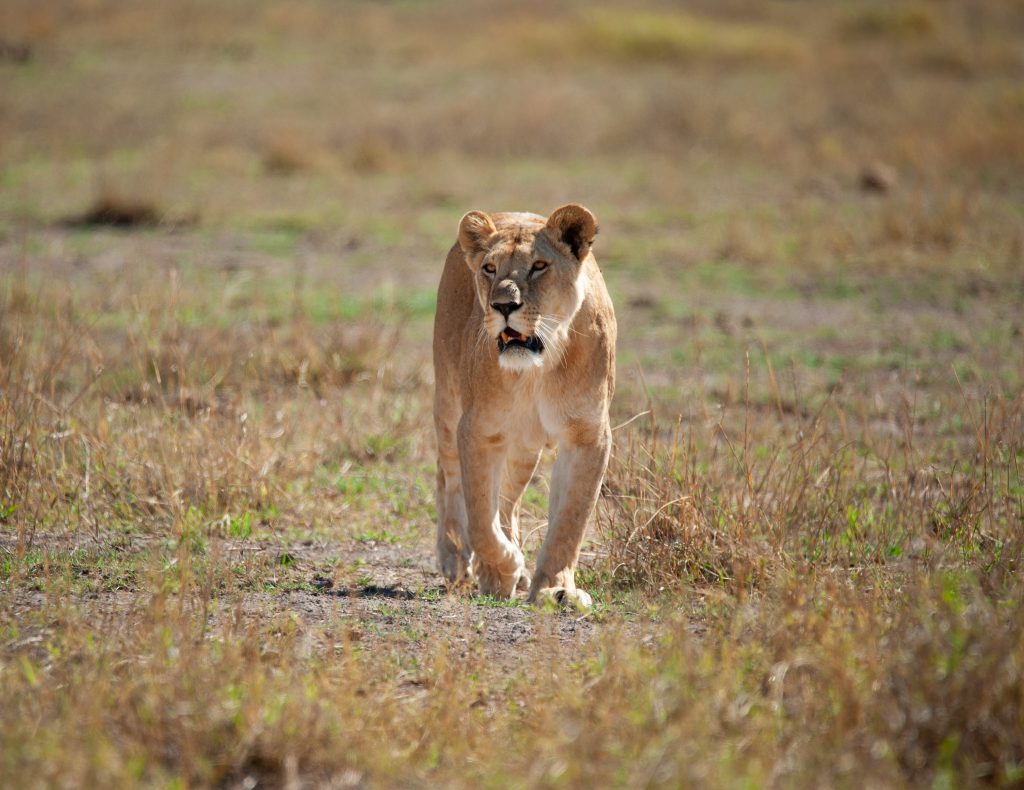
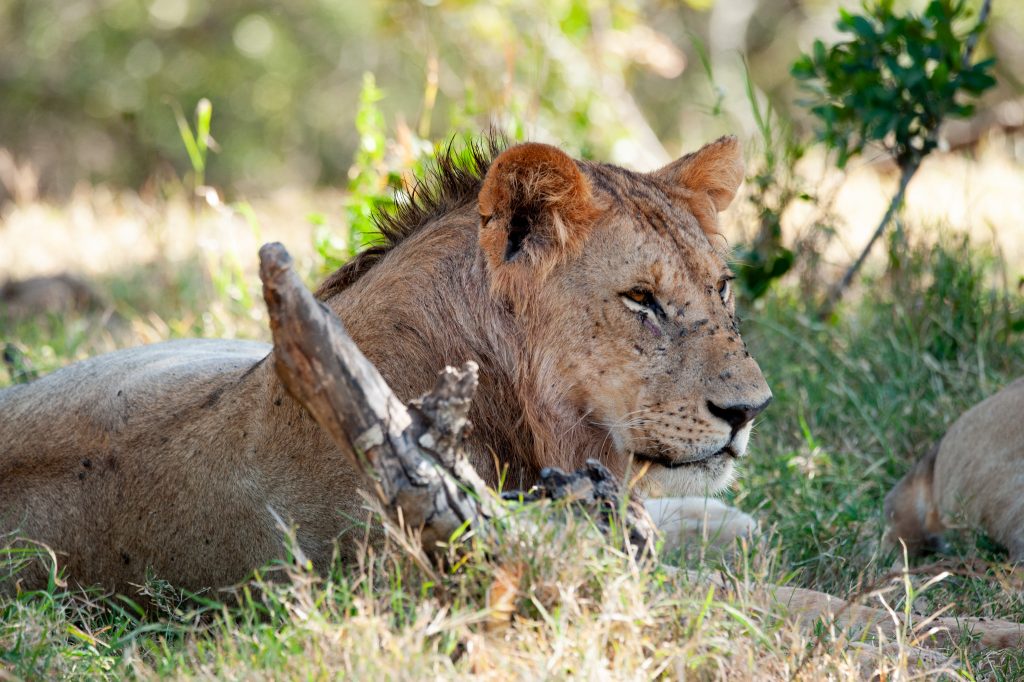
The reserve sits within a broader ecosystem that includes the Buffalo Springs and Shaba National Reserves across the river, together forming one of East Africa’s most important arid-zone wildlife sanctuaries. Elephants move freely across all three, crossing the Ewaso Nyiro in impressive family groups. Leopards are unusually active along the riverine doum palm forest. Lion and cheetah hunt the open scrubland. And above it all, the Samburu and Turkana people — proud, self-sufficient communities who have coexisted with this wildlife for centuries — add a human dimension that deepens any visit here considerably.<
Samburu rewards the traveller who arrives without the expectations formed by the Maasai Mara or Amboseli. It operates on its own terms, in its own time, in its own extraordinary light.
Quick Info
- International Adults: USD 45 per day
- International Children (3–17): USD 25 per day
Fees payable via the KWS eCitizen platform. ATE manages all park fee logistics for guests.
Wildlife
Samburu’s wildlife is defined by specialisation — by animals that have evolved specifically for the northern arid zone and cannot be found in southern Kenya’s parks. The Samburu Special Five are the reserve’s headline act, but the supporting cast is equally compelling: elephant families that wade the Ewaso Nyiro in the late afternoon, leopard that drape themselves along doum palm trunks above the river, and lion prides that have learned to hunt in open scrub where there is nowhere for prey to hide.
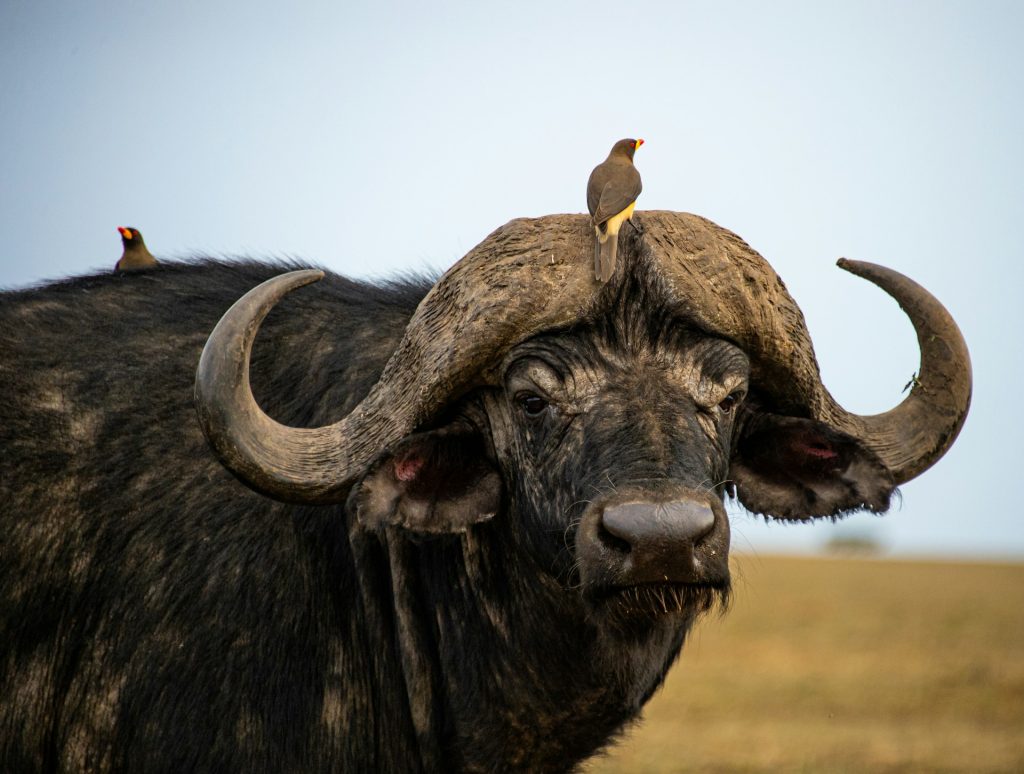
The Ewaso Nyiro River is the engine that drives everything. In a landscape where rain falls unpredictably and the dry season can last for months, this permanent watercourse is the reason wildlife concentrates here in numbers that seem almost improbable given the harshness of the surrounding terrain. Every morning and every evening, the riverbanks fill with life — elephant, buffalo, impala, waterbuck, crocodile, and the reserve’s large resident pod of hippo. The doum palms along the bank provide shade for leopard; the open ground on either side provides hunting territory for cheetah.
Bird diversity in Samburu is exceptional, driven by the combination of riverine, arid scrub and rocky escarpment habitats. Vulturine guineafowl, the golden-breasted starling, the martial eagle, Somali bee-eater and the lilac-breasted roller — already Kenya’s most photogenic bird — are among the species that catch every wildlife photographer’s attention. With over 450 recorded species, Samburu rivals any reserve in Kenya for birding quality.
The Samburu Special Five — Found Nowhere Else in Kenya
The concept of the Samburu Special Five was coined to describe the five northern endemic species that draw wildlife enthusiasts to this reserve specifically — animals that cannot be ticked on a southern Kenya safari no matter how many days are spent in the Mara or Amboseli.
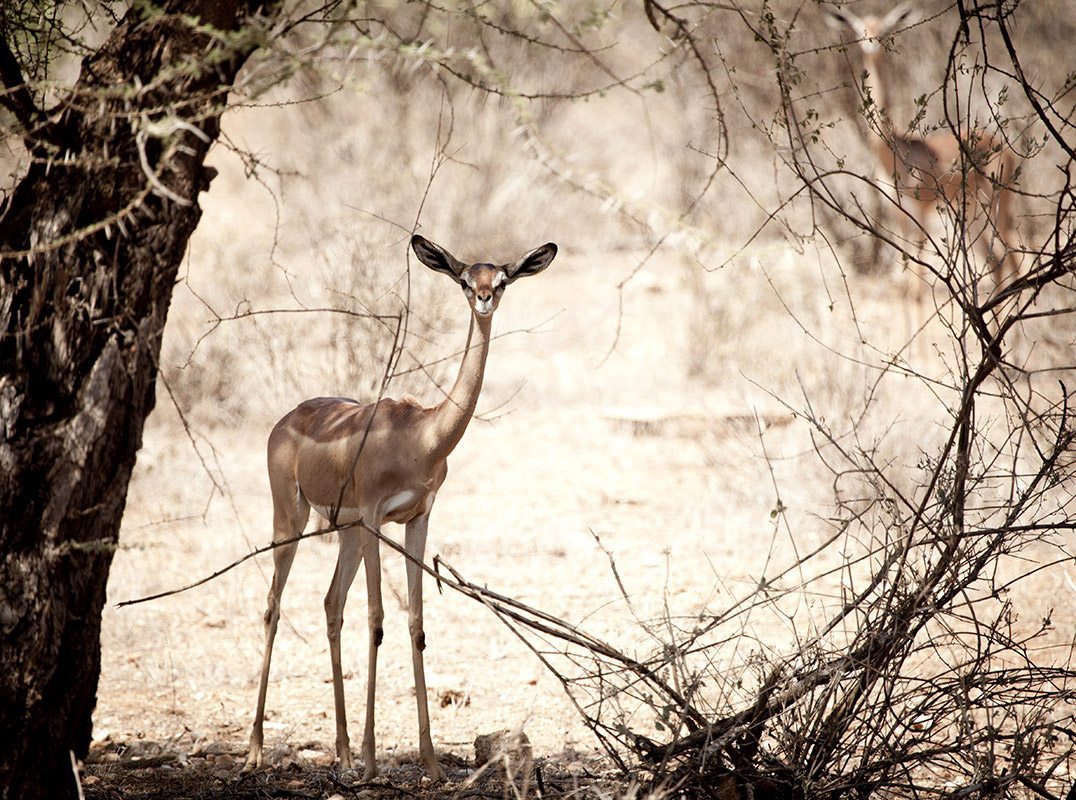
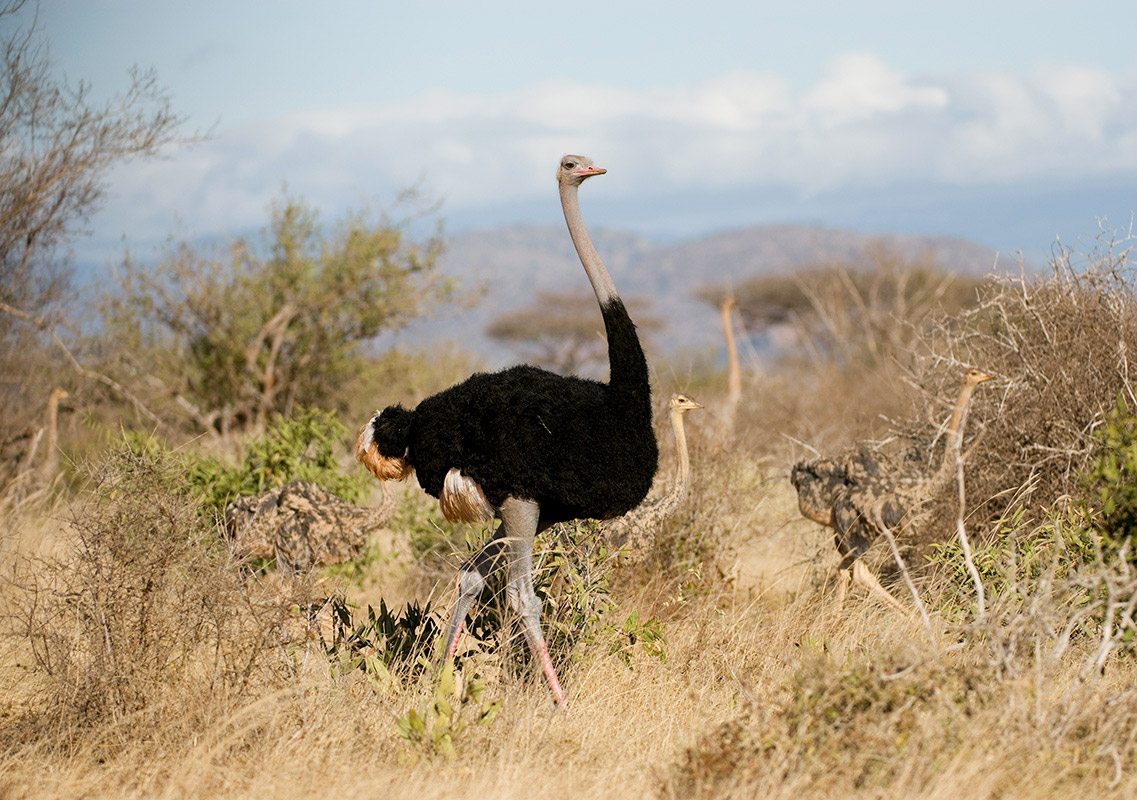
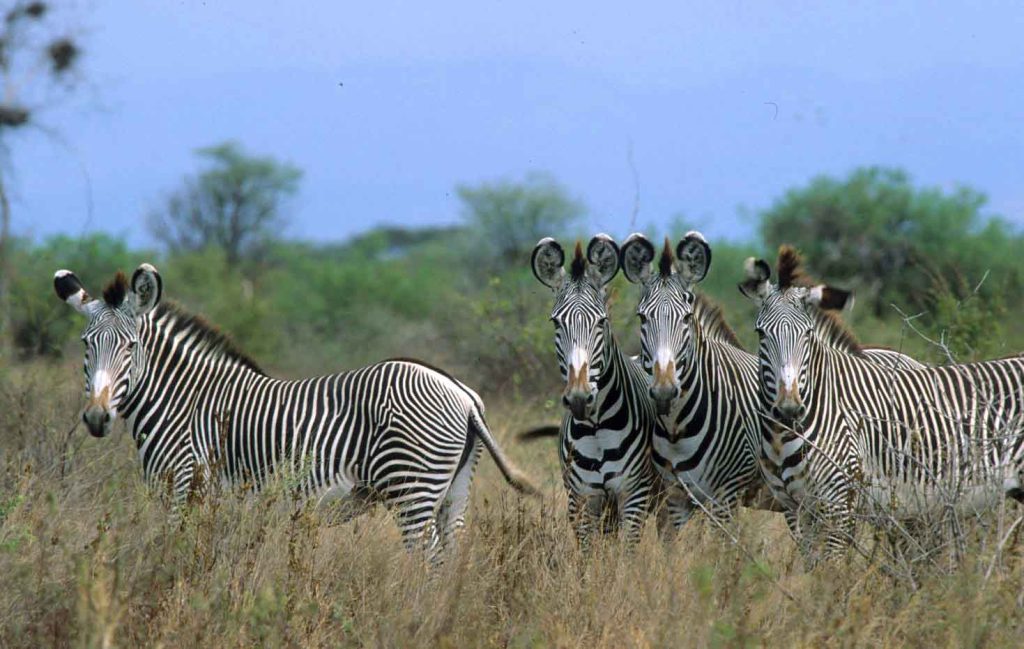
The reticulated giraffe is the most immediately striking: its coat pattern is entirely different from the Maasai giraffe of the south — bold, geometric polygons outlined in white, like a stained-glass window stretched across a fifteen-foot frame. The Grevy’s zebra, the world’s largest wild equid, carries narrower stripes than its common cousin and a white belly that catches the light on the dry scrubland. The gerenuk— sometimes called the giraffe-gazelle — is a long-necked antelope that browses standing upright on its hind legs, reaching vegetation that no other antelope can access. The beisa oryx, with its straight rapier horns and striking black-and-white facial markings, walks the dry luggas with an almost regal indifference to the heat. And the Somali ostrich, identifiable by the blue-grey rather than pink neck and legs of the common ostrich, strides across the open scrub in small groups that seem entirely at ease in the harshest terrain the reserve offers.
Seeing all five in a single morning game drive — which is entirely possible in Samburu — is one of Kenya safari travel’s most satisfying achievements.
Landscape & Ecosystem
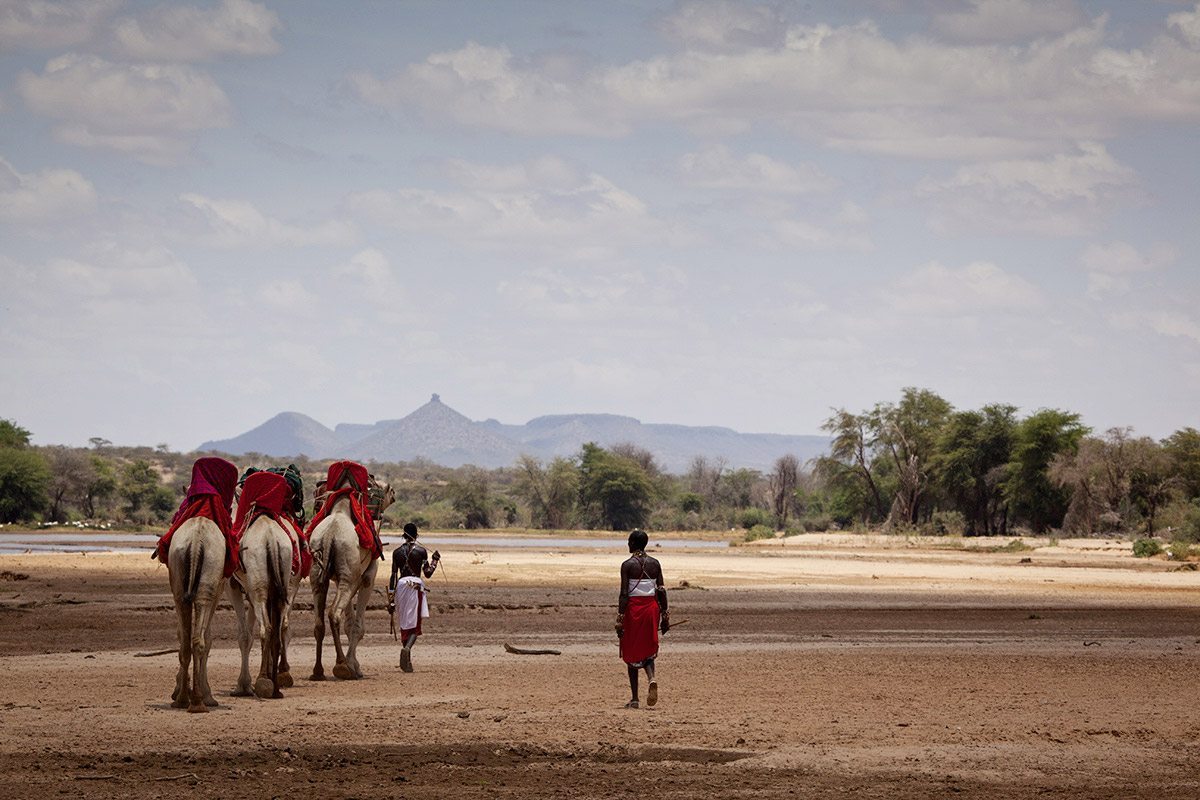
Samburu looks like nowhere else in Kenya. The landscape is a semi-arid mosaic of dry luggas (seasonal riverbeds), flat-topped acacia scrub, volcanic rock outcrops and the occasional dramatic inselberg rising from the plains. The colour palette runs from rust-red earth through silver-grey acacia trunks to the vivid green strip of doum palm forest that lines the Ewaso Nyiro River — a band of life drawn like a green pencil stroke through an otherwise monochrome landscape.
The Ewaso Nyiro — whose name translates roughly as “river of brown water” in Maa — is the defining geographic and ecological feature of the entire northern ecosystem. Rising in the Aberdare Mountains and flowing north-east toward the Lorian Swamp, it carries water through some of Kenya’s driest terrain and sustains a corridor of riverine woodland that would otherwise be impossible at this latitude and elevation. The river runs at different heights through the year but never dries completely, making it a permanent anchor for wildlife in a landscape where surface water elsewhere is seasonal at best.
The reserve’s northern boundary rises toward the Matthews Range, whose forested slopes are visible on clear mornings from the Samburu game tracks. These mountains receive far more rainfall than the reserve floor and support a distinct highland community — greater kudu, mountain reedbuck, and a separate forest bird fauna — that rarely descends to the lowlands. A morning drive toward the reserve’s northern edge, with the Matthews Range blue and forested on the horizon and the Ewaso Nyiro glinting below, offers one of the most compelling landscape perspectives in Kenya.
The geology of Samburu is ancient and exposed — volcanic intrusions, ancient gneiss outcrops and the eroded remnants of a much older mountain system create the rocky kopjes and ridgelines that leopards use as vantage points and that give the landscape its character. At sunrise and sunset, when the light runs low and warm across this terrain, Samburu achieves a beauty that is entirely its own — harsh, precise, utterly unromantic in any conventional sense, and profoundly affecting.
Experiences & Activities
Samburu operates on a different rhythm from Kenya's southern parks. The game drives are quieter, the guides more focused on reading individual animal behaviour, and the experiences — from tracking leopard along the river to watching elephants cross at dusk — feel less performed and more genuinely wild.
When to Visit Samburu National Reserve
Samburu is a year-round destination, but its semi-arid character means the dry seasons produce significantly better game viewing than the rains — and the rains, when they come, are shorter and less predictable than in southern Kenya.
January to March is one of Samburu’s finest periods. The short dry season produces clear skies, manageable temperatures (hot by midday but cool in the early morning), and excellent wildlife concentration along the Ewaso Nyiro. The Samburu Special Five are highly active, and the reserve sees fewer visitors than during the July–October peak. This is also when migratory bird species begin moving through, adding to the reserve’s already exceptional avifauna.
June to October is the main dry season and the period of peak visitor numbers. The Ewaso Nyiro drops to its lowest levels, concentrating game on the remaining water sources and creating exceptional viewing conditions. Lion activity increases as prey becomes more predictable, elephant numbers around the river swell as animals move in from the surrounding ecosystem, and the Special Five are highly visible in their favoured dry-season habitats. July and August overlap with the Great Migration in the south, making a combined Samburu–Mara circuit particularly satisfying for visitors who want Kenya’s full wildlife range.
April and May bring the long rains. The reserve greens dramatically, tracks can become challenging in heavy downpours, and game disperses from the river as surface water becomes available throughout the ecosystem. Some camps close during this period. For dedicated birders, however, the wet season adds numerous species, and the breeding plumage on resident birds is exceptional.
Samburu’s northerly location means it receives less rainfall overall than southern Kenya, and the long rains are typically shorter and less severe. Even in the green season, game viewing along the Ewaso Nyiro remains productive — the river never dries, and leopards are reliably found in the riverine woodland regardless of season.
Safaris Featuring Samburu National Reserve
Samburu sits naturally at the start or end of a northern Kenya circuit, combining seamlessly with Ol Pejeta, Laikipia, Lake Nakuru and the Maasai Mara. Every African Trails itinerary through Samburu is built around the Special Five, the river, and the rhythm of the northern frontier.
Explore More Parks in Kenya
Frequently Asked Questions
The Samburu Special Five are five wildlife species endemic to Kenya’s northern arid zone that cannot be reliably seen anywhere else in the country: the reticulated giraffe (with its bold geometric coat pattern), the Grevy’s zebra (the world’s largest wild equid, with narrow stripes and a white belly), the gerenuk (a long-necked antelope that browses standing on its hind legs), the beisa oryx (with straight rapier horns and striking facial markings), and the Somali ostrich (identifiable by its blue-grey rather than pink neck). Seeing all five on a single game drive is a realistic goal in Samburu and one of Kenya safari travel’s most satisfying achievements.
The two reserves are complementary rather than comparable — they offer completely different experiences. The Maasai Mara is open savannah, high visitor numbers, the Great Migration, and a landscape of broad horizons. Samburu is semi-arid scrub, low visitor numbers, the Special Five endemics, and a sense of genuine remoteness that the Mara cannot offer. Most of our clients who visit both come away saying Samburu surprised them more — they expected the Mara and got exactly what they expected; they didn’t know what to expect from Samburu and were quietly overwhelmed by it. The ideal Kenya circuit includes both.
Yes — Samburu has one of the highest leopard densities in East Africa, concentrated along the Ewaso Nyiro’s doum palm riverine forest. These leopard are unusually habituated to vehicles through years of careful, non-intrusive observation by camp guides who know individual animals by name and territory. Morning drives along the river with a guide who understands leopard behaviour produce sightings at a frequency that surprises most visitors. Samburu’s leopard are not guaranteed — nothing in wildlife is — but they are as reliably found here as anywhere in Kenya.
Samburu National Reserve sits within a broader ecosystem that includes Buffalo Springs National Reserve and Shaba National Reserve directly across the Ewaso Nyiro River. The three reserves together form a continuous wildlife corridor, and elephant in particular move freely between all three. Many camps offer game drives that cross into Buffalo Springs, which has slightly more open terrain and excellent cheetah sightings. North and west of Samburu, the private Westgate Community Conservancy and the Laikipia plateau — home to Ol Pejeta, Loisaba and Borana — offer logical extensions for a comprehensive northern Kenya itinerary.
The Grevy’s zebra is the world’s largest wild equid and one of Africa’s most endangered large mammals, with fewer than 3,000 individuals remaining globally — the vast majority in Kenya’s northern frontier. It is significantly larger than the common plains zebra, with narrower, more closely spaced stripes, a distinctive white belly, and large rounded ears. Unlike plains zebra, Grevy’s are not strongly social and males maintain large territories year-round. Samburu is one of the best places in the world to see them, and a Grevy’s sighting here carries genuine conservation significance beyond its considerable visual impact.
Plan Your Visit to Samburu National Reserve
Our safari specialists are ready to craft your perfect wildlife experience