7 Days
The Fairmont Adventure
Nairobi, Mount Kenya, Maasai Mara

Start Planning Your Tailor-Made Journey
🔒 Your details are kept private and never shared with third parties.
Wildlife on the Edge of a Capital City
The Nairobi National Park stands as one of the world’s most extraordinary wildlife paradoxes — a fully functioning savannah ecosystem where lions hunt, rhinos graze, and leopards stalk their prey against the unmistakable backdrop of a modern African capital’s skyline. Located just seven kilometres from Nairobi’s central business district, this remarkable reserve makes the extraordinary claim of being the only national park on Earth that shares a boundary with a major city.
Established in 1946 as Kenya’s first national park, Nairobi National Park encompasses 117 square kilometres of open grass plains, acacia bush, and riverine forest along the Athi and Mbagathi rivers. Despite its modest size relative to Kenya’s other great wildlife areas, the park punches far above its weight, supporting populations of lions, leopards, cheetahs, hyenas, buffalo, giraffes, zebras, and one of Kenya’s most significant populations of the critically endangered black rhino — all within striking distance of a city of five million people.
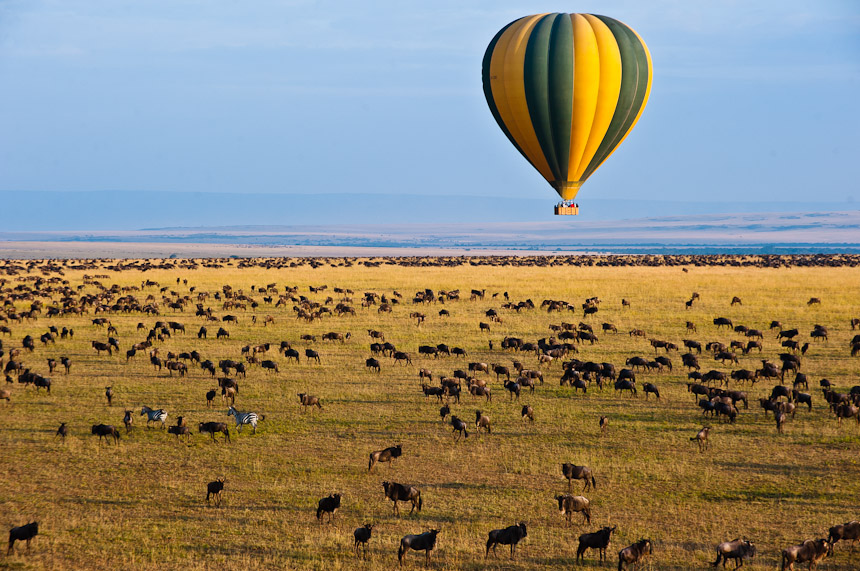
The park’s open southern boundary, defined by the Athi-Kapiti plains, functions as a critical wildlife corridor. Wildebeest, zebra, and gazelle migrate freely between the park and the surrounding plains during Kenya’s wet season, replenishing the ecosystem and sustaining the predator populations that make Nairobi National Park such a consistently rewarding game-viewing destination.
What Nairobi National Park offers that no other reserve can match is accessibility. Early morning game drives can be completed before a business meeting. International travellers with a single free afternoon between flights can witness a rhino at fifty metres and return to Jomo Kenyatta International Airport in time for departure. For safari veterans and first-time visitors alike, the park delivers something genuinely remarkable, the bush, completely intact, with the city hovering at the horizon like a mirage.
International Visitors: Adults: $43 per person per day / Children: $22 per person per day
East African Residents: Adults: KES 215 per person per day / Children: KES 100 per person per day
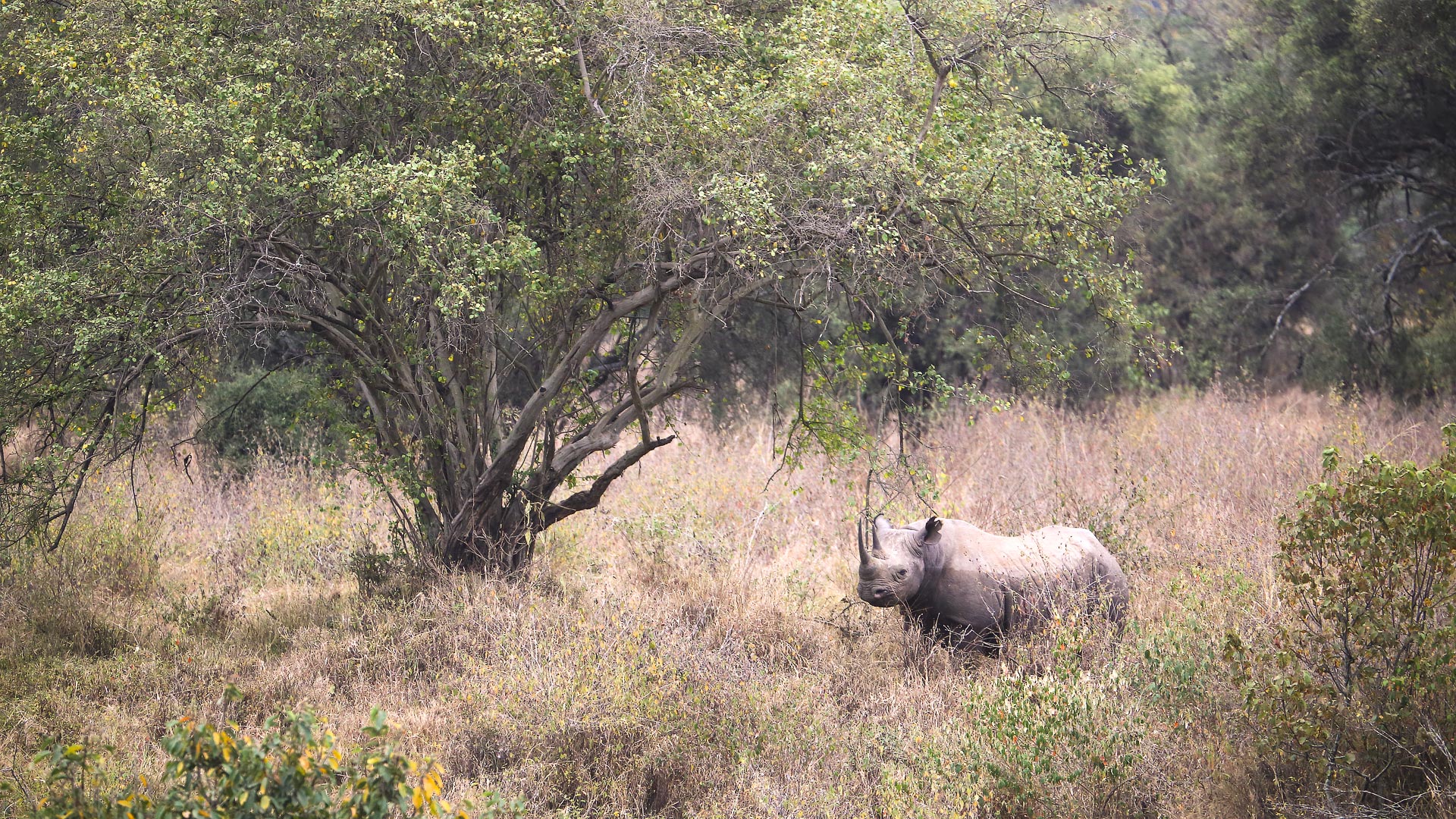
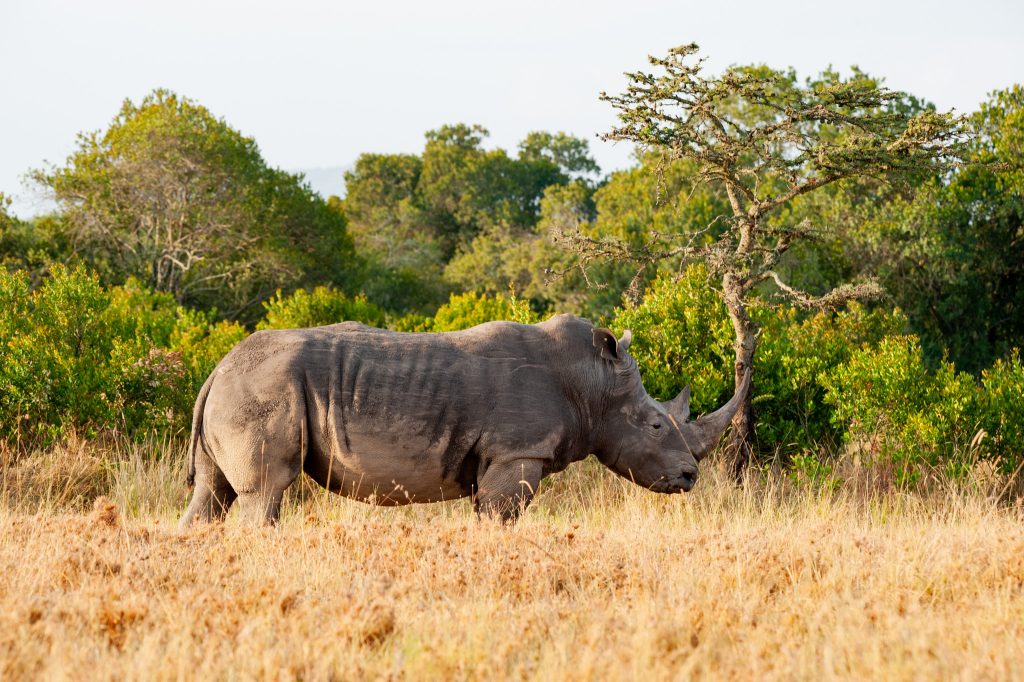
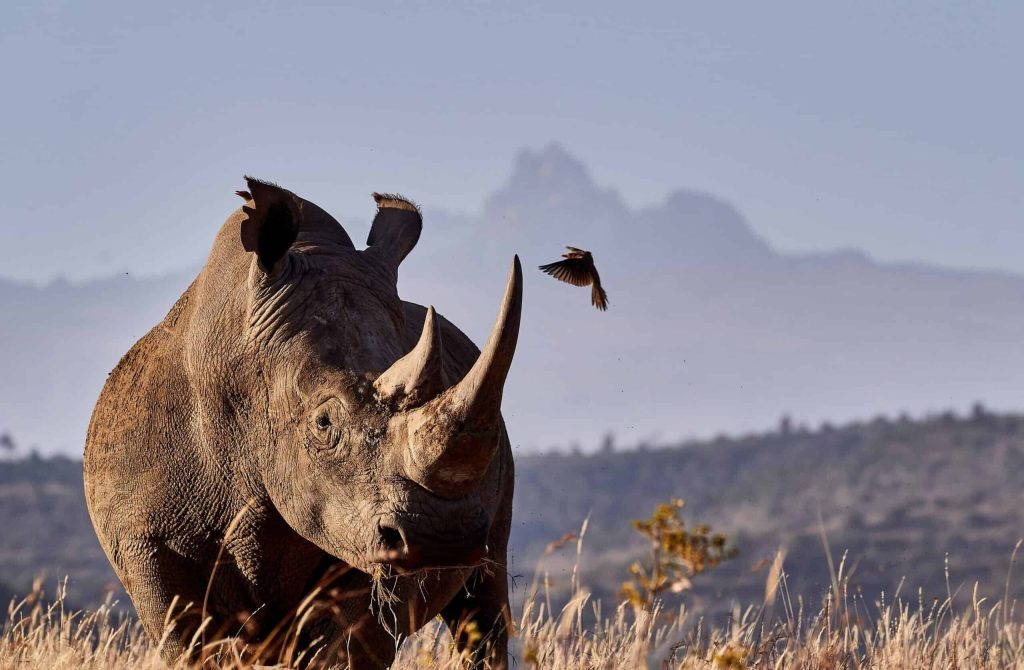
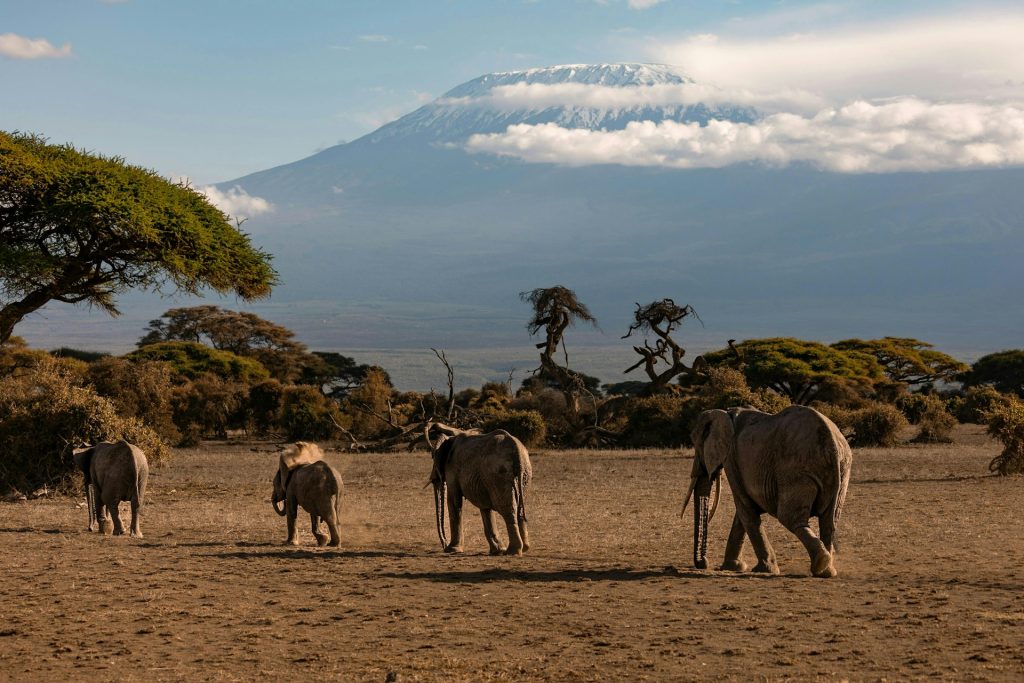
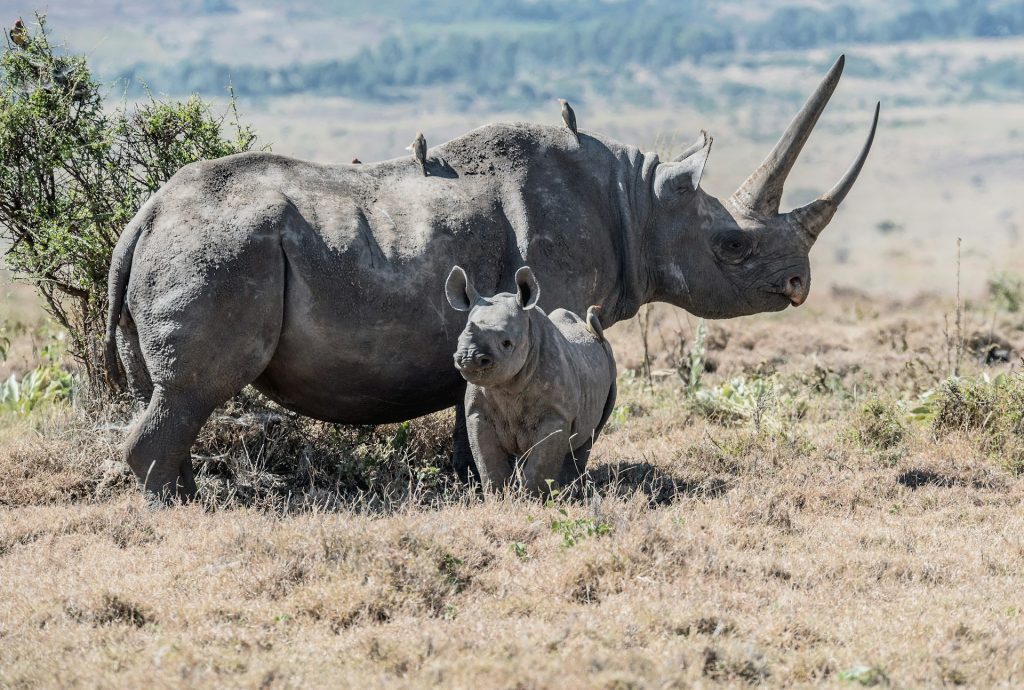
Nairobi National Park carries a wildlife density that belies its compact footprint. The park is one of Kenya’s most important strongholds for the black rhino, with approximately 50 individuals — making it one of the highest concentrations of this critically endangered species anywhere on the continent. Intensive anti-poaching efforts and security infrastructure have allowed this population to grow steadily, and rhino sightings here are more reliably frequent than in many far larger reserves.
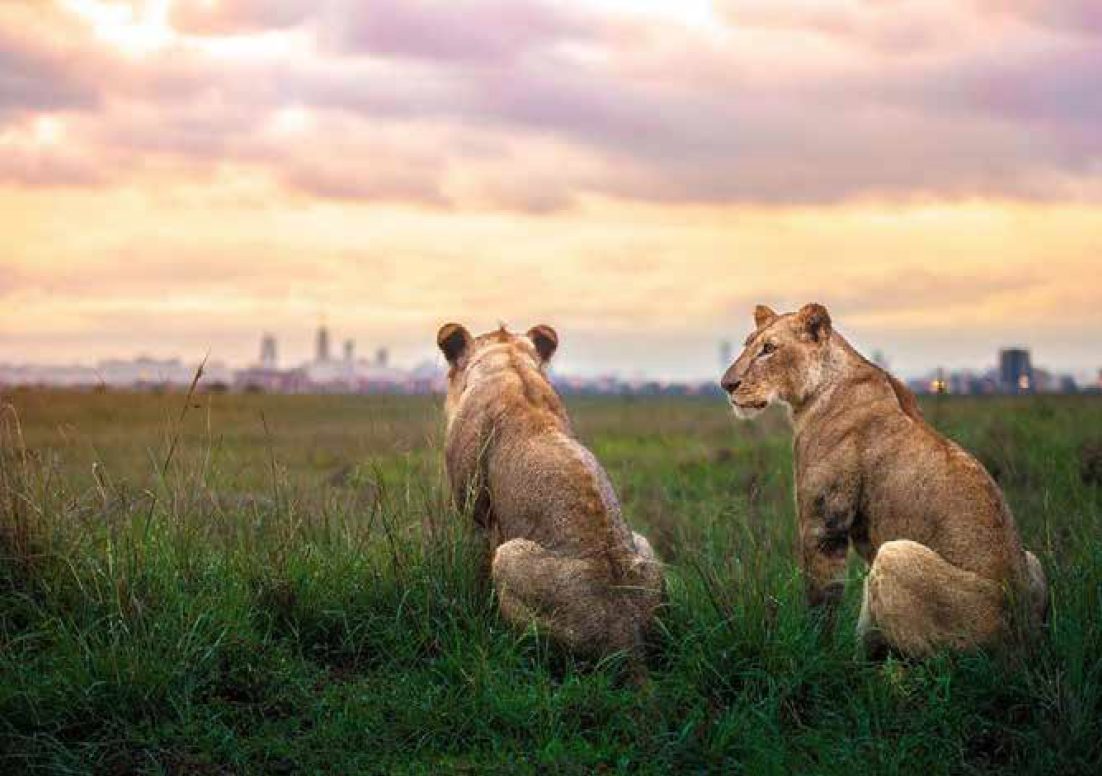
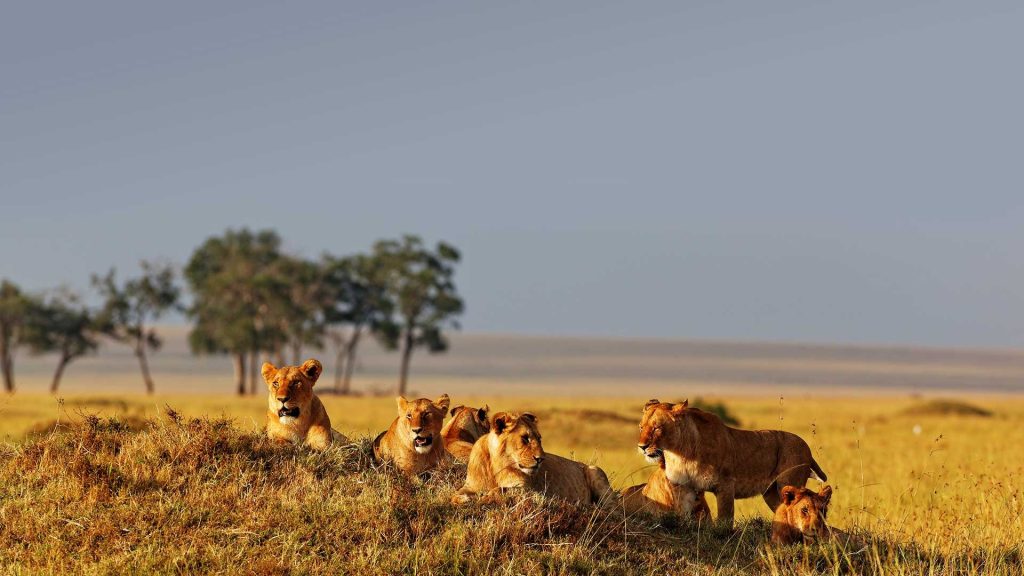
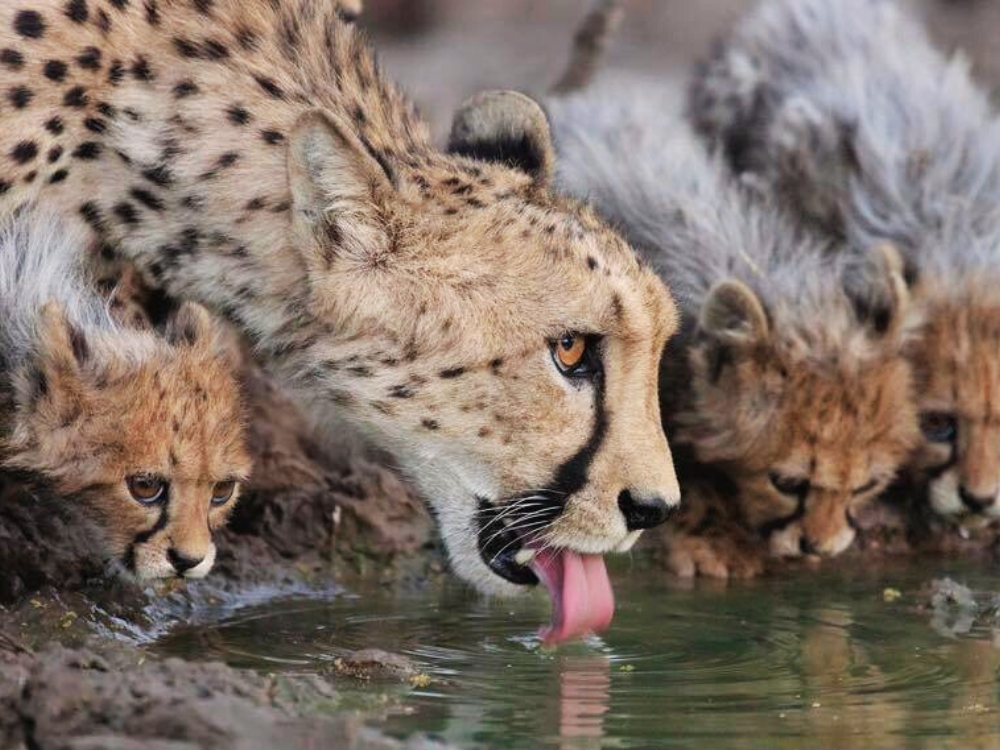
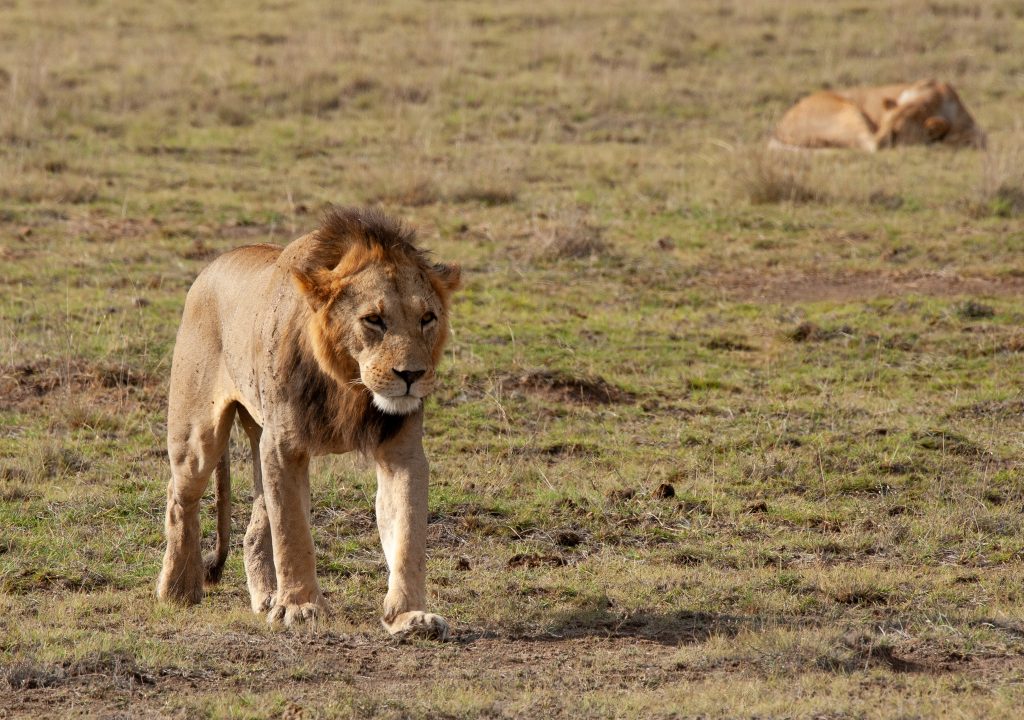
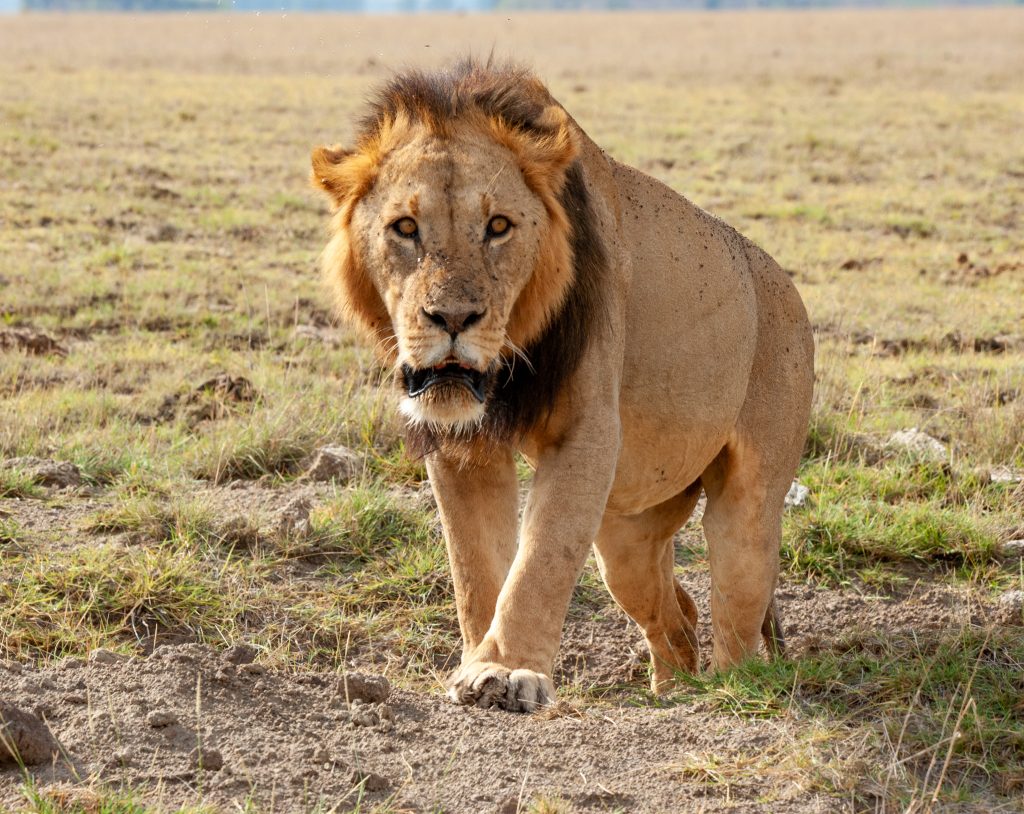
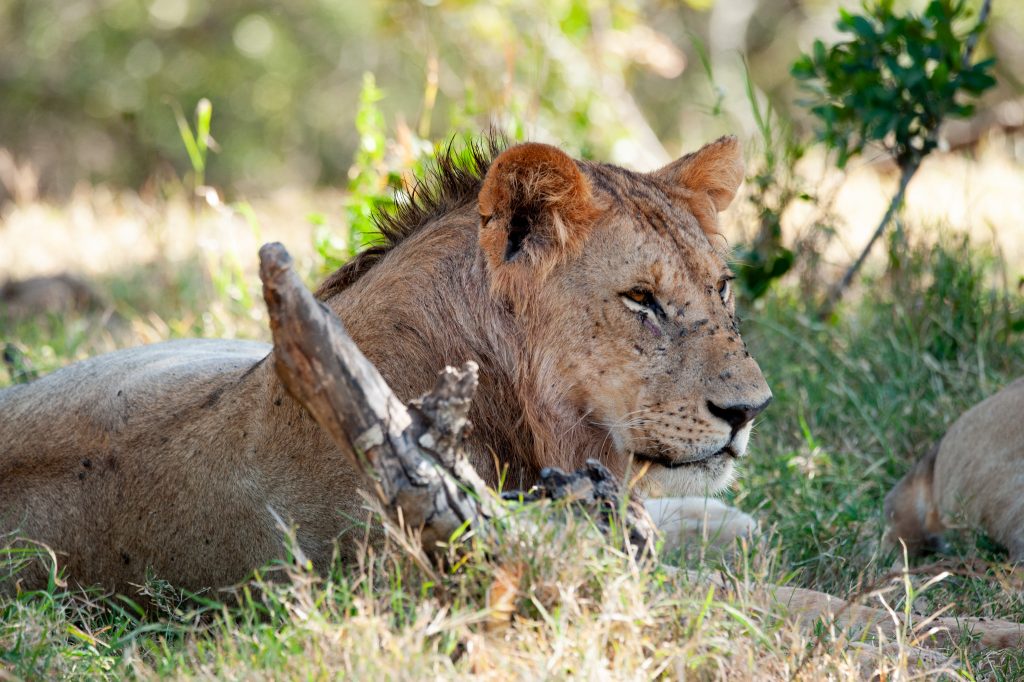
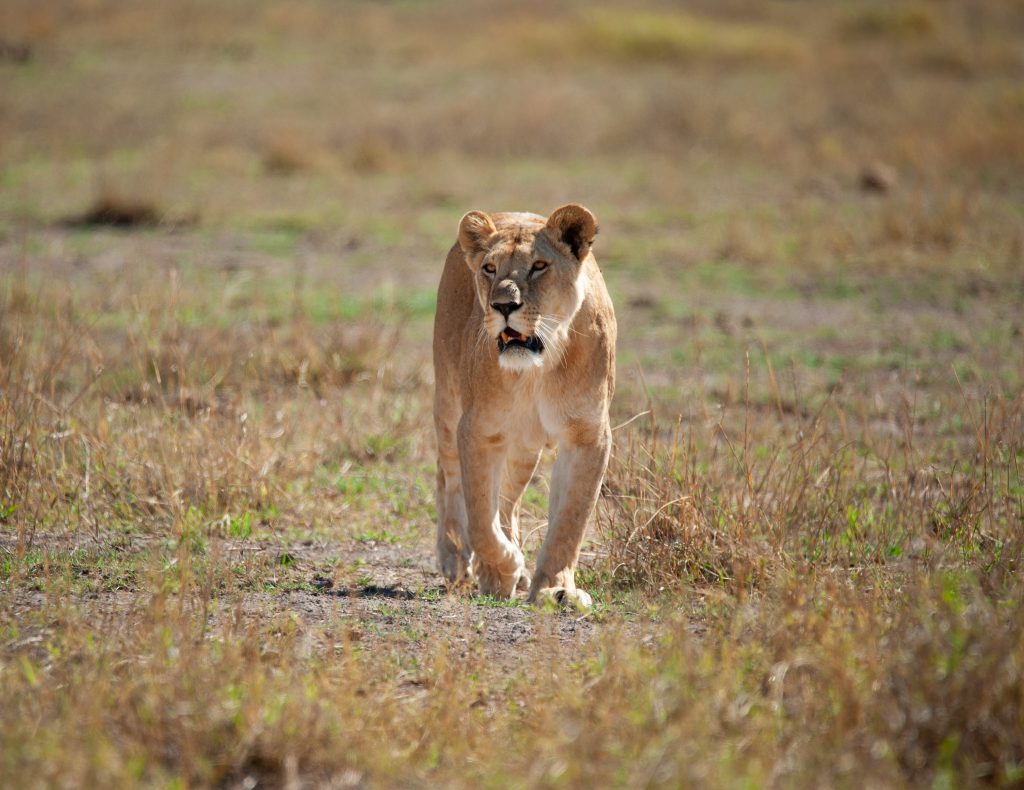
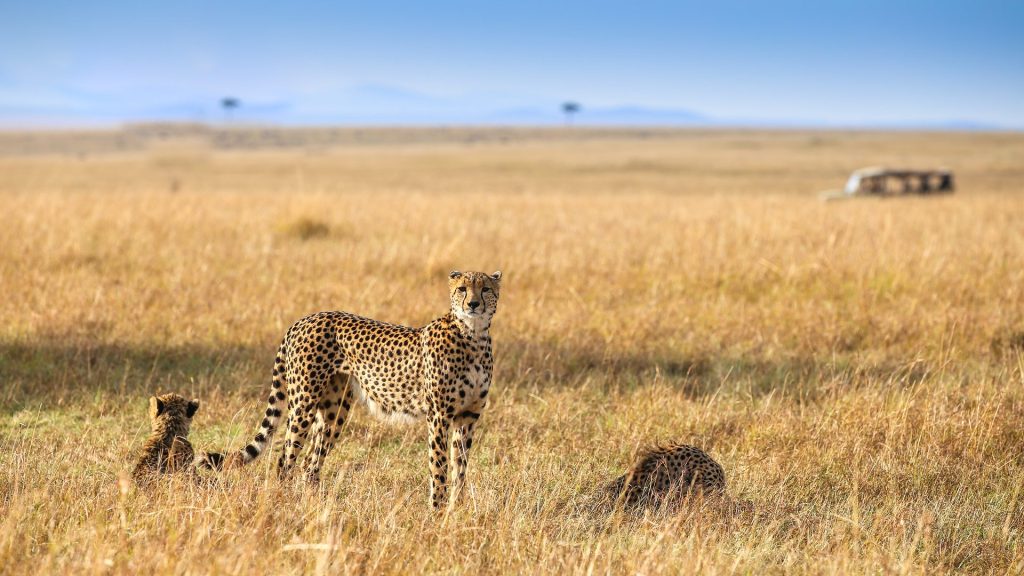
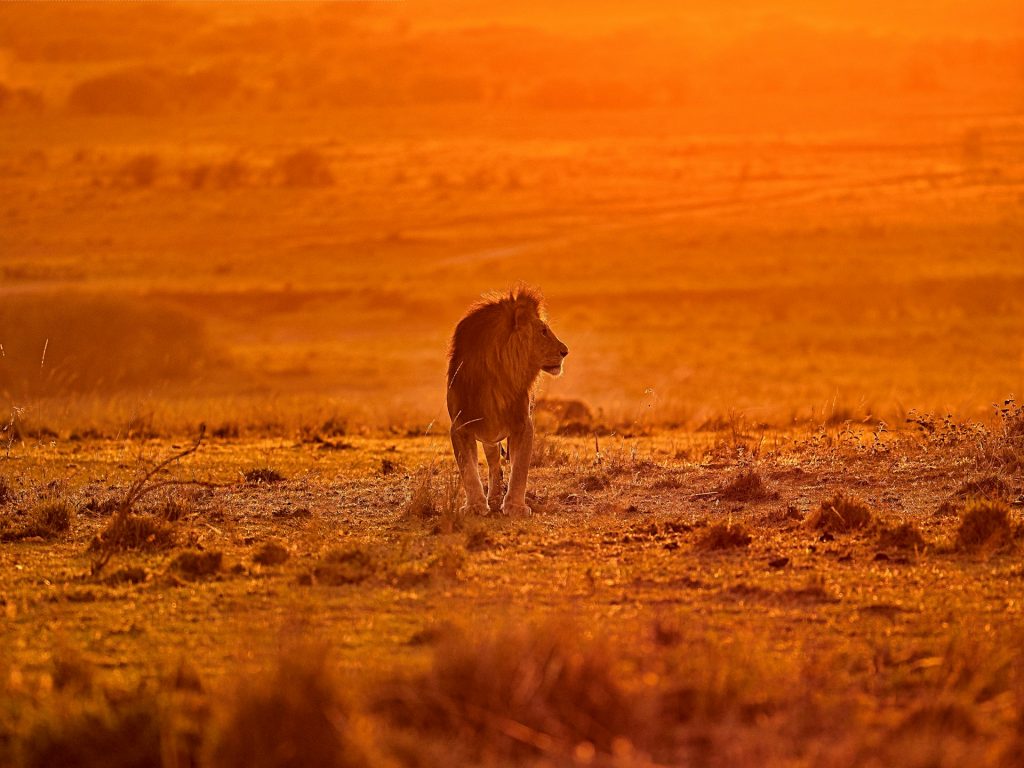
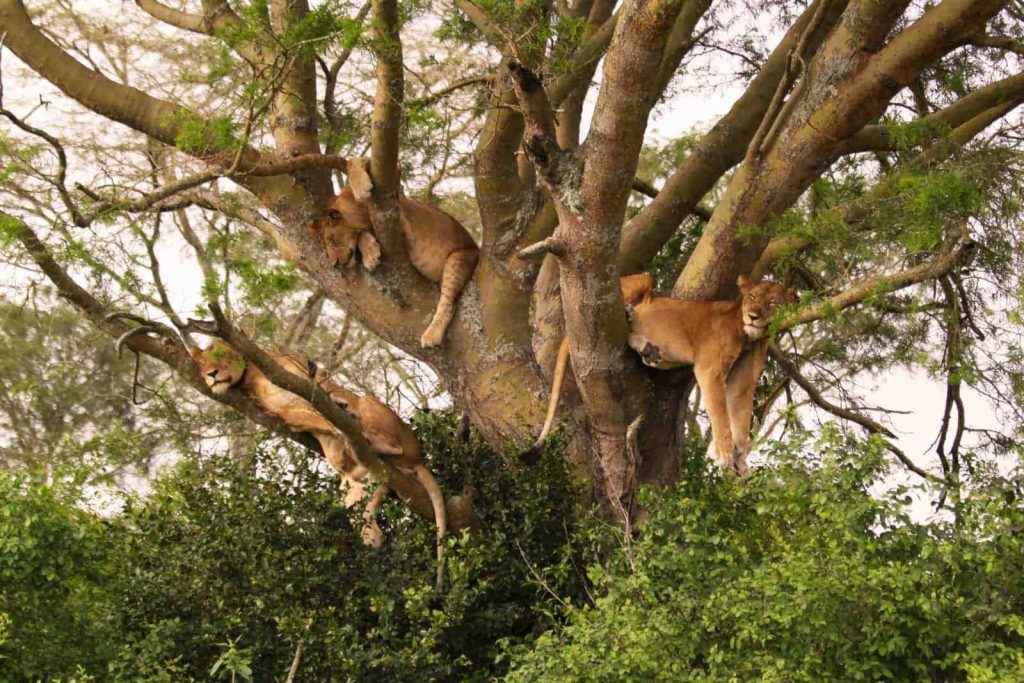
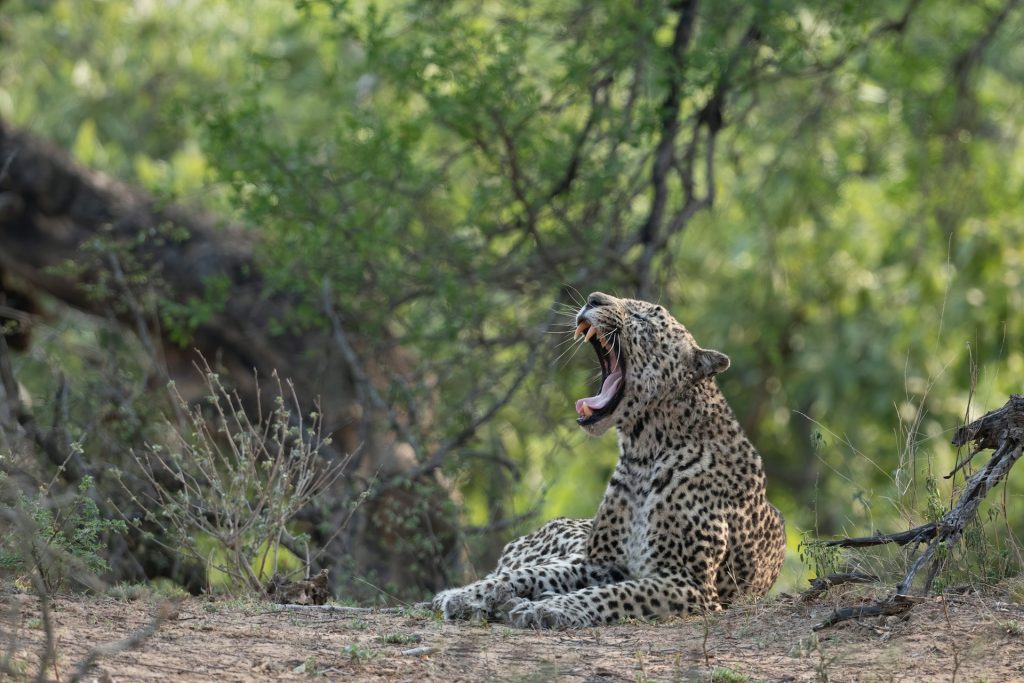
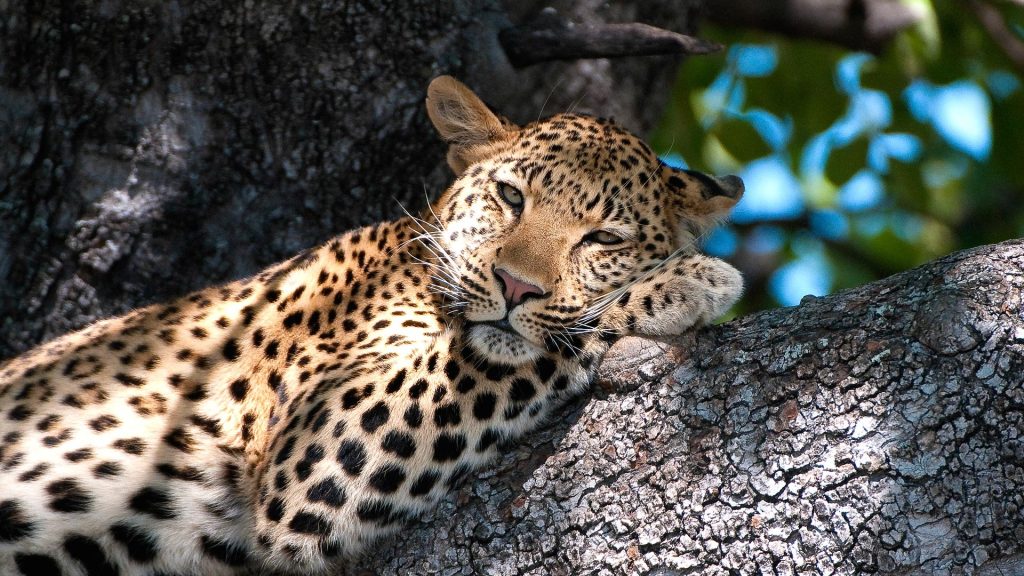
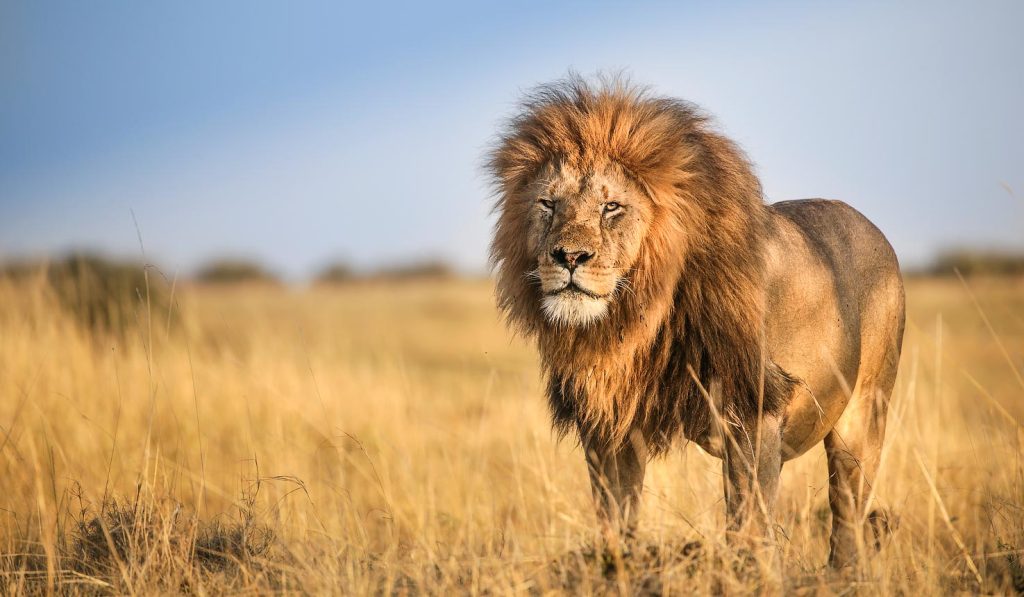
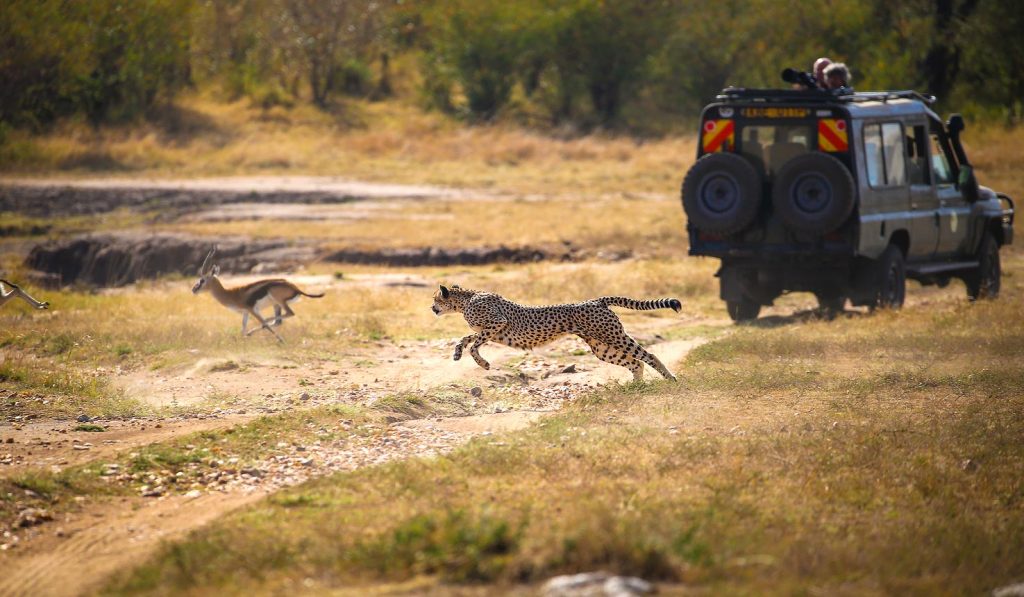
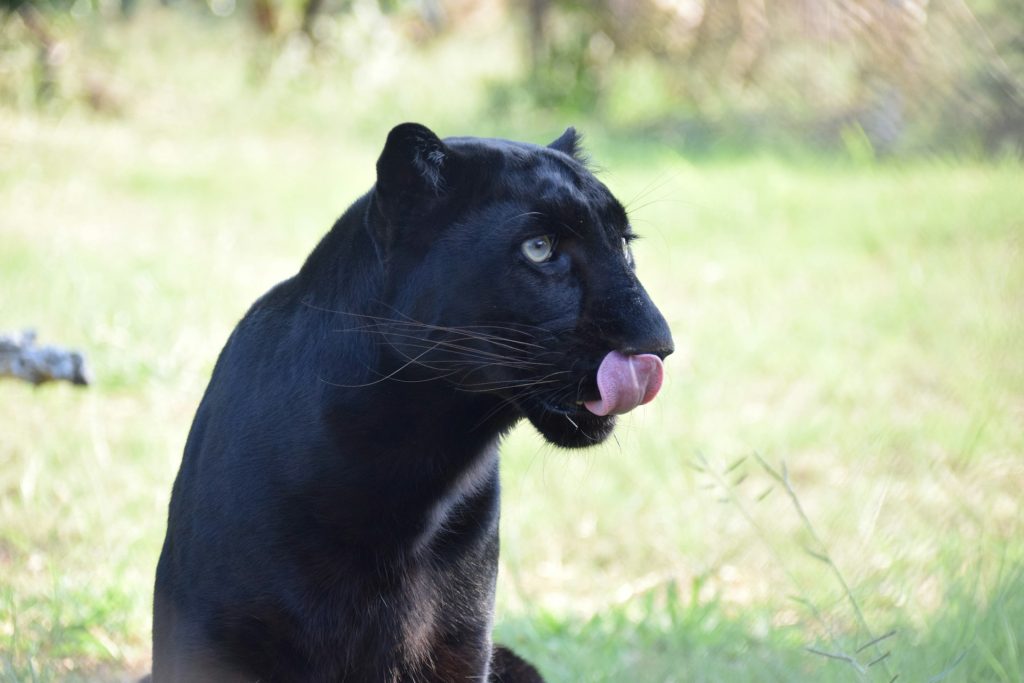
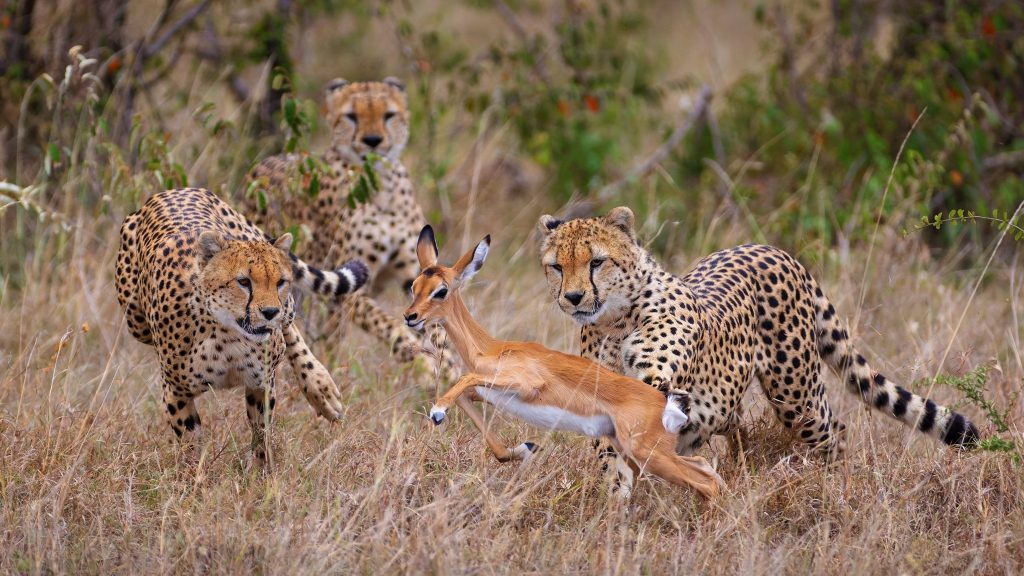
Lions are permanent residents, with several prides that have adapted entirely to life within the park’s boundaries, their territories mapped against roads and drainage lines rather than vast open wilderness. Leopards haunt the dense riverine forest along the Mbagathi River, rarely seen but unmistakably present to guides who read their tracks daily. Cheetahs hunt the open grasslands with the kind of visibility that makes Nairobi one of Kenya’s most reliably productive parks for witnessing high-speed pursuit.
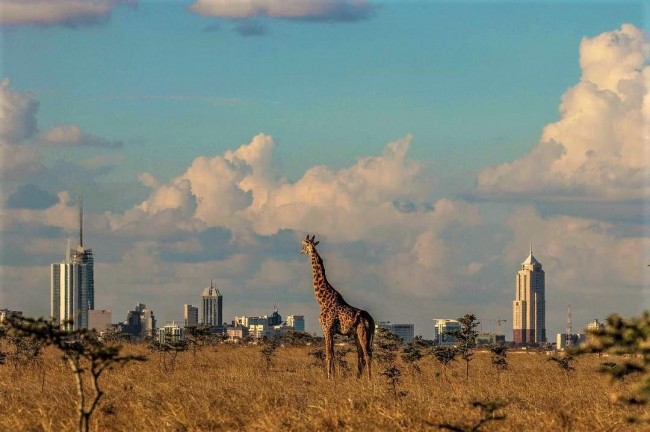
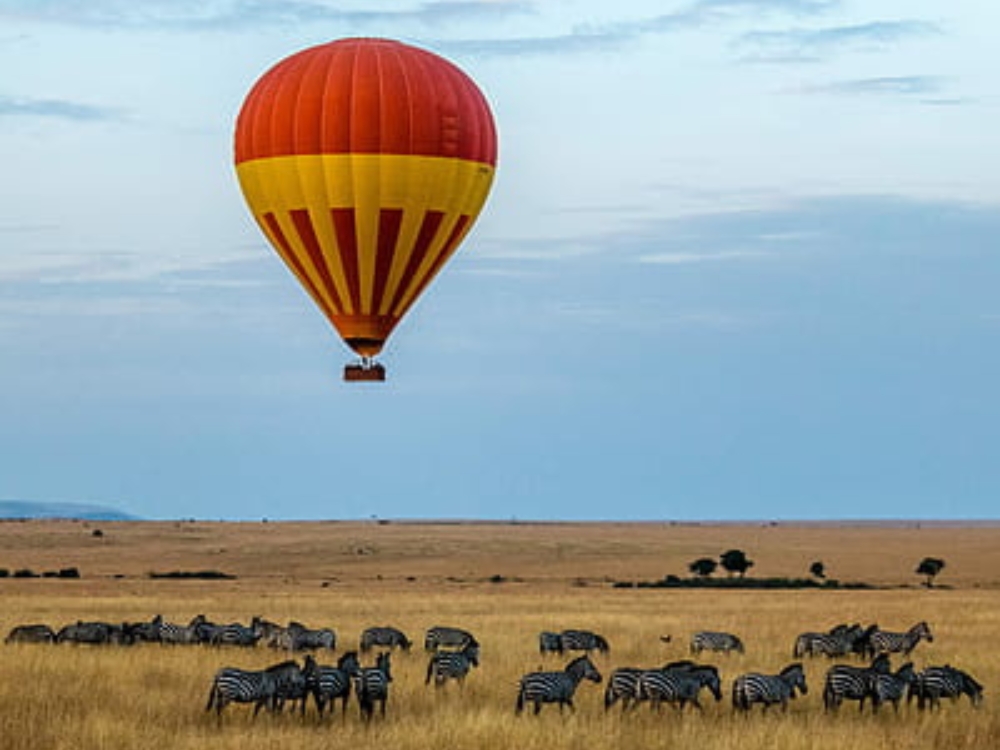
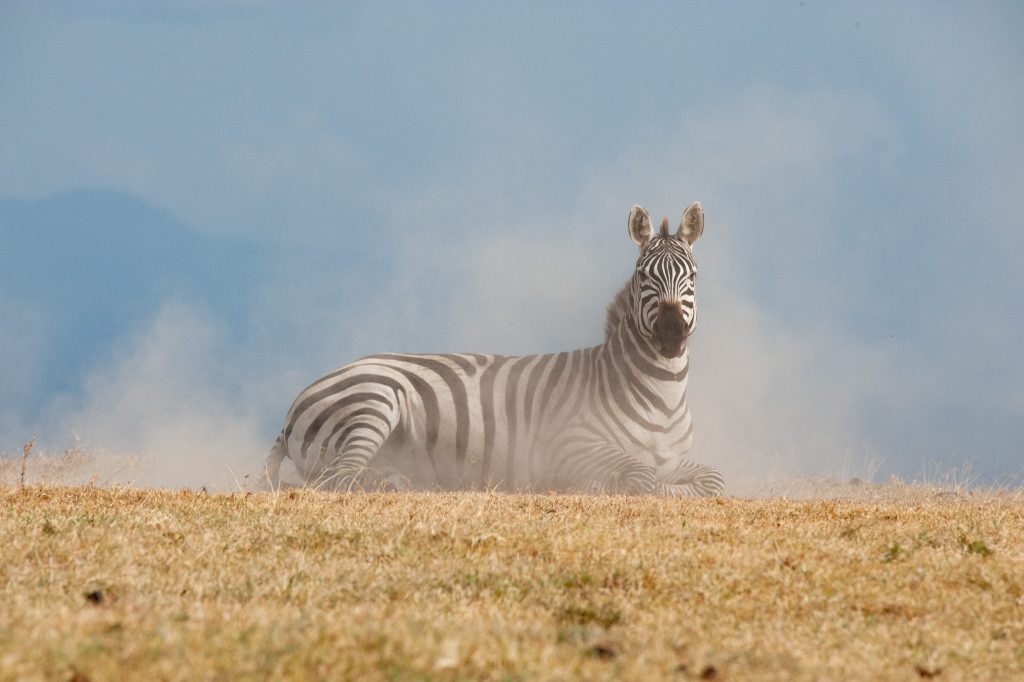
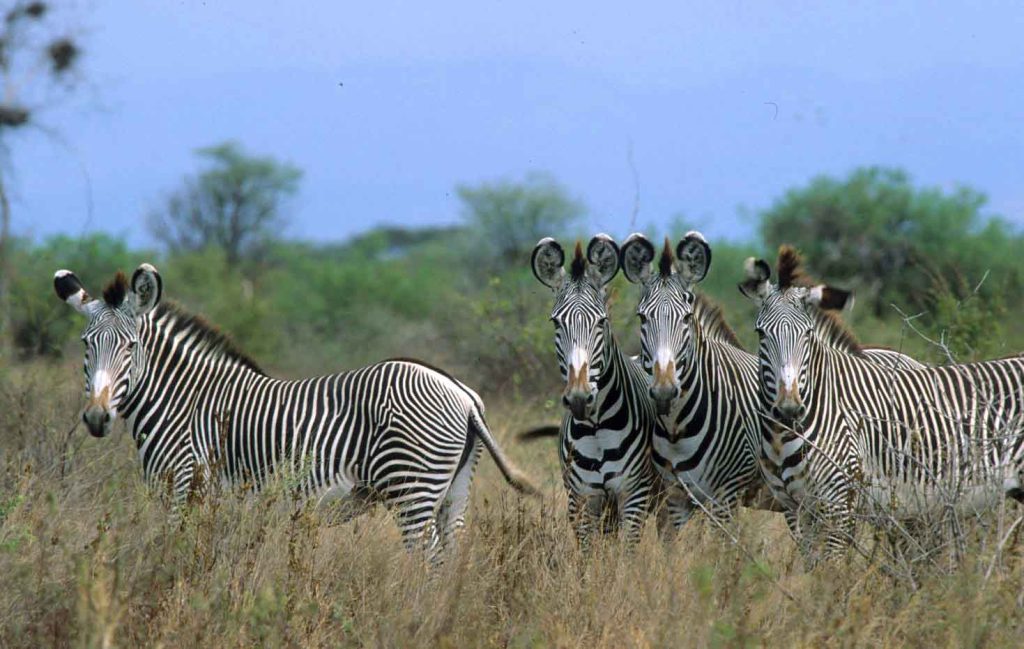
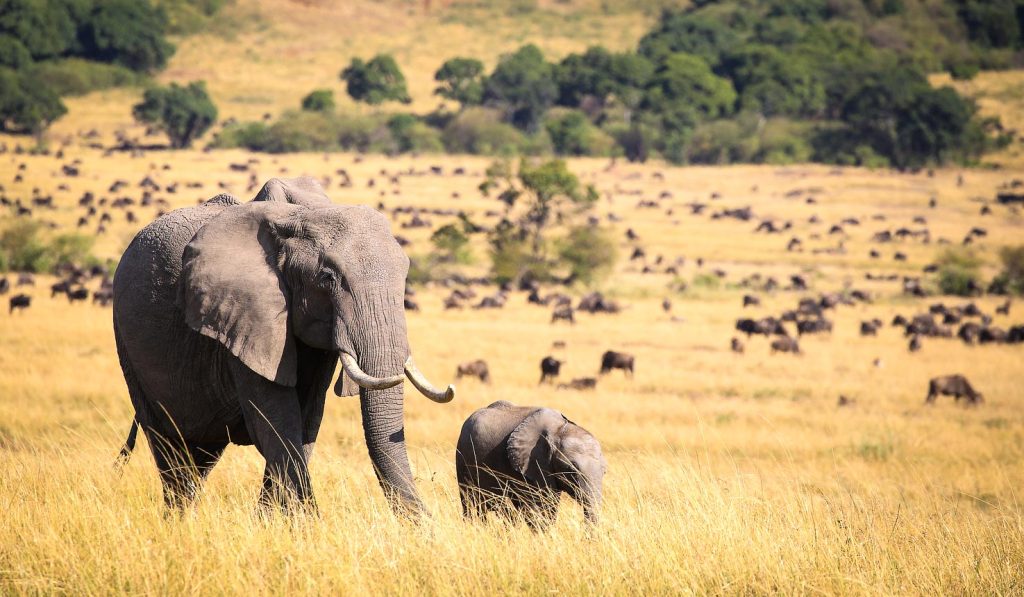
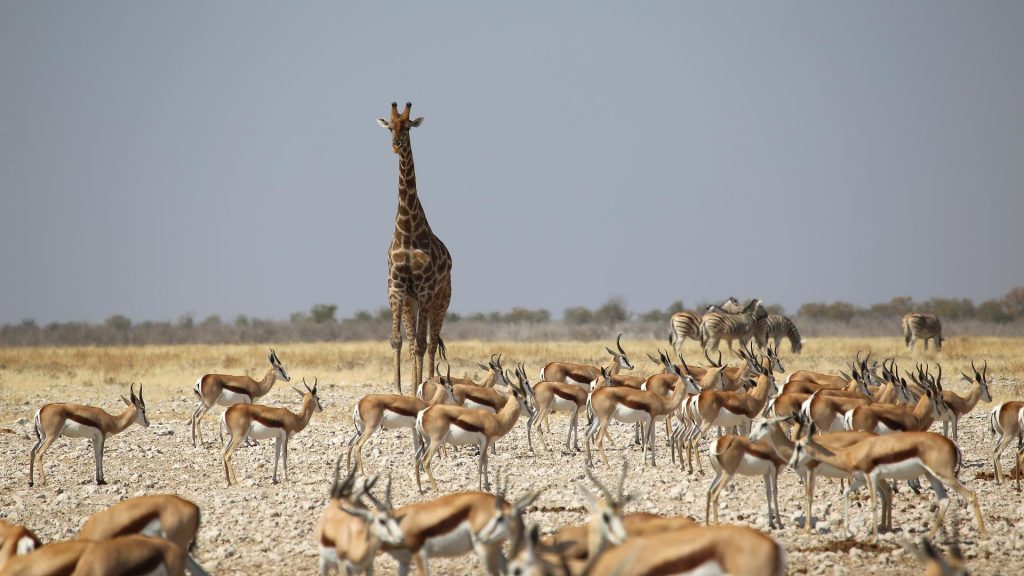
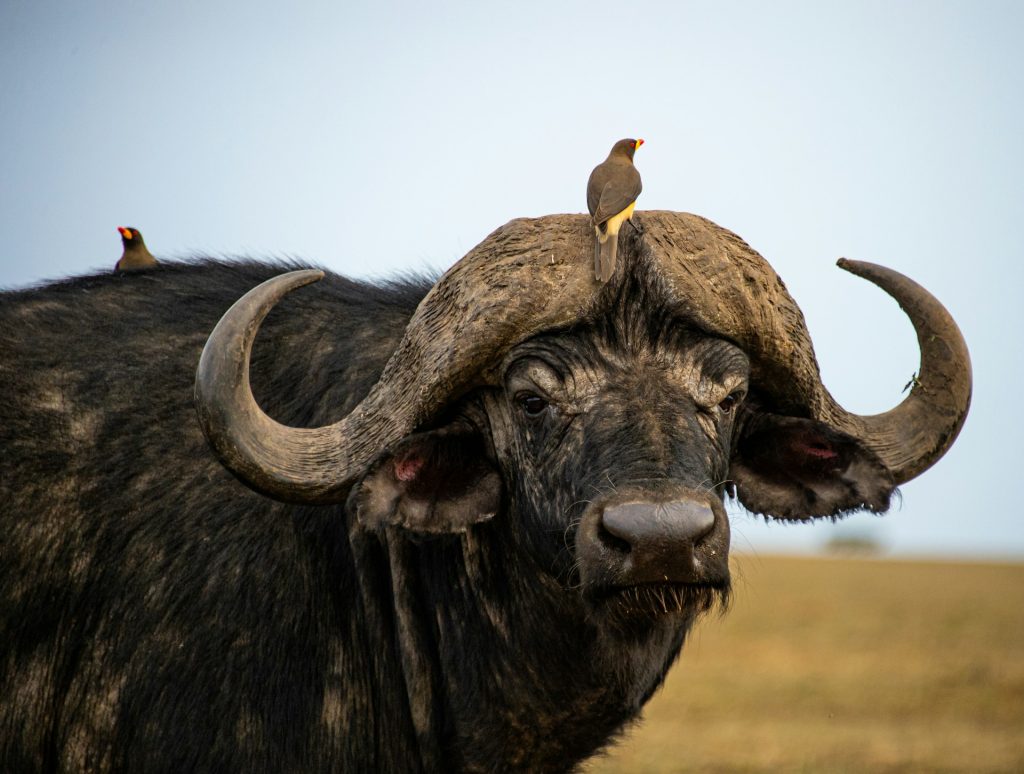
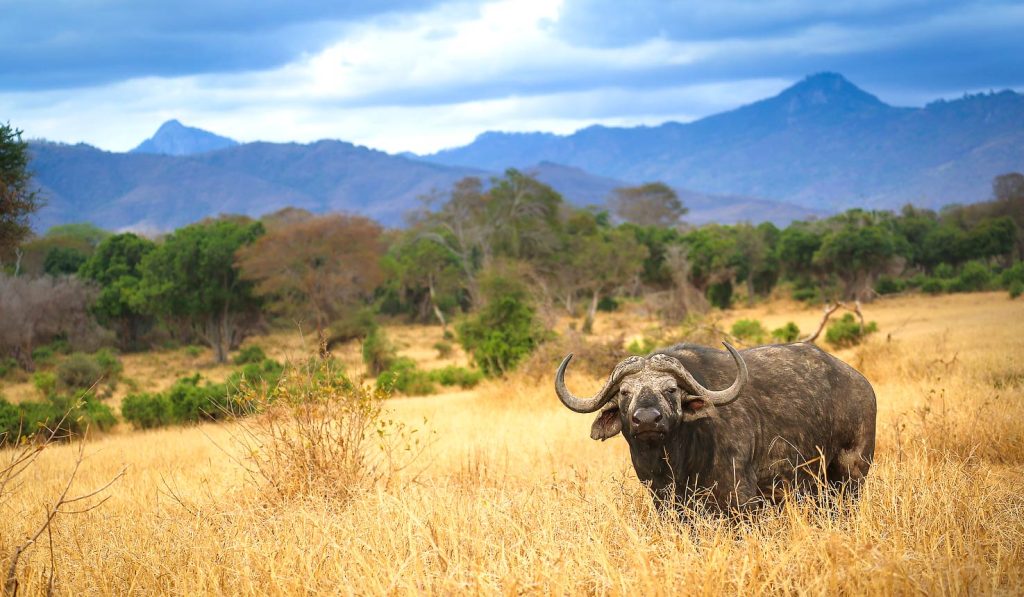
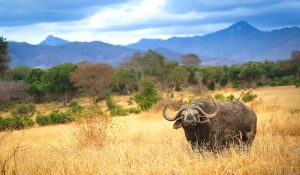
Buffalo herds move through the western sections, while large numbers of plains game — wildebeest, zebra, kongoni, impala, and Thomson’s gazelle — provide the prey base that keeps the park’s predator community thriving. Masai giraffe browse the flat-topped acacias with the Nairobi skyline rising improbably behind them, a scene that has become one of the most photographed images in African wildlife photography.
The Mbagathi and Athi rivers support hippo pools and resident populations of Nile crocodile. The park’s varied habitats also make it one of the most productive birdwatching sites in Kenya, with over 400 species recorded including ostriches, secretary birds, crowned cranes, and numerous raptor species hunting the open grasslands.
The Black Rhino Stronghold
Nairobi National Park is one of the most important sanctuaries for the black rhino in Kenya — and among the most accessible anywhere in Africa. With approximately 50 black rhinos roaming 117 square kilometres of protected savannah, the park offers encounter rates that even dedicated rhino-tracking expeditions in far larger reserves struggle to match. The combination of intensive ranger presence, excellent road infrastructure, and relatively open terrain means that patient visitors spending a morning in the park have a genuinely high probability of a close rhino encounter.
The park’s rhino population has been built carefully over decades, with individuals translocated from across Kenya to establish a protected breeding nucleus. This conservation achievement is all the more remarkable given the park’s urban adjacency — proof that committed management can sustain viable populations of Africa’s most endangered megafauna even within sight of a major city. Sightings in the Athi basin, where rhinos favour the open grassland near the river, are particularly reliable in the early morning hours.
Beyond rhinos, the park’s concentrated predator community creates exceptional opportunities to witness hunting sequences and inter-species interaction on a scale usually reserved for much larger and more remote wilderness areas. A single morning drive can produce lion, cheetah, leopard spoor, and a rhino encounter — the kind of multi-predator day that safari travellers spend a week hoping for in other reserves.
Special Species: One of Kenya's most significant black rhino sanctuaries, with approximately 50 individuals and reliably high sighting rates. Also home to the rare melanistic serval and regularly visited by African wild dogs — one of Kenya's rarest large predators — during dispersal events from surrounding conservancies.
Nairobi National Park presents a surprisingly diverse landscape for a reserve of its scale, with several distinct ecosystems compressed into its 117 square kilometres. The dominant habitat is open short-grass savannah — rolling plains that stretch across the park’s interior and southern reaches, their golden grasses dotted with flat-topped acacias and punctuated by rocky outcrops where leopards survey their territories. These plains, maintained by grazing pressure and the park’s free-flowing connection to the Athi-Kapiti plains beyond the southern boundary, support the densest concentrations of plains game and the predators that follow them.
The River Systems
The Mbagathi and Athi rivers define the park’s southern and western boundaries, carving through the landscape in a series of pools, rapids, and forested gorges that create a dramatically different environment from the open grasslands above. The riverine forest here — dense stands of fever trees, wild fig, Acacia tortilis, and croton — provides habitat for leopards, bushbuck, waterbuck, and a remarkable diversity of forest birds. The rivers’ permanent water sources are crucial attractors during Kenya’s dry seasons, concentrating wildlife along their banks and creating exceptional close-quarters viewing from the riverside road.
The Mbagathi’s pools support hippos that spend their days submerged and emerge after dark to graze on the surrounding grasslands, while Nile crocodiles inhabit the deeper, slower sections. Kingfishers, herons, and African fish eagles work the water’s edge, and the forest canopy above hosts troops of olive baboons and vervet monkeys.
The Gorge and Plateau Areas
The park’s western section rises to a plateau with denser bushland and rocky terrain, providing cover for leopards and a different suite of smaller mammals including mongooses, genets, and the African wild cat. The Athi Dam area in the east creates a seasonal wetland that attracts waterfowl and provides year-round water for resident wildlife. The dam’s open water and surrounding reed beds are particularly productive for birdwatching, with various heron species, storks, and waders reliably present.
The Open Southern Boundary
Unlike most national parks, Nairobi National Park has no fence along its southern edge, allowing wildlife to move freely between the park and the Athi-Kapiti plains. This open corridor is ecologically vital, enabling the seasonal migration of wildebeest and zebra into the park during the long rains (November through May) when fresh grazing draws the herds northward. The corridor also allows predators to follow the prey, maintaining population dynamics that a fenced park of this size simply could not sustain independently. Ongoing conservation negotiations aim to protect this corridor from encroaching development — one of Kenya’s most critical wildlife diplomacy challenges.
Climate and Access
The park sits at approximately 1,600 metres above sea level, giving it a mild climate year-round. Daytime temperatures average 20–26°C, with cooler mornings ideal for game drives. The long rains (April–May) bring lush greenery and reduced visitor numbers, while the dry seasons — June to September and January to February — concentrate wildlife around permanent water and offer the clearest game-viewing conditions.
From early morning game drives that deliver lion sightings before the city wakes to guided walks at the adjacent orphan elephant sanctuary, Nairobi National Park offers safari experiences that are unique in Africa — fully wild, yet minutes from one of the continent's most dynamic capitals.
Depart at dawn for game drives across the open plains as the Nairobi skyline catches the first light. Early mornings are when predators are most active — lions finishing night hunts, cheetahs preparing to stalk, and rhinos moving through the open grassland before retreating to shade. The combination of rich wildlife and urban backdrop creates photographic opportunities found nowhere else on Earth.
Focus a dedicated morning on tracking Nairobi's resident black rhino population with expert KWS guides who know individual animals by sight. With approximately 50 rhinos in 117 square kilometres, encounter rates are among the highest of any reserve in Kenya. Half-day dedicated rhino drives offer the best chance of extended, close-quarters observation.
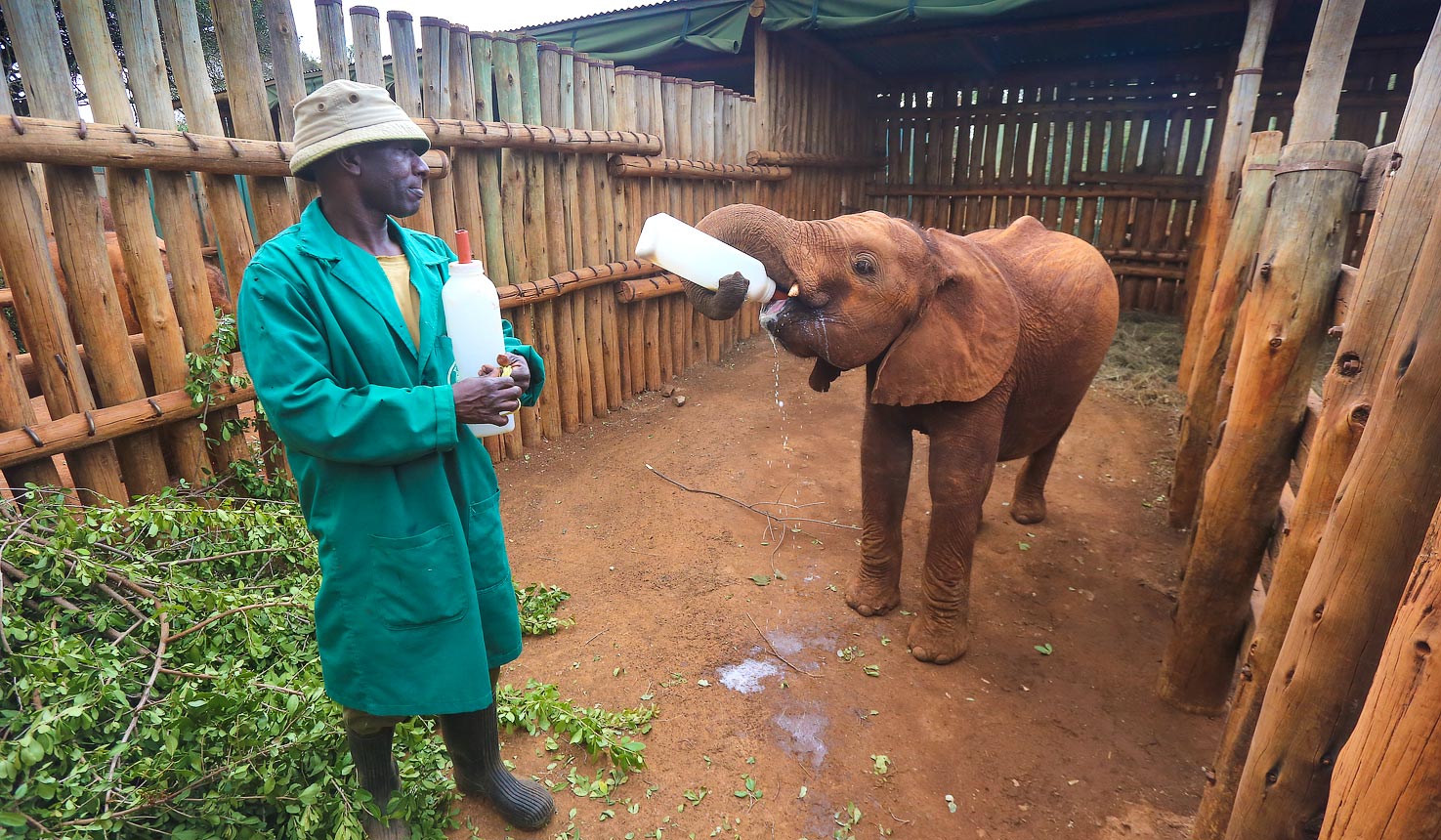
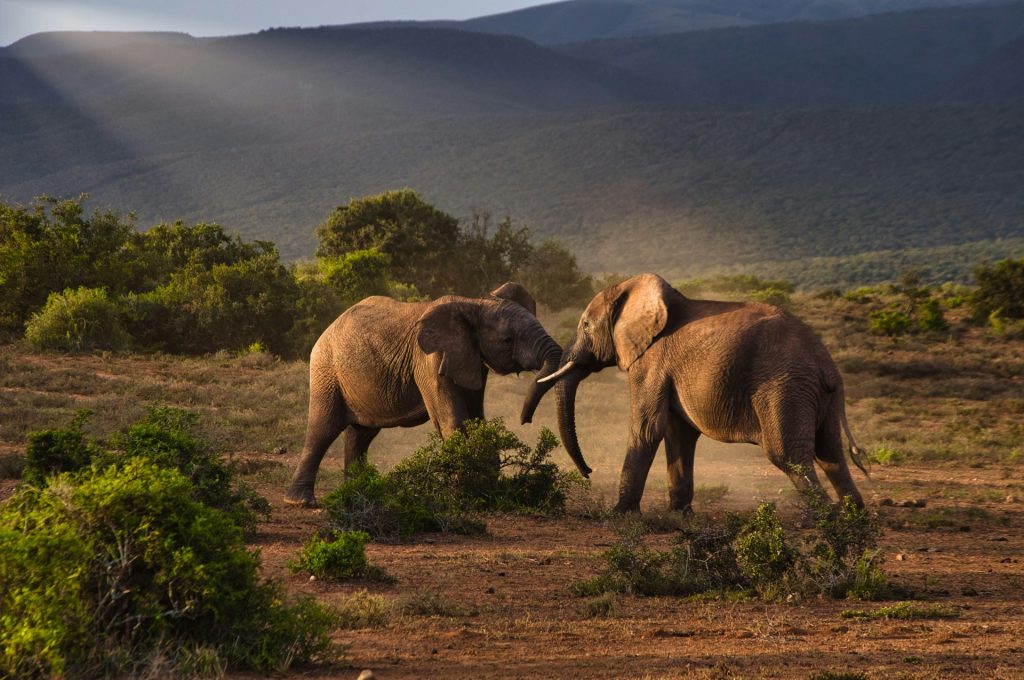
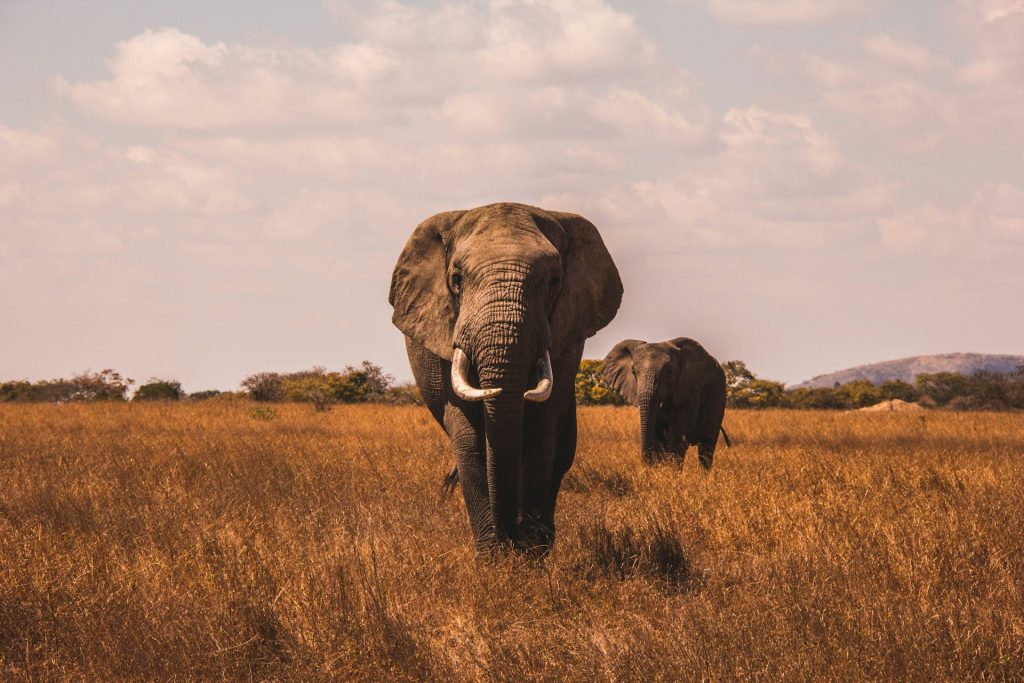
Visit the world-renowned elephant orphanage adjacent to the park's main gate, where baby elephants rescued from across Kenya receive round-the-clock care before eventual release back into the wild. The daily public visit (11am) offers intimate access to orphaned elephants at feeding time
Nairobi National Park rewards visitors year-round, with each season offering distinct advantages and a different face of this singular ecosystem. Unlike Kenya’s northern and southern reserves, which can become difficult to access during heavy rains, the park’s extensive tarmac and gravel road network remains largely navigable through all seasons — one of its practical advantages for short-notice visits and day-trip safaris.
The dry seasons — June to September and January to February — are generally considered the best times for game viewing. Reduced ground cover makes wildlife easier to spot, permanent water sources concentrate animals along the rivers and at the Athi Dam, and predator activity is at its most visible as prey options become more predictable. Rhino sightings are particularly reliable during dry months, when the animals move more predictably between water and shade.
The long rains (April through May) bring dramatic changes to the landscape, transforming the grasslands into a vivid green expanse and drawing migratory wildebeest and zebra northward from the Athi plains through the park’s open southern boundary. Predator activity can be extraordinary during this period as resident carnivores capitalise on the influx of migratory prey, and the reduced visitor numbers mean genuinely uncrowded game drives. Road conditions on the main routes remain manageable; only the less-maintained tracks present challenges.
November through December brings the short rains — brief afternoon showers that rarely disrupt morning drives and keep the landscape photogenically green. This period offers excellent value, with accommodation at slightly lower rates and strong wildlife viewing throughout.
Nairobi National Park features in several ATE itineraries as a standalone half-day experience, a city departure highlight, or a dedicated wildlife day for travellers connecting through Nairobi.


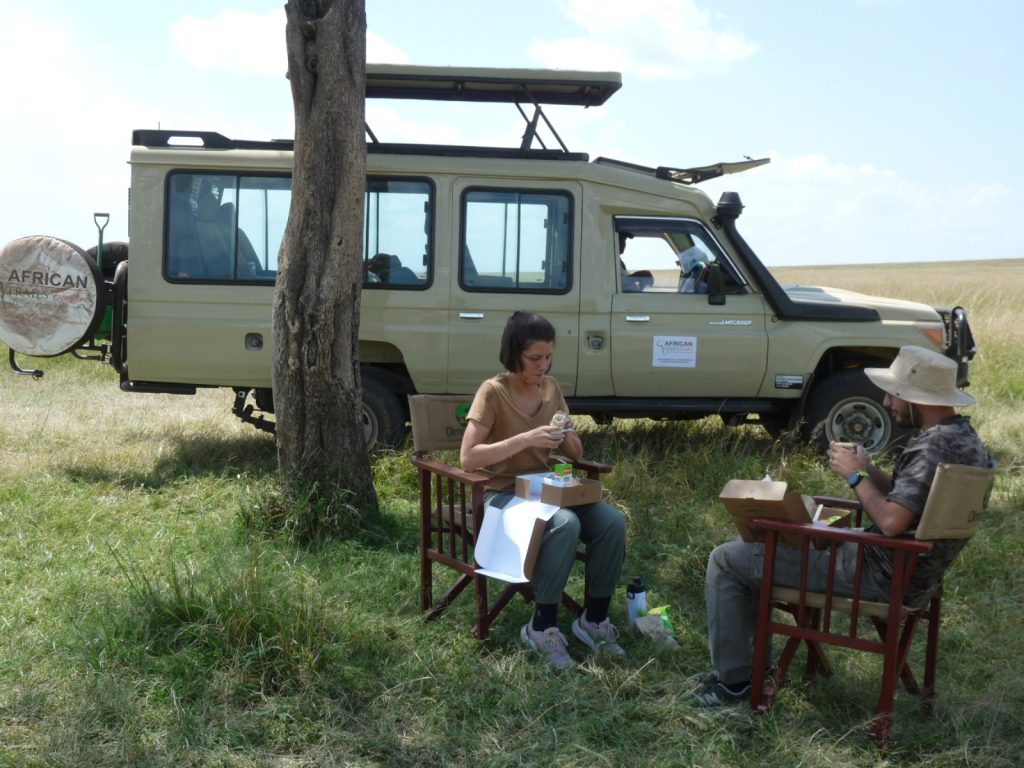
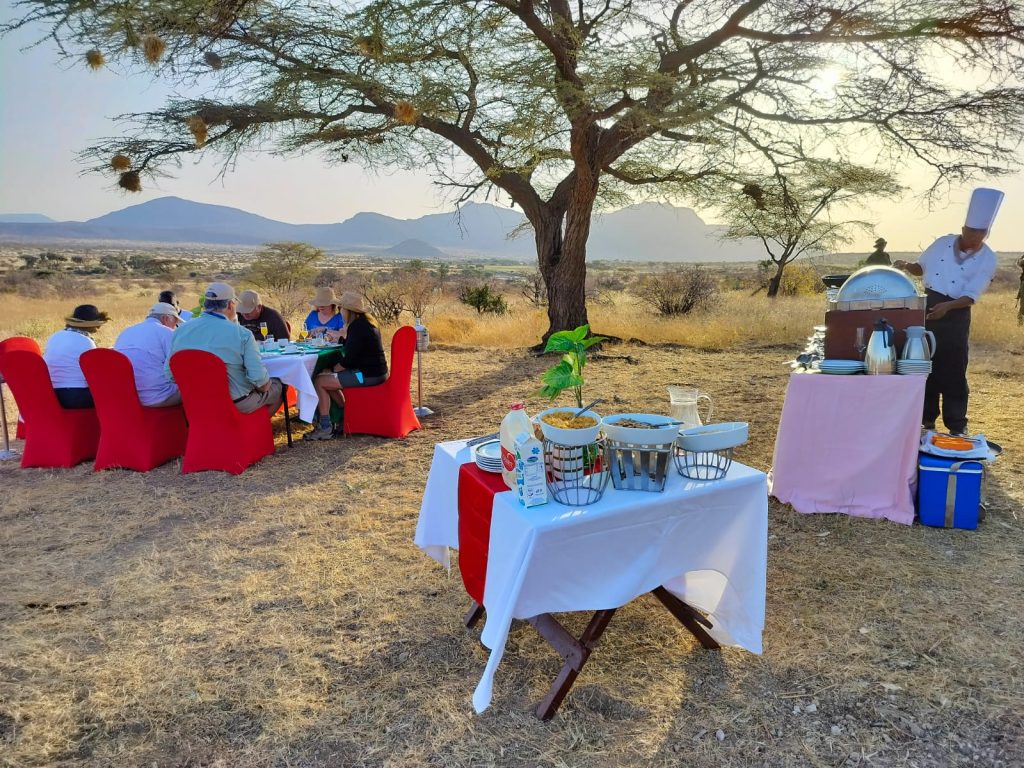
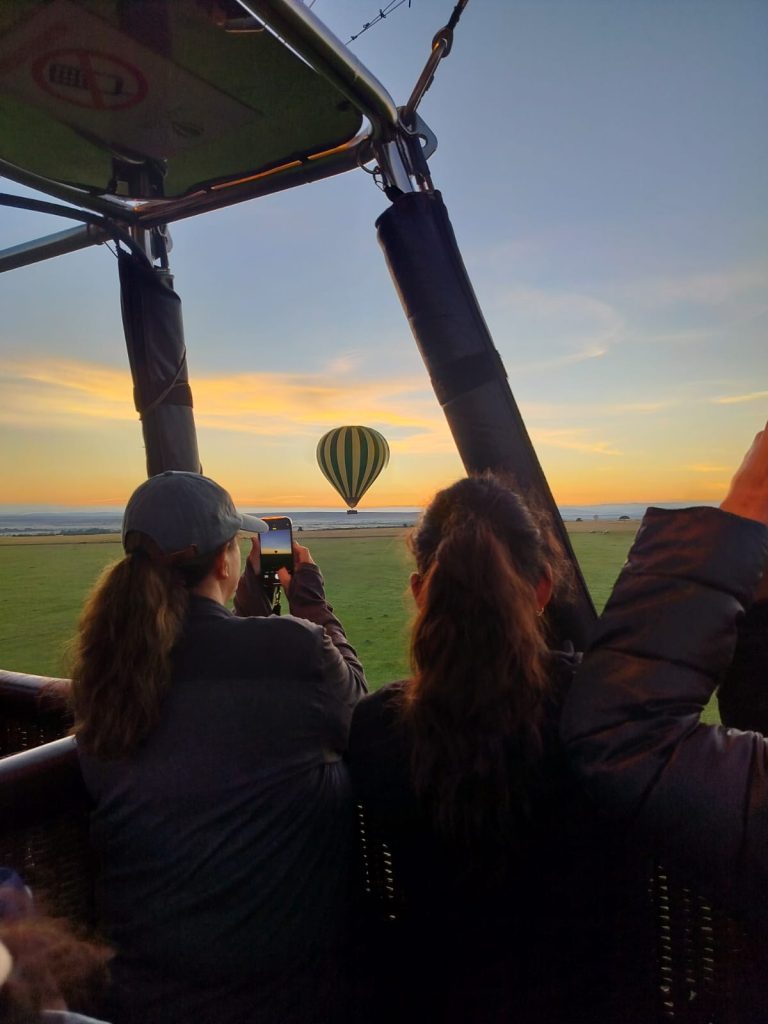
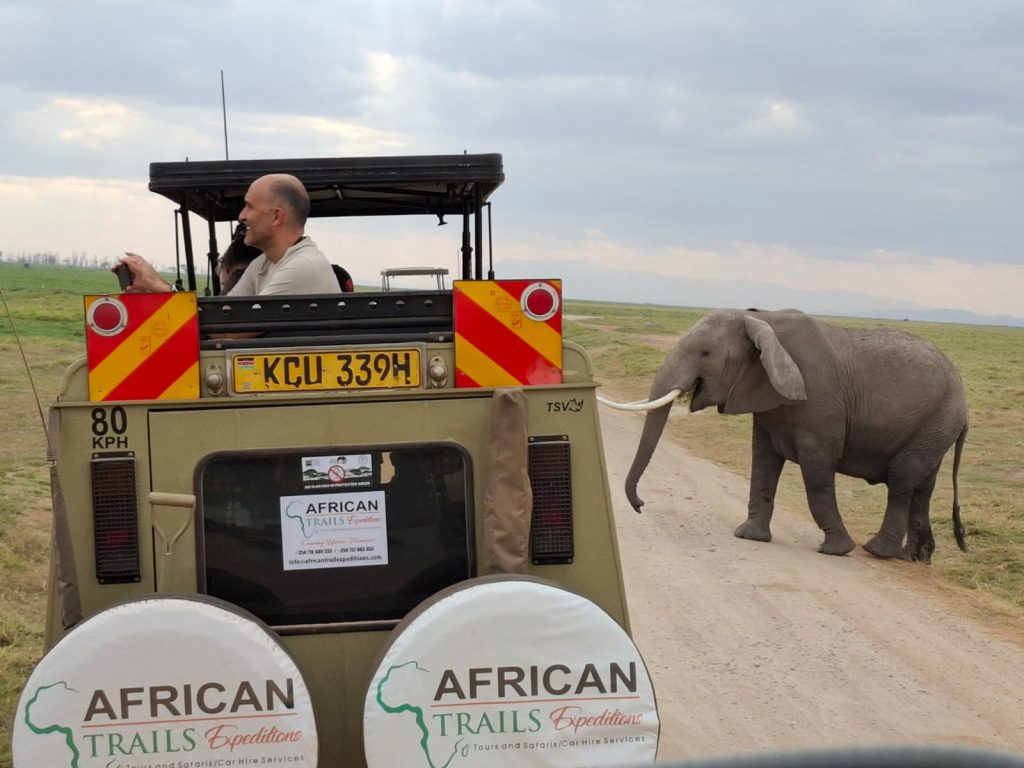
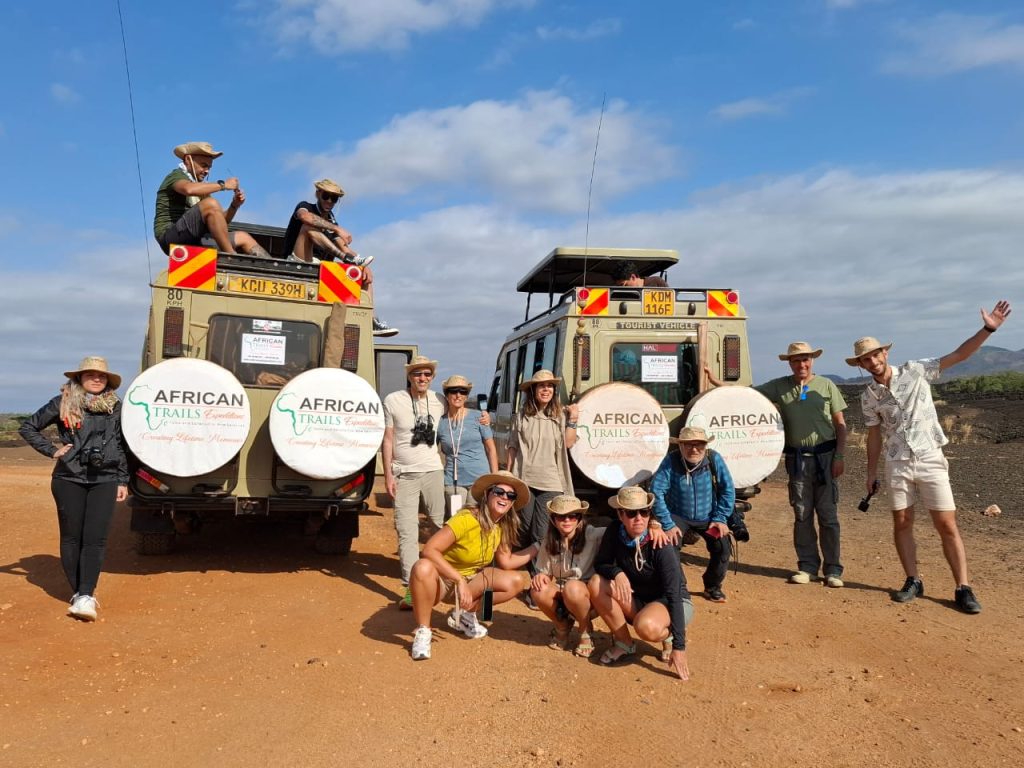


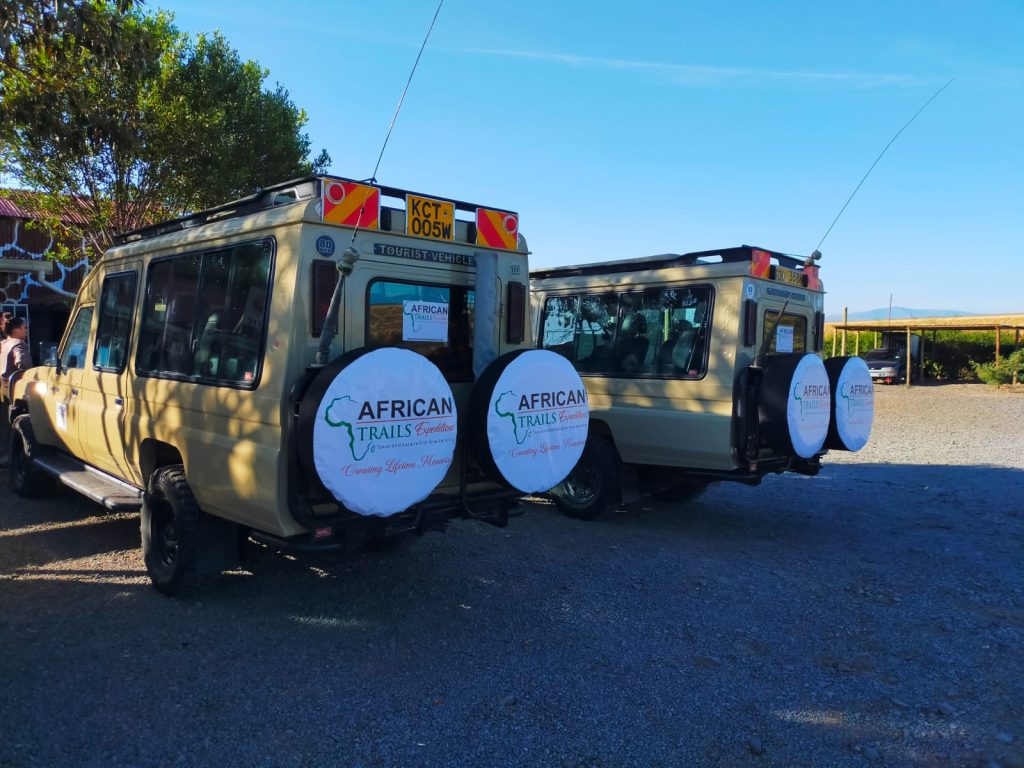
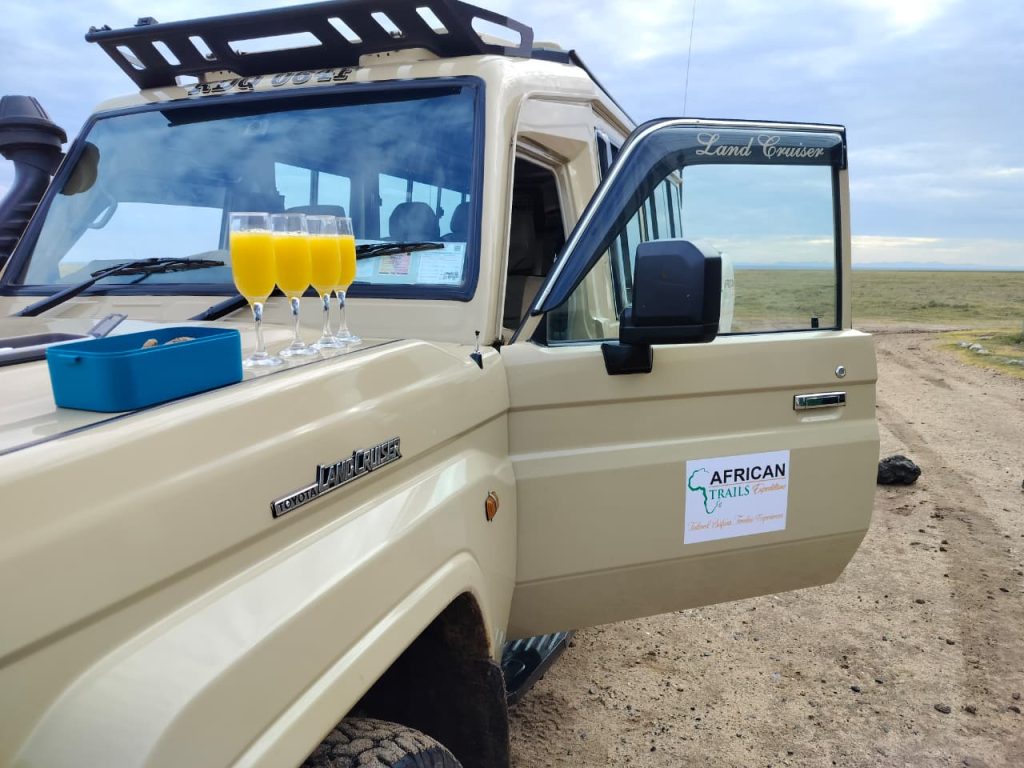
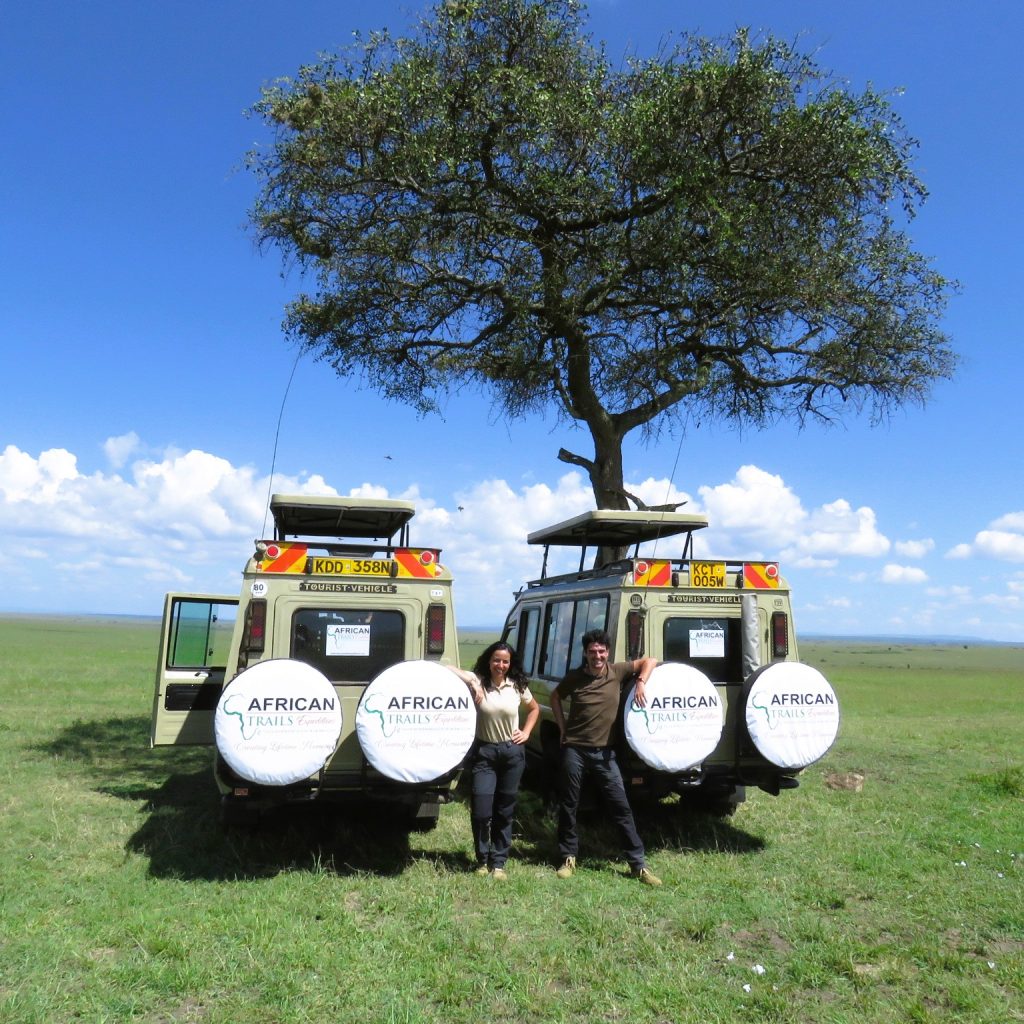

Absolutely — this is one of the park’s defining advantages. A half-day game drive (3–4 hours) is comfortably achievable for travellers with a free morning or a long layover at JKIA, which sits approximately 15 minutes from the park’s main gate. Full-day visits allow for more comprehensive wildlife viewing, including time at the David Sheldrick Elephant Orphanage. African Trails Expeditions regularly arranges layover safaris for clients transiting through Nairobi.
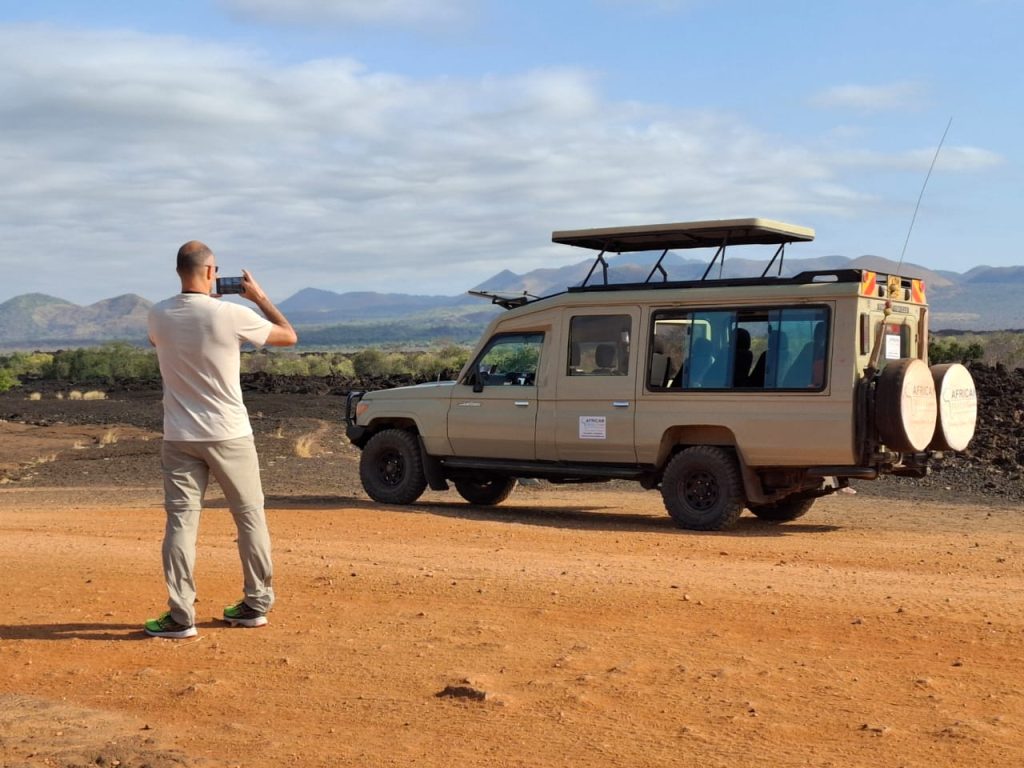
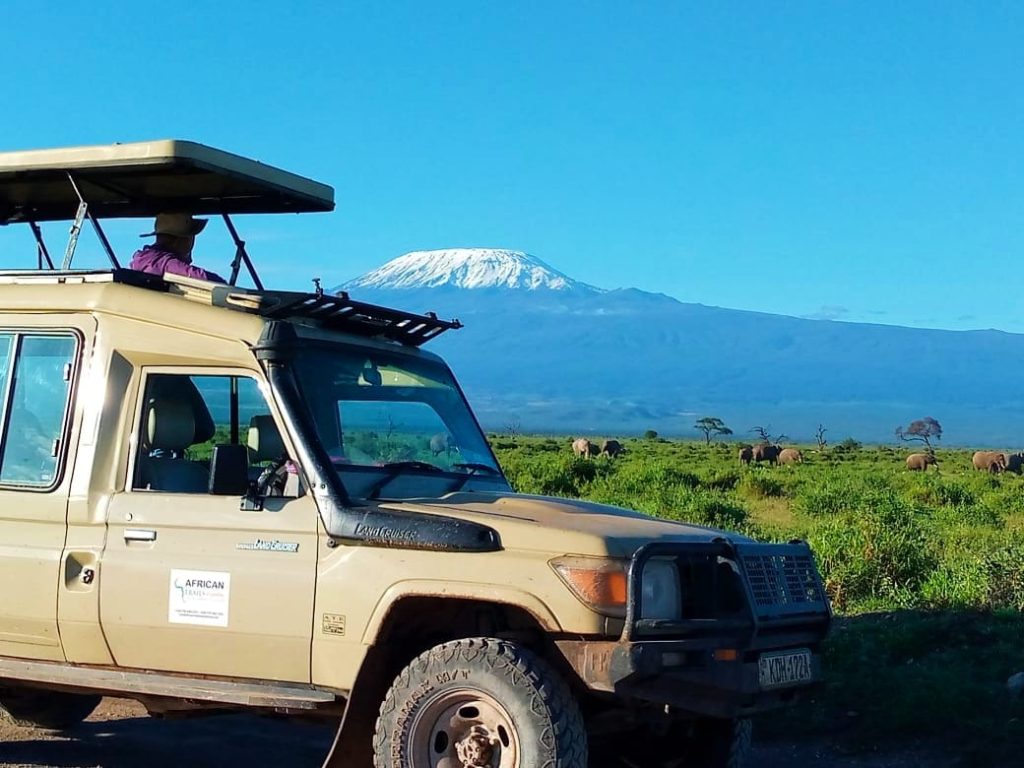
Yes. The park is managed by the Kenya Wildlife Service with a strong ranger presence, well-maintained internal road network, and clear entry protocols. All game drives are conducted in closed 4WD vehicles and, as with all Kenyan national parks, visitors do not exit their vehicles in the open areas. The park operates safely every day of the year.
Yes — Nairobi National Park is one of Kenya’s most important black rhino sanctuaries, with approximately 50 individuals and sighting rates that exceed most other reserves in the country. Dedicated rhino-tracking morning drives offer an excellent chance of extended, close-range encounters.
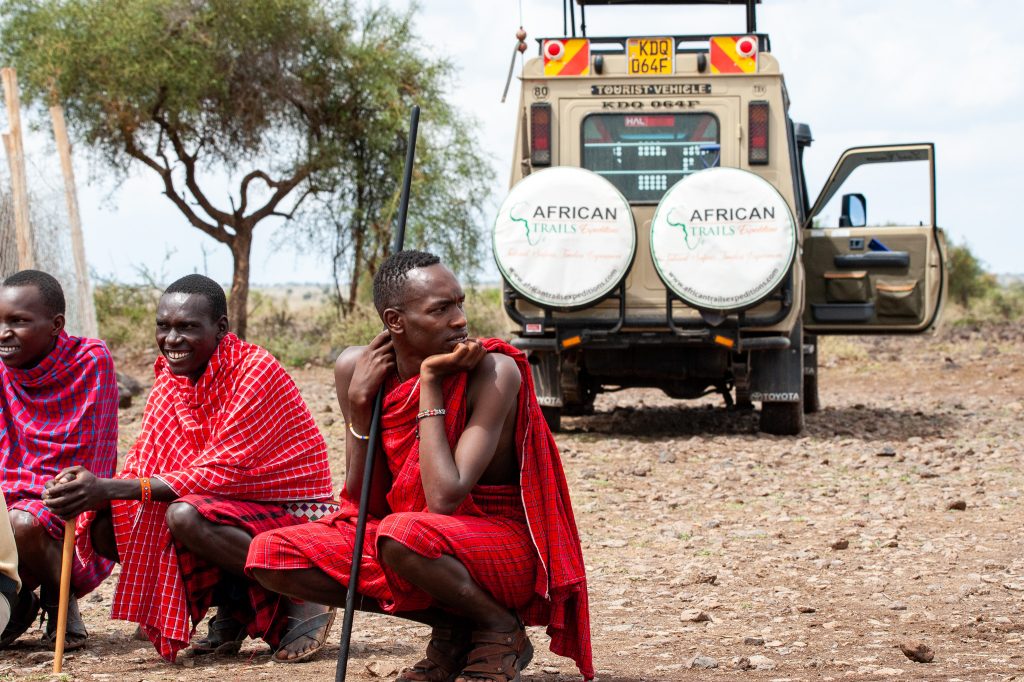
Easily. The park pairs naturally with a visit to the David Sheldrick Wildlife Trust elephant orphanage (at the main gate), the Giraffe Centre (fifteen minutes away in Langata), a meal at Carnivore restaurant, or a cultural visit to the Karen Blixen Museum. African Trails Expeditions can build full Nairobi day programmes around a morning park game drive.
Yes. Unlike the Maasai Mara’s seasonal migration dynamic, Nairobi National Park supports permanent resident populations of all its key species — lion, black rhino, cheetah, leopard, buffalo, giraffe, and large plains game herds. Wildlife viewing is consistently strong year-round, independent of any migration event.
Our specialists have guided guests through Nairobi National Park for over two decades. Tell us when you'd like to travel and we'll take care of the rest.
Please share your name and email so we can follow up with you.