Lake Nakuru National Park

Where the Rift Valley turns pink — Kenya's most concentrated wildlife sanctuary

Lake Nakuru National Park

There are parks in Kenya that reward patience and wide horizons, and there are parks that deliver spectacle from the moment you arrive. Lake Nakuru is emphatically the latter. Contained within 188 square kilometres of Kenya’s Great Rift Valley, it is one of the most concentrated and consistently rewarding wildlife destinations on the continent; a place where the sheer density of life, compressed into a compact and beautifully varied landscape, can feel almost overwhelming.

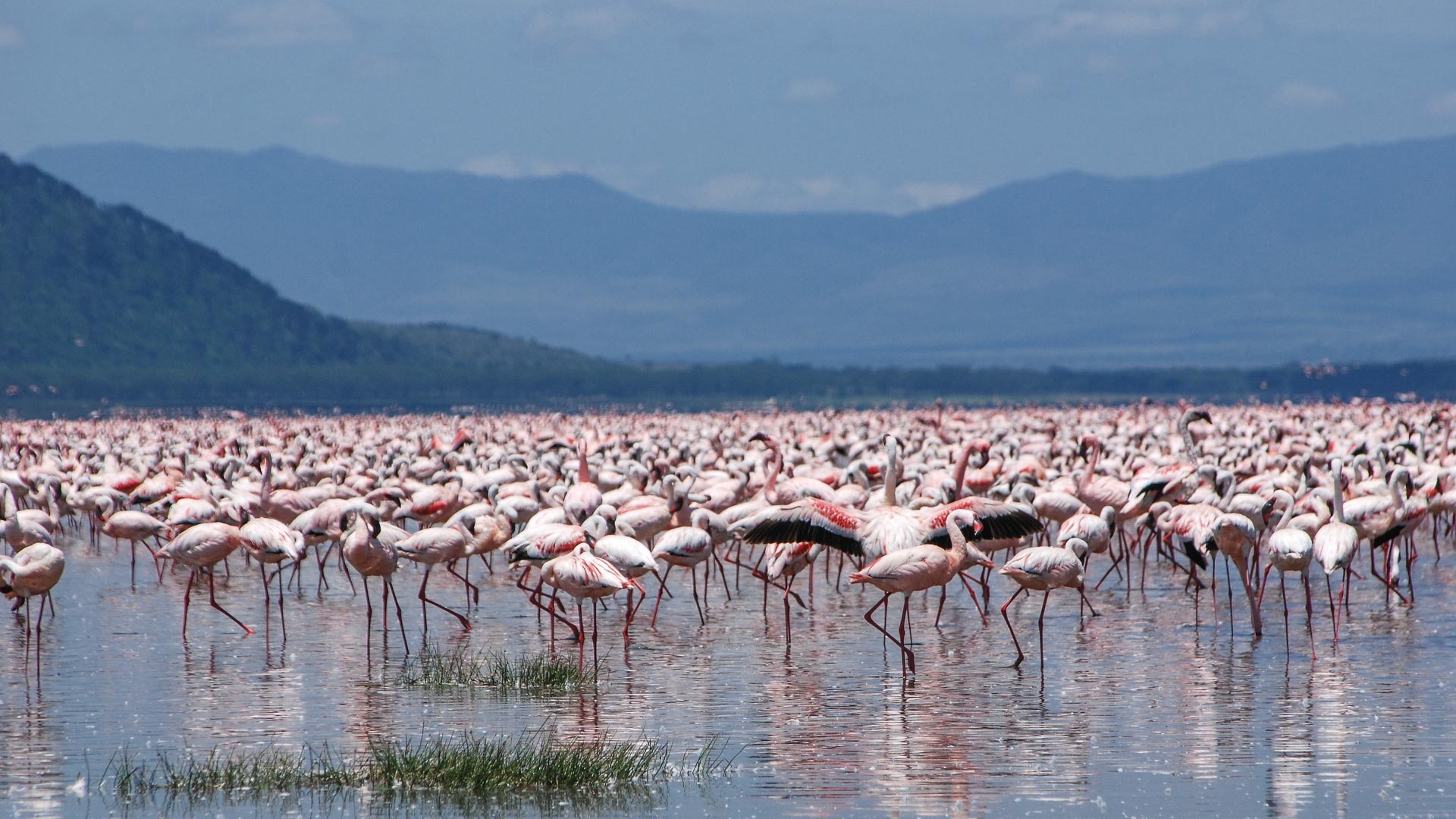
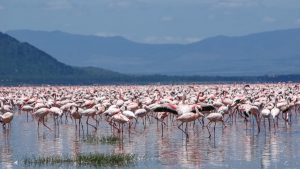
The park is built around Lake Nakuru itself, a shallow alkaline lake that sits at 1,754 metres above sea level in the floor of the Rift Valley. For decades, this lake was synonymous with a single extraordinary spectacle: the lesser flamingo. At its peak, an estimated two million flamingos turned the lake’s shoreline into a living pink border visible from the surrounding escarpment. Numbers fluctuate with the lake’s water levels and algae productivity, but when the flamingos are present in force, it remains one of the most astonishing wildlife sights in Africa.

But Lake Nakuru has never been only about flamingos. The park was declared a UNESCO Biosphere Reserve in 1986 and became one of Kenya’s first rhino sanctuaries — a fully fenced reserve that now protects both black and white rhino populations with a reliability that few parks in East Africa can match. For travellers for whom a rhino sighting is a priority, Nakuru belongs near the top of any Kenya itinerary.

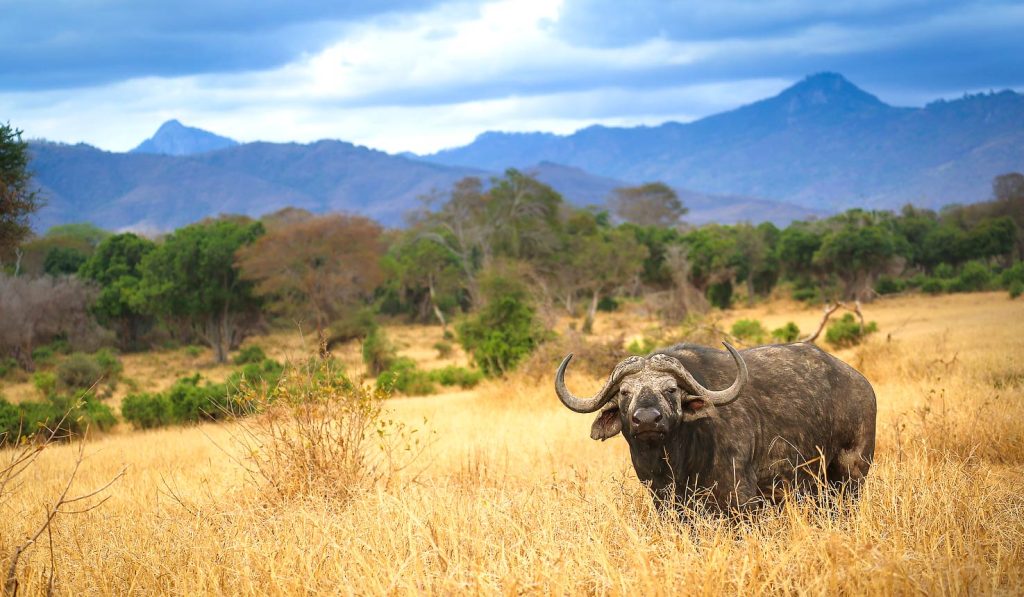
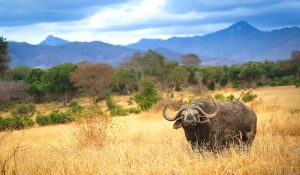
The landscape itself is layered and dramatic: the lake at the centre, ringed by yellow fever trees and acacia woodland, rising through rocky escarpments and open grassland to forested hilltops that look out across the entire Rift Valley floor. Lion, leopard, buffalo, giraffe, waterbuck, zebra and a remarkable variety of birds inhabit these different zones, making Nakuru a genuinely comprehensive safari destination in a fraction of the space of larger parks.

Its proximity to Nairobi, roughly three hours by road, also makes it the most accessible of Kenya’s major parks, and an ideal component of any East Africa circuit. Many travellers moving between Nairobi and the Maasai Mara pass through Nakuru; those who stop invariably wish they had stayed longer.

Quick Info

Size: 188 km²
Established: 1961 (National Park); UNESCO Biosphere Reserve 1986
Location: 160 km north-west of Nairobi (approx. 3 hrs by road); 30 min by charter flight
Best Time: June – October & January – March (dry seasons)
Wildlife: 56+ mammal species, 450+ bird species
Park Fees:
  • International Adults: USD 60 per day
  • International Children (3–17): USD 35 per day

Fees payable via the KWS eCitizen platform. ATE manages all park fee logistics for guests.

THe lesser flamingos painting Lake Nakuru pink

Wildlife

Lake Nakuru’s fenced perimeter, established to protect its rhino population, has had an unexpected benefit for every other species inside it: predators are contained within the park boundaries, prey concentrations are exceptional, and the wildlife density per square kilometre rivals anywhere in Kenya. In a morning’s drive, it is entirely possible to encounter rhino, lion, leopard, buffalo, giraffe, zebra, waterbuck and dozens of bird species without covering more than 30 kilometres of track.

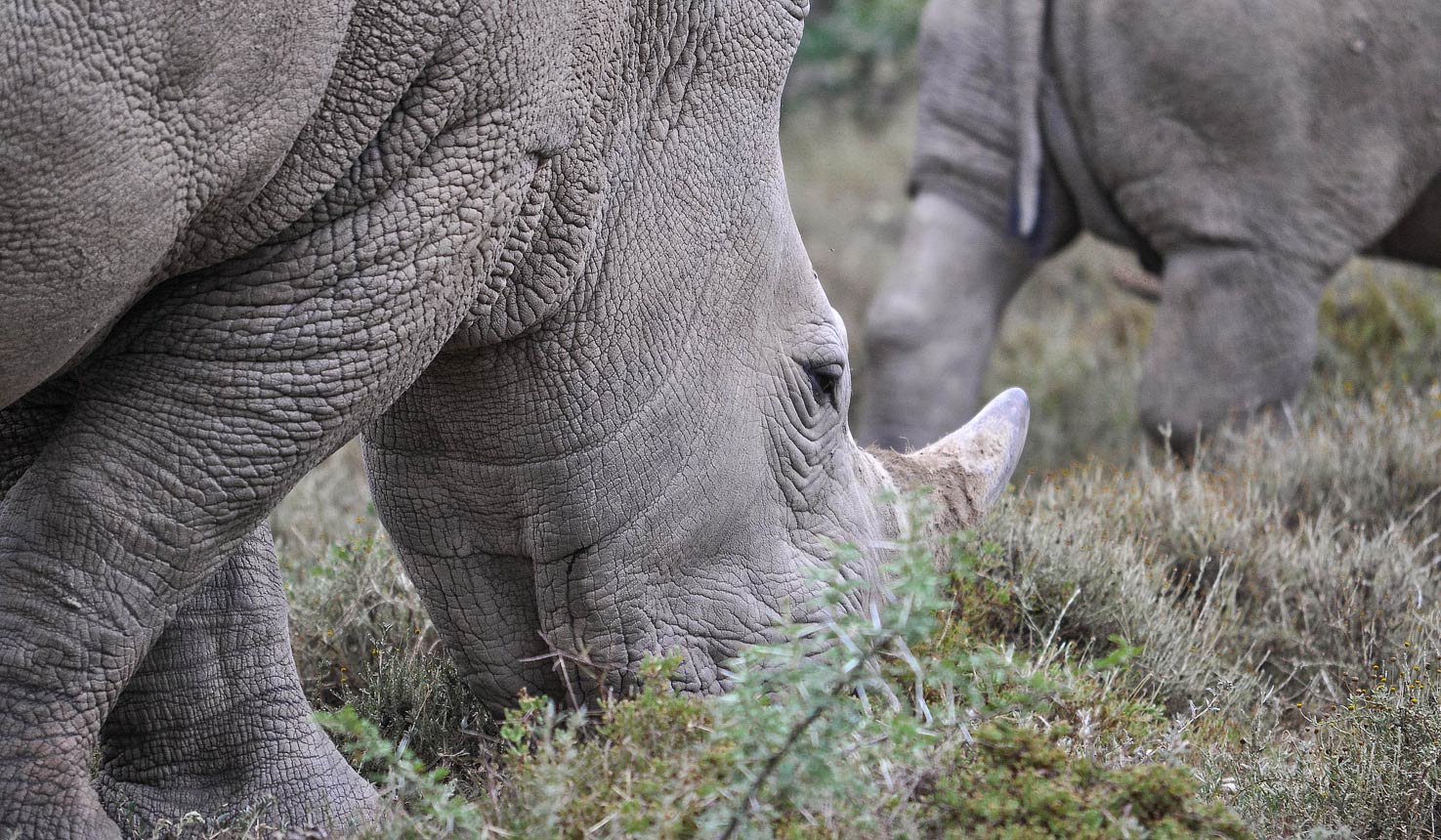
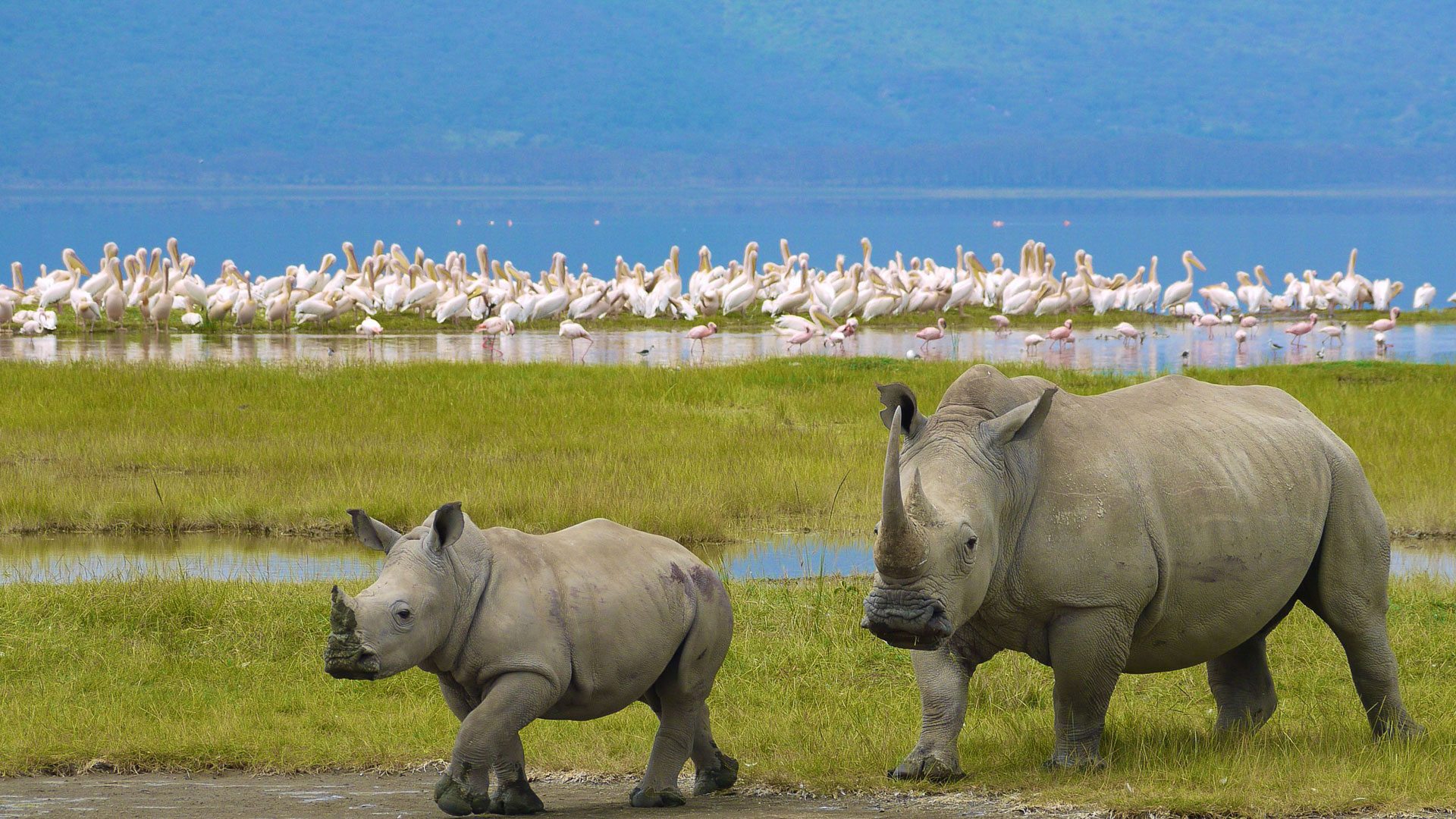
The park’s two rhino species are its headline act for many visitors. Both black and white rhinos occur here in numbers that make sightings far more reliable than in most East African parks. The white rhino, reintroduced from South Africa, grazes the open grasslands and is frequently seen in the late afternoon near the lake’s southern shore. The black rhino, smaller and more solitary, favours the denser thicket country on the escarpment slopes and requires more patience, but the park’s compact size makes dedicated rhino tracking a realistic proposition.

Lions and leopards are both resident and well-habituated to vehicles. The Nakuru lion prides, having no way to range beyond the park boundary, are among the most reliably located in Kenya. Leopard sightings, particularly in the yellow fever tree woodland near the lakeshore, are more frequent here than in many larger parks where cats can cover vast distances and become almost impossible to find.

🦁
Lion
Common
🦏
White Rhino
Common
🐆
Cheetah
Common
🦩
Lesser Flamingo
Common
🐃
Buffalo
Abundant
🦓
Zebra
Abundant
🦛
Hippo
Common
🐒
Baboon
Common
🐕
African Wild Dog
Rare
🦏
Black Rhino
Occasional
🐺
Hyena
Common
🐦
Pelican
Common

Kenya’s Most Reliable Rhino Sanctuary

Lake Nakuru holds a distinction that no other park in Kenya can quite match: it is the most reliable place on the continent to see both black and white rhino in a single game drive. The park’s fully fenced perimeter, combined with decades of dedicated anti-poaching effort, has created a sanctuary where rhino populations have grown steadily, and sightings are genuinely predictable rather than a matter of luck.

The white rhino is the more commonly encountered of the two — these are large, placid grazers that congregate on the open grasslands near the southern lakeshore, often in groups of three or four. Getting out of the vehicle within a safe perimeter to observe them on foot is one of Nakuru’s signature experiences, offered at designated points within the park. The black rhino is a different proposition entirely: solitary, secretive, and considerably more alert to human presence. Tracking a black rhino through the thicket country on the escarpment slopes, reading fresh spoor and broken vegetation with a KWS ranger, is an experience that belongs in a different category from anything a vehicle-based game drive can offer.

For travellers completing a Kenya circuit, Lake Nakuru’s rhino guarantee is invaluable — it closes the Big Five on an itinerary that might otherwise have left rhino as an unlikely hope rather than an achieved sighting.

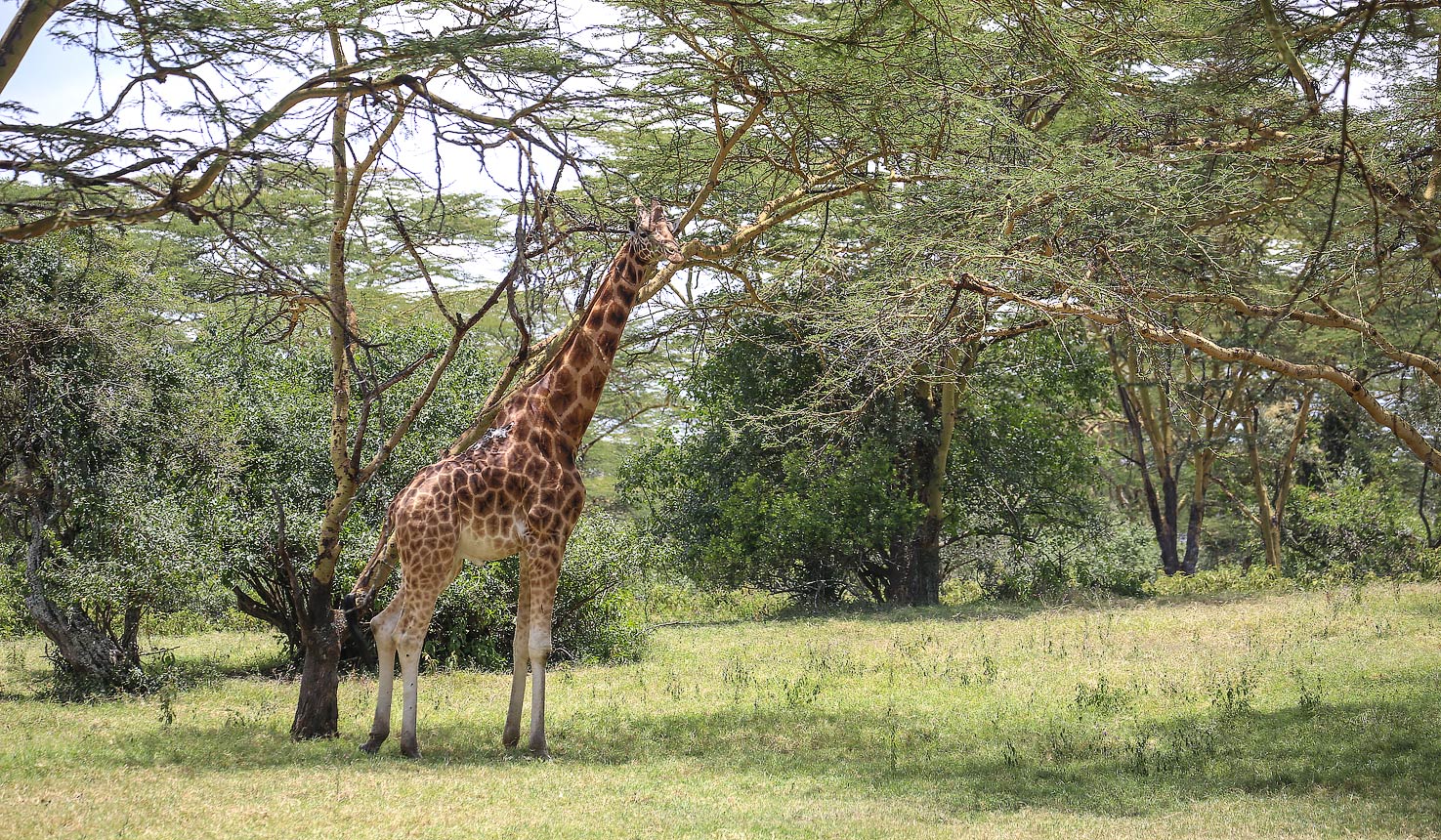
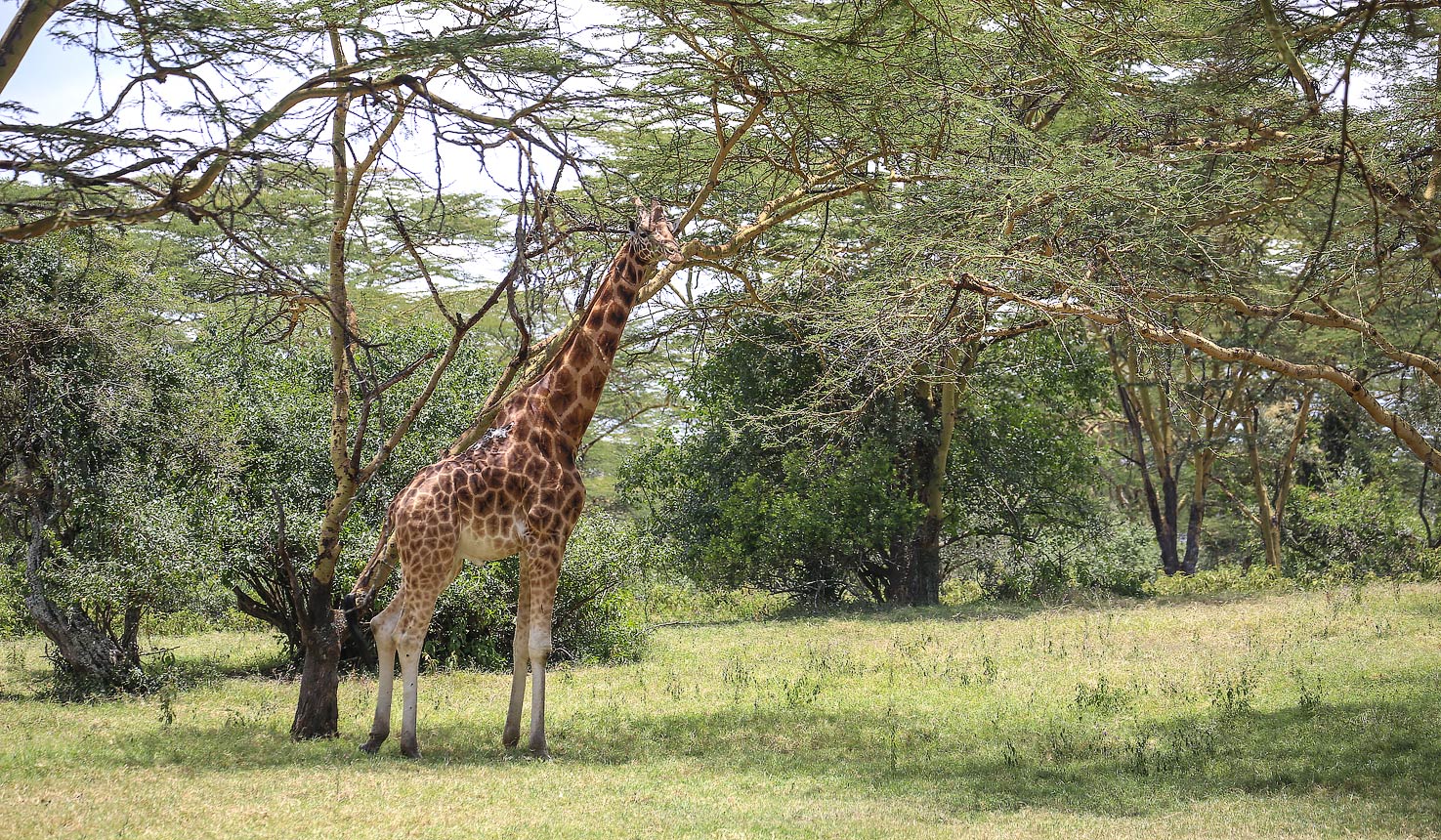
⭐ Special Species: Lake Nakuru is one of very few parks in Kenya where both black and white rhino can be seen reliably. It also hosts Kenya's most significant population of Rothschild's giraffe — one of the world's most endangered giraffe subspecies — reintroduced here from Soy and now thriving. The Pels fishing owl, African fish eagle, and Goliath heron are among the lakeshore's most sought-after bird sightings.

Landscape & Ecosystem

Lake Nakuru sits in one of the most dramatic settings in East Africa. The Rift Valley walls, ancient fault escarpments that frame the lake on its eastern and western edges, rise steeply from the lakeshore and look out across the entire Rift Valley floor. From the Baboon Cliff viewpoint or the Lion Hill ridge, the lake spreads out below like a pale mirror, its edges occasionally blurred pink with flamingos, the surrounding woodland dark green against the ochre grasslands beyond.

The lake itself is alkaline and relatively shallow, its chemistry driven by the volcanic rocks of the Rift Valley and the underground springs that feed it. Water levels fluctuate significantly between seasons and across years — in the late 1990s and early 2000s, rising lake levels actually submerged the yellow fever tree forests along the shore, creating the ghostly bleached trunks that remain visible today. Since the mid-2010s, levels have stabilised, and the shoreline ecology has partially recovered.

The yellow fever tree woodland — named for the malaria that early European settlers mistakenly attributed to the trees rather than the mosquitoes beneath them — is Nakuru’s most distinctive habitat. These tall, flat-topped acacias with their distinctive lime-green bark line much of the lakeshore and provide habitat for leopard, olive baboon, and an extraordinary concentration of raptors and kingfishers. Walking through this woodland with a guide, the calls of fish eagles overhead and the distant murmur of flamingos on the water, is one of East Africa’s more atmospheric experiences.

Above the woodland, the terrain rises through open grassland and rocky outcrops to the Mau Escarpment forest on the park’s western boundary. This forest zone — cooler and denser than the lowland habitats — supports black-and-white colobus monkeys, bushbuck, and a separate bird community from the lakeshore. The contrast between these habitat zones, all accessible within a single morning’s drive, is what makes Nakuru’s wildlife diversity so remarkable given its compact size.

The park’s alkaline lake also supports an enormous bloom of blue-green algae (Arthrospira fusiformis) during warm, stable weather — the primary food source for the lesser flamingo. When algae productivity is high and water levels are right, flamingo numbers can reach into the hundreds of thousands. When the lake’s chemistry shifts, the flamingos move to other Rift Valley lakes — Bogoria, Magadi, Natron — and the shoreline belongs instead to vast flocks of pelicans, cormorants and other waterbirds that find different food sources in the changed water.

Experiences & Activities

Nakuru rewards a slower pace. Its compact size makes it possible to cover the entire park in a single day, but the wildlife density means there is always a reason to stop, wait, and watch — and those who linger invariably see more than those who rush.

When to Visit Lake Nakuru National Park

Lake Nakuru rewards visits year-round, but two distinct dry seasons offer the best conditions for both wildlife viewing and the flamingo spectacle that defines the park’s reputation.

June to October is the main dry season and the park’s peak period. Vegetation thins, game concentrates on predictable water sources, and the rhinos are most easily found on the open grassland near the lake’s southern shore. Lion activity increases as prey animals concentrate, and the cool, clear evenings make for excellent photography from the escarpment viewpoints. This period overlaps with the peak Great Migration season in the Maasai Mara, making it easy to combine both parks on a single Kenya circuit.

January to March is the short dry season — quieter in terms of visitor numbers but equally rewarding for wildlife. The flamingo spectacle is often at its most reliable in February and March when lake levels stabilise after the short rains. Rothschild’s giraffe move down to the lakeshore, rhinos are active in the morning, and the bird diversity is exceptional with Palearctic migrants still present. Lodge rates are generally lower than peak season.

April and May bring the long rains. The park greens dramatically, bird diversity peaks further as residents begin nesting, and the landscape takes on a richness that the dry season months don’t offer. Game viewing becomes harder as vegetation thickens, and some tracks become impassable in heavy rain. For those focused on birding or landscape photography, the wet season has genuine appeal.

One variable that distinguishes Nakuru from other parks is the flamingo population, which is influenced by lake water chemistry rather than rainfall alone. We monitor conditions closely and can advise on current flamingo numbers when planning your visit.

Best Months to Visit

January
February
March
April
May
June
July
August
September
October
November
December

Safaris Featuring Lake Nakuru

Lake Nakuru sits naturally on Kenya's most travelled safari circuit — between Nairobi and the Maasai Mara, with easy connections to Samburu, Laikipia and the Rift Valley lakes. Every African Trails itinerary through Nakuru is built around your pace and priorities.

Explore More Parks in Kenya

Frequently Asked Questions

When is the best time to see flamingos at Lake Nakuru?

Flamingo numbers at Lake Nakuru are driven by the lake’s water levels and algae productivity rather than rainfall seasons alone, which makes them harder to predict than most wildlife events. Generally, January to March — when water levels stabilise after the short rains — tends to produce the largest and most reliable concentrations. We monitor conditions in the park closely and will always brief you on current flamingo numbers before your visit so you can set realistic expectations.

Can you see rhino reliably at Lake Nakuru?

Yes — Lake Nakuru is the most reliable rhino destination in Kenya. The park is fully fenced, and both black and white rhino populations are well established and growing. White rhino sightings are particularly consistent, especially on the open grassland near the southern lakeshore in the early morning and late afternoon. Black rhinos are more elusive, but dedicated tracking with a KWS ranger significantly improves your chances. For clients for whom rhino is a priority Big Five tick, Nakuru is our first recommendation.

Is Lake Nakuru suitable for a day trip from Nairobi?

It is possible as a day trip — around three hours’ drive each way — but we don’t recommend it. A single day doesn’t allow enough time to cover the park properly, and the early morning and late afternoon game drives, which are when the rhino and big cats are most active, are what make Nakuru exceptional. A minimum of two nights gives you three full game drives, enough to see the park properly and leave time for the escarpment viewpoints. Many of our Kenya circuits spend two nights at Nakuru en route between Nairobi and the Mara.

Does Lake Nakuru have the Big Five?

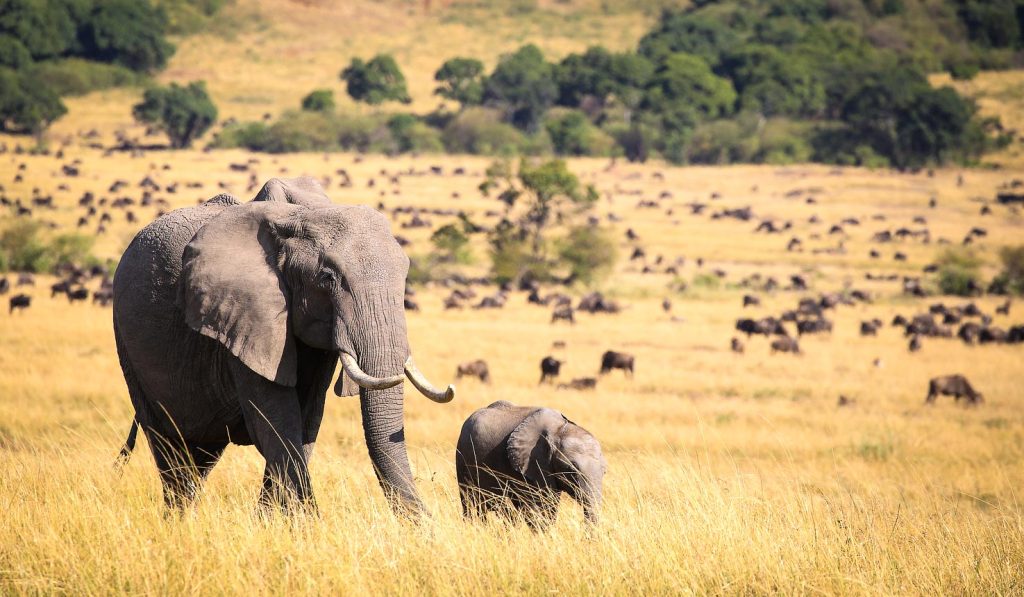
Lake Nakuru has four of the Big Five reliably: lion, leopard, buffalo and rhino (both species). Elephant is the exception — the park’s compact size and fenced perimeter mean elephants are not resident, though this is rarely a disappointment given the exceptional density of everything else. For clients wanting to complete the full Big Five on a Kenya circuit, we typically combine Nakuru with the Maasai Mara (lion, leopard, buffalo, elephant) and Ol Pejeta (black rhino) to guarantee all five species.

How long should I spend at Lake Nakuru?

Two nights is the sweet spot for most travellers — enough for a full afternoon drive on arrival, an early morning drive the following day, and a leisurely mid-morning session before departing. Three nights allows more time on the escarpment, a dedicated rhino-tracking walk, and time to wait out conditions for the best flamingo light. Lake Nakuru works particularly well as part of a broader Kenya circuit — we typically position it between Nairobi and the Mara, or combined with Samburu and Laikipia for a northern Kenya extension

Plan Your Visit to Lake Nakuru National Park

Our safari specialists are ready to craft your perfect wildlife experience

Scroll to Top