7 Days
The Fairmont Adventure
Nairobi, Mount Kenya, Maasai Mara

Start Planning Your Tailor-Made Journey
🔒 Your details are kept private and never shared with third parties.
Where the Born Free Story Began, and Africa Still Runs Wild
Some parks are easy to love, and then there is Meru. Remote, quietly demanding, and entirely unwilling to perform for you, it is a park that rewards patience in a way very few places in Kenya still can. You will have the riverine forest to yourselves. You will watch a herd of elephants cross the Tana at dawn with no other vehicle in sight. You will understand, perhaps for the first time, what African wilderness actually means.
Meru National Park sits in central Kenya, northeast of Mount Kenya, at an elevation that keeps it warmer and drier than the highlands to the south. Thirteen rivers thread through its 870 square kilometres, feeding stands of doum palm and dense riverine forest before giving way to open acacia woodland and rolling savannah. It is a park of extraordinary contrast, lush green corridors giving way to semi-arid plains within a single drive.
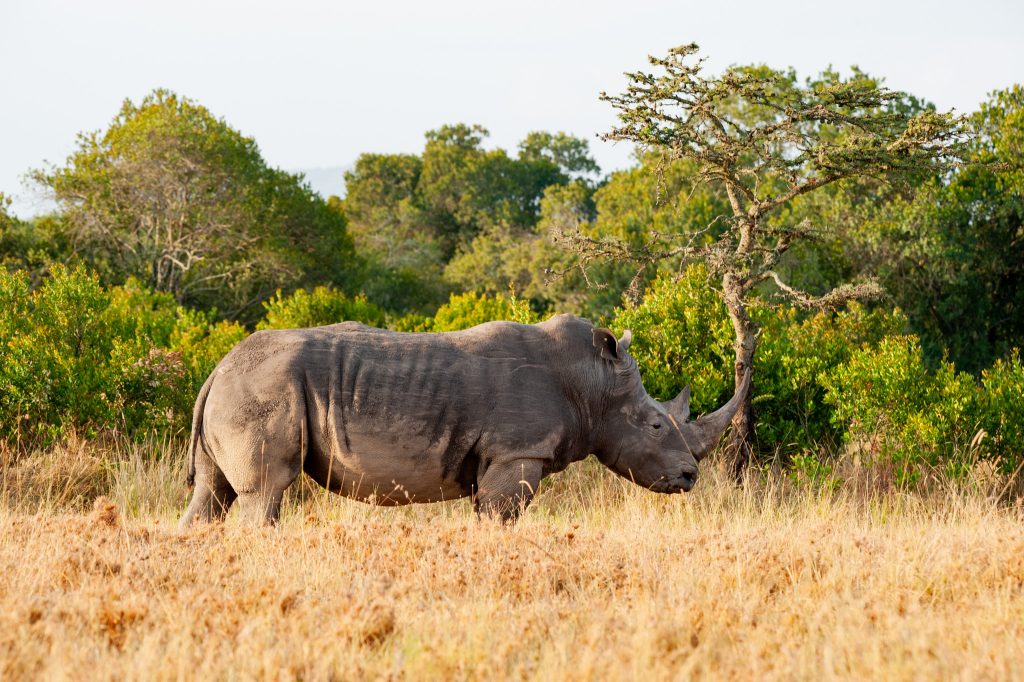
The park’s story is inseparable from that of Joy and George Adamson, who raised a lion cub here in the 1960s and wrote Born Free, the book that shaped the world’s understanding of wild Africa. Elsa the lioness was released back into Meru’s wilderness in 1956, and her legacy still defines the park’s spirit: a belief that wild animals belong in wild places. Today, a protected rhino sanctuary within the park carries that legacy forward, sheltering both black and white rhino in one of Kenya’s most successful reintroduction programmes.
After years of devastating poaching in the late 1980s and 1990s, Meru underwent a quiet renaissance from 1999 onwards. The result is a park that feels genuinely discovered rather than overrun, a place where the infrastructure is excellent, the wildlife dense, and the only thing in short supply is other tourists.
International Adult: USD $70 per day
International Child (3–18 yrs): USD $35 per day
Vehicle fee: USD $3.50 per day
Fees are subject to change. Current rates confirmed at booking.
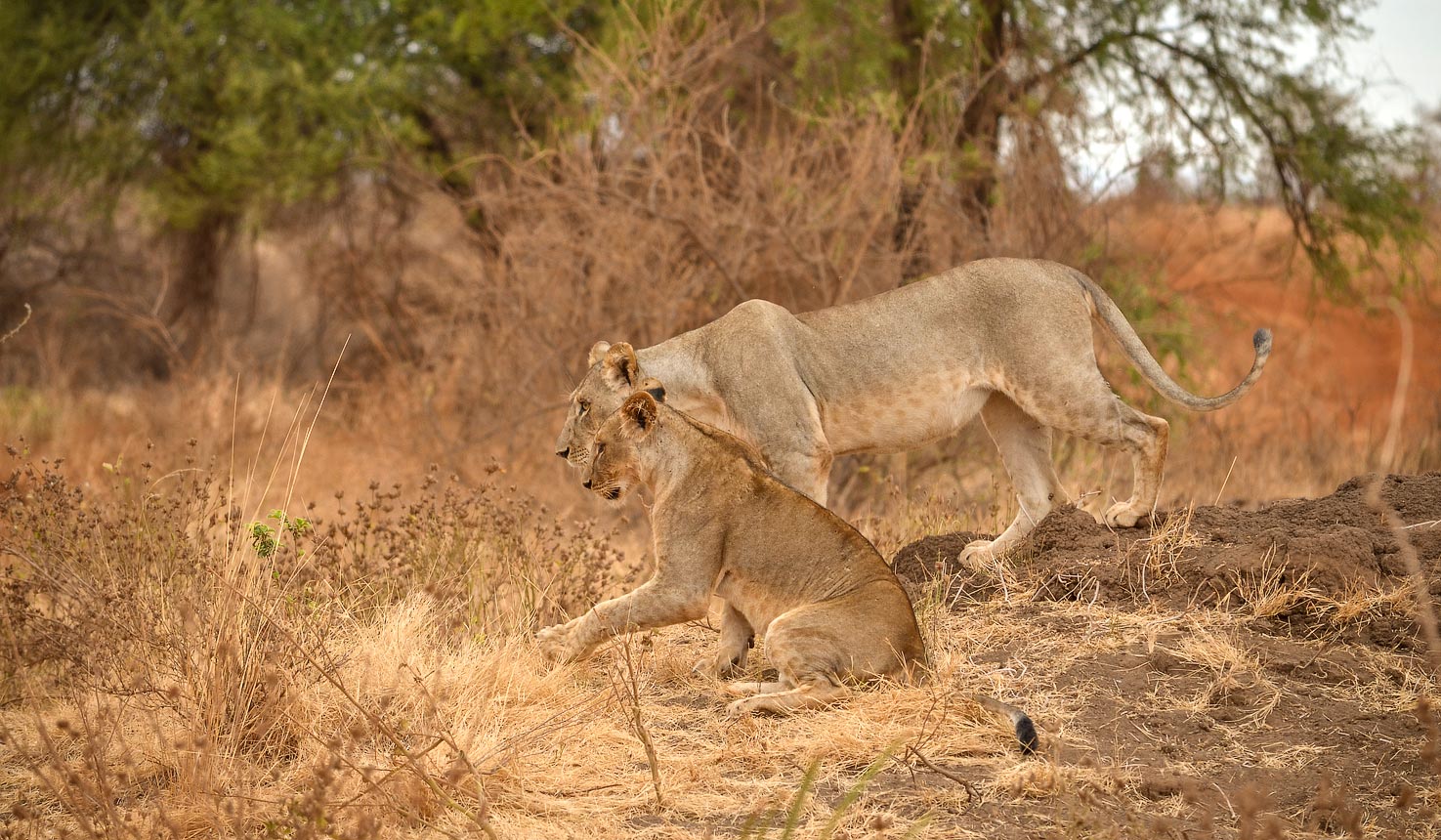
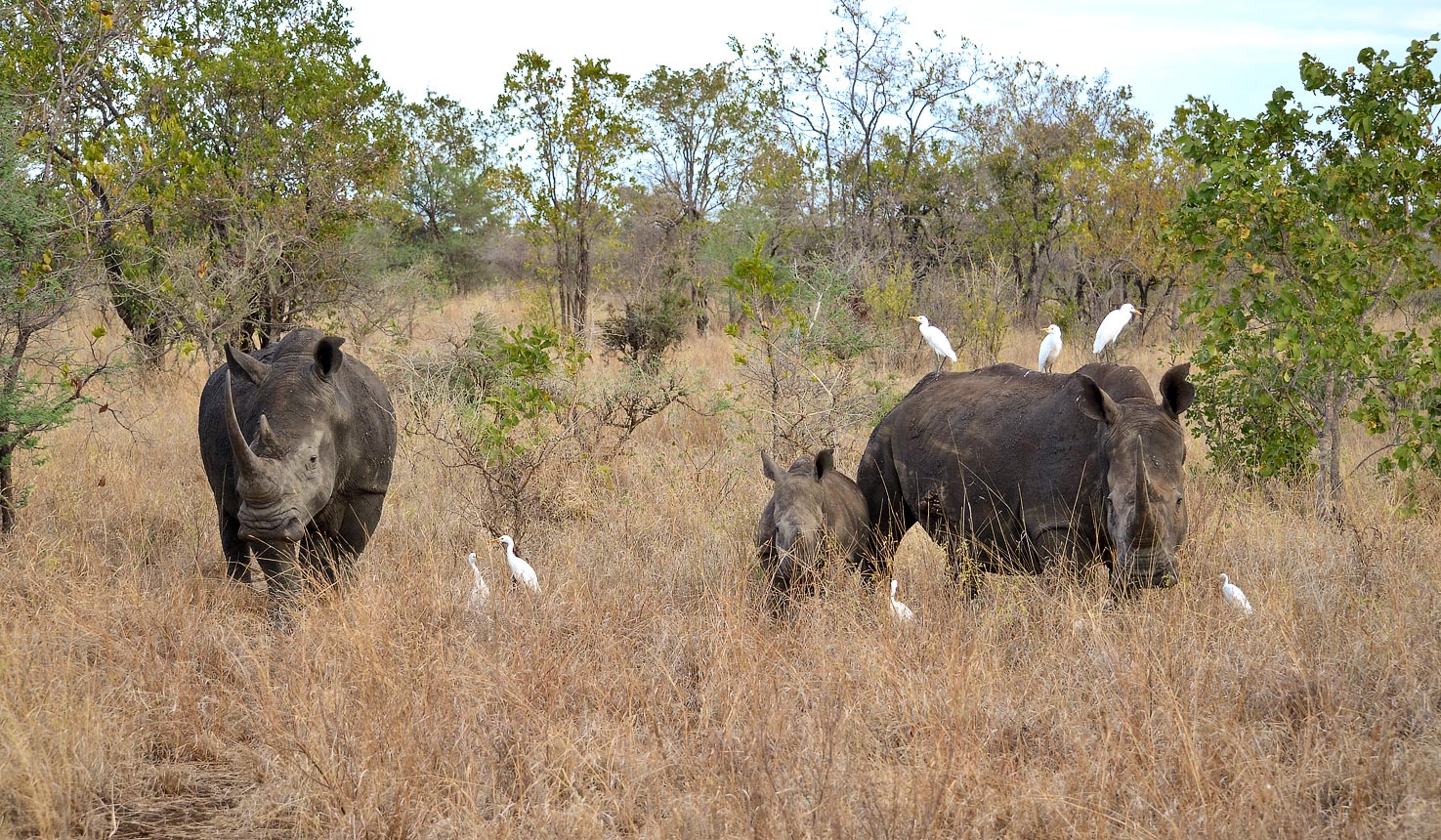
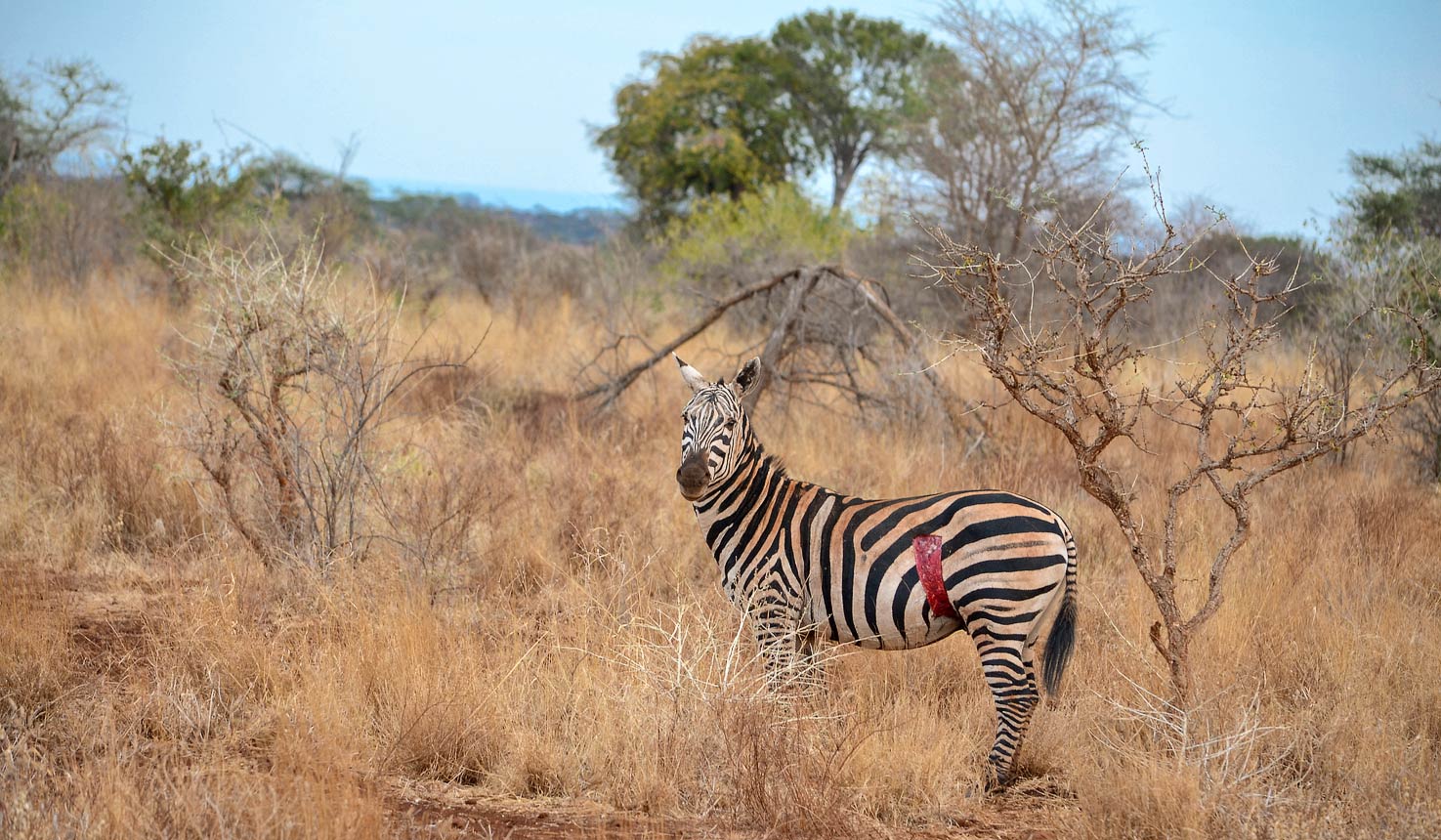
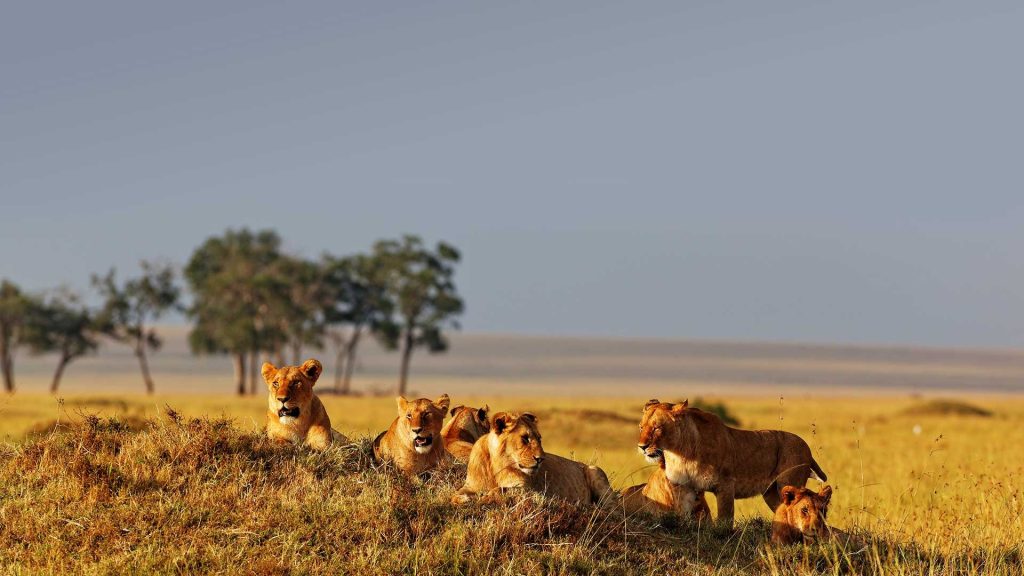
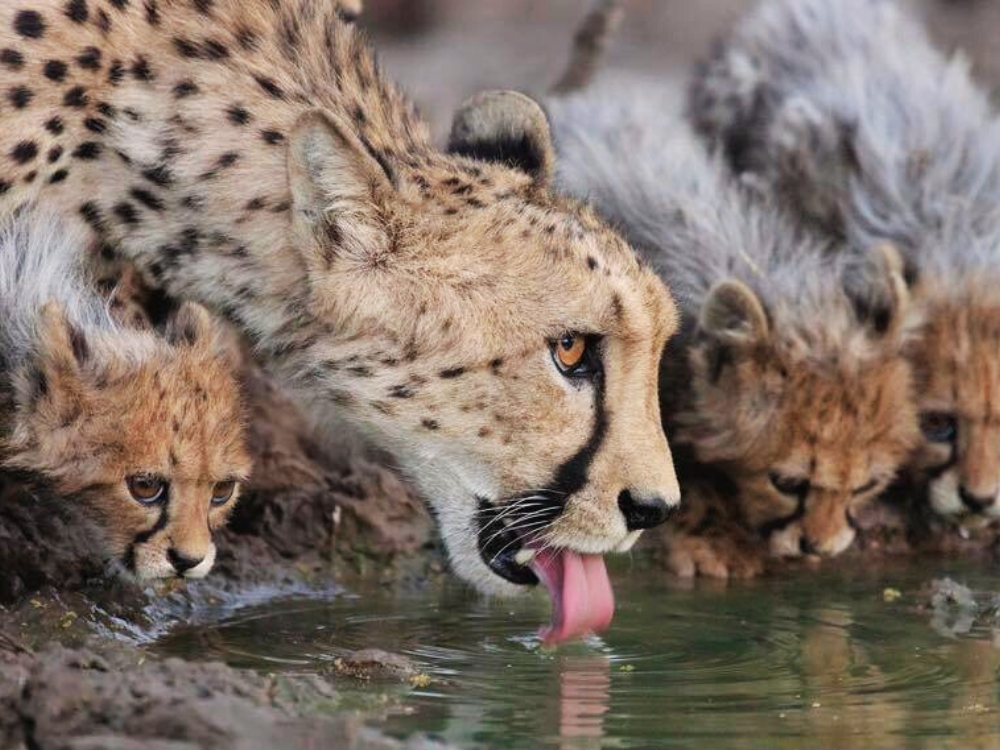
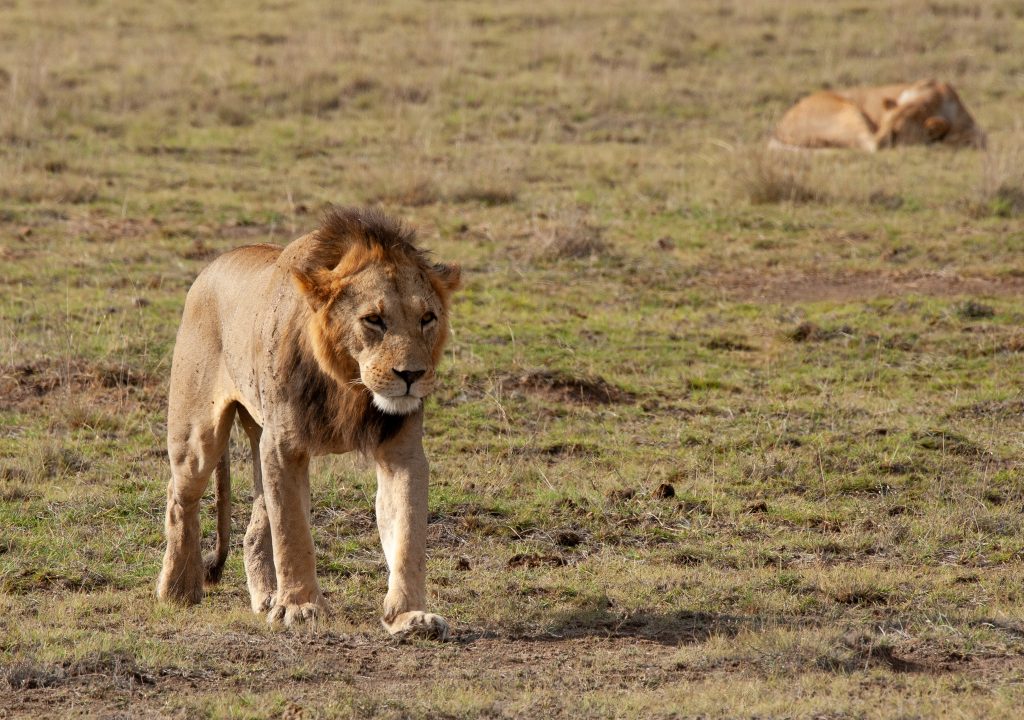
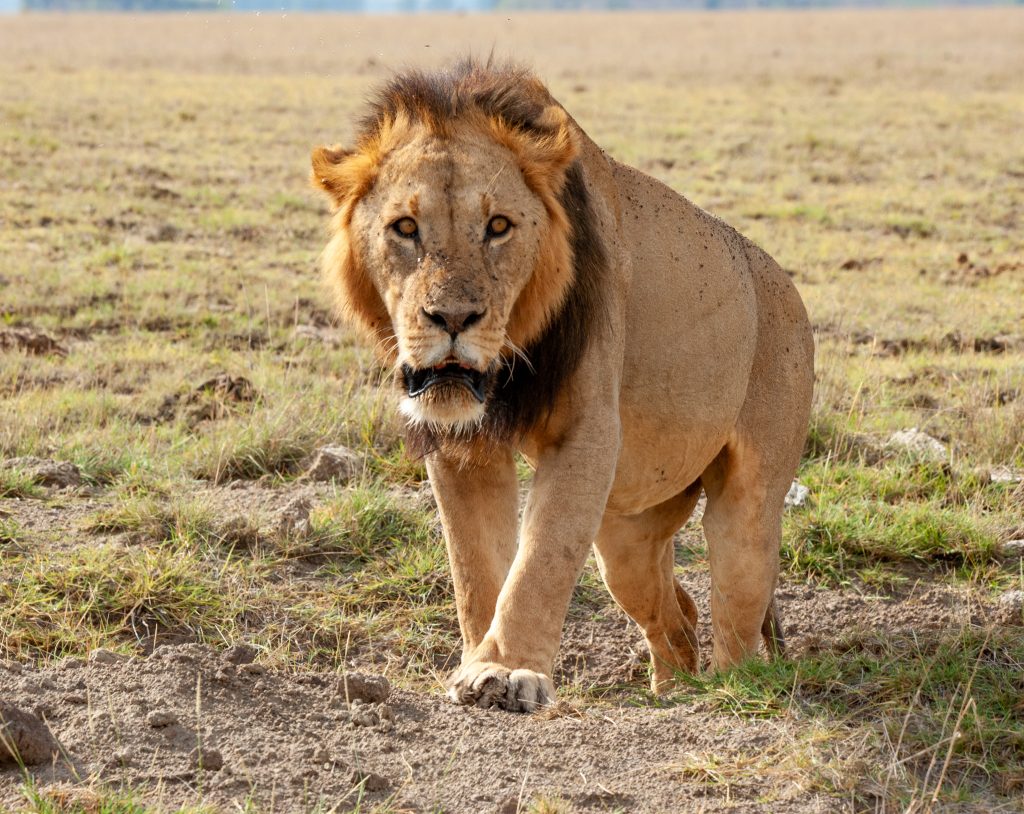
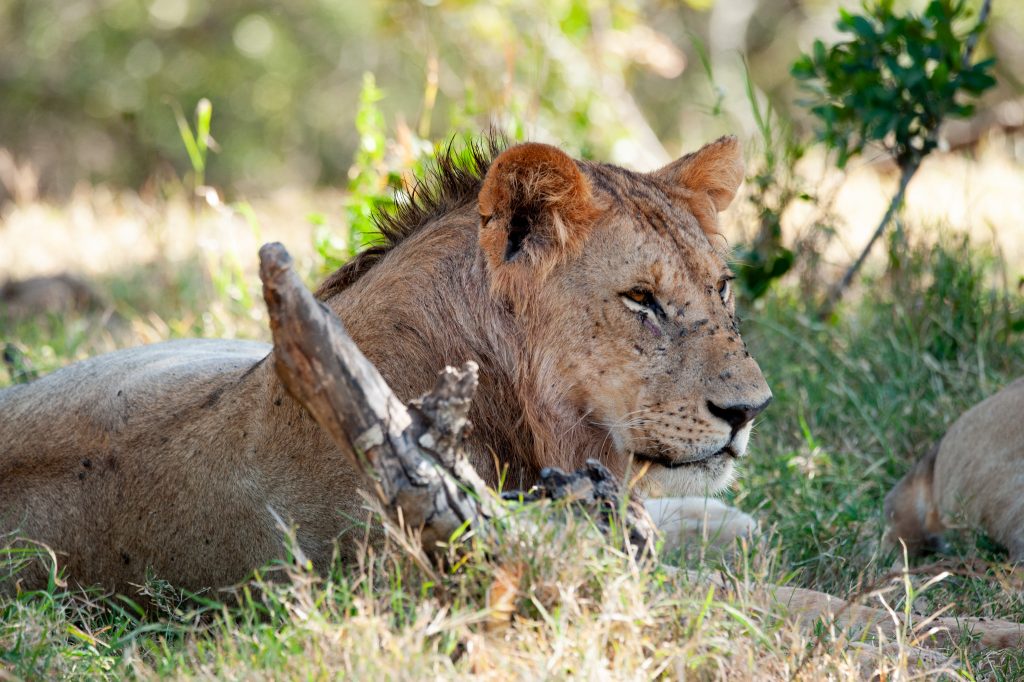
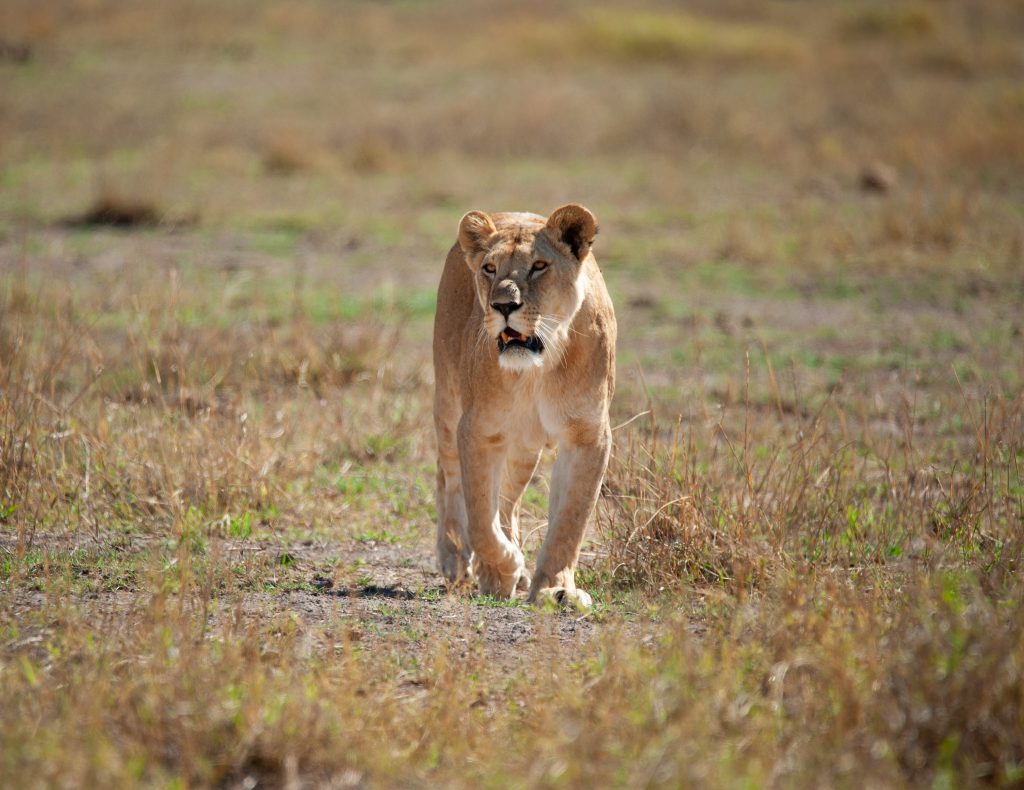
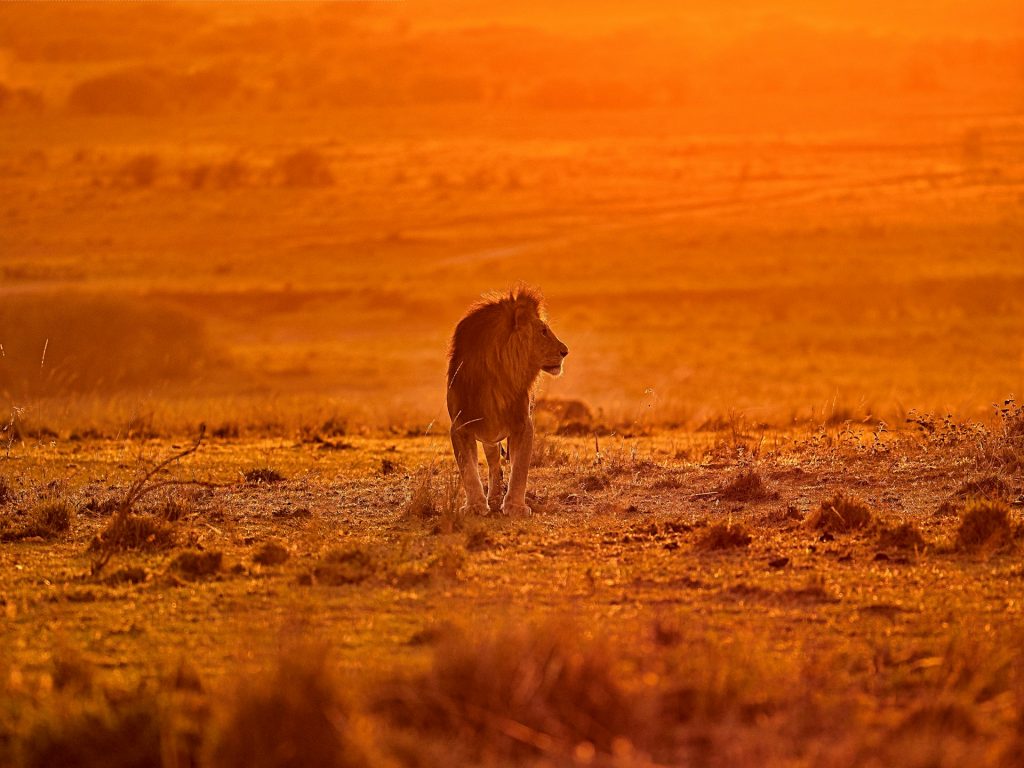
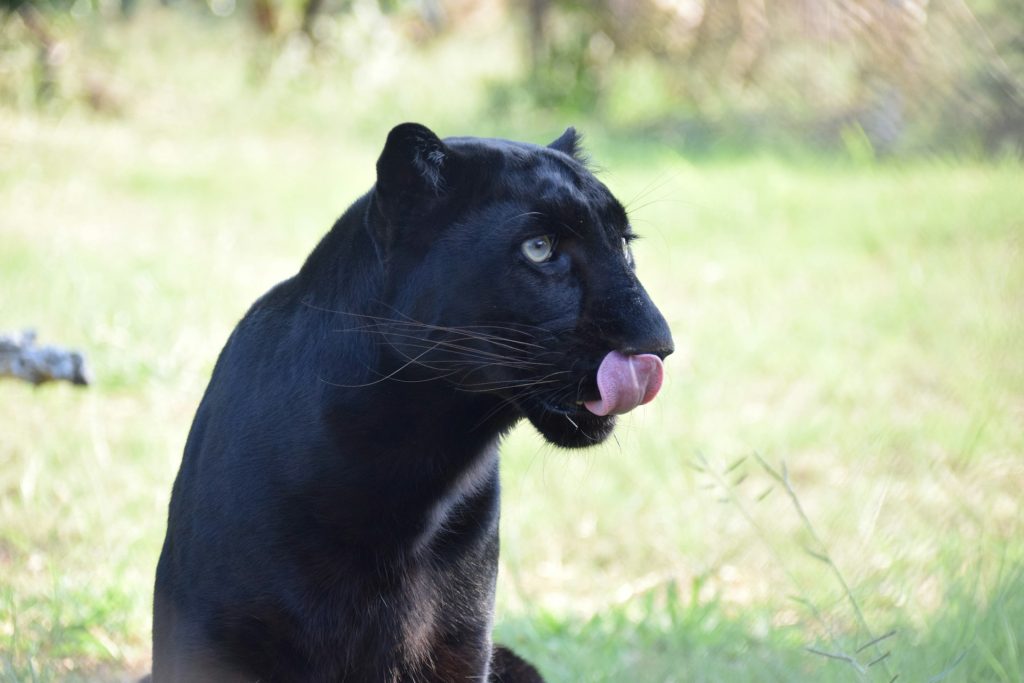
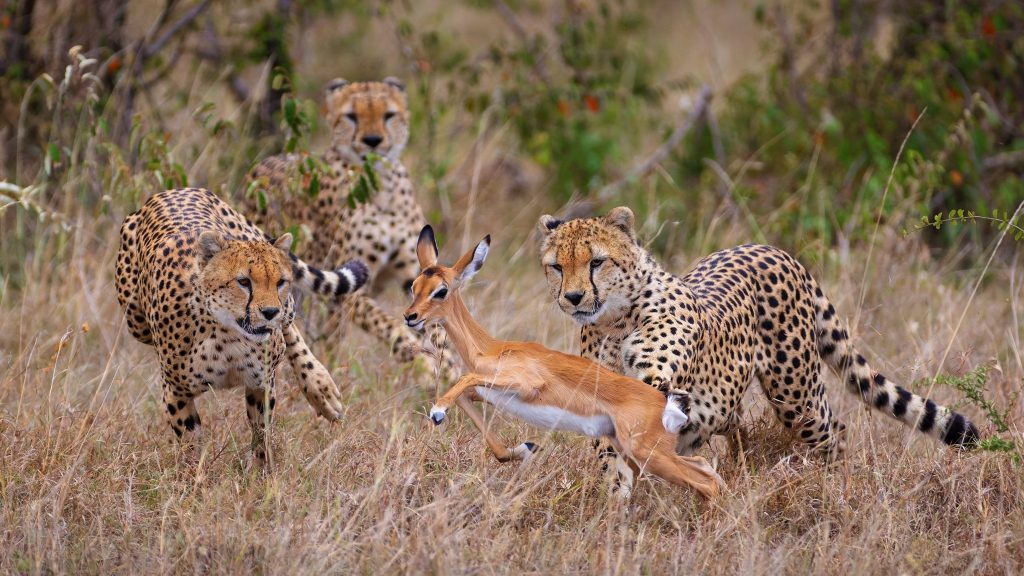
Meru punches well above its weight in terms of wildlife diversity. The combination of riverine corridors, open savannah, and semi-arid scrubland creates a range of habitats that supports species rarely found together in a single park. It is one of very few places in Kenya where you can track rhino in the morning, watch cheetah hunt at midday, and fall asleep to lions calling across the Tana River at night.
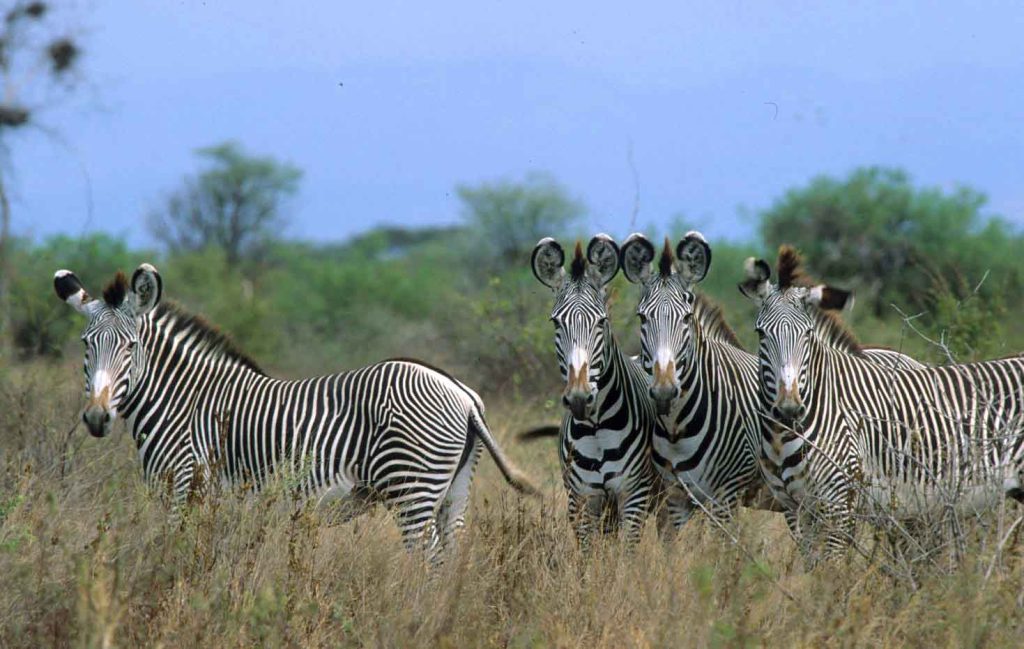
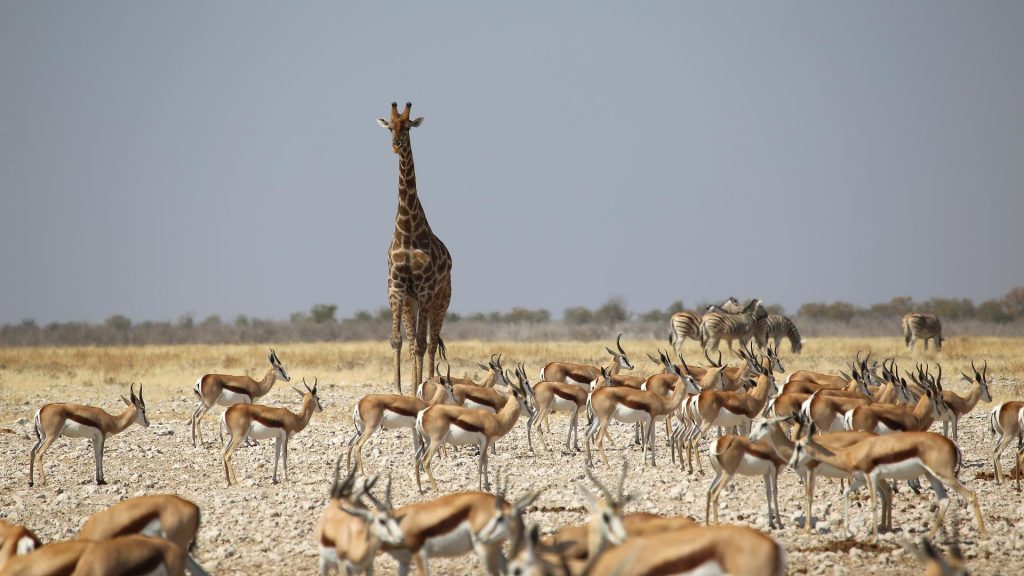
Northern Kenya specialists, the reticulated giraffe, Grevy’s zebra, and gerenuk, share the landscape with classic safari species, giving Meru a distinctly different character from the parks of southern Kenya. For travellers who have done the Mara or Amboseli and want something richer, more textured, and considerably quieter, Meru is the answer.





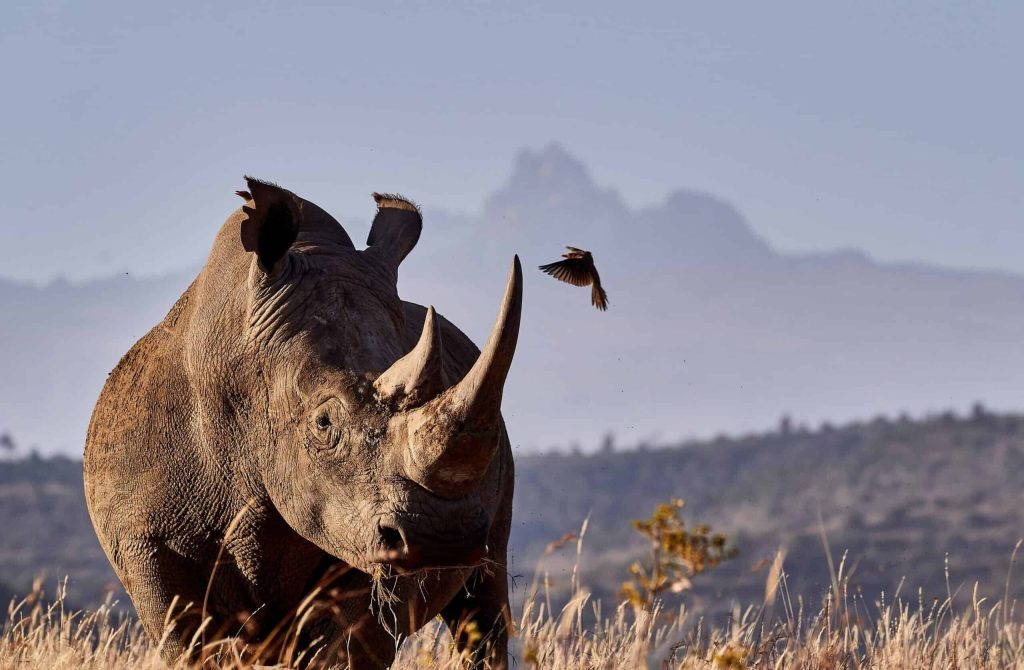
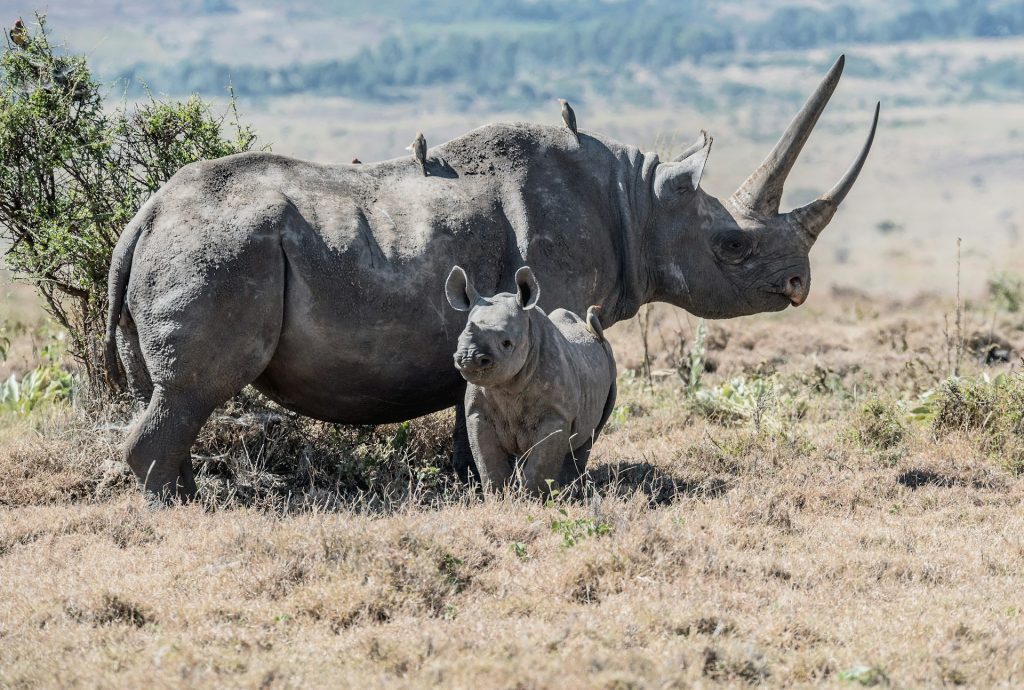
Meru’s Rhino Sanctuary is one of the most significant conservation achievements in Kenya. Established as part of the park’s rehabilitation in the late 1990s, the sanctuary now protects a growing population of both black and white rhino within a fenced area of the park — a rarity even by East African standards. Guided rhino tracking on foot, with KWS rangers, brings you close to animals that have been slowly habituated to human presence. It is one of the most quietly powerful wildlife experiences in Africa.
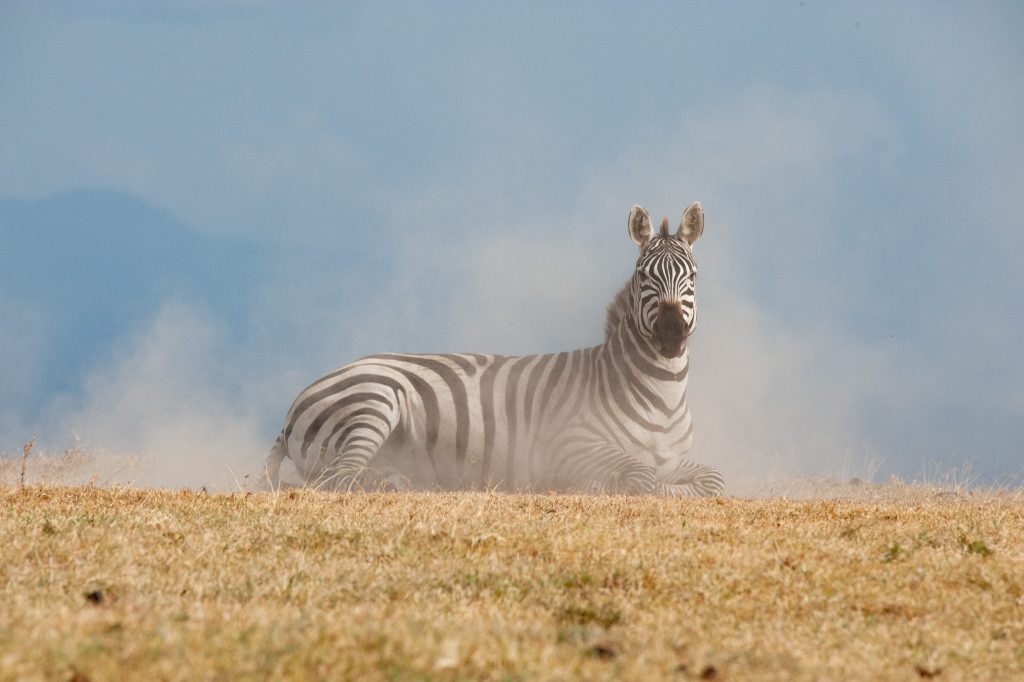
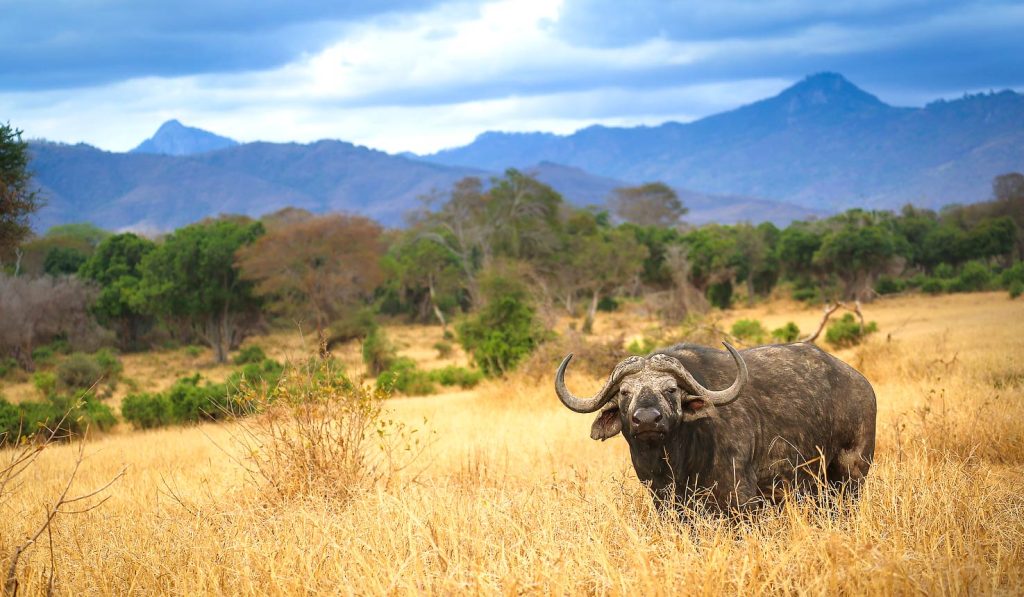
Special Species: Grevy's Zebra, Reticulated Giraffe, and Gerenuk — three northern Kenya specialists rarely found south of the equator, all present in Meru alongside the Big Five. One of the few parks in the world where all five can be seen on a single drive.
Meru’s landscape is one of the most varied of any park in Kenya, shaped by the convergence of thirteen rivers — including the Tana, the longest river in the country, and the transition from the humid highlands of Mount Kenya’s lower slopes to the semi-arid plains of northern Kenya.
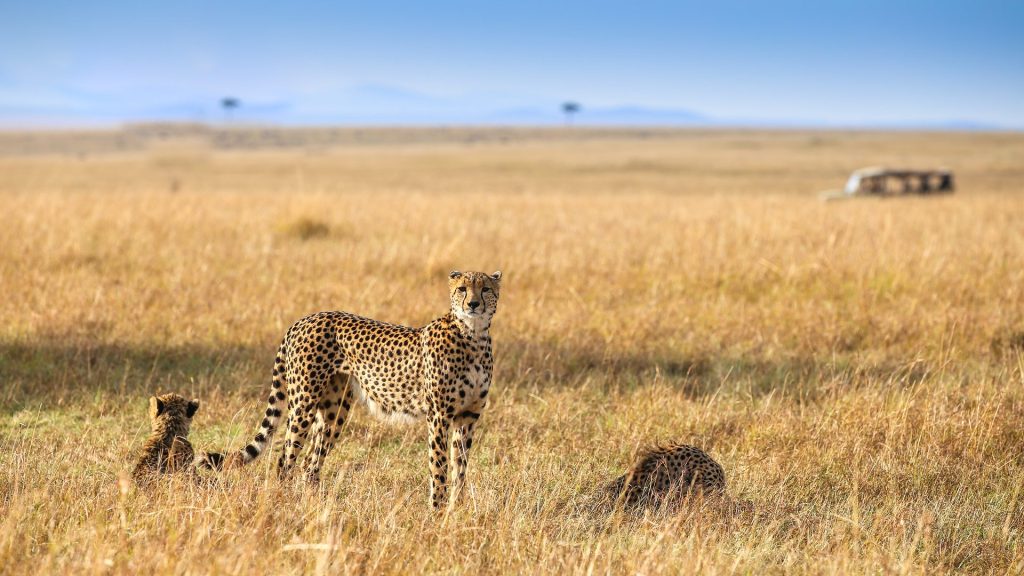
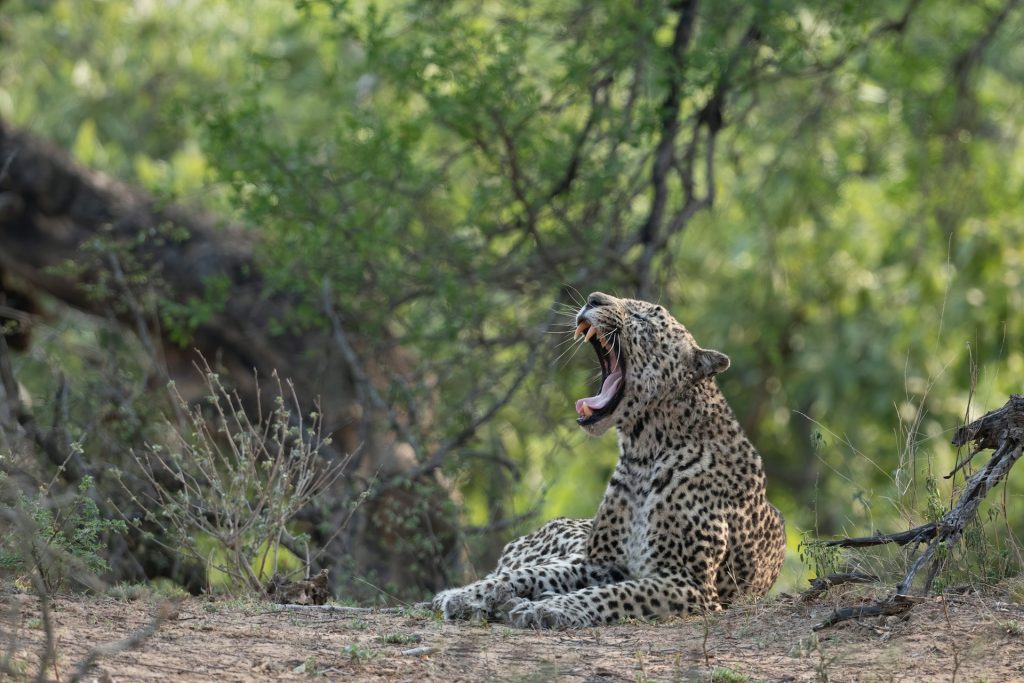
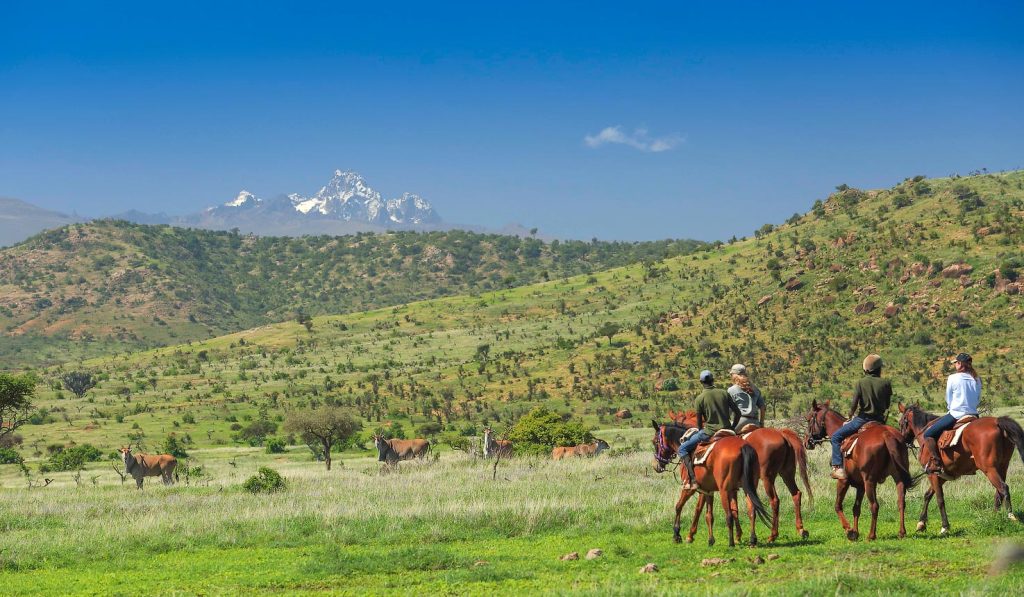
The southern reaches of the park are defined by riverine forest, dense, green corridors of doum palm, wild fig, and tamarind that follow every watercourse and provide shelter for leopard, bushbuck, and hundreds of species of birds. Step away from the rivers and the landscape opens into broad grasslands and acacia woodland, where elephant herds move in slow processions and cheetah use termite mounds as vantage points.
Towards the north, the terrain shifts again: drier, more open, scattered with sansevieria and commiphora scrub. This is Grevy’s zebra and reticulated giraffe country — a landscape that feels closer to the arid Horn of Africa than to the lush highlands an hour’s drive south. The contrast makes Meru one of the most photogenic parks in Kenya, particularly in the long golden light of the dry season.
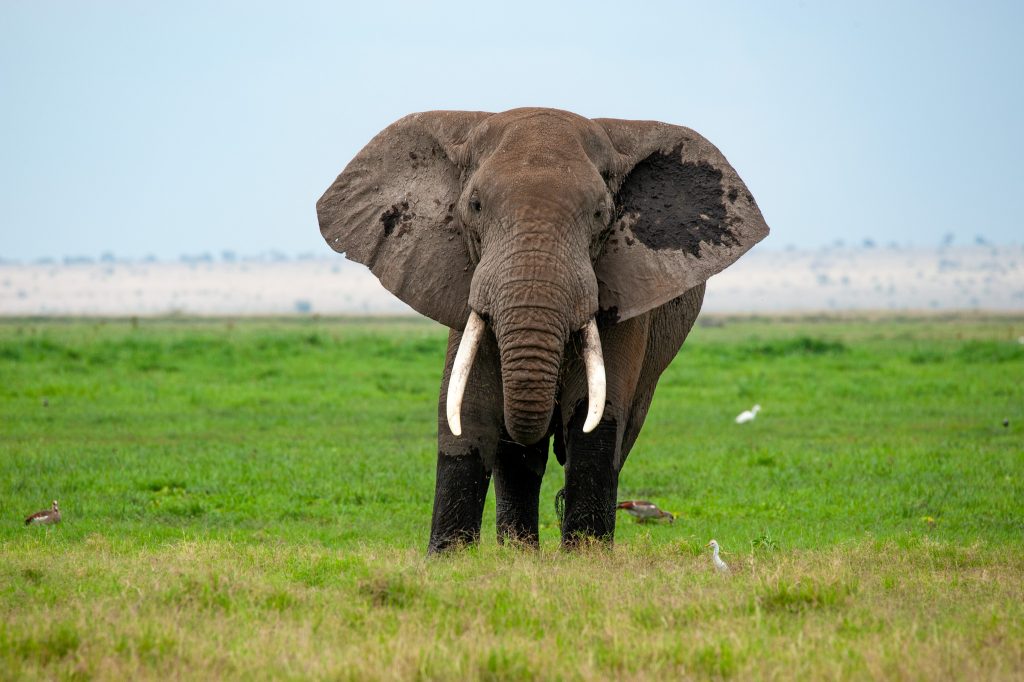
The Tana River itself is a spectacle at any time of year. Wide, muscular, and studded with sandbanks where Nile crocodile lie motionless in the sun, it forms the park’s southern and eastern boundary. Elephant crossings, sometimes involving whole breeding herds of forty or more, are among the most arresting sights available to any safari guest anywhere in Africa.
From guided rhino tracking to dawn drives along the Tana, Meru offers encounters that feel genuinely personal — rarely shared with more than one other vehicle.
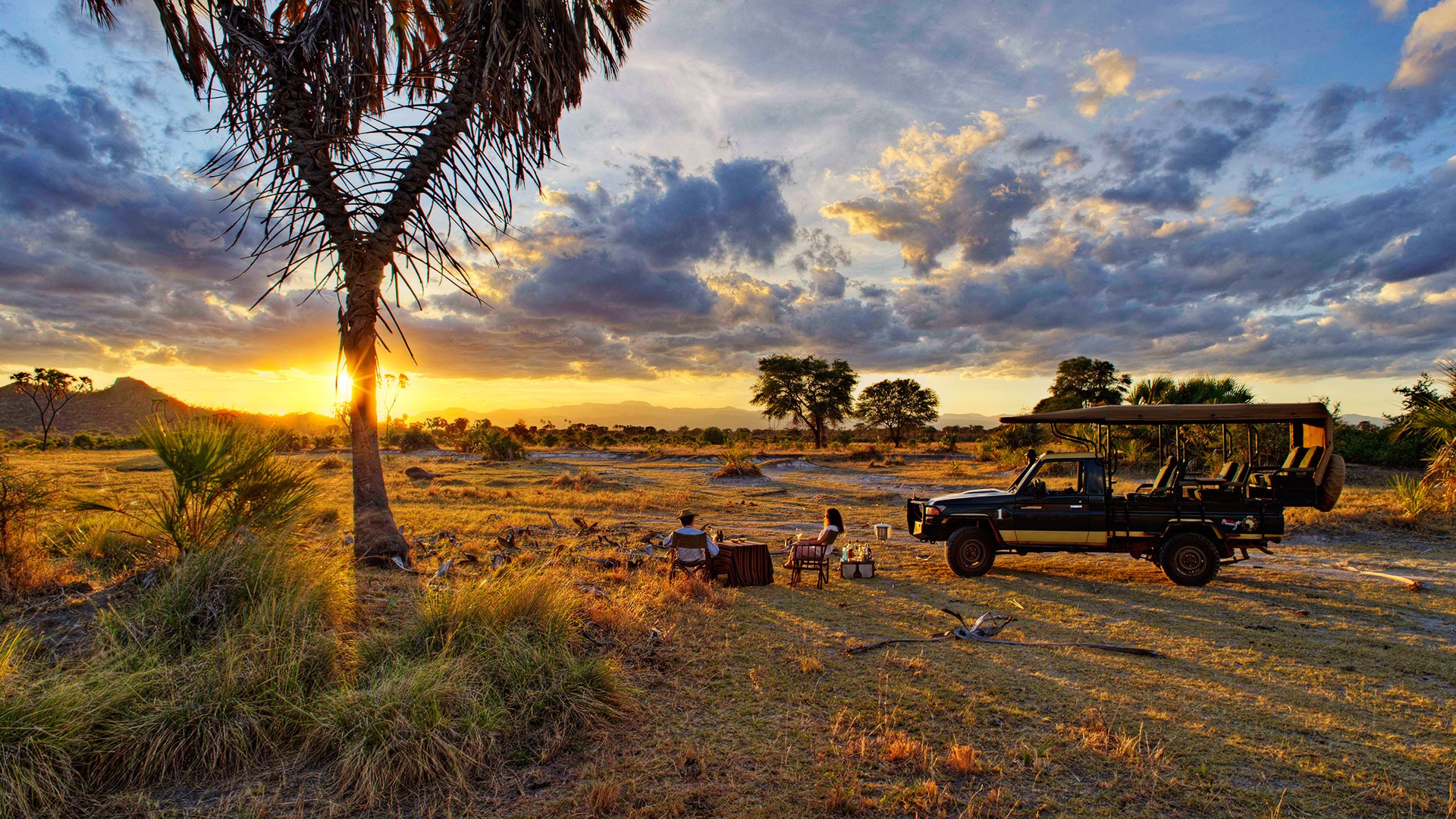
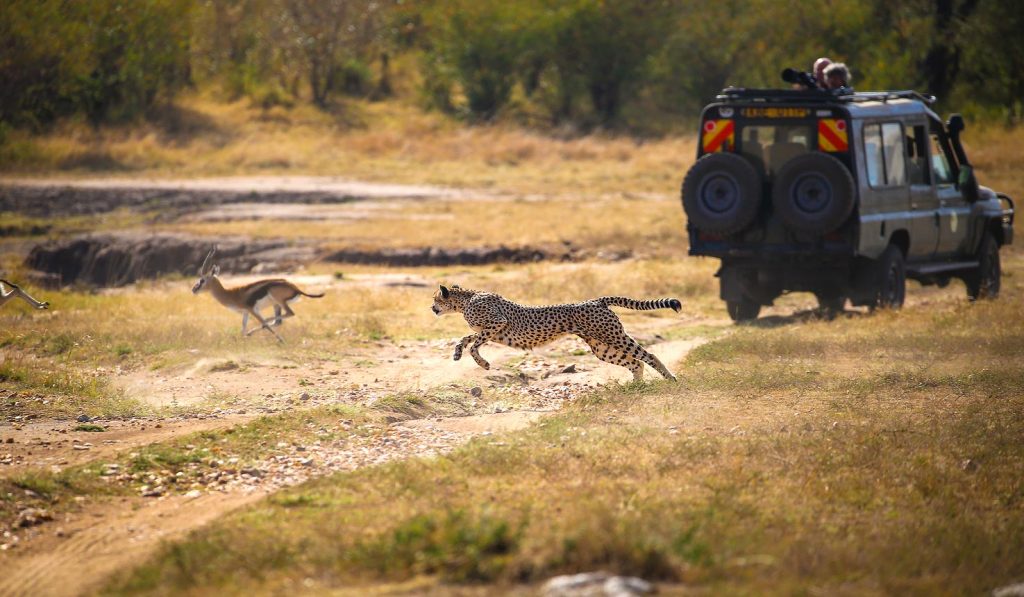
The classic Meru experience — and far from ordinary. With significantly lower vehicle numbers than the Mara or Amboseli, drives here rarely involve any waiting. Morning drives follow the rivers for leopard and elephant; afternoon drives push onto the open plains for cheetah, lion, and the park's spectacular northern-specialist species. Half-day, full-day, and night drives are all available from the main lodges.
One of the most exclusive wildlife experiences in Kenya. Accompanied by KWS rangers, guests enter the protected rhino sanctuary on foot to track both black and white rhino. The black rhino in particular, one of the world's most endangered animals, is encountered by very few visitors in such intimate conditions. A deeply affecting, unhurried experience.
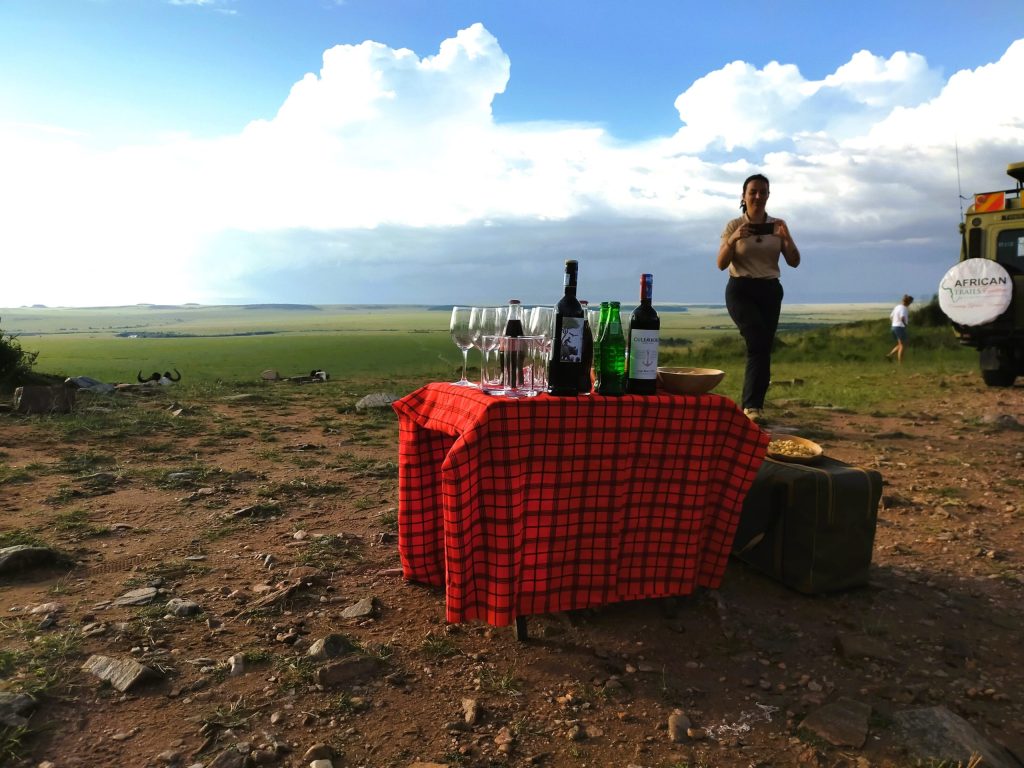
Meru's emptiness makes it one of the finest parks in Africa for bush meals. Your camp will set tables in the open — beside a river bend, under an acacia canopy, or overlooking a floodplain — and the silence is total. Sundowners on the Tana, with crocodile and hippo visible in the water below, are the kind of experience people describe for years.
Meru rewards a visit in almost any month — its low visitor numbers mean that even during the wet season, those who make the effort find a park entirely to themselves. That said, timing your visit well makes a considerable difference to game viewing conditions.
Peak dry season (June to October) is when Meru is at its finest. Vegetation thins, animals concentrate around permanent water sources, and the roads — though always better here than in more-visited parks — are at their most accessible. July through September is the sweet spot: warm, clear skies, and wildlife that has had all of the wet season to breed and raise young now moving confidently through the park.
January and February offer a short dry window between the long and short rains. The park is slightly greener than peak dry season, but elephant herds are large and active, the rhino sanctuary is excellent, and visitor numbers are very low. Accommodation rates in this period are often more accessible.
The long rains (March to May) make some tracks difficult and game viewing harder due to dense vegetation, but the park takes on extraordinary colour. For photographers, birders, or travellers who simply want solitude and a profoundly different landscape, this is one of the most underrated times to visit. Most main lodges remain open year-round.
Every ATE safari that features Meru is built around the park's two defining qualities: its solitude and its wildlife density. These are not rushed itineraries. We spend enough nights here for the park to reveal itself on its own terms.
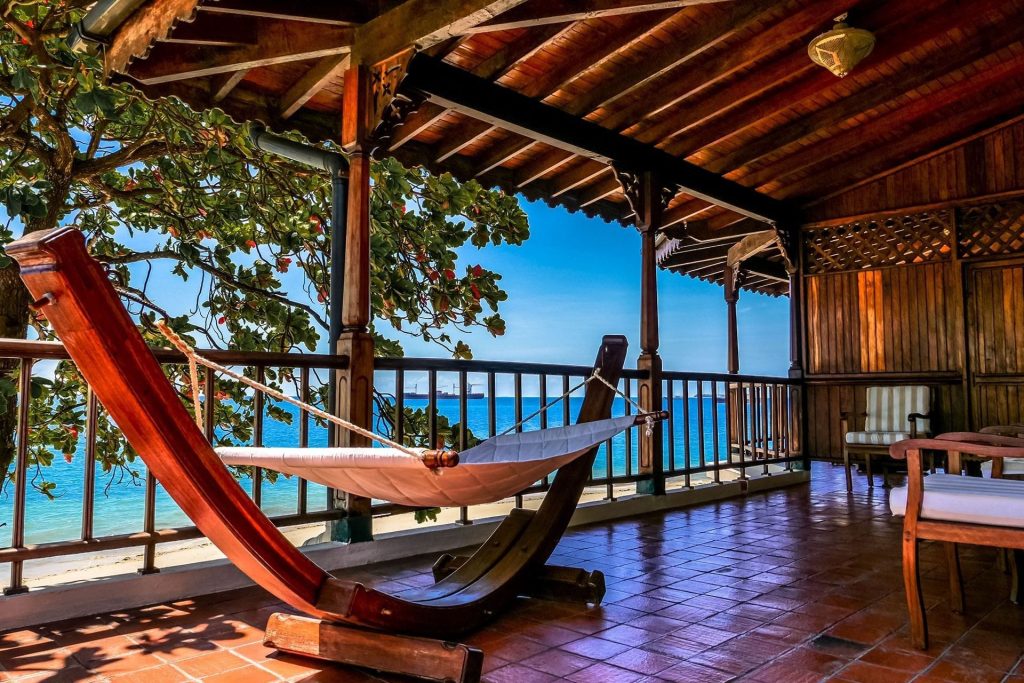
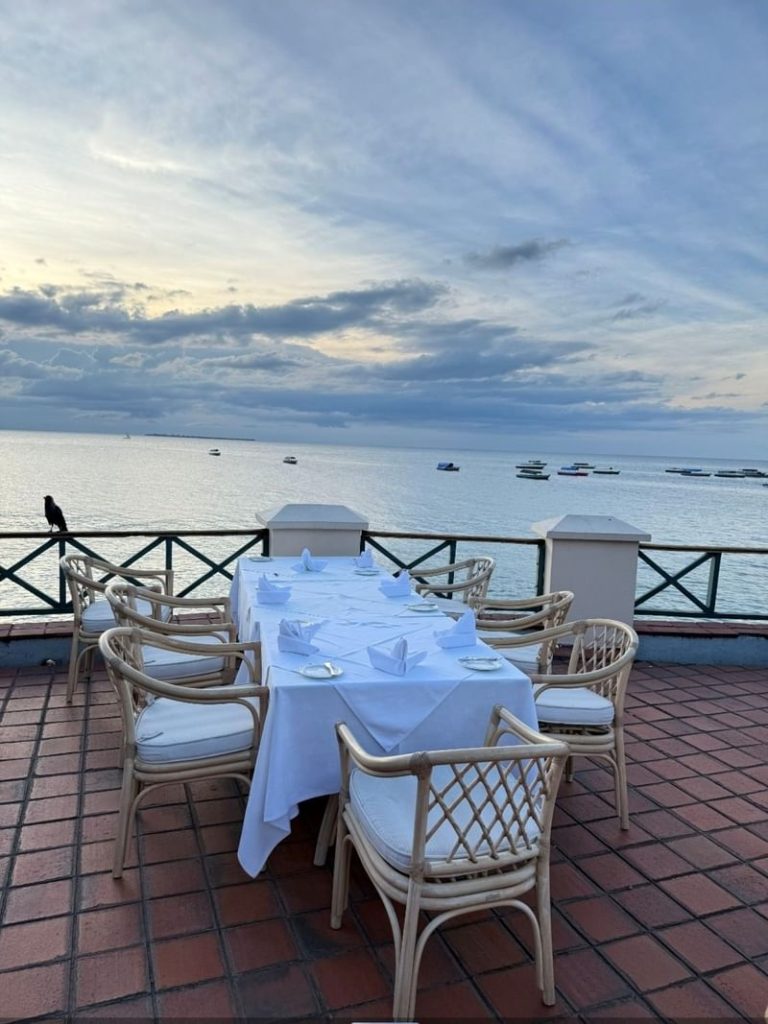
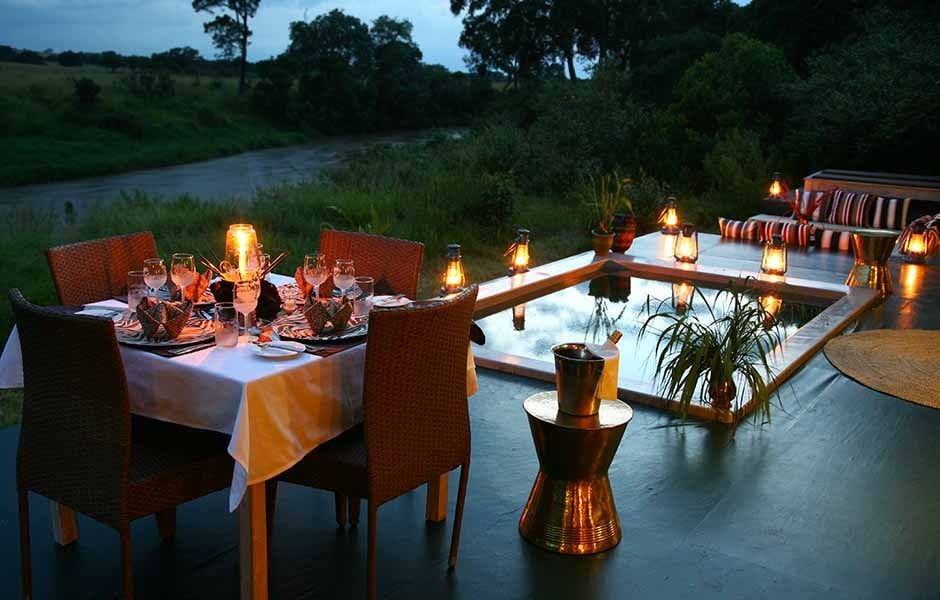
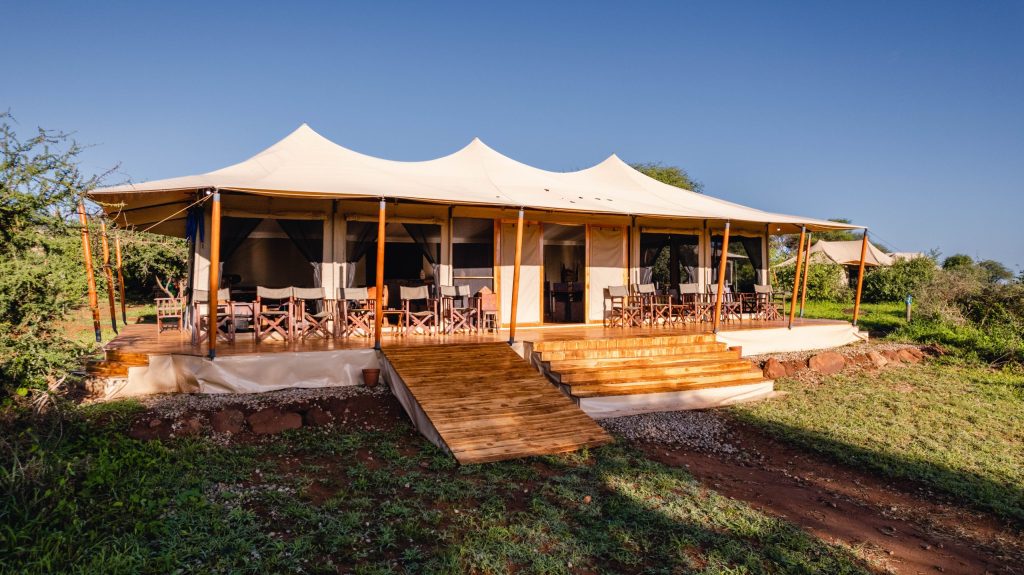
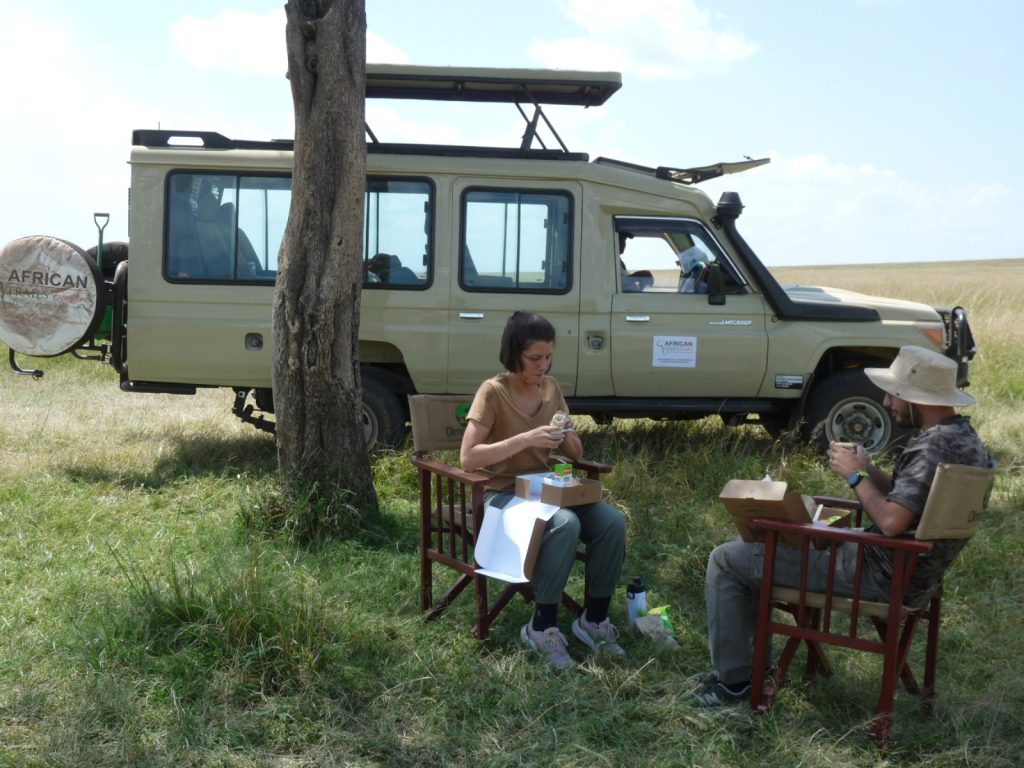
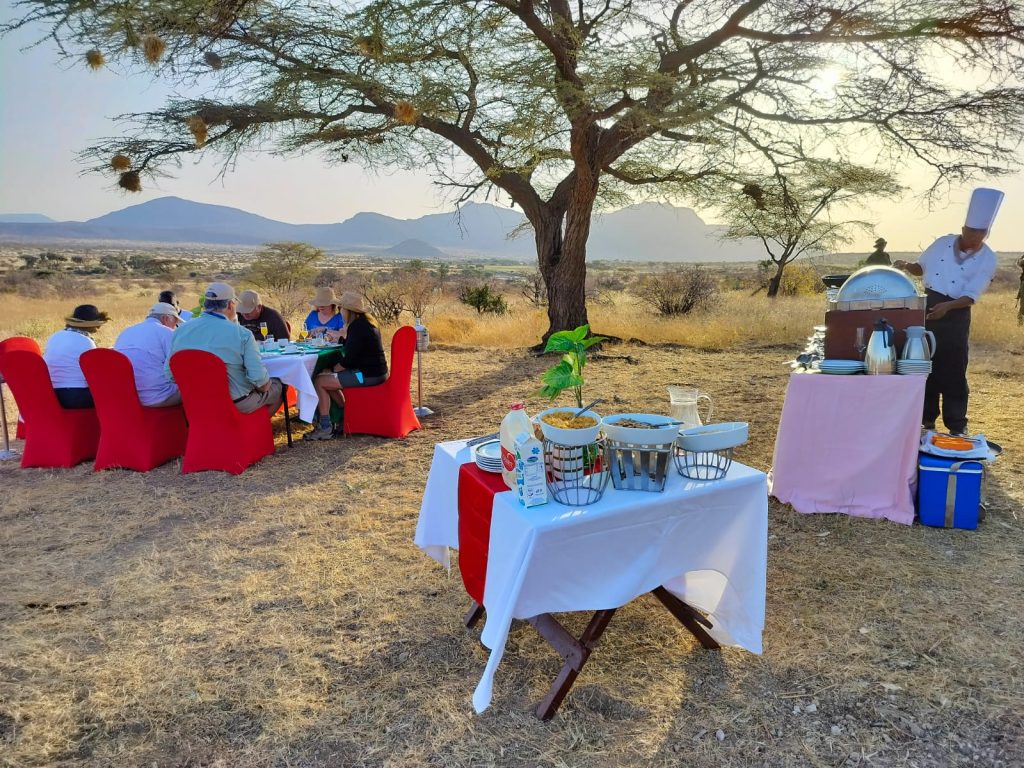
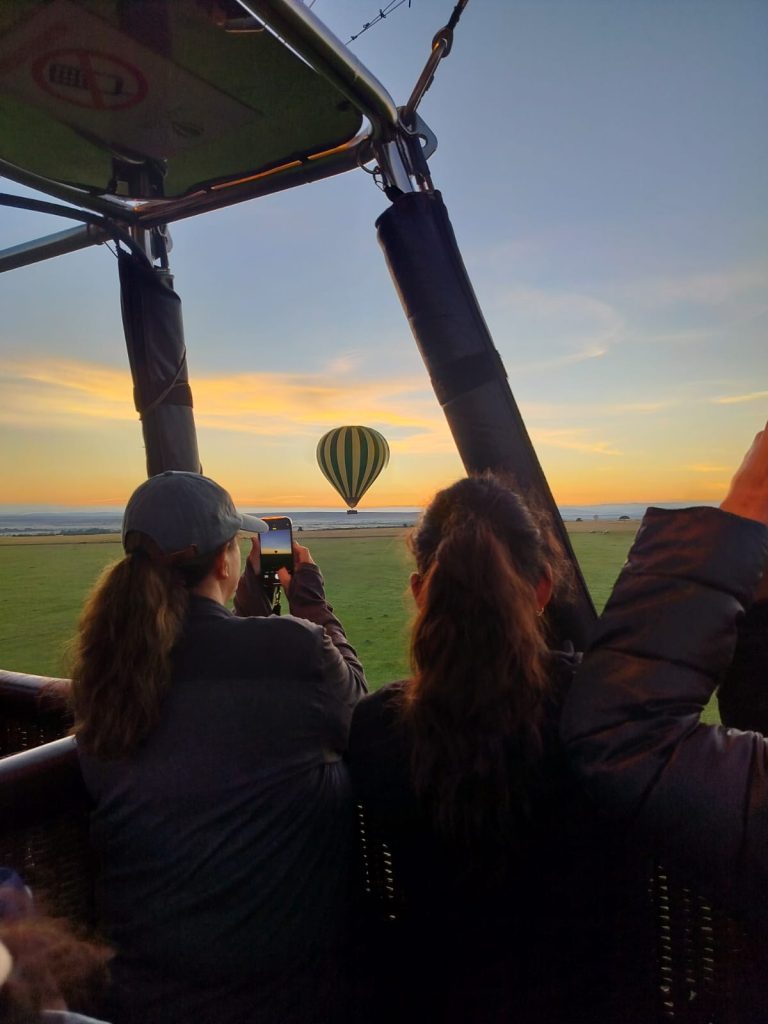
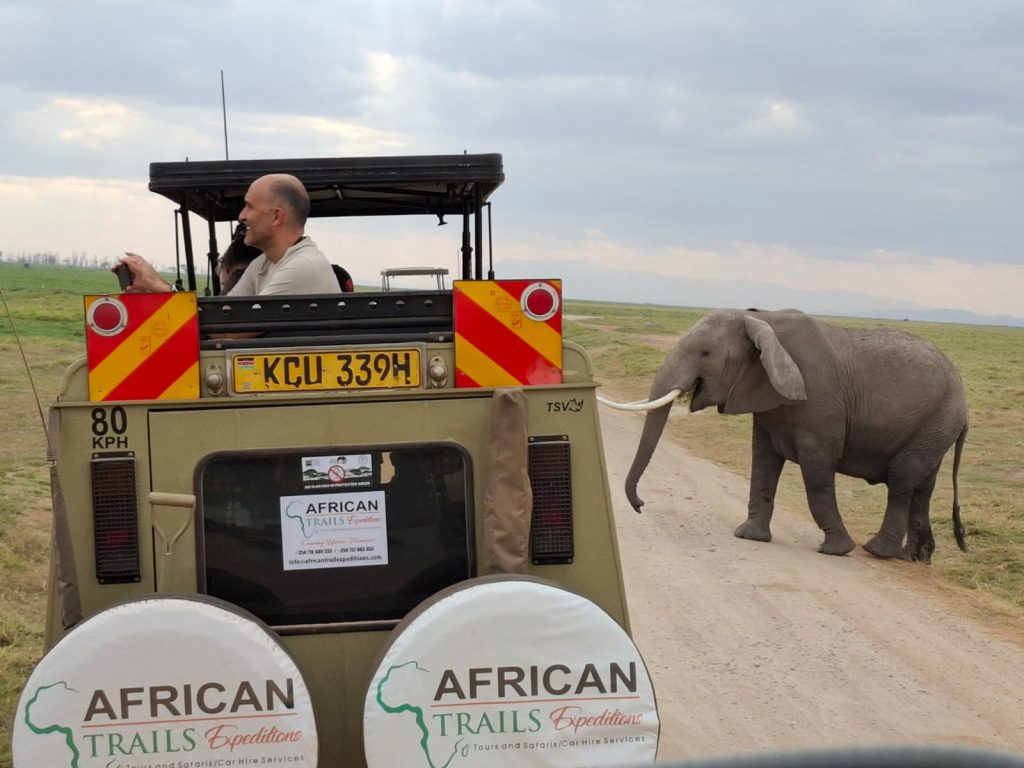
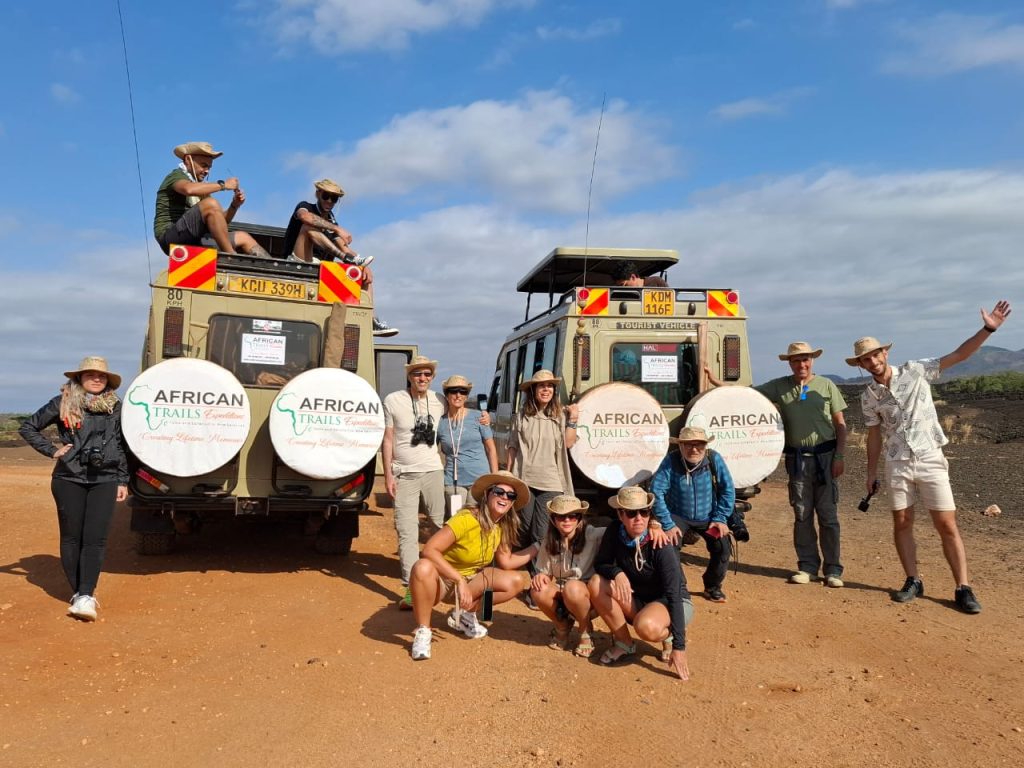
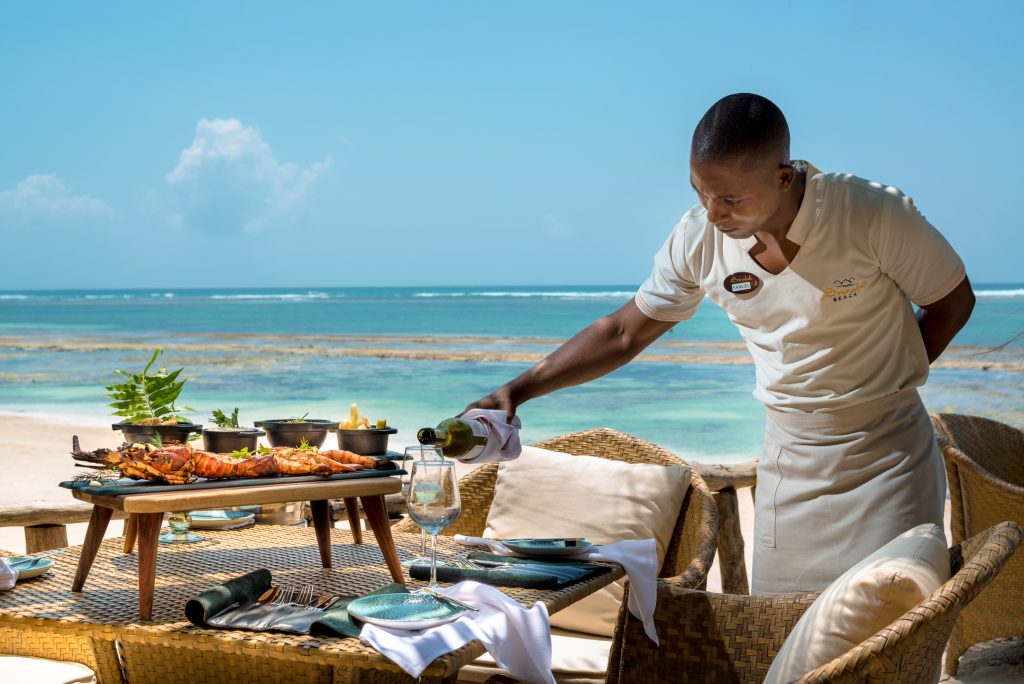
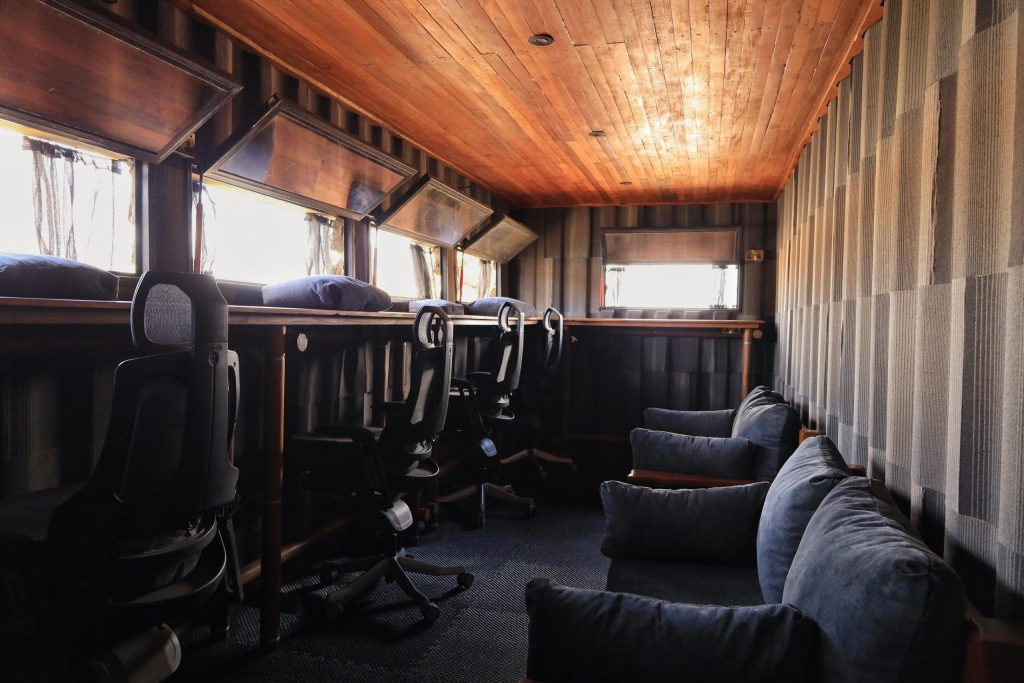
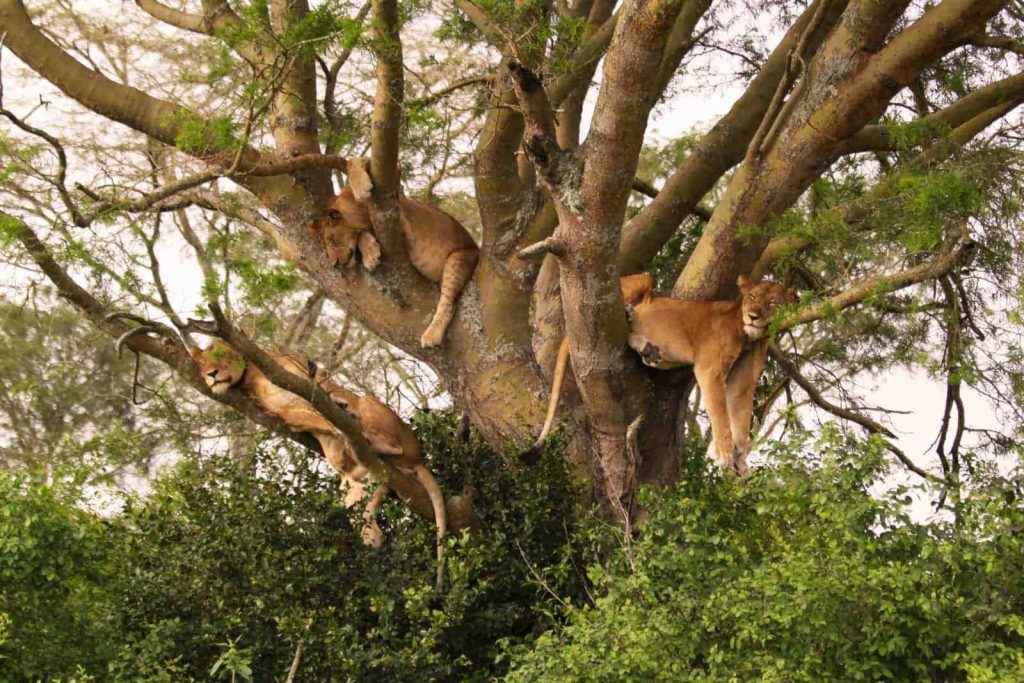
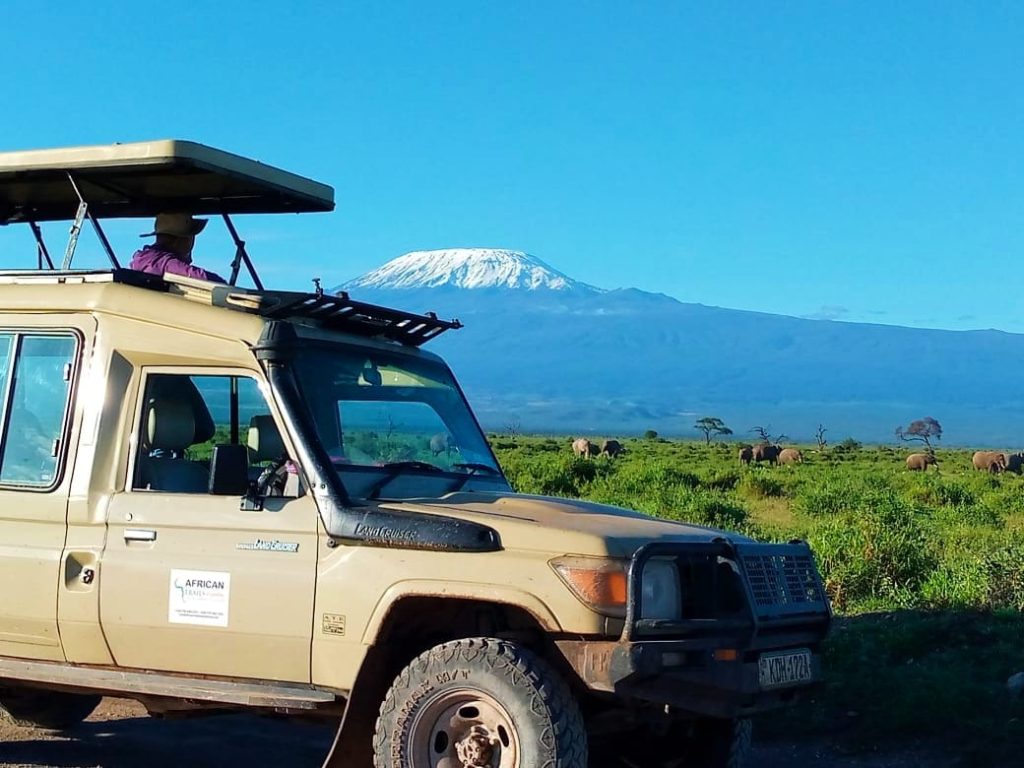
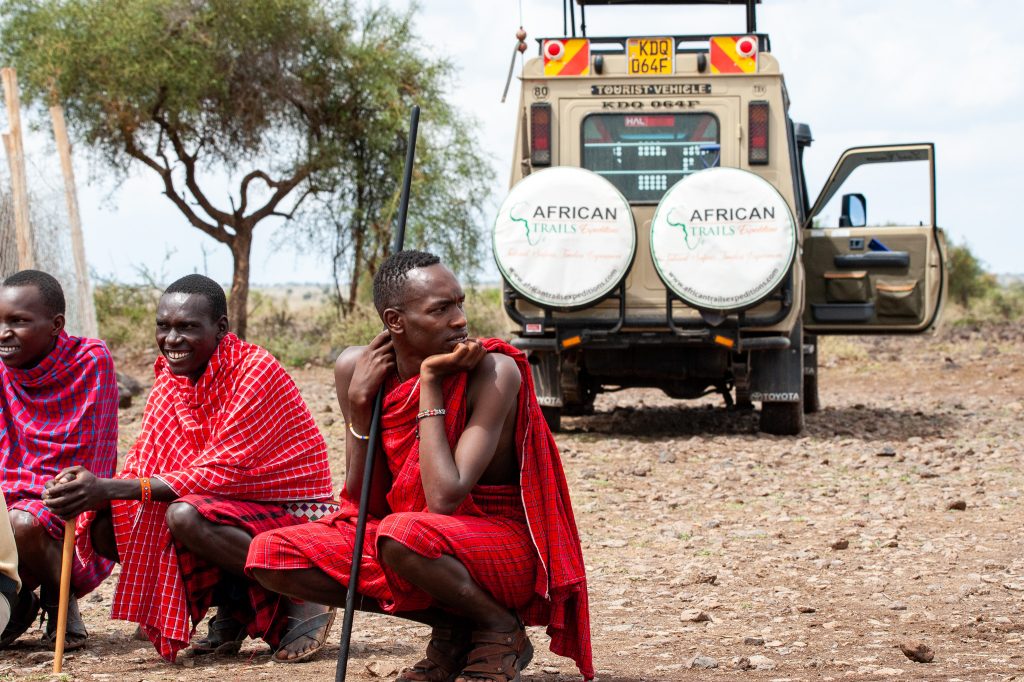
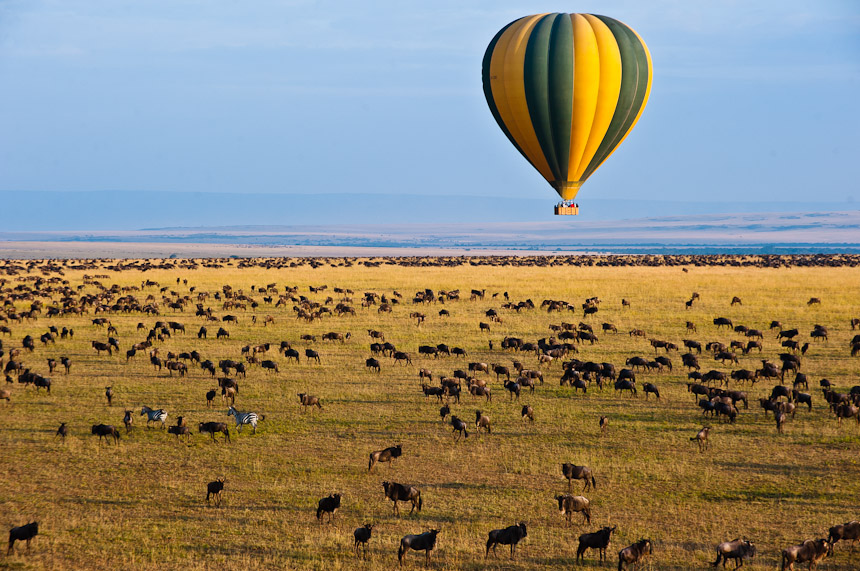
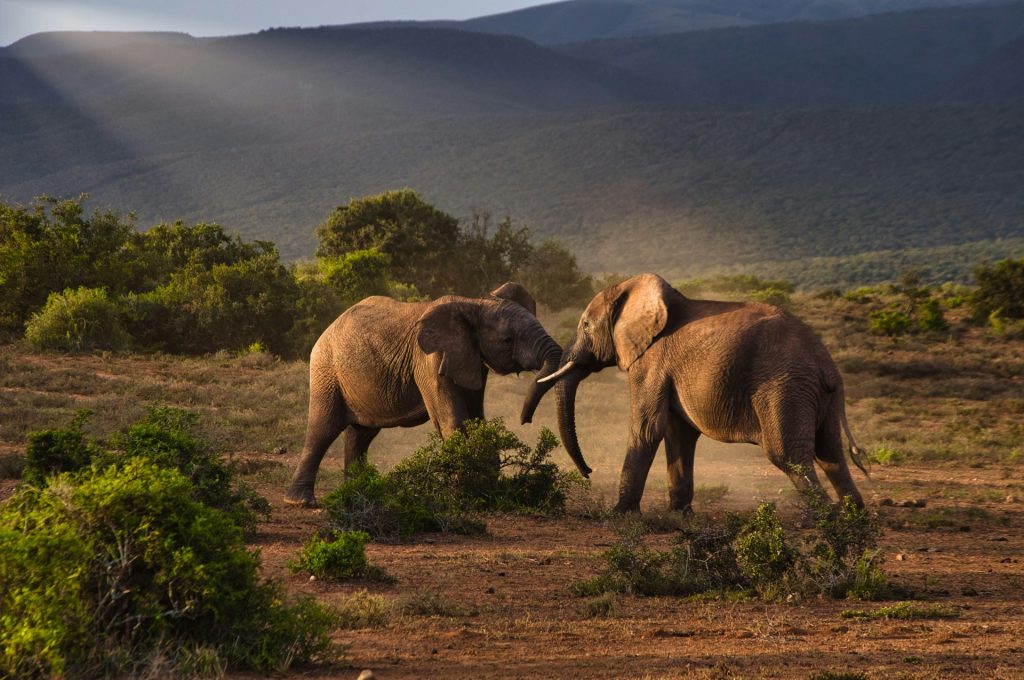
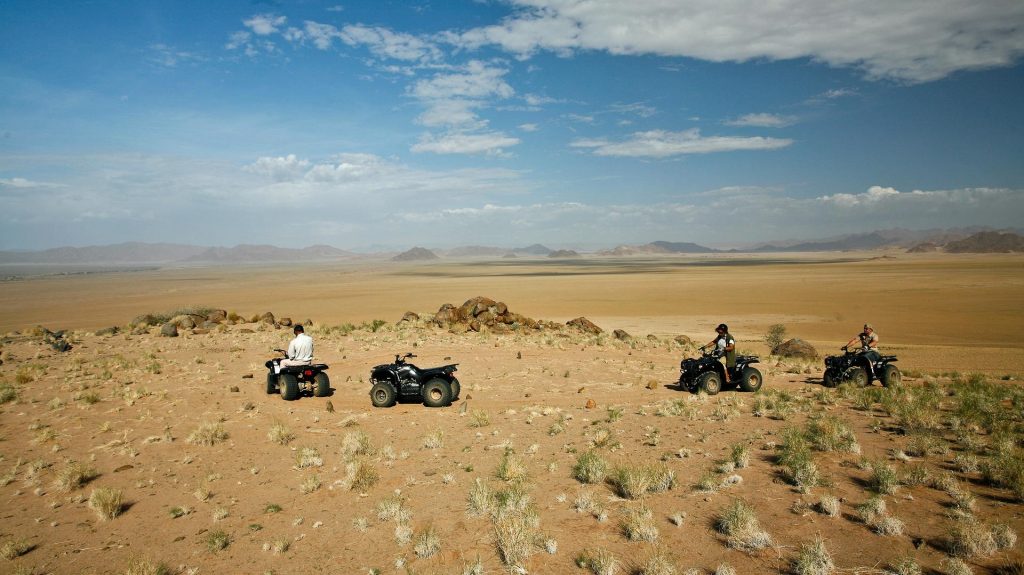
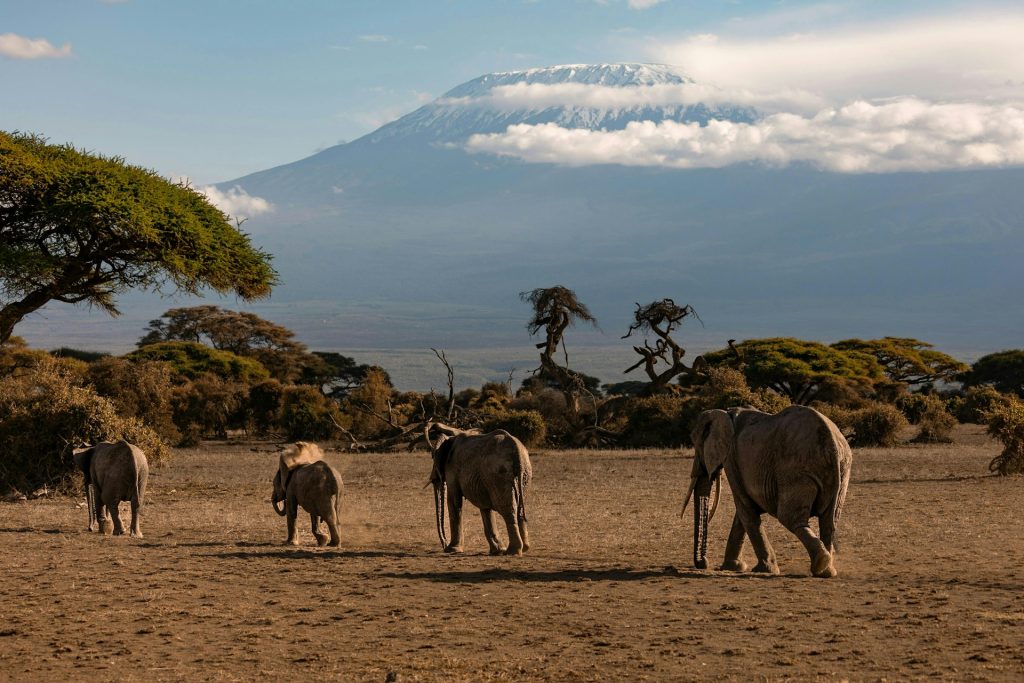
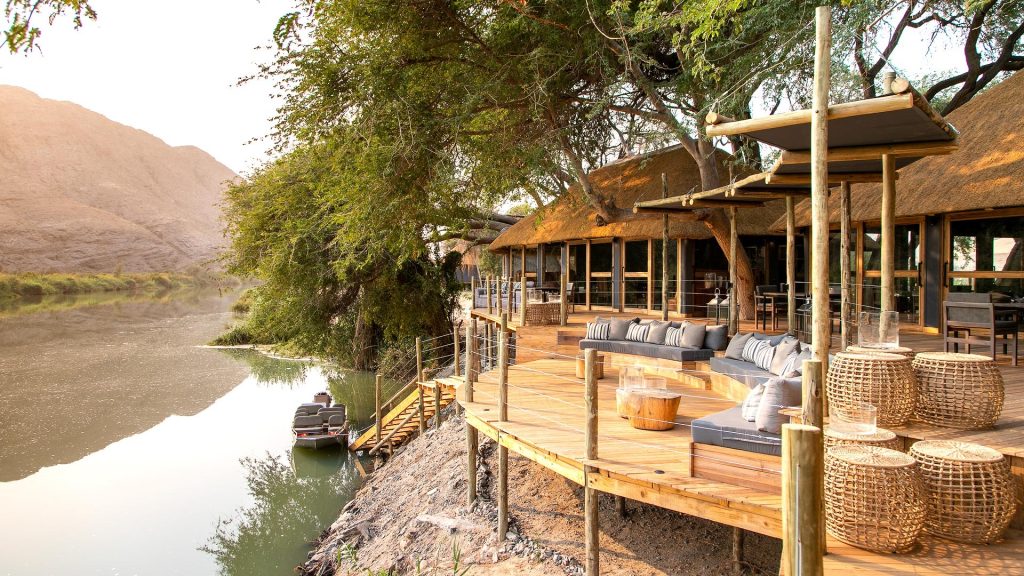
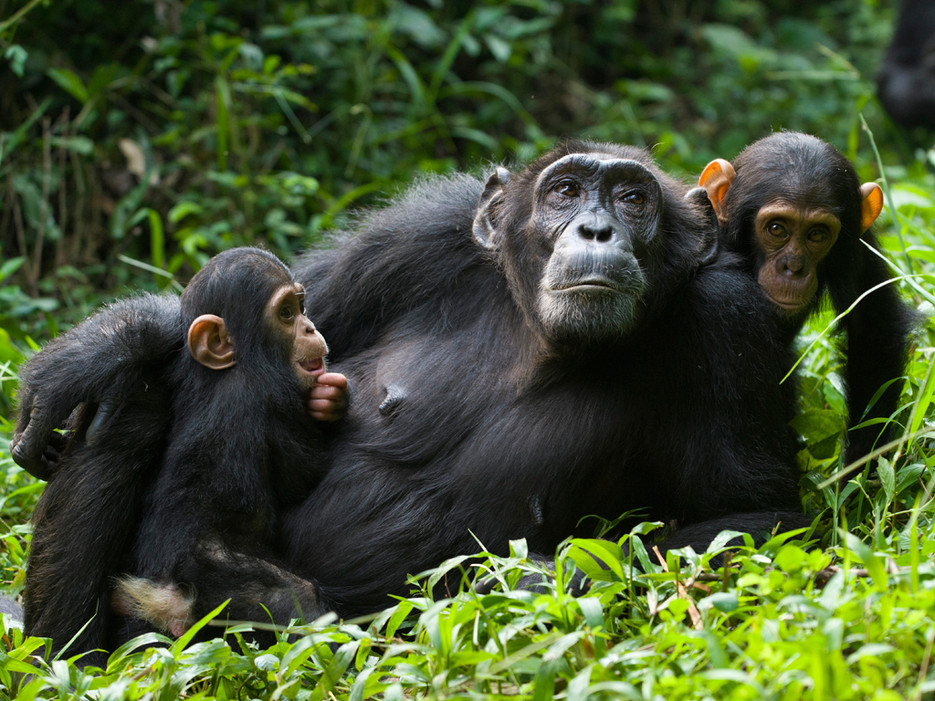
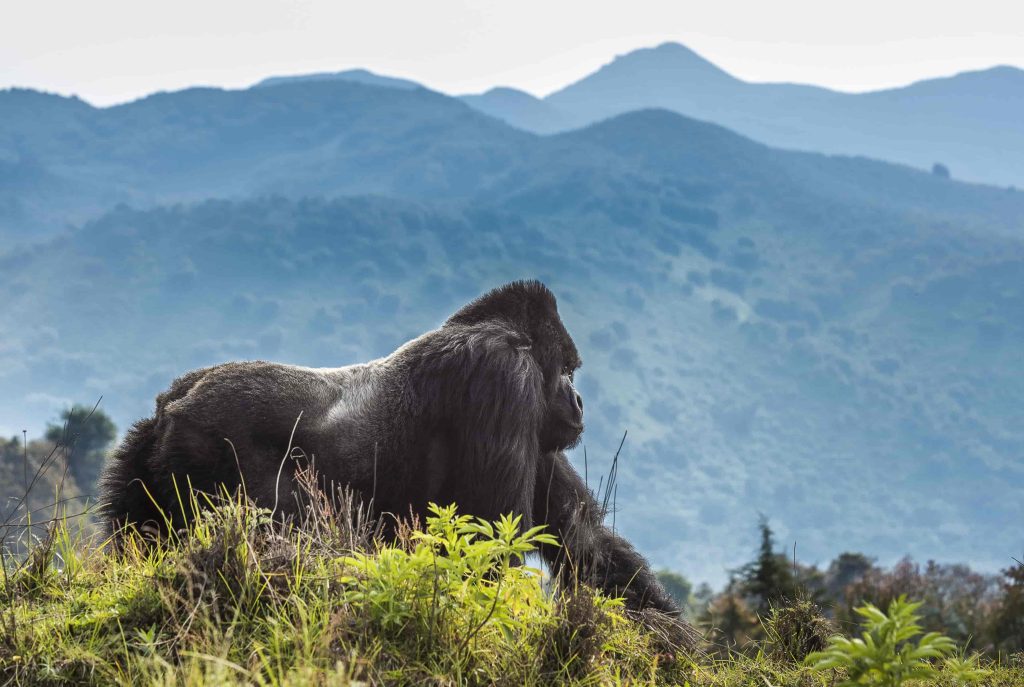
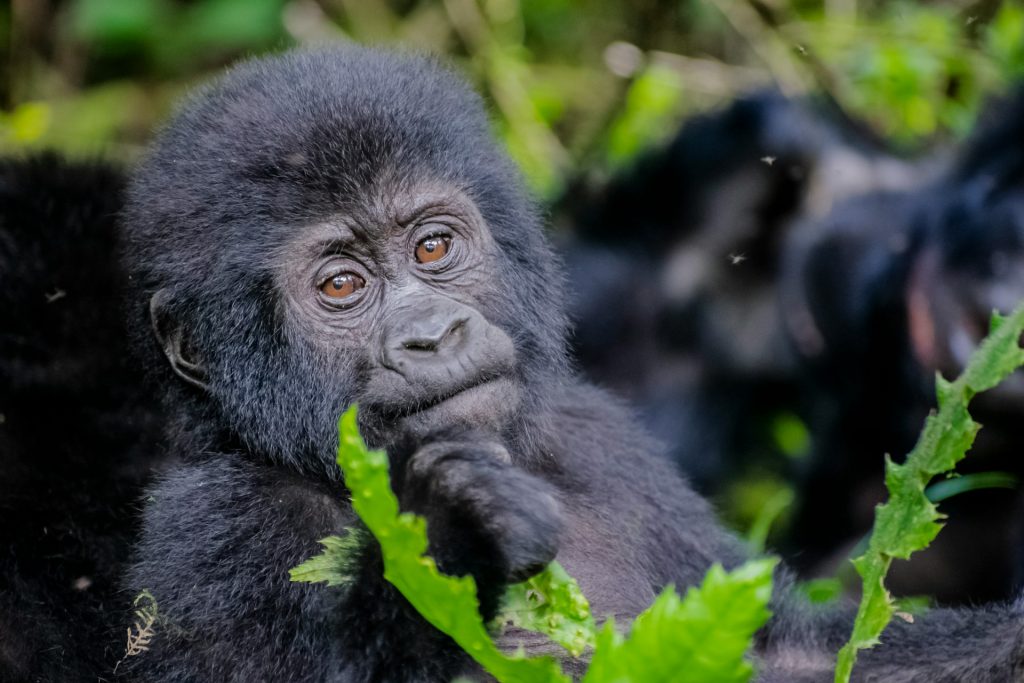
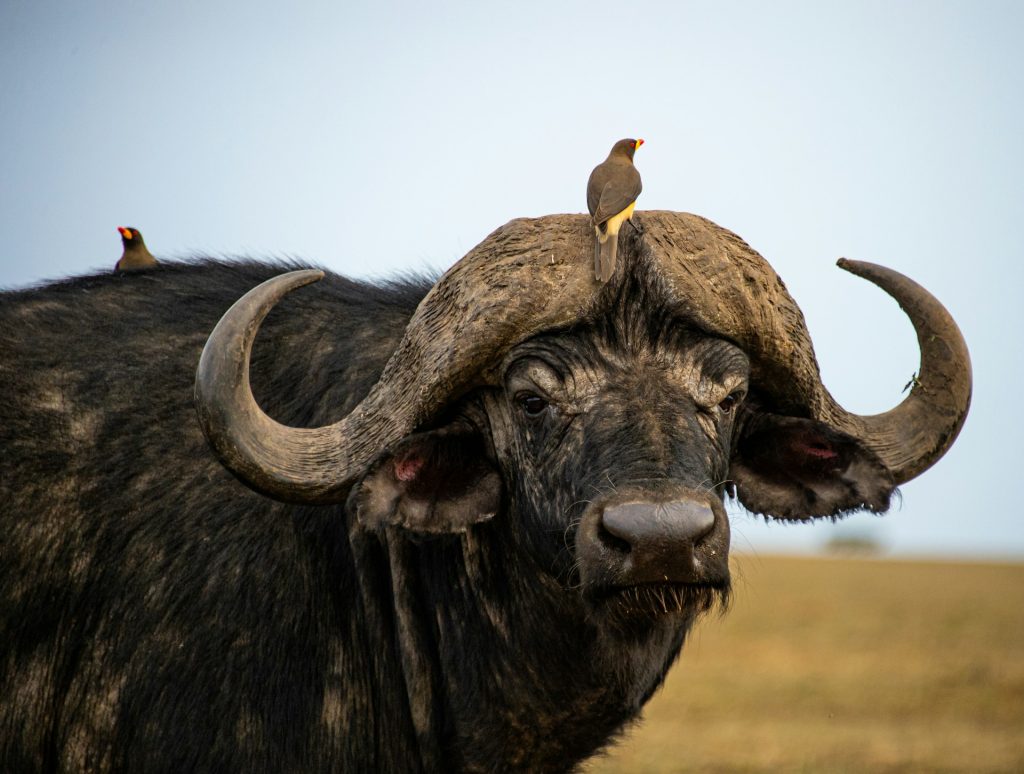
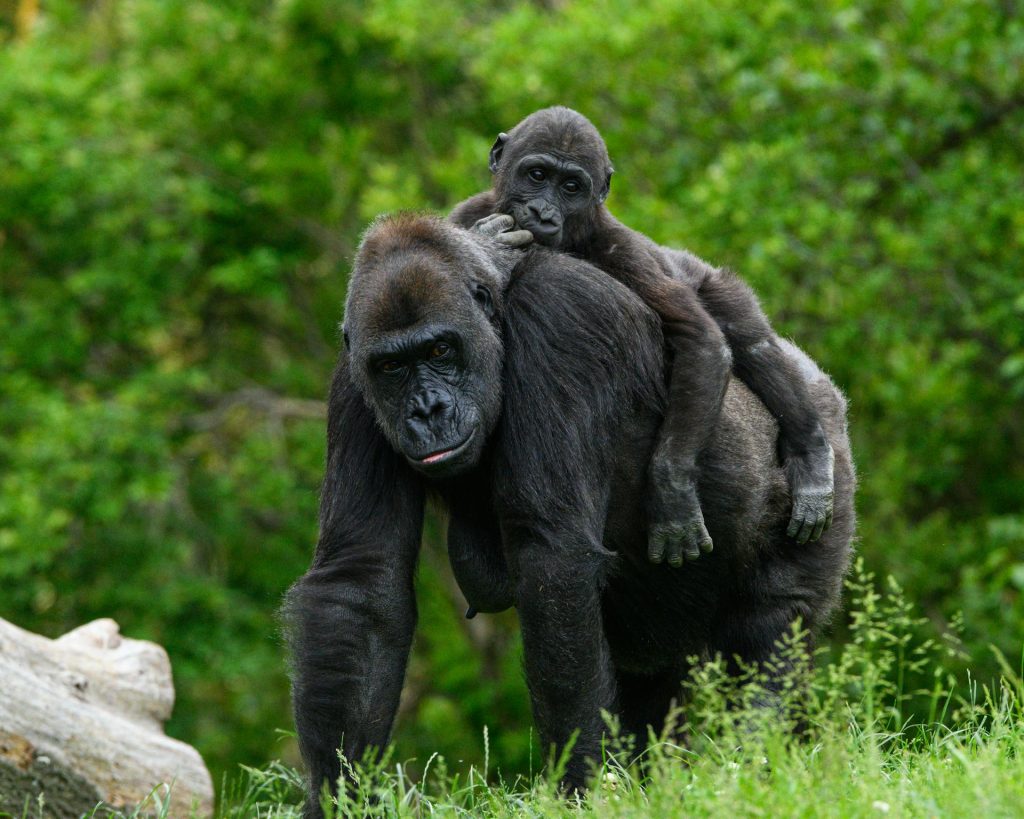
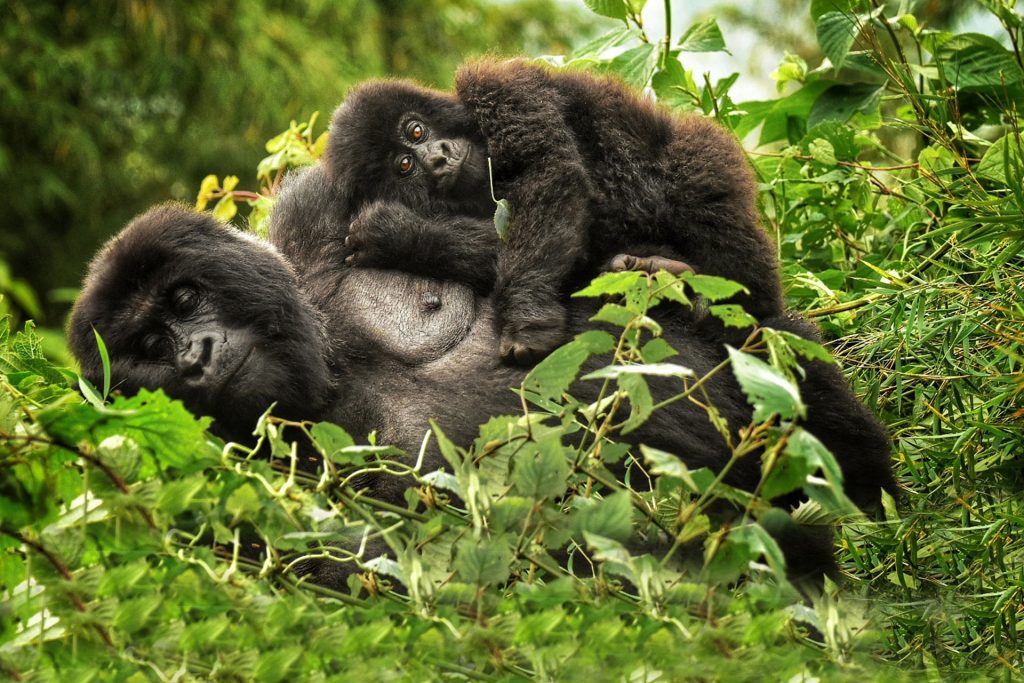
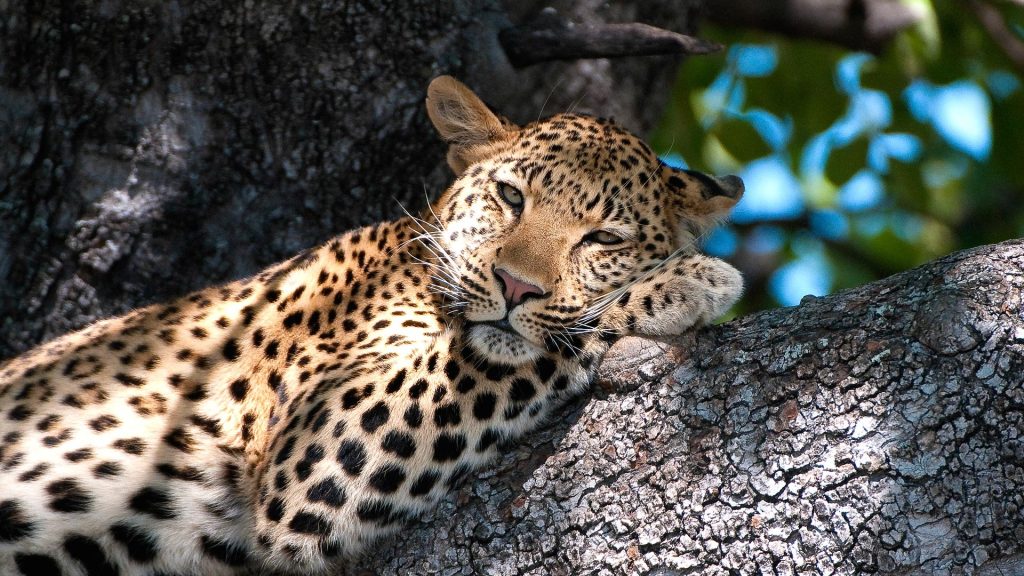
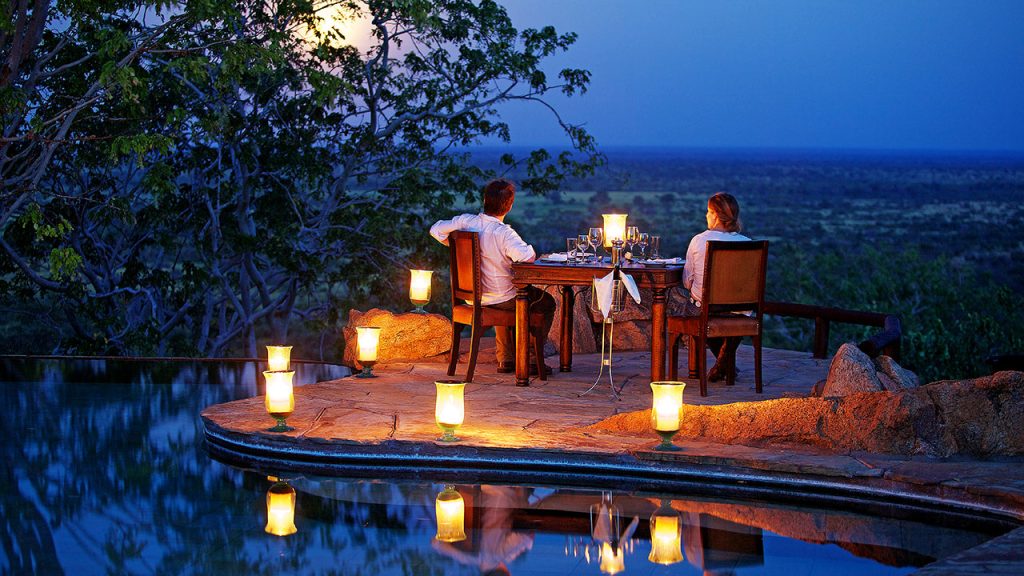
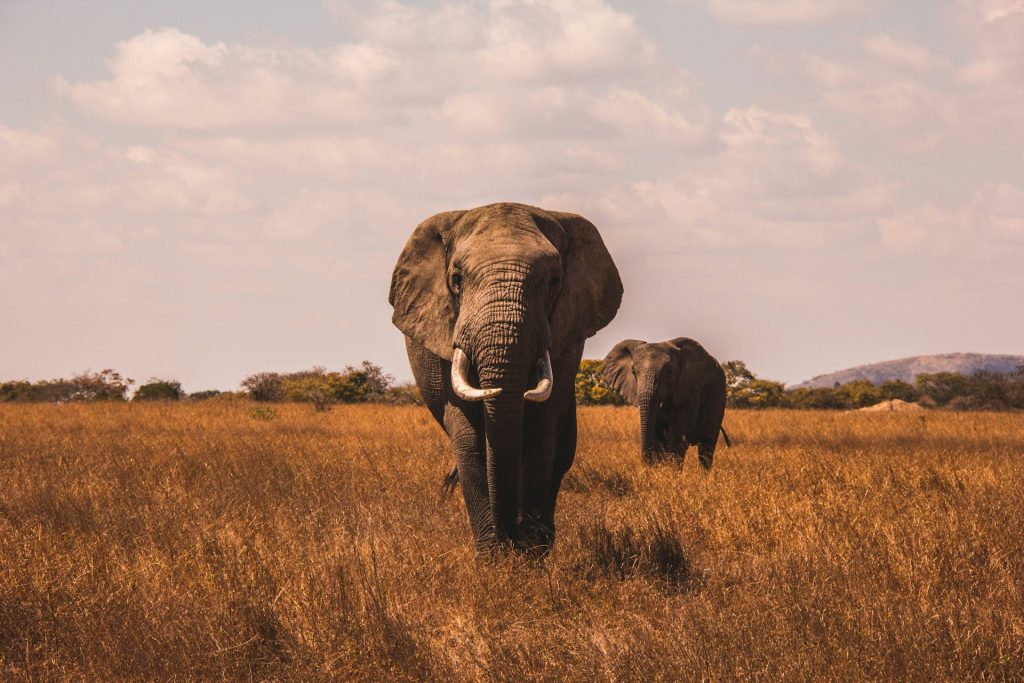
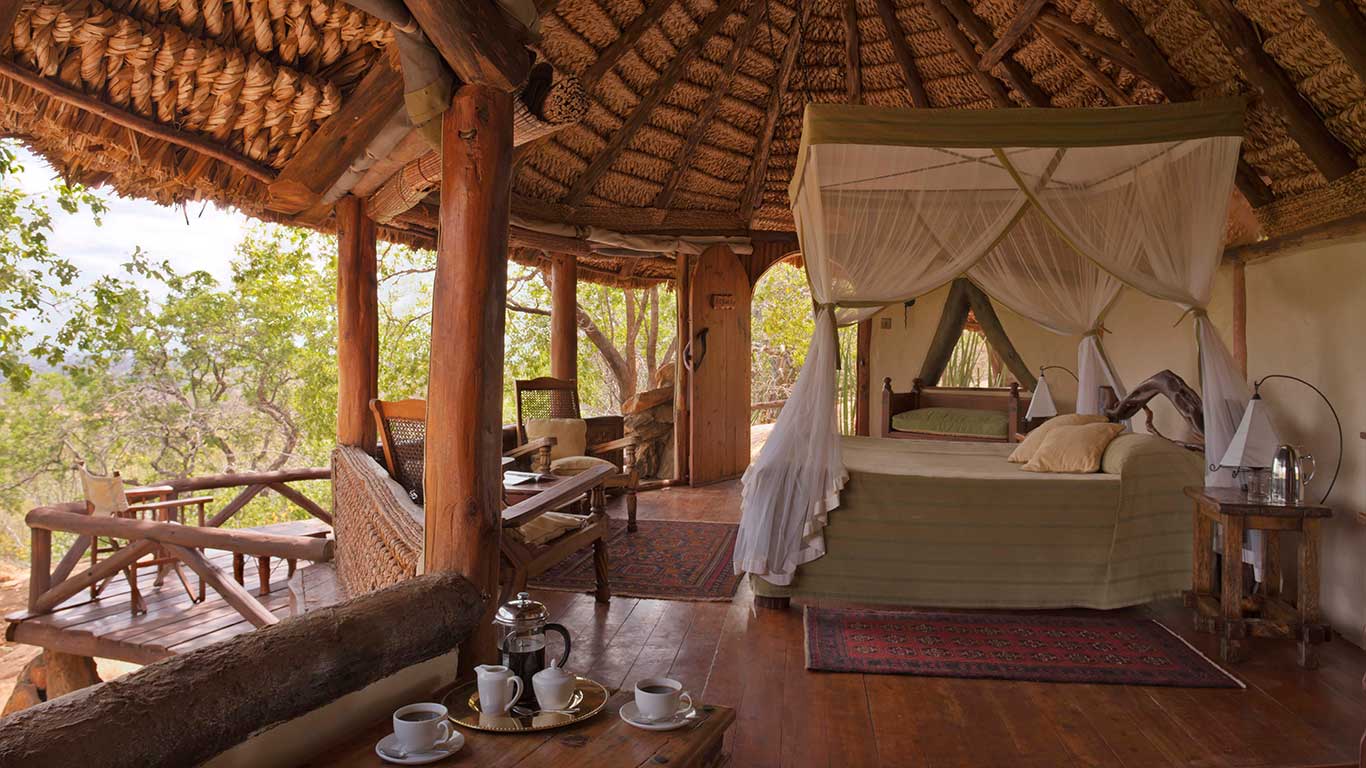
Handpicked luxury lodges and camps offering exceptional experiences
Absolutely. Meru’s combination of excellent infrastructure, low visitor numbers, and outstanding wildlife makes it an ideal safari destination for first-timers, particularly those who want an authentic, unhurried experience away from the larger, more trafficked parks. The lodges cater well for guests with no prior safari experience, and the KWS ranger escorts on specialist activities add both safety and knowledge.
The Mara is spectacular and rightly famous, but it is busy. Meru offers a fundamentally different experience: fewer vehicles, more space, and a deeper sense of remoteness. Wildlife density is comparable in the dry season, and Meru offers species — Grevy’s zebra, reticulated giraffe, gerenuk — that the Mara cannot. If you have been to the Mara before, Meru will change your sense of what a Kenya safari can be. Many seasoned travellers describe it as their favourite park in the country.
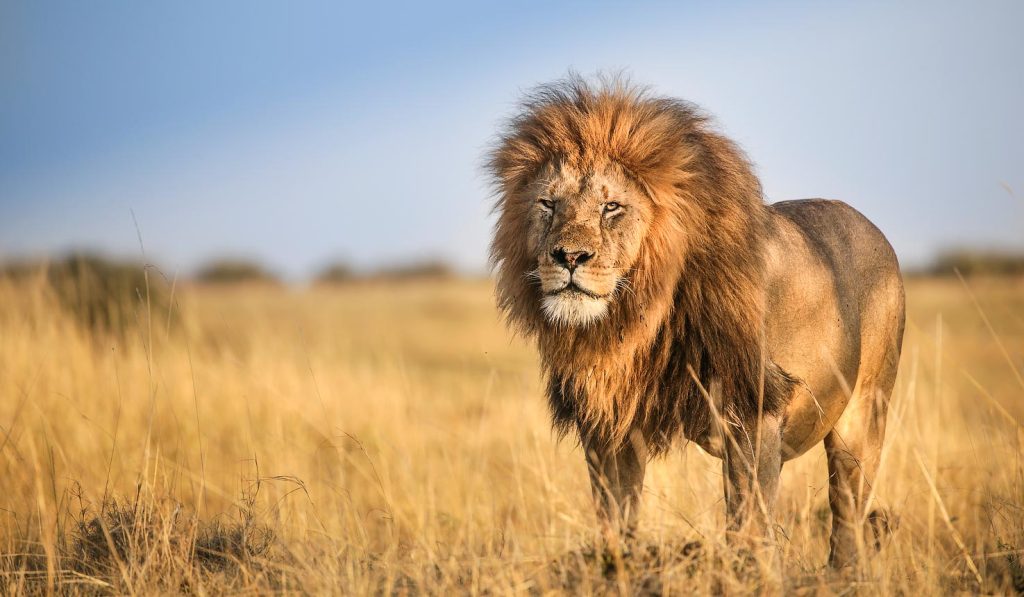
Yes. Lion, leopard, elephant, and buffalo are reliably encountered, and both black and white rhino are present within the protected sanctuary. Rhino sightings are not guaranteed — they are wild animals in a large enclosure — but guided tracking with KWS rangers significantly improves the chances. All five can realistically be seen on a four-night stay during the dry season.
The most practical option for international visitors is a charter flight from Nairobi’s Wilson Airport, which takes approximately 45 minutes and lands directly inside the park at one of two airstrips. Road transfer takes five to six hours via Meru town and is recommended only if you intend to spend time en route. African Trails Expeditions handles all logistics, including charter arrangements and transfers, as part of your itinerary.
The long dry season from June to October is the prime period — vegetation is low, animals concentrate near rivers, and road conditions are excellent. July through September is the peak of peak. January and February offer a shorter dry window with lower visitor numbers and sometimes reduced accommodation rates. The wet season (April to May) is challenging for game driving but offers solitude, dramatic light, and a lush landscape that is extraordinary for photography.
Meru is considered a safe safari destination. All activities inside the park are conducted with KWS ranger escorts, and the lodges are well-secured. The historical instability that affected the park in the 1990s is long in the past. African Trails Expeditions monitors all travel advisories continuously and will flag any concerns well in advance of your travel dates.
Yes — with the right lodge and the right itinerary. Meru’s quiet roads and high wildlife density make for exceptional family game drives, and properties like Elsa’s Kopje are specifically set up for families. The Born Free story is a genuine hook for younger travellers, and several guides carry copies of Joy Adamson’s books to share with children during drives. We recommend families with children aged seven and above for the full experience.
Our specialists have guided guests through Meru National Park for over two decades. Tell us when you'd like to travel and we'll take care of the rest.
Please share your name and email so we can follow up with you.