From
$2,809

Start Planning Your Tailor-Made Journey
🔒 Your details are kept private and never shared with third parties.
Built by the Mukogodo Maasai from the hillside itself — Kenya's most celebrated community-owned lodge, overlooking a waterhole on a 16,500-hectare conservancy
When Il Ngwesi Lodge opened in 1996, it was among the first lodges in Kenya to be built and run entirely on solar energy — and almost certainly the only lodge in the country constructed by the community that owned the land it sat on, using materials taken from the land itself. The Mukogodo Maasai did not bring in a developer, or license their name to an operator. They built it, they staffed it, they manage it, and every shilling of revenue has gone directly back into the six villages surrounding the conservancy ever since. That is not a sustainability addendum. It is the whole point of the place.
The lodge sits on the edge of the Mararoi hills on the 16,500-hectare Il Ngwesi Group Ranch — a community-owned conservancy in northern Laikipia, bordering Borana and positioned north of the Lewa Wildlife Conservancy, meaning wildlife moves freely across the three areas without fencing to interrupt it. The hillside position gives the lodge its defining characteristic: six open-fronted bandas carved into the contours of the hill, each oriented toward a view of the valley and the spring-fed waterhole below, where elephant, Grevy’s zebra, reticulated giraffe, eland, and occasional predators arrive throughout the day. In front of the lodge, a hide tucked into the hillside allows guests to sit at waterhole level in silence — one of the most genuinely rewarding wildlife-watching positions of any property in Laikipia.
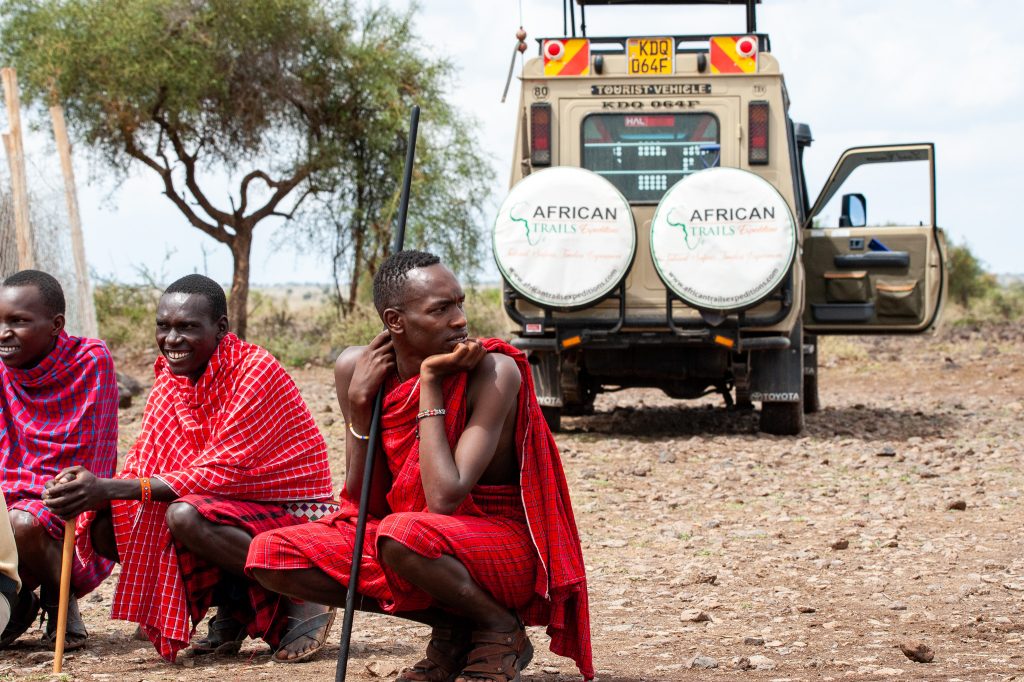
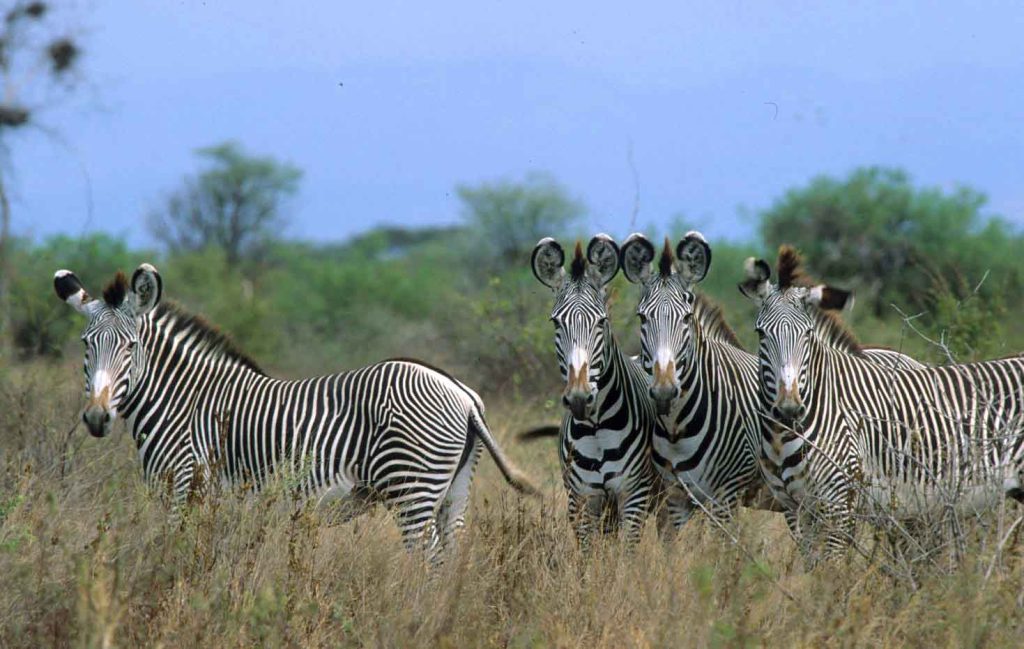
Il Ngwesi is also the only community-owned rhino sanctuary in Kenya, and possibly the world. Black rhino have been reintroduced to the conservancy; 18 armed rangers protect the Il Ngwesi ranch daily. African wild dog, reticulated giraffe, Grevy’s zebra, and gerenuk — Samburu-region species rarely seen this far into Laikipia — have also returned as the conservation programme has taken hold. The lodge’s remoteness is intentional and complete: there is no Wi-Fi, no outside signal, and no other tourist facility within the group ranch. Guests arriving at Il Ngwesi are met on the hillside path by staff in brilliant red traditional robes. The transition is immediate. This is a different kind of safari.
Built and owned by the Mukogodo Maasai, Il Ngwesi perches above a spring-fed waterhole in the Mararoi hills with views to Samburu. Six open-fronted bandas, two star beds, no Wi-Fi. A community conservation model replicated across East Africa for three decades. Luxury with nothing to prove.
Wholly owned and operated by the Mukogodo Maasai since 1996, with all revenue returning to six villages for healthcare, education, and conservation. Solar-powered, locally built, and managing the only community-owned black rhino sanctuary in Kenya — 18 armed rangers across 16,500 hectares daily.
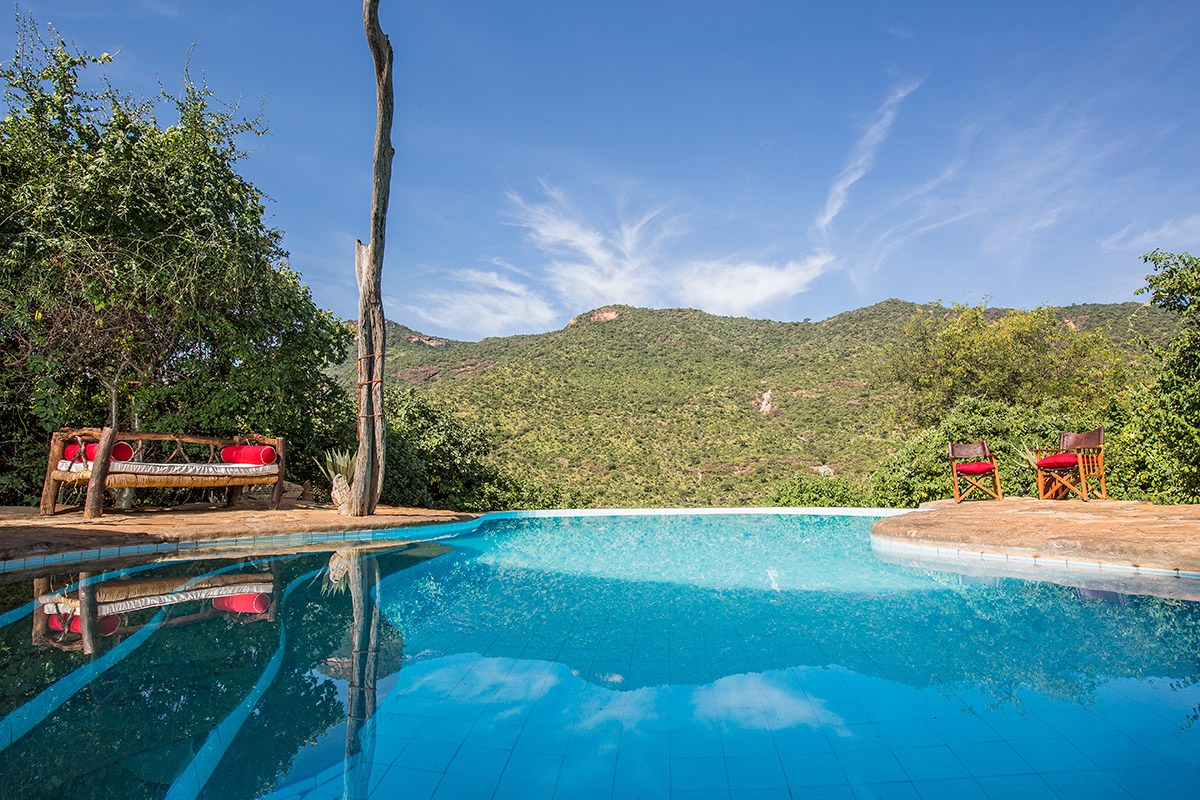
Six bandas are built into the hillside using wood, stone, and thatch sourced entirely from the surrounding landscape — not as a styling decision but as the original construction method, applied by the Mukogodo Maasai community with skills handed down through generations. Each banda is individually positioned to follow the natural contours of the hill, which means no two are identical in aspect or layout. All are open-fronted, designed so that the bush beyond the wooden railings is the view from the bed and the sounds of the conservancy are always present. Hand-carved beds are dressed in Maasai fabrics; wooden floors and open-wall construction keep interiors naturally ventilated through the Laikipia day. Two of the six bandas are equipped with extended verandas and four-poster star beds — raised sleeping platforms positioned to face the night sky above the valley. Two bandas are connected by a rope bridge, making them the natural choice for families or small groups travelling together. All bandas share access to the swimming pool, positioned to overlook the valley, and the waterhole hide directly below the lodge.
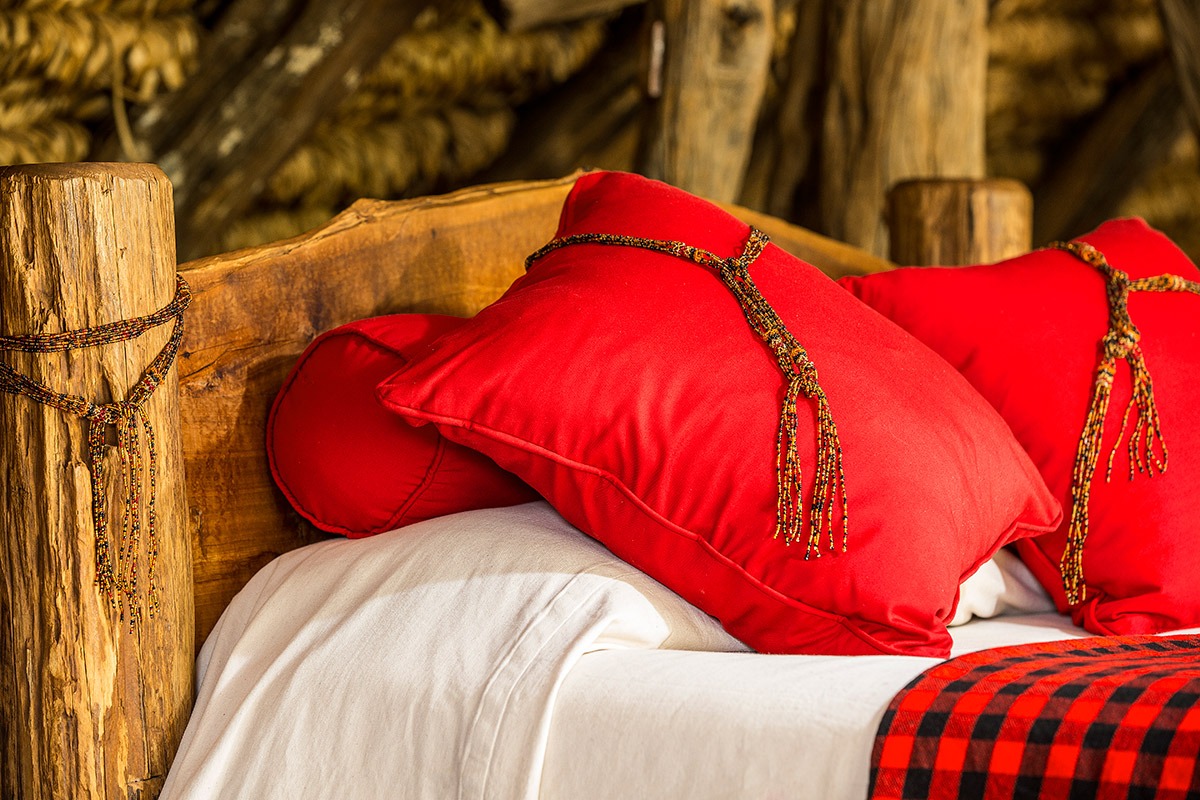
Four bandas carved individually into the hillside — each at a different angle, which is why the views and morning light differ between them. Open-fronted, hand-carved beds, Maasai fabric, local timber. Hot showers. Elephant at the waterhole below, visible from the veranda without getting up.

Two bandas have four-poster star beds above the valley — not a curated experience, simply where the bed is. Darkness here is genuine: no artificial light for many kilometres in any direction. The two rope-bridge bandas, linked across the hillside, suit families or close groups.
Every moment at Il Ngwesi is crafted to immerse you deeper in the wild.
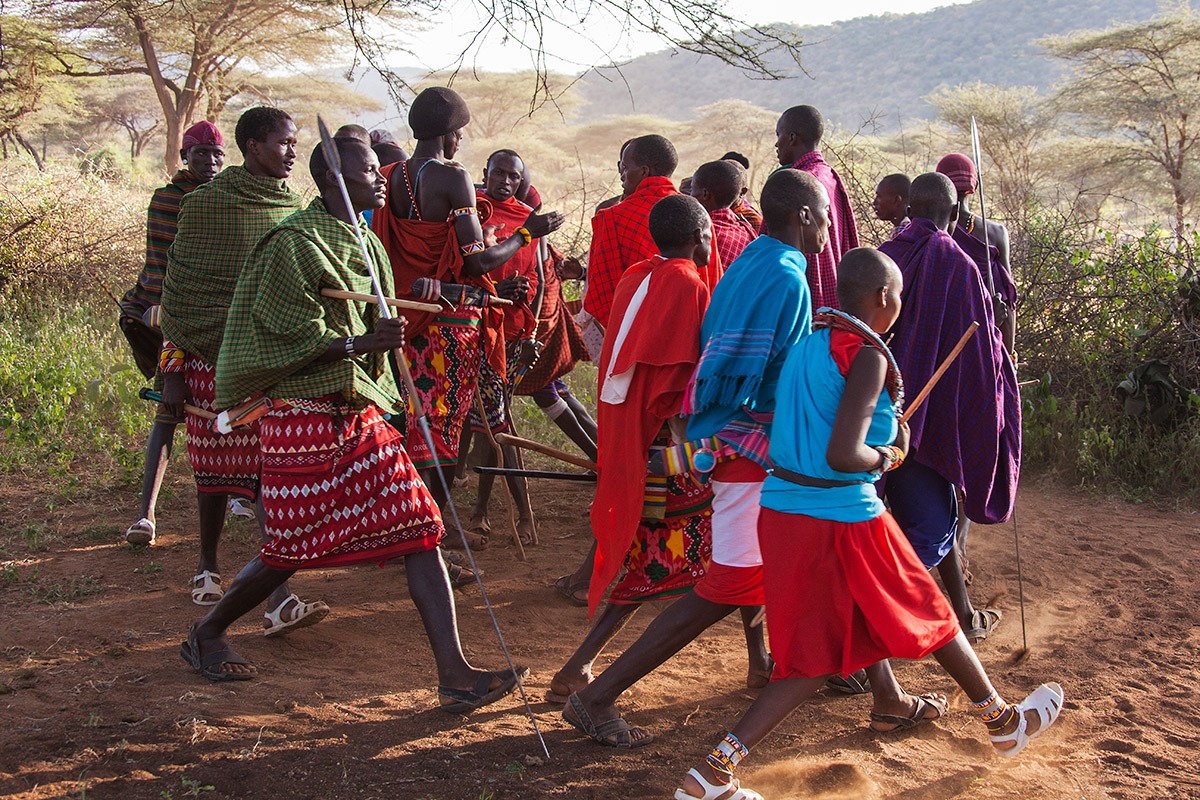
Included in every stay. The lodge is the community — the relationship is genuine. Women's beadwork cooperative sells directly to guests; the Girls Empowerment Programme runs adjacent to the lodge.
Ready to plan your stay?
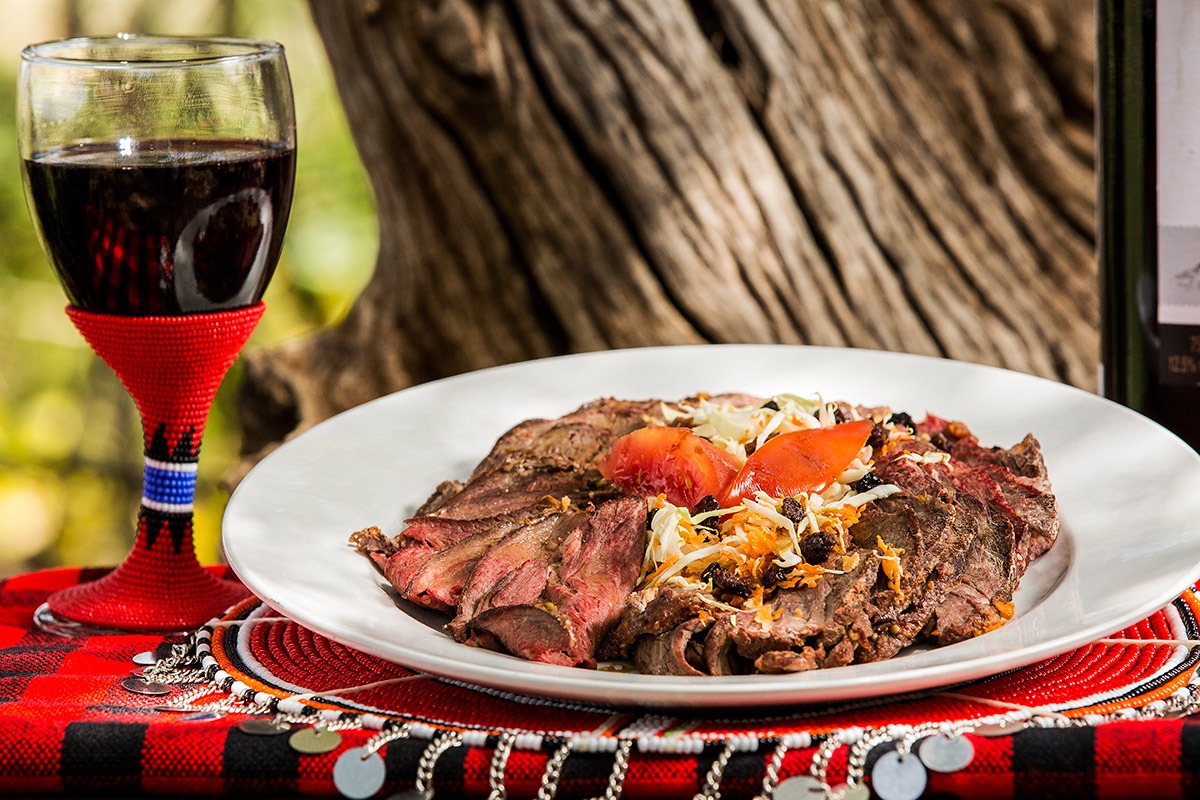
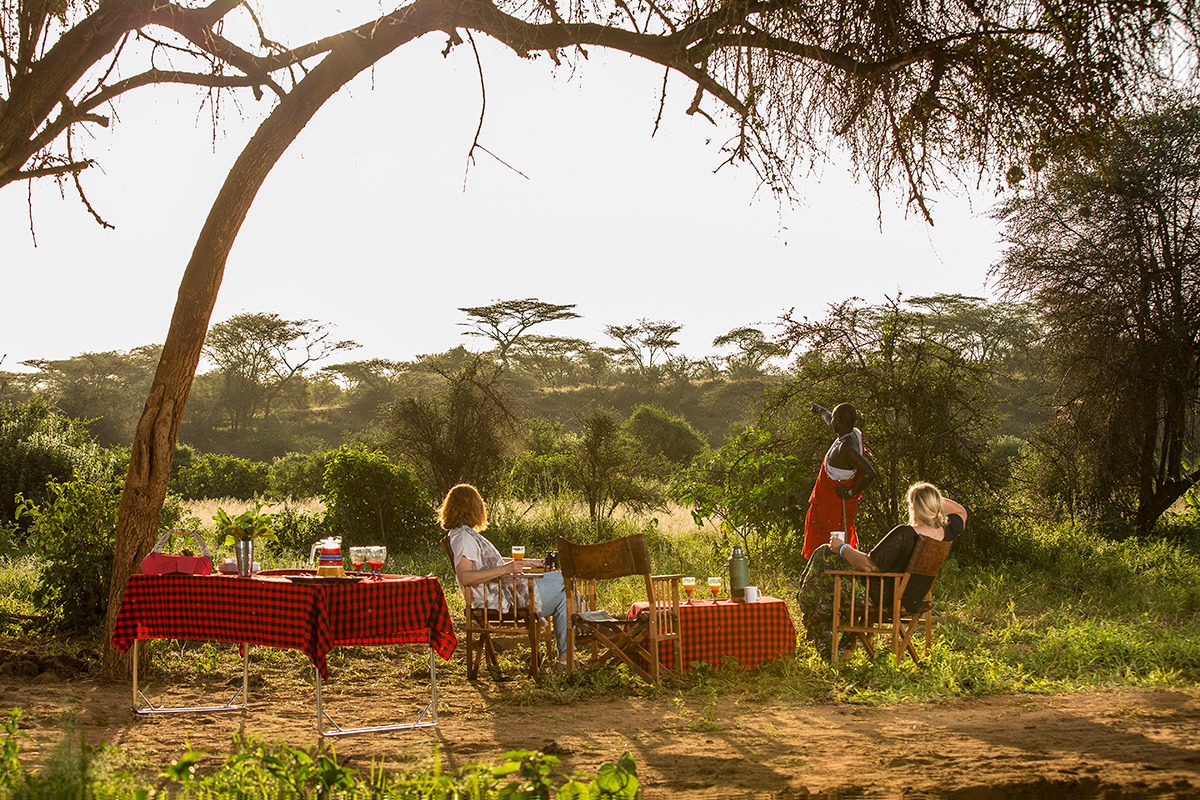
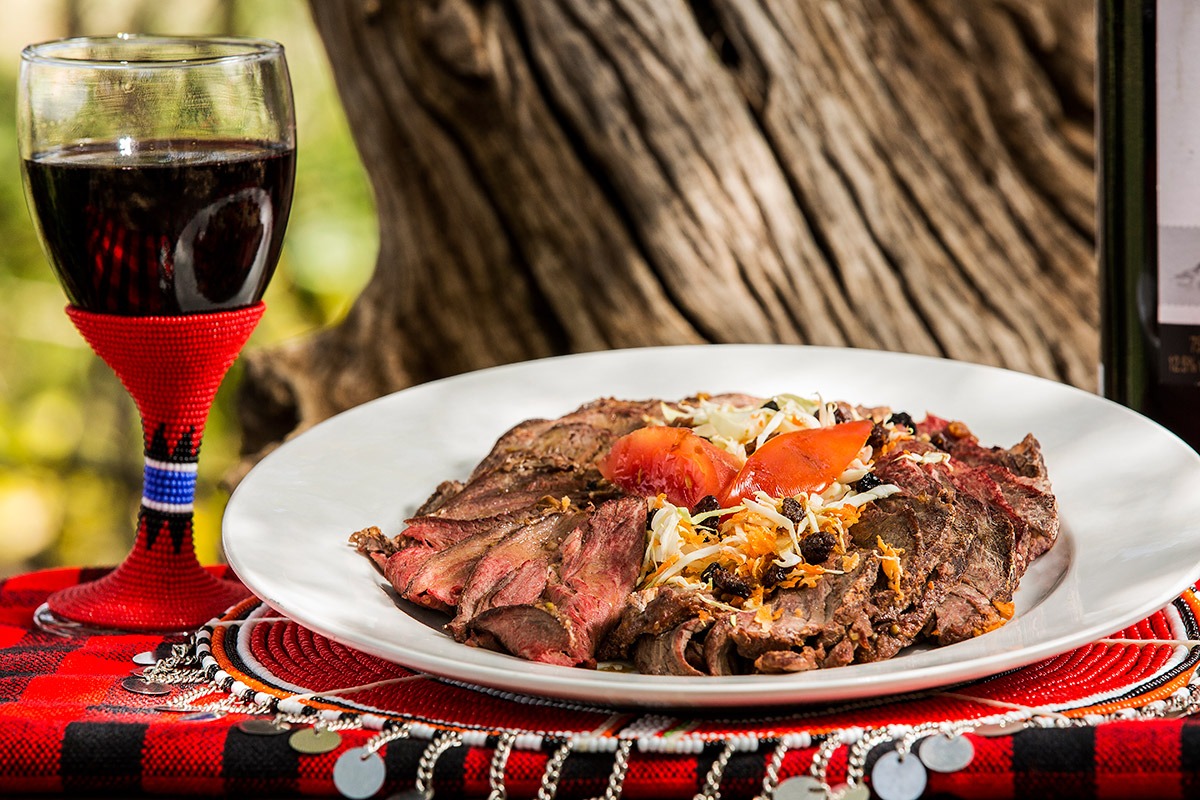
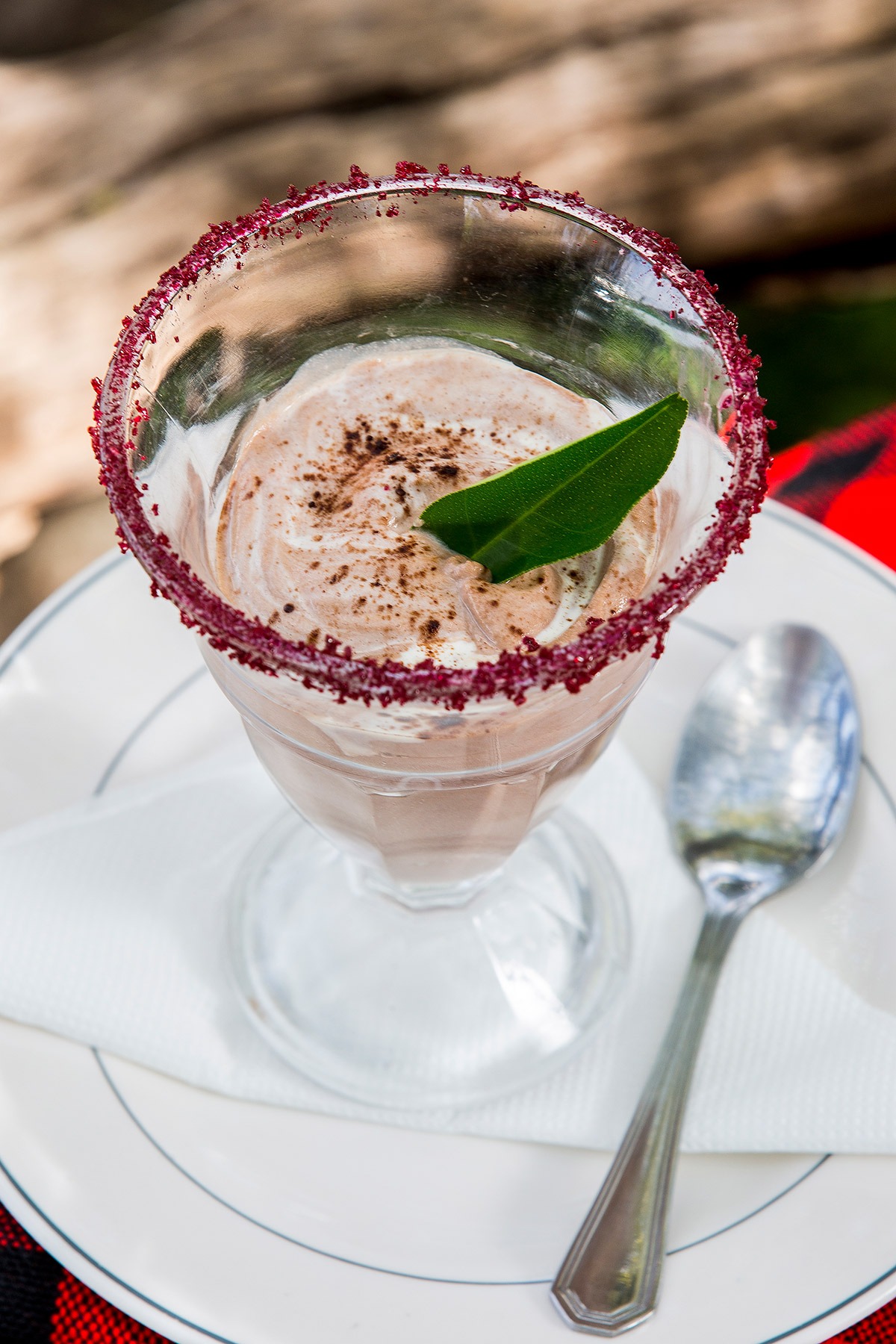
Meals at Il Ngwesi are served in Il Laikipiak Hall — the main lodge building at the front of the site, with views north and east across the valley and down to the waterhole. The open-air dining room centres on a hand-carved communal table; the atmosphere is unhurried and deliberately familial, in the manner of a property that thinks of guests as visitors to a home rather than clients of a hotel. The kitchen works across a range of European and East African dishes, with fresh produce sourced locally and menus planned around what is available rather than a fixed seasonal rotation. Breakfast is taken before drives depart; bush breakfasts in the conservancy and sundowners at positions chosen by the guide are arranged as part of the activity programme. The pool terrace — overlooking the valley — is the lunch venue for guests who prefer to eat outdoors. Soft drinks, tea, and coffee are included; alcoholic beverages are available from the bar at an additional charge.



Il Ngwesi operates year-round across two pricing seasons. The regular season runs from January through March, June, mid-September through October, and December — periods when the Laikipia landscape is dry and game concentrates around the waterhole below the lodge, producing the most reliable and concentrated wildlife encounters. The green season of April through May and November coincides with the long and short rains respectively: the conservancy fills with water, birding peaks, and visitor numbers drop to near-exclusivity levels, with rates reflecting the reduced demand. Laikipia’s northern position and mid-altitude keep temperatures warm throughout the year, with cool mornings and evenings in the dry season. For guests combining Il Ngwesi with Lewa, Borana, or Samburu on a northern Kenya circuit, the dry-season months of July through October maximise the wildlife experience across all three ecosystems simultaneously.
Explore handcrafted itineraries where Il Ngwesi forms part of the journey.
Please share your name and email so we can follow up with you.